Time:2025-12-18 07:21:11 Source:Sanjian Meichen Steel Structure
How to create safe, adaptable, and cost-effective steel support platforms for heavy equipment
Load Analysis: Don’t Underestimate Dynamic Forces
Material Selection: More Than Just Grade
Connections and Joint Design: Bolted vs. Welded
Modularity & Future Expansion: Design for Tomorrow
Maintenance & Accessibility: Don’t Overlook the Human Factor
Compliance and Safety Codes
Quality Assurance and Inspection
Installation Planning — Don’t Let Logistics Derail You
Steel support platform failures are often the result of overlooked details or rushed decisions. Even experienced project leaders can end up facing runaway costs or hazardous failures if the right questions aren’t asked at the start.
When designing steel support platforms for large industrial equipment, you must thoroughly analyze every load type, select the ideal steel for your environment, choose the right joint strategy, plan for future modifications, design with maintenance access in mind, meet every safety code, ensure strict inspection, and prepare a detailed and realistic installation road map.
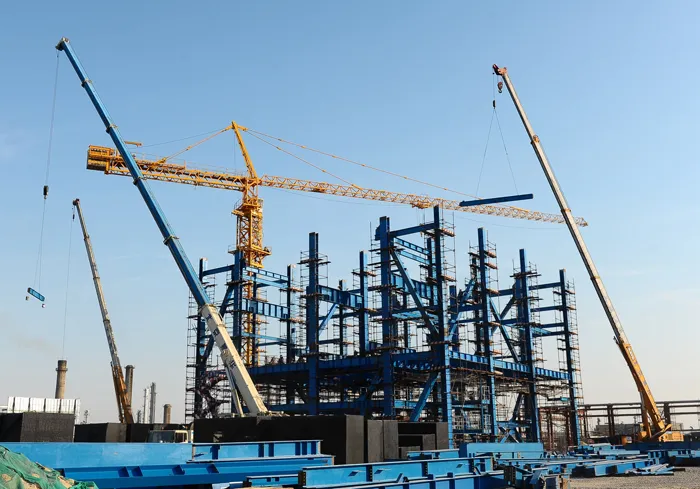
I’ve seen projects derailed by missing just one of these steps, often after massive investments. A steel platform isn’t simply a rigid shelf for machines; it’s an engineered system that needs to match changing production needs, people’s working habits, and the business’s long-term plan. Each choice, from how beams connect to how workers access a control panel, stacks up over the life of a facility.
Let’s break down what makes each decision critical, and where you can win or lose in design and operations.
Ignoring dynamic loads or making rough estimates based only on static weight is a common—and costly—mistake. Factories need to know how every possible force affects the platform every day.
A steel support platform must be designed to handle static loads (the resting weight of devices), dynamic loads (forces from movement and operation), impact shocks (like dropped items), wind, and—even in some locations—earthquake effects. Failure can happen when machinery vibration is not included in calculations or when only “average” weights are used.
For instance, I once joined a project where a 15-ton compressor was mounted without considering startup vibration. Less than a year later, I found hairline cracks in two welds along the main support beams. We had to use special sensors, send the data out for simulation, then design reinforcing plates just to keep the platform usable.
Dynamic simulation, especially with heavy moving machinery, is a small investment with huge payback. If you’re supporting heavy rotating equipment, never rely on static load alone.
Ask your engineer for a detailed breakdown like this:
| Type of Load | How It’s Created | Example of Failure If Ignored |
|---|---|---|
| Static | Equipment “resting” weight | Beams bend permanently |
| Dynamic | Movement / vibration in use | Cracks at bolted / welded joints |
| Impact | Sudden unloading, dropped tools | Dented beams, sheared connectors |
| Seismic | Regional quake / plant vibration | Collapse, total or partial |
| Wind | For outdoor or exposed platforms | Lateral movement, instability |
I recommend running simulations using real load cycles, reviewing supplier case studies for similar installations, and always verifying peak force numbers. Long-term reliability is rooted in getting this step right, not just relying on “rule of thumb” numbers.
Different plant environments put very different challenges on steel platforms. Selecting material is not just checking load tables; it’s about cost, durability, environment, and even how parts are joined.
For a steel platform, the basic grade (like Q235, Q345, ASTM A36, or A572) must match load needs—don’t guess. But you also need to address corrosion risks, temperature swings, chemical attack, and even how easy a part will be to maintain.
Once I helped a client in the coastal energy sector swap a costly stainless steel spec for thick hot-dip galvanized carbon steel. The galvanized finish protected against salt and humidity for years, and maintenance crews could recoat battered areas quickly. This saved about 18% on initial costs and avoided many headaches when repairs were needed.
When selecting material, always ask for:
The steel grade and mill certifications
Expected corrosion exposure (check if you need galvanizing, epoxy, or specialized coatings)
Local climate: extreme cold, heat, or marine air?
Plant chemicals: acids, fumes, or solvents—often overlooked until it’s too late
Maintenance approach: can you touch up coatings or must you replace whole members?
Don’t overspecify “tougher” steel without balancing it against environmental protection and practical maintenance. The right finish, not just grade, often drives platform durability and cost.
Connections make or break the lifespan of any steel structure. The wrong joint strategy can shorten service life or trap you in costly repairs. It’s never just either/or.
Welded connections offer superior rigidity for areas with sustained high stress or vibration—critical if you support rotating pumps, engines, or turbines.
On the other hand, bolted connections are faster to install, easier to inspect over the years, and—most importantly—easier to adapt when layouts change or platforms need extensions.
A shipping facility project I consulted on planned for pure bolted joints but hit problems with vibration from conveyors. Retrofitting critical welds at key stress points stabilized the structure and avoided costly downtimes.
My reliable rule: use welds where load paths are highest, or where movement is most critical (main columns, crossbeams). Specify high-quality bolted joints for accessible parts—handrails, edge beams, or floors—where maintenance or future changes are likely.
Where platforms cross expansion joints or different foundations, hybrid solutions with flexible bolted sections plus select welds have prevented dozens of complex on-site fixes for our clients. This blended design offers real-world cost savings and flexibility for future modification.
If plant layouts or production equipment ever change (and they almost always do), a rigid, fully “custom built” steel platform is a recipe for future waste.
Modular platform design gives you a set of building blocks—repeatable sections, standard-sized frame connections, and easily removable panels or stair assemblies.
Years ago, I worked with a rapidly growing logistics client who needed to reconfigure a conveyor floor twice in 18 months. Because we specified standardized modules bolted together, both upgrades required no cutting, no welding, and created zero dust in a working facility. That saved them over 35% in material and labor costs for the expansions and kept uptime at nearly 100%.
Spec modularity from the start if:
Your process line may add or remove equipment soon
You need speed in both original assembly and later changes
You want to relocate the platform in the future (even across facilities)
Your local labor costs make on-site welding expensive or slow
Ask your supplier for examples of modular platform frames, check if they predrill and label parts, and confirm all bolted joints use standard patterns. Modular design swaps inflexible, one-off costs for adaptability, giving you long-term savings and more predictable results when business needs change.
If you can’t get people, tools, or even robotic arms to critical equipment, every repair multiplies your downtime. Access needs must be included from design sketch #1.
Good maintenance design means:
Walkways at least 600 mm (~24 inches) wide for safe passage
Permanent stairs or fixed ladders at every control or major inspection point
Removable floor grates or access hatches at common service areas (valves, motors, sensors)
Railing and personal fall arrest systems at every elevation above 1 meter
I’ve spent nights on-site during commissioning shutdowns where whole sections had to be cut out or lifted just to service an overlooked sensor or valve.
In one refinery upgrade, a simple platform redesign to include extra access panels cut planned shutdown time from four days to one, saving tens of thousands in overtime. Poor access can hurt staff morale, slow down schedules, and even void safety certifications.
Don’t let maintenance get pushed till the end—ask your maintenance team for their needs before finalizing drawings.
A missed code detail or skipped weld inspection might slip by during construction, but it always emerges in cost overruns or safety reports. Compliance isn’t paperwork—it’s plant survival.
For every platform, make sure you:
Review local, national, and (if exporting) international steel structure standards (OSHA, ISO 9001, EN 1090, AISC, etc.)
Clearly specify QA/QC processes—like weld inspection, material traceability, coating thickness check, and bolt torque tests
Involve your structural engineer and supplier together when planning for certification; don't rely on suppliers to “catch” missing details
Choose suppliers with visible, current third-party certifications—ask to see their paperwork before signing a contract
I once managed a project where a delayed certification process stopped final plant opening for weeks, costing over $120,000 in lost revenue.
Early, open code and inspection planning—which costs almost nothing—can prevent budget and schedule blowouts, keeps insurers happy, and more importantly, keeps your people safe.
A brilliant design on paper means nothing if it causes chaos on site. Thinking through installation before design is finalized is the surest schedule insurance.
Key steps for smooth installation:
Map out transportation routes: Check if modules must fit under bridges or through tight loading docks
Break down the structure for staged delivery: Crane time is expensive; smaller, well-labeled sections help
Sequence all trades in the installation: Do electricians or pipefitters need access before or after certain beams go up?
Pre-assemble as much as possible at the factory: Larger modules, with hardware included, cut days from field labor
Use clear, color-coded assembly drawings and part numbers; confusion onsite leads to slowdowns and rework
In one large US energy project, we delivered platform subassemblies just in time for install. Our team color-tagged beams, provided toolkits for each module, and aligned delivery with site access hours.
Construction finished almost three weeks early, trimming nearly $65,000 from the budget. Early logistics thinking is as important as the design itself—never let install planning be “someone else’s problem.”
The most robust steel platforms rely on specific load analysis, the right material and connections, modular choices, maintenance focus, strict code compliance, quality checks, and upfront installation strategy—all backed by a supplier who works as a project partner.
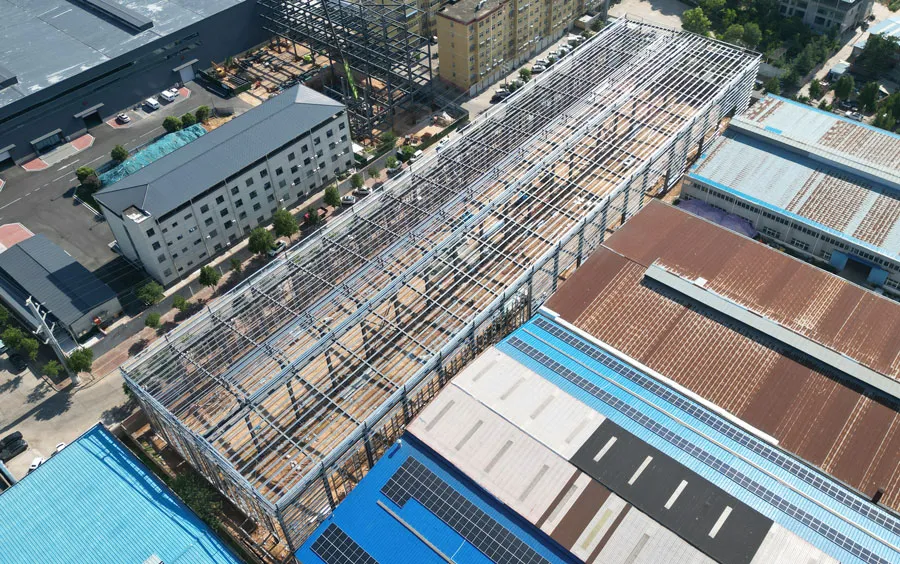
Steel Structure Workshop Solutions
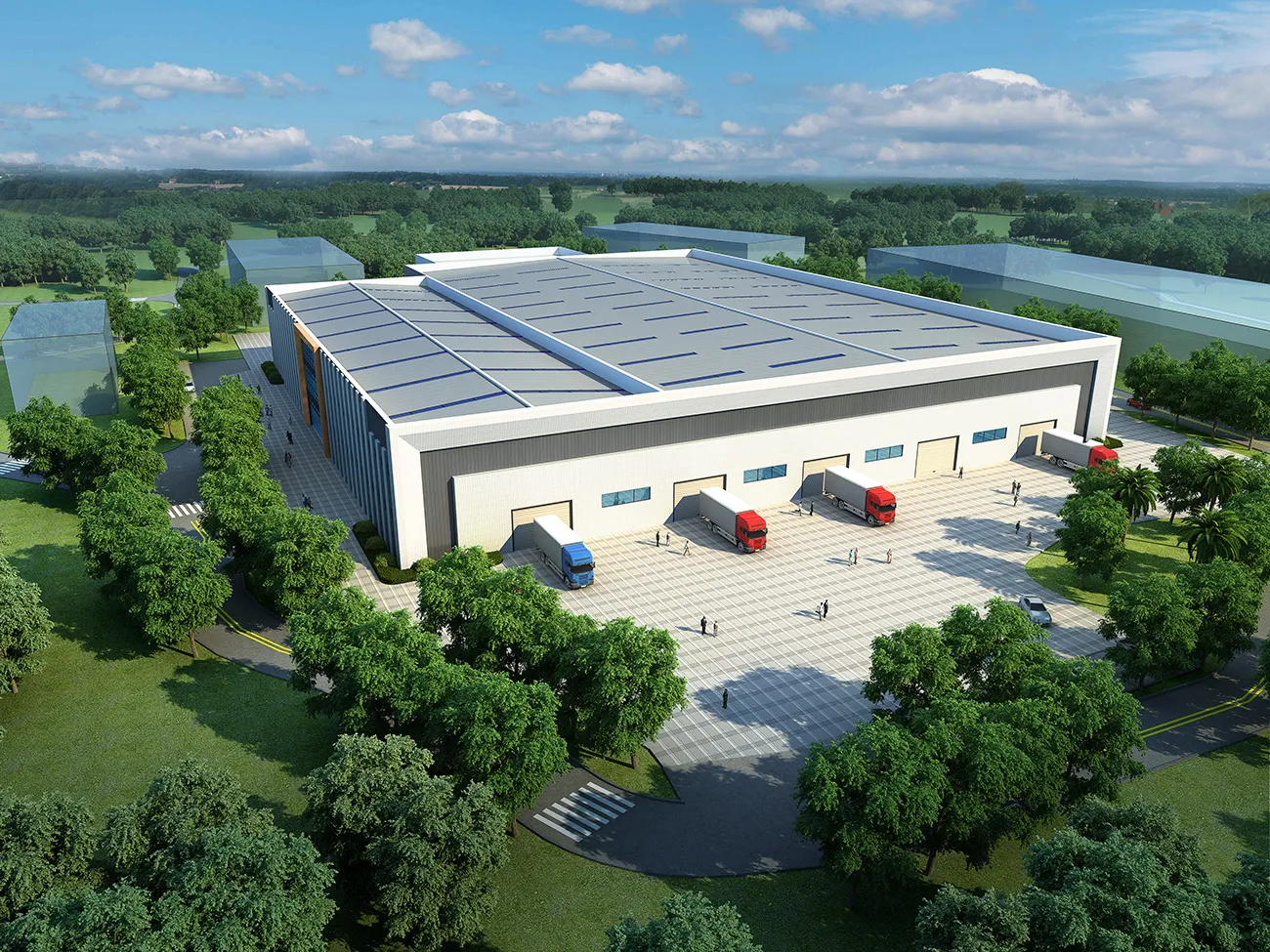
Steel Warehouse Solutions
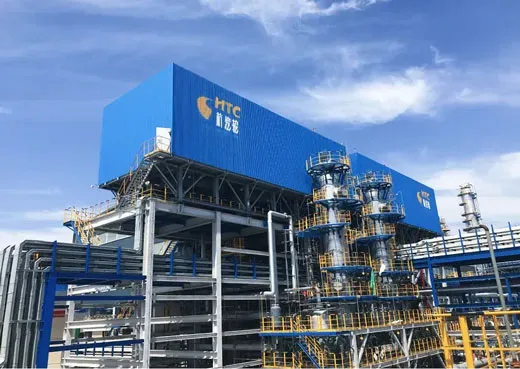
Heavy Steel Structures for Equipment
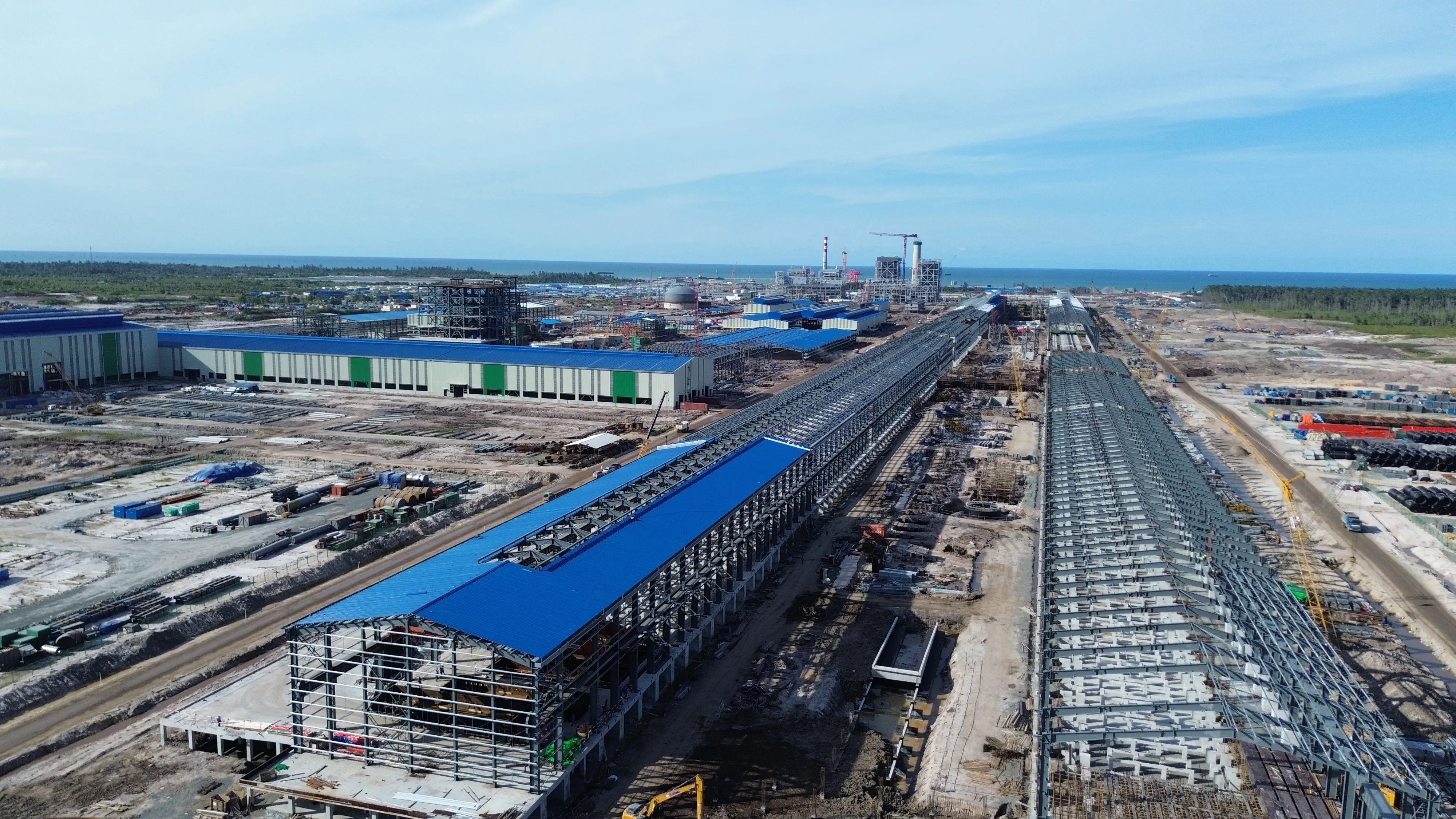
Indonesia North Kalimantan Aluminum Plant Project
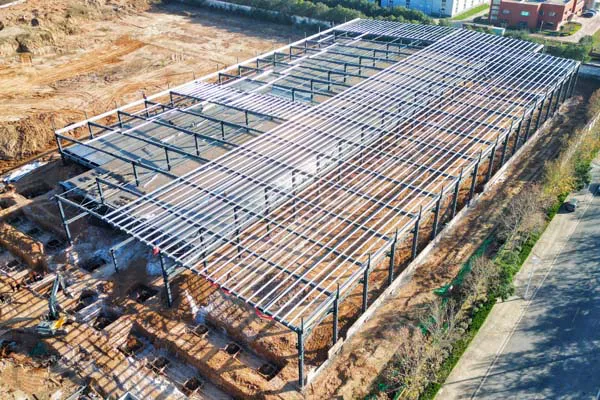
Luoyang Haode Auto Parts Steel Structure Factory Project
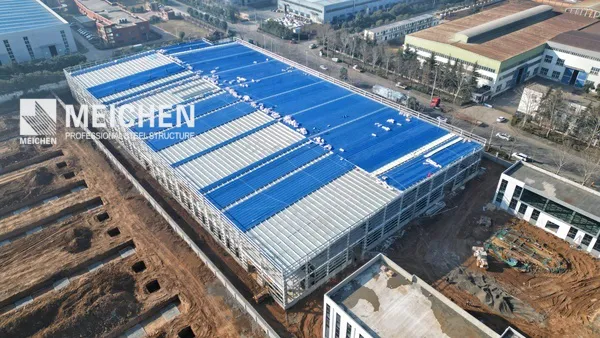
Automated Glass Production Line Steel Structure Factory Building Project
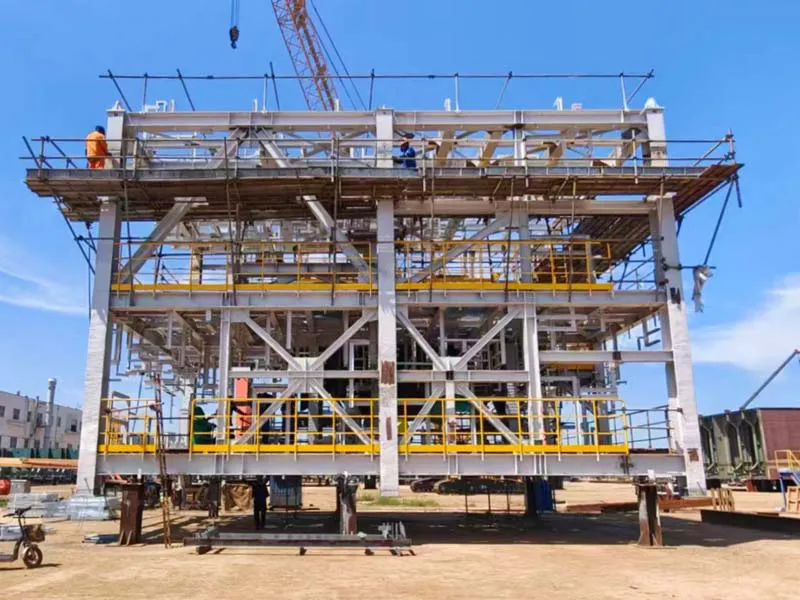
Oil & Gas Modular Steel Structure Fabrication Project
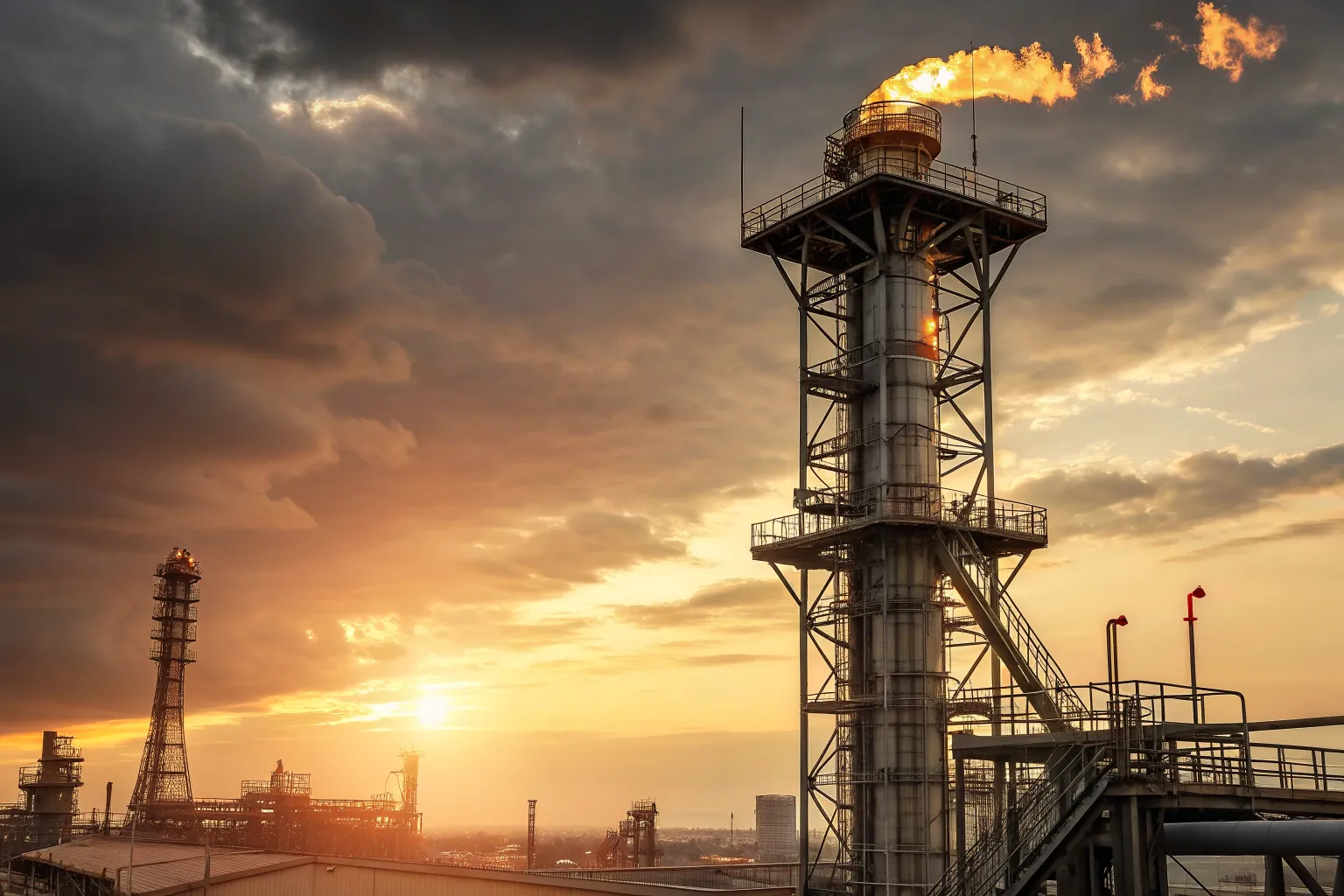
Flare Stack Structure