Time:2026-02-05 07:11:25 Source:Sanjian Meichen Steel Structure
Missing details in an RFQ nearly always return to bite you. Schedules slip, prices rise, and teams face claims that could have been prevented. I’ve found that a clear, complete RFQ transforms the entire project—getting vendors on board quickly, reducing change orders, and keeping schedules on track.
For EPC contractors, preparing the right RFQ is about more than compliance. It protects your profit and reputation, and it builds trust with suppliers and construction teams from day one. I want to share the experience, lessons, and specific steps our team relies on for every project.
Everyone has a “war story” about tasks falling through the cracks. I remember a project where the drawings were nice, but responsibility for connection design and bolt supply was vague. That small hole led to weeks of debate, unforeseen cost, and frustration on both sides.
We now begin every RFQ by spelling out the scope split. Who does the design? Who details, fabricates, coats, transports, erects, supplies bolts, manages as-builts, hands over survey data, and supplies O&M documents? On more complex jobs, we add lists for site welding, fire and seismic protection, connection engineering, and even temporary works. Civil-mechanical-architectural interfaces get named—for example, “Vendor shall supply anchor bolts and templates; civil will cast them in-situ.” I’ve watched entire project headaches dissolve when the table below is included in the bid package:
| Package Section | By EPC/Contractor | By Vendor/Supplier |
|---|---|---|
| Design (global) | X | |
| Member sizing | X | |
| Connection design | X (unless noted) | |
| Detailing | X | |
| Fabrication | X | |
| Surface coating | X | |
| Transport | X | |
| Site erection | X | |
| Bolts/anchors | X | X |
| As-builts, MDR | X |
By defining roles so precisely, we close loopholes and invite healthy value engineering instead of corner-cutting.
Mixing standards is a silent danger. Once, we paired AISC for structure with European bolts. The end result—a parade of fit-up and inspection troubles—taught us to lock project codes up front.
We now always put one code system for the main structure, welding, bolts, tolerances, painting, fireproofing, and testing, all in the RFQ. If a client or regulatory spec forces a blend, we show a mapping or crosswalk table and have engineers on both sides sign off. Key technical criteria—live and dead loads, seismic level, wind speed, exposure conditions, tolerances, deflection, and dynamic service (think: crane runways)—are clearly documented.
| Topic | Standard/Criteria to State |
|---|---|
| Primary code | (AISC/EN/GB, choose one) |
| Welding | (AWS D1.x/EN, specify) |
| Bolts | (ASTM/EN, detail grade) |
| Tolerances | (AISC 303/EN 1090) |
| Painting | (ISO 12944, NACE/SSPC) |
| Fireproofing | (UL/FM/ETA listing, if any) |
When everyone is working from the same rulebook, technical reviews and site inspections move quickly.
Guesswork is expensive. If a bidder doesn’t know the true loads, material grades, or connection types, they protect themselves with contingencies—or fill in the blanks in ways we can’t control.
Our team provides detailed GAs, sections, mark plans, and connection schedules. All loads—dead, live, wind, snow, seismic, equipment, uplift, and crane—are shared, not just the “major” ones. We specify which material grades are allowed, and only ask for CVN toughness and Z-quality if the project will actually need them—the rest adds cost and lead time with little benefit.
We choose main member types (rolled or built-up), state connection philosophy (bolted, welded, or mixed), and lay out all key tolerances. Welding and NDE (MT, UT, PT) requirements are matched to the most critical zones.
Including this level of detail doesn’t just help with bid evaluation—it attracts the fabricators who are actually suited for this project, saving time and cost at award.
Missed or mismatched coatings lead to avoidable repairs and claims, especially on coastal or process structures. In one project, we failed to specify slip-critical coating compatibility—requiring costly retrofits after inspection. That’s not a risk I want to repeat.
Now, we always define environmental class, target service life, surface preparation, DFT by layer, and preferred manufacturers. Galvanizing needs are described, with bath size, vent hole policy, and any special handling for built-up sections. For fireproofing, we name the actual system, required UL/ETA listing, application thickness, and compatibility with other coatings or galvanizing.
By thinking this through in the RFQ, I’ve watched our field teams avoid risk, rework, and schedule pain.
Letting “the shop decide” about transport and lifting can turn into an expensive mistake. We had one project with trusses so big they couldn’t leave the port—forcing overnight “field solutions” and eating contingency.
We’ve learned to check piece size against real world limits: truck/trailer size, crane reach and lift capacity, port and route restrictions. Max piece weights and lengths are clearly stated. If the site is space-constrained, we call out staging sequence and laydown zones; if trial assemblies or module pre-fit are required, those go in the RFQ. Vendors are asked to supply modular kit packs—bolts, gaskets, paint, even drawings—so crews are never left scrambling.
| Piece Limit | Typical |
|---|---|
| Max length | 12–14 m |
| Max weight | 8–10 t |
| Width/height | Per route/permit |
Documenting these realities up front brings the best, most practical solutions from the supply chain.
Even a great steel package will stall if MDRs, ITPs, or QA checks aren’t mapped out. Our routine now includes not just certifications (AISC, EN 1090, ISO, etc.), but hold and witness points in fabrication, painting, shipping, and erection. We ask for modular crate-by-crate documentation: packing lists, heat numbers, mill certs, and bolt batch records. Our commercial terms spell out milestones, payment triggers, retention, bonds, penalties, and warranty—matched to the real plan.
No one wins if the project gets hung up on missing paperwork or QA “surprises.” Sharing these needs up front means fewer claims and a happier commissioning team.
Issuing a steel RFQ is not about ticking boxes. Our most successful projects come from sharing clear roles, standards, technical data, coating rules, constructability limits, and robust QA steps right at the start. When we pass our hard-won experience and details to our vendors, we set everyone up for better prices, fewer surprises, and a truly collaborative build.
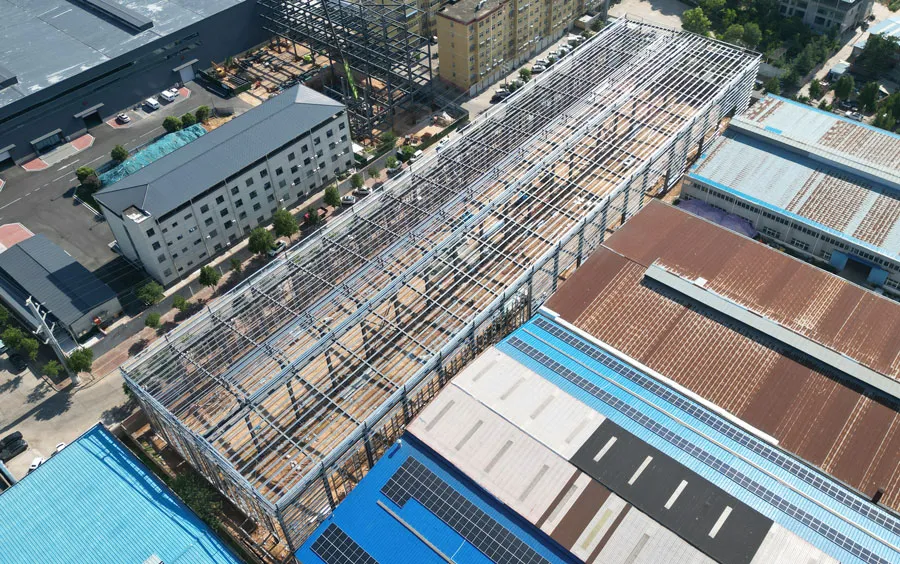
Steel Structure Workshop Solutions
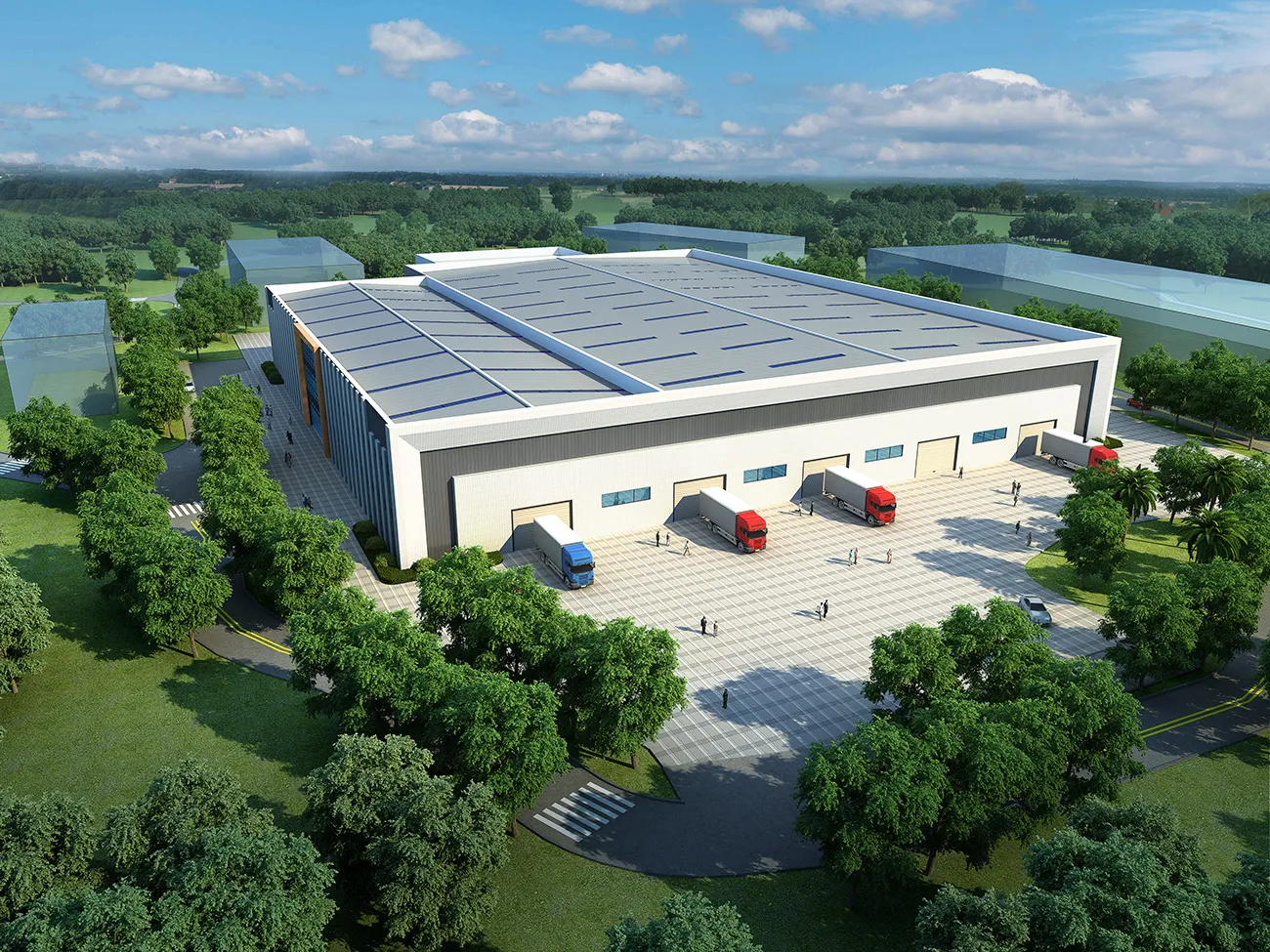
Steel Warehouse Solutions
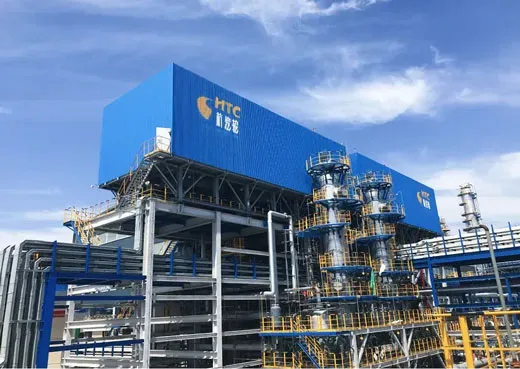
Heavy Steel Structures for Equipment
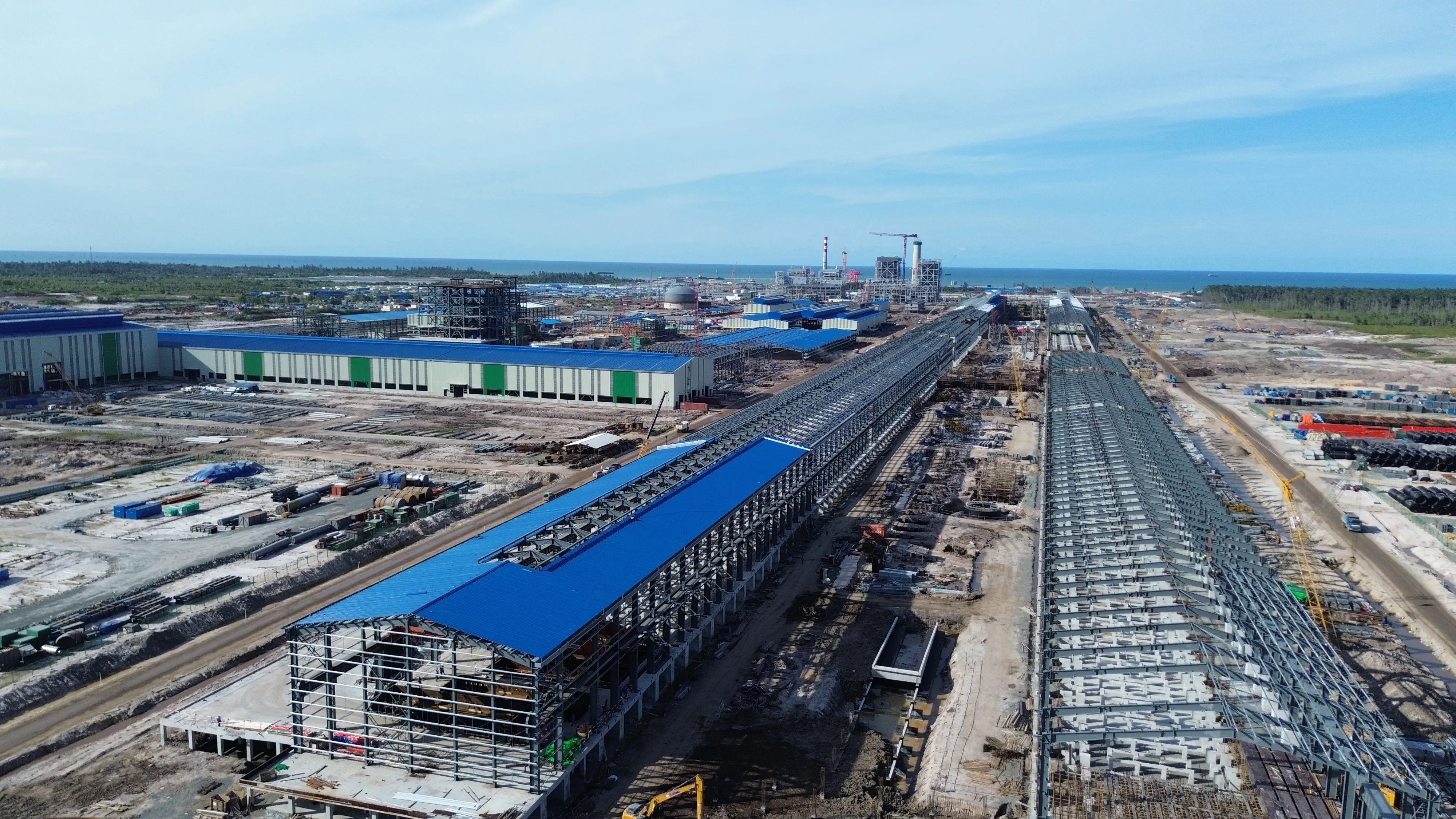
Indonesia North Kalimantan Aluminum Plant Project
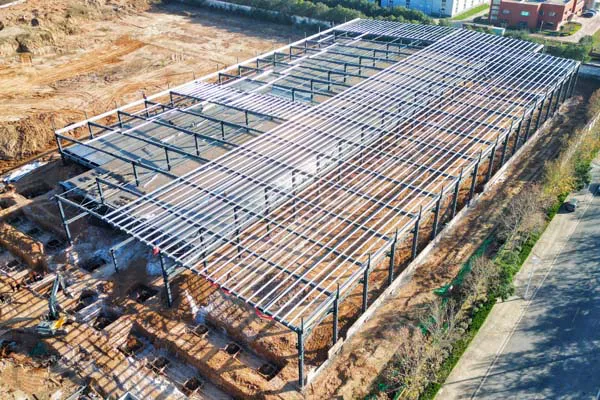
Luoyang Haode Auto Parts Steel Structure Factory Project
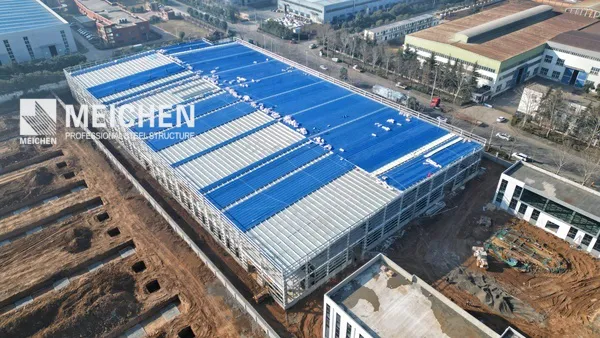
Automated Glass Production Line Steel Structure Factory Building Project
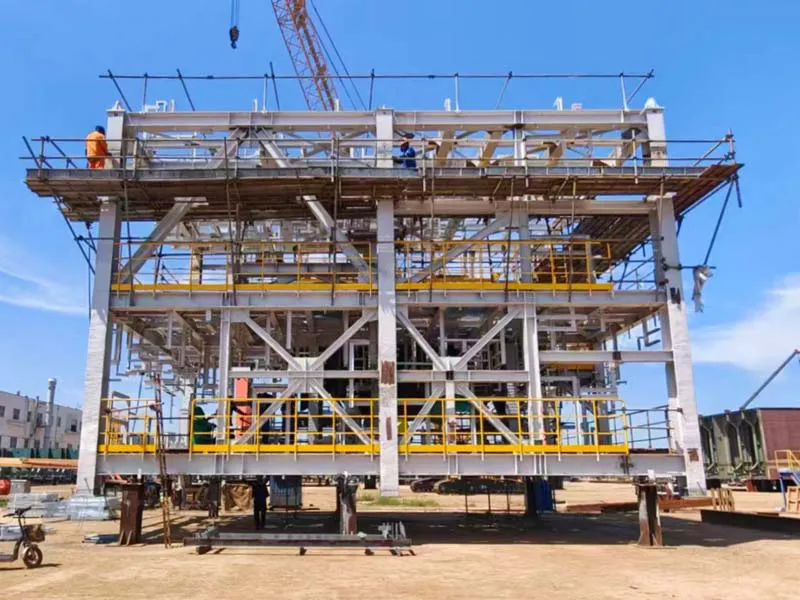
Oil & Gas Modular Steel Structure Fabrication Project

Flare Stack Structure