Time:2026-01-19 07:12:28 Source:Sanjian Meichen Steel Structure
In petrochemical plants, one bad weld can stop production and risk lives. I face tight schedules and audits. EN 1090 gives structure, proof, and control that keep steel safe.
EN 1090 is a European standard for steel and aluminum structures. It ties CE marking to real controls: qualified welding, verified procedures, factory production control, and Eurocode design. In petrochemicals, it cuts failure risk, speeds audits, and opens EU interfaces.
I manage projects where safety, schedule, and cost fight for priority. I need rules that hold under heat, corrosion, and vibration. EN 1090 sets those rules and backs them with audits. If you work in petrochemicals, you gain time and trust when your steel meets EN 1090. If you skip it, you face rework, claims, and delays.
Heat, chemicals, and dynamic loads punish steel. Minor defects grow into shutdowns. EN 1090 turns good intentions into proven systems. It locks welding and design into repeatable, auditable control.
EN 1090 improves safety by certifying welders, validating WPS to EN ISO 15614, enforcing factory production control, and aligning calculations with Eurocodes. It defines execution classes (EXC2–EXC4) and sets inspection and acceptance rules that fit petrochemical risks.
I see safety as process, not paperwork. EN 1090 places that process in daily work. Welders hold ISO 9606 tickets that match material and thickness. Welding coordinators work to ISO 14731. Each WPS comes from a PQR that proves parameters on the actual joint. EN ISO 3834 defines weld quality requirements. EN ISO 5817 sets acceptance levels, often level B for EXC3 butt welds. Eurocode EN 1993 covers steel design. EN 1991 covers actions like wind and thermal loads. EN 1998 covers seismic. EN 1090-2 links design to execution. Factory Production Control, or FPC, governs preheat, consumables, calibration, and environment. I set clear ITP hold points. I include VT, MT, UT, and RT where needed, using EN ISO 17637, 17638, 17640, and 17636. I record repairs and retests. I track bolts with calibrated tools and logs. I verify corrosion systems with DFT and holiday tests. These steps stop random failure. They turn risk into controlled work.
| Element | EN 1090 control | Petrochemical impact |
|---|---|---|
| Welding | ISO 9606, EN ISO 15614, EN ISO 3834 | Strong joints under heat and chemicals |
| Design | Eurocodes EN 1993/1991/1998 | Safe loads and clear margins |
| Execution | EN 1090-2 + EXC3/EXC4 | Higher NDT and stricter acceptance |
| Production | FPC audits and records | Repeatable quality every shift |
I remember a Middle East refinery audit. A tank support failed inspection due to missing weld traceability. The plant lost weeks and millions. The supplier lacked EN 1090. That single gap caused a full rebuild. I do not let that happen on my watch.
Auditors ask for proof. Claims demand a clean trail. EN 1090 builds traceability from mill certificate to final weld. It makes data part of every task, not a file after the fact.
EN 1090 requires EN 10204 material certificates, heat number tracking, part IDs, WPS/PQR links, welder IDs, calibrated tools, inspection records, and an MDR that combines all data. A Notified Body audits this system and validates CE marking.
I start with materials. I require EN 10204 3.1 or 3.2 certificates for plates, shapes, and hollow sections, often EN 10025 or EN 10210 grades. I trace each heat number into cutting lists and part marks. I map assemblies with unique IDs. I link each weld to a WPS number and the welder’s ID. I store fit-up checks, preheat readings, interpass temperature logs, and consumable batch numbers. I capture NDT results, acceptance levels, repair records, and retests. I keep calibration certificates for ovens, torque tools, and gauges. I review coating reports with DFT, adhesion, and holiday tests. I issue a Declaration of Performance, or DoP, when components go to the EU. I compile a Manufacturing Data Record, or MDR, with an index and cross-references. The Notified Body checks the FPC and issues the EN 1090-1 certificate. I verify the certificate scope, the execution class, and the validity on the NANDO database. I ask for the latest audit report. I request a sample dossier before award. I send a local inspector to see if the workshop matches the system. These steps uncover fake papers. They expose weak practice. They save schedule.
| Document | Purpose | What I check |
|---|---|---|
| EN 10204 MTC | Source proof | Heat, grade, batch, standard |
| Cutting list | Part mapping | Heat-to-part link |
| WPS/PQR | Weld process proof | Parameters, ranges, materials, thickness |
| Welder ID | Skill proof | ISO 9606 validity and scope |
| NDT reports | Joint integrity | Coverage, acceptance, repairs |
| ITP | Inspection plan | Hold points, witnesses, evidence |
| MDR + DoP | Final dossier | Complete, indexed, CE compliance |
When I follow this chain, I pass audits fast. When I ignore it, I get stuck and pay for rework. Traceability is not red tape. It is risk control you can use.
Bids die early when risk looks high. Schedules slip when inspectors stall. EN 1090 lowers risk and speeds approvals. It turns your steel package into a safer, faster choice.
Yes. EN 1090 is common in pre‑qualification for major EPCs and petrochemical owners. It proves EXC3–EXC4 capability, supports CE marking, compresses QC/QA cycles, and reduces insurer and client risk. It gets you on the shortlist sooner.
I often prepare bids under tight deadlines. I know what procurement screens for. They want low risk and strong proof. I lead with EN 1090-1 certification and the latest Notified Body audit report. I show scope: steel components, EXC3 or EXC4. I add references with pipe racks, modules, and tanks. I attach welder qualification matrices and sample MDR pages. I include a draft ITP with planned NDT rates and hold points. I present a QC/QA timeline that aligns with site milestones. I mention Eurocode design compliance and CE marking for EU interfaces. Insurers and clients see a stronger system. Third‑party inspectors move faster because the FPC is clear. I also ask smart questions about execution class, corrosion category, and NDT coverage in the RFQ. I propose EXC3 for most petrochemical structures and EXC4 for special units. I include clarity on acceptance levels and testing standards. These steps change the risk story. They win trust and time.
|
EXC level |
Typical use |
What I promise |
|---|---|---|
| EXC2 | Standard buildings | Not for petrochemicals |
| EXC3 | Heavy industrial structures | Pipe racks, modules, tanks |
| EXC4 | Critical structures | High‑risk units, special loads |
I have seen bids fail before technical review due to missing EN 1090. I have also seen a bid win because the team highlighted EN 1090 as risk control. The difference is simple. Proof beats hope.
EN 1090 ties welding, design, and traceability into one system. It cuts risk, speeds audits, and wins tenders. It turns petrochemical steel into safe, compliant, tender-ready work.
Steel Structure Workshop Solutions

Steel Warehouse Solutions
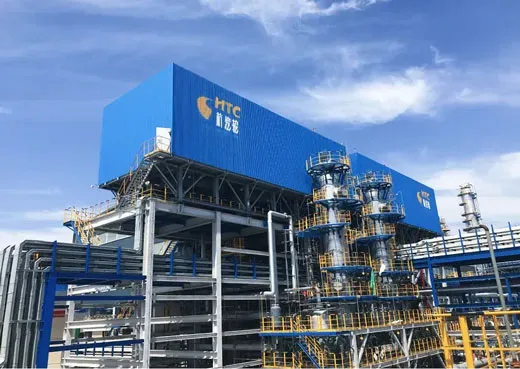
Heavy Steel Structures for Equipment
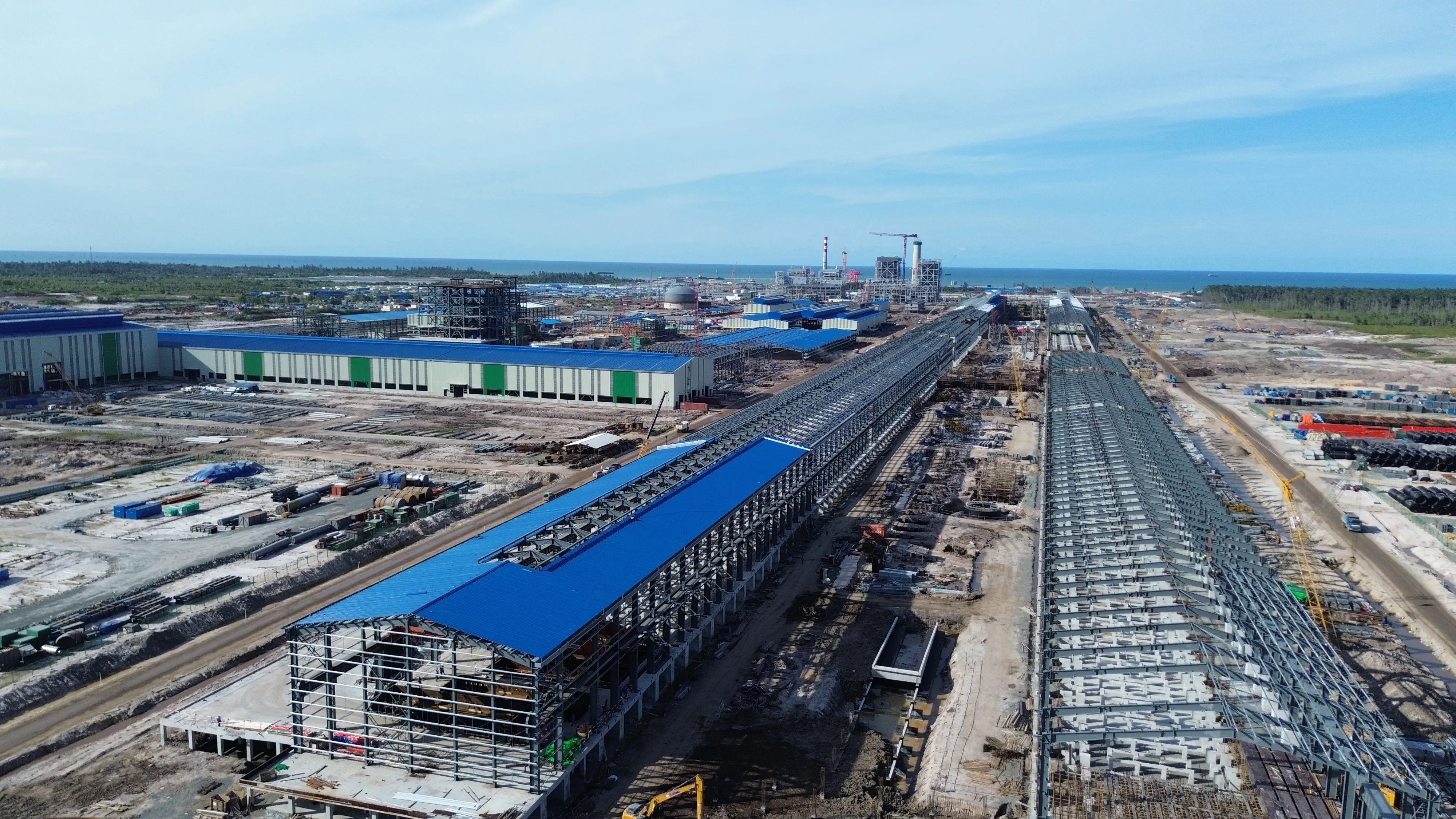
Indonesia North Kalimantan Aluminum Plant Project
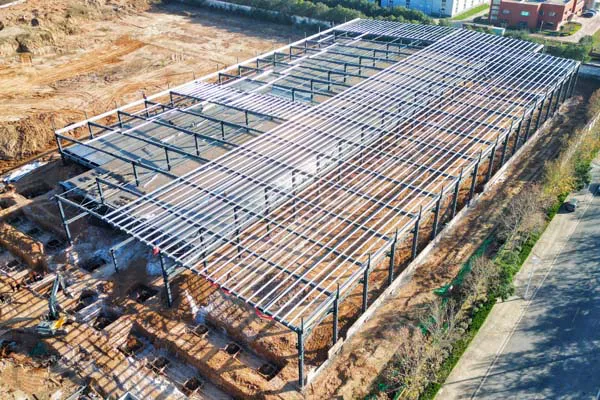
Luoyang Haode Auto Parts Steel Structure Factory Project
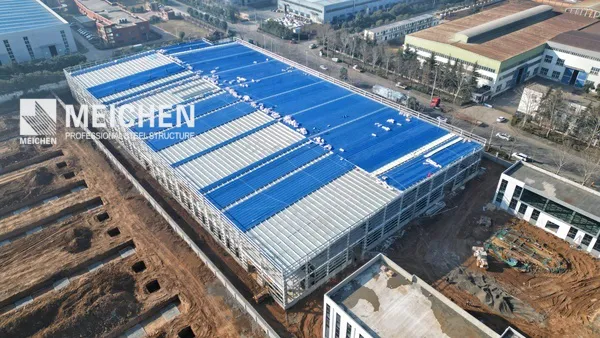
Automated Glass Production Line Steel Structure Factory Building Project
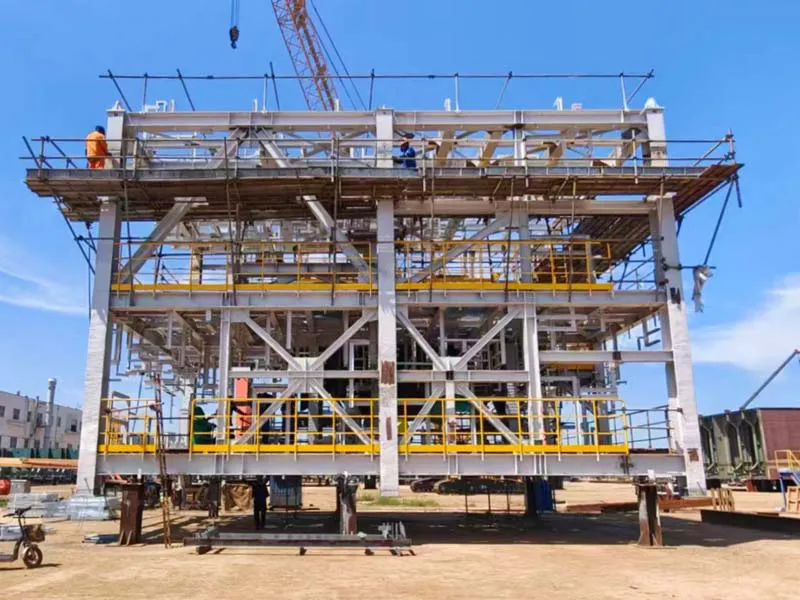
Oil & Gas Modular Steel Structure Fabrication Project

Flare Stack Structure