Time:2026-03-05 07:36:33 Source:Sanjian Meichen Steel Structure
Corrosion is a real threat for steel buildings, especially when they're built close to the sea or in humid and rainy climates. If we don’t get our strategy right from the very start, we set ourselves up for costly repairs, safety concerns, and major operational headaches before we know it.
The most reliable way to protect industrial steel buildings in coastal and humid areas is to choose the right materials, use proper surface treatments and coatings, design with corrosion in mind, and develop a smart maintenance plan—all tailored to your site's exact conditions.
Let’s be honest. When we walk around a rusted structural column that was only installed three years ago, we know it’s not just “bad luck.” Most failures I see trace back to decisions made early on—using average specs for above-average environments, or hoping a standard paint job will do the trick right next to the ocean. Our building’s whole future health is determined long before the steel even reaches the job site.
Salt and moisture team up to destroy steel faster than we expect. We see the rust form on railings, beams, and platforms that looked perfect in the shop only months earlier.
Every time I’ve gotten a call to check a prematurely corroding building by the coast, the answer turned out to be a combination of salty air, trapped moisture, and daily temperature swings—none of which the original spec sheet addressed closely enough. Salt from sea breezes doesn’t evaporate; it sticks, holding water and oxygen against steel. Humidity keeps surfaces wet. Daily temperature cycles open microscopic cracks in coatings, and that’s all corrosion needs.
Key Environmental Factors
| Environmental Factor | What it Causes | Real-World Example |
|---|---|---|
| Salt-laden air | Fast rust, strong electrochemical attack | Rusty bolts on seaside warehouses |
| High humidity/condensation | Metal never stays dry, rust never rests | Roof beams dripping in the morning |
| Temperature swings | Small cracks in paint or zinc layers | Faded or blistered surfaces facing the sun |
In our practice, we always invest time in a local site assessment—even for “simple” builds. When we skip this or use generalized standards, we usually pay in repairs. Every coastal site is different, and knowing the details helps us avoid surprises down the line.
We need to demand steels and treatments tuned for the actual exposure level. This means looking past price tags and product labels—and insisting on real evidence from our suppliers.
Many people hear “Corten” or “weathering steel” and think, “problem solved.” But we’ve replaced plenty of so-called weathering steel elements that just couldn’t cope with strong salt and moisture. Usually, hot-dip galvanizing with a thick zinc layer (never less than 85μm—and sometimes much more) stands up much better. The real job starts with surface prep: a good SA 2.5 sand blast, not just an “okay” wipe-down. We stress to our factory that we want phosphate or passivation after blasting, setting the stage for better coating adhesion.
Steel Selection and Surface Treatment Checklist
| Task | Why It Matters | Common Pitfall to Watch For |
|---|---|---|
| Use high-performance or galvanized steel | Lasts longer, slows rust | Suppliers quietly use cheaper, thinner zinc |
| Check zinc layer thickness and reports | Ensures real protection is in place | Fake or incomplete inspection records |
| Demand proper surface blast and treat | No coating sticks to dirty steel | Rushed or skipped surface preparation |
| Request passivation/phosphate treatments | Adds extra corrosion protection | Not included in bid or “value engineering” |
To really be sure, we ask for third-party lab results, and we’ll even spot check samples ourselves. Caught a shortcut more than once doing this—especially with rushed schedules or low-bid contracts.
Absolutely. Many buildings fail because their coatings were too thin, poorly specified, or not applied in the right conditions. We’ve found that time spent detailing the coating plan always pays off.
The best results always come from multi-layer systems. First, we lay down a zinc-rich or solid epoxy primer—it’s our base shield. Over this, an epoxy or polyurethane layer creates a water barrier, and we finish with a UV-resistant topcoat. Most of our high-exposure jobs need a total dry film thickness of at least 250μm. Anything less, and we start repeating maintenance work too soon.
Sometimes, when budgets allow or the environment is really aggressive, we go for more advanced options like Thermal Spray Aluminizing (TSA) or a duplex system (galvanizing plus painting). Yes, these cost more—but in one refinery on the shoreline, this doubled the life of the platforms between full repaints.
| System Type | Layers and Thickness | Real-Life Application | What Can Go Wrong If Skipped |
|---|---|---|---|
| Standard multi-layer | Primer + mid coat + topcoat, 200–300μm | Most industrial buildings | Peeling, chalking, and rust |
| Duplex (galvanized+paint) | Hot-dip plus multi-coat | Refineries, harsh climates | Flaking in joint areas |
| Thermal Spray Aluminizing | Aluminium applied at high heat | Offshore oil platforms | Only as good as surface prep |
And we don’t stop at protective paint. We specifically request bolted connections whenever possible (faster for touch-up, easier to inspect) and make sure contract documents say exactly which system is being used, how it’s applied, and how thick each layer is. Vague wording is a huge risk.
Smart design is a force multiplier. When we design to keep water moving and let maintenance teams reach trouble spots, we turn expensive future repairs into simple, routine upkeep.
The most common failures we see are at corners, overlapped plates, or flat horizontal surfaces with no drain path. The answer is simple: design out water traps. We do our best to add slopes to beams, use drain holes in hollow sections, and minimize pockets where salt and water can sit. Another lesson—always plan for regular access, especially when the worst exposure is at roof level or near the sea. Small details like removable covers, sealed expansion joints, or even dedicated inspection hatches save huge sums over a building’s life.
| Design Tip | Why We Recommend It | Typical Issue Without It |
|---|---|---|
| Always slope exposed surfaces | Water runs off, not pools | Rust blooms in flat pockets |
| Add drain holes to closed areas | No water gets trapped inside steel | Internal, invisible corrosion |
| Use sealants at all joints | Blocks saltwater from sneaking in | Rust at overlaps and gaps |
| Provide for maintenance access | Easier routine checks and touch-up | Missed problems turn critical |
We often sit down with our design and BIM coordinators just to go over these points, picking out details that might trap moisture or be hard to reach later. In our experience, a design review focused on corrosion pays for itself every single time.
Inspections and planned touch-ups are just as important as our initial material and design choices. Forgetting this step invites trouble, no matter how well we planned at first.
We build inspection and repair routines into our project handover documents, starting with annual site walks but going up to quarterly checks in harshest conditions. Every touch-up gets logged, and we insist repairs only use the approved products and techniques—no short-term fixes allowed. Hidden costs appear when teams switch to cheaper coatings or skip scheduled checks. It only takes one rainy season and a few unnoticed scratches for rust to take hold. Life-cycle costing is where we see the true value of initial investment: going “cheap” on protection at the bidding stage almost always guarantees big future costs.
| Maintenance Item | Suggested Frequency | Why It Matters | Typical Pitfall |
|---|---|---|---|
| Visual Inspection | Annually or more | Spot early issues | Missed remote or high-up locations |
| Detailed Corrosion Checks | Quarterly in C5 zones | Fast action on aggressive corrosion | Skipped outside of “critical areas” |
| Planned, Documented Touch-up | As soon as damage appears | Stops spread before costly repairs | Wrong paint or surface prep used |
We let our maintenance team know exactly how our protection layers were built up and what to look for. And we remind every manager: a small, routine spend on inspections keeps us far from the panic of failing audits or sudden downtime.
Today, new smart coatings and self-healing paints are making their way from the lab into real buildings. We see these as exciting additions, especially where failure isn’t an option.
Some clients of ours are beginning to use smart coatings with built-in sensors that monitor corrosion and send alerts to facility managers if things start to go wrong. Others are trialing self-healing coatings that fix tiny scratches or chips automatically. At the moment, the costs mean these are mainly used in critical facilities—energy terminals, data centers, and chemical plants. But as these technologies become more affordable, they’ll offer another layer of protection and peace of mind for everyone.
| Technology | What It Offers | Where We’ve Seen It Deployed |
|---|---|---|
| Smart coatings with sensors | Early alerts on coating problems | Energy, logistics, pilot projects |
| Self-healing coatings | Repairs micro-cracks and scratches | Test areas, pilot lines |
If we keep ourselves informed and start small, we can be ready for when these options become the standard—so our projects are ready for the next generation of industrial challenges.
We know from experience that a well-chosen, site-specific anti-corrosion strategy—good materials, thoughtful design, careful execution, and steady maintenance—lets us confidently build for decades, even in the toughest climates.
Steel Structure Workshop Solutions
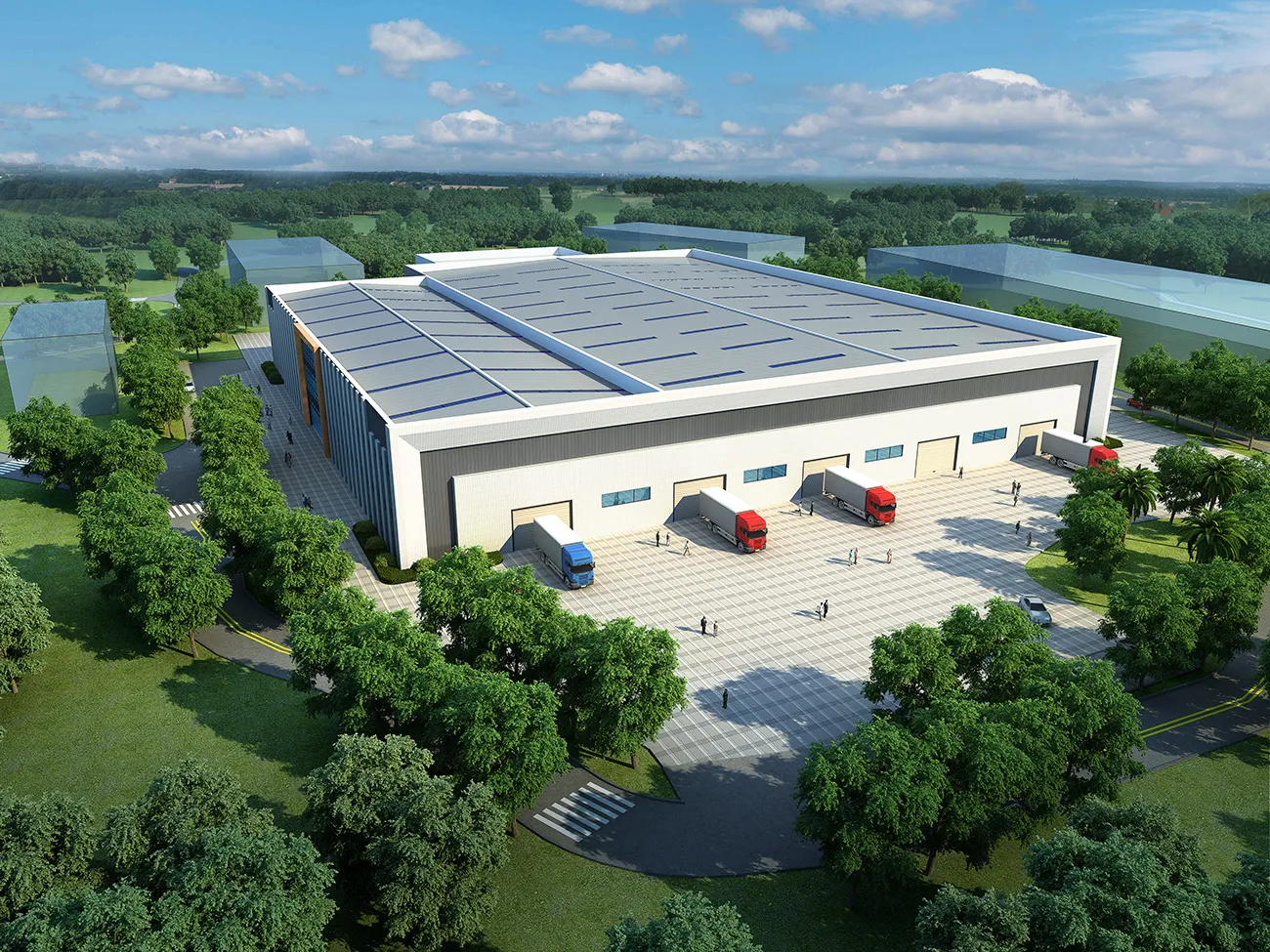
Steel Warehouse Solutions
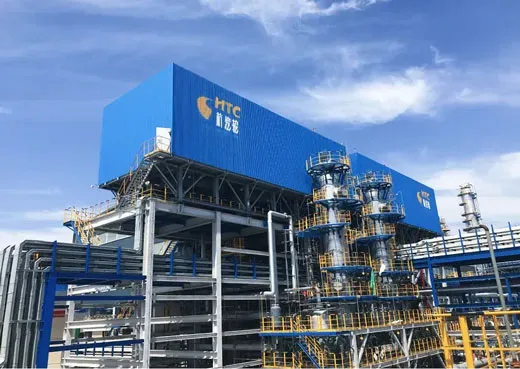
Heavy Steel Structures for Equipment
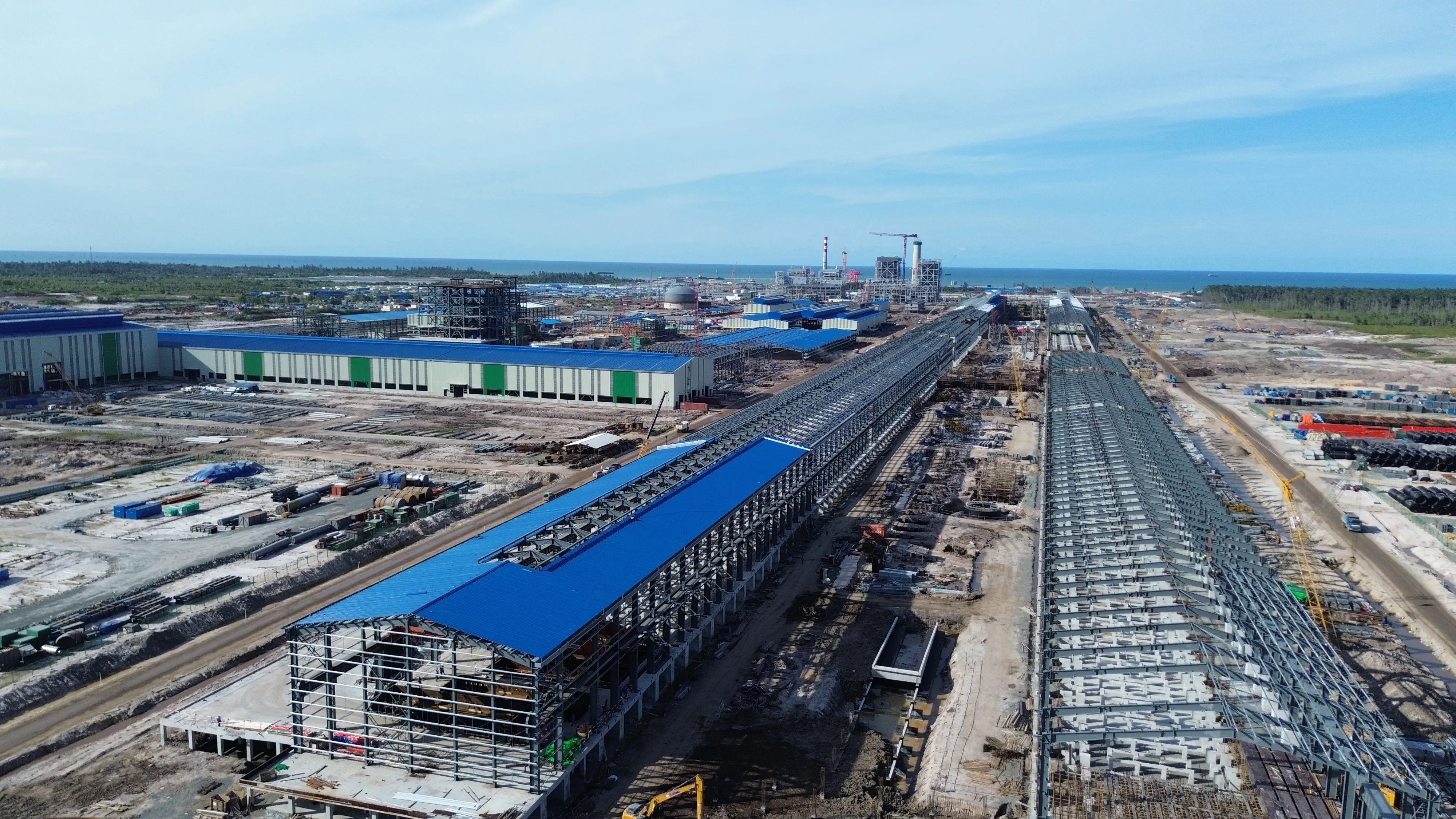
Indonesia North Kalimantan Aluminum Plant Project
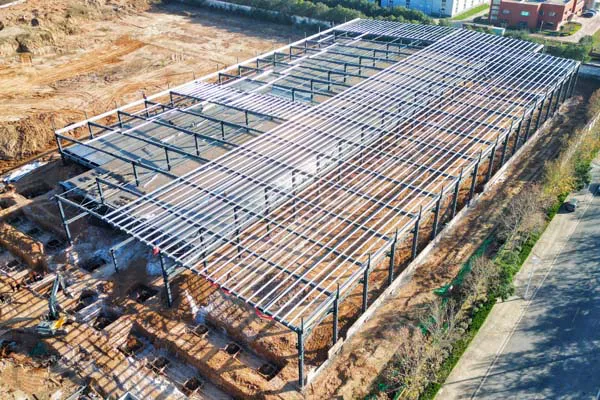
Luoyang Haode Auto Parts Steel Structure Factory Project
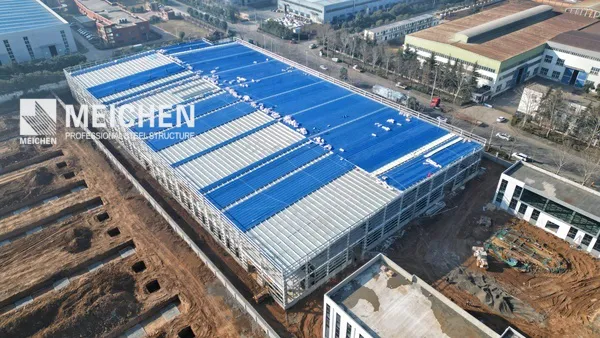
Automated Glass Production Line Steel Structure Factory Building Project
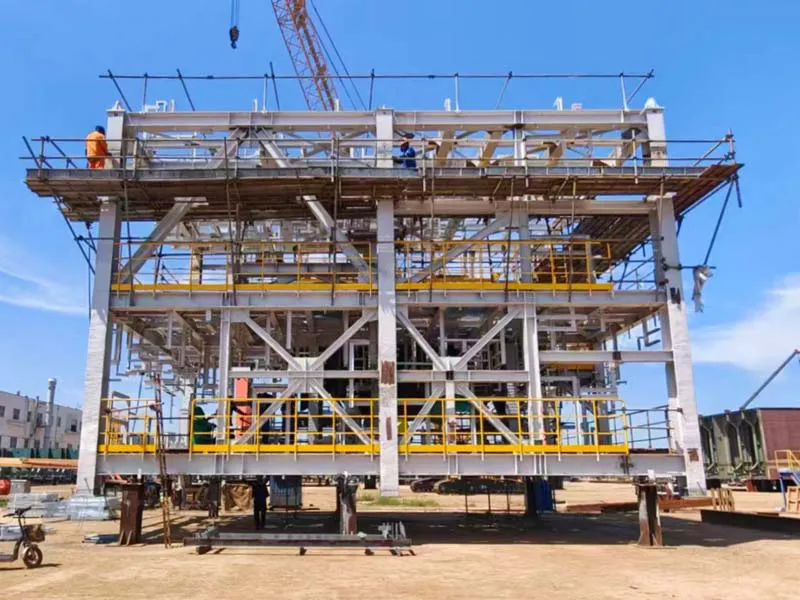
Oil & Gas Modular Steel Structure Fabrication Project
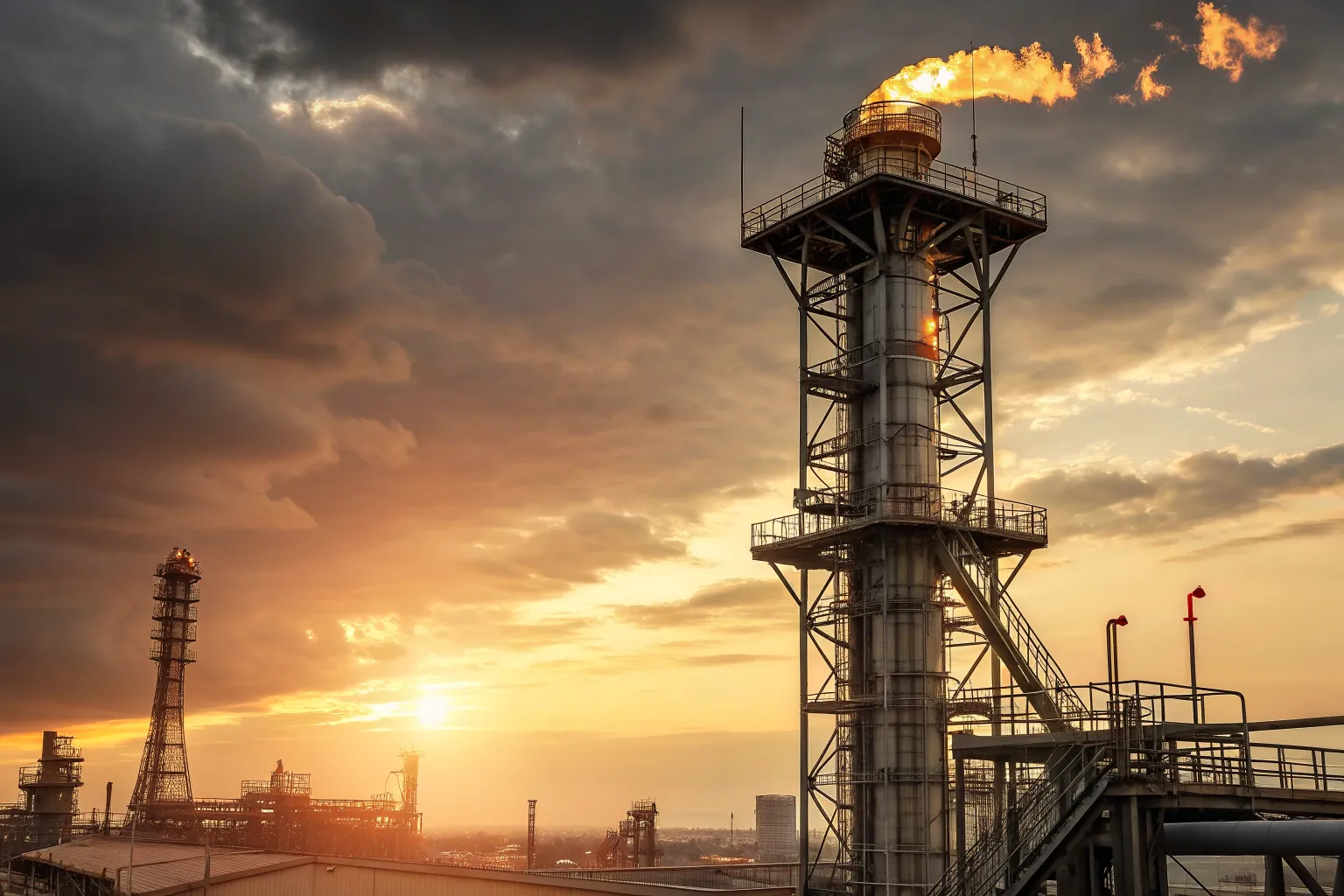
Flare Stack Structure