Time:2026-03-05 05:55:17 Source:Sanjian Meichen Steel Structure
In today’s construction and industrial manufacturing landscape, steel structures form the backbone of countless critical projects—from towering high-rise buildings to expansive industrial facilities, bridges, and specialized infrastructure. The durability, safety, and performance of these structures hinge on one core factor: the quality of welding and assembly. Any lapse in these processes can compromise structural integrity, lead to costly repairs, and severely impact a company’s reputation. Therefore, implementing a systematic and detailed quality control (QC) checklist for steel structure welding and assembly is not merely recommended—it is an absolute necessity for ensuring both safety and long-term reliability.
Steel structures offer unmatched strength, flexibility, and resilience, which is why they dominate modern construction projects. However, their potential is fully realized only when every joint, weld, and assembled component meets rigorous engineering standards. Welding flaws such as cracks, porosity, or incomplete fusion, as well as misaligned assembly, can drastically reduce load-bearing capacity, accelerate material fatigue, and, in severe cases, cause catastrophic failures. By implementing strict QC protocols, companies not only safeguard workers and end-users but also enhance project efficiency, reduce waste, and preserve their professional credibility.
A thorough quality control checklist covers the entire lifecycle of a steel structure’s fabrication and assembly. Below is a detailed breakdown of the most critical elements that should be included:
1. Material Verification
The foundation of structural integrity begins with the materials. Every steel component must be carefully inspected to ensure compliance with design specifications, including steel grade, surface finish, dimensional accuracy, and any protective coatings. Detecting defects such as cracks, corrosion, or warping before fabrication prevents weak points that could compromise the structure’s strength. Material traceability—keeping certificates and batch records—is equally important for accountability and future audits.
2. Welding Procedure Validation
Welding should always follow a certified Welding Procedure Specification (WPS). Key parameters—current, voltage, travel speed, and filler material compatibility—must be verified for each weld. Strict adherence to WPS not only ensures consistent weld quality but also minimizes common issues such as undercutting, slag inclusion, or excessive spatter. For projects requiring high precision, pre-qualification tests of welders and procedures further guarantee reliability.
3. Pre-Welding Preparation
Effective QC begins before the first weld is struck. Surfaces must be cleaned thoroughly to remove rust, oil, paint, or any contaminants that can weaken weld penetration. Proper fit-up, alignment, and tack weld stability must be verified using gauges and fixtures. These preparatory steps are critical in ensuring that the final welds achieve full structural strength and maintain design tolerances.
4. In-Process Welding Inspection
Continuous monitoring during welding allows for immediate correction of potential defects. Techniques such as visual inspection, magnetic particle testing (MPT), and ultrasonic testing (UT) can detect both surface and subsurface anomalies. Inspectors should also track welding parameters in real-time, ensuring deviations are addressed before they affect structural performance. This proactive approach significantly reduces the risk of costly rework later.
5. Post-Welding Examination
Once welding is completed, a thorough inspection ensures the joint meets all technical and safety requirements. Inspectors check for cracks, porosity, undercuts, incomplete fusion, and dimensional deviations. Non-destructive testing (NDT), including radiographic testing (RT) or ultrasonic testing, provides confidence that internal weld integrity aligns with engineering specifications. Any defects identified at this stage can be corrected promptly, preventing long-term structural issues.
6. Assembly Accuracy and Structural Alignment
Even perfectly executed welds cannot compensate for poor assembly. Components must be positioned according to design drawings, ensuring proper load transfer and overall structural stability. Tools such as laser alignment instruments, levels, and plumb lines help verify precision. Misaligned members not only compromise safety but also increase stress on adjacent components, accelerating wear and potentially reducing service life.
7. Documentation and Traceability
A high-quality QC process demands meticulous record-keeping. Material certificates, welding logs, inspection reports, and NDT documentation should be stored systematically. Comprehensive records support accountability, facilitate regulatory compliance, and provide valuable reference material for future maintenance or audits. They also serve as proof of diligence and quality assurance for clients.
8. Compliance with Standards
Adherence to international and national standards, such as ISO 3834 for welding quality and AWS D1.1 for structural steel, is essential. Compliance ensures legal accountability, boosts client trust, and demonstrates a commitment to safety and professionalism. Incorporating these standards into every stage of welding and assembly solidifies a project’s structural reliability.
Implementing a rigorous QC checklist provides multiple strategic advantages:
Enhanced Safety: Minimizes the risk of structural failures, protecting workers, occupants, and equipment.
Cost Optimization: Early defect detection prevents expensive rework and project delays.
Structural Longevity: Proper welding and assembly ensure the structure performs as designed over its expected life span.
Regulatory Assurance: Compliance with recognized standards mitigates legal and contractual risks.
Improved Team Coordination: A standardized checklist aligns engineers, welders, and inspectors under a common quality protocol.
To complement the checklist, companies should adopt several best practices:
Continuous Training: Welding and assembly teams must stay updated on evolving standards, techniques, and safety protocols.
Routine Calibration: Welding machines, measuring instruments, and inspection tools require regular calibration to maintain accuracy.
Periodic Audits: Regular internal and external audits highlight gaps in processes and identify opportunities for improvement.
Feedback Integration: Lessons learned from completed projects should inform future QC procedures, fostering a culture of continuous improvement.
A comprehensive quality control checklist is the cornerstone of safe, durable, and efficient steel structure fabrication and assembly. By systematically verifying materials, welding parameters, alignment, and post-assembly integrity, companies can guarantee the highest standards of structural performance. Beyond regulatory compliance, a robust QC system enhances operational efficiency, strengthens client trust, and elevates a company’s reputation in a competitive market. For construction firms and industrial fabricators, embracing a meticulous QC checklist is not optional—it is the essential foundation for delivering superior steel structures.
Call to Action
Ensure your steel structure projects achieve maximum safety and performance by implementing a detailed quality control checklist. Contact our experts today to discover how our professional welding and assembly services can help you meet and exceed project standards, reduce risks, and deliver exceptional results.
Steel Structure Workshop Solutions

Steel Warehouse Solutions

Heavy Steel Structures for Equipment
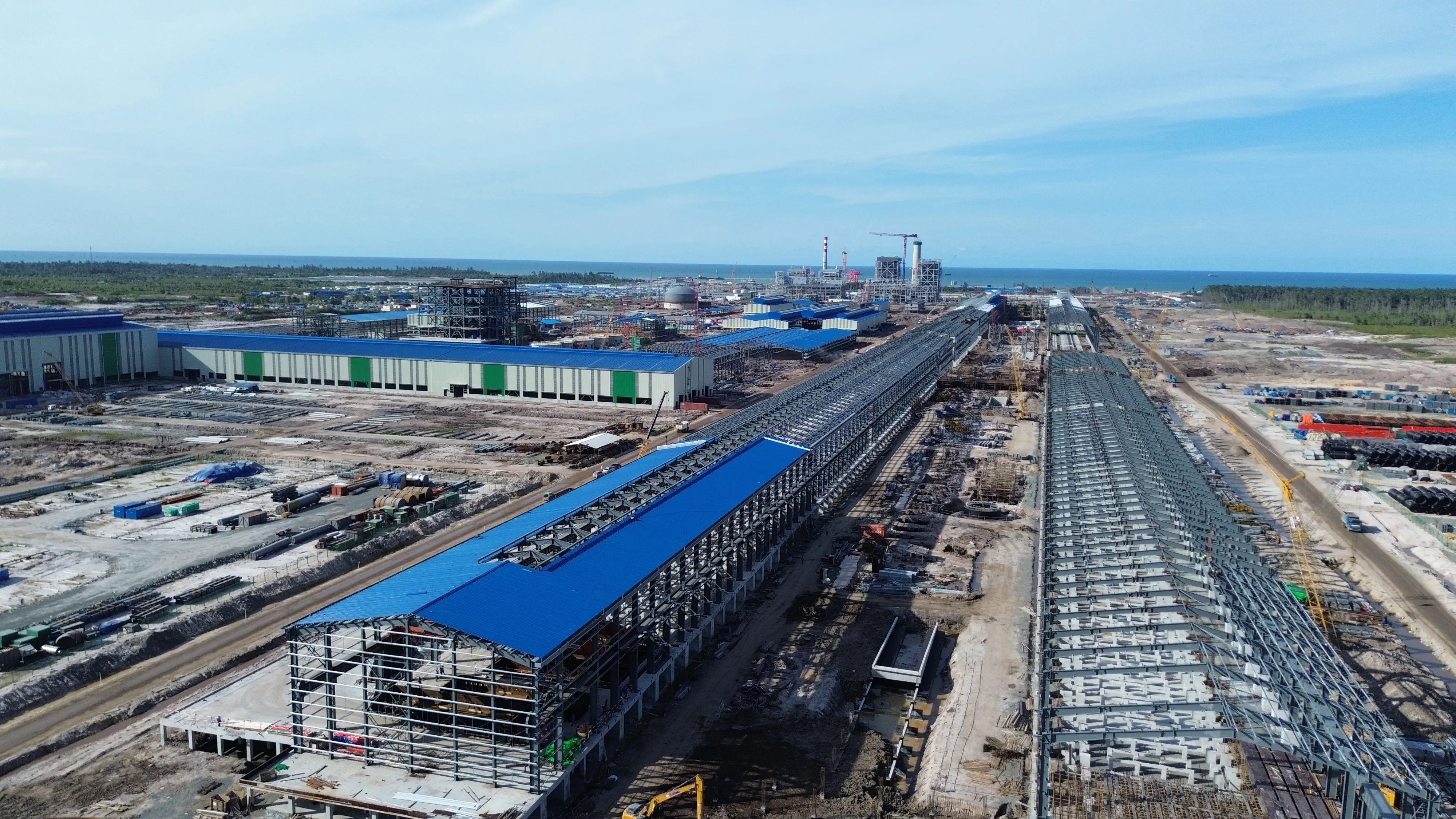
Indonesia North Kalimantan Aluminum Plant Project
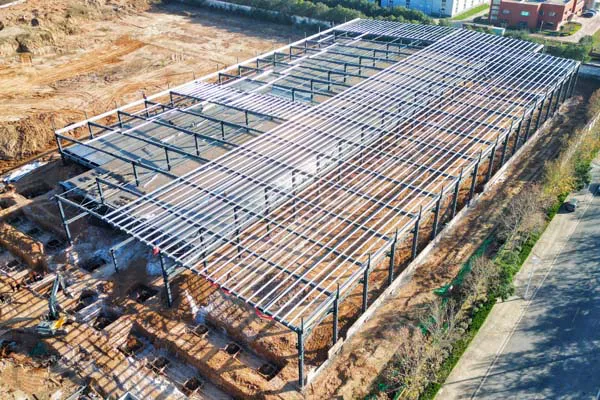
Luoyang Haode Auto Parts Steel Structure Factory Project
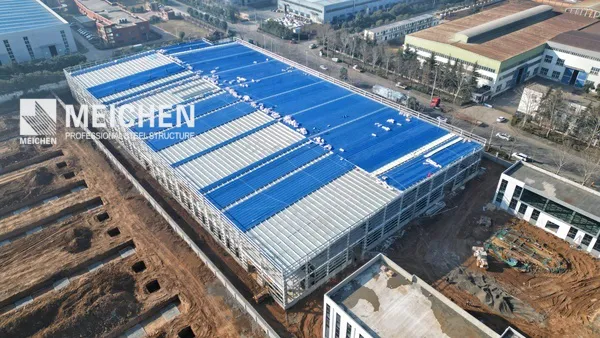
Automated Glass Production Line Steel Structure Factory Building Project
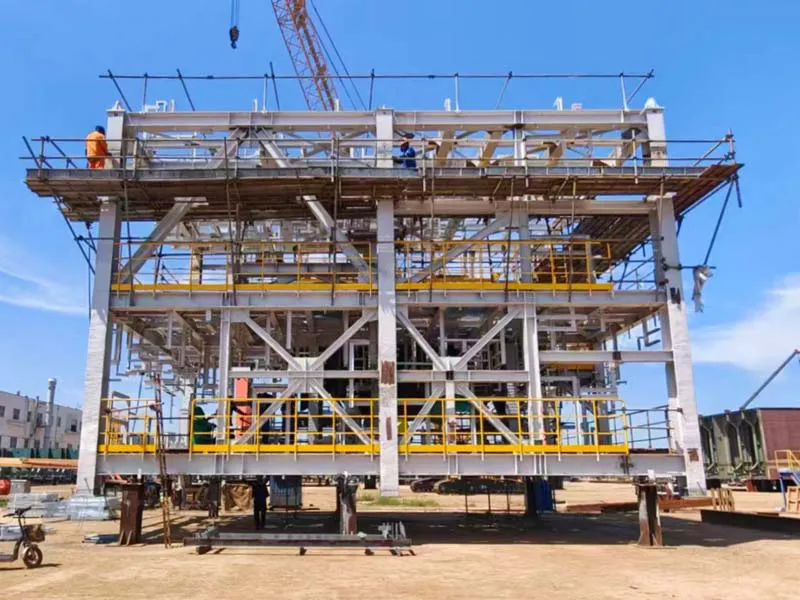
Oil & Gas Modular Steel Structure Fabrication Project

Flare Stack Structure