Time:2026-02-25 01:05:56 Source:Sanjian Meichen Steel Structure
With the rapid development of global logistics, e-commerce, and industrial manufacturing, warehouse buildings face increasingly complex demands. Enterprises require not only large-capacity, high-load-bearing warehouses but also short construction cycles, low operational costs, and strong future scalability. Traditional concrete factories have significant limitations in these areas: spatial constraints imposed by column grids, lengthy construction periods, and difficulties in later modifications.
Large-span steel structure warehouses have thus emerged as the ideal choice for modern warehouse construction. Through scientific structural design and modular manufacturing, steel structures deliver expansive spaces, high efficiency, scalability, and long-term safe operation, providing cost-effective storage solutions for businesses.
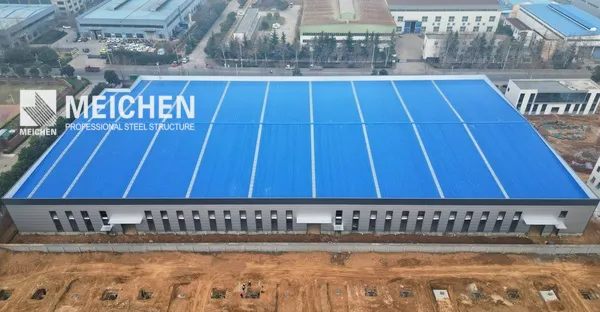
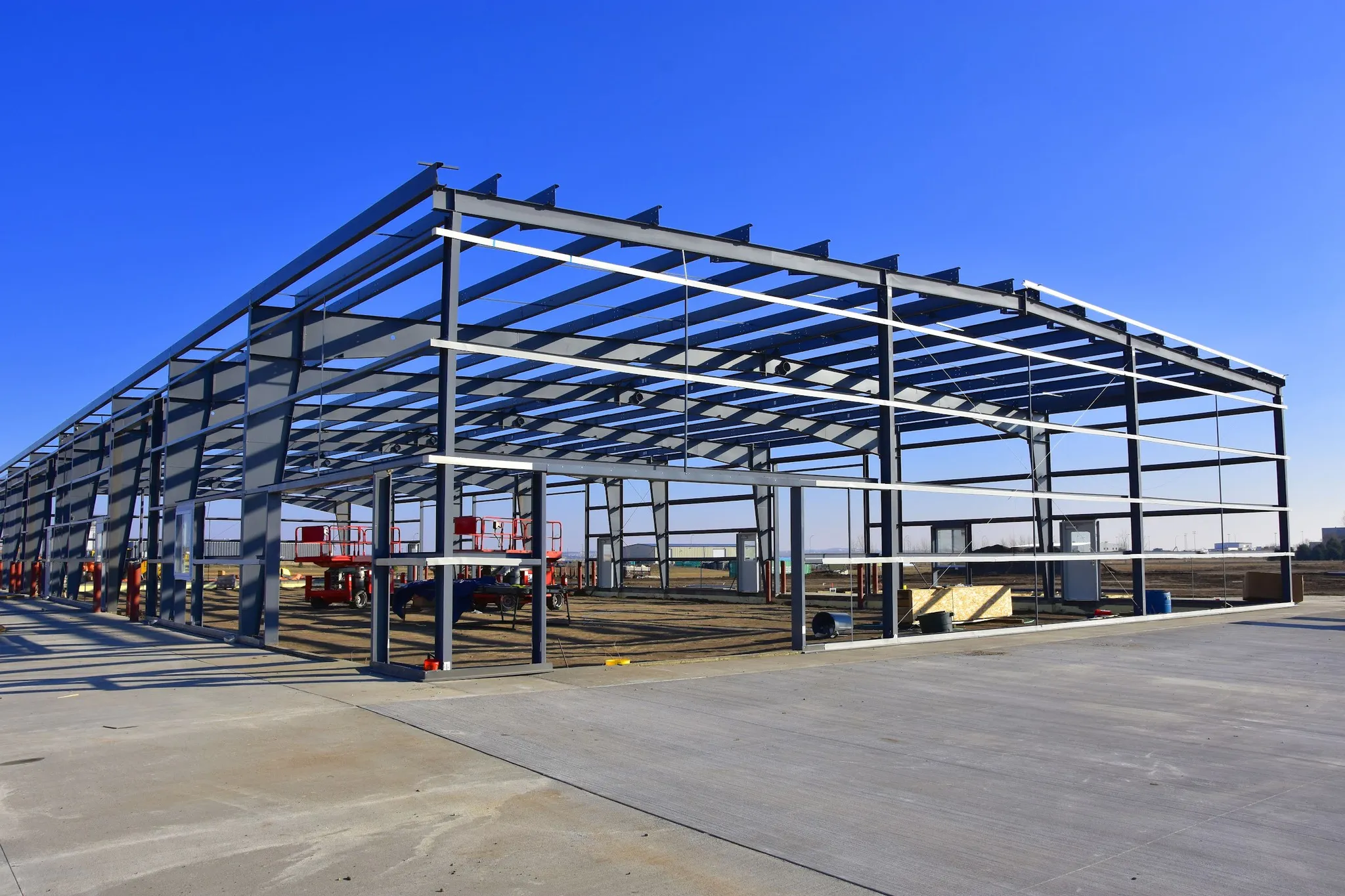
A large-span steel structure warehouse building refers to a steel structure with substantial spans and minimal or no interior columns, typically spanning 20 to 60 meters or more. Its core characteristics include:
Ultra-high clear space: Column-free or minimal-column layout accommodates high-bay racking, automated storage systems, and conveyor equipment
Lightweight structure: Steel's low self-weight reduces foundation loads, effectively lowering foundation investment
Modular design: Facilitates future expansions, renovations, or functional upgrades
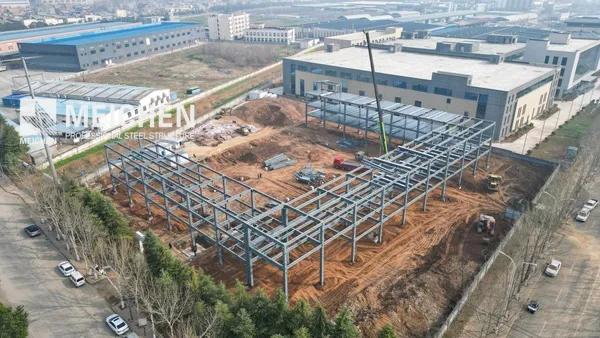
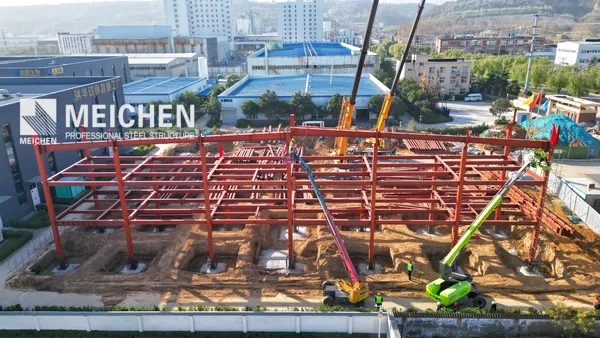
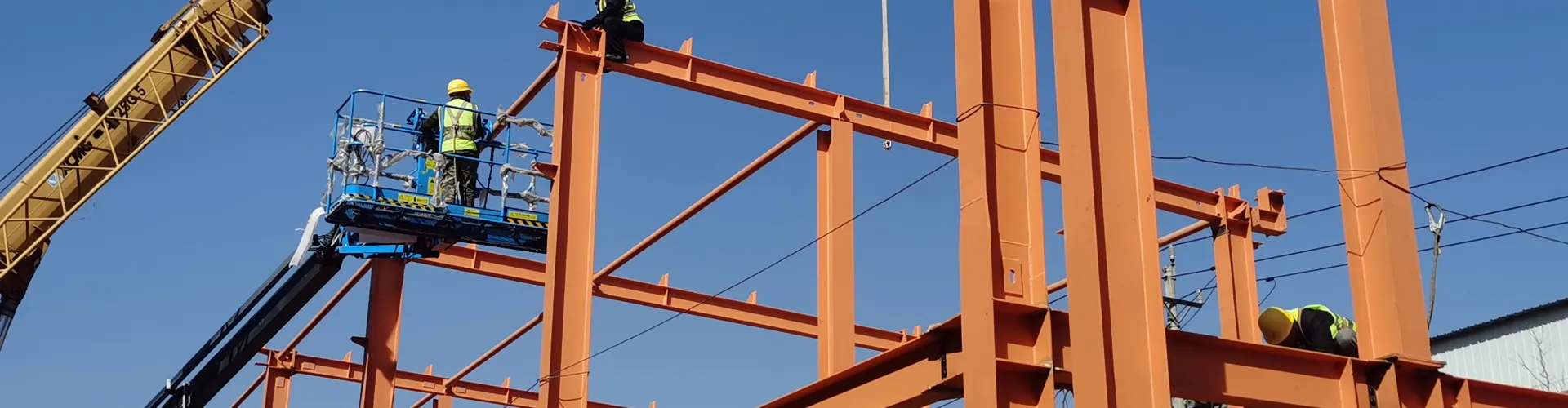
Rapid construction: Factory-prefabricated components enable swift on-site assembly, shortening project timelines
High durability: Steel's high strength and corrosion resistance ensure low long-term maintenance costs
Beyond fulfilling storage requirements, large-span steel structures provide foundational support for implementing logistics automation and intelligent warehousing systems.
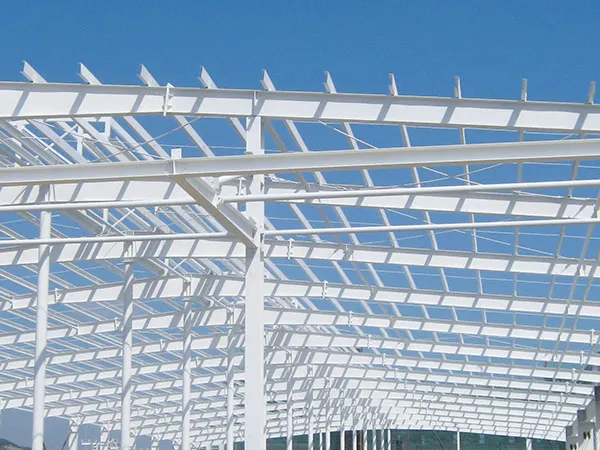
While large-span steel structures have become the preferred choice for modern warehousing, logistics centers, and industrial storage facilities due to their expansive spaces, high load-bearing capacity, and flexible scalability, achieving safe, economical, and efficient construction requires careful consideration of multiple critical elements during the design phase. From structural span and load calculations to functional layout, roofing systems, and safety standards, each aspect directly impacts the facility's performance and operational costs.
1. Structural Span and Load Design
Span design forms the foundation of large-span steel structures. Insufficient spans may waste space, while excessive spans increase structural complexity and costs. Therefore, steel structure manufacturers must holistically consider:
1) Shelving height and storage weight: Ensure the steel structure can support high-level shelving and stored goods.
2) Equipment loads: Operational loads from automated handling equipment, overhead cranes, or conveyor systems.
3) Roof loads: Including snow loads, wind loads, and maintenance loads.
4) Seismic resistance and earthquake design: Implement earthquake-resistant and seismic protection designs based on the seismic intensity and code requirements of the building's location.
Common structural systems include:
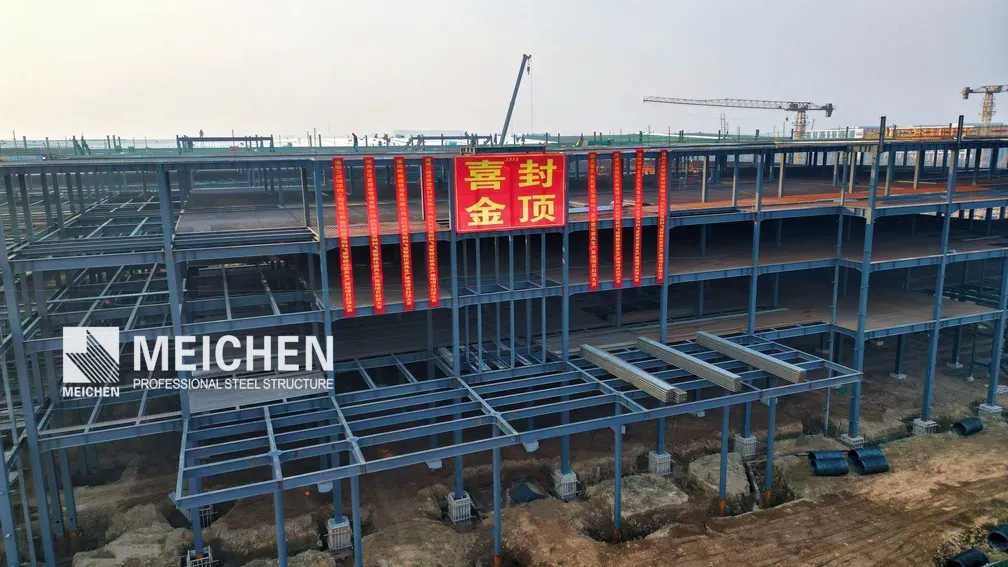
Gantry Frame Structure: Cost-effective and easy to construct
Truss Structure: Suitable for large spans with uniform load distribution
Space Frame Structure: High load-bearing capacity enabling ultra-large spans
Scientific span and load design not only ensures structural safety but also optimizes material costs for maximum economic efficiency.
2. Warehouse Functional Layout and Logistics Flow
Warehouse facilities serve not only as storage spaces but as core platforms for logistics operations. Rational layouts significantly enhance operational efficiency and storage capacity. Key design considerations include:
Equipment Access Planning: Reserve sufficient operating space for forklifts, automated handling equipment, and AGVs.
Loading/Unloading Zones and Logistics Flow: Optimize vehicle access routes to minimize redundant logistics paths.
Automation System Space: Layout for automated sorting lines, conveyor systems, and stacking equipment.
Zone Demarcation: Scientific planning of storage, office, and auxiliary areas.
A well-balanced layout achieves the equilibrium between high-density storage and high-efficiency operations.
3. Roofing Systems and Enclosure Design
The roofing and enclosure systems of large-span warehouses directly impact building durability, energy efficiency, and indoor environmental quality. Design considerations include:
Roof Structure: Insulated sandwich panels or color-coated steel sheets to enhance thermal insulation.
Daylighting Design: Installation of skylights to maximize natural light utilization and reduce lighting energy consumption.
Drainage and Waterproofing: Roof drainage slope, waterproofing layers, and eave design.
Ventilation and Smoke Exhaust: Ensuring air circulation to meet fire safety and storage security requirements.
Corrosion Protection: Surface coatings and anti-corrosion measures for steel structures to extend service life.
Effective roof and enclosure system design not only safeguards stored goods but also reduces long-term energy consumption and maintenance costs.
4. Structural Safety and Engineering Standards
Large-span steel structure industrial buildings demand stringent safety requirements, with designs mandatorily compliant with national or regional building codes, including:
Wind load and wind resistance design: Particularly for warehouses with extensive spans and elevated roofs.
Seismic resistance design: Reinforcing joints and optimizing frames based on seismic intensity.
Joint and connection safety: Ensuring welded or bolted steel connections meet load-bearing requirements.
Long-Term Stability Analysis: Simulating structural stability under extreme weather or dynamic loads.
Scientific safety design ensures sustained stability and reliability during long-term operation while meeting regulatory and insurance requirements.
5. Scalability and Modular Design
Warehousing needs evolve with business growth; future expansion must be considered during design:
Modular steel components: Facilitating disassembly, modification, or additions.
Reserved interfaces and space: Enable future installation of automated equipment or additional storage zones.
Flexible functional zoning: Storage, sorting, and office areas can be adjusted according to business changes.
Modular design allows enterprises to expand capacity without major demolition, reducing long-term investment costs.
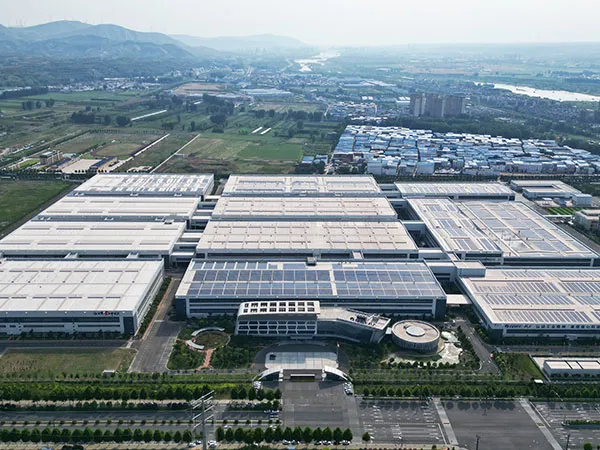
Large-span steel structure warehouses are suitable for diverse industries and scenarios:
E-commerce and third-party logistics centers: Supporting efficient sorting and distribution for e-commerce and third-party logistics operations.
Automated warehouses: Meeting intelligent cargo management needs while maximizing space utilization.
Cold chain storage facilities: Ensuring structural stability in low-temperature environments.
Manufacturing raw material and finished goods warehouses
Port and airport cargo storage facilities
Cross-border e-commerce warehousing and distribution centers
Through customized design, large-span steel structure warehouses can adapt to diverse regional climates, industry characteristics, and specialized usage requirements.
Selecting a steel structure company with extensive design and manufacturing experience is crucial. As a specialized manufacturer, Sanjian Meichen provides users with:
1. Engineering-driven structural optimization: Optimized solutions minimize material waste and enhance facility safety.
2. High-precision component fabrication and automated welding: All steel components undergo rigorous quality control to ensure product integrity, shorten on-site construction cycles, and boost efficiency.
3. Comprehensive anti-corrosion treatment and quality inspection: Products undergo complete anti-corrosion treatment and quality checks before shipment to guarantee structural durability.
4. Extensive Project Experience: Our professional steel construction expertise provides clients with referenceable successful project examples. Our specialized team offers timely construction guidance to enhance project execution efficiency.
Q: Which industries are suitable for large-span steel structure warehouses?
A: Logistics, e-commerce, cold chain, industrial manufacturing, port and airport cargo warehousing, and other sectors—especially those requiring high space utilization and automated equipment.
Q: What is the typical construction timeline?
A: Prefabricated standardized steel components significantly reduce on-site assembly time, typically completing projects 30%-50% faster than traditional concrete structures.
Q: Can designs be customized?
A: Absolutely. Spans, clear heights, cladding materials, and functional zoning can all be tailored to project requirements.
Q: What is the lifespan of a steel structure building?
A: With proper anti-corrosion treatment and routine maintenance, steel structures can last over 30 years.
Q: How are overseas projects transported and installed?
A: Professional manufacturers provide factory-packed shipping, on-site installation guidance, and engineering support to ensure project success.
Large-span steel structure warehouses have become a key choice for modern storage facilities due to their flexible space utilization, rapid construction, durability, reliability, and strong scalability. By partnering with experienced steel structure manufacturers, enterprises can achieve high efficiency, cost-effectiveness, and long-term stability throughout design, construction, and post-operation phases, providing a solid foundation for modern logistics and industrial warehousing.
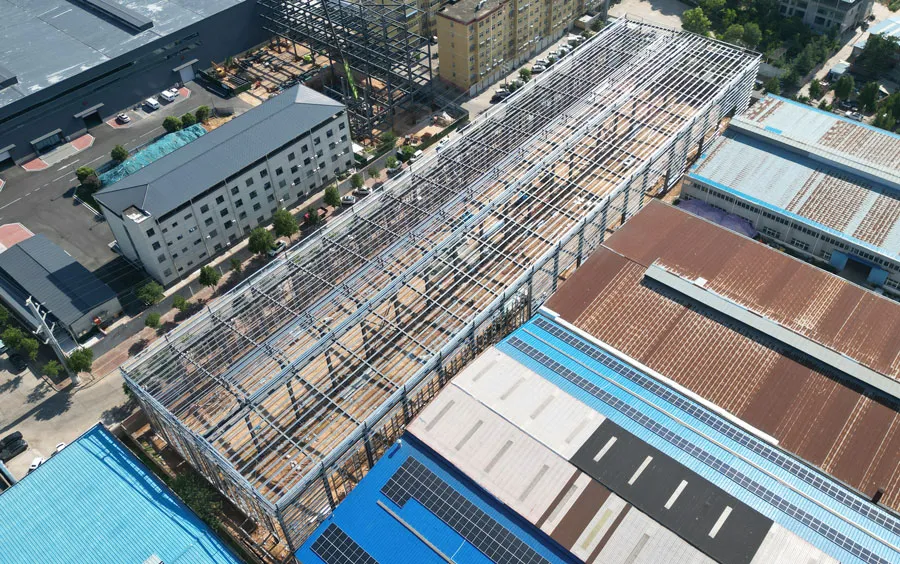
Steel Structure Workshop Solutions
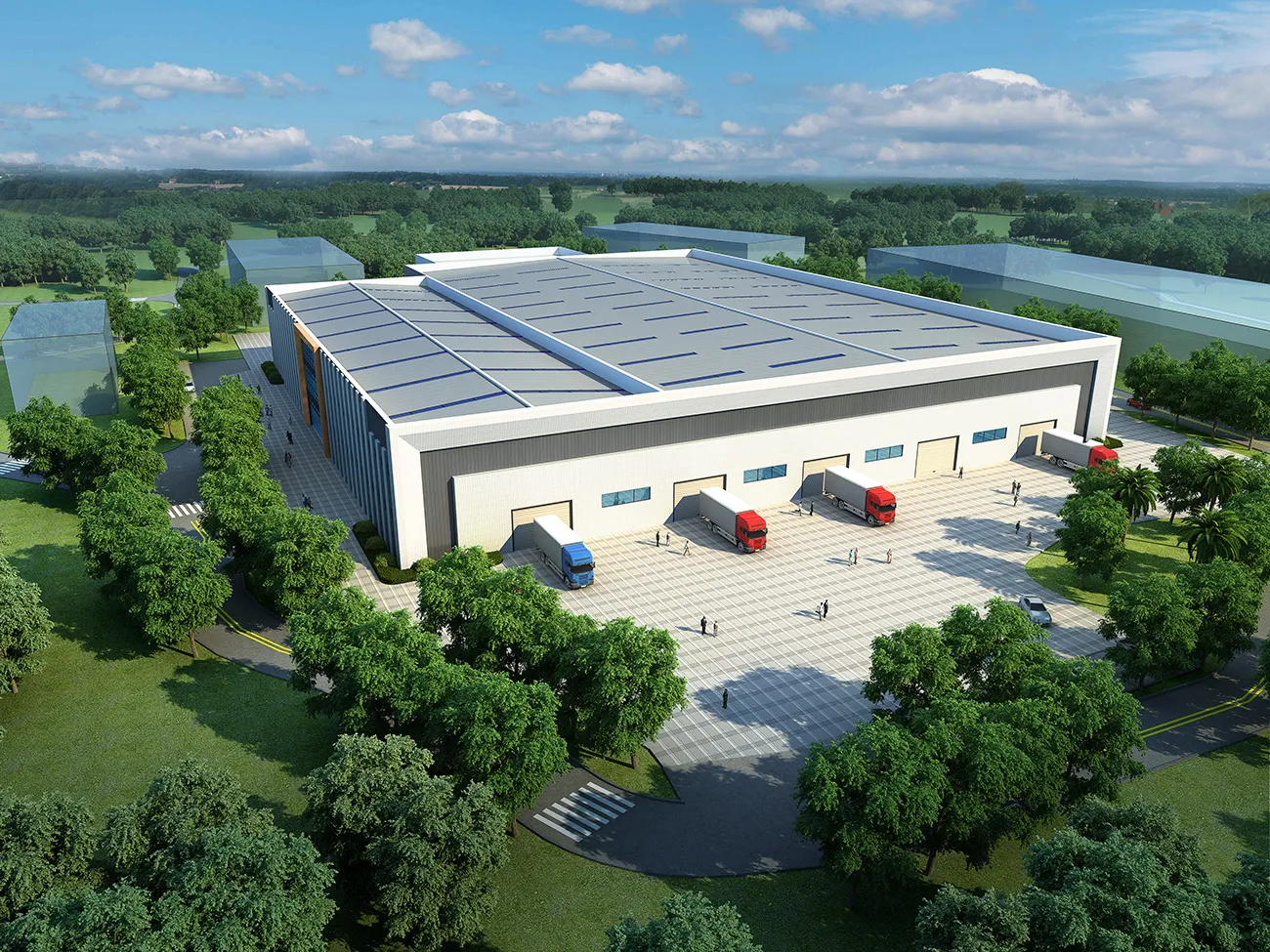
Steel Warehouse Solutions
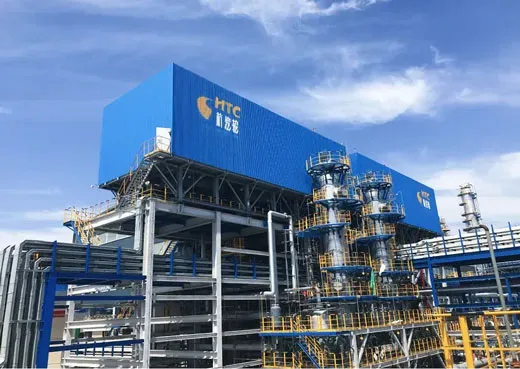
Heavy Steel Structures for Equipment
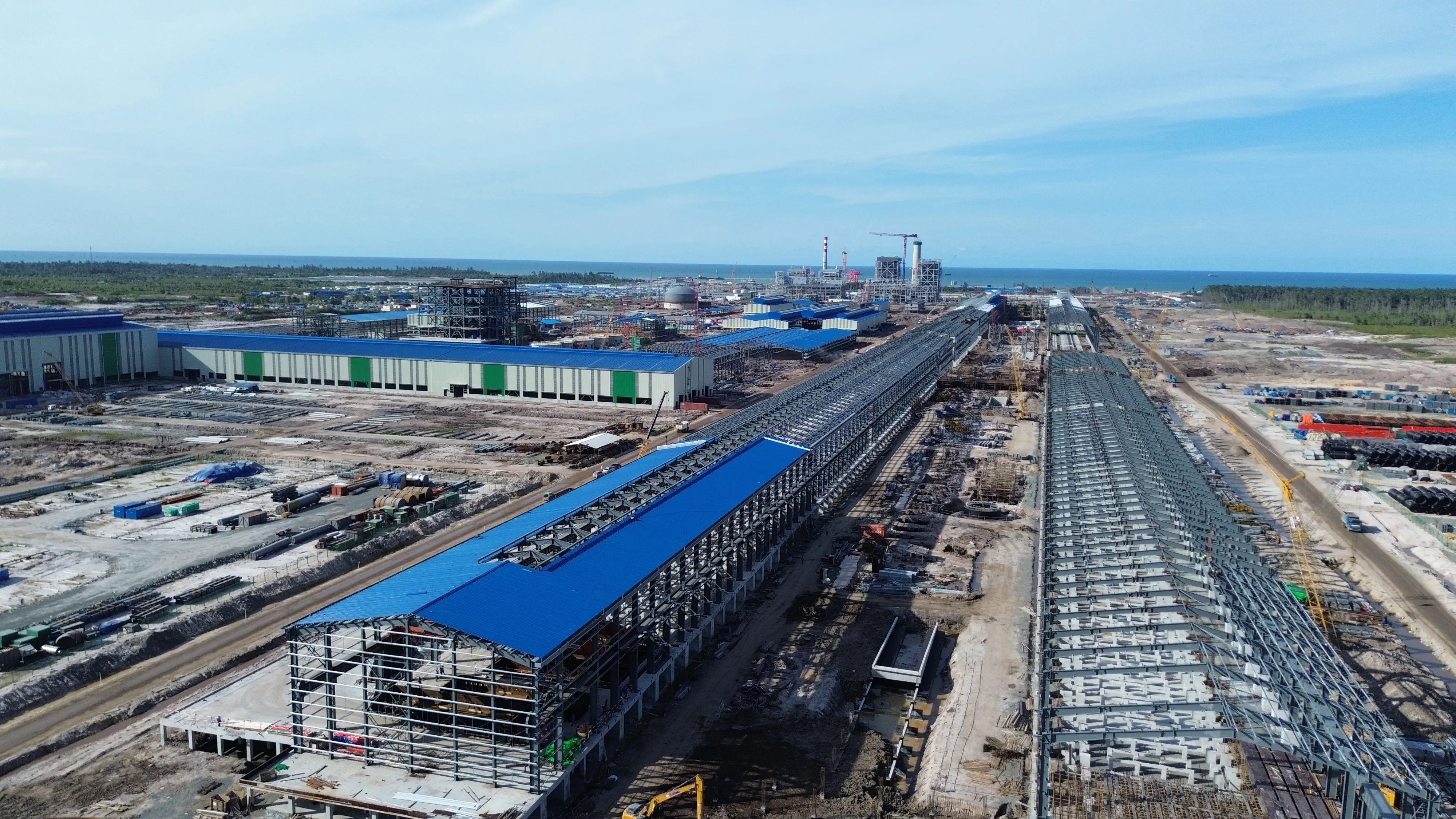
Indonesia North Kalimantan Aluminum Plant Project
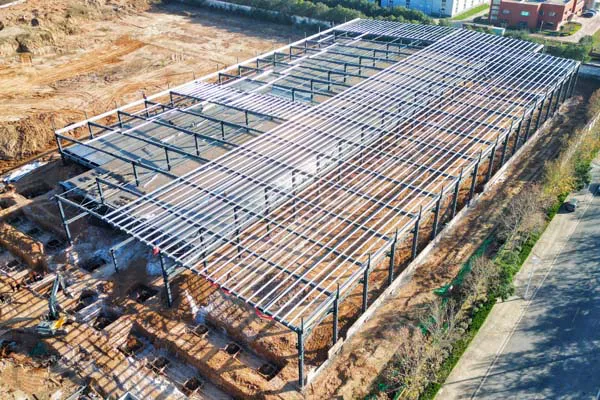
Luoyang Haode Auto Parts Steel Structure Factory Project
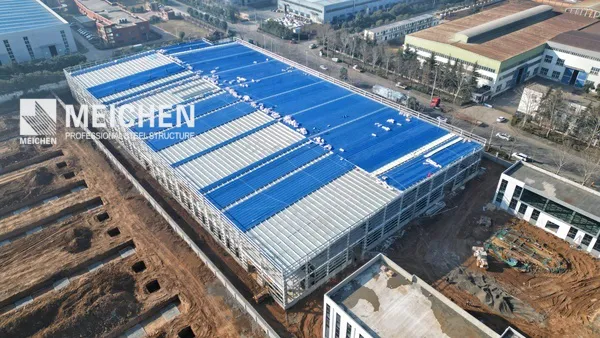
Automated Glass Production Line Steel Structure Factory Building Project
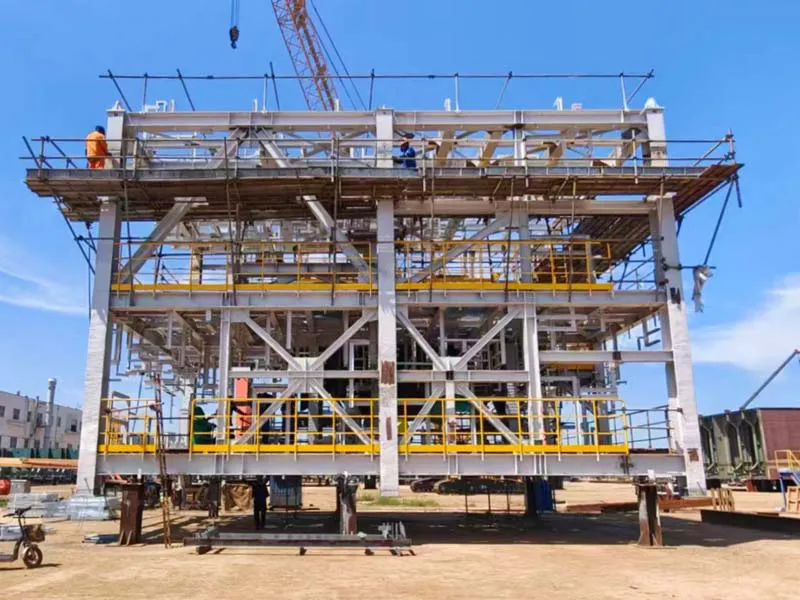
Oil & Gas Modular Steel Structure Fabrication Project

Flare Stack Structure