Time:2026-02-13 00:57:09 Source:Sanjian Meichen Steel Structure
Many buyers feel helpless at the start. You want to launch your steel warehouse project, but you have no engineering drawings. You worry about endless emails, unclear quotes, and wasted time. This is a common problem, but it has a clear solution.
You can buy a steel structure warehouse or factory without drawings. Start by gathering key project details, not formal blueprints. With a bit of preparation, a technical supplier can flesh out your ideas, offer a tailored design, and bring clarity to your budget and timeline. This approach saves you frustration, avoids costly mistakes, and takes you from idea to action—quickly.
I have worked with many business owners, investors, and first-time factory builders in Europe. They often ask: “I only know the size and location. I don’t have a design team or technical documentation. Can you still help?” The answer is yes, absolutely. With the right information, we can guide you step by step, make the process smooth, and get your project moving.
You may have heard or said, “I need a 1,000 sqm warehouse.” You expect a quick quote, but weeks pass with back-and-forth emails. The supplier keeps asking for more data: what about wind loads, roof function, or corrosion requirements? You become frustrated as costs change and timelines slip. Why does this keep happening?
Projects stall when the project basics are unclear. Without information about loads, building usage, environmental class, and future needs, suppliers can only guess. Each guess risks driving up your costs later. It leads to constant quote revisions, surprises during construction, and even project delays. I’ve seen this cycle hurt both first-time buyers and experienced companies—often because nobody asked the right questions at the start.
Here’s what can go wrong if you skip these steps:
If you remember only one thing, it’s this: you don’t need drawings, but you do need to share precise basic information. I always recommend buyers fill out a simple checklist. It brings clarity for both you and your supplier—no advanced skills required. If you can answer these eight questions, you’re ready to move forward:
| Key Information | Why It Matters |
|---|---|
| Project location | Wind, snow, and corrosion levels depend on region |
| Building size (L × W × H) | Sets spans, bays, steel weight, and costs |
| Usage (storage/production) | Defines design loads and ventilation needs |
| Crane required? | Affects beams, columns, and roofing |
| Roof load (solar panels?) | Determines structure and future upgrades |
| Mezzanine needed? | Adds live loads and impacts internal layout |
| Future expansion? | Helps with grid planning and phased builds |
| Target completion time | Guides the timeline and resource planning |
This table is the backbone of a successful steel structure project. Even if you don’t have everything answered, getting most of it down will help. When clients come to us with this in hand, my engineers can get you an accurate proposal and a concept plan in days, not weeks. We won’t make you repeat the same details in endless rounds.
Steel grade may sound technical, but it’s really about matching your goals. Many buyers assume “stronger is better”, but that’s not always the case. Here’s what we’ve learned from years of serving projects across Europe:
Here’s how we help you decide:
I remember working with a Czech investor who assumed S235 was always cheaper. After reviewing his requirements (heavy racking and a 25-meter crane span), we switched to S355. This saved him 13% in total steel and reduced shipping costs too. Always weigh the long-term savings against the sticker price.
Choosing the right anti-corrosion strategy can add or subtract a decade of building life. Europe’s climates range from cold, dry interiors to salty coastal zones. Your supplier must offer a solution based on that reality—not a one-size-fits-all answer.
We use the European environment classifications as our starting point. Based on your project location and function, we recommend:
| Environment | Typical Use | Suggested System |
|---|---|---|
| C2 – Dry | Indoor, climate-controlled | Basic primer + topcoat |
| C3 – Urban | City/industrial, moderate moist | Epoxy zinc primer + epoxy intermediate + PU topcoat |
| C4 – Coastal | Near sea, high humidity | Hot-dip galvanizing or thick multi-coat epoxy system |
| C5 – Offshore | Chemical plants, extreme | Galvanized + special topcoat/high-build epoxy |
Selecting the right system is a team decision—made easier by your answers to the location and use questions above. Using the wrong coating can lead to visible rust in just a few years. On a Baltic port warehouse, we used hot-dip galvanizing after a peer found surface rust in C4 conditions within two years. That was a wake-up call for all of us.
Every client asks, “What’s the right wall and roof panel?” The answer depends on your business goals—what you’re storing or producing, your energy costs, and whether you need to meet fire codes.
Here’s a quick breakdown to guide you:
We faced a challenge last year, building a logistics hub in Germany. The client wanted cheap single sheets, but local codes required a rockwool core for fire safety, due to the stored chemicals. Our early advice helped them avoid a nasty re-fit right before inspection—saving both time and money.
Not having drawings isn’t a dead end. An experienced technical supplier can take your basic info and deliver a practical, buildable concept fast—with much less stress for you. Here’s what our team does:
The earlier you involve an engineer, the more risks and delays you eliminate. After making this our standard process, we’ve consistently shaved weeks off client timelines and seen far more accurate budgets.
Everyone makes mistakes, but these five come up again and again among first-time buyers:
Sharing these lessons is part of our commitment to helping you avoid frustration. Believe me, every euro spent on clear early planning returns several times over in cost, control, and peace of mind.
You do not need engineering drawings to begin your steel warehouse or factory. You do need to be clear on your basic requirements, ask the right questions, and choose a supplier who brings technical guidance early. Share your project basics openly, and we’ll help you move ahead with speed and confidence.
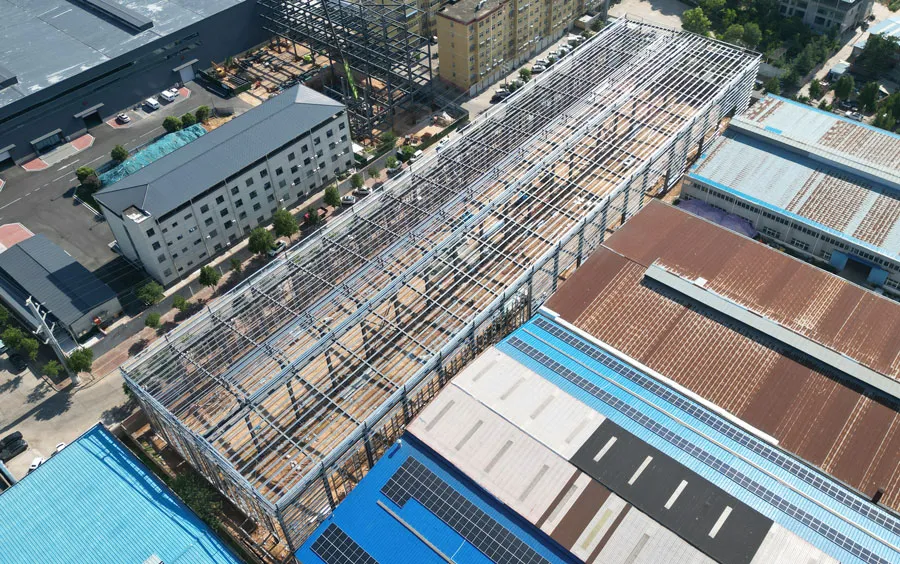
Steel Structure Workshop Solutions
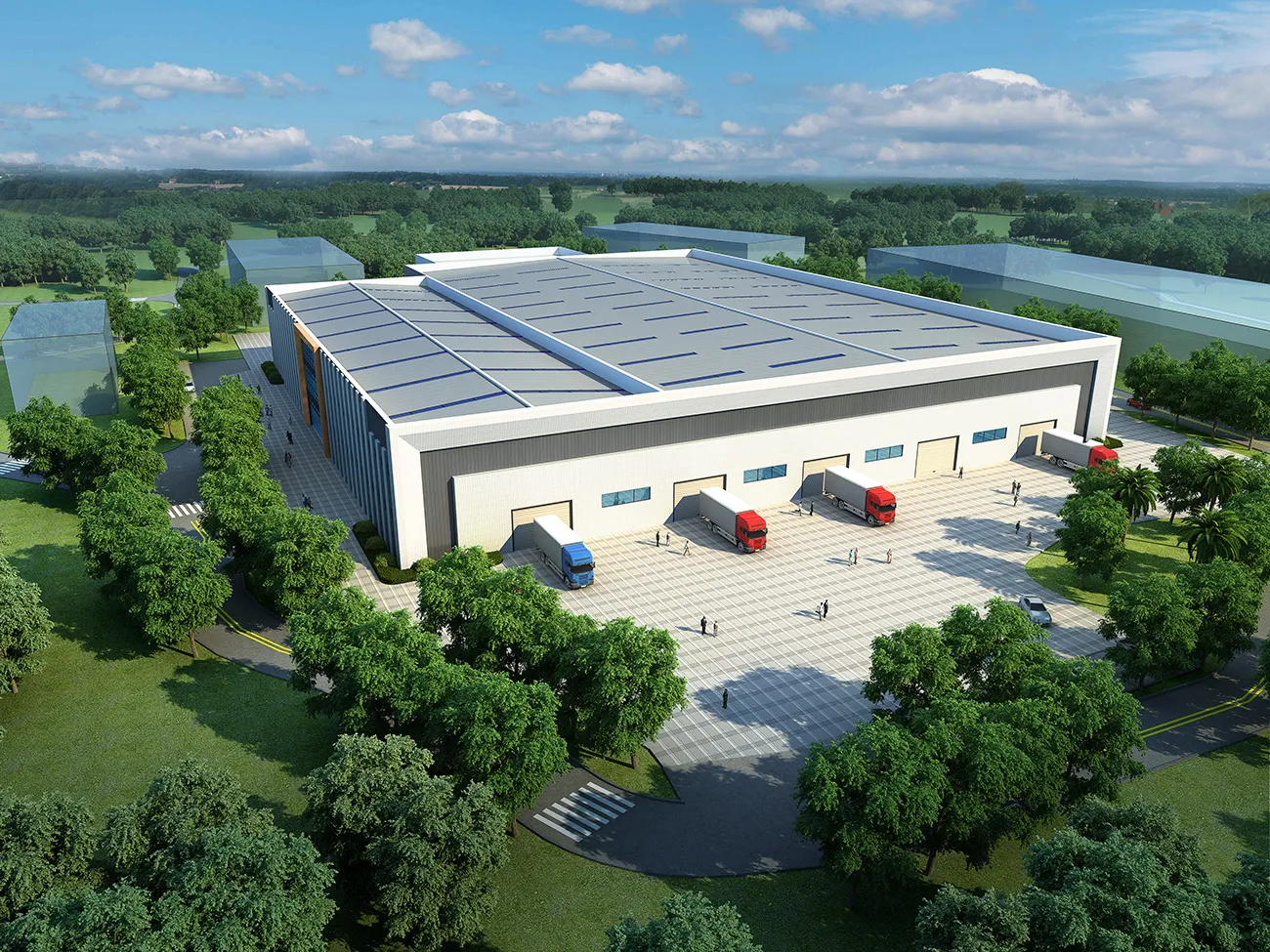
Steel Warehouse Solutions
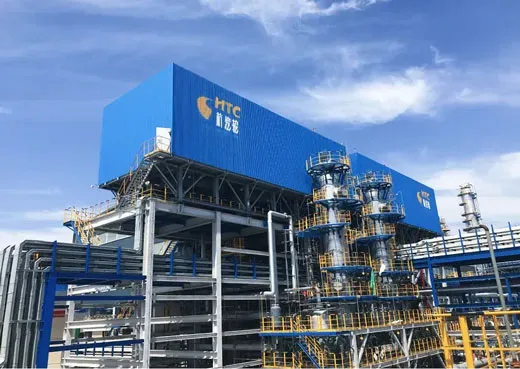
Heavy Steel Structures for Equipment
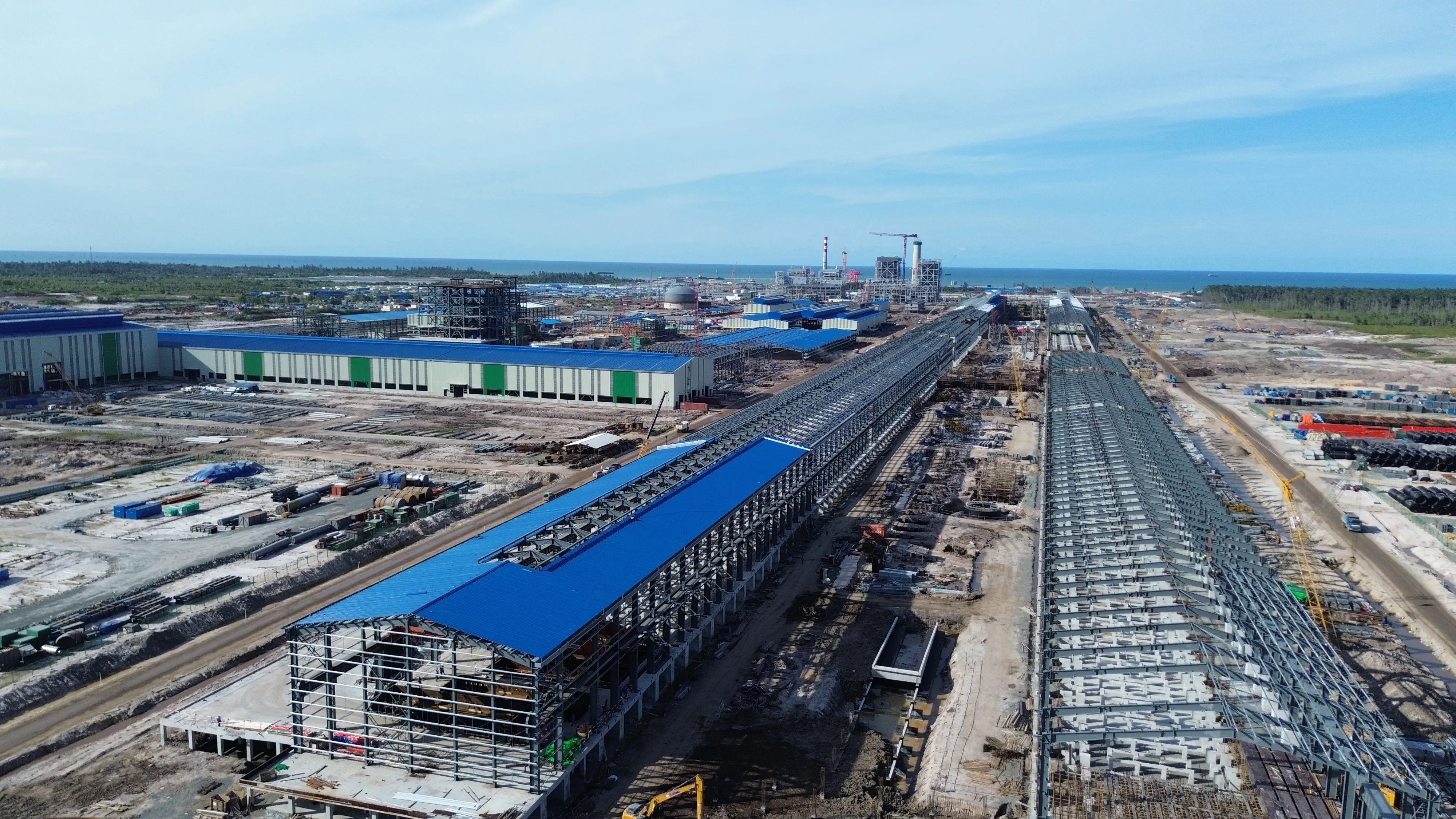
Indonesia North Kalimantan Aluminum Plant Project
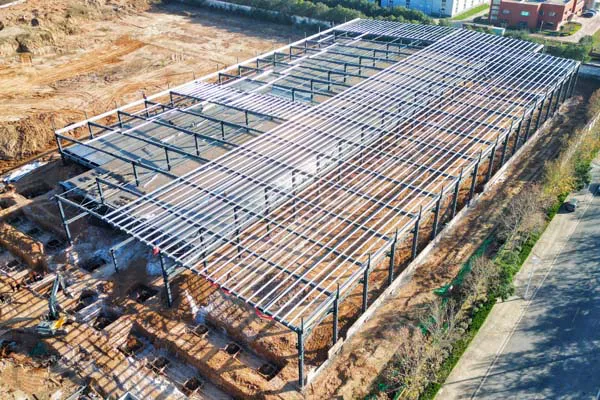
Luoyang Haode Auto Parts Steel Structure Factory Project
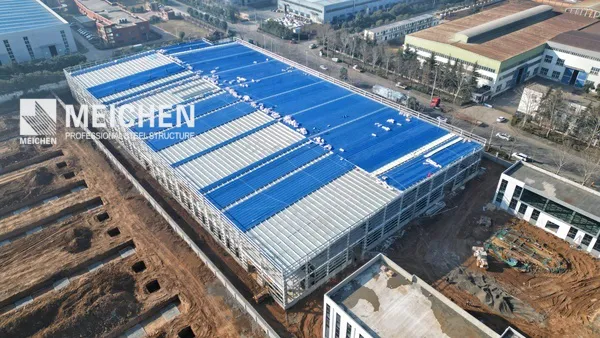
Automated Glass Production Line Steel Structure Factory Building Project
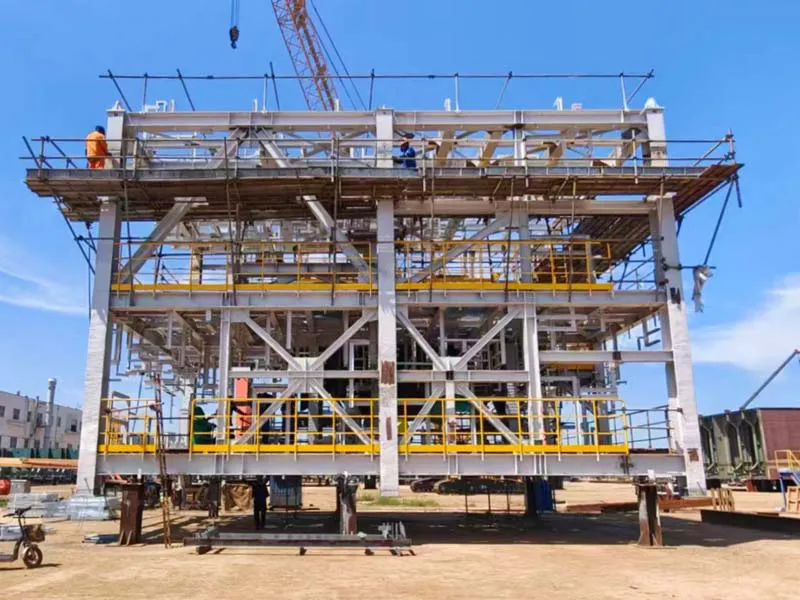
Oil & Gas Modular Steel Structure Fabrication Project
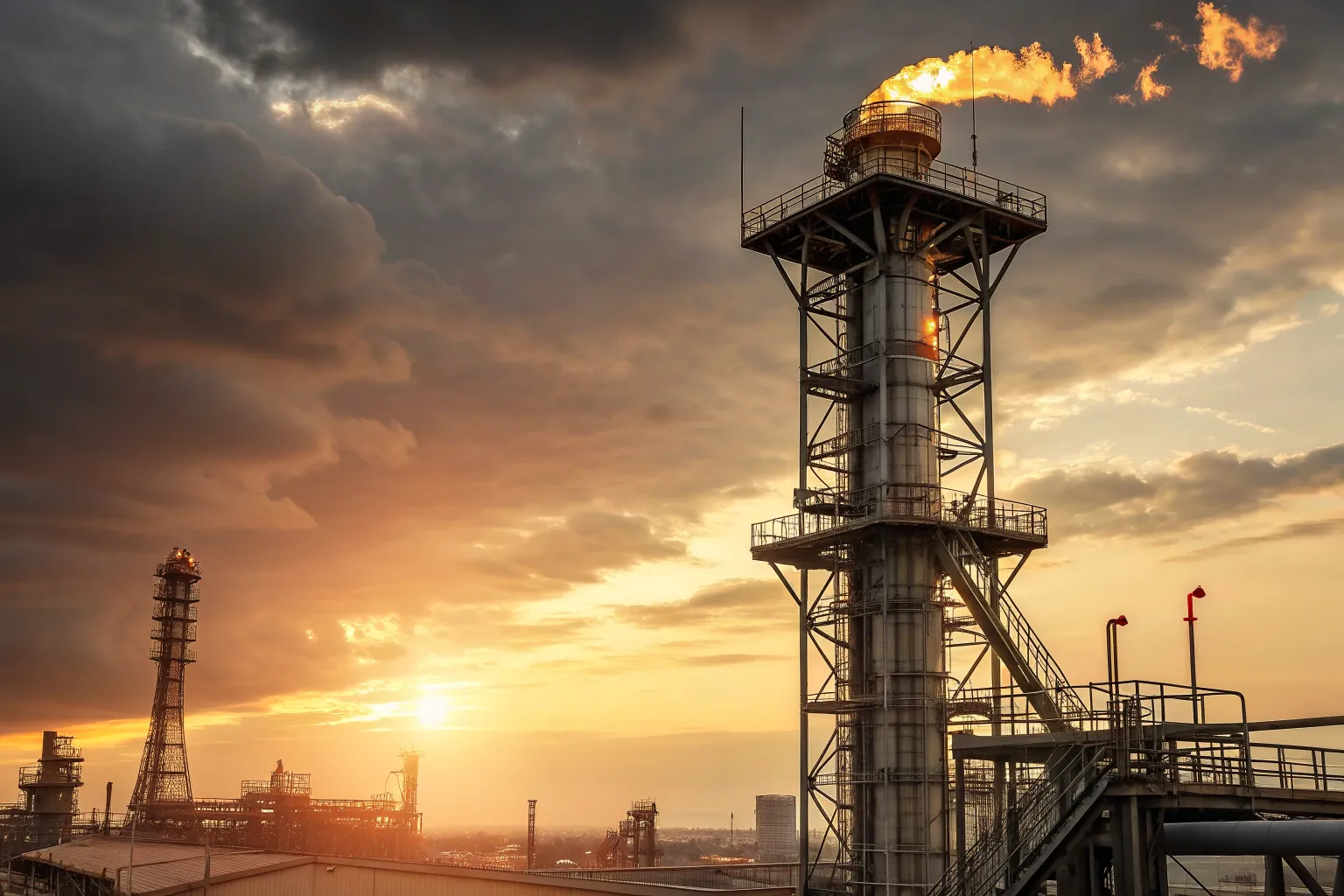
Flare Stack Structure