Time:2026-01-29 08:54:22 Source:Sanjian Meichen Steel Structure
Petrochemical steel fails when QC slips. Downtime and risk explode. I stop that with specific checks, hard data, and discipline that prevent errors and keep plants running.
The key QC steps are selection and traceability, incoming inspection, precision cutting, full welding NDT, surface and coating control, pre-assembly mock-ups, and digital final records. These steps cut risk and cost.
You may know the codes. I add daily habits and numbers that stop rework and shutdowns. I show exact tools, limits, and logs. Read on, use them today, and make your next project safer.

Bad steel hides risk. Wrong chemistry and mixed heats create cracks and leaks. I block that with strict grades, re-tests, and full traceability from heat to installed part.
I use certified grades, visit mills for critical heats, re-test chemistry and properties, and barcode every batch and part. I trace any issue to source within minutes and make fixes fast.
I start with the process conditions and the code. I match grades to temperature, load, and chemical exposure. For primary members, I choose ASTM A572 Gr50 or Gr65. For corrosive atmospheres, I pick A588 or add coating systems. For low-temperature service, I confirm Charpy impact at -20°C or the project temperature. I limit carbon equivalent to 0.45 for weldability. I cap sulphur at 0.035% and phosphorus at 0.025%. I ask mills for heat numbers and full mill certificates. I set a re-test plan with a neutral lab. I sample one coupon per heat per 20 tons for OES chemistry. I test yield, tensile, elongation, and Charpy for one coupon per 40 tons. I run PMI on alloy parts and nozzles. I require Z25 or Z35 through-thickness when plates exceed 40 mm and carry high restraint. I barcode every plate, section, and component with heat, grade, PO, and test links. I scan at receipt, cutting, welding, coating, and shipping. I quarantine any item that loses its label. One mix-up once hid a wrong grade in a nozzle plate. The barcode and re-test caught it before cutting. That saved a leak and a shutdown.
Material Re-Test Plan Table
| Item | Frequency | Method | Acceptance |
|---|---|---|---|
| Chemistry | 1 per heat/20t | OES/Lab | Within spec |
| Mechanical | 1 per heat/40t | Tensile/Charpy | Within spec |
| PMI (Alloy) | 100% on alloy parts | XRF | Grade match |
| Z-direction | As required (>40mm) | Z25/Z35 | Specified |
Good-looking steel can be wrong. Hidden damage or off-spec size hurts later. I stop it at the gate with simple tools, clear limits, and strong records that anyone can read.
I verify dimensions, straightness, and flatness. I check heat numbers. I run portable hardness where needed. I record photos and results. I segregate suspect material and decide fast.
I use a receiving checklist by item. I measure thickness with micrometers. I confirm length and width with calibrated tapes. I check straightness with a string line and a level. I accept L/1000 straightness and 2 mm per meter flatness unless the spec is tighter. I inspect edges for burrs and lamination. I look for dents and gouges from handling. I confirm heat numbers match the paperwork and barcodes. I take portable hardness readings with Leeb or UCI on suspect zones. I expect typical structural steel to sit near 140–190 HBW. I reject parts with burn marks or deep scoring that exceeds 10% of thickness. I run quick UT spot checks if I see signs of lamination. I mark and move suspect items to quarantine. I log all results with photos and tie them to the barcode. This process takes minutes per item. It prevents days of rework. I once caught forklift tine damage on a flange. The photo and log ended a later dispute and saved time.
Incoming Material Inspection Limits Table
| Check | Tool | Limit |
|---|---|---|
| Thickness | Micrometer | ±0.3 mm |
| Length/Width | Tape | ±1.0 mm |
| Straightness | String/Level | L/1000 |
| Flatness | Feeler gauge | 2 mm/m |
| Hardness | UCI/Leeb | 140–190 HBW |
Bad cuts create bad fits. Stress grows and welds suffer. I choose the right method, I set tight tolerances, and I check edges before any forming or welding starts.
I use laser or high-definition plasma for critical parts. I avoid old oxy-fuel on high-stress edges. I verify dimensions and edge quality. I fix flaws before they travel.
I match process to thickness and tolerance. I use laser for plates up to 25 mm with a tolerance of ±0.2 mm. I use high-definition plasma for 25–50 mm plates with ±0.5 mm tolerance. I set bevel angles within ±1°. I remove slag and hardened edges. I inspect cut faces for micro-cracks with magnetic particle testing on high-stress parts. I keep hole diameters within ±0.3 mm and center-to-center spacing within ±0.5 mm. I check slot widths and keyways with go/no-go gauges. I place a template on parts and confirm profiles. I control forming with proper roll settings. I set bend radii that match thickness and grade. I measure spring-back and adjust in small steps. I record machine IDs, consumable types, gas mixes, and parameters on the job card. I tag the card to the barcode. Clean cuts make fit-up fast. They also improve weld penetration and reduce repair time. I sell this as maintenance savings because that is where the budget feels it.
Cutting & Shaping Accuracy Table
| Feature | Target | Tolerance |
|---|---|---|
| Laser cut | As per drawing | ±0.2 mm |
| Plasma cut | As per drawing | ±0.5 mm |
| Hole diameter | Drawing spec | ±0.3 mm |
| Bevel angle | WPS | ±1° |
Welds carry loads and risk. Sampling misses flaws. I demand full checks on critical joints. I control heat. I track every welder and every joint with clear logs.
I follow WPS and PQR. I apply 100% UT or RT on primary welds. I use phased-array UT on thick and complex joints. I monitor preheat and interpass temperatures.
I qualify WPS with proper PQR for each process and position. I use SMAW, FCAW-G, SAW, or GTAW as the joint demands. I choose filler metals that match strength and toughness. I set preheat by carbon equivalent. If CE >0.45, I use 150–200°C preheat. I cap interpass at 250°C unless the spec says otherwise. I measure with infrared cameras, not guesses. I mark joints with unique IDs. I set acceptance criteria per AWS D1.1 or ASME B31.3 as needed. I apply 100% UT or RT on primary members, pressure boundaries, and high fatigue areas. I use phased-array UT for thick sections and T-joints to size and locate flaws better. I rotate welders across shifts to break patterns and catch habits. I run short retraining if I see repeated minor defects. I keep a log per welder that shows dates, joints, results, and repairs. I link it to the barcode and the NDT report. I enforce repairs that meet code, not shortcuts. One missed lack of fusion once stopped a plant. Full coverage and heat control prevent that and cost less than a shutdown.
Welding NDT Coverage & Heat Control Table
| Joint type | NDT | Coverage |
|---|---|---|
| Primary load-bearing | UT/RT | 100% |
| Thick T-joints | PAUT | 100% |
| Secondary members | MT/PT | Sampling |
| Parameter | Value |
|---|---|
| Preheat Temp (CE>0.45) | 150–200°C |
| Max Interpass Temp | 250°C |
Coatings fail when moisture sneaks in. Corrosion starts fast. I stop it with clean blasting, weather checks, and thick, tough coatings that match the chemicals and the sun.
I blast to Sa2.5. I measure surface profile. I check dew point and humidity. I verify dry film thickness. I pick coating systems for the environment, not the lowest price.
I choose the abrasive that gives a clean, sharp profile. I target 50–75 µm profile for high-build epoxies. I test soluble salts with a simple kit. I keep salts under 20 mg/m² for critical service. I measure ambient humidity, substrate temperature, and dew point with a digital meter. I do not coat if the substrate is within 3°C of dew point. I record values with time stamps and locations. I stripe coat edges and welds before the full coat. I spray or roll as per the data sheet. I measure dry film thickness with a calibrated gauge. I log at least five readings per 10 m². I run holiday testing on linings at the voltage set by the data sheet, often near 2,000 V. I choose zinc-rich primers, high-build epoxies, and polyurea or polyurethane topcoats for harsh service. I set total DFT to 250–350 µm for coastal or chemical sites. A tank farm once chose epoxies over cheap alkyds. Five years later, their repaint budget fell by half. Moisture control and the right system made that possible.
Surface Preparation & Coating Inspection Table
| Check | Tool | Limit |
|---|---|---|
| Cleanliness | Visual | Sa2.5 |
| Profile | Replica tape | 50–75 µm |
| Salts | Test kit | <20 mg/m² |
| DFT | Thickness gauge | Specified |
Fit-up fights happen on site. Drawings hide small shifts. I take those fights away in my shop with mock-ups, precision checks, and clear records that guide site work.
I build full-scale mock-ups for complex assemblies. I use laser trackers for critical splices. I catch interface errors early. I correct and document them before shipment.
I pick assemblies with tight geometry or high risk. I trial assemble frames, splices, and nozzle interfaces. I check bolt hole alignment and flange flatness. I confirm planarity across splices. I use laser trackers to record centerlines, offsets, and squareness against the model. I set tolerance bands, such as ±2 mm on splice offsets and ±1 mm on hole centers. I mark shims and packers if needed. I document the process with photos and point cloud reports. I adjust shop drawings when I find clashes. I send the report to the site team so they plan lifts with confidence. One pipe rack splice once looked perfect on paper. The mock-up showed a 4 mm offset from plate memory. We corrected it in two hours and saved a crane stand-by day. Mock-ups cost time now. They save double later. I never skip them when geometry is tight or loads are high.
Mock-Up Tolerances Table
| Feature | Target | Tolerance |
|---|---|---|
| Splice offset | Centerline | ±2 mm |
| Hole center | Drawing spec | ±1 mm |
| Flange flatness | Planarity | 0.3 mm |
Handover makes trust. I show clean results and complete records. I make data easy to find years later with simple indexes and cloud access that never expires.
I run final visual and dimensional checks. I compile all QC records. I digitize and cloud-store data, photos, and traceability. I give clients lifetime online access to everything.
I build a punch list by component. I confirm dimensions, marks, and coating finishes. I verify all NDT reports, welding logs, material certificates, and re-test results. I assemble a manufacturing data record with a simple index that matches the barcode. I add photos that show key steps and any defects with repairs. I include as-built drawings and change records. I attach maintenance notes, such as recoat windows and inspection intervals. I store the data in a secure cloud folder. I set read-only access and a clean folder tree. I share it for the life of the asset. I add a QR code on the shipment pack that links to the index. A flange leaked two years later on one job. The client found the weld record and repair report in minutes. The fix was fast because the evidence was clear. That is how I earn repeat work.
Manufacturing Documentation Record (MDR) Index Table
| Section | Content |
|---|---|
| Materials | MTCs, re-tests, PMI |
| Welding | WPS, PQR, welder logs |
| NDT | UT/RT/MT/PT reports |
| Coating | Blast results, DFT, holiday tests |
| As-built | Drawings, changes, photos |
Strong QC in petrochemical steel is simple. Select right, verify hard, trace everything, check welds fully, control coatings, mock-up assemblies, and digitize records. That is how plants stay safe.
Steel Structure Workshop Solutions
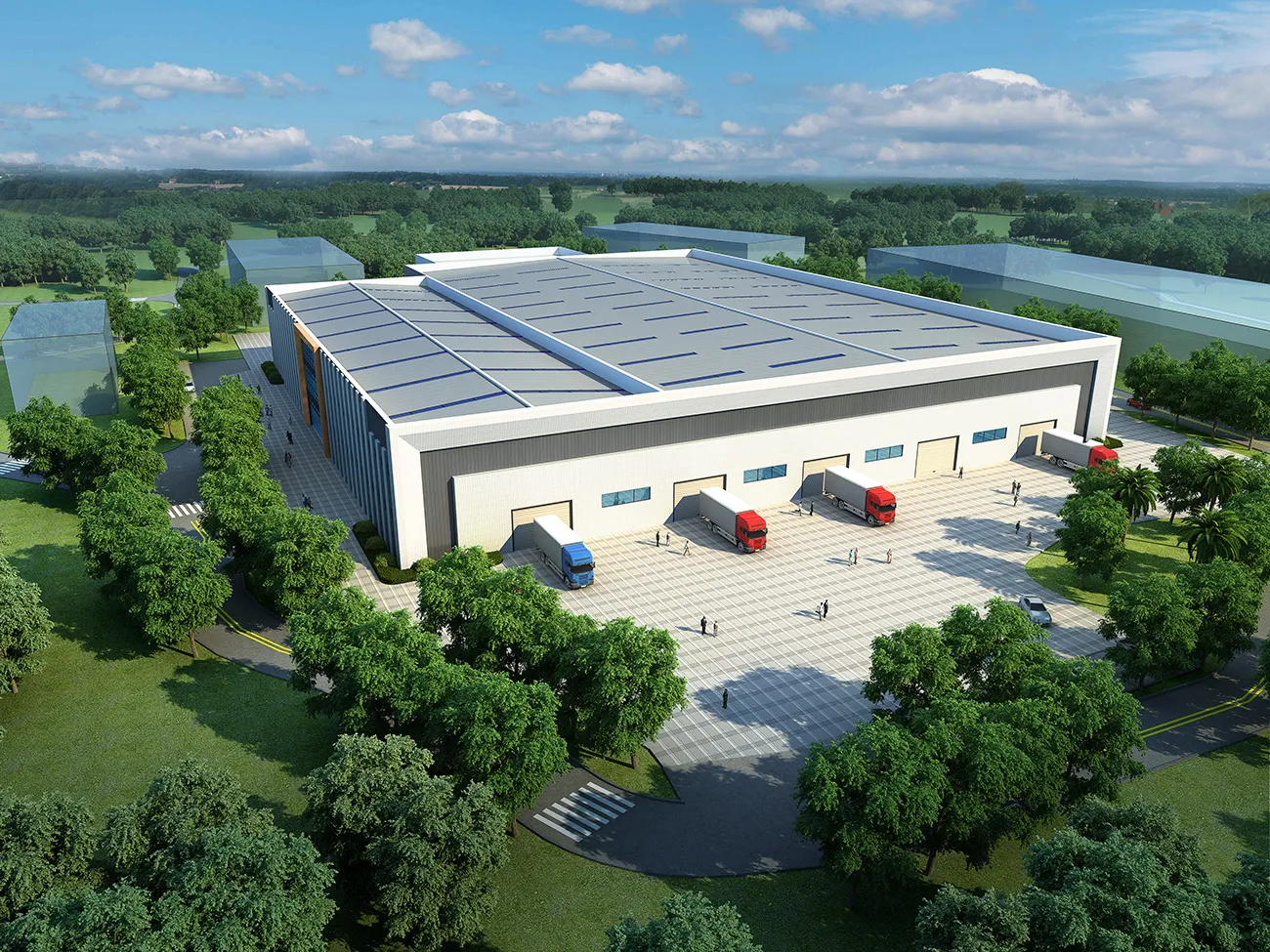
Steel Warehouse Solutions
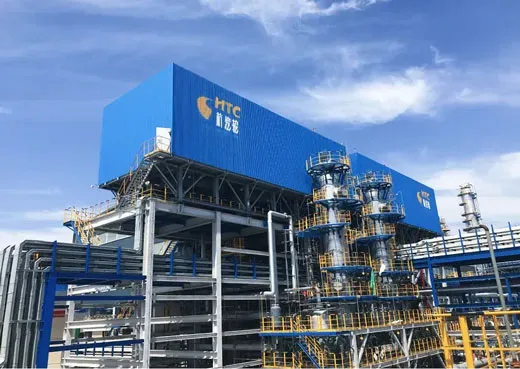
Heavy Steel Structures for Equipment
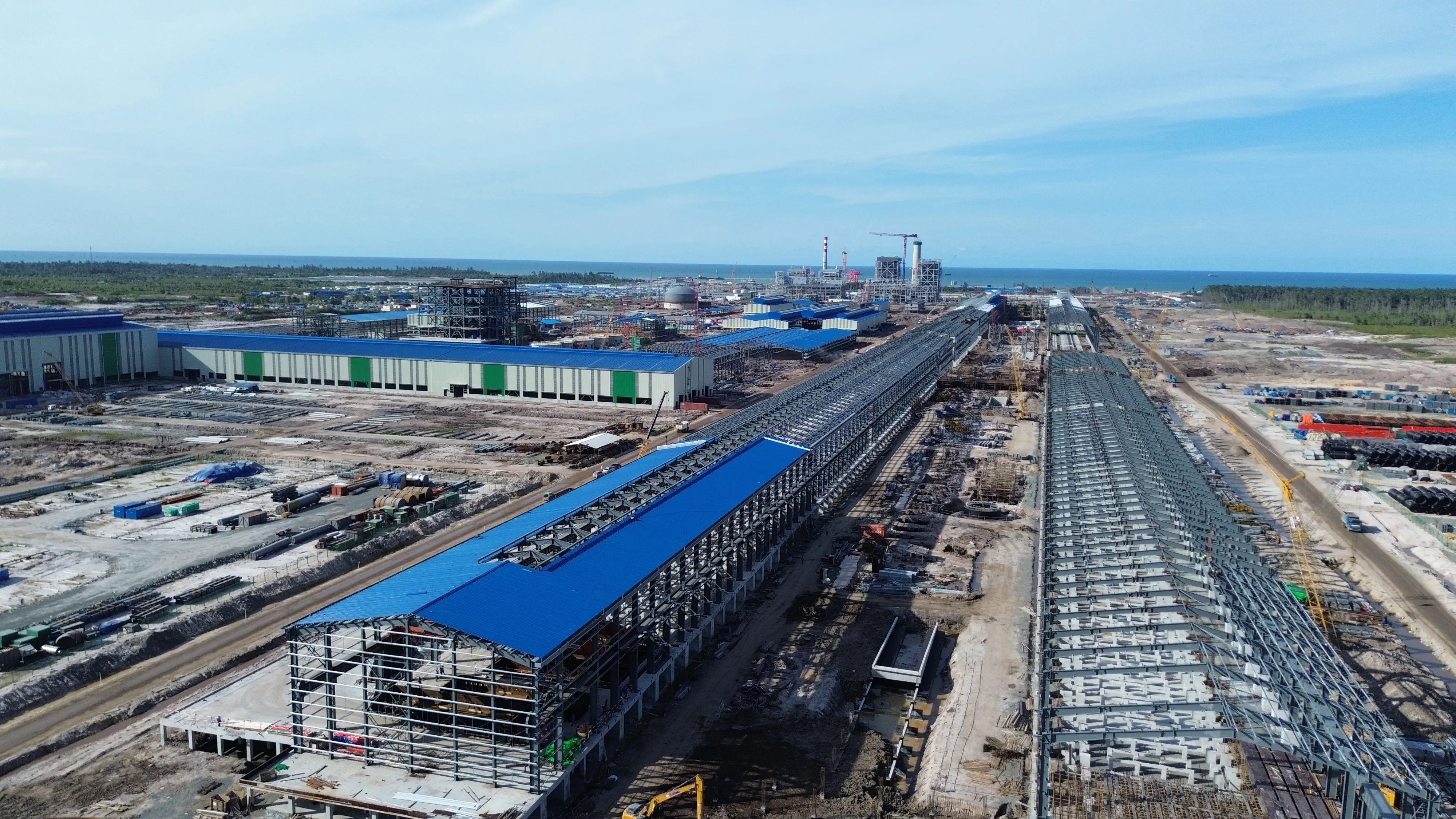
Indonesia North Kalimantan Aluminum Plant Project
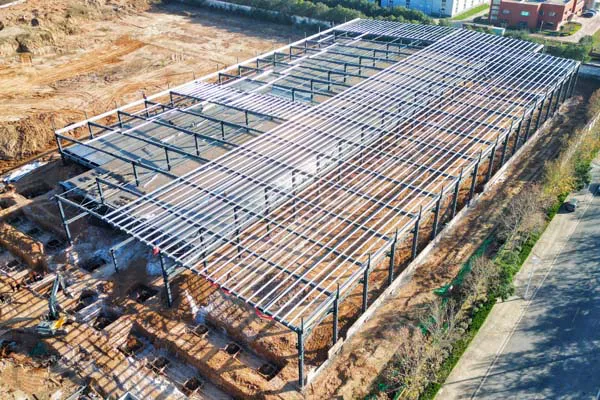
Luoyang Haode Auto Parts Steel Structure Factory Project
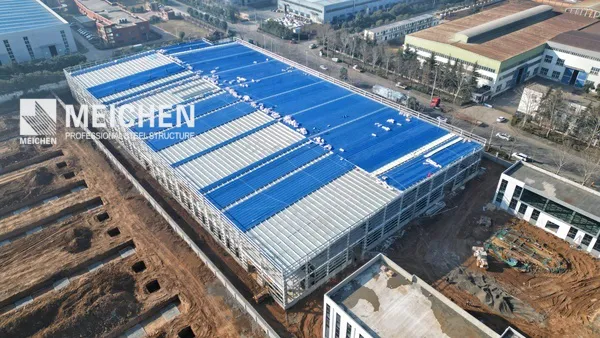
Automated Glass Production Line Steel Structure Factory Building Project
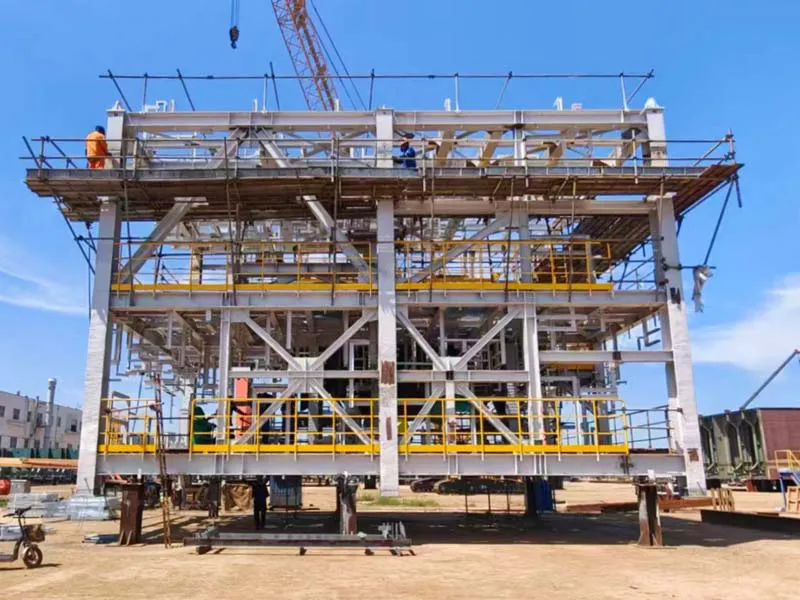
Oil & Gas Modular Steel Structure Fabrication Project

Flare Stack Structure