Time:2026-03-12 01:29:04 Source:Sanjian Meichen Steel Structure
Are you relying too much on unit prices to estimate your steel warehouse investment? I’ve seen many projects fail before the design even started, all from an inaccurate budget at this crucial phase.
To truly estimate your steel warehouse construction cost before the design, you have to look beyond surface-level “per square meter” prices. You need to focus on key parameters—span, ground conditions, crane requirements, and local load codes—because these determine most of your final budget. I’ve learned this the hard way, having spent years on both the engineering and procurement sides.
Building a real budget before your steel warehouse enters the design phase can feel overwhelming. Most buyers compare square meter rates or skip detailed analysis. Over the years at MEICHEN Steel Structures, we’ve developed a checklist that helps clients avoid hidden cost traps and lets them clarify their investment returns early. Let me share some insider know-how that can prevent costly mistakes.
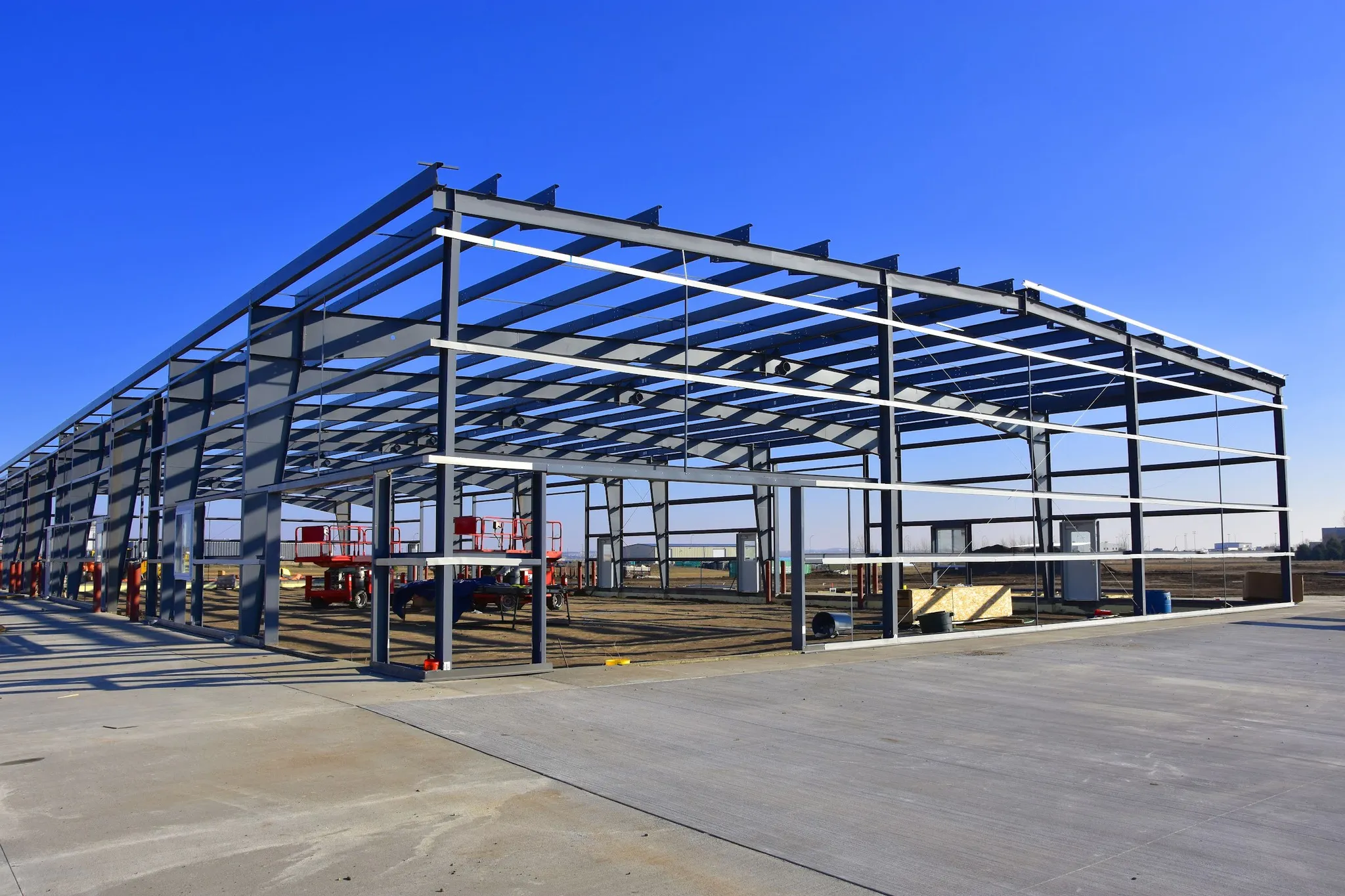
Many clients start with the question “how much per square meter?” and think the answer will be enough to plan a steel warehouse budget. But even two warehouses with the same area, say 2,000 m², can have costs differ by more than 30%. The reason is simple: the average unit price hides the cost impact of design choices, like the warehouse’s span and structural complexity.
For instance, if MEICHEN Steel Structures gets a request for a 50m by 40m layout and another for 100m by 20m, both total 2,000 m², but the 50m span demands thicker beams, tougher joints, and more careful installation. Once, a client who focused only on the lowest unit price saw his budget jump by 40% when detailed design exposed structural demands. That’s why we always ask for span, ground conditions, function, and environmental loads first—the unit price is merely an average, and averages don’t build warehouses.
Here is a table we use with our clients early on:
| Key Design Parameter | Typical Impact on Cost |
|---|---|
| Span (distance between columns) | 20-50% higher costs |
| Steel usage per m² | 45-120 kg/m² |
| Foundation complexity | Can double total budget |
| Attachments (doors, cranes, etc) | 10-15% of steelworks |
| Seismic and wind loads | Can add 5-30% |
This table helps answer the most frequent mistake: unit price is only a reference, not a solution. Every warehouse has its own cost structure, shaped mainly by engineering parameters.
The misconception that doubling your warehouse's area means doubling the cost has led many buyers into trouble—especially in high-span projects. It's the span, not the area, that determines the steel structure's complexity, weight, and ultimately the cost.
When I worked on a logistics hub design, I saw first-hand how a 40-meter span forced us to nearly double the steel weight per square meter, compared to a 20-meter span. If your warehouse requires a column-free space, every extra meter increases material and assembly costs non-linearly. At MEICHEN Steel Structures, we guide clients to model their cost plans by span tables first, then adjust for area.
Here’s a simple comparison:
| Span (meters) | Steel consumption (kg/m²) | Relative cost increase |
|---|---|---|
| 20 | 50 | Baseline |
| 30 | 65 | +30% |
| 40 | 80 | +60% |
| 50 | 100 | +100% |
For example, when a client asked for a wide 50-meter column-free span, we recommended reviewing the budget for node complexity and steel tonnage rather than just surface area. Our deep-dive analysis showed the extra span would double the total steel consumption and require special installation teams. This made the cost transparent and helped the client get board approval faster.
Every experienced steel structure engineer uses shortcut formulas—but only after considering hidden, project-specific risks. I always combine quick calculations with reality checks against recent project data and market trends.
Here’s the rough formula I give early in consultations:
Estimated steel structure cost (USD) = Warehouse Area (m²) × reference steel weight (kg/m²) × steel price per kg + 15% accessory allowance + foundation and installation costs.
After that, adjust for site conditions and special loads.
When planning a chemical storage project in a seismic region, we used a starting estimate from unit steel weight, then added 30% for extra bracing and node detailing—which matched the actual budget after tender. Accessories, such as doors, skylights, and cranes, often add up quickly; in many MEICHEN Steel Structures projects, these accounted for 10–15% of the total cost. In weak soil areas, foundation treatment sometimes equaled the steel work’s cost, a fact that often surprises clients focused only on “structure price”.
Here’s a breakdown of common hidden cost triggers:
| Cost Factor | Typical Effect | Likelihood |
|---|---|---|
| Foundation works | 20–80% of steel | Nearly always |
| Accessories | 10–15% | High |
| Design upgrades | 5–20% | Medium |
| Logistics & install | 5–10% | Medium |
I once worked on a warehouse where the site’s clay soil forced deep piling and waterproofing. That foundation cost more than the entire steel frame and changed the investment schedule, even after the warehouse area and span were fixed.
Most B2B buyers—especially those under schedule pressure—invite three quotes and pick the lowest, hoping steel is a commodity. Unfortunately, this approach almost always leads to painful surprises during construction.
In my years managing procurement at MEICHEN Steel Structures, I’ve seen many so-called “low table” offers skip essential specs. They leave out seismic codes, wind resistance, node diagrams, and full attachment lists. When these gaps show up mid-project, clients face change orders and cost overruns. That’s why we recommend always requesting full scope offers, with connection details and accessory breakdowns. We help clients review preliminary bids with a simple checklist:
| Bid Review Item | Why is it important? |
|---|---|
| Node diagrams included | Reveals complexity and material needs |
| Seismic and wind ratings clear | Protects the project from changes |
| Foundation and soil treatment data | Predicts hidden costs |
| All accessories itemized | Avoids missing items |
| Logistics and installation plan clear | Prevents schedule surprises |
Recently, a client ignored these tips and chose a low bid. Midway, he faced five unexpected add-ons due to missing trays, braces, and a wind rating upgrade. Our team stepped in and rebuilt the scope, but the delays ate up three months and drove up the project cost by 18%. Lesson learned: steel structure quoting isn’t about price alone—it’s about clear, complete scope.
I always advise: don’t hold back. Share information upfront—site conditions, expected functions, span requirements, floors, crane tonnage, and accessory counts. The more detail you give, the closer your budget estimate gets to reality, and the fewer surprises await when the design is finished.
At MEICHEN Steel Structures, we use a “reverse engineering” method: divide your investment target by intended years and use rate. This aligns structure choices with operational needs. When budgets are tight and schedules don’t allow mistakes, we recommend suppliers with their own design teams and integrated install capability. This approach helped a petrochemical client reduce procurement risk and cut overall delivery time by 15%.
Here’s a practical checklist for early budgeting:
| Parameter | Reason |
|---|---|
| Ground conditions | Impacts foundation depth |
| Span and area | Determines steel usage |
| Functional needs (cranes, etc.) | Drives accessory and node specs |
| Local codes (seismic, wind) | Mandates design upgrades |
| Installation timeline | Affects logistics costs |
If you want the sharpest estimate, ask suppliers for value engineering ideas. In our experience, smart structure changes can often save 5–15% in weight and time, without compromising safety or function. These tweaks come from knowledge built over hundreds of projects, and can make your numbers work harder for you.
Steel warehouse cost estimation is about knowing the real factors—span, ground, and a full scope—not chasing lowest quotes or relying on average prices. Bring your project specs and expectations; we promise to help you build a cost picture that works, with no hidden surprises, so your investment delivers maximum value.
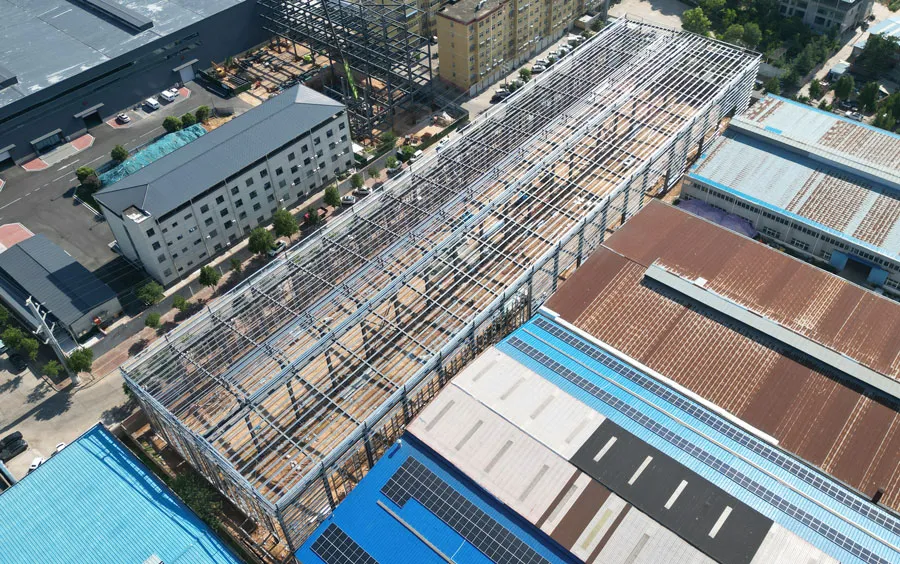
Steel Structure Workshop Solutions
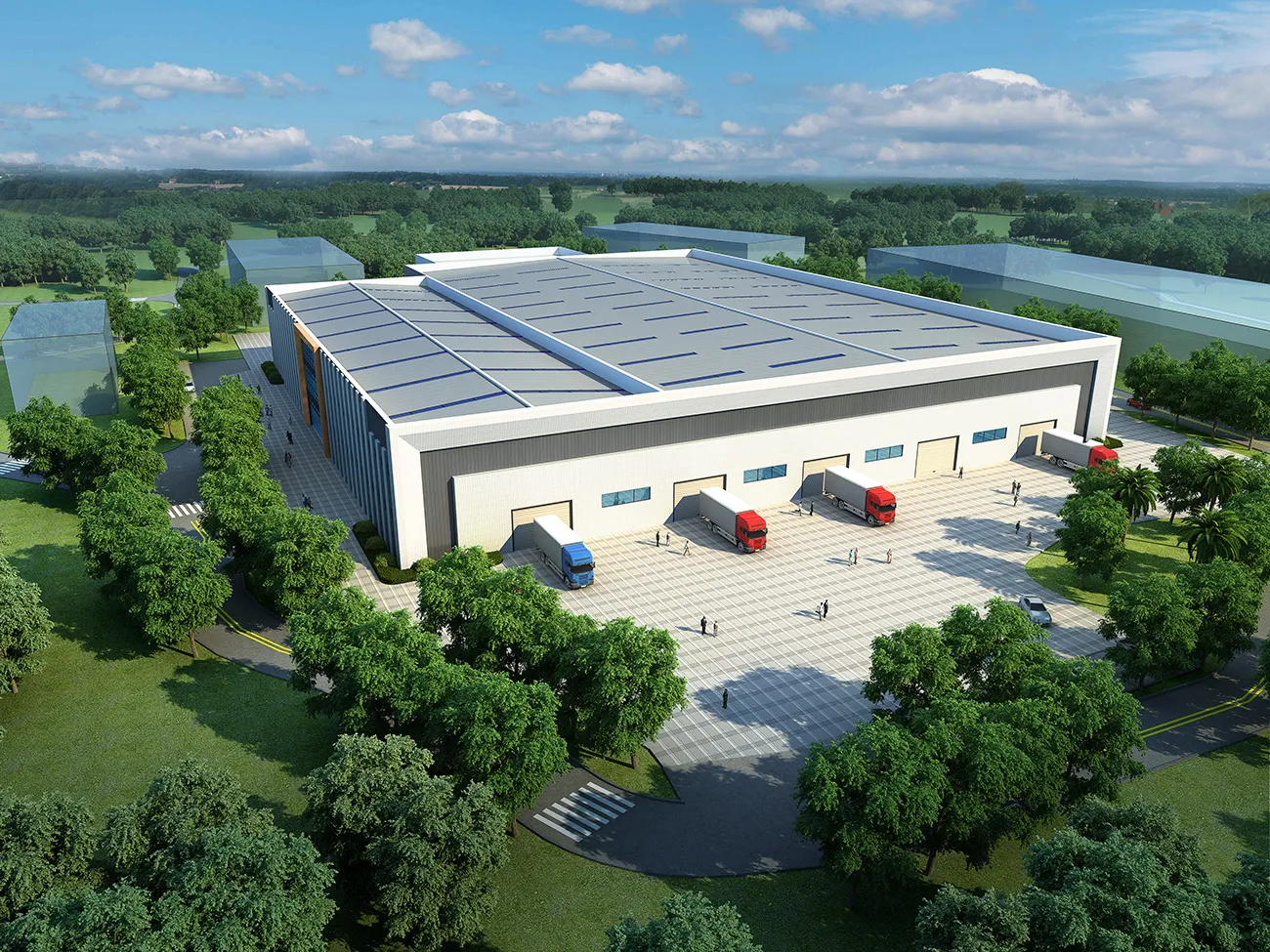
Steel Warehouse Solutions
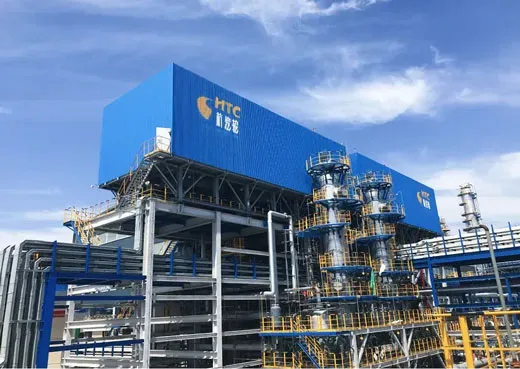
Heavy Steel Structures for Equipment
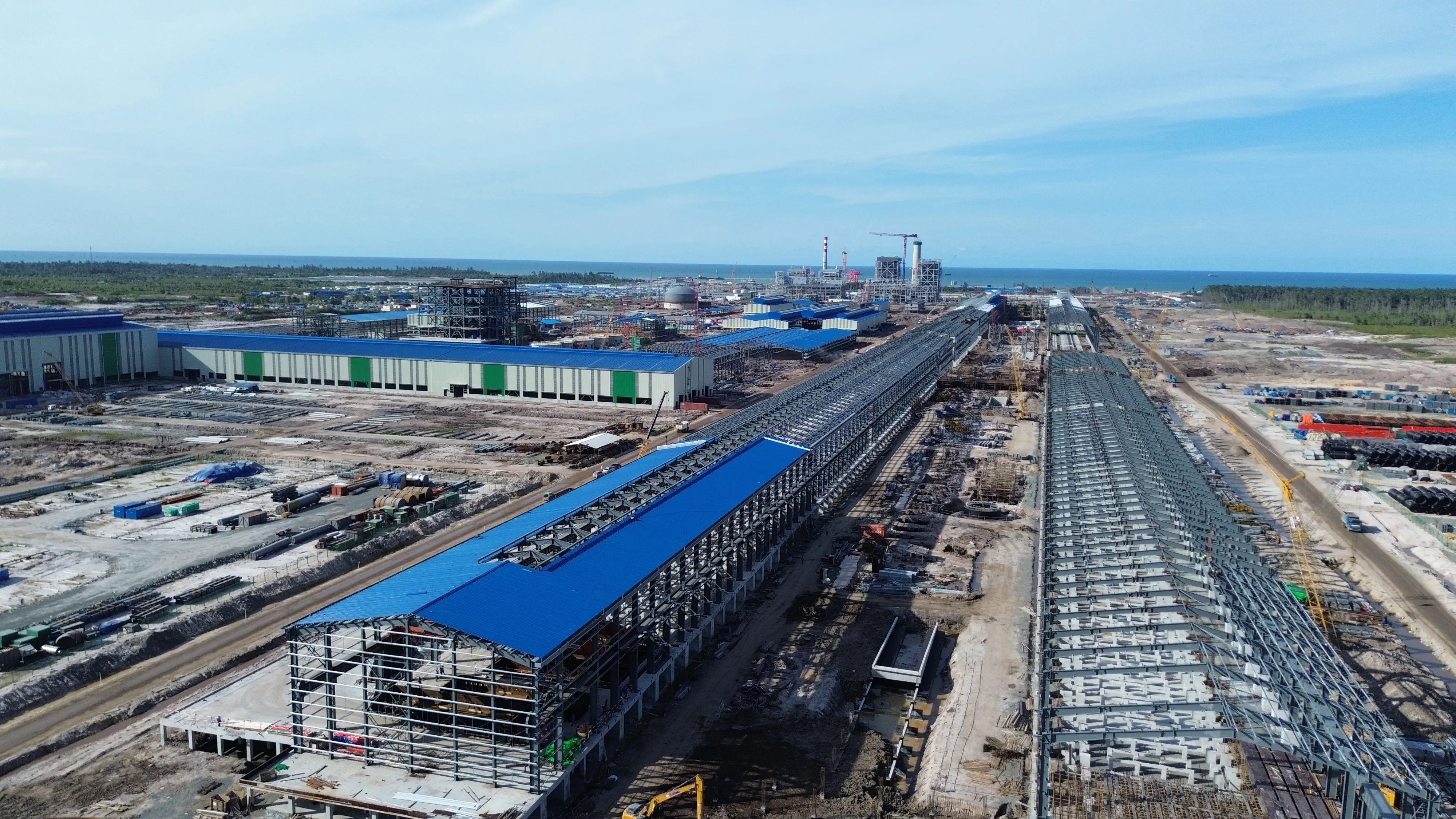
Indonesia North Kalimantan Aluminum Plant Project
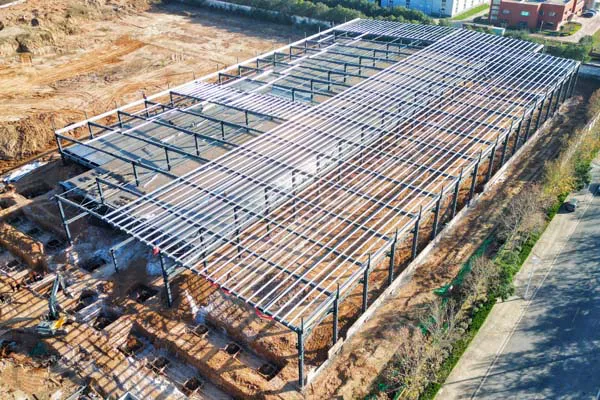
Luoyang Haode Auto Parts Steel Structure Factory Project
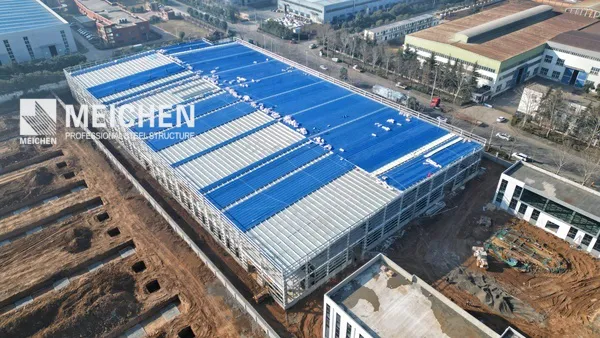
Automated Glass Production Line Steel Structure Factory Building Project
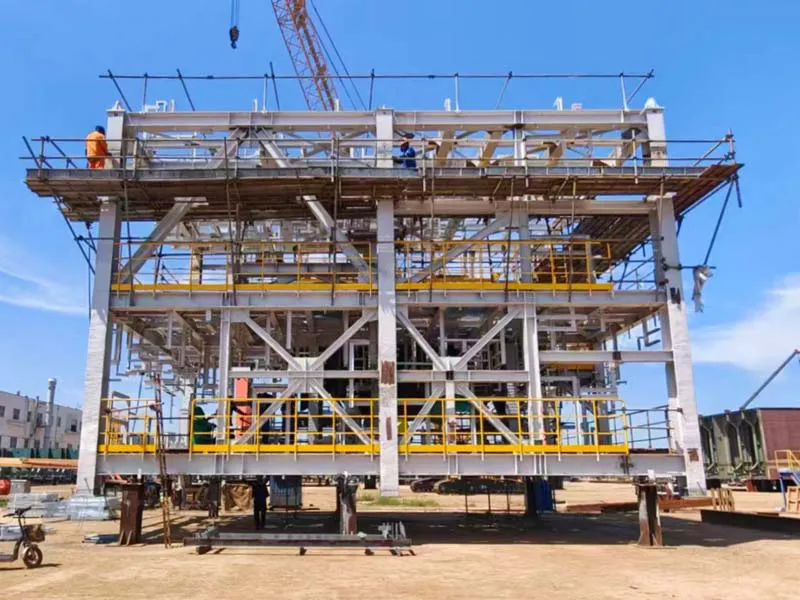
Oil & Gas Modular Steel Structure Fabrication Project

Flare Stack Structure