Time:2026-03-13 08:53:21 Source:Sanjian Meichen Steel Structure
As the global cold chain industry continues to expand, the demand for high-performance cold storage facilities has never been greater. Whether storing perishable foods, temperature-sensitive pharmaceuticals, or industrial materials, the efficiency and reliability of a cold storage factory directly impact product safety, operational costs, and regulatory compliance. Among the available construction methods, steel structure cold storage factories have emerged as the preferred choice due to their structural strength, design flexibility, and long-term durability. However, constructing an effective facility involves far more than simply assembling steel beams—it requires a comprehensive approach that balances structural design, insulation performance, and operational efficiency.
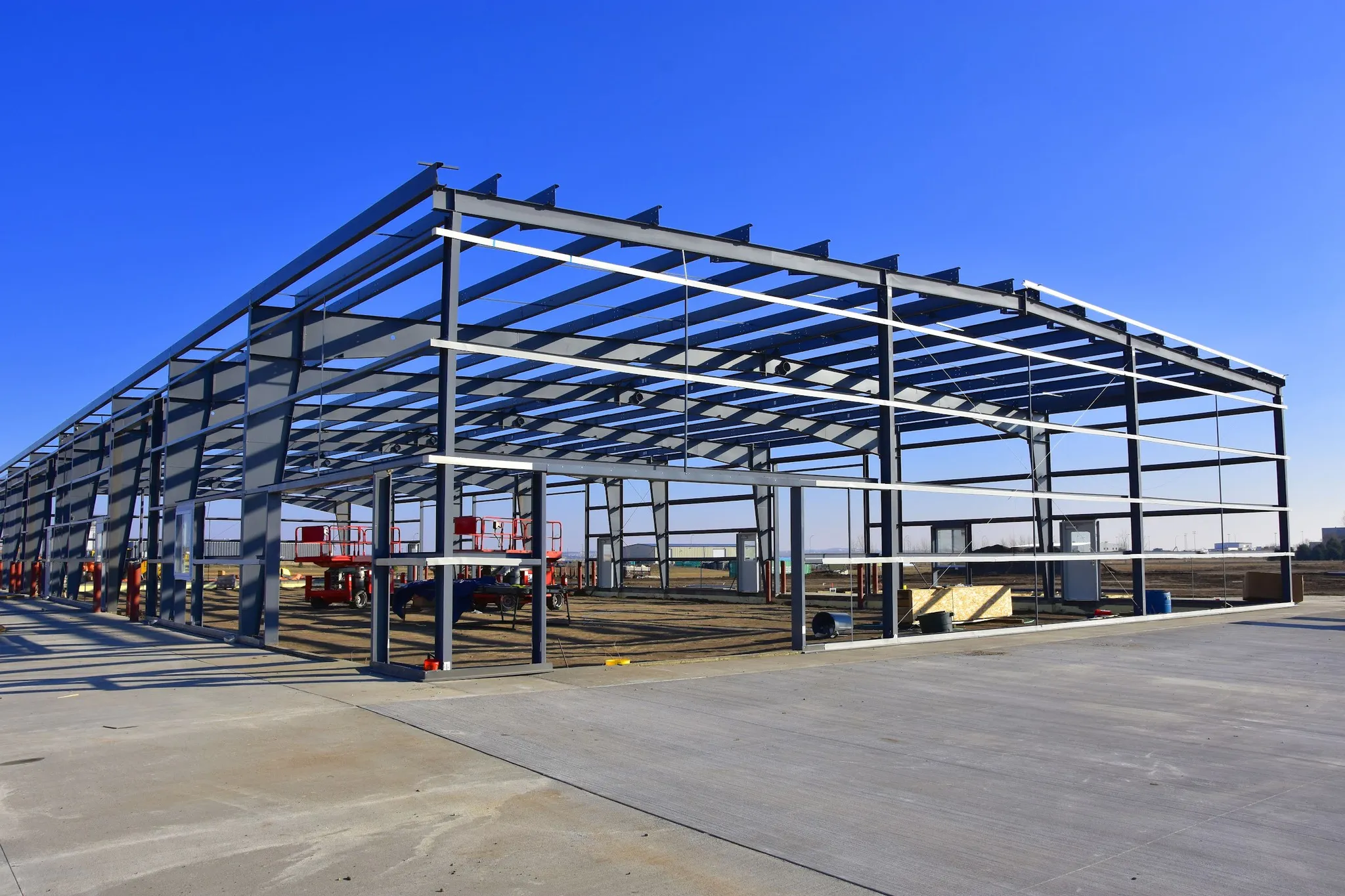
Designing a cold storage steel structure begins with understanding the unique demands of the facility. Steel offers exceptional advantages over conventional construction methods. Its high load-bearing capacity allows for large, unobstructed interior spaces, which is critical for efficient pallet stacking, automated racking systems, and seamless forklift operation. In addition, steel structures can withstand seismic activity, heavy snow loads, and other environmental stresses, providing a reliable framework for long-term operation.
The layout of the factory must also prioritize workflow efficiency. Segregating zones for receiving, sorting, storage, and shipping ensures that goods move smoothly without congestion, while maintaining strict temperature zones. Designing wide aisles for forklifts, automated guided vehicles (AGVs), or conveyor systems reduces handling time and improves safety. Every aspect of the layout should consider the integration of refrigeration units, emergency exits, and maintenance access to minimize operational disruptions.
Compliance with local building codes and industrial regulations is non-negotiable. Cold storage environments often feature high humidity, which accelerates steel corrosion if untreated. Applying anti-corrosion coatings, galvanization, or stainless steel components in critical areas helps extend the structure’s lifespan. Fire safety is another key consideration—steel structures must include fireproofing measures, such as intumescent coatings or fire-rated panels, especially in zones storing flammable packaging or chemicals.
While structural integrity provides the backbone of a cold storage facility, insulation is the heart of its performance. Ineffective insulation leads to temperature fluctuations, higher energy consumption, and the risk of spoilage for sensitive goods. Choosing the right insulation material is critical and should be based on the storage requirements:
Frozen storage (-18°C or lower): High-density polyurethane (PU) or phenolic panels provide superior thermal resistance.
Chilled storage (0–5°C): Expanded polystyrene (EPS) panels offer cost-effective thermal performance for moderate temperature zones.
Pharmaceutical or specialty storage: Advanced composite foams with low thermal conductivity maintain precise temperature and humidity control.
Proper installation is equally important. Even high-quality panels will underperform if poorly fitted. Avoiding thermal bridges—areas where heat can transfer through gaps or structural connections—is essential. Panels must be tightly sealed around doors, penetrations for HVAC ducts, electrical conduits, and piping. Specialized gaskets and sealants prevent cold air leakage, while ensuring easy access for operational needs. Insulation thickness should be carefully calculated according to facility dimensions, local climate conditions, and target energy efficiency, balancing upfront costs with long-term operational savings.
A truly optimized cold storage factory seamlessly integrates structural and insulation considerations. Roofs and walls should support insulation panels without compromising load-bearing capacity, while floor systems often include insulated layers beneath concrete slabs to reduce heat gain from the ground. Modern sandwich panels—combining steel and insulation in a single assembly—simplify construction while maintaining both structural strength and thermal performance.
Access points, such as doors and loading docks, require special attention. Insulated rapid-roll doors, air curtains, and vestibules minimize temperature fluctuations during material handling. Even minor air leakage at frequently used entrances can significantly impact energy efficiency, highlighting the need for precision in both design and construction.
High-performance insulation directly reduces refrigeration load, lowering energy consumption and operational costs. Modern facilities complement insulation with energy-efficient refrigeration systems, LED lighting, and automated monitoring solutions that provide real-time data on temperature, humidity, and system performance. Predictive maintenance systems can alert operators to potential inefficiencies, ensuring uninterrupted operation.
Sustainability is also becoming a core consideration. Using recyclable steel, low-VOC coatings, and environmentally friendly insulation materials reduces the carbon footprint of the facility. Combining these strategies with renewable energy sources, such as solar panels or heat recovery systems, further enhances operational sustainability and long-term cost savings.
Constructing a cold storage steel structure factory is a complex undertaking that requires meticulous attention to structural design, insulation performance, and operational workflow. High-quality materials, airtight construction, and integrated energy-efficient systems ensure the facility maintains consistent temperatures, safeguards sensitive products, and minimizes energy expenditure.
For businesses in the food, pharmaceutical, or industrial sectors, investing in a well-engineered steel structure cold storage facility is more than a capital expenditure—it is a strategic move that enhances operational efficiency, protects product quality, and strengthens long-term sustainability. Partnering with experienced engineers and designers ensures that structural integrity, insulation, and workflow requirements are fully optimized, resulting in a facility capable of delivering maximum performance and return on investment for years to come.
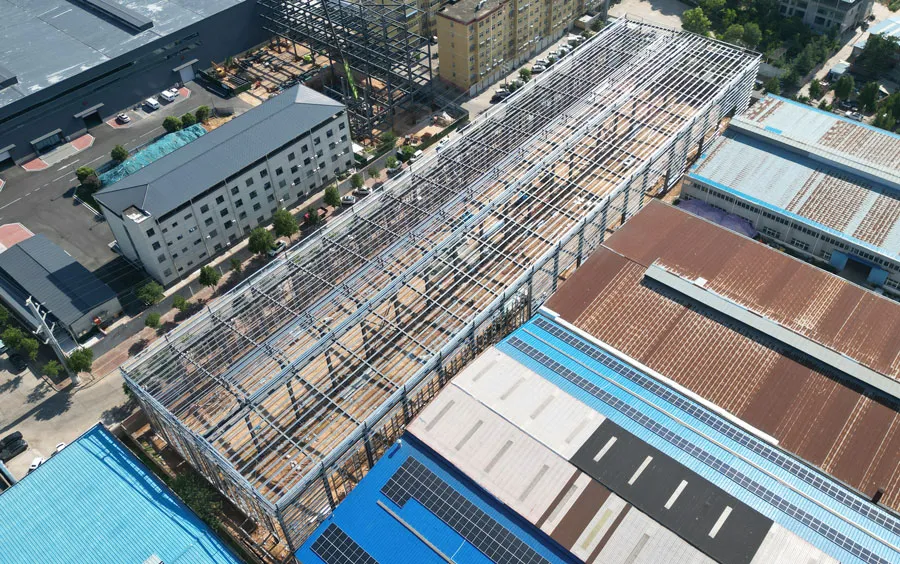
Steel Structure Workshop Solutions
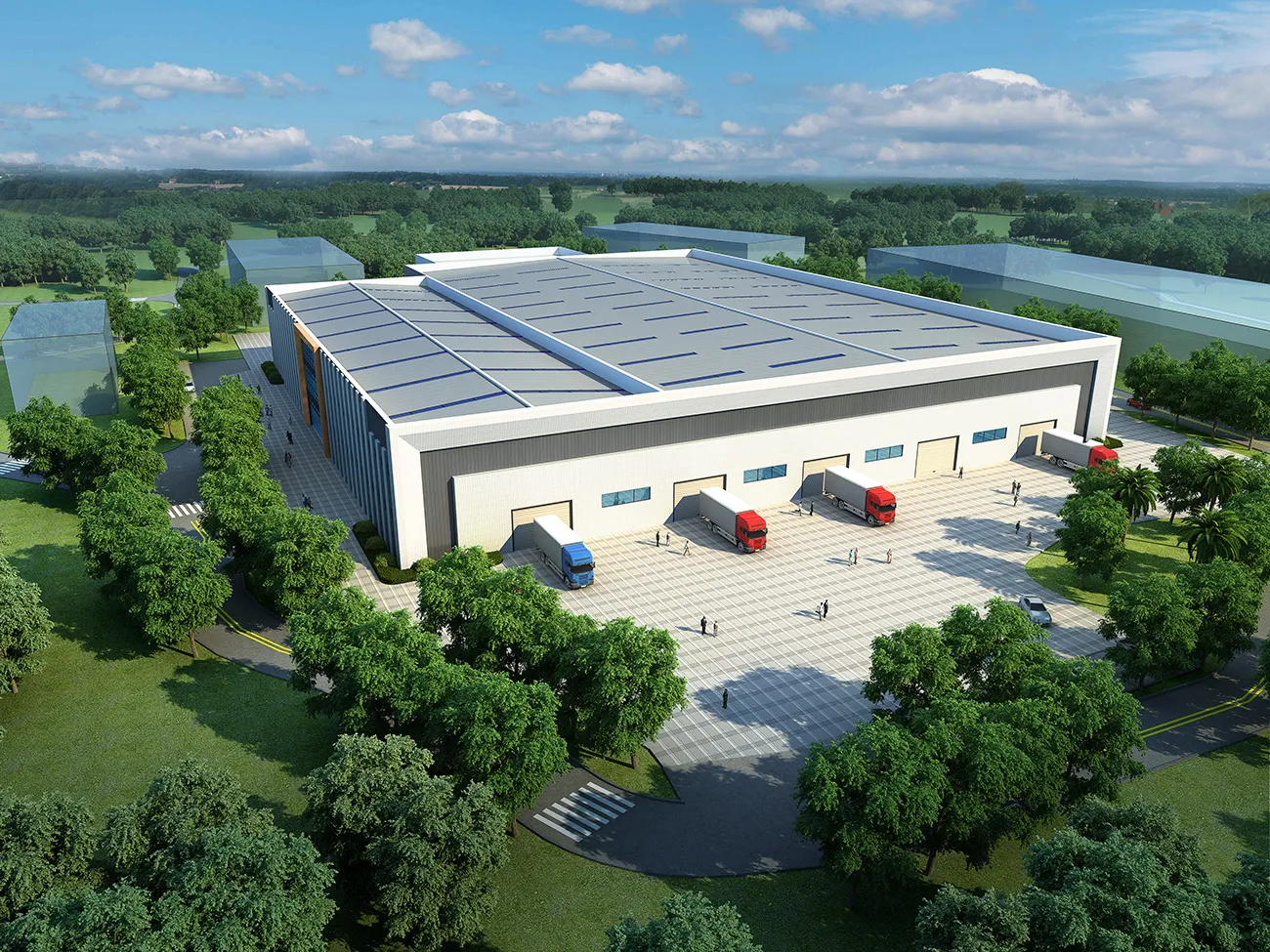
Steel Warehouse Solutions
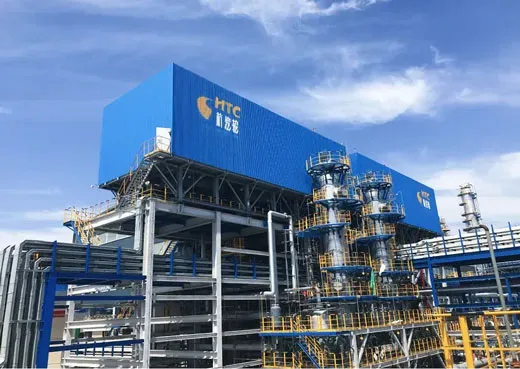
Heavy Steel Structures for Equipment
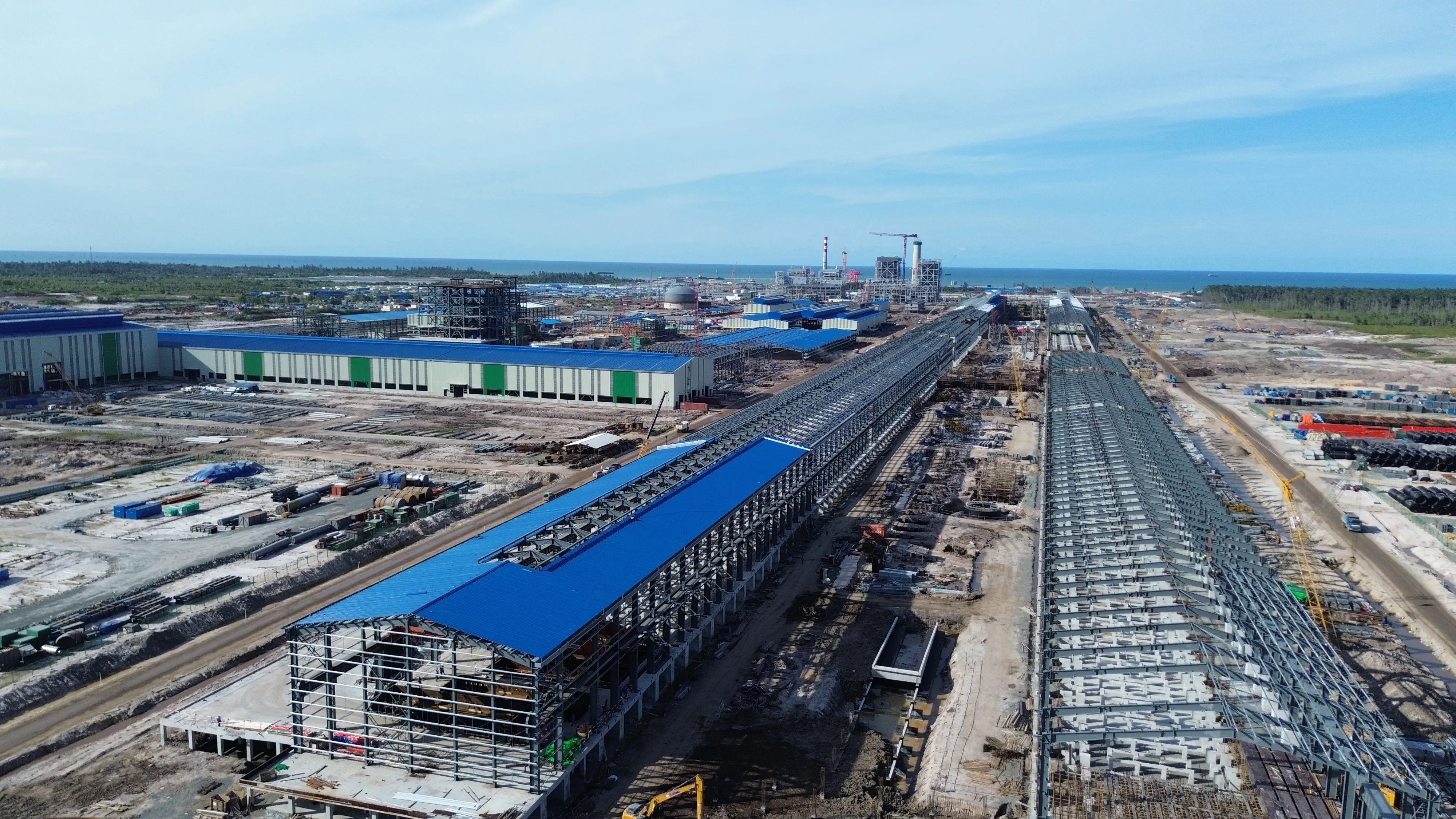
Indonesia North Kalimantan Aluminum Plant Project
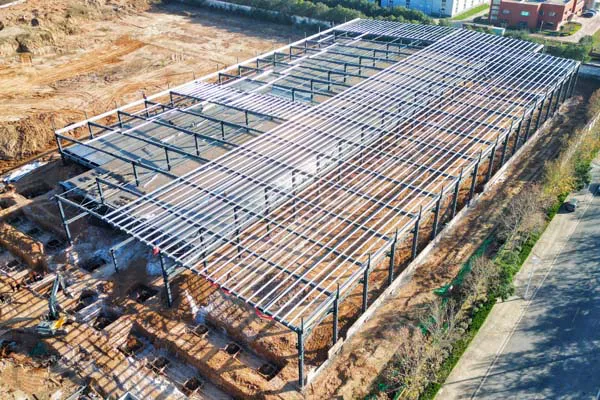
Luoyang Haode Auto Parts Steel Structure Factory Project
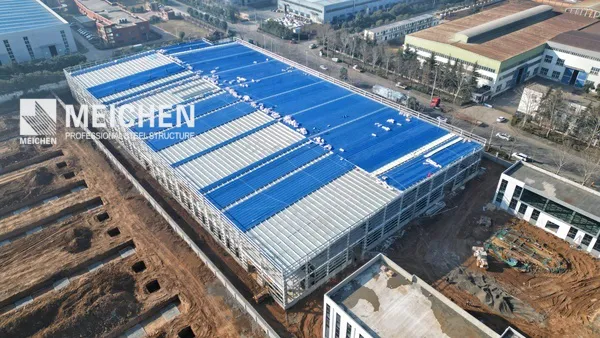
Automated Glass Production Line Steel Structure Factory Building Project
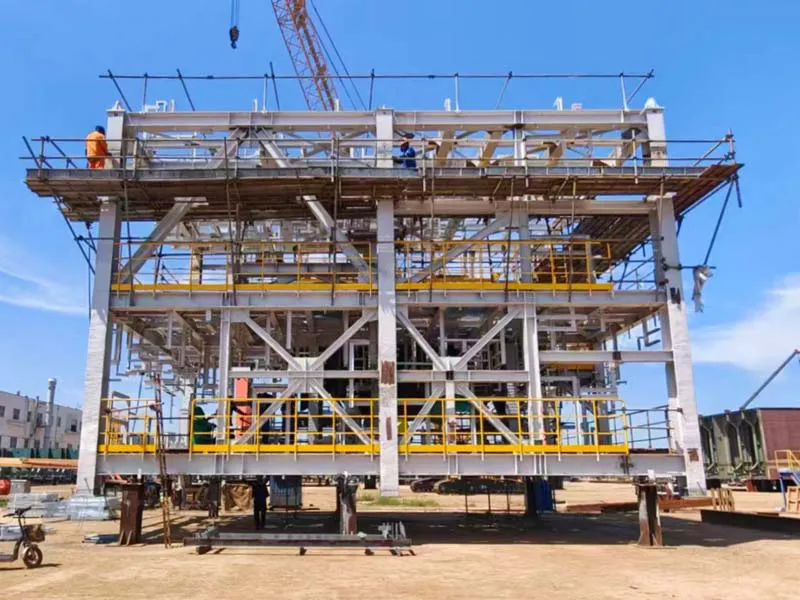
Oil & Gas Modular Steel Structure Fabrication Project

Flare Stack Structure