Time:2026-04-08 08:52:14 Source:Sanjian Meichen Steel Structure
Corrosion may seem distant on a sunny day, but I’ve watched rust slip into steel buildings in coastal and humid climates with surprising speed. Owners often call me when spots appear, maintenance bills rise, schedules shift—nobody enjoys these surprises.
The best corrosion protection for industrial steel buildings in coastal and humid areas involves several layers—judging risks, selecting durable materials, using advanced coatings, planning for careful design, and keeping up with maintenance. We don’t settle for shortcuts if durability is our goal.
Every year, I watch talented project managers struggle with recurring corrosion. They expect routine paint or standard galvanized steel to protect them fully, but aggressive climates don't forgive minor mistakes. Through my own experience, even inland sites can act like coastal zones if winds carry salts or nearby factories produce heavy pollution. It only takes one unexpected rainy season to reveal hidden vulnerabilities. Instead of hoping for good weather, we start with smart strategies to prevent rust from the very beginning.
Steel structures near the coast or in humid areas face constant exposure to moisture, salty air, wind-driven particles, and sometimes industrial pollution. It's easy to underestimate how nasty these combined forces can be. We once completed a site inland, only to discover it suffered the same corrosion as a seaside location, thanks to local wind patterns and nearby chemical plants. This taught us the importance of requesting site-specific data—not only trusting general regional climate maps.
A detailed study of the project's microclimate helps. For example, we ask for a “corrosivity map” that details annual rainfall, humidity levels, airborne chloride or sulfur content, and local pollution. Here’s a quick table that shows what we typically track before starting a project:
| Risk Factor | Typical Impact | How We Check |
|---|---|---|
| Salty air | Accelerated rust | Air sample, wind assessment |
| High humidity | Persistent moisture | Site humidity readings |
| Rainfall | Increased wet cycles | Meteorological forecast data |
| Local industry pollution | Chemical attack | Environmental monitoring |
Overlooking these details brings big headaches later. So we always urge our B2B clients, “Don't start without a thorough atmospheric survey.” It’s a small investment that can save millions in repairs.
Material choice is always our first big decision on any project. We learned early that not all galvanized steel is created equal—especially in coastal climates. When we build in C5 areas (high risk from salty air), we insist on a zinc coating weight of at least Z600 (600 g/m²). Anything less shortens the lifespan dramatically, and we've seen the difference ourselves after just a few years of exposure.
Weathering steel (Corten) is promoted for its self-healing oxide layer, but we discovered that airborne chlorides break down its protection near the sea or in very humid places. It looks good on paper until the rust doesn’t stop. For mission-critical sites like chemical plants, we’ve worked with duplex stainless steel. It’s expensive, but the lack of ongoing maintenance is a boon for operational budgets.
If you source materials globally, as we do, always check certifications carefully. We had a client lose months of schedule due to fake documents from a supplier. It’s why we now use third-party audits and random material checks—it’s the only way to protect your investment.
Here’s a simple comparison table based on our practical experience:
| Steel Type | Pros | Cons | Recommended Use |
|---|---|---|---|
| Galvanized (Z600+) | Good protection, cost | Needs careful thickness | Coastal/humid |
| Corten (Weathering) | Visual appeal, inland | Fails in salty air | Dry inland only |
| Duplex Stainless | Premium durability | Expensive upfront | Critical sites |
Don't gamble on materials. Paying more upfront almost always pays off in the long run through fewer repairs.
Coating steel is much more than just paint. We always use a multi-layer system—starting with a primer, followed by one or more intermediate coats, and a tough topcoat. Dry film thickness (DFT) is critical; we won’t accept less than 320 microns in harsh environments.
We have used the epoxy and polyurethane combo for years. It gives reliable results, but only when the steel surface is prepared right. Surface prep is 80% of the battle! Insisting on SA2.5 (near-white metal blasting) before coating is our rule. Without it, even the best paint won’t stick or protect.
For added confidence, we sometimes use a "duplex system"—hot-dip galvanizing followed by a paint system. Even if the top layer gets damaged, the underlying zinc sacrifices itself to save the structure. It's a system well worth its higher initial cost.
From our experience, don’t trust coating claims blindly. Always demand pull-off adhesion tests and salt spray data going beyond 2000 hours. When we get these test reports from suppliers, it gives us the confidence that the system will stand the test of time.
Here's a simple process overview we follow:
| Protection Step | What It Does | Our Real-World Advice |
|---|---|---|
| SA2.5 Surface Prep | Cleans steel for proper coating | Never skip this step |
| Primer | Bonds to steel, corrosion base | Use compatible with topcoat |
| Intermediate Coat | Adds moisture resistance | Minimum required thickness |
| Topcoat | Shields from UV and chemicals | Choose high durability |
| Galvanizing + Paint | Adds backup protection | Use in severe environments |
Our experience has taught us that design choices are just as important as materials and coatings. Water traps—those small spaces in profiles or connections where water sits—are the biggest source of corrosion we’ve seen. If possible, we design for maximum water runoff, angling surfaces and adding drainage holes.
Welded connections, especially when done onsite, are more vulnerable. For coastal projects, we try to shop-weld as much as possible, then bolt parts together onsite. This keeps welds protected and makes repairs much easier.
Hidden joints are trouble spots. If no inspection access is planned, those joints tend to deteriorate. We always include inspection hatches for regular checks. One simple engineering trick we use is to chamfer edges and seal crevices. Corrosion loves to start in tiny corners, so it pays to be thorough.
Here’s how we avoid the most common traps:
| Trap Area | Typical Mistake | How We Fix |
|---|---|---|
| Water traps | Flat surfaces | Angle profiles, drain holes |
| Welded joints | Site welding | Shop-weld, bolt onsite |
| Hidden connections | No inspection access | Inspection hatches |
| Edge/Seams | Sharp corners | Chamfer/seal all edges |
Good detailing up front can prevent endless repair cycles later.
Many owners treat maintenance as an afterthought. We take it seriously from the start. We have seen, time and again, that routine inspections—twice a year—are key to catching problems early. Simple visual checks spot obvious issues, but ultrasonic thickness measurement is even better at finding hidden rust before it spreads.
For repairs, always use the original paint system. Mixing brands or types leads to bubbling and flaking, and premature failure. We keep digital logs with photos of every maintenance action. This not only helps with warranty claims, but also boosts resale value in case the building changes hands.
I recommend setting up a calendar in your project management system for recurring maintenance reminders. Proactive upkeep costs much less than reactive repairs.
Here’s a checklist we use:
| Task | Frequency | What We Watch For |
|---|---|---|
| Visual surface inspection | Every 6 months | Peeling, bubbles, rust spots |
| Ultrasonic thickness testing | Once a year | Hidden corrosion |
| Touch-up painting | As-needed | Use original system |
| Digital log/photo records | Ongoing | For warranty & future sale |
A little regular care saves a lot of headache—not just for us, but for every client we’ve supported.
Many buyers focus only on upfront costs. We encourage everyone to look at the “total cost of ownership” (TCO). Cheap protection measures save money at first, but often turn into bigger bills with frequent repairs, downtime, and shortened building life.
We always ask our suppliers and contractors for a projected 20-year TCO analysis using ISO 9223 corrosivity indexing. Those who follow this approach avoid the trap of low initial spend and high hidden maintenance costs. Successful clients understand: spending a bit more in advance pays back in the end, through higher durability and fewer surprises.
| Approach | Upfront Cost | Maintenance Cost | Building Life | Recommended? |
|---|---|---|---|---|
| Low-end protection | Low | High | Short | Not recommended |
| Optimized protection | Moderate | Moderate | Long | Best balance |
| Premium protection | High | Low | Very long | Critical sites |
Looking at TCO helps us give the best advice and protects both our reputation and client investments.
Corrosion protection in coastal and humid climates is more than just a technical step—it's a smart investment. We combine careful planning, the right materials, smart coatings, good design, and proactive maintenance to make sure industrial steel buildings last, stay safe, and avoid costly surprises. Want to future-proof your facility? Let’s share what works, what doesn’t, and build with confidence together.
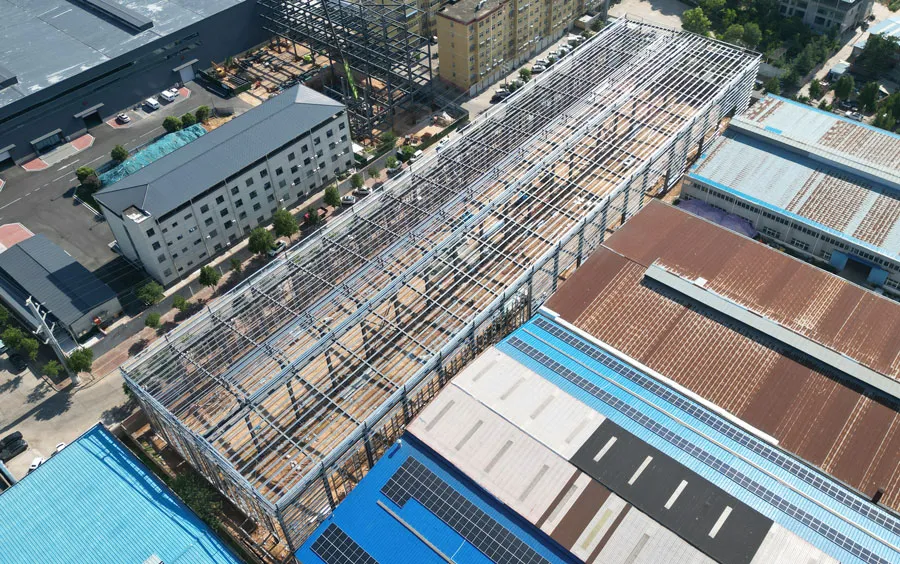
Steel Structure Workshop Solutions
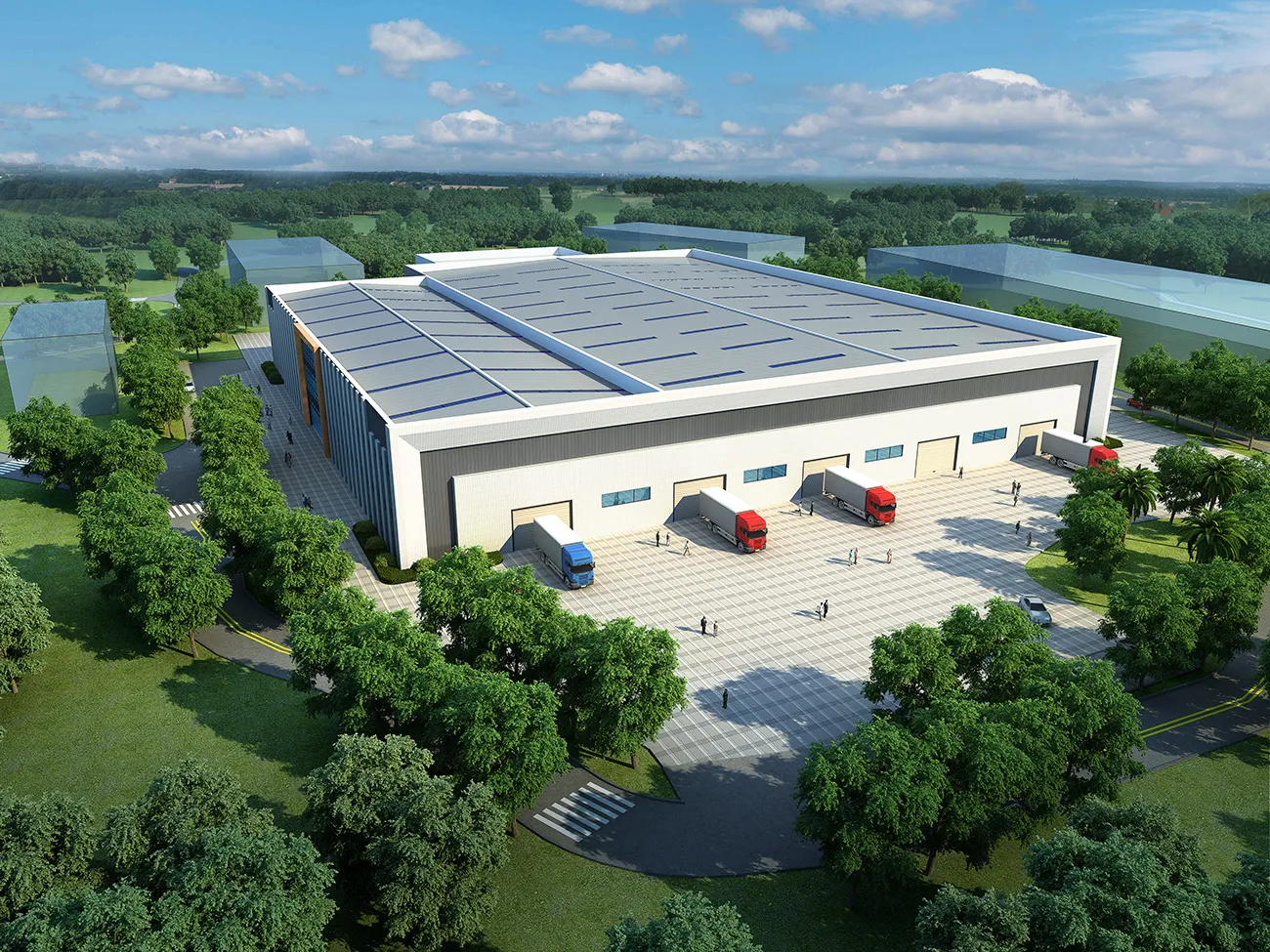
Steel Warehouse Solutions
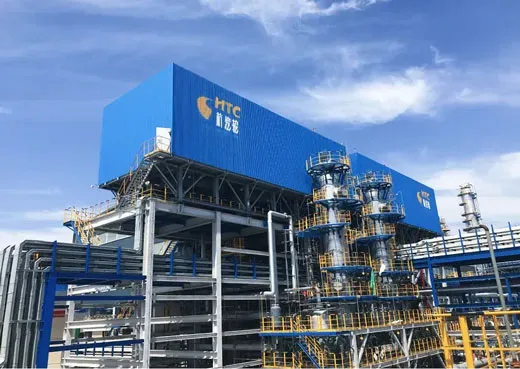
Heavy Steel Structures for Equipment
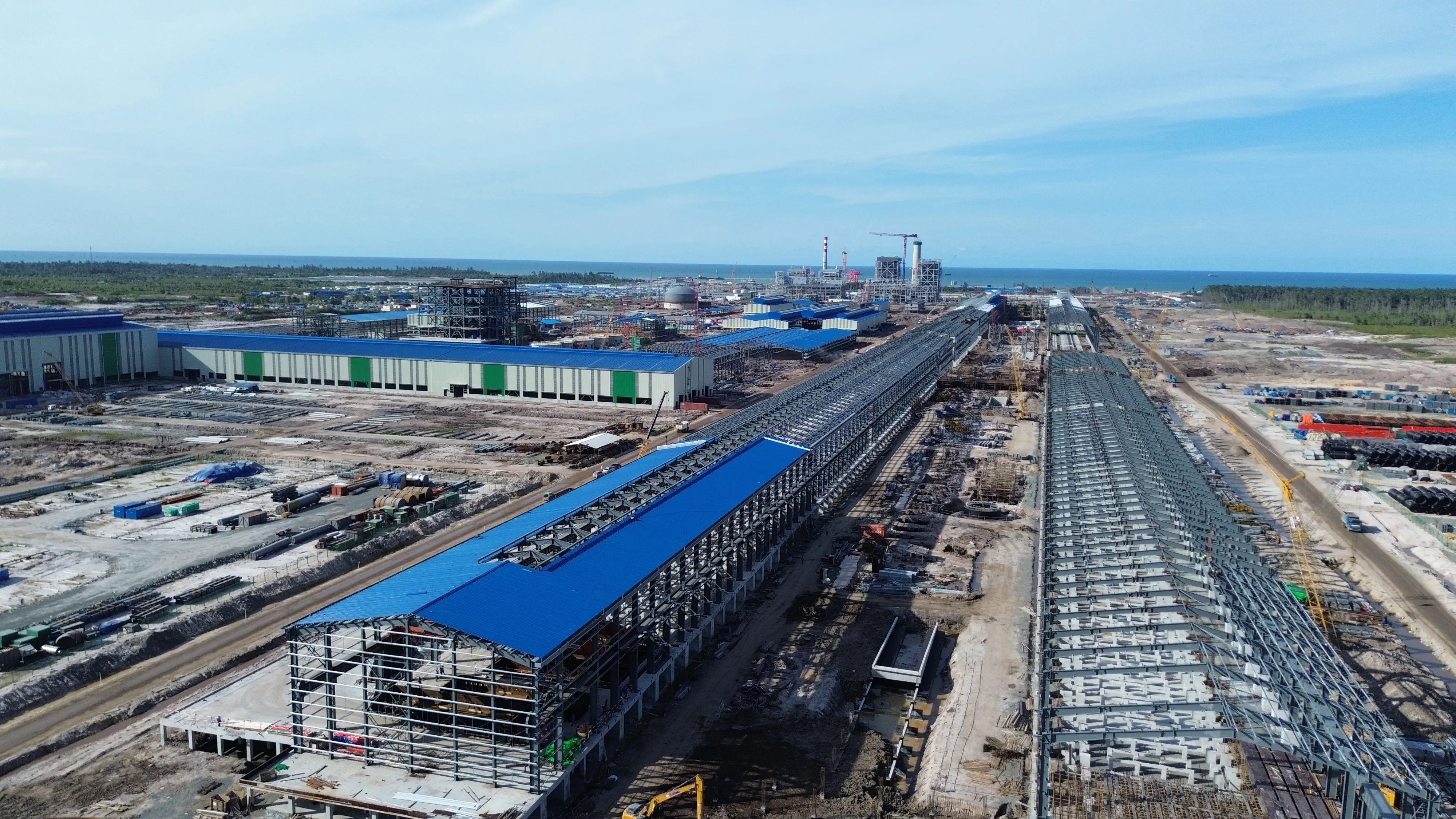
Indonesia North Kalimantan Aluminum Plant Project
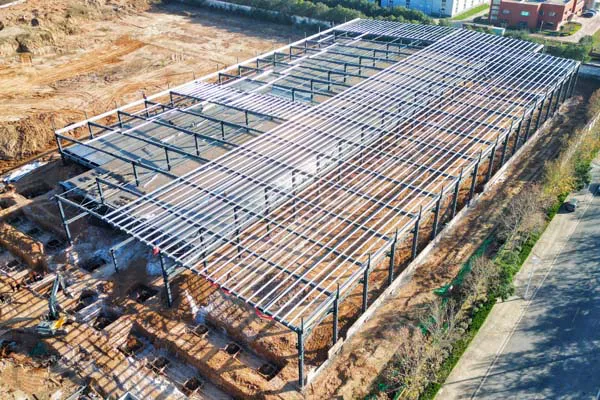
Luoyang Haode Auto Parts Steel Structure Factory Project
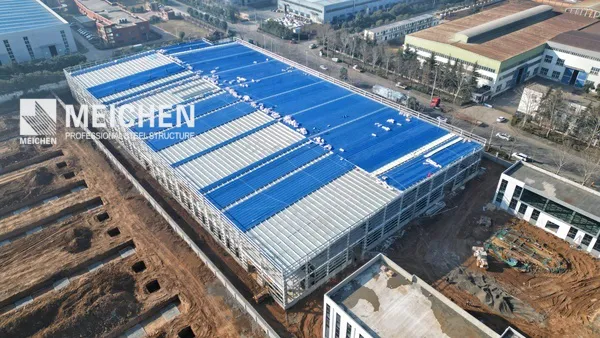
Automated Glass Production Line Steel Structure Factory Building Project
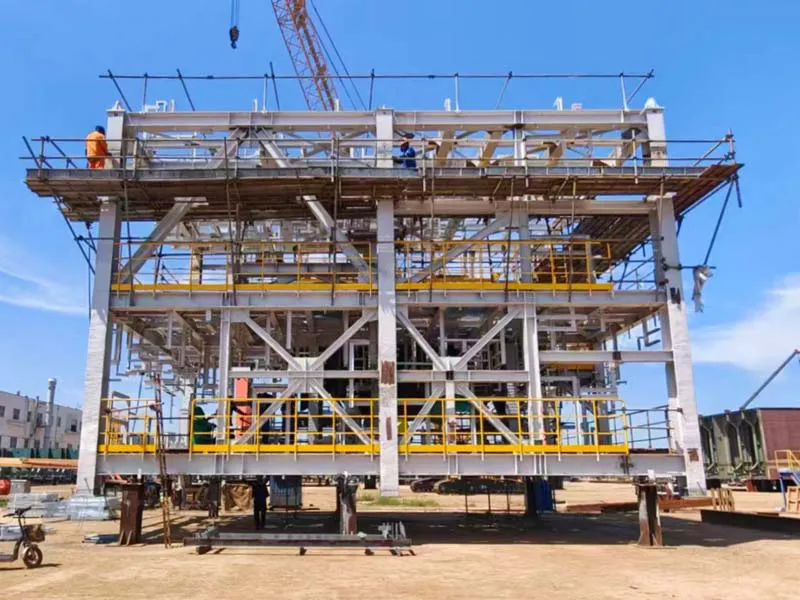
Oil & Gas Modular Steel Structure Fabrication Project
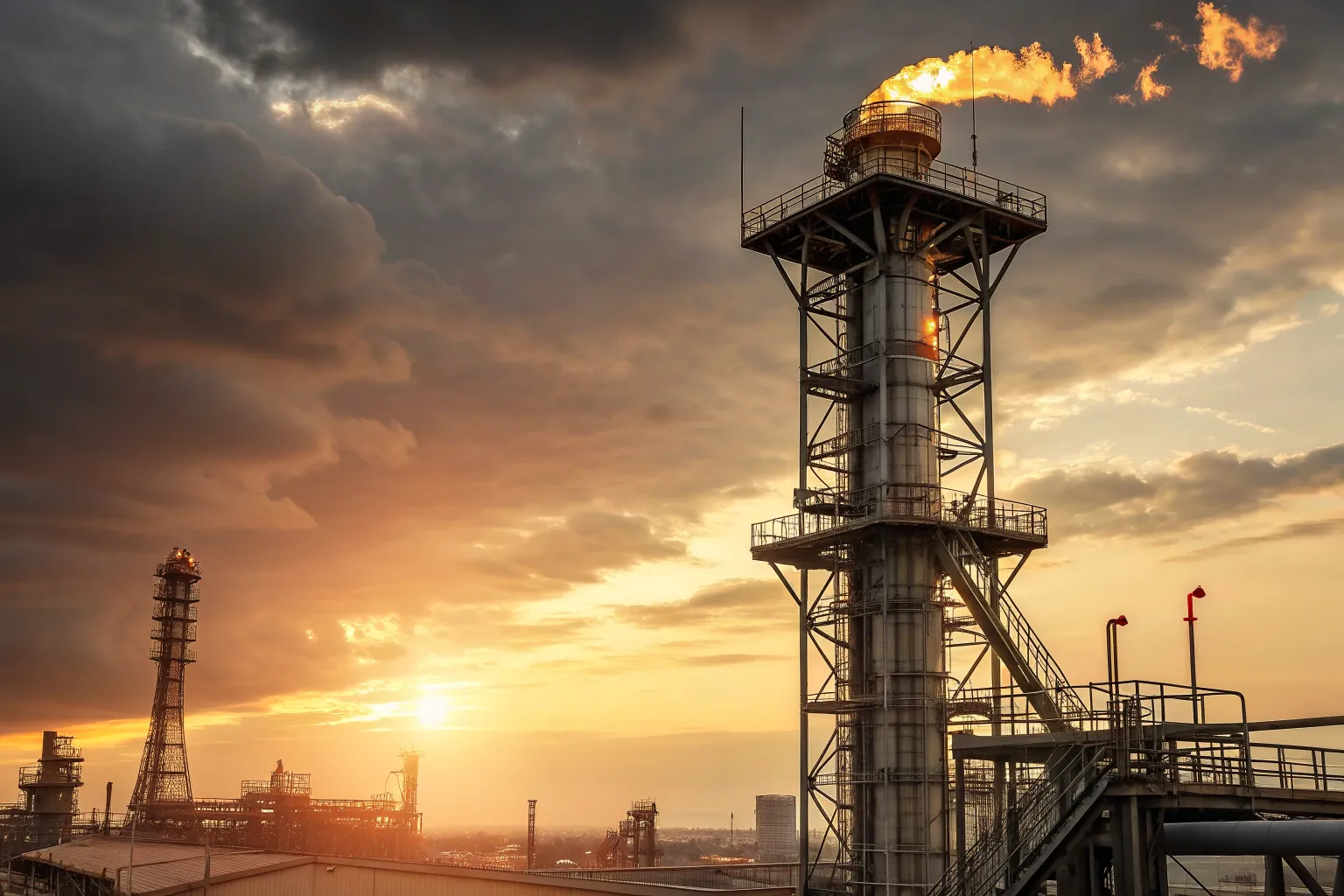
Flare Stack Structure