Time:2026-03-20 07:33:00 Source:Sanjian Meichen Steel Structure
Choosing the right steel—S235, S275, or S355—sets the tone for your entire construction project. If you get it wrong, you can end up with unexpected problems, lost money, or frustrated teams.
S235, S275, and S355 each represent a different level of strength and toughness. The numbers aren’t just labels—they reflect a grade’s minimum yield strength, which makes all the difference when it comes to performance, cost, and even your peace of mind as a project leader. I’ve spent many years in structural engineering and steel fabrication, so I know how picking the right grade keeps headaches away and puts you ahead of competitors.
Choosing the right steel grade means balancing cost, performance, and safety from day one. S235 offers a cost-saving route for lighter structures, S275 meets middle-ground needs, and S355 can transform your designs by slashing weight without sacrificing strength. Understanding these basics can change the way you specify materials—and ultimately how successfully you deliver projects, especially when deadlines and budgets are tight.
Let’s break down what sets these three steel grades apart, when to use each, how they behave in fabrication, and what smart procurement looks like based on real project experience—not just industry theory.
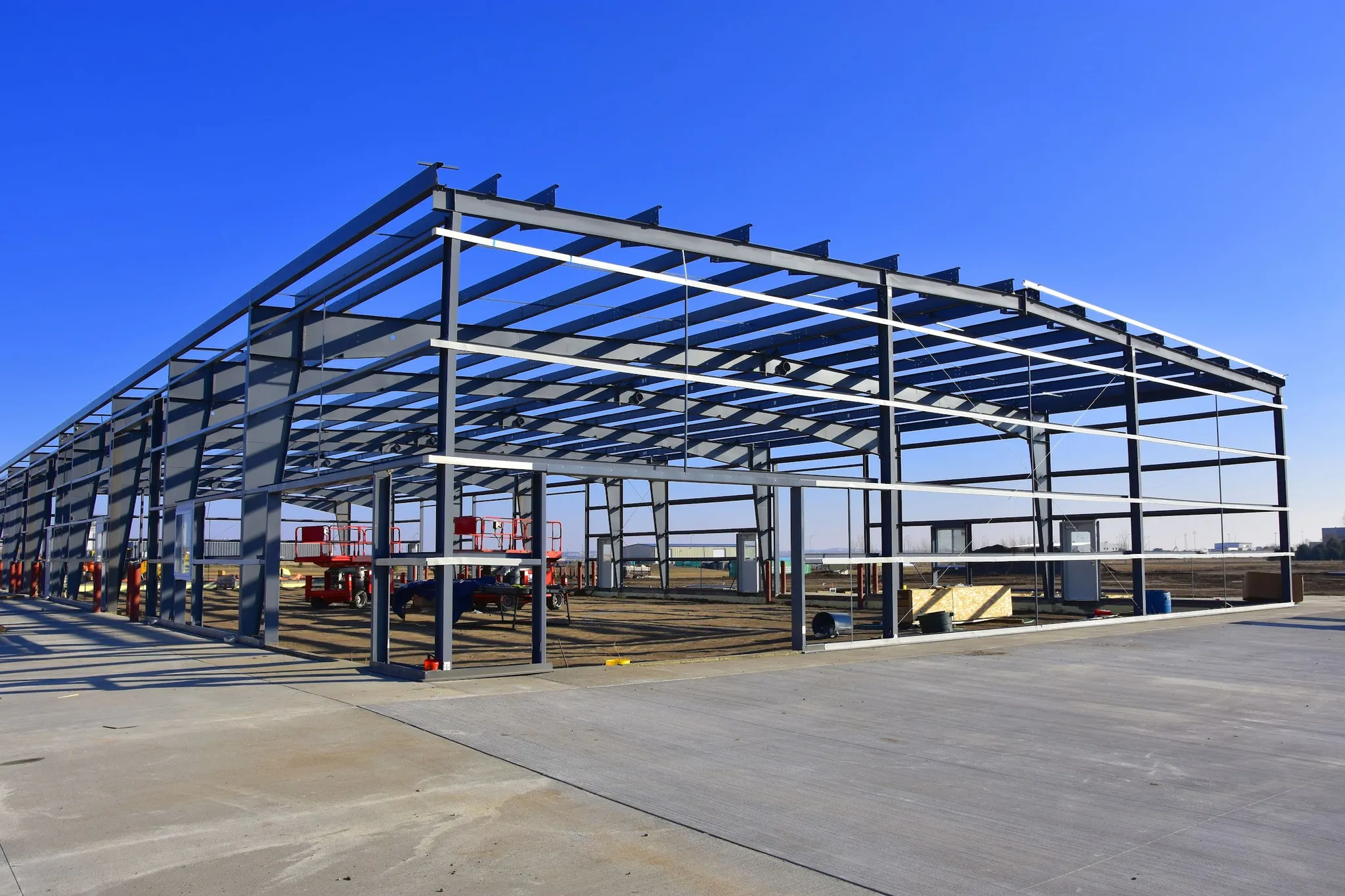
These grades actually originate from the European EN 10025 standard. S235, S275, and S355 are all structural carbon steels, their names reflecting minimum yield strength: S235 with 235 MPa, S275 with 275 MPa, and S355 with 355 MPa. Yield strength is the point where steel starts to bend. This is important, because if you underspecify, your frames might fail. If you overspecify, you’re wasting money.
I always recommend matching the grade to the risk. For simple sheds or non-load-bearing structures, S235 does the job and keeps costs down. When clients ask me if they should “just always choose the strongest steel,” I remind them that more strength means less flexibility in design, and welding can get more challenging—not to mention the price jump.
Here’s how their main properties stack up:
| Grade | Yield Strength (MPa) | Typical Use Cases | Price |
|---|---|---|---|
| S235 | 235 | Light beams, purlins, handrails, low-stress frames | Lowest |
| S275 | 275 | Core frameworks, moderate-duty supports, braced structures | Moderate |
| S355 | 355 | Bridges, columns, heavy-load trusses, high-rise buildings | Highest |
In practice, S235’s main advantage is its cost. S275 slides in as an all-rounder for heavier but not extreme responsibilities, and S355 shines where big loads, tall columns, or weight savings are make-or-break.
One thing I have lived through more than once: Over-specifying steel can drive up costs for no real gain. Don’t fall into the “stronger is always better” trap—you want steel that’s exactly right for the job.
We see S235 a lot in small-scale projects or in secondary steelwork. It’s the go-to if you’re working on non-critical parts like bracings, light roof purlins, or utility frames where the weight they carry won’t threaten the core of the building. In the past, I worked on a light-frame warehouse where S235 gave the perfect balance between price and performance.
In larger frameworks—think parking garages, mid-rise buildings, conveyor support structures—S275 comes into play. It has just enough muscle for more demanding frameworks without stretching your budget. I remember a petrochemical project where the combination of S235 for non-essential beams and S275 for supporting frameworks allowed us to use every dollar wisely.
When projects get really tough—long-span bridges, high-rise building cores, crane supporting beams, heavy industrial columns—S355 is what you want. For these, carrying extra tons, minimizing the bulk of structural members, or meeting tough local safety codes, no other choice will do. We once cut nearly 20% of the weight out of a tall process tower by specifying S355 only for the main columns and bracing—shipping and installation were faster, and the cost of foundations came down, too.
Often, the smartest solution is a hybrid one: plan S355 where every bit of strength counts (columns, major connections), but drop to S235 or S275 for non-critical beams and bracing. That’s how experienced engineers keep projects competitive.
This part sometimes gets overlooked, but learn from my mistakes—what looks good on paper can fail in the workshop if you miss the nuances of fabrication.
S235 and S275 are both very forgiving during cutting, drilling, and especially welding. Their lower strength means less risk of cracking around the welds, and fabricators can use standard procedures, which saves money and hassle. I remember our welders didn’t need special training for S235/S275 projects, which helped us meet tight deadlines.
S355 is different. Its higher yield means it’s less ductile. If welding gets too hot or if the wrong filler is used, you can end up with brittle joints—a nightmare if you find out on-site that key connections aren’t passing inspection. We once got burned by a supplier swapping in “equivalent” steel that didn’t actually match S355 weldability. The solution? Always demand mill certificates and periodic, independent ultrasonic or tensile testing, especially for critical-load connections.
Here’s how they compare in handling and welding:
| Grade | Weldability (Ease) | Cutting/Forming | Risk of Brittle Welds | Good For Lightweight Design |
|---|---|---|---|---|
| S235 | Very easy | Easy | Low | No |
| S275 | Easy | Easy | Moderate | No |
| S355 | Needs attention | Slightly harder | High if mishandled | Yes |
For large, welded assemblies especially, you need close cooperation between your designer and your fabricator. These communication gaps have caused more than a few project delays.
It’s tempting to focus just on price lists, but anyone managing a real-world project knows you have to see the whole picture. If you use S235 everywhere, you’ll get a lower price for steel upfront—but for tall, heavy, or high-load buildings, you can pay more later for bigger members, higher transport or foundation costs, or worse, safety retrofits.
On the other hand, S355 looks expensive until you realize you can slim down the size (and thus weight) of beams and columns without losing strength. That leads to lighter structures, smaller cranes, and even leaner foundations. On one international project, our team reduced column weights by over 15%, cut the foundation footprint, and saved a staggering amount on both steel and labor by swapping the most loaded elements to S355.
For most mid-size industrial or commercial buildings, using S275 for main frames and S235 for fill-ins delivers savings without risk. Where schedules are tight or transport is expensive, S355 often repays itself by reducing work at every step.
Here’s a practical view:
| Grade | Upfront Cost | Steel Usage | Foundation / Install Cost | Typical Payback Advantage |
|---|---|---|---|---|
| S235 | Lowest | Highest | Neutral/unchanged | Simple, small projects |
| S275 | Medium | Moderate | Slightly reduced | Mid-spectrum frameworks, medium load |
| S355 | Highest | Lowest | Lower | Large, complex structures, bridges |
I always advise clients to do detailed calculations—not just pick on “gut feel.” Run a cost-benefit over the whole construction process. If you’re new to this, get your fabricator or estimator in early to see the numbers.
This is where experience keeps you out of trouble. Some suppliers—especially those chasing the lowest bid—try to swap in cheaper S235 for S275 or S355, assuming you won’t catch it until it’s too late. It’s not just about price: inconsistent quality or mixed batches can ruin a build.
I recommend developing a routine with your sourcing: demand full mill certificates with every delivery, and schedule random third-party tests. If your supplier resists, move on. The strongest partnerships we have as a steel contractor come from suppliers who support our quality requirements, not just our price needs. Over two decades, I’ve seen what happens when this is ignored—delays, lawsuits, and expensive cut-and-replace work.
In welded structures, mixing grades is okay but must be managed. Always clarify which grade is used where, and ensure joints receive the right post-weld treatment if S355 is involved. Those little steps—double-checking mill numbers, getting a quick tensile test, keeping communication open between purchasing, engineering, and QC—save both money and reputations in the long run.
In summary, being rigorous with verification isn’t a “nice to have”—it’s part of building a name that clients come back to.
Choosing S235, S275, or S355 is never just about strength or price. It’s about matching material to the structure, controlling risks, optimizing costs, and building reliable partnerships. When we combine this knowledge with careful project planning, we set up everyone for success. Every wise choice here makes a difference all the way from procurement to the final site inspection.
Steel Structure Workshop Solutions
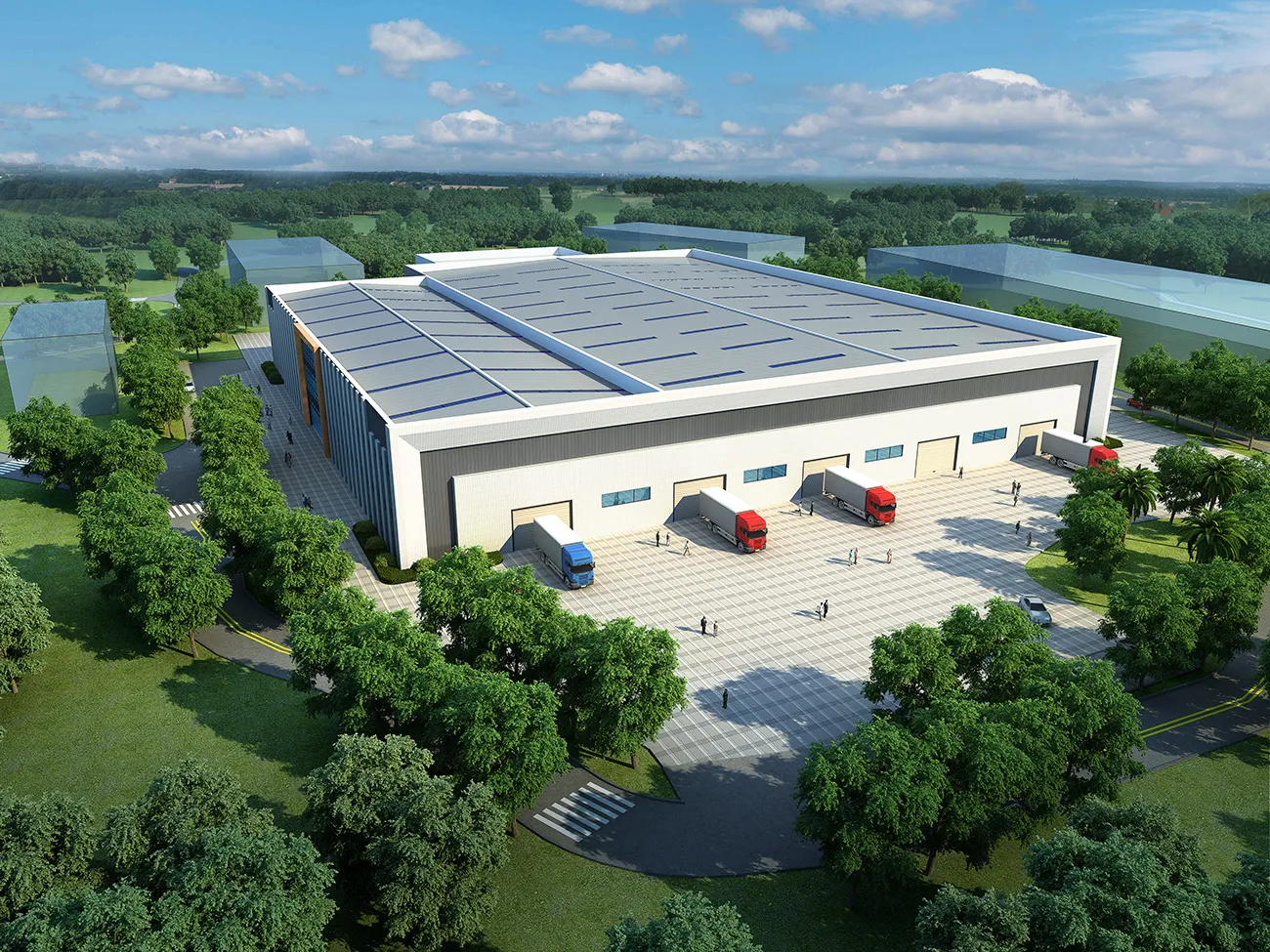
Steel Warehouse Solutions
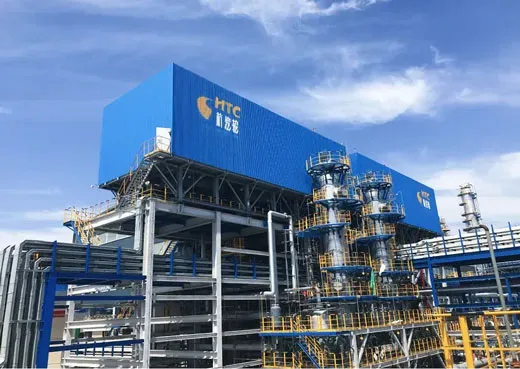
Heavy Steel Structures for Equipment
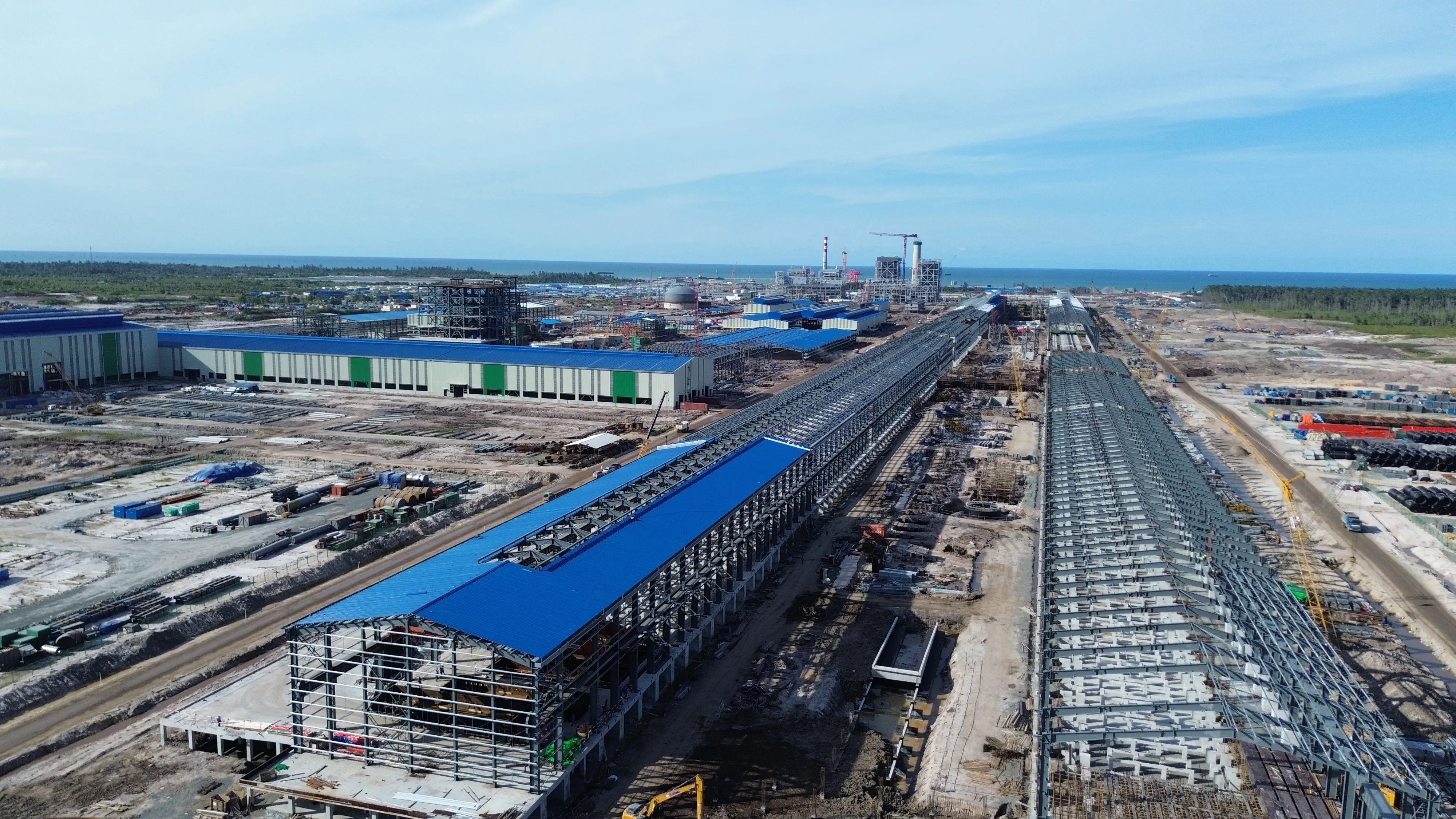
Indonesia North Kalimantan Aluminum Plant Project
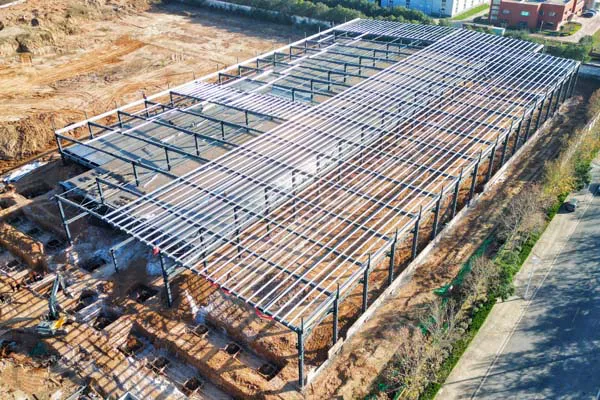
Luoyang Haode Auto Parts Steel Structure Factory Project
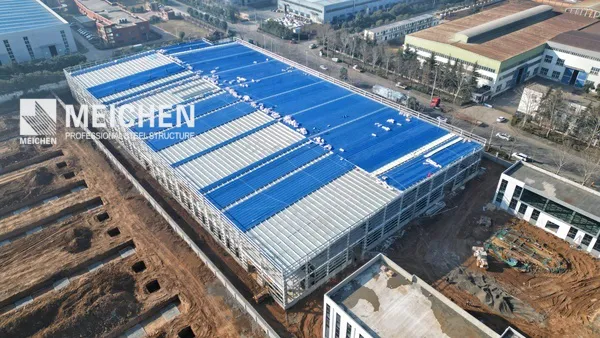
Automated Glass Production Line Steel Structure Factory Building Project
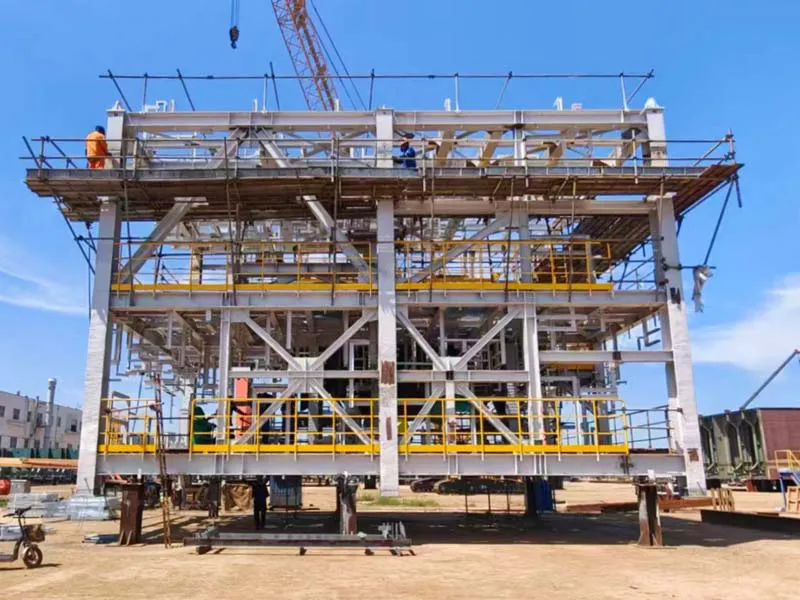
Oil & Gas Modular Steel Structure Fabrication Project

Flare Stack Structure