Time:2026-03-24 06:25:44 Source:Sanjian Meichen Steel Structure
In modern industrial construction, steel structure factory buildings are widely recognized for their durability, flexibility, and cost efficiency. However, despite these advantages, roof leakage remains one of the most persistent and costly challenges faced by factory owners and facility managers. Water infiltration does not only damage equipment and stored goods, but it also disrupts production schedules, increases maintenance costs, and may even compromise structural safety over time.
Many companies assume that simply choosing high-quality roofing sheets is enough to prevent leakage. In reality, achieving a truly zero-leakage steel roof requires a systematic, lifecycle-based approach that integrates design optimization, material selection, construction precision, and long-term maintenance planning.
This comprehensive guide explains how to build and maintain a leak-free steel structure factory roof from an engineering and operational perspective.
Before implementing solutions, it is important to clearly understand the root causes of leakage. In real-world industrial projects, roof failures rarely result from a single factor; instead, they are typically caused by a combination of design flaws, material limitations, and installation errors.
One of the most common issues originates from inadequate roof slope design. When engineers underestimate rainfall intensity or fail to optimize drainage paths, water begins to accumulate on the roof surface. Over time, standing water increases pressure on joints and fasteners, eventually leading to seepage.
Material quality also plays a decisive role. Low-grade metal sheets, poor anti-corrosion coatings, or inferior sealing components can degrade quickly under UV exposure, humidity, and temperature fluctuations. Even small defects in coatings may evolve into corrosion points, weakening the waterproofing system.
Installation mistakes further amplify these risks. Misaligned panels, insufficient overlap, or improperly tightened fasteners create invisible gaps that allow water penetration during heavy rain or wind-driven storms. In large-span factory buildings, these small inconsistencies can quickly escalate into widespread leakage problems.
Environmental conditions should not be underestimated either. Regions with heavy rainfall, snow loads, or extreme temperature variations place additional stress on steel roofs. Thermal expansion and contraction cycles gradually weaken sealants and connections, especially when these factors are not properly considered during design.
Finally, aging is inevitable. Even a well-built roof will experience gradual material fatigue, sealant hardening, and coating degradation over time. Without proper maintenance, minor issues will eventually turn into major leakage points.
Understanding these real-world failure mechanisms allows engineers and decision-makers to adopt a more proactive and preventive approach.
A zero-leakage roof always begins at the design stage. Decisions made during early planning will directly determine long-term performance.
Engineers should first ensure that the roof slope is optimized for efficient water drainage. A properly designed slope prevents water accumulation and reduces the load on sealing systems. At the same time, drainage components such as gutters and downspouts must be strategically positioned based on rainfall intensity and roof area.
Thermal movement is another critical factor. Steel expands and contracts with temperature changes, especially in large industrial buildings. If this movement is not properly accommodated, stress concentrations will occur at joints and fastening points. Over time, these stresses lead to cracks and leakage.
Modern projects increasingly rely on simulation tools to predict structural behavior under real environmental conditions. By analyzing wind loads, rainfall patterns, and temperature cycles during the design phase, engineers can identify potential weak points and optimize the structure before construction even begins.
Material selection should never be based solely on price. Instead, it must align with the specific environmental and operational requirements of the factory.
High-performance roofing sheets with corrosion-resistant coatings are essential, especially in humid or coastal areas. Galvanized or pre-painted steel sheets with advanced coating systems provide longer service life and better resistance to environmental degradation.
Fasteners are equally important but often overlooked. High-quality fasteners with waterproof washers ensure tight and durable connections. Poor fasteners may loosen over time, creating hidden leakage paths.
Sealing materials must also be carefully selected. Industrial-grade sealants, such as silicone or polyurethane, offer excellent flexibility and weather resistance. In regions with extreme temperature variations, sealants must maintain elasticity to prevent cracking.
Additionally, choosing the right panel profile can improve drainage efficiency. Corrugated or trapezoidal sheets are widely used because they effectively channel water away from joints, reducing the risk of infiltration.
Even the best design and materials cannot compensate for poor workmanship. Installation quality directly determines whether a roof will perform as intended.
Contractors must strictly follow installation specifications, ensuring accurate panel alignment and sufficient overlap between sheets. Improper overlapping is one of the most frequent causes of leakage in steel roofs.
Fastener installation requires careful control. Over-tightening can deform the metal sheets and damage sealing washers, while under-tightening may leave gaps for water to enter. Achieving the correct balance is essential.
Special attention should also be given to roof penetrations, such as vents, skylights, and equipment mounts. These areas are naturally more vulnerable and require additional sealing and reinforcement.
On-site supervision and phased inspections during construction can significantly reduce the risk of hidden defects. Identifying and correcting issues early is far more cost-effective than repairing leaks after completion.
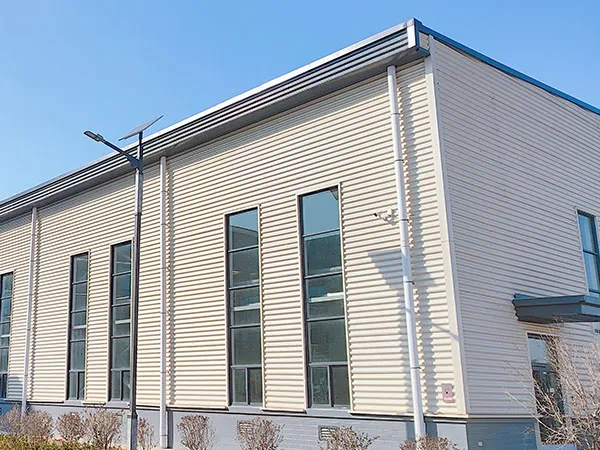
For projects that demand high reliability, relying solely on metal panels is not enough. Advanced waterproofing systems can provide an additional layer of protection.
Secondary waterproof membranes installed beneath the roofing sheets act as a backup barrier, preventing water from reaching the interior even if the outer layer fails.
High-performance sealants enhance the durability of joints and penetrations, maintaining long-term waterproof performance under harsh conditions.
In large-span buildings, expansion joints are essential. These joints allow controlled movement of the structure without damaging the waterproofing system, significantly reducing the risk of leakage caused by thermal stress.
Although these solutions may increase initial investment, they deliver substantial long-term savings by minimizing repair costs and avoiding production disruptions.
After installation, a comprehensive quality assurance process is necessary to verify the roof’s performance.
Water testing methods, such as simulated rainfall tests, can help identify weak points that are not visible during visual inspections. Advanced technologies like infrared scanning or ultrasonic detection can further improve accuracy.
Inspectors should also verify that all components, including fasteners, sealants, and drainage systems, meet design specifications. Proper documentation of inspection results provides valuable reference data for future maintenance.
Quality control is not just a final step; it is a critical safeguard that ensures all previous efforts achieve their intended results.
A zero-leakage roof is not a one-time achievement but an ongoing management process. Without regular maintenance, even the best systems will degrade over time.
Facility managers should establish a scheduled inspection routine, focusing on key areas such as joints, fasteners, and drainage systems. Removing debris from gutters and downspouts is particularly important, as blockages can lead to water accumulation.
Sealants should be periodically checked for aging, cracking, or loss of elasticity. Any signs of deterioration should be addressed immediately to prevent further damage.
By adopting a proactive maintenance strategy, companies can significantly extend the service life of their steel roofs and avoid unexpected operational disruptions.
1. Is it realistic to achieve completely zero leakage?
While absolute zero leakage is challenging under extreme conditions, a properly designed and maintained system can achieve near-zero leakage performance in practical applications.
2. What is the most common cause of roof leakage?
In most industrial projects, leakage is primarily caused by improper installation rather than material failure.
3. How often should a steel roof be inspected?
It is recommended to conduct inspections at least twice a year, as well as after severe weather events.
4. Do advanced waterproofing systems significantly increase costs?
Although initial costs are higher, these systems reduce long-term maintenance expenses and downtime, making them cost-effective overall.
Ensuring zero-leakage in steel structure factory roofs is not the result of a single decision, but the outcome of a well-coordinated system that spans design, materials, construction, and maintenance.
Companies that treat roofing as a long-term investment rather than a short-term cost will benefit from improved operational reliability, reduced maintenance expenses, and enhanced asset protection. In today’s competitive industrial environment, a leak-free factory is not just a technical achievement—it is a strategic advantage.
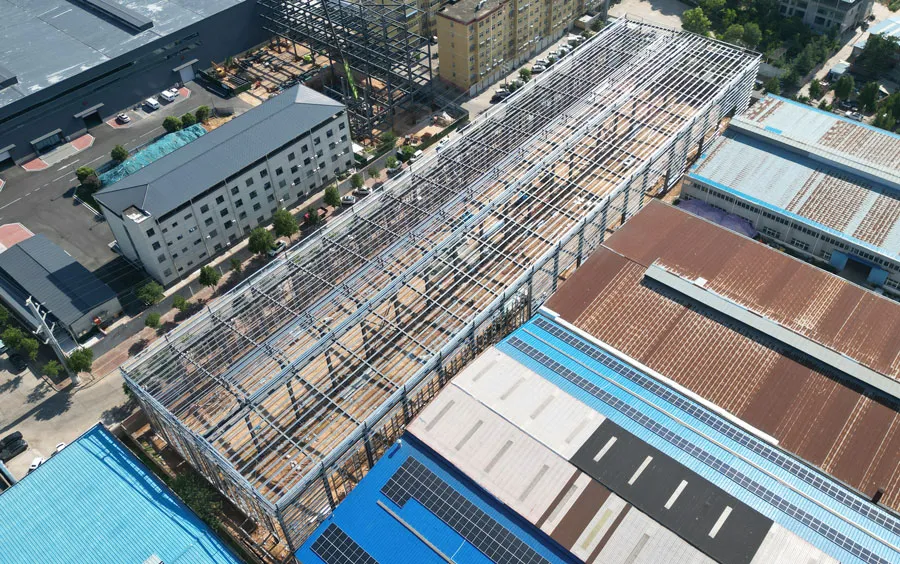
Steel Structure Workshop Solutions
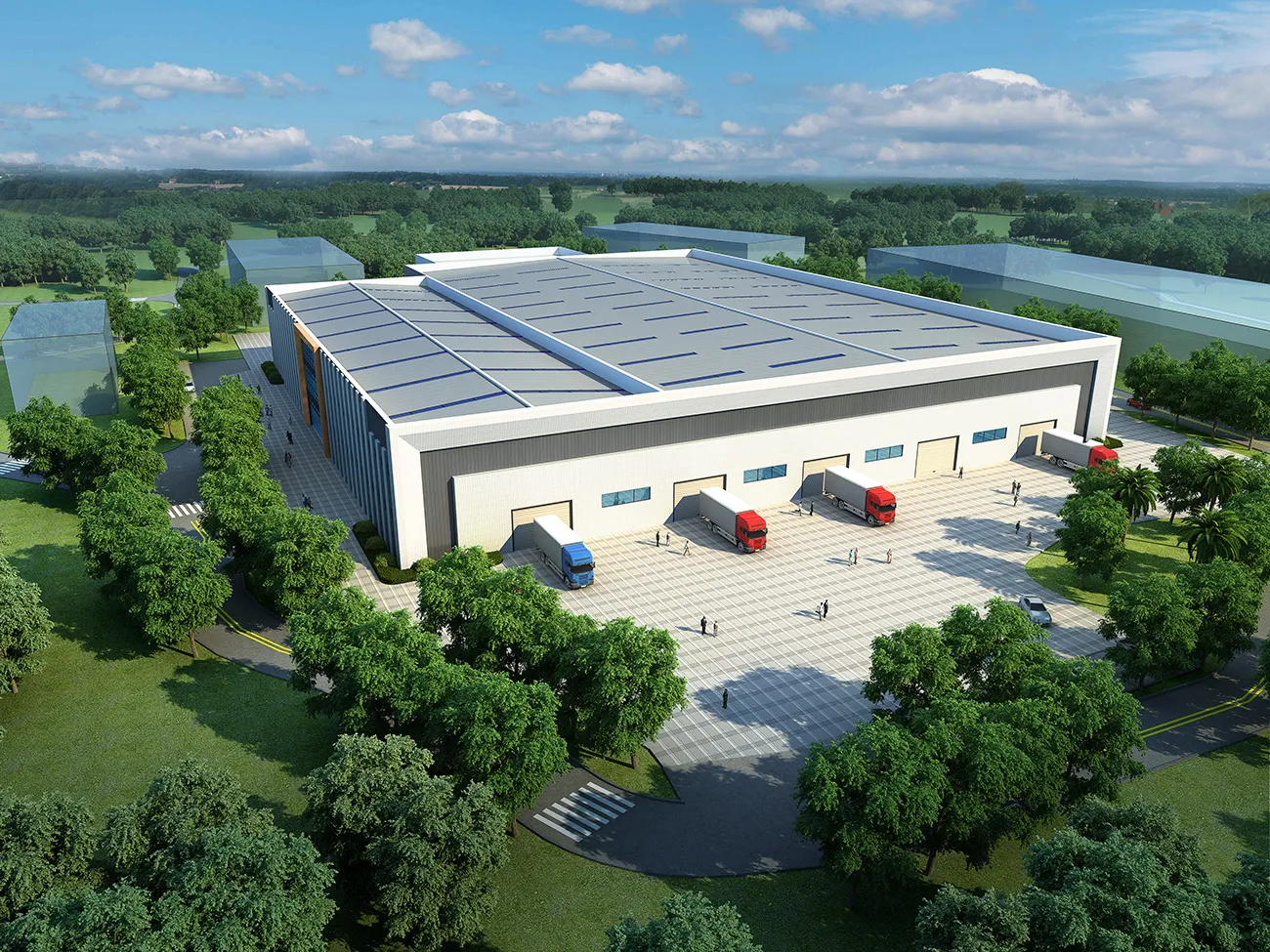
Steel Warehouse Solutions
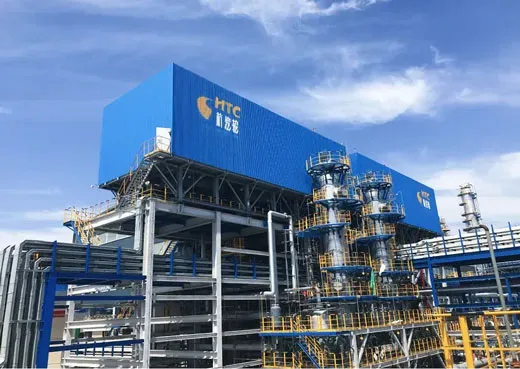
Heavy Steel Structures for Equipment
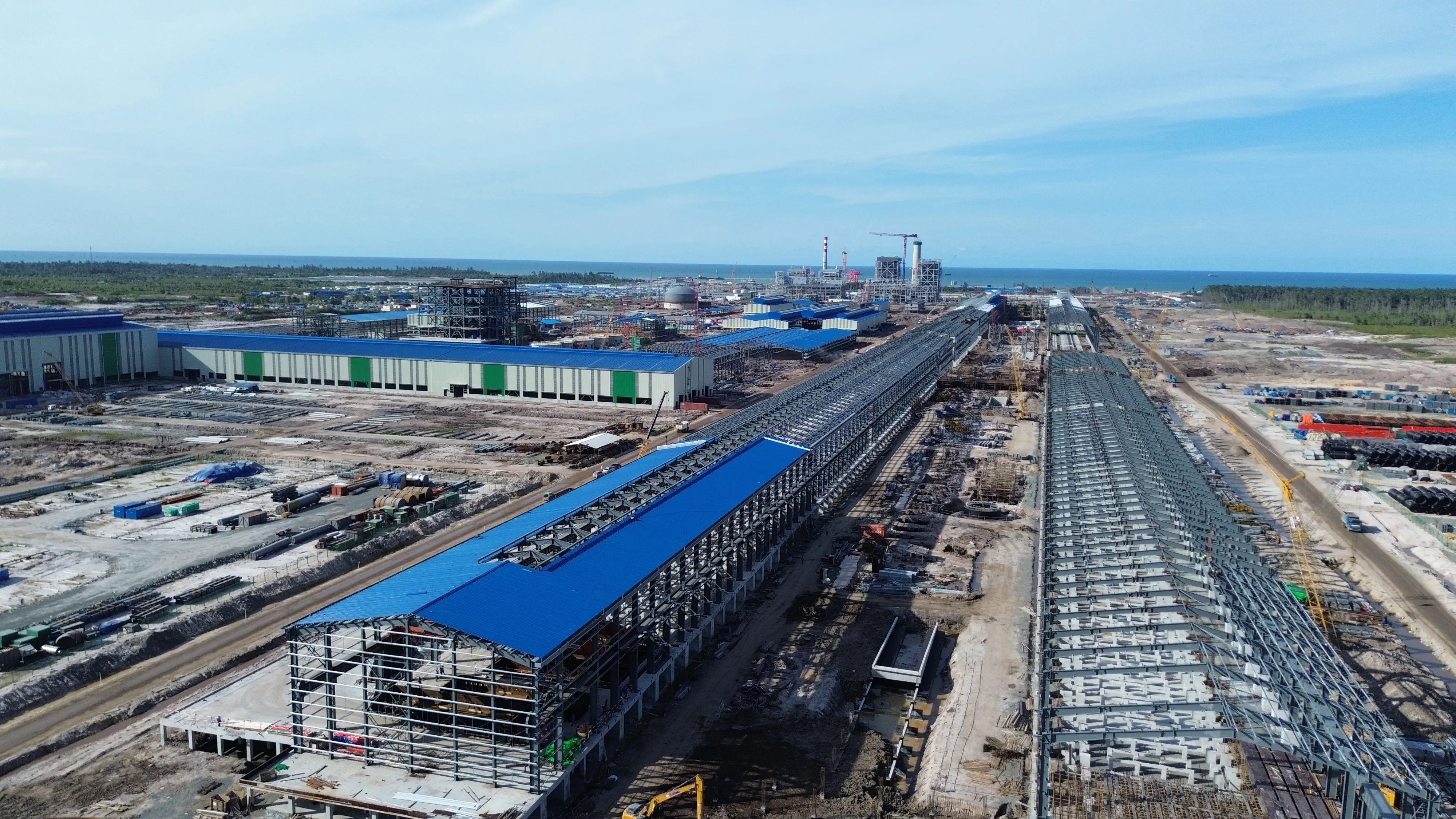
Indonesia North Kalimantan Aluminum Plant Project
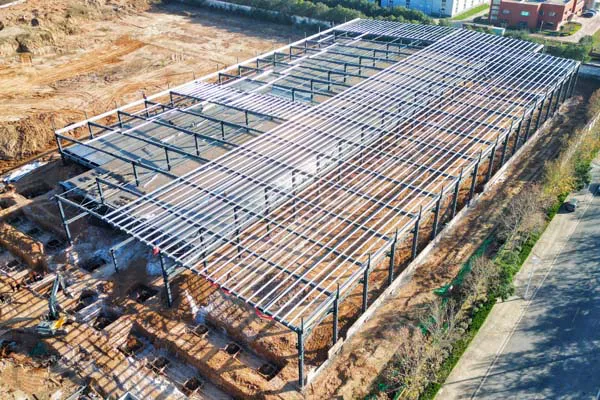
Luoyang Haode Auto Parts Steel Structure Factory Project
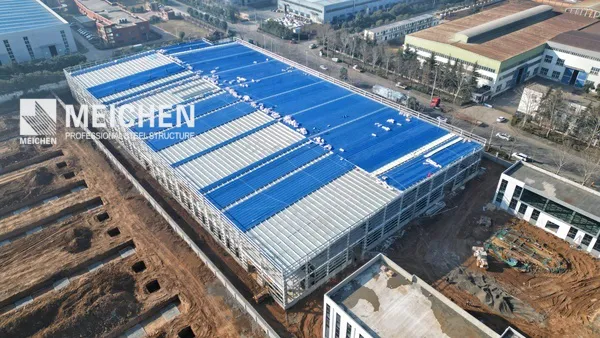
Automated Glass Production Line Steel Structure Factory Building Project
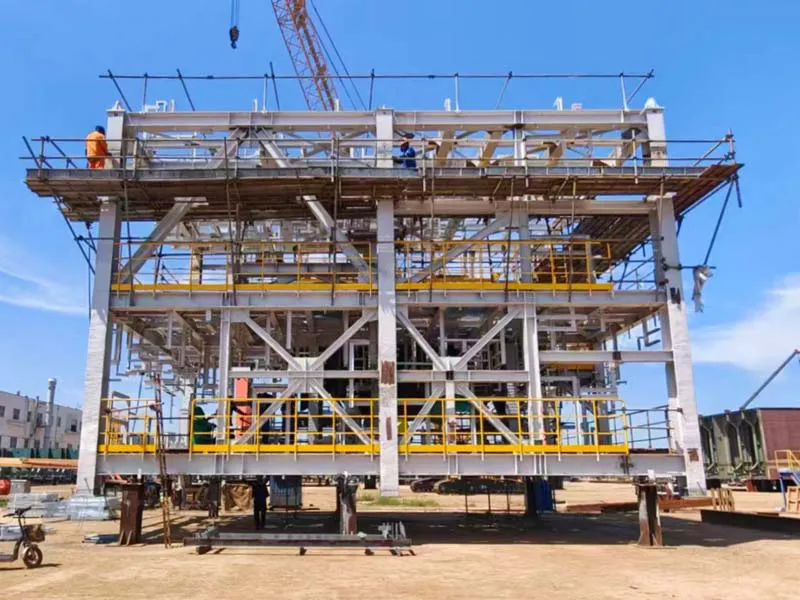
Oil & Gas Modular Steel Structure Fabrication Project
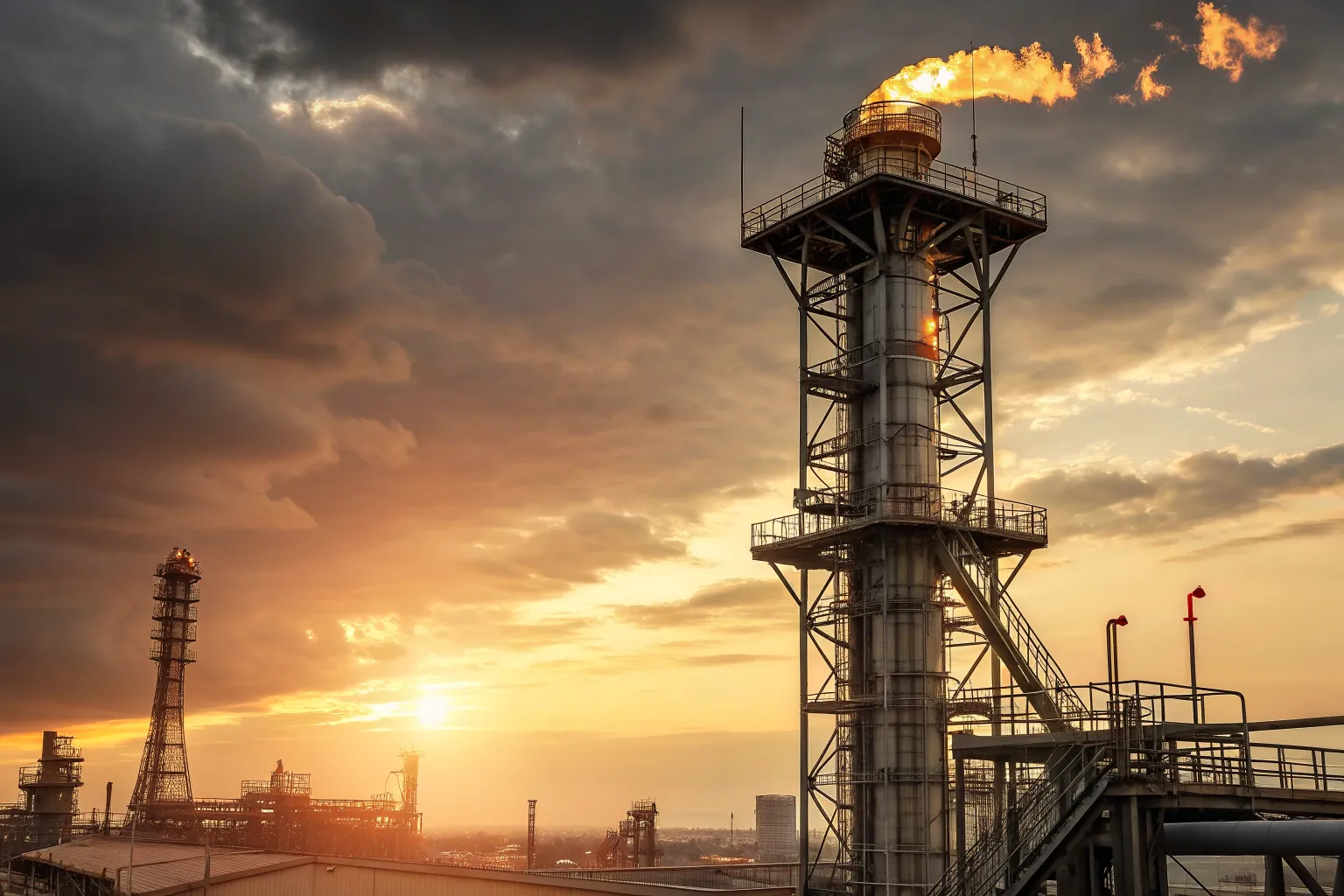
Flare Stack Structure