Time:2026-03-28 01:03:43 Source:Sanjian Meichen Steel Structure
In today’s highly specialized chemical processing industry, facility design is no longer limited to structural strength alone. Engineers and plant owners must consider long-term durability, operational safety, regulatory compliance, and lifecycle cost efficiency. Chemical plants are continuously exposed to aggressive substances such as acids, alkalis, solvents, and high-humidity environments, all of which accelerate material degradation. Under such conditions, conventional steel structures often fail to deliver long-term performance, leading to corrosion-related damage, increased maintenance costs, and potential safety hazards.
To address these persistent challenges, anti-corrosion steel structures have become a critical component in modern chemical plant construction and upgrading projects. These advanced structural systems not only enhance durability but also significantly improve operational reliability and safety across the entire facility lifecycle.
Anti-corrosion steel structures refer to engineered steel frameworks that are specifically designed and treated to resist chemical attack, oxidation, and environmental degradation. Unlike untreated carbon steel, these structures incorporate protective technologies that act as barriers between the steel substrate and corrosive elements.
Common anti-corrosion solutions include:
Hot-dip galvanization, which forms a zinc layer that provides both barrier and sacrificial protection
Epoxy and polyurethane coatings, creating dense, impermeable films that resist chemical penetration
Stainless steel integration, leveraging chromium-rich alloys that naturally form corrosion-resistant oxide layers
Zinc-aluminum-magnesium coatings, offering enhanced durability in highly aggressive environments
The selection of materials and protective systems depends on multiple factors, including chemical exposure type, concentration levels, ambient temperature, humidity, and mechanical stress. A well-designed anti-corrosion system always starts with a clear understanding of the plant’s operating conditions.
1. Continuous Exposure to Harsh Media
Chemical processing facilities operate in environments where structures are exposed to corrosive gases, liquid spills, and vapor condensation. Without proper protection, steel components can deteriorate rapidly, leading to structural weakening and operational risks.
2. High Safety and Compliance Requirements
Industrial safety standards and environmental regulations are becoming increasingly stringent. Structural failure caused by corrosion may result in hazardous leaks, equipment collapse, or environmental contamination. Anti-corrosion steel helps facilities meet compliance requirements while ensuring worker safety.
3. Cost Pressure from Maintenance and Downtime
Frequent repairs, repainting, and component replacement not only increase operational expenses but also disrupt production schedules. Reducing corrosion directly translates into lower lifecycle costs and improved production continuity.
Extended Service Life and Structural Stability
Anti-corrosion steel significantly slows down material degradation, allowing structures to maintain their mechanical integrity over extended periods. In many cases, properly treated steel structures can achieve a service life exceeding 20–30 years, even in chemically aggressive environments.
Improved Plant Safety and Risk Reduction
By preventing corrosion-induced failures, these structures reduce the likelihood of accidents such as platform collapse, pipeline support failure, or tank instability. This contributes to a safer working environment and minimizes the risk of costly incidents.
Reduced Maintenance and Lifecycle Costs
Although the initial investment may be higher than conventional steel, anti-corrosion solutions drastically reduce the need for ongoing maintenance. Fewer shutdowns, less repainting, and longer inspection intervals result in a more predictable and cost-effective operation.
Flexibility in Engineering Design
Modern chemical plants often require complex layouts, including multi-level platforms, heavy equipment supports, and dense piping systems. Anti-corrosion steel structures provide the strength and adaptability needed to support these designs without compromising durability.
Designing an effective anti-corrosion steel structure requires a systematic engineering approach rather than a one-size-fits-all solution. Key considerations include:
Material Selection Based on Chemical Exposure
Engineers must analyze the types of chemicals handled in the plant, including their concentration, temperature, and reactivity. For example, environments with strong acids may require high-performance coatings or stainless steel components.
Coating System Compatibility
Not all coatings perform equally under different conditions. Selecting the right coating thickness, layering system, and curing method is essential to ensure long-term performance.
Structural Detailing and Drainage Design
Poor design details such as crevices, sharp corners, or water accumulation zones can accelerate corrosion. Optimized structural detailing improves drainage and minimizes corrosion-prone areas.
Environmental Factors
Humidity, temperature fluctuations, and exposure to UV radiation can affect coating performance. These factors must be integrated into the design stage.
Inspection and Monitoring Strategy
Even the best anti-corrosion systems require periodic inspection. Implementing corrosion monitoring programs ensures early detection of potential issues and extends structural lifespan.
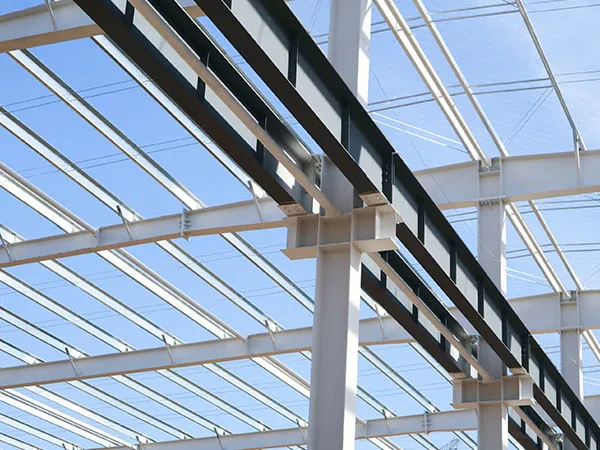
Anti-corrosion steel structures are widely used across different sections of chemical plants, including:
Storage Tank Support Systems
Large storage tanks rely on stable steel frameworks. Corrosion-resistant structures ensure long-term containment safety and prevent leakage risks.
Pipe Racks and Support Structures
Pipelines transporting corrosive fluids or high-temperature steam require reliable support systems that can withstand continuous exposure without degradation.
Processing Platforms and Walkways
Operators rely on elevated platforms for daily operations and maintenance. Anti-corrosion steel ensures structural safety in high-humidity and chemically active zones.
Ventilation and Exhaust Systems
Duct supports and ventilation structures often come into contact with corrosive gases. Properly treated steel extends their operational life and reliability.
A mid-to-large-scale chemical processing facility in Southeast Asia recently upgraded its aging structural system by replacing conventional steel supports with a combination of galvanized and epoxy-coated steel structures. Within the first 12 months of operation, the plant recorded:
Approximately 40% reduction in maintenance costs
Noticeable improvement in structural inspection ratings
Reduced downtime related to corrosion-related repairs
This case highlights how strategic investment in anti-corrosion solutions can deliver measurable operational and financial benefits.
As material science continues to evolve, new innovations are reshaping the future of corrosion protection in industrial environments:
Nano-coating technologies that provide ultra-thin yet highly effective protective layers
Self-healing coatings capable of repairing minor surface damage automatically
Hybrid alloy systems combining strength and corrosion resistance
Environmentally friendly coating solutions with reduced VOC emissions
These advancements not only improve performance but also align with global sustainability goals by reducing resource consumption and extending material lifecycle.
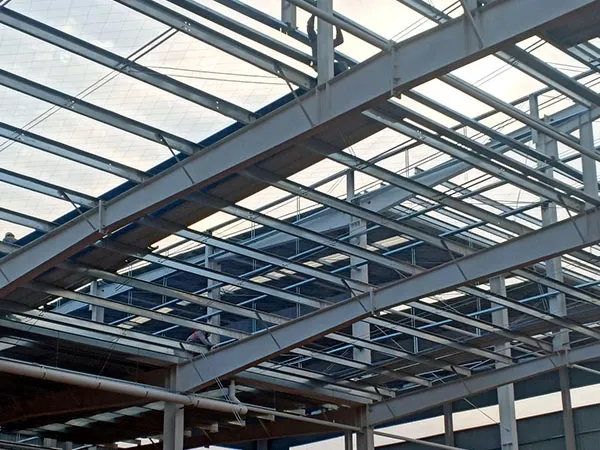
For chemical processing facilities, corrosion is not just a maintenance issue—it is a critical factor that directly impacts safety, efficiency, and long-term profitability. Anti-corrosion steel structures offer a comprehensive solution by enhancing durability, minimizing risks, and reducing operational costs.
Plant owners, engineers, and project managers who prioritize corrosion-resistant design are better positioned to achieve stable operations, regulatory compliance, and long-term return on investment. As the industry continues to evolve, adopting advanced anti-corrosion technologies will remain a key strategy for building resilient and future-ready chemical plants.
If your facility is planning a new project or considering an upgrade to existing structures, now is the right time to evaluate anti-corrosion steel solutions. A well-designed system tailored to your specific operating environment can significantly improve performance and reduce long-term costs.
Contact our engineering team today to discuss customized anti-corrosion steel structure solutions designed for your chemical processing needs.
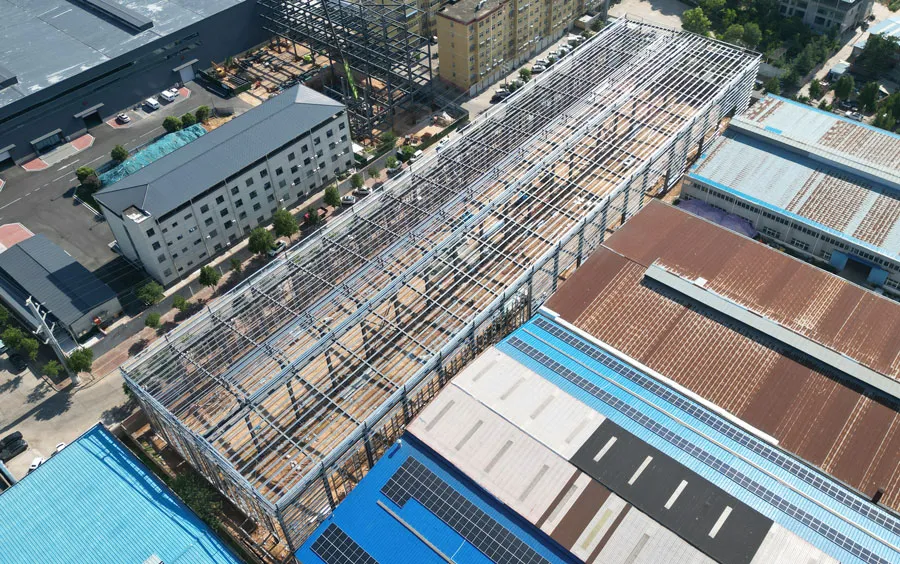
Steel Structure Workshop Solutions
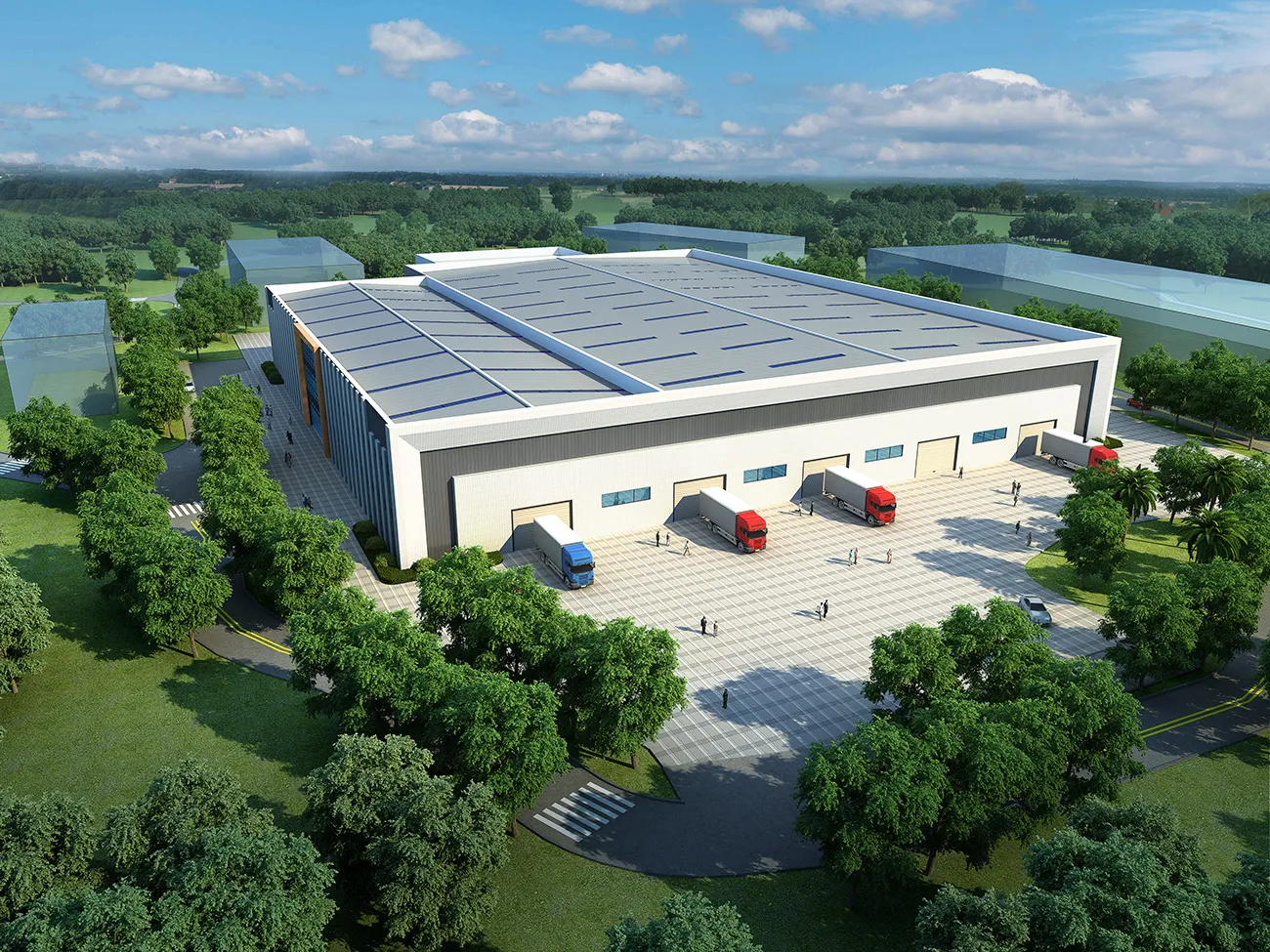
Steel Warehouse Solutions
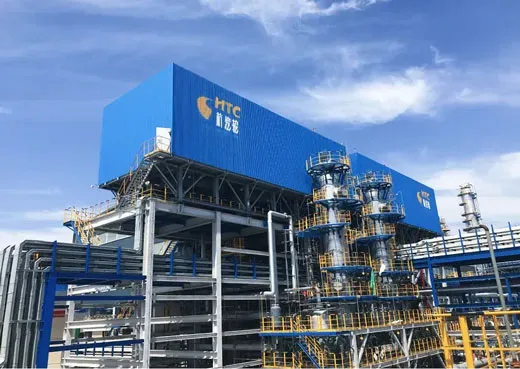
Heavy Steel Structures for Equipment
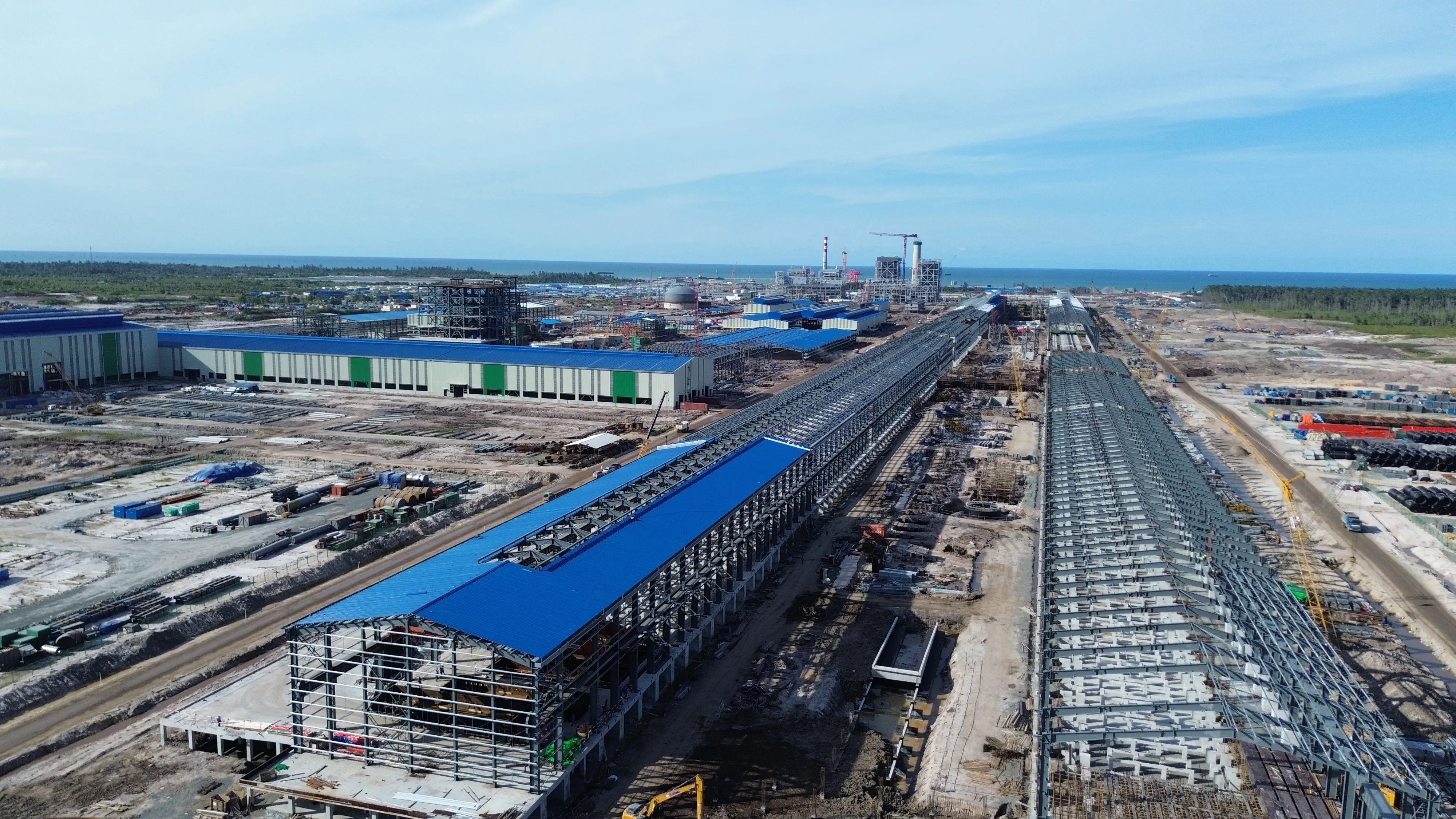
Indonesia North Kalimantan Aluminum Plant Project
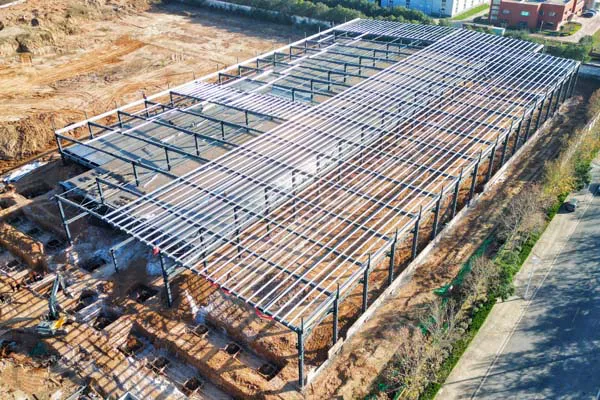
Luoyang Haode Auto Parts Steel Structure Factory Project
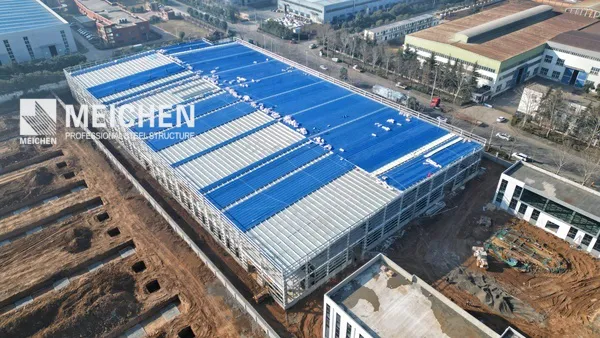
Automated Glass Production Line Steel Structure Factory Building Project
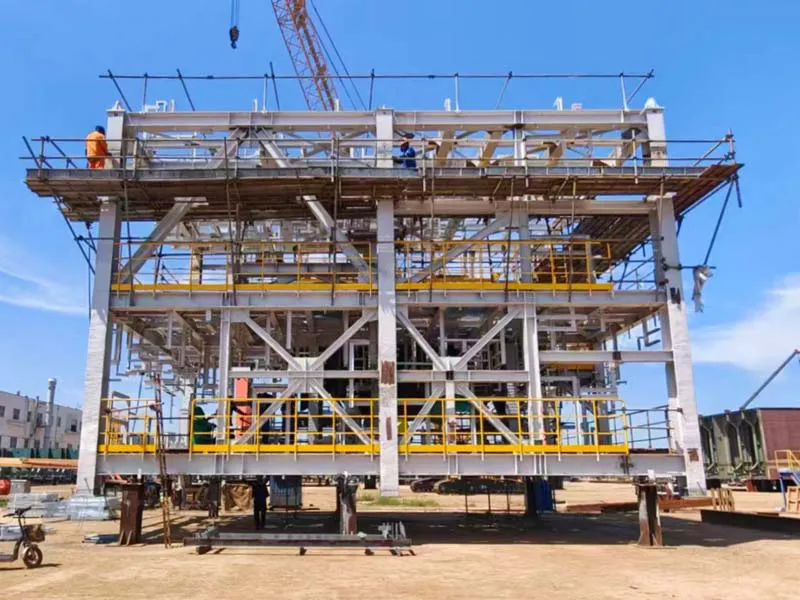
Oil & Gas Modular Steel Structure Fabrication Project
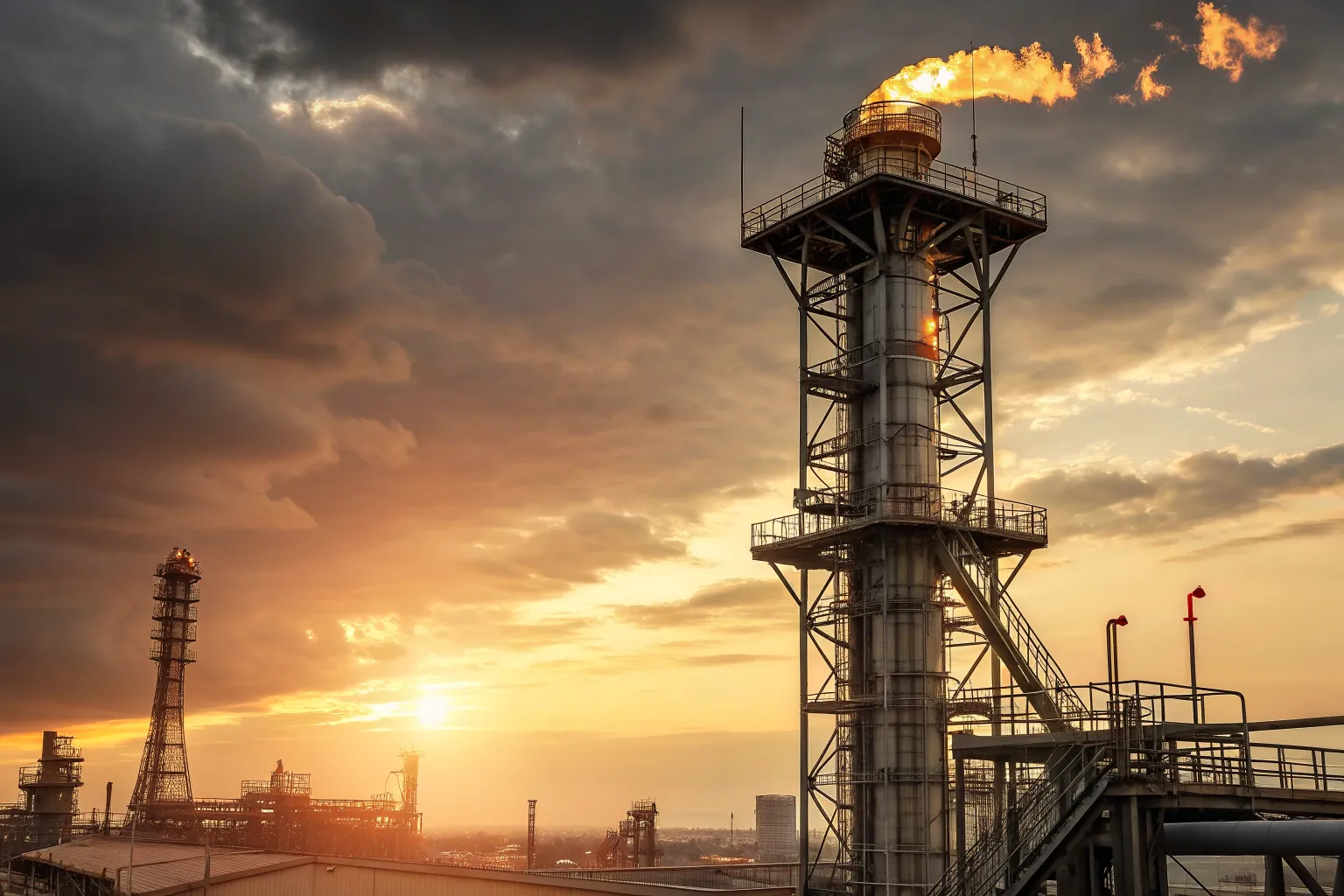
Flare Stack Structure