Time:2026-04-03 06:15:14 Source:Sanjian Meichen Steel Structure
Modern construction projects are filled with bold ideas, but they’re also packed with unexpected challenges that can quickly become expensive. We’ve all seen what happens when new surprises show up late: costs soar, schedules slip, and everyone scrambles to fix what could have been prevented. In my experience, most of these headaches could have been avoided if a skilled structural engineer was brought in from day one. Early engineering support isn’t just an investment—it’s the difference between staying on budget and facing stress and trouble.
Getting a structural engineer involved early is a proven way to save up to 20% on project costs. This approach eliminates design mistakes, reduces costly changes, and leads to smarter decisions about materials and budgets. When we team up at the start, projects run more smoothly and surprises are kept to a minimum.
If you’re reading this as someone who is struggling with project delays and budget overruns, let me reassure you: you’re not alone, and there is a solution. We’ve been down this road many times over the years, and we’ve learned where the traps are. Let me walk you through exactly how early structural engineering intervention saves money, with lessons I’ve gathered after two decades of work in steel structures.
There’s a big difference between what’s available and what’s possible on paper. In my early years, I saw many teams go for custom, fancy steel profiles thinking they were optimizing the design. Later, they found that these custom sections took months to fabricate and cost much more than standard profiles. What saved us in urgent projects was picking common sections like H-beams or channels right from the start.
Most suppliers keep standard profiles in stock, so lead times are short and prices are much lower. Let’s compare:
| Material Type | Typical Lead Time | Price per Ton | Cost Savings |
|---|---|---|---|
| Standard H-Beam | 2 weeks | $870 | 15–25% |
| Custom Section | 6 weeks | $1020 | 0% |
I remember a client that insisted on using custom-welded box columns. We showed them that switching to widely available H-section beams would not only fit their needs but also save $130,000 and shave four weeks off their schedule. That kind of decision is only possible when engineers are part of the discussion from the start, helping procurement avoid custom traps and delays. Experience has taught us: urgency doesn’t always need custom solutions—early engineering input helps uncover simpler options.
I wish more owners realized the power of early value engineering. We’ve all seen projects get over-designed in the concept phase—too much steel, oversized sections, and features that only add cost, not real value. When a structural engineer joins at the beginning, we can walk through the plans, suggest simpler alternatives, and keep everyone honest about what’s necessary versus what’s merely “nice to have.”
One real story stands out. A client wanted thick welded plates for custom columns, which meant more money and more fabrication time. At a site meeting, I proposed using high-strength H-beams instead. The project became lighter, installation was easier, and the owner saved about $130,000 right away. That switch wouldn’t have been possible if we’d come in later—by then, the drawings would be locked, the fabrication started, and change orders would pile up.
The key lesson: value engineering at the start helps us spot what’s overkill and what’s practical. We help teams focus on safety, efficiency, and cost-effectiveness instead of chasing perfection. By the time late-stage redesigns happen, everything costs more—rush fees, wasted materials, and angry clients. Early involvement is my best advice for avoiding that fate.
| Value Engineering Step | Timing | Result |
|---|---|---|
| Review alternatives | Early | Cuts cost/saves time |
| Late redesign | After start | Adds costs/delays |
I’ve lost count of the times poor design coordination led to chaos on site. Designers sometimes forget how materials are installed, what cranes can lift, or how components fit through narrow gates. The earlier we sit down with contractors, the more pain we avoid. It’s teamwork that pays dividends, especially when steel structures are involved.
When we are part of the initial meetings, we help clarify what the contractor can actually do—what’s possible given crane limits, shipping sizes, and sequencing. For example, if a steel beam is designed too long and heavy for the available crane, we show how to break it down or swap it out for something easier to handle. Too often, these mismatches aren’t caught until BIM or shop drawings, which is usually too late. The result? Emergency fixes, extra support posts, wasted money, and big delays while waiting for new parts.
Here’s how early coordination changes everything:
| Contractor Workflow | Early Input Role | Money/Time Saved |
|---|---|---|
| Crane size | Adjust design early | Prevent delays |
| Shipping constraints | Choose standard sizes | Avoid surprises |
| Install sequence | Detailed planning | Stay on schedule |
By working together from the start, we make sure the design truly fits the builder’s needs. We don’t get stuck improvising on site or patching problems mid-project. Everyone knows what to expect, so the build goes smoothly.
Change orders are every project manager’s nightmare. They suck up profits and stretch out timelines. From what I’ve seen, most change orders come from coordination errors that should have been fixed before building started. Early involvement is the best cure.
When we join early on, we can spot things like HVAC ducts clashing with steel beams or fire sprinkler pipes running into columns. Once the foundation is poured and steel fabrication starts, it’s tough to fix these without spending lots of money. I’ve seen 80% of typical change triggers disappear simply by catching these mistakes in the design phase. Late fixes bring not just extra material costs but also overtime hours, rushed approvals, and lots of stress.
Here are some common issues solved by early input:
| Change Order Cause | Fixed Early? | Outcome |
|---|---|---|
| Utility clash (HVAC/fire) | Yes | No rework |
| Structure vs. foundation | Yes | No delay |
| Shop drawing mismatch | Yes | Smooth build |
Early engineering input keeps the project running and money spent wisely. It’s always less expensive to fix a drawing than to fix a mistake on site.
If you’ve ever seen a project with wildly inaccurate early budgets, you know how quickly dreams turn into panic. Overly rough early numbers mislead everyone—owners, bidders, suppliers—and can set the stage for huge overspending. Early engineer involvement brings real-world calculation to the table.
In our work, we estimate steel tonnage, fireproofing, finishes, transportation, and labor hours with much greater accuracy right away. It’s not just about pricing steel, but also knowing fireproofing needs, welding rates, and realistic shipping costs. The earlier you get these details, the sooner you notice “too good to be true” bids. If the budget is only hashed out after materials are ordered and drawings finalized, you lose the ability to adjust before big mistakes are locked in.
This table shows how early estimates match the real numbers:
| Budget Element | Early Estimate Accuracy | Fixing Later | Cost Impact |
|---|---|---|---|
| Steel Tonnage | ±5% | Hard | Major savings |
| Fireproofing | ±10% | Difficult | Prevent losses |
| Labor Hours | ±8% | Costly | Stay on budget |
Our advice: don’t wait to get engineering input on the budget. You’ll catch problems before you’re stuck with them.
The supply chain is unpredictable, but early engineering support brings stability. We can help clients lock material prices with suppliers, cutting risk from unexpected cost spikes. For steel structures, timing is everything—if you wait until late in the process, prices might jump overnight. By letting contractors and engineers coordinate early, you secure lower rates and guarantee delivery windows.
Shop drawings are another trap. Most design drawings are just a starting point, and if shop drawings don’t match the original intent, site conflicts and expensive rework follow. We’ve seen so many cases where schematic plans look fine but actual fabrication needs careful tweaks. Early engineer dialogue means these details are settled up front, not on the shop floor or construction site where errors become costly.
| Benefit | Early Input Effect | Result |
|---|---|---|
| Raw material price | Price locked early | Cost reduction |
| Shop drawing match | Details clarified upfront | Fewer conflicts |
This approach is about being proactive. Clients win when supply risks and drawing mismatches are handled before the project shifts into full speed.
If you invest in early structural engineering support—bringing us to the table from the beginning—you’ll consistently save 10–20% of your total project cost. More importantly, you’ll avoid major hassles, enjoy smoother builds, and protect your schedule and sanity. Trust me, paying a little upfront for expert input is far better than shelling out much more for late fixes and delays.
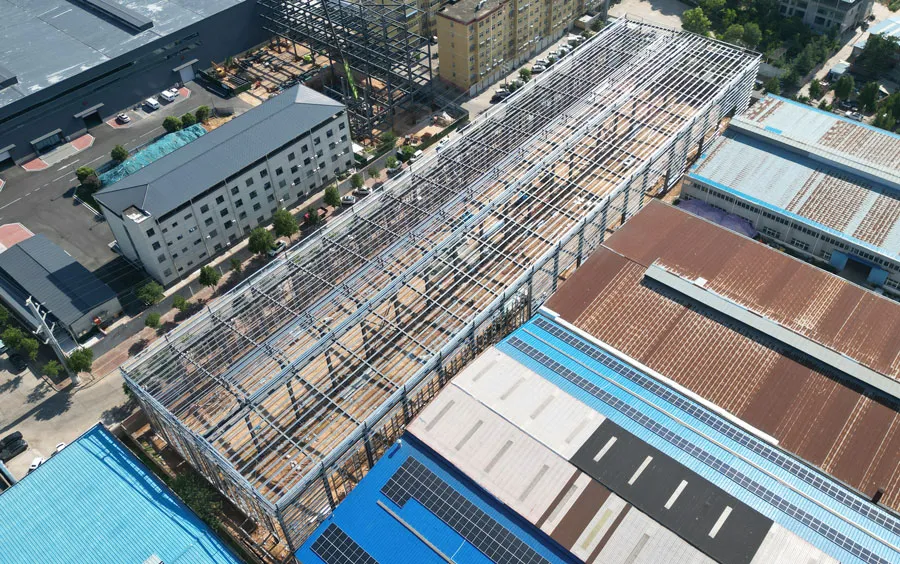
Steel Structure Workshop Solutions
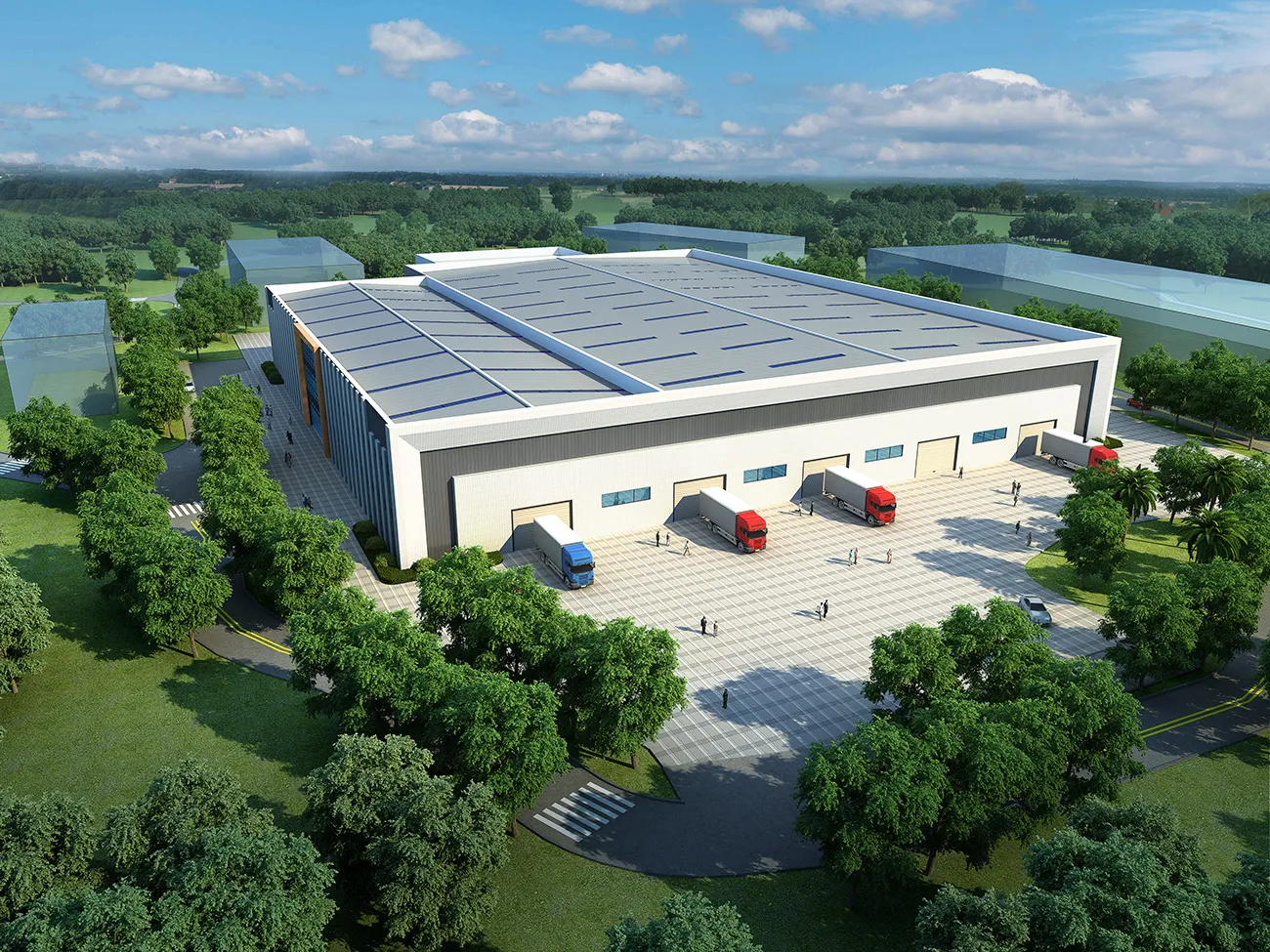
Steel Warehouse Solutions
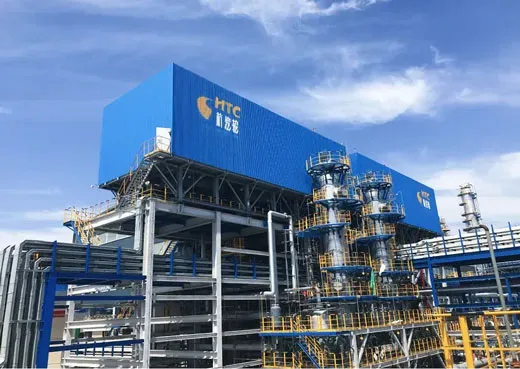
Heavy Steel Structures for Equipment
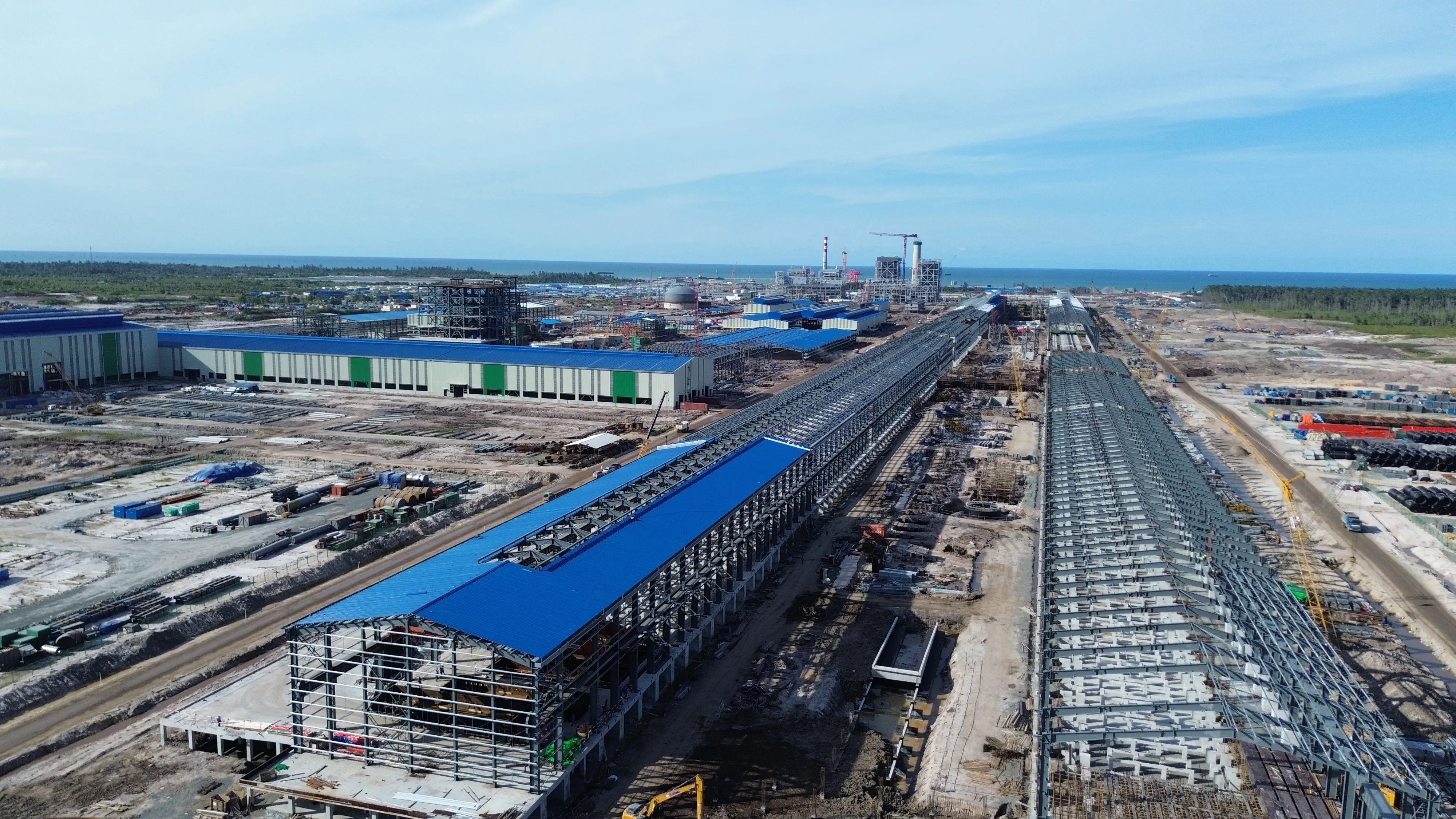
Indonesia North Kalimantan Aluminum Plant Project
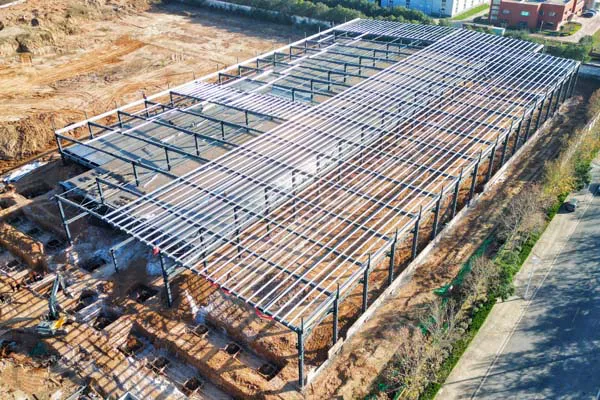
Luoyang Haode Auto Parts Steel Structure Factory Project
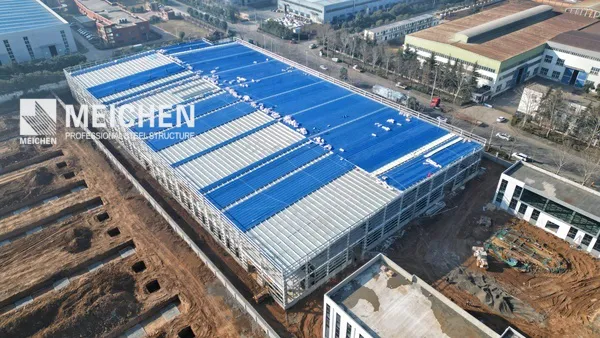
Automated Glass Production Line Steel Structure Factory Building Project
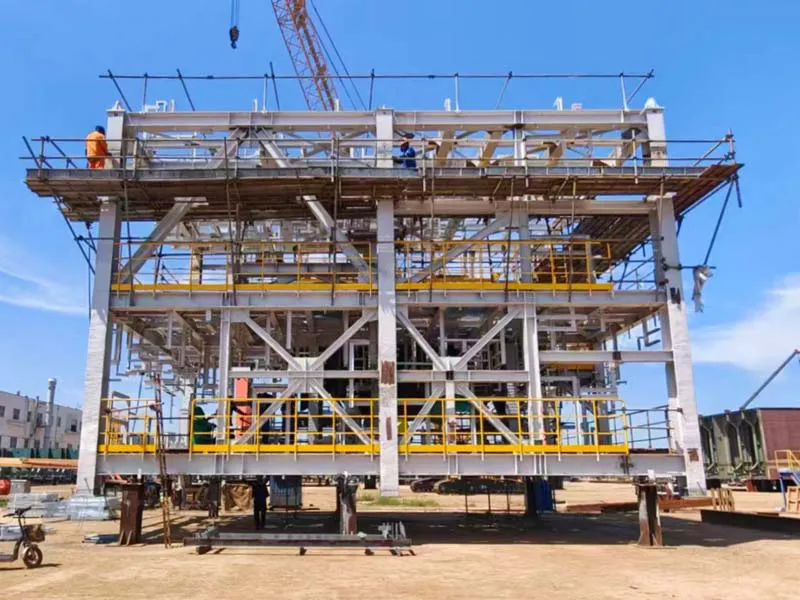
Oil & Gas Modular Steel Structure Fabrication Project

Flare Stack Structure