Time:2026-04-17 05:47:49 Source:Sanjian Meichen Steel Structure
We often think of crane load design as just another checkbox during steel structure planning. However, the real risk is not seeing how those early decisions create challenges or opportunities for years ahead. In my experience, addressing crane load right from the design stage leads to safer, more efficient, and cost-effective factories.

If your operations involve lifting, moving, or assembling heavy equipment or materials, a crane becomes much more than a convenience—it's essential. Planning for crane loads during the design phase lets you integrate the crane seamlessly. This means fewer headaches during installation and much less disruption if you need to upgrade or adjust your setup later on.
From a structural perspective, cranes create both static and dynamic loads. Their supporting runways, columns, and foundations must handle not just the crane’s weight, but also the shifting and swinging motions during operation. Underestimating these forces is one of the main reasons for premature building fatigue or even structural failure. We have seen cases where retrofits after construction caused expensive downtime and risked safety, all because crane load design was pushed aside early.
A common mistake is oversimplifying the calculations. For example, a team might look only at the bare crane weight, not at operational load changes or the cumulative impact of multiple lifts. Early design, done with accurate usage scenarios in mind, can save a vast amount of time, money, and trouble down the line.
Being proactive brings significant savings. When you account for crane load from the start, you choose steel sizes, thicknesses, and support methods that fit your exact needs. This optimized approach reduces material waste, prevents overdesign, and makes construction smoother.
On several projects I've worked on, we avoided last-minute beam changes or foundation reinforcements because we involved crane-use scenarios from the initial blueprints. Let’s take a look at a simple comparison:
| Scenario | Upfront Cost | Later Modifications | Material Usage | Downtime Risk |
|---|---|---|---|---|
| Crane load planned in design | Mid-High | Minimal | Optimized | Very Low |
| Crane added after construction | Low Initial | High (structural) | Often Excess | High (retrofit delays) |
It’s easy to see that early investment in crane load integration leads to smoother, more predictable budgets. Retrofit costs can sometimes double what a well-planned project would have required.
Let’s talk about dynamic loads. While most engineers know to factor in static weight, cranes bring extra forces as they accelerate, decelerate, and stop. These dynamic effects can add unexpected stresses to beams and columns. When we worked with one client, we saw the project team almost miss this step. We caught it in time, reinforced the runway beams, and avoided costly repairs later.
Another key lesson is to design with an eye toward the future. Many companies, focused on today’s needs, do not plan for possible upgrades like heavier lifts or faster operations. If the building is too tightly designed, later enhancements become either impossible or extremely expensive.
That’s why we recommend a holistic design process—partnering closely with structural engineers and equipment suppliers. These collaborations often uncover smart design tricks, such as flexible connections or modular support layouts, that allow for adjustments when business needs change.
Not long ago, a UK-based client approached us for a steel-structured warehouse. He needed provisions for an overhead crane but wanted to keep costs down. The design went smoothly, and they approved it after we confirmed the crane’s weight and operating points.
Six months later, as installation began, an issue arose. The client realized their chosen crane, once mounted with its runway beams, would not allow a clear lifting height of 5 meters, which was the minimum needed to serve their production line. Even though the crane itself fit within the building envelope, the space below the crane hook was not sufficient. The result? Costly building modifications and project delays, all because the vertical operating height was not included in the initial calculations.
This experience taught us both a powerful lesson: crane load design is not just about weight—it's also about geometry, travel, site constraints, and real operational needs. Now, we always walk clients through spatial requirements alongside load calculations to prevent such oversights.
Here is what I suggest, based on these experiences:
I have seen too many projects run into trouble for want of early planning. Most issues come down to not asking enough questions or consulting the right people during design.
Putting crane load design at the center of your project is an investment that pays for itself many times over. It ensures safe, efficient, and future-ready factories while saving time, money, and stress. By sharing these experiences, I hope you can avoid pitfalls I have seen and set up your own projects for long-term success.
Steel Structure Workshop Solutions
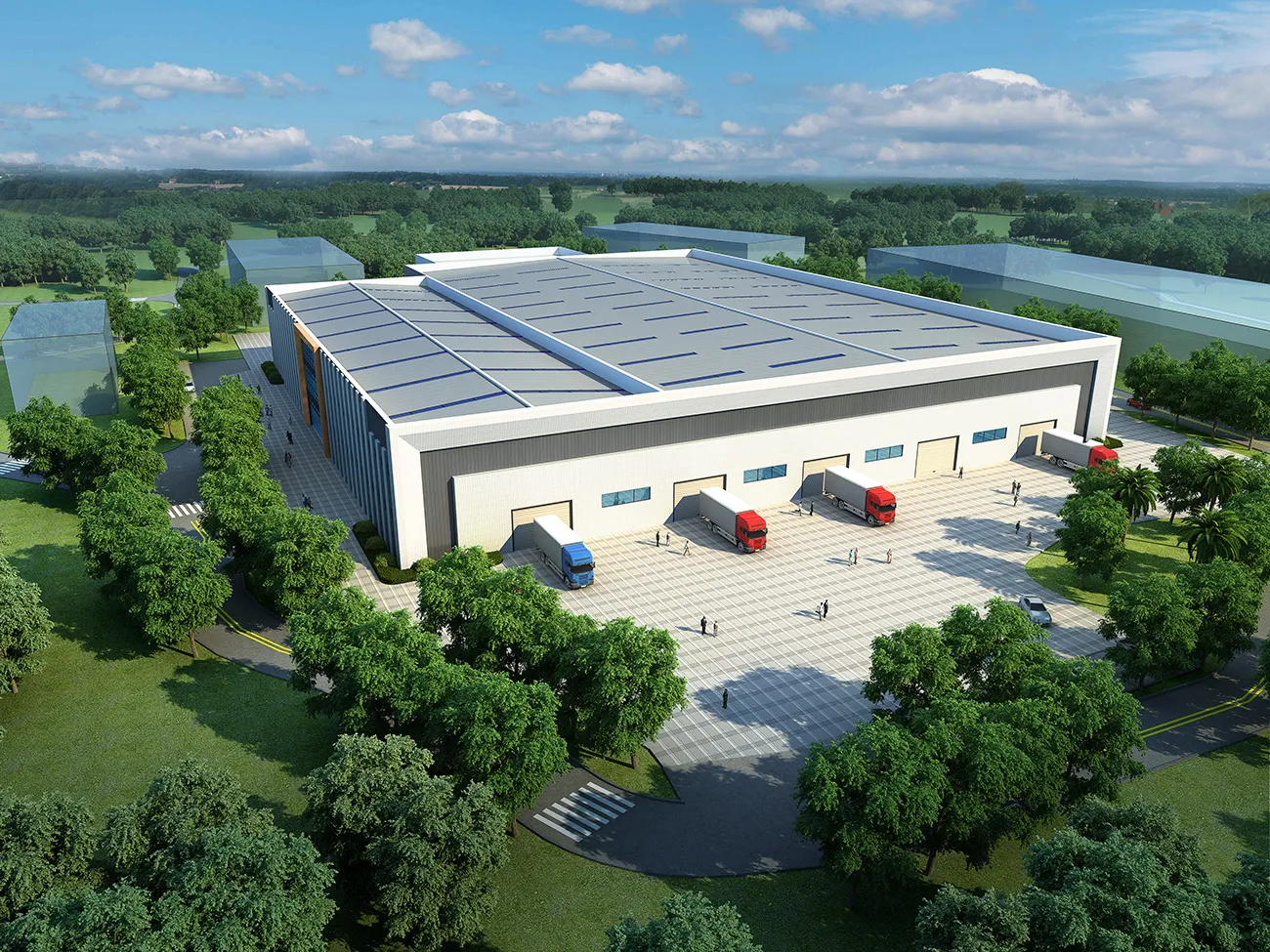
Steel Warehouse Solutions
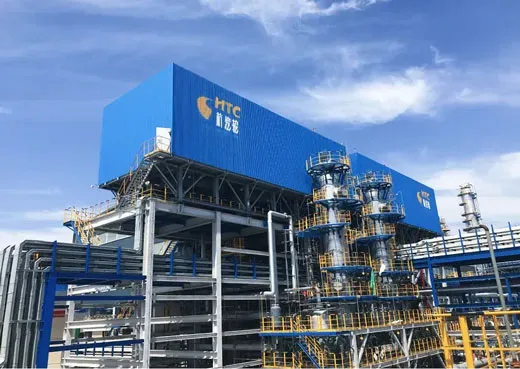
Heavy Steel Structures for Equipment
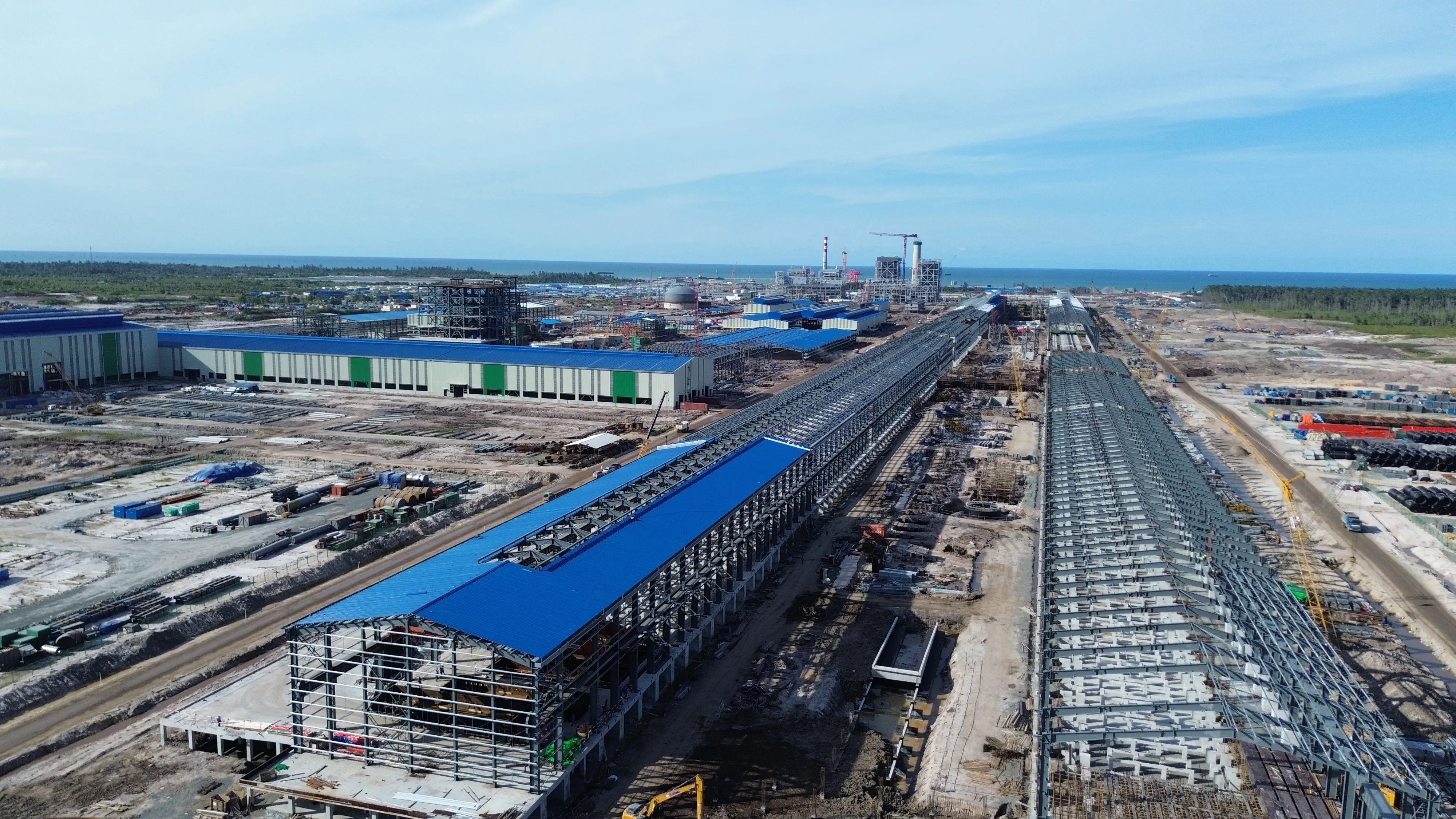
Indonesia North Kalimantan Aluminum Plant Project
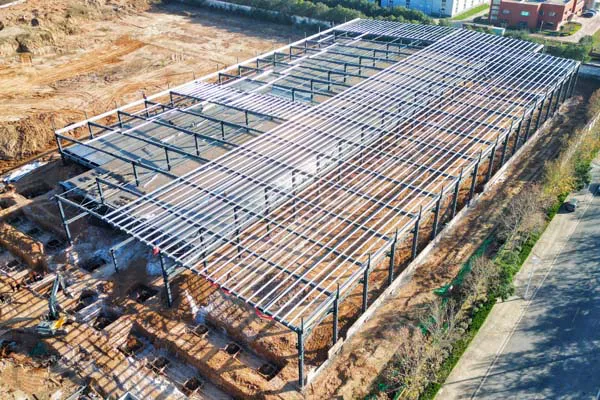
Luoyang Haode Auto Parts Steel Structure Factory Project
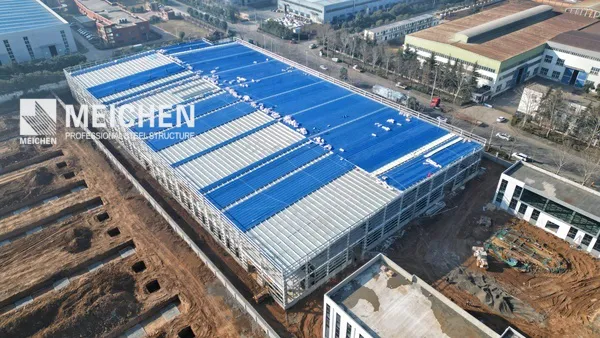
Automated Glass Production Line Steel Structure Factory Building Project
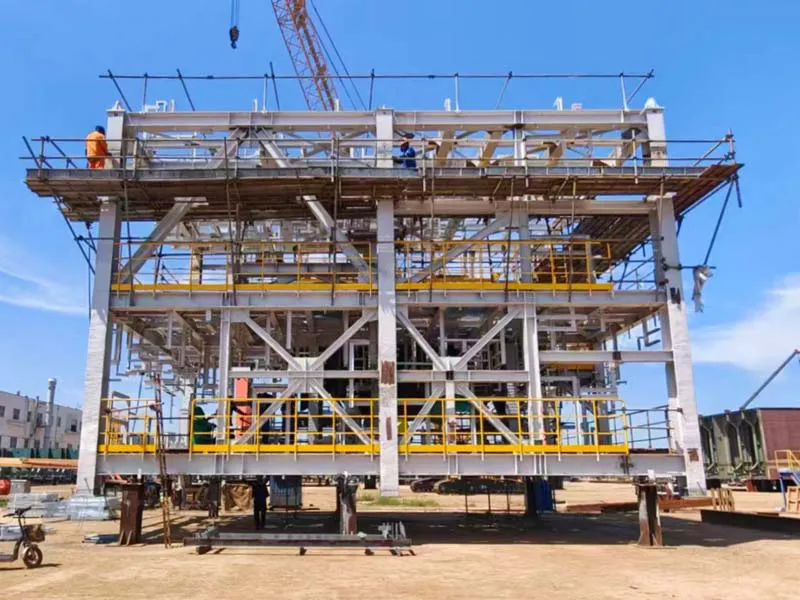
Oil & Gas Modular Steel Structure Fabrication Project

Flare Stack Structure