Time:2026-05-28 06:06:59 Source:Sanjian Meichen Steel Structure
Steel structure workshop prices can be surprisingly complex. Many people often see the number and think it's only about the steel and the area. I used to think this way myself. With years of experience, I've learned that understanding the real factors is what keeps your budget under control and your project on schedule.
The price of a steel structure workshop depends on five main elements: raw materials, design scheme, manufacturing quality, transportation and installation, and the market environment. If you take time to look into each one, you’ll spot many hidden traps, and avoid most surprises.
When we talk about price, many people only focus on material and labor. In truth, each project is different, and every step has its own impact. Most mistakes happen when people skip the details. Let me share some stories and lessons, so you can better protect your investment.
I remember a client who asked me for the cheapest quote possible. We looked at lower-grade steel and even thinner materials. The initial price was attractive, but there were risks hidden in the background. The supplier offered no real warranty. The steel came from a small mill, and after delivery, some beams were bent, and thickness did not match the order. Fixing that cost more than the savings.
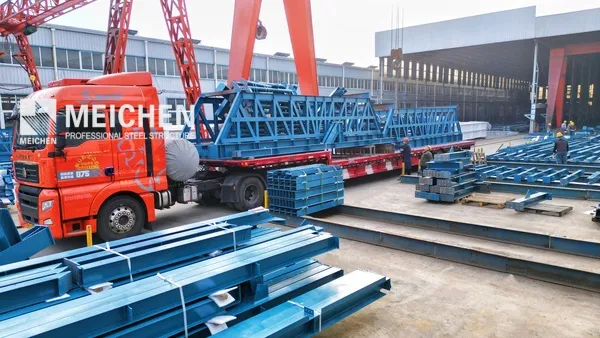
Raw material price covers both “what steel” and “where it comes from.” Industry-standard mills like Baosteel or Angang offer steady quality and deliver a material warranty. Small mills can shave thickness or use recycled steel, so what you see isn’t always what you get. Sourcing steel with grade marks and manufacturer certificates helps prevent issues later in construction, and even years down the line.
Here’s a comparison from my own experience:
| Factor | High Quality Supplier | Low Quality Supplier |
|---|---|---|
| Steel Brand | Promises quality, steady price | Unknown origin, price swings |
| Thickness | Strong and verified | Often cut corners |
| Material Warranty | Genuine, traceable | None, sometimes fake |
| Risk | Low maintenance, stable | High chance of repairs |
We can’t simply take the lowest price. In many cases, those few dollars saved mean much bigger headaches later. Always ask for a material certificate. Check the supplier’s track record, and if you can, visit their facilities. That little bit of homework is worth it.
Design is where your project either saves money or wastes it—in ways you might not see until much later. It’s easy to use a simple, “template” plan, which most suppliers offer by default. But when your workshop needs cranes, decks or special insulation, each change increases your steel usage and total cost.
I have seen workshops built using standard design. They worked, but material was wasted. When we optimized the plan, reducing column spacing and adjusting the span, the structure became lighter and more stable. This saved 10% on steel costs—on a big project, that's real money.
Smart design includes clear calculations. Many clients never see these documents, so the supplier quotes more steel than required. Before you sign, request the material calculation sheet, and ask for “value engineering” advice. Designers rarely offer these, but they make a big difference.
Let me show how design choices affect price:
| Feature | Impact on Price | Practical Tip |
|---|---|---|
| Workshop span | Larger span = more steel | Only go wide if needed |
| Column distance | Wider requires extra support | Ask for calculations |
| Custom functions | Crane, deck, insulation | Specify needs in advance |
| Design optimization | Reduces waste | Request alternative solutions |
We once customized a plan for a client with a tight budget. By working closely with designers and the client, and by focusing on real needs, we cut material waste and delivered a safer, less expensive workshop. Design isn’t just paper—it’s where real savings start.
The production and assembly stage is where mistakes are most expensive. Early in my career, I worked with suppliers that cut corners on welding and painting. At first, everything seemed fine. But within two years, workshops showed signs of rust and had weak bolt connections. The repair costs were painful.
Manufacturing quality means more than just how things look on the surface. Steel parts welded by machines are stronger and safer than hand-welded components. Paint finish matters too. High-end paints last years. Cheap paint can peel in a year and expose steel to corrosion. At acceptance, I always check paint thickness and bolt grade—this is standard practice for major projects.
Here’s how production decisions change the outcome:
| Process Step | Premium Quality | Cheap Shortcut |
|---|---|---|
| Welding | Automated, deep joints | Manual, weak joints |
| Bolts | High grade, tested | Cheap hardware, breaks easily |
| Painting | Multiple layers, durable | Thin layer, peels quickly |
| Final Inspection | Detailed, tests performed | Rushed, basic check |
One time, after spotting a paint problem, we asked the supplier to redo the work. They resisted, but persistence kept our client safe and the workshop durable. Manufacturing shortcuts never pay off. Whenever possible, hire skilled installers and demand a thorough inspection.
Transportation and installation are the silent costs that catch people by surprise. Delivering steel parts over long distances seems manageable, but it adds risk of damage, insurance fees and waiting time. Inexperienced installation teams work slowly and make errors, which introduces costly delays.
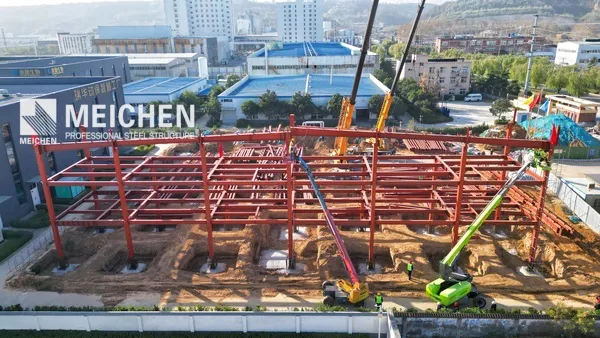
One project of ours had to move steel from a coastal port hundreds of kilometers inland. Despite planning, a storm delayed the trucks and some pieces got damaged. Insurance covered a part but repairs still meant extra cost. In another case, hiring skilled installers paid off: their speed offset the higher labor rates, and the project finished ahead of schedule. Cheap labor sounds good until rework is needed.
A practical comparison:
| Factor | Reliable Approach | Cost-Cutting Approach |
|---|---|---|
| Transport Distance | Close supplier, less risk | Far supplier, more chance of damage |
| Install Crew | Experienced, fast | Inexperienced, slow or error-prone |
| Insurance | Full coverage | Too little, high risk |
After several projects, we know it’s better to spend a bit more on transport and skilled crews. Quality logistics delivers peace of mind.
Steel prices move every month, driven by local and international trends. Labor rates are also very different from city to city. We track these changes closely. Knowing when and where to buy helps us lock in better deals and keep clients within their budgets.
For example, a similar workshop built in Chengdu cost 15% less than one in Shanghai, simply because local steel and labor were cheaper. Government policy and global markets also push prices up or down. Timing matters—a few weeks’ wait can mean thousands saved.
Here’s how location and timing shape costs:
| Location | Price trend | Buying Strategy |
|---|---|---|
| Inland City (Xi’an, Chengdu) | Lower labor, cheaper steel | Purchase during off-season, local suppliers |
| Coastal City (Shanghai, Guangzhou) | Higher costs, busy schedules | Plan early, compare multiple bids |
| Market swings | Sometimes rapid changes | Stay informed, act quickly |
We always advise clients not to rush. Compare rates, know your region, and check the market before making decisions. It may feel like extra work upfront, but it always leads to savings.
The price of a steel structure workshop is shaped by materials, design, manufacturing, installation, and market factors. If you check every stage and learn the right questions to ask, you avoid most problems. In our experience, spending some time upfront pays for itself—your workshop will be safer, last longer, and cost less in the long run.
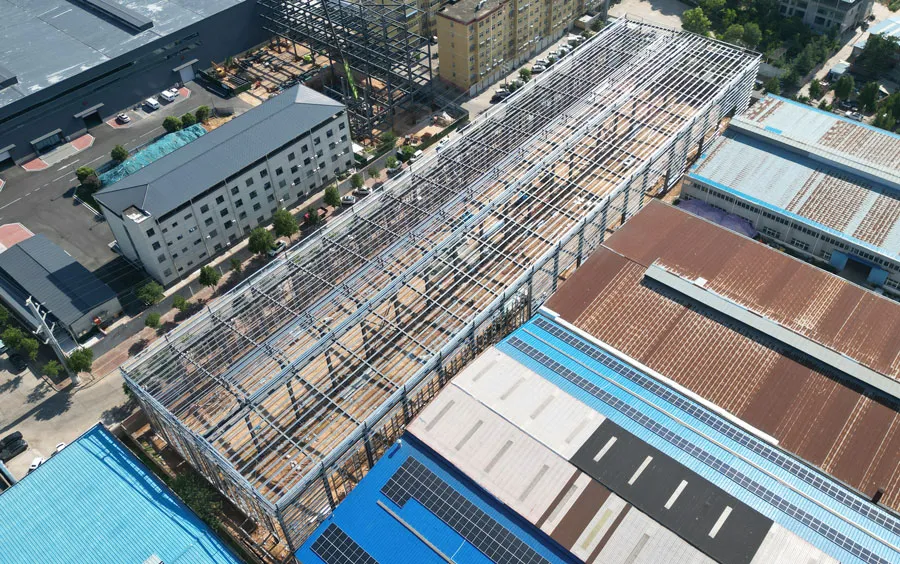
Steel Structure Workshop Solutions
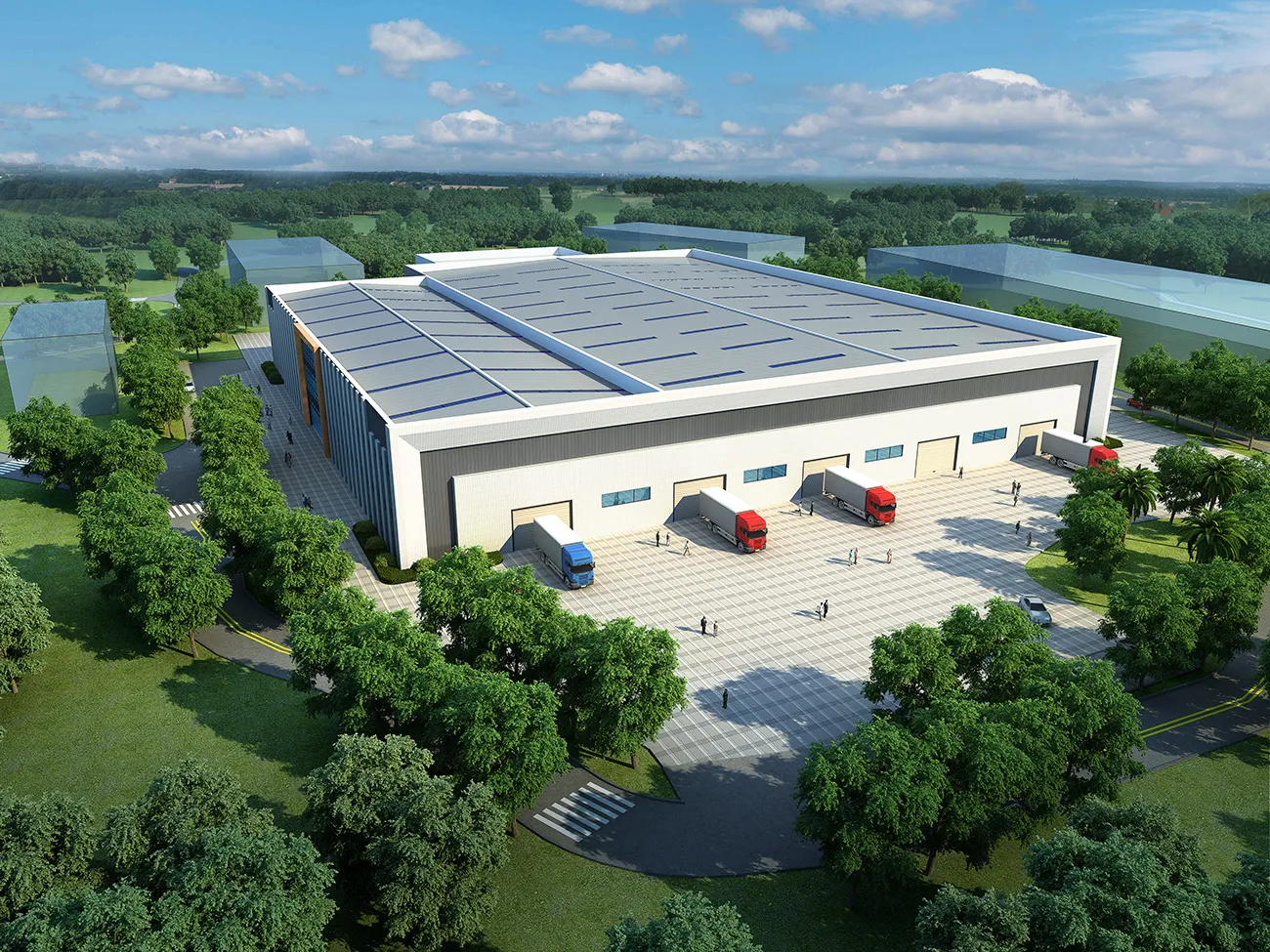
Steel Warehouse Solutions
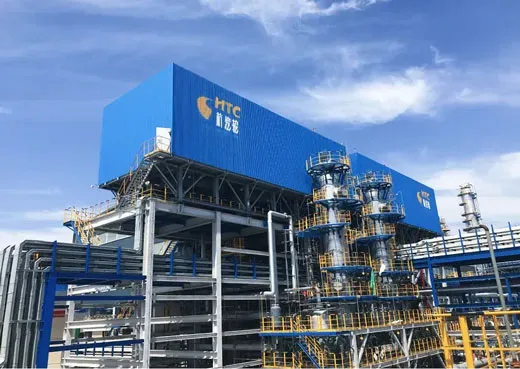
Heavy Steel Structures for Equipment
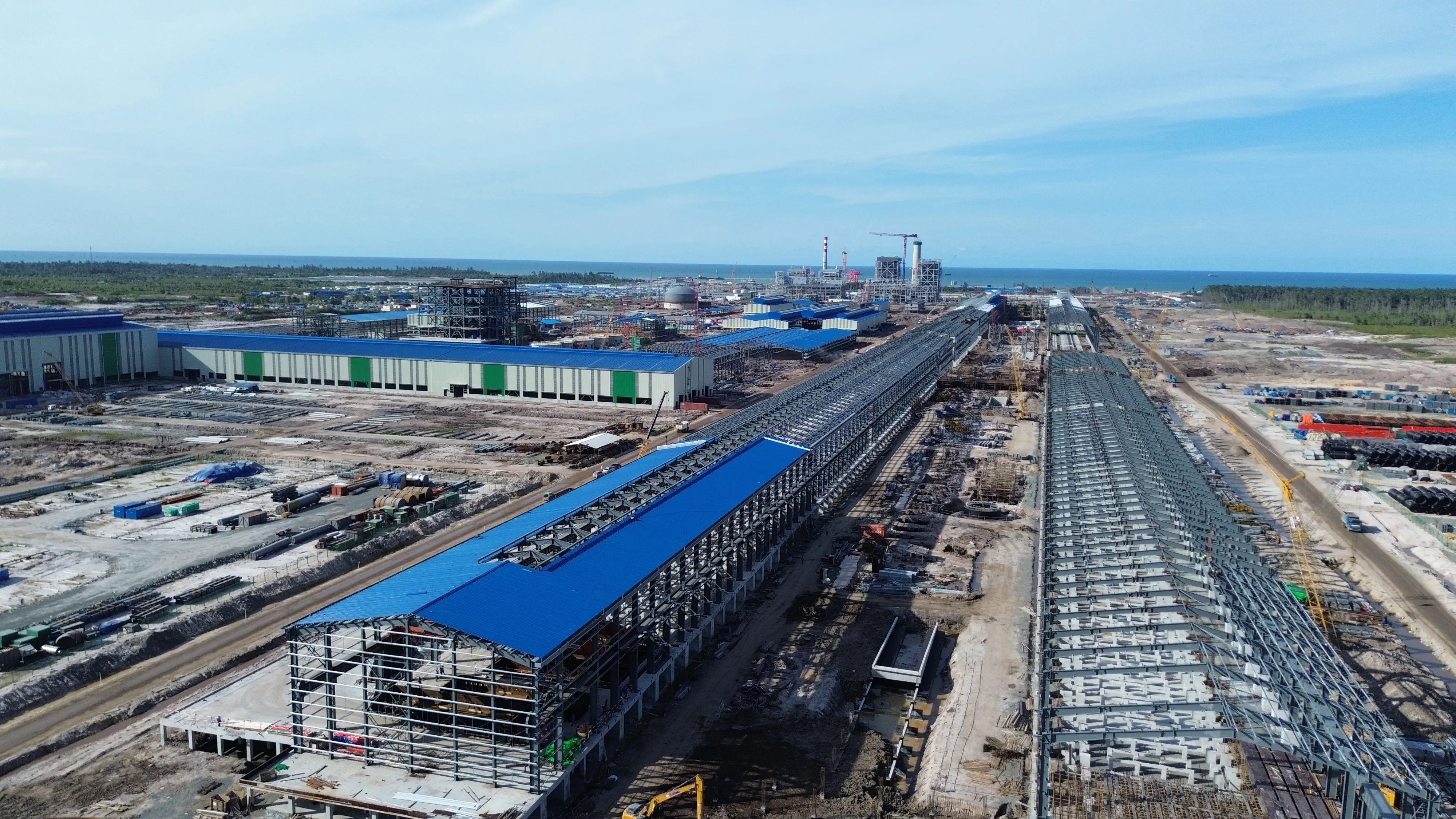
Indonesia North Kalimantan Aluminum Plant Project
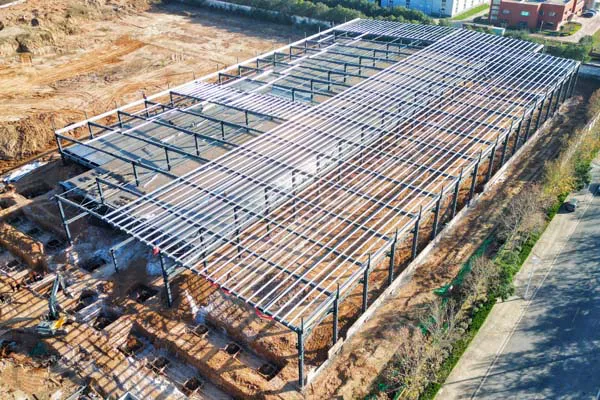
Luoyang Haode Auto Parts Steel Structure Factory Project
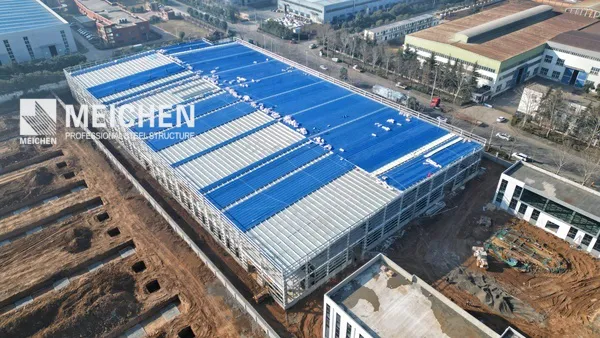
Automated Glass Production Line Steel Structure Factory Building Project
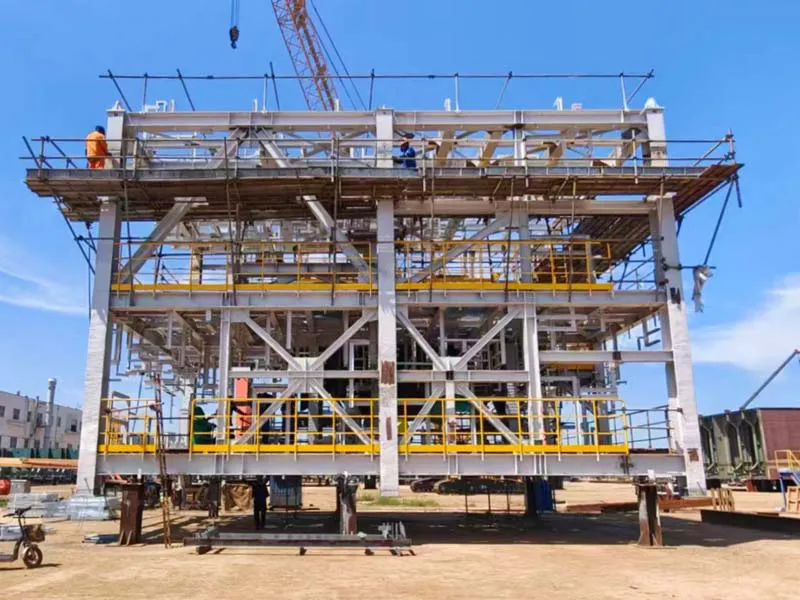
Oil & Gas Modular Steel Structure Fabrication Project

Flare Stack Structure