Time:2026-05-28 03:09:23 Source:Sanjian Meichen Steel Structure
If you are thinking about building a steel structure factory in 2026, you probably wonder what the real costs are. It's not just about finding a price list and multiplying by square meters. You need to understand every layer—material quality, design, installation, ongoing maintenance, and the little details nobody warns you about until it’s too late. I want to share the experiences we’ve picked up working with dozens of clients, showing you how to nail down your budget and avoid the common traps.
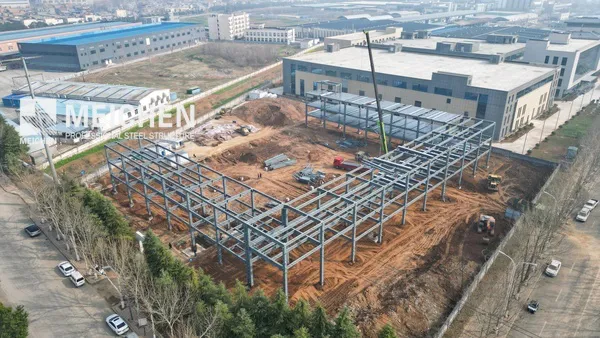
Steel structure factory buildings usually start at $38 to $60 per square meter, just for the steel frame if you’re ordering from China. But nobody builds a raw frame and stops there—you need foundations, insulation, electrical systems, wall panels, doors, windows, and installation. That pushes global turnkey costs to $480–$750 per square meter for a fully functioning facility. If your factory is larger, taller, or has custom features, costs jump higher. Urban sites or port locations get price advantages with cheaper logistics, but rural or remote sites pay more for transport and skilled labor.
I remember a project in Houston, Texas. The client sent me a quote from another supplier for $52 per square meter and thought he was all set. After looking closely, we realized the price only covered steel beams and columns, ignoring installation, roof panels, site foundation, and insulation. When we rebuilt the quote from scratch, real costs—we’re talking foundation concrete, sandwich panels, fire protection, labor, and all the bits—jumped to $590 per square meter. That’s why you must always ask for a turnkey proposal, not just the headline figure.
Here’s a table we use to help our clients see where the money goes:
| Component | 2026 Cost (USD per m²) |
|---|---|
| Main Steel Structure | $45–60 |
| Roof & Wall Panels | $25–45 |
| Doors & Windows | $15–25 |
| Accessories | $8–20 |
| Foundation (Local) | $70–110 |
| Installation (Local) | $120–190 |
| Electrical & Plumbing | $120–300 |
| Total Turnkey Cost | $480–750 |
We’ve seen these numbers swing widely based on region and scope. In Asia, for example, labor costs are often lower, but logistics and tariffs can add up. In Europe or the US, you pay more for skilled installation teams and weather protection but get predictable quality. Don’t forget about seasonal spikes—during spring and autumn, factories are busy. If you rush an order, expect surcharges or longer lead times.
Steel quality makes a huge difference. Not all steel is equal. Lower grades like Q235 or HRB400 might look attractive if you’re on a tight budget but come with hidden risks. I worked with a customer in Indonesia who went with a cheap supplier, only to have corrosion and weld failures in three years. After that, he insisted on Q355 and S355 certified steel—no more headaches. We always recommend certified steel and clear paperwork, especially for international projects where maintenance costs can balloon.
Value engineering helps more than most clients realize. Before locking in any order, we sit down with the structural drawings and look for smart ways to reduce steel usage without compromising strength. For instance, shifting to portal frame designs or cold-formed purlins can cut steel volume by 8–15%. That’s not abstract—the savings show up in real bids. If you bring your engineer to the table early, you’ll get a structure that meets your load, wind, and seismic requirements but doesn’t waste material.
Planning for expansion is another lesson we’ve learned on the job. Everyone is excited to use their factory, but business changes. If your facility was designed to be modular, with bolt connections and extendable bays, you can double your production without tearing out old work. A client in Atlanta added 2,000 square meters in a month, because his original building had expansion bays. Contrast that with another situation where retrofits cost triple because original plans left no room to grow. Ask yourself: will you want to add storage, offices, or lines? Plan your connections and roof layouts up front.
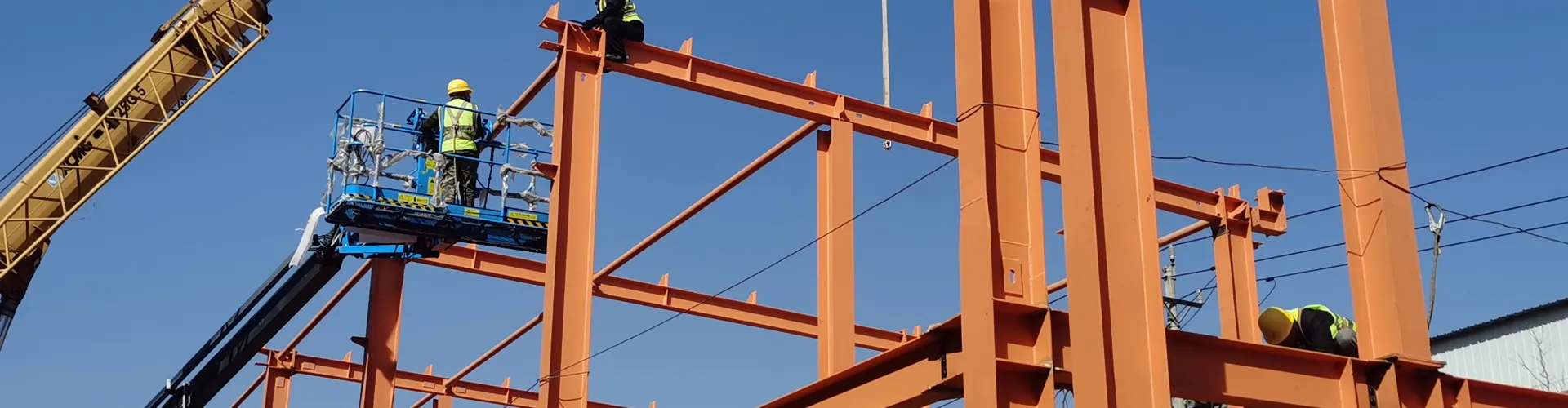
Installation is where most clients underestimate costs and stress. I have seen rushed installs lead to leaks, wasted material, and lost revenue. Certified installation teams matter. Local weather and site prep are critical, too. On a project in Vietnam, heavy rain delayed installation for weeks, costing more in equipment standby fees and labor overtime. Start procurement early. Get installers certified by your supplier, and demand site supervision. That way, your high-quality steel doesn’t go to waste.
Once the basics are covered, we coach buyers on bigger picture ideas that save budget and headaches in 2026:
For a tailored estimate, share your project details—location, size, design, and timeline. We use real case data, supplier reputation, and site-specific factors for practical advice. Whether you’re building in the US, Africa, or Asia, expect cost swings of 20–30% depending on labor, logistics, regulations, and weather. Don’t rely on one quote or one number. Dig deeper, ask technical questions, and partner up with experienced engineers and suppliers.
By focusing on total value, clear communication, and smart design, you will build a steel structure factory that fits your budget and adapts as your business grows. We believe every successful project starts with honest conversations, practical advice, and lessons traded from real builds—not just from textbooks or price lists.
The true cost of a steel structure factory in 2026 comes from careful planning, honest analysis, and smart decisions—choose value, build for the future, and avoid hidden surprises.
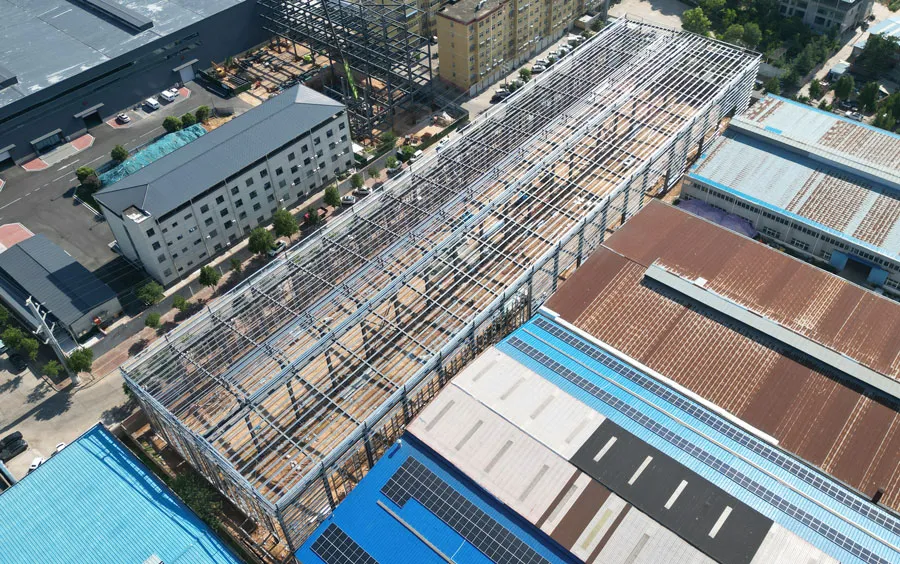
Steel Structure Workshop Solutions
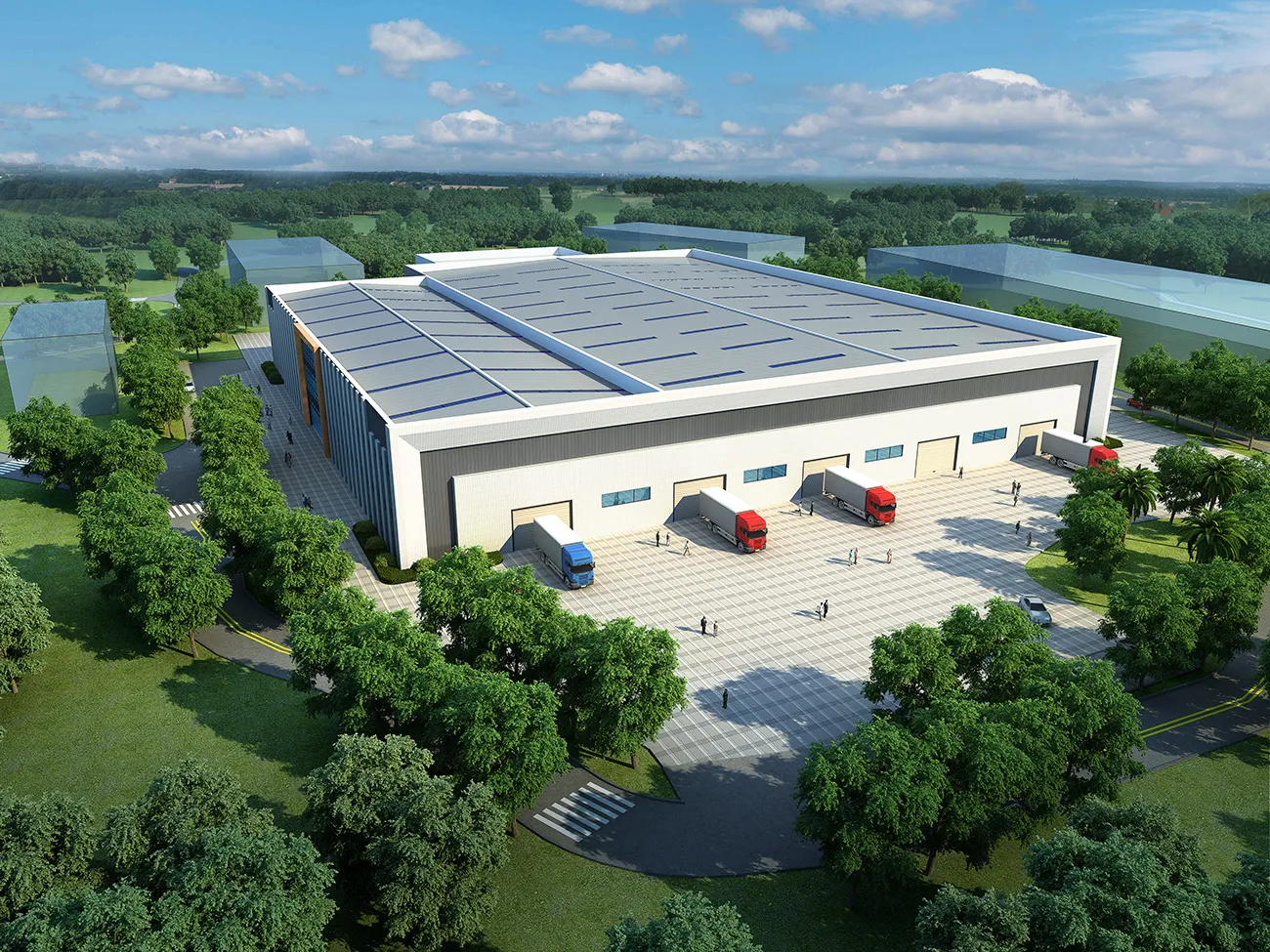
Steel Warehouse Solutions
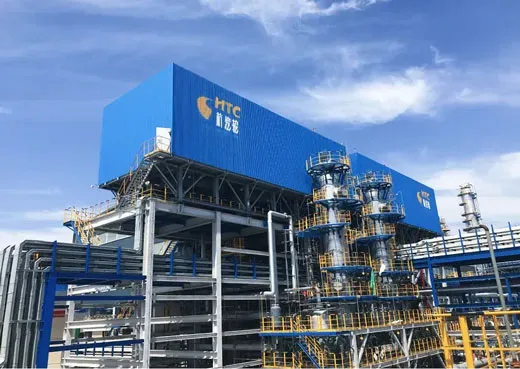
Heavy Steel Structures for Equipment
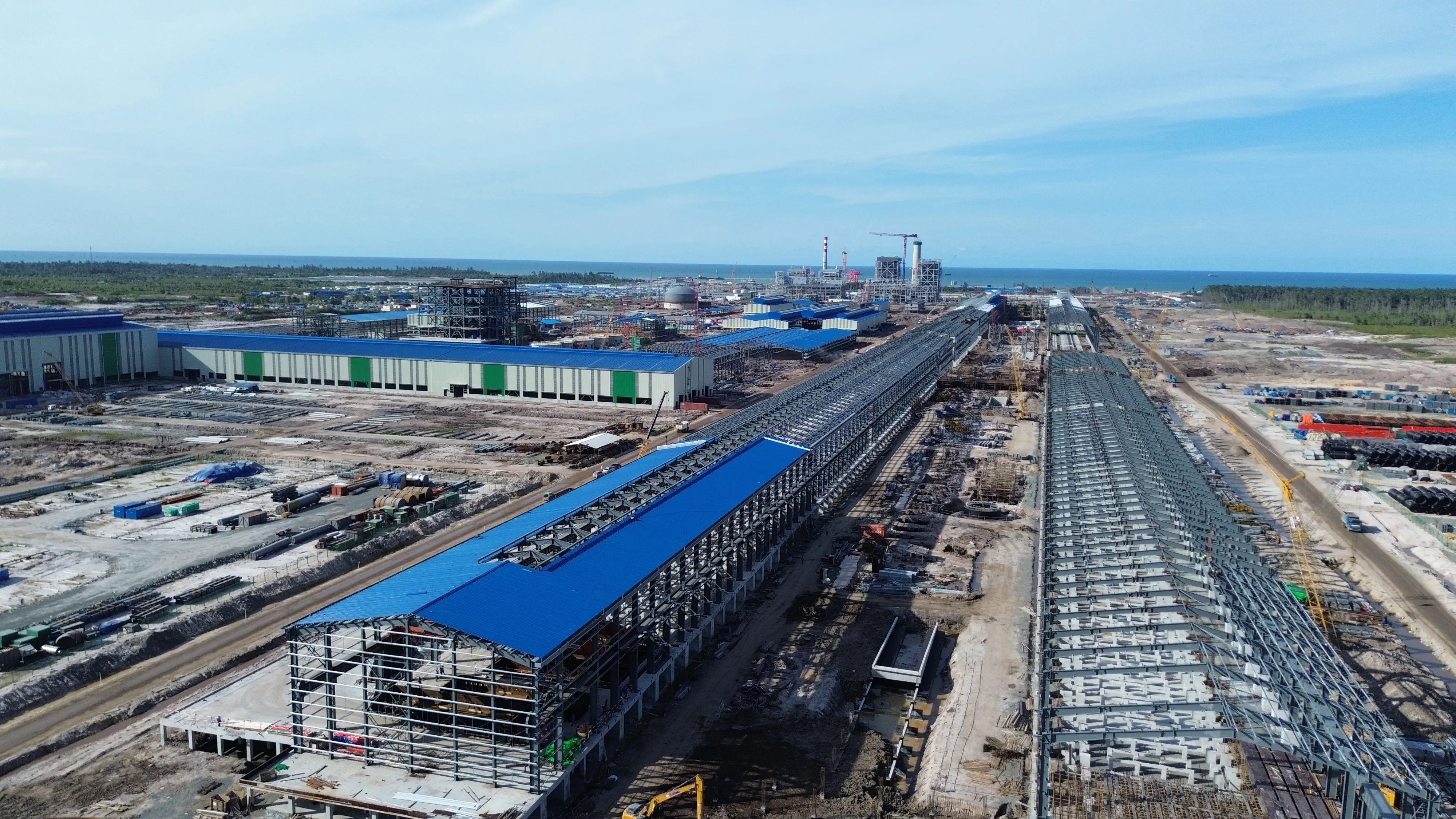
Indonesia North Kalimantan Aluminum Plant Project
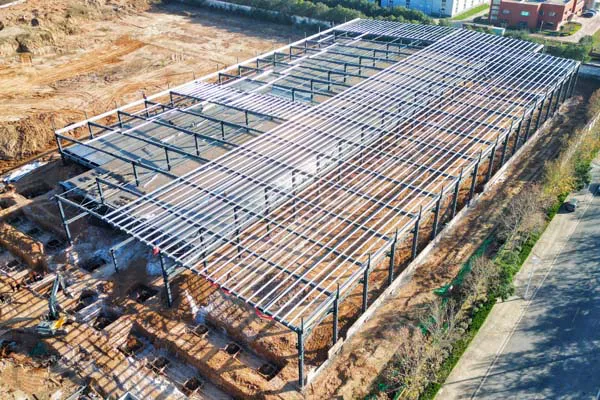
Luoyang Haode Auto Parts Steel Structure Factory Project
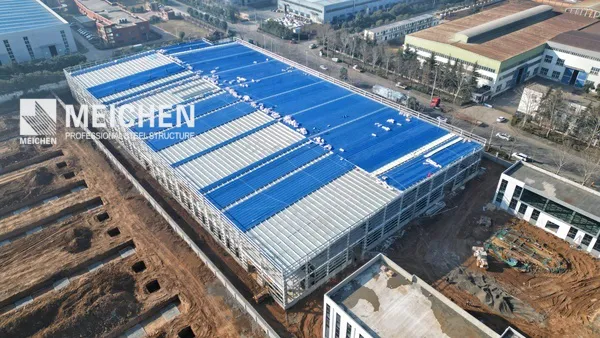
Automated Glass Production Line Steel Structure Factory Building Project
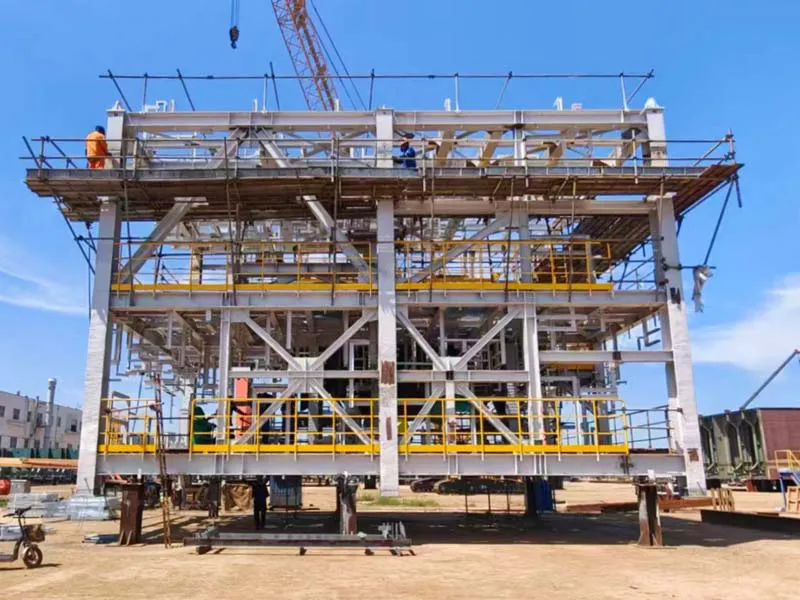
Oil & Gas Modular Steel Structure Fabrication Project
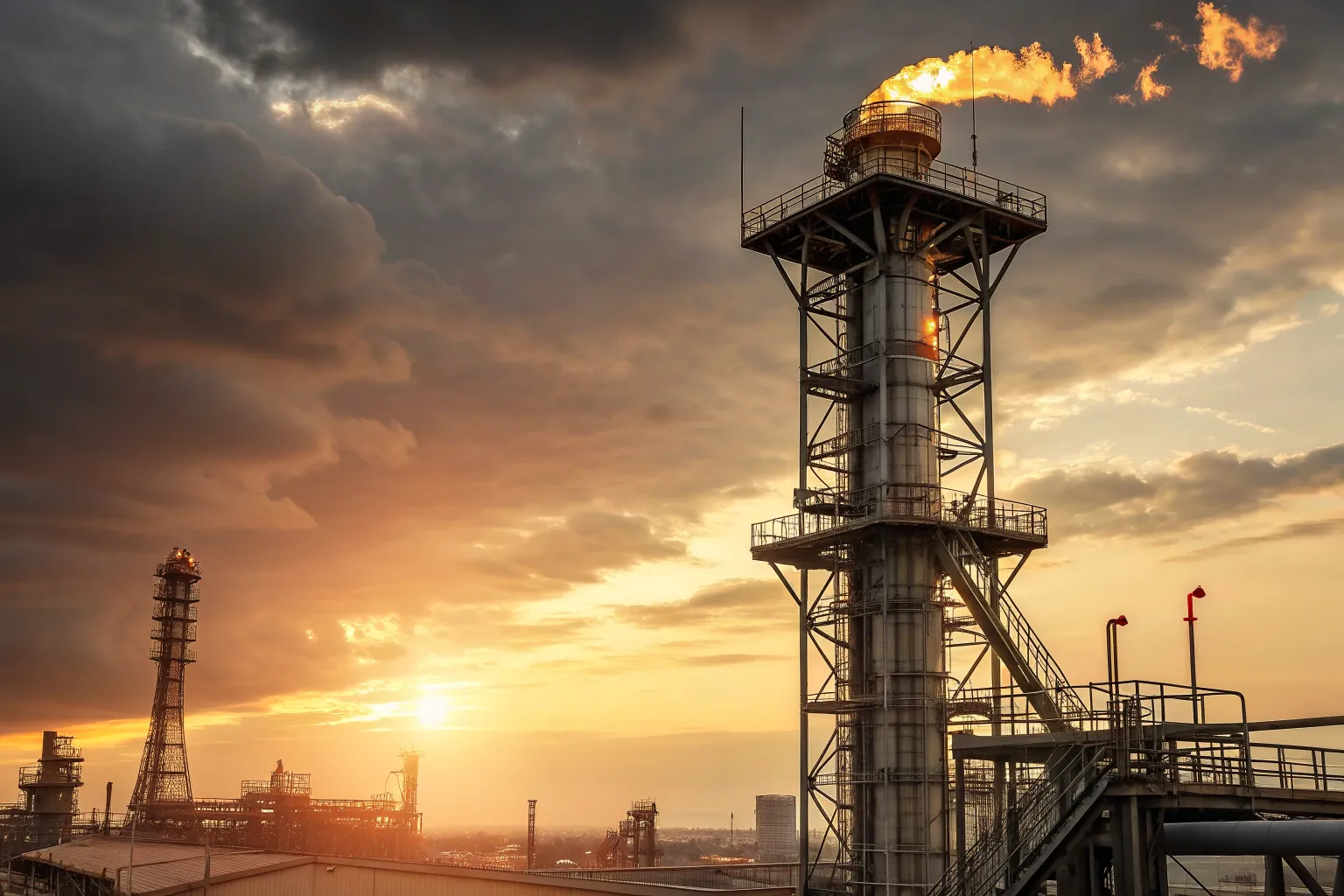
Flare Stack Structure