Time:2026-03-20 06:22:40 Source:Sanjian Meichen Steel Structure
Light vs Medium vs Heavy Steel Structures Explained by Industrial Fabrication Experts
When I first started in the steel industry, I thought price per ton was the only number that mattered. Over the years, I learned the hard way—along with clients and partners—that this focus can cost a company serious money and project headaches. Simple decisions on steel structure type can trigger years of unforeseen expenses. I remember a plant manager who aimed to save just 5% on his initial build. Three years later, when a new crane was needed, he faced expensive reinforcement work, three weeks of halted production, and insurance costs that doubled. Upfront savings quickly disappeared—and the project created more stress than success. My goal here is to help you avoid these mistakes and make decisions with confidence, based on what truly matters over the full lifecycle of your building.
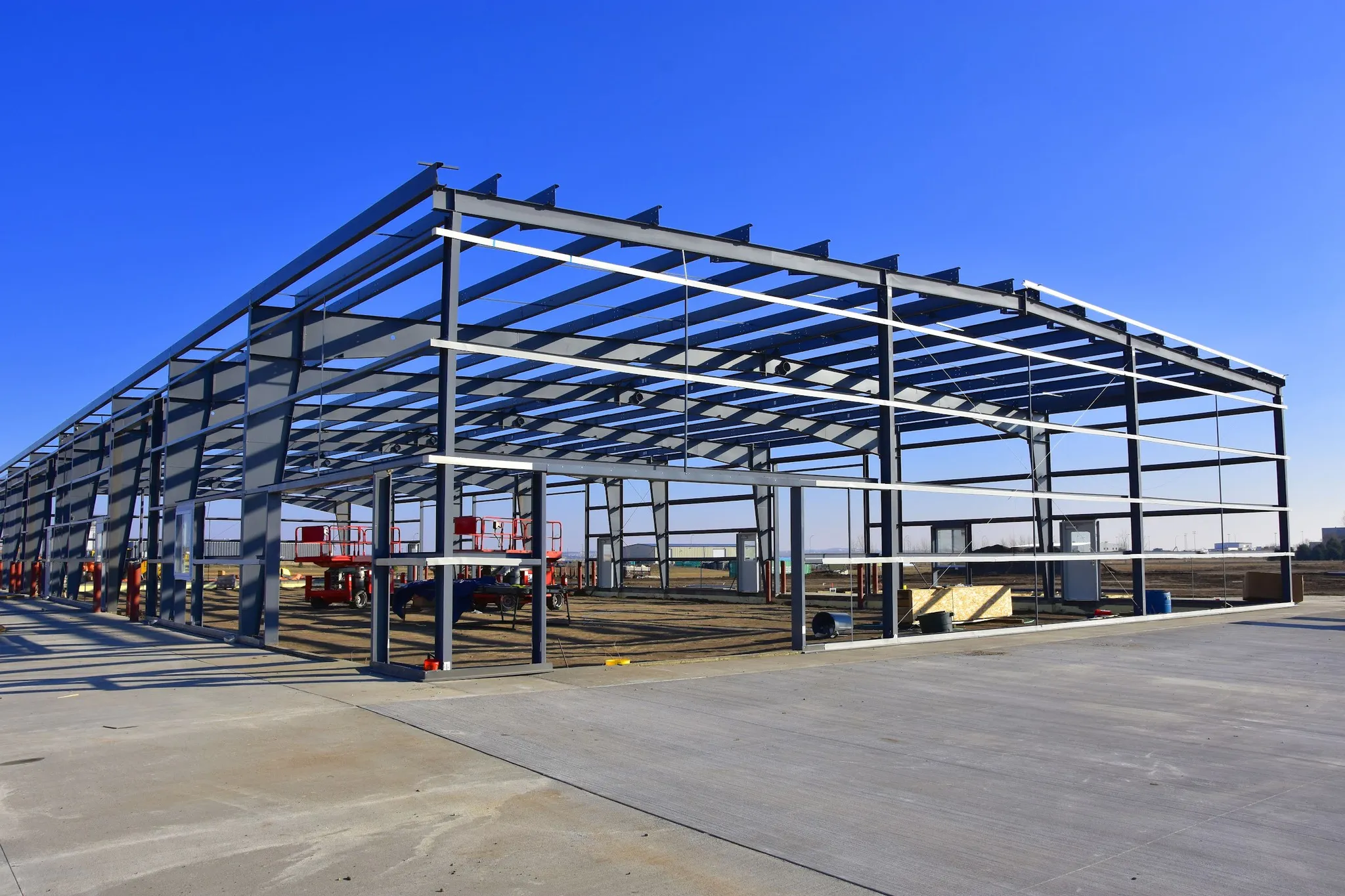
There’s a reason professionals in our field keep coming back to structure categories. Whether you’re talking to an engineer or presenting to a finance team, these technical differences are what set the tone for safety, function, and future growth. We usually classify steel structures like this:
| Type | Steel Consumption (kg/m²) | Typical Crane Range |
|---|---|---|
| Light | 25–40 | None |
| Medium | 40–70 | 5–20 tons |
| Heavy | 70–150 | 20–100 tons |
Why does this matter? When I review a project’s plans, I look at more than just the tonnage. I check crane specs, machine loads, column dimensions, and ask whether the client will need to add lines or expand in the future. One time, a buyer told me “Don’t worry, this is just a small warehouse.” A year later, they called, needing support for 10-ton cranes and new production lines. The structure needed a complete upgrade. A clear understanding from the start would have saved them money and time.
In my experience, the most successful construction teams treat steel structure selection as a precise engineering exercise, not a game of “how low can we go.” Here’s the decision process most of us use—and recommend when working with plant owners or project engineers:
Define crane capacity:
We map out every current and potential overhead lifting requirement, since crane specs drive much of the steel design.
Check equipment and floor loads:
Heavy presses? Dynamic machinery? We plan not just for today but the largest foreseeable machines.
Evaluate expansion plans:
What if you double production in three years? We design for column spacing, potential added bays, and roof lifts so construction disruption is minimized.
Optimize steel consumption with the help of an experienced engineer:
A great design can often trim up to 10% of the steel used, which directly improves your project’s budget.
Choose appropriate fabrication standards and grades:
We never compromise here. High standards reduce failures and ensure every weld and bolt is built for the long haul.
Why such a process? One of our American clients—facing tight deadlines—used this logic. It paid off through smooth future expansions and major savings on upgrades. On more open-ended projects, this roadmap leads to smart decisions, not expensive regrets.
It's easy to talk abstractly about best practices, but the real world doesn’t always go by the book. Let me share what actually happens on projects that skip key steps:
Mistake 1: Choosing light steel only for initial cost savings.
In one mid-sized plant, the owners installed a crane later, but the frame couldn’t take the weight—it needed expensive, disruptive upgrades.
Mistake 2: Ignoring dynamic and impact loads.
A surprising number of facility managers overlook the effect of vibration or repeated impact. At one site, the result was rapid fatigue cracking in connections, frequent maintenance, and higher risks.
Mistake 3: Underestimating the desire for future expansion.
We worked with a factory that expanded two years after opening, but the only solution was to remove half the roof. The cost was double a more foresighted approach.
When we review projects for new clients, these issues come up again and again. It’s much easier—and more economical—to design right from the start.
Clients often ask us for cost estimates by structure type during the first meeting. Here’s what our data and experience shows:
| Type | Relative Cost (Baseline = Light = 1.0) |
|---|---|
| Light | 1.0 |
| Medium | 1.15–1.35 |
| Heavy | 1.4–2.2 |
It’s clear that light steel is less expensive upfront. However, I’ve found that, unless you’re building something truly temporary or very basic, medium steel brings the best value. You’re covering your needs today—and for years to come—without overpaying for capacity you’ll never use.
The best advice I can give clients is to think of cost over the life of the building, not just the initial invoice. Maintenance, safety, flexibility for retooling or expansion—these always matter more over time.
From my experience, the best industrial buyers are thorough and systematic. Here’s the checklist we use, and I recommend all our partners use it too:
We regularly catch potential errors at the checklist stage. Once, a client forgot their site had poor soil and skipped deep foundation planning. We flagged it, and avoided a future structural issue.
Over years of working with various industries, I’ve noticed certain patterns in structure selection:
I believe connecting choices directly to industry needs is a crucial step many articles miss. In our conversations with clients, it always makes the final decision much clearer.
People ask, “Why should I trust your advice?” Fair question. Here’s our story:
We focus exclusively on industrial steel fabrication for tough projects—petrochemical, power, equipment platforms, and heavy manufacturing. With more than 26 years’ experience, we’ve seen everything: urgent shutdowns, impossible timelines, and high-stakes expansions. Our plant is EN1090 and ISO certified, with 50,000 tons of annual capacity and Tekla/BIM capabilities for modern international projects. Our engineering team reviews every project for optimal steel use, fabrication practicality, and long-term risk reduction.
Clients rely on us to lower overall steel consumption, eliminate surprise delays, and keep delivery on track—no matter how complex the project.
If you’re at the beginning of your project, or worried your steel solution might not meet future needs, I invite you to reach out. Send us your GA drawings, equipment data, crane needs, and basic quantities. Our project engineers genuinely enjoy helping you catch small problems before they turn into expensive surprises.
Whether you just want to check crane feasibility, optimize weights, or review your current BOQ, we can help you strengthen your plan, not just fill an order.
Why not talk to someone who’s seen all the common mistakes? With every inquiry, we give you:
Our goal is simple: share what works, save you money, reduce your project risks, and deliver success—every time. That’s how we’ve built long-term relationships with clients worldwide.
We would be glad to work with you, whether it’s for a quick review, a formal proposal, or a challenging technical question. Let’s make your next steel structure the strongest foundation for your business future.
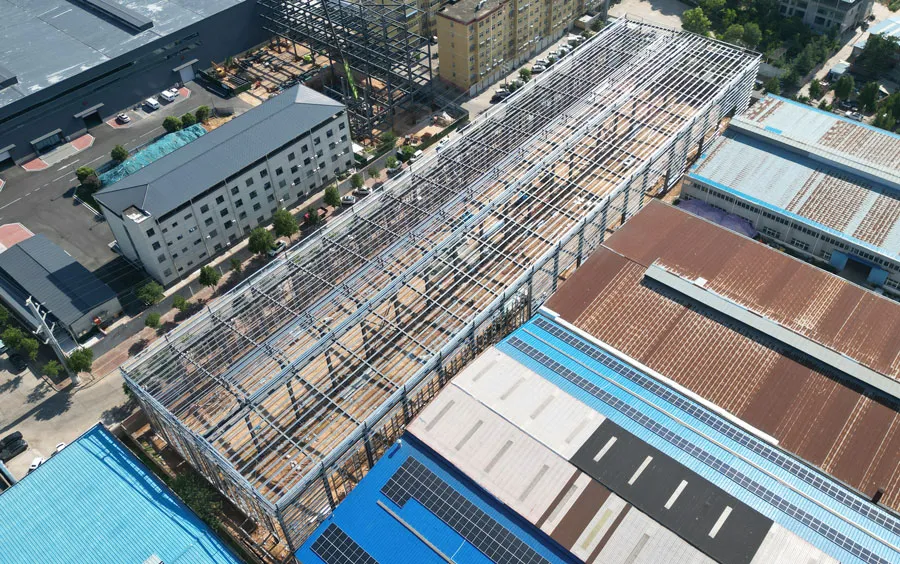
Steel Structure Workshop Solutions
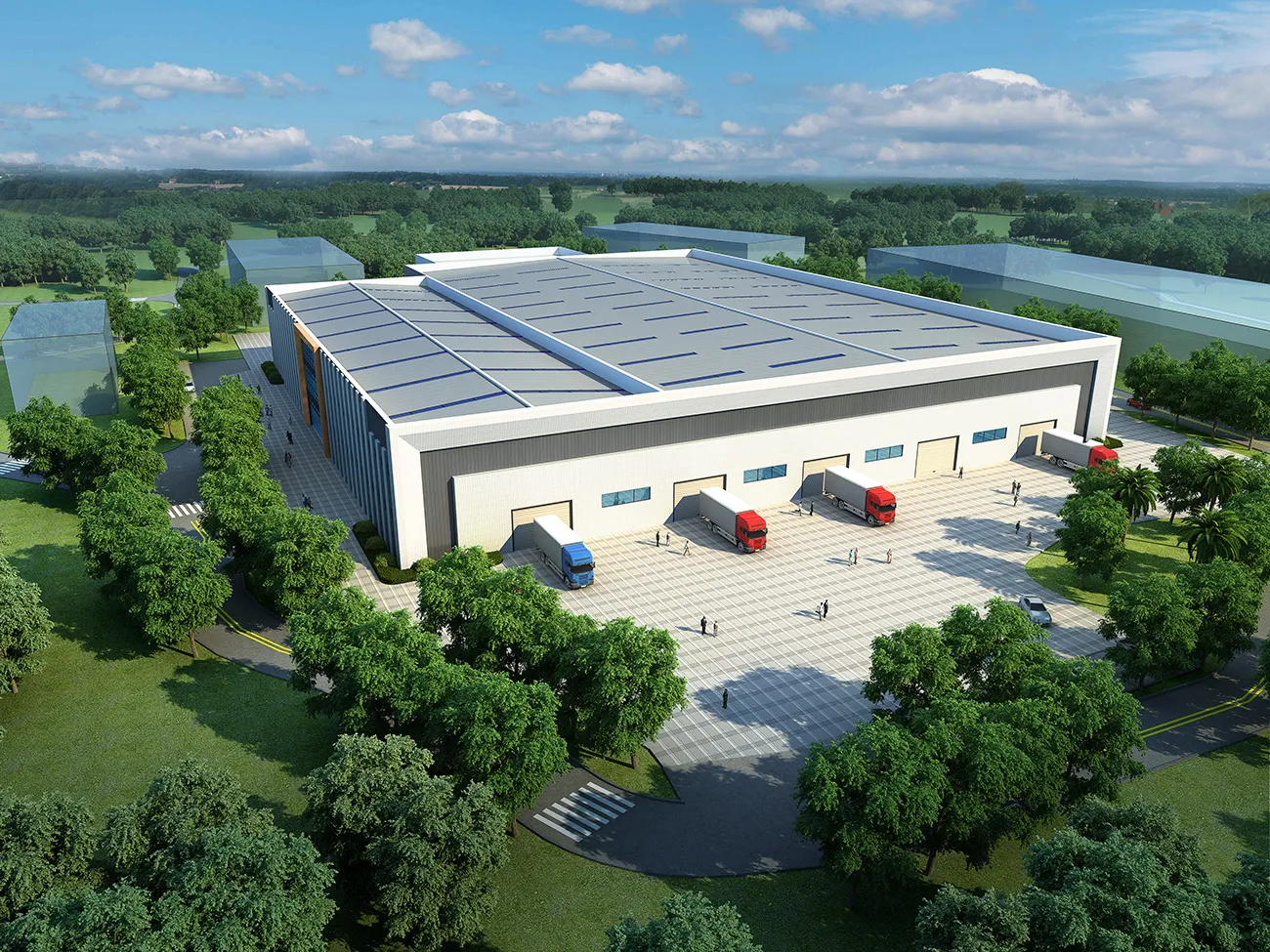
Steel Warehouse Solutions
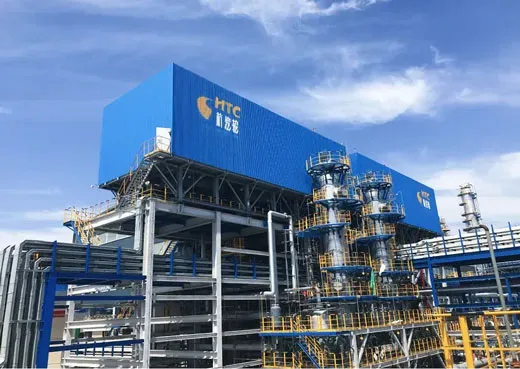
Heavy Steel Structures for Equipment
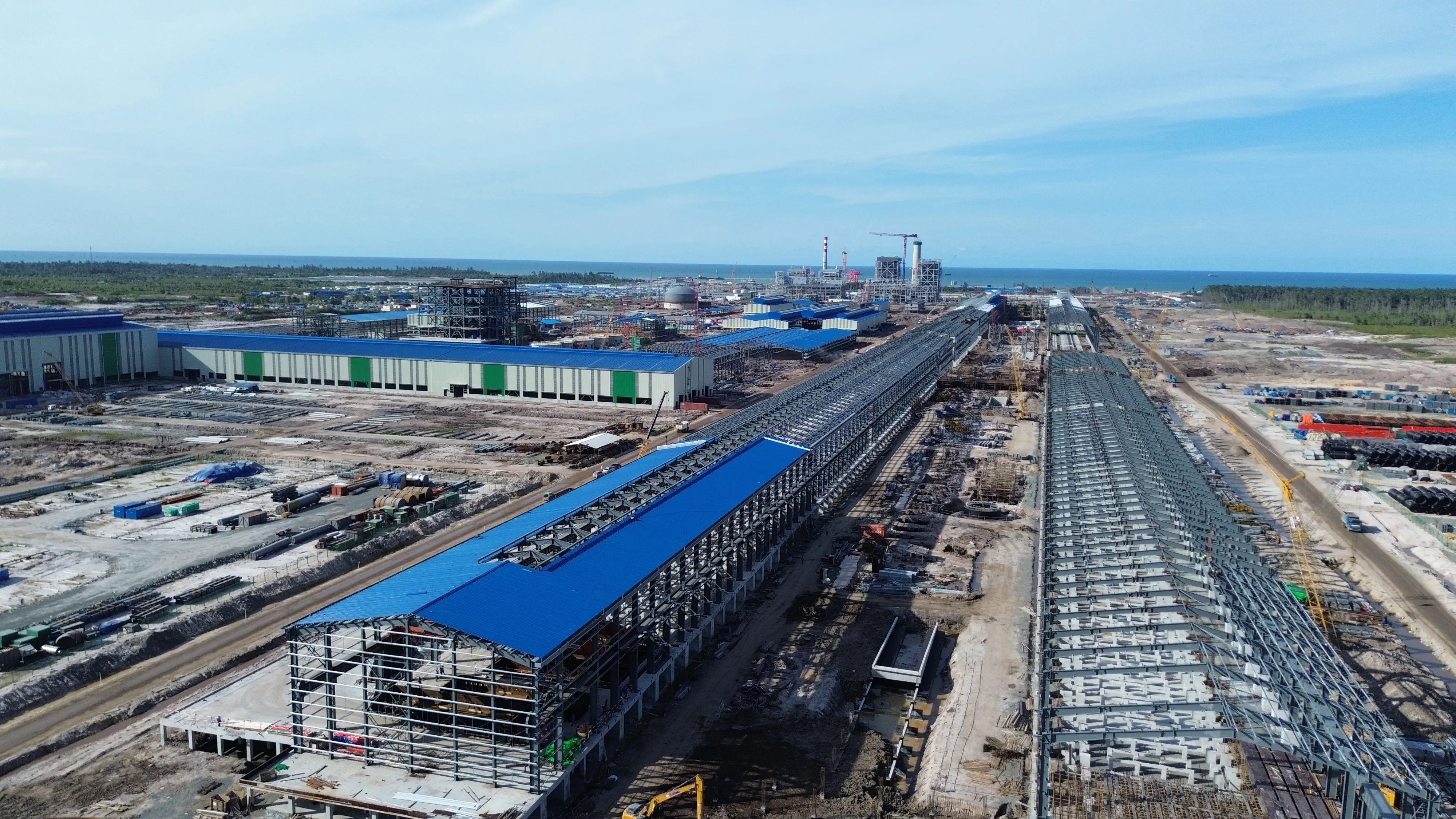
Indonesia North Kalimantan Aluminum Plant Project
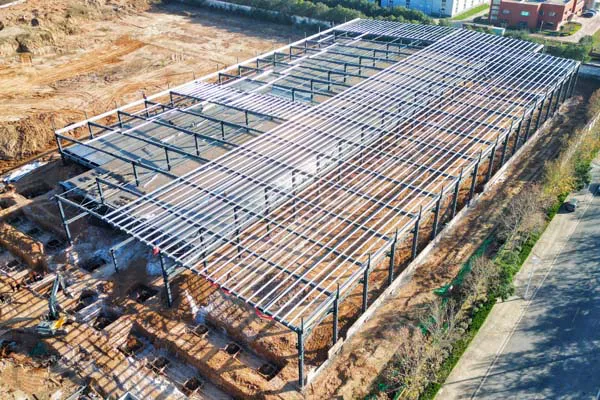
Luoyang Haode Auto Parts Steel Structure Factory Project
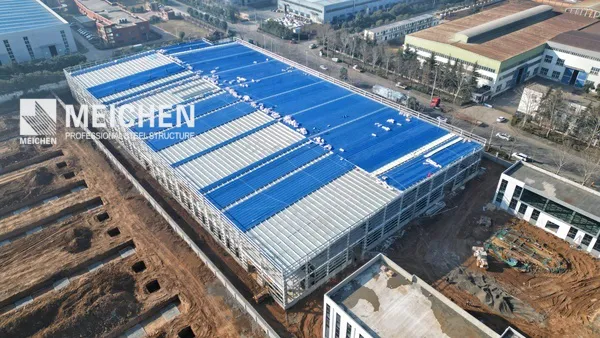
Automated Glass Production Line Steel Structure Factory Building Project
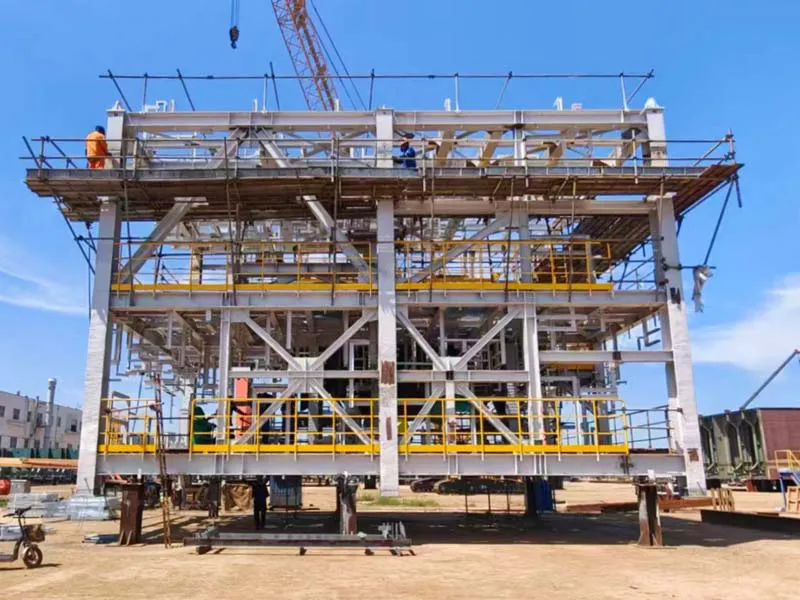
Oil & Gas Modular Steel Structure Fabrication Project

Flare Stack Structure