Time:2026-03-18 07:34:04 Source:Sanjian Meichen Steel Structure
In today’s industrial construction landscape, roof systems are no longer judged solely by their ability to provide shelter. Modern facilities—whether used for manufacturing, logistics, cold storage, or energy production—demand roofing solutions that combine structural strength, thermal efficiency, and long-term reliability. Against this backdrop, steel structure roof sandwich panels have emerged as a practical and performance-driven choice.
However, the true value of sandwich panels is not determined at the factory—it is realized on-site. Even high-quality panels can underperform if installation is rushed, misaligned, or executed without a clear understanding of structural behavior. Water leakage, insulation failure, and premature corrosion are often the result of avoidable installation errors rather than material defects.
Drawing on real-world engineering practices and installation standards, this guide provides a detailed, experience-based approach to installing industrial steel structure roof sandwich panels correctly. The goal is not only to ensure compliance, but to help project owners and contractors achieve durable, energy-efficient, and low-maintenance roofing systems.
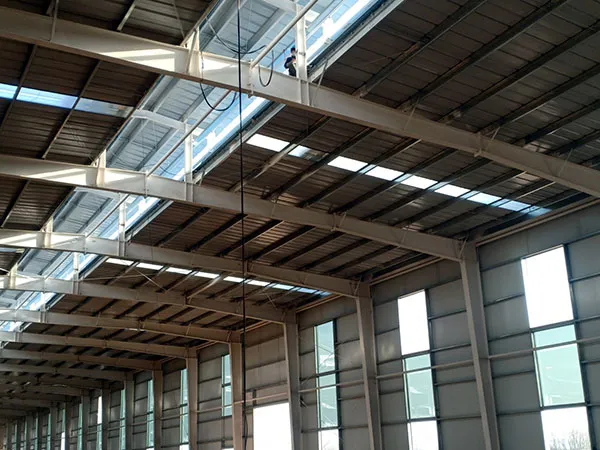
Before installation begins, it is critical to move beyond a basic definition and understand how sandwich panels perform under real operating conditions.
A typical roof sandwich panel consists of three functional layers:
Outer Steel Sheet: This layer acts as the first line of defense against environmental loads, including wind uplift, UV exposure, and precipitation. Its coating (such as PVDF, PE, or HDP) plays a decisive role in corrosion resistance.
Insulation Core: Common materials include polyurethane (PU), expanded polystyrene (EPS), and mineral wool. Each offers different performance characteristics. For example, PU provides superior thermal insulation, while mineral wool offers better fire resistance.
Inner Steel Sheet: This stabilizes the structure internally and protects the insulation from mechanical damage and vapor intrusion.
From an engineering perspective, sandwich panels function as a composite system. Load distribution, thermal bridging, and airtightness all depend on how well these layers remain intact during installation. Mishandling—such as dragging panels or improper lifting—can weaken this composite behavior.
In many projects, installation issues originate not during installation itself, but during insufficient preparation. A well-structured pre-installation phase significantly reduces rework and long-term risks.
2.1 Structural Inspection and Alignment
Before any panel is lifted, inspect the supporting steel structure thoroughly:
Verify purlin spacing and alignment (critical for load distribution)
Check welding points and anti-corrosion coatings
Ensure the roof slope meets drainage requirements (typically ≥5%)
Even minor deviations in the steel frame can lead to cumulative misalignment across large roof spans, affecting both aesthetics and waterproofing.
2.2 Material Verification and Compatibility
Do not assume delivered materials match specifications—verify them:
Panel thickness, density, and core material
Coating type and corrosion rating
Fasteners (self-drilling screws, washers) must match panel type and environmental conditions
For example, using standard fasteners in coastal or chemical environments can lead to accelerated corrosion, even if panels themselves are high-grade.
2.3 Storage and Handling Conditions
Improper storage is a hidden but common cause of installation defects:
Store panels on flat, elevated surfaces
Avoid direct ground contact or moisture exposure
Cover panels with breathable waterproof sheets (not airtight plastic)
Panels exposed to humidity before installation may experience core swelling or steel deformation, directly affecting alignment.
2.4 Safety and Workforce Preparation
Roof installation is inherently high-risk. Professional teams follow strict safety protocols:
Full PPE: harnesses, helmets, anti-slip footwear
Certified lifting equipment for panel handling
Wind speed monitoring (installation should stop in high winds)
Safety compliance is not only a legal requirement but also directly impacts installation precision and efficiency.
Step 1: Panel Positioning and Layout Control
Installation should always begin from the eave and progress toward the ridge. This ensures proper overlap orientation for water drainage.
Key considerations:
Align the first panel precisely—this sets the reference for the entire roof
Use guide lines or laser alignment tools for long-span roofs
Lift panels vertically using spreader bars to avoid bending
Even a small angular deviation at the start can result in significant misalignment across the roof width.
Step 2: Fastening Strategy and Load Distribution
Correct fastening is essential for both structural integrity and weather resistance.
Best practices include:
Use manufacturer-recommended self-drilling screws with EPDM washers
Apply consistent torque—over-tightening damages coatings; under-tightening causes leaks
Follow standardized spacing patterns (typically 300–500 mm depending on wind load zones)
In high-wind regions, fastening density should be increased at edges and corners where uplift forces are strongest.
Step 3: Joint Sealing and Airtightness Control
Waterproofing performance depends largely on joint treatment.
Apply butyl sealant tape or high-performance sealant along overlaps
Ensure continuous sealing without gaps or interruptions
Pay special attention to penetrations (vents, skylights, ducts)
Poor sealing not only leads to leaks but also causes thermal bridging, reducing insulation efficiency.
Step 4: Flashing and Edge Protection Installation
Flashing components are often underestimated but play a critical role in long-term durability.
Install:
Ridge caps (prevent rain ingress at the roof peak)
Eave flashings (guide water into drainage systems)
Side trims (protect panel edges from wind-driven rain)
Properly installed flashing reduces maintenance frequency and prevents hidden moisture damage.
Step 5: Final Inspection and Performance Testing
After installation, a systematic inspection should be conducted:
Check panel alignment visually and with measurement tools
Verify all fasteners are secure and evenly installed
Inspect all sealed joints and flashing connections
A controlled water spray test is highly recommended to simulate real rainfall conditions and identify potential leakage points before project handover.
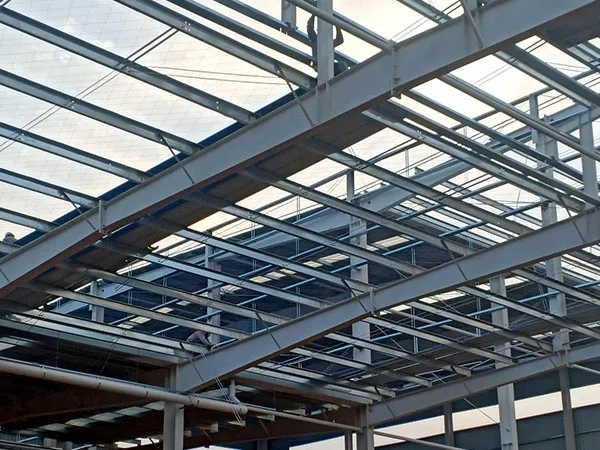
A well-installed roof still requires periodic maintenance to achieve its full lifespan (often 15–30 years).
Routine Cleaning
Industrial environments often expose roofs to dust, chemicals, and debris. Regular cleaning:
Prevents coating degradation
Maintains reflectivity and thermal performance
Use non-abrasive tools and neutral cleaning agents to avoid damaging coatings.
Scheduled Inspections
At least twice per year, inspect:
Fastener tightness
Sealant condition (look for cracking or aging)
Signs of corrosion or coating damage
Early detection significantly reduces repair costs.
Timely Repairs
Small issues can escalate quickly if ignored:
Replace damaged panels promptly
Re-seal compromised joints
Use compatible repair materials to maintain warranty validity
Even experienced teams encounter challenges. Understanding these risks improves project outcomes:
Panel Deformation
Cause: Improper lifting or storage
Solution: Use proper lifting equipment and store panels correctly
Thermal Expansion Issues
Cause: No allowance for temperature movement
Solution: Maintain expansion gaps at joints and avoid rigid fixing
Fastener Failure
Cause: Incorrect type or over-tightening
Solution: Use specified fasteners and calibrated tools
Water Leakage at Overlaps
Cause: Incomplete sealing or incorrect overlap direction
Solution: Follow water flow logic and ensure continuous sealing
Industrial steel structure roof sandwich panels are a high-performance solution—but only when installed with precision and technical understanding. From structural preparation to sealing details, every step influences the roof’s durability, insulation efficiency, and lifecycle cost.
For project owners, investing in experienced installation teams and strict quality control is not an added expense—it is a long-term cost-saving strategy. For contractors, mastering these installation principles enhances project credibility and reduces post-installation liabilities.
In an industry where performance, safety, and efficiency are increasingly interconnected, proper installation is no longer optional—it is the foundation of a reliable industrial roofing system.
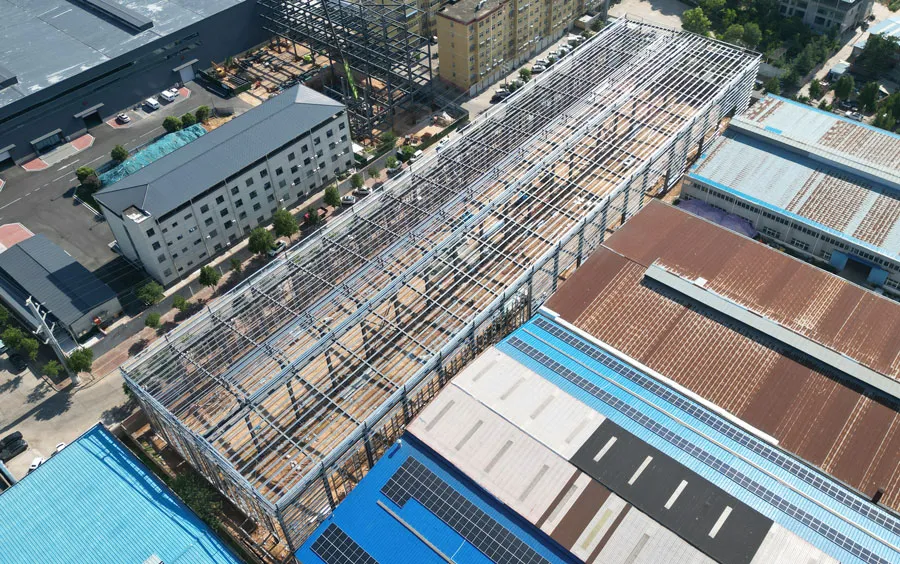
Steel Structure Workshop Solutions
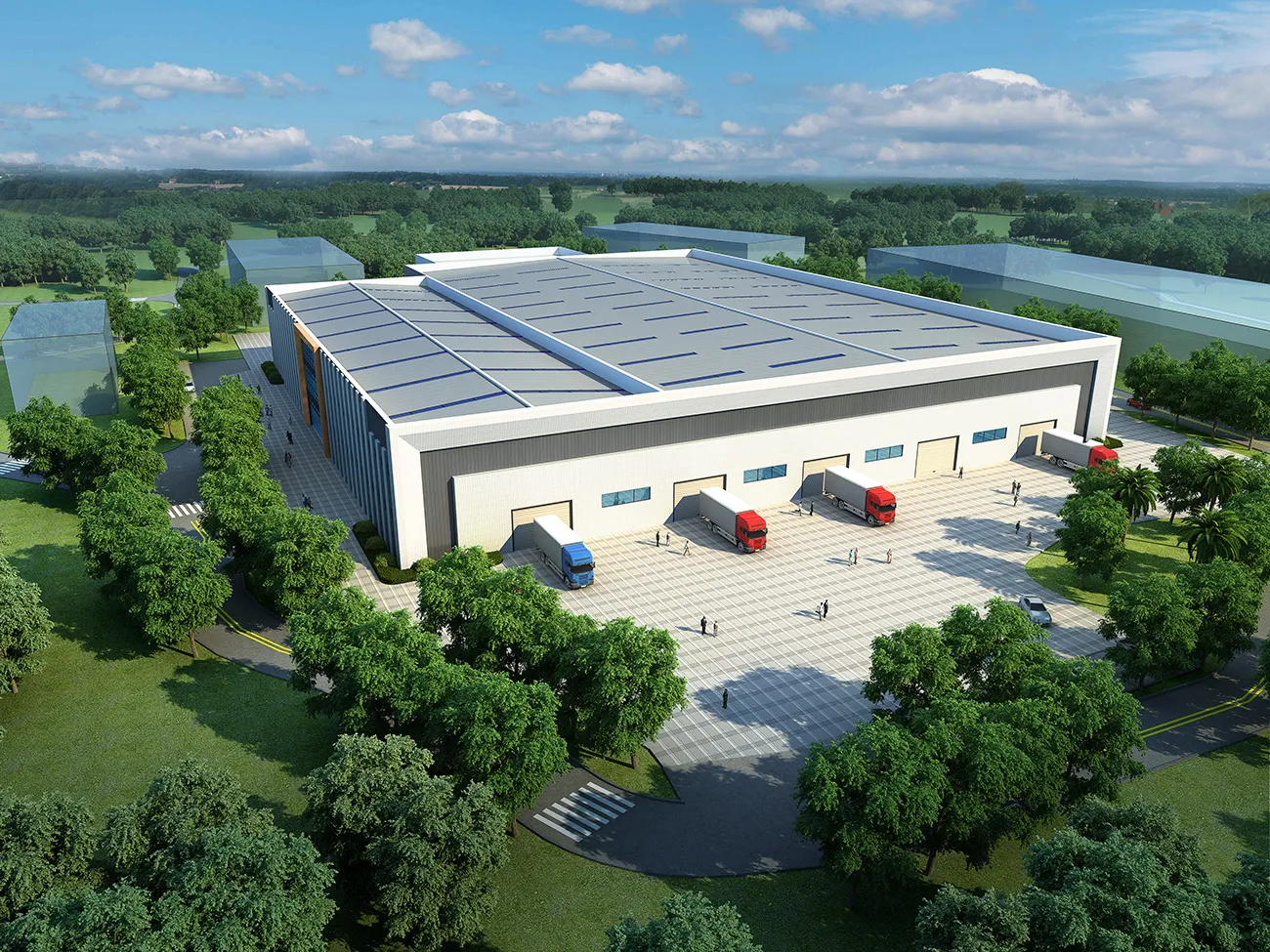
Steel Warehouse Solutions
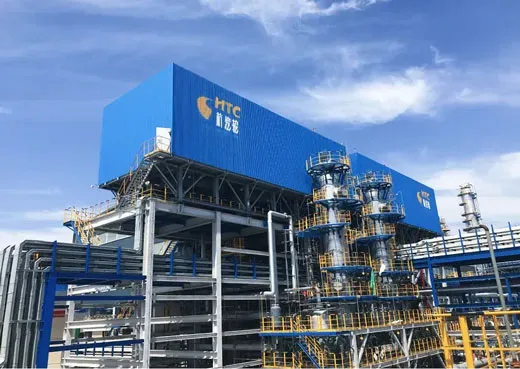
Heavy Steel Structures for Equipment
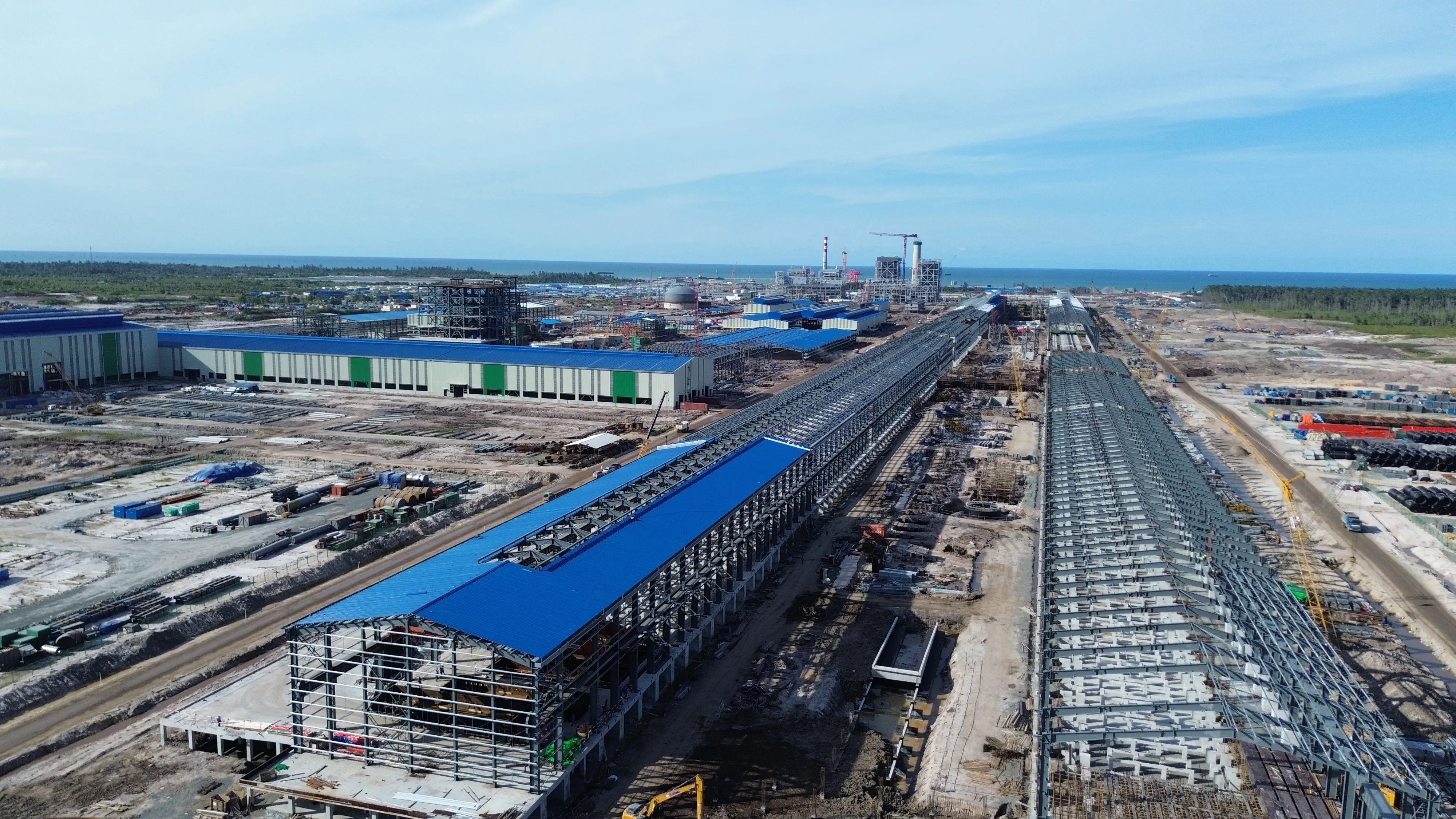
Indonesia North Kalimantan Aluminum Plant Project
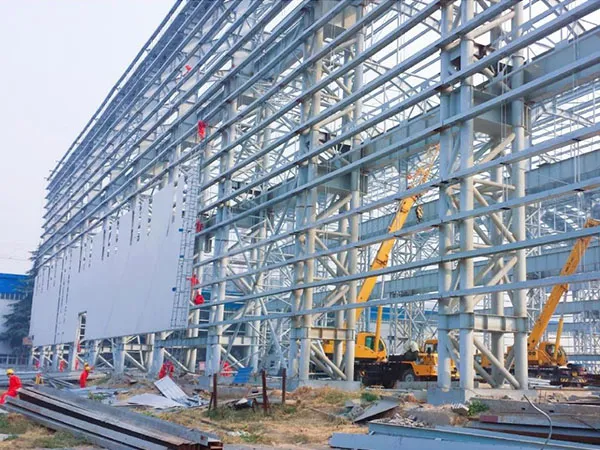
Petroleum & Natural Gas Riveting and Welding Factory
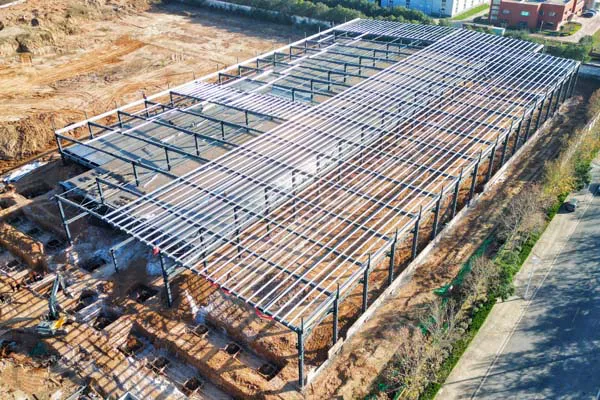
Luoyang Haode Auto Parts Steel Structure Factory Project
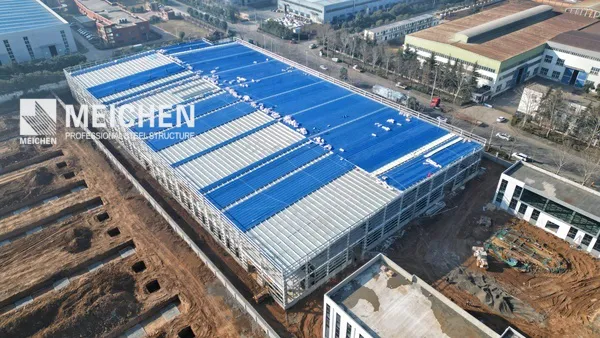
Automated Glass Production Line Steel Structure Factory Building Project
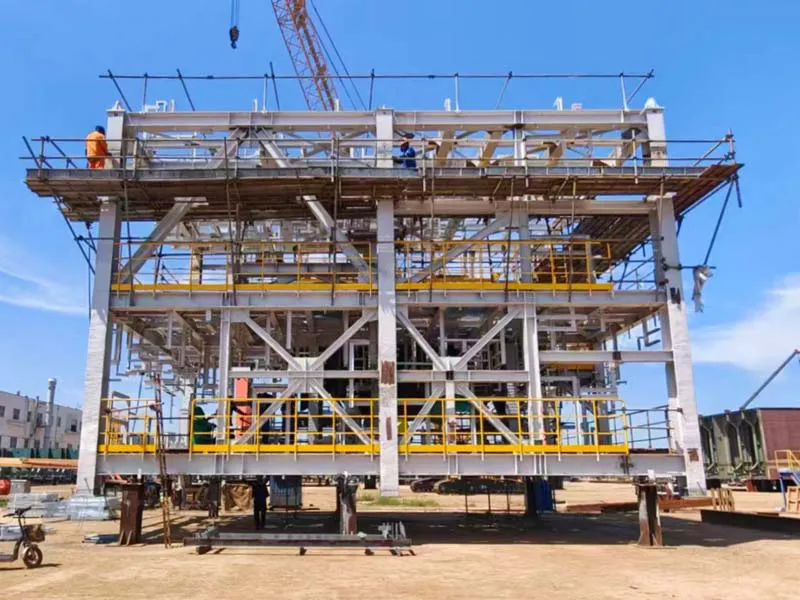
Oil & Gas Modular Steel Structure Fabrication Project