Time:2026-03-11 06:24:18 Source:Sanjian Meichen Steel Structure
In modern industrial construction, the stability and durability of steel frame structures are paramount, particularly in regions prone to seismic activity. Industrial facilities often house heavy machinery, valuable inventories, and critical infrastructure, making their structural integrity a top priority. Consequently, anti-seismic design standards for industrial steel frames have become a fundamental aspect of engineering, ensuring both safety and operational continuity in the event of an earthquake.
Anti-seismic design, also known as seismic-resistant or earthquake-resistant design, refers to the systematic approach of engineering structures to withstand seismic forces while minimizing damage and potential hazards. For industrial steel frames, this involves integrating flexibility, energy dissipation mechanisms, and robust connection details into the structural system. Unlike conventional construction, which primarily focuses on vertical loads such as the weight of the building itself and its contents, anti-seismic design emphasizes lateral stability to counteract the dynamic forces generated by earthquakes.
Steel frames are particularly suitable for anti-seismic applications due to their high strength-to-weight ratio and ductility. These characteristics allow steel structures to absorb and dissipate seismic energy more effectively than many traditional materials, such as reinforced concrete. However, achieving seismic resilience requires careful attention to design standards, material selection, and construction practices.
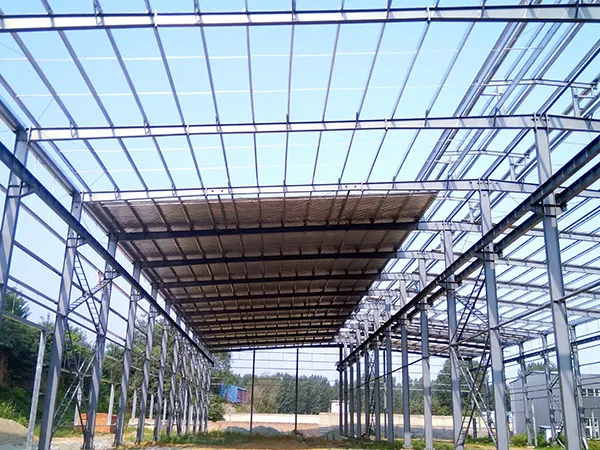
Several internationally recognized standards and codes govern the anti-seismic design of industrial steel frames. Among the most influential are the International Building Code (IBC), Eurocode 8, and local seismic codes in earthquake-prone regions. These standards provide comprehensive guidelines for assessing seismic risk, calculating seismic loads, and designing structural components to meet required safety margins.
Seismic Load Calculations: Standards stipulate methods to determine the magnitude and distribution of seismic forces acting on a structure. Factors such as ground acceleration, soil conditions, building height, and structural mass are critical in these calculations. Proper assessment ensures that the steel frame can withstand peak seismic forces without excessive deformation or failure.
Structural Ductility and Energy Dissipation: Steel structures are designed to flex and deform without collapsing. Engineers use connections, braces, and dampers that allow controlled movement during an earthquake, dissipating energy safely. Ductile detailing ensures that even if local yielding occurs, the overall frame maintains integrity.
Connection Detailing: Bolted and welded connections in steel frames must be designed to resist both static and dynamic forces. Anti-seismic standards provide specific requirements for connection strength, redundancy, and deformation limits, reducing the risk of catastrophic joint failure.
Redundancy and Load Path Continuity: A well-designed industrial steel frame incorporates multiple load paths, allowing forces to redistribute in the event of partial structural damage. Redundancy ensures that failure in one element does not trigger a progressive collapse, safeguarding both personnel and assets.
Material Quality and Fabrication Standards: Compliance with anti-seismic standards extends to the selection of steel grades and fabrication methods. High-quality steel with consistent mechanical properties, precise welding, and strict quality control during fabrication significantly enhance the seismic performance of industrial structures.
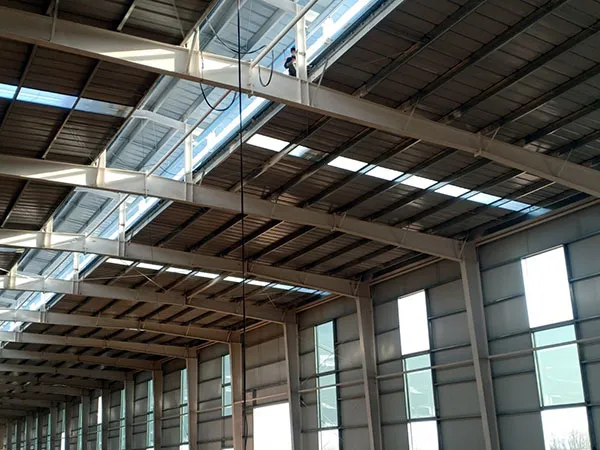
In addition to design compliance, practical implementation is essential for effective earthquake resilience. Site-specific assessments, including soil testing and seismic hazard mapping, guide the foundation and frame design. Industrial operations often impose additional constraints, such as heavy equipment vibration, high ceiling spans, and large open floor plans. Anti-seismic design must integrate these operational requirements without compromising safety.
Retrofitting existing industrial steel frames is another crucial consideration. Older structures that predate current seismic standards can benefit from reinforcement techniques such as adding bracing systems, base isolators, or energy-dissipating devices. These interventions enhance structural performance while extending the lifespan of existing facilities, offering a cost-effective approach to upgrading industrial resilience.
Investing in anti-seismic design is not merely a regulatory requirement—it provides tangible economic and operational advantages. Structures built to withstand earthquakes experience less downtime, reduced repair costs, and improved safety for employees and equipment. Moreover, insurance premiums for facilities designed and certified according to anti-seismic standards are often lower, reflecting the decreased risk exposure.
Furthermore, demonstrating compliance with rigorous seismic standards can enhance corporate reputation. Clients and stakeholders increasingly prioritize operational continuity and risk management, making earthquake-resilient industrial steel frames a key differentiator in competitive industries.
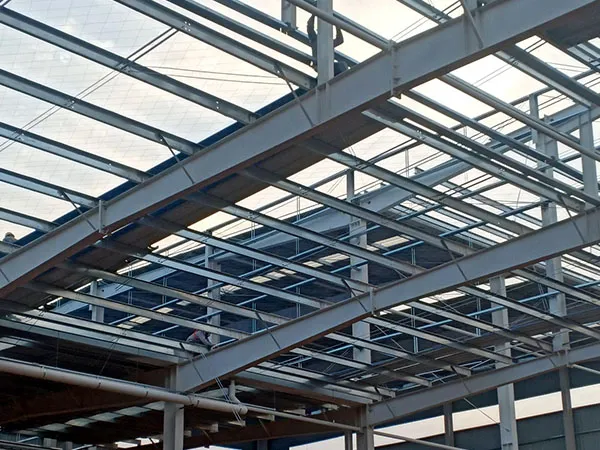
The importance of anti-seismic design standards for industrial steel frames cannot be overstated. From careful load calculation and ductile detailing to robust connection design and material selection, every aspect of construction contributes to a structure’s ability to withstand seismic events. For industrial facilities, these standards are not simply theoretical guidelines—they are practical tools that protect human lives, preserve valuable assets, and ensure business continuity.
By adhering to internationally recognized anti-seismic standards, engineering teams can deliver industrial steel frames that combine strength, flexibility, and resilience, ultimately creating safer and more reliable industrial environments in earthquake-prone regions.
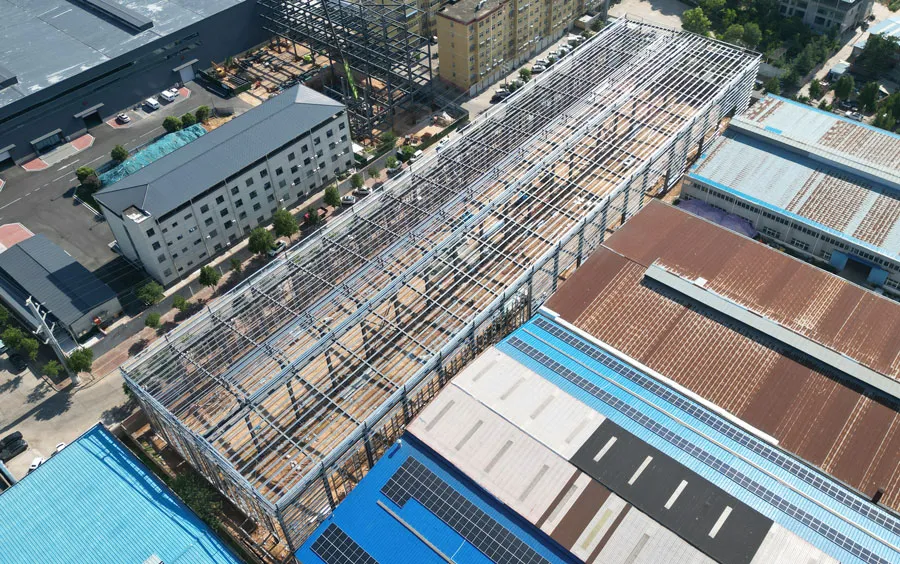
Steel Structure Workshop Solutions
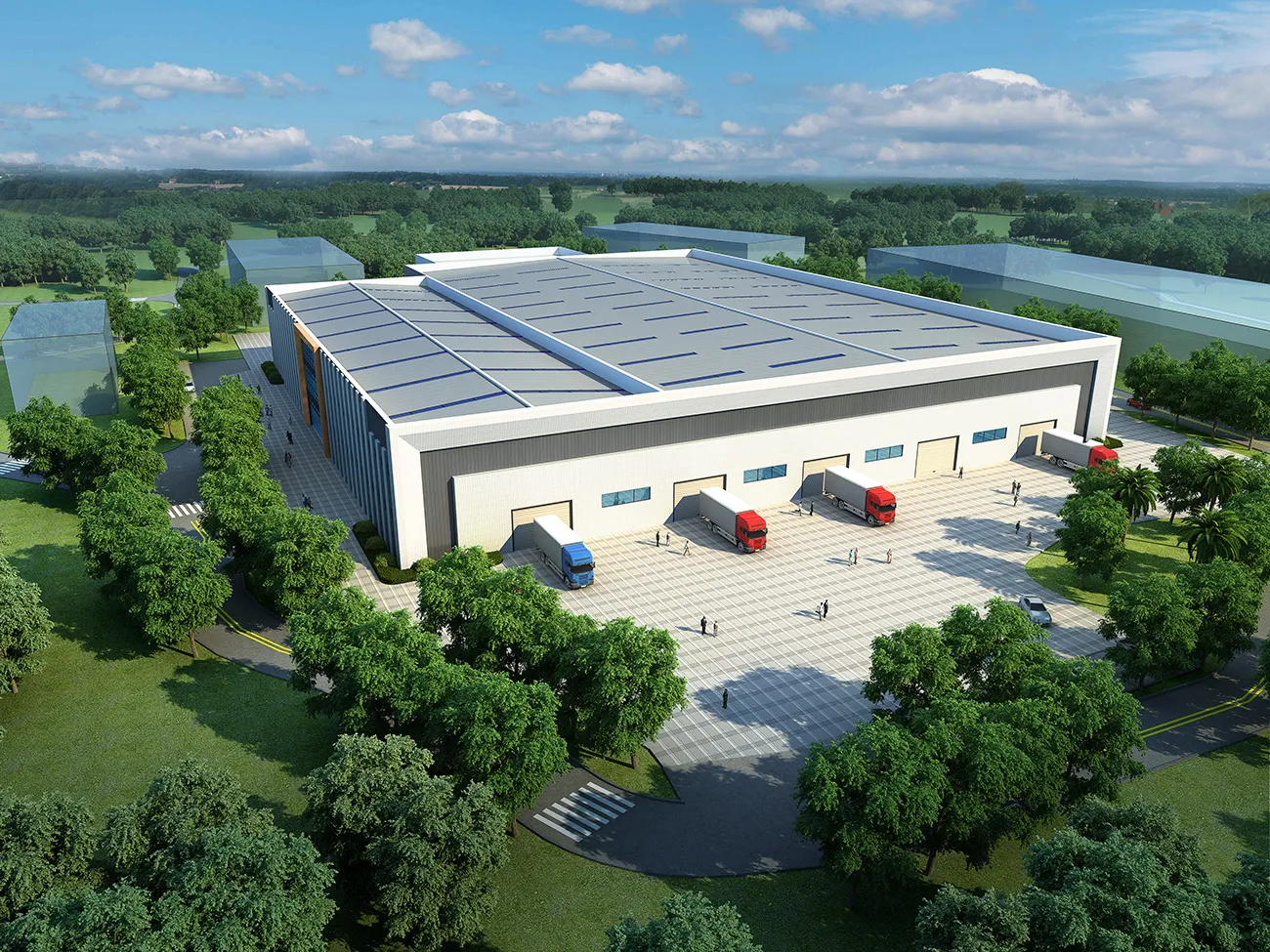
Steel Warehouse Solutions
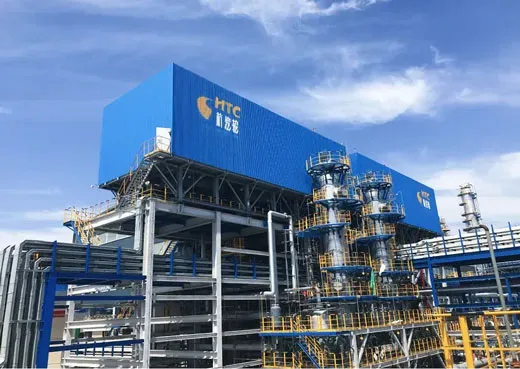
Heavy Steel Structures for Equipment
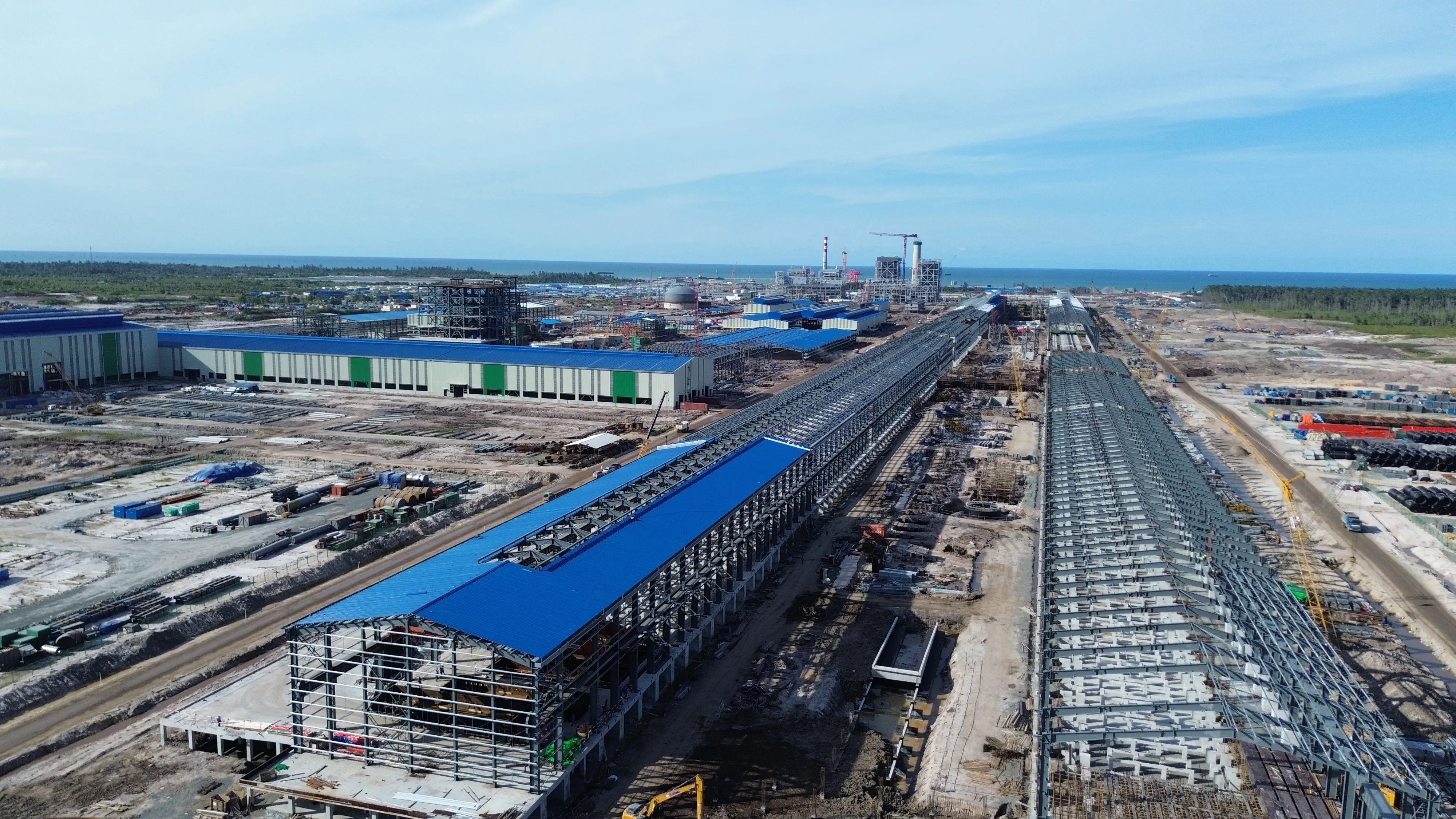
Indonesia North Kalimantan Aluminum Plant Project
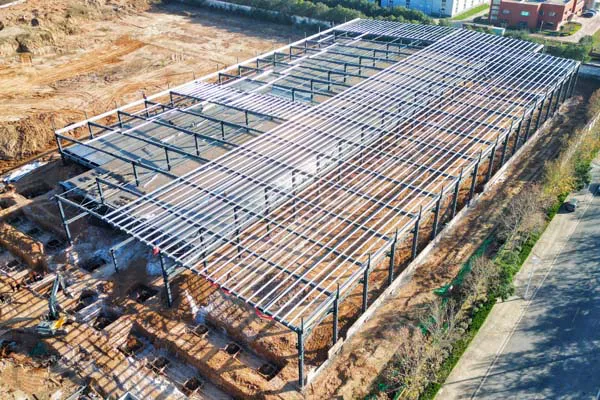
Luoyang Haode Auto Parts Steel Structure Factory Project
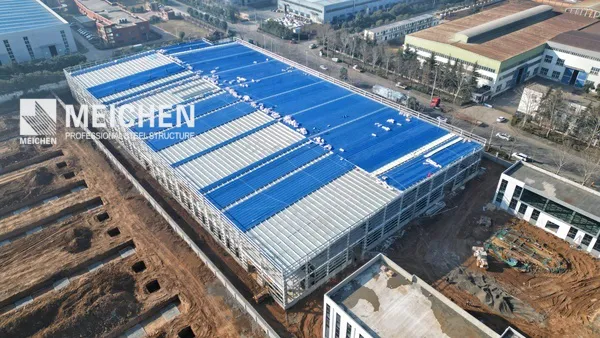
Automated Glass Production Line Steel Structure Factory Building Project
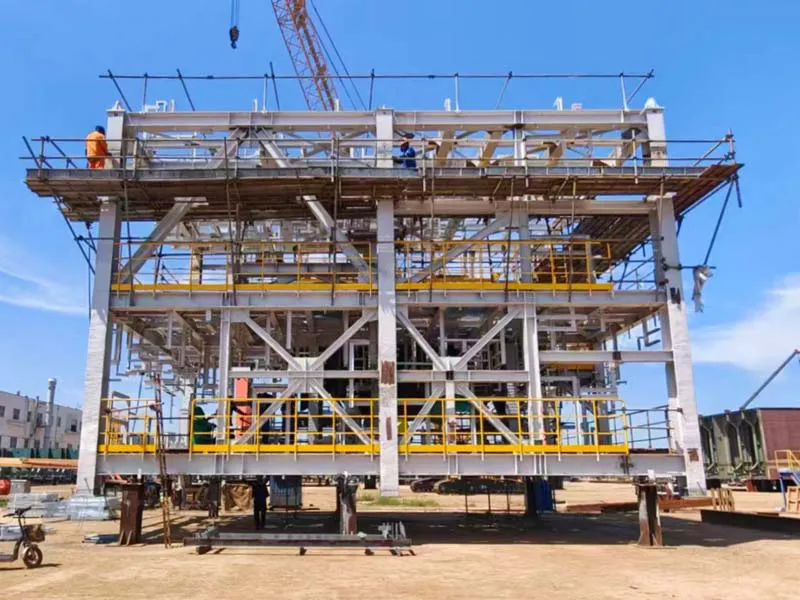
Oil & Gas Modular Steel Structure Fabrication Project

Flare Stack Structure