Time:2026-03-06 00:46:45 Source:Sanjian Meichen Steel Structure
Steel structures have become the backbone of modern industrial and commercial buildings due to their unparalleled strength, flexibility, and longevity. However, while steel’s robust qualities make it ideal for heavy-duty applications, it is also susceptible to fire risks. Steel’s high thermal conductivity means that, under extreme heat, it can lose its load-bearing capacity at a rapid pace, which may lead to catastrophic structural failure. Therefore, integrating effective fireproofing measures into industrial steel structures is a fundamental investment—not only to comply with safety regulations but also to ensure long-term operational stability and asset protection.
To determine the most effective fireproofing methods, it's crucial to first comprehend the behavior of steel under fire conditions. Unlike combustible materials like wood or paper, steel itself does not catch fire. However, once the temperature exceeds 500°C, steel begins to soften and loses its structural integrity, rendering it incapable of supporting loads. Industrial environments, such as factories, warehouses, and logistics hubs, often store flammable materials, which can exacerbate fire risks. Moreover, because steel frameworks are interdependent, fire can quickly spread across a building if adequate protection is not in place. Addressing these risks with well-chosen fireproofing techniques will help safeguard the building's structural integrity during fire incidents.
The fireproofing of industrial steel structures generally falls into three primary categories: passive fire protection (PFP), active fire protection (AFP), and fire-resistant coatings. Each of these methods plays a critical role in preventing fire damage and ensuring structural safety.
1. Passive Fire Protection (PFP)
PFP methods are designed to preserve the structural integrity of steel by creating a physical barrier between the steel and the fire. These methods work without any active intervention, allowing the structure to withstand fire for a certain period of time. Key PFP techniques include:
Intumescent Coatings: These coatings act as a protective thermal shield for steel beams and columns. When exposed to high heat, the coatings expand and form an insulating layer of char, which slows down the heat transfer to the steel. This solution is perfect for exposed steel surfaces in high-visibility areas, as it provides both fire resistance and an aesthetic finish.
Cementitious Fireproofing: This involves the application of a thick layer of fire-resistant material, often composed of gypsum or cement, to the steel structure. This method is widely used in heavy-duty industrial facilities due to its durability, cost-effectiveness, and ease of application. The thickness of the layer is carefully calculated based on the fire resistance rating and the steel components’ size.
Fireproof Boards and Panels: Prefabricated fire-resistant boards, made from mineral-based materials, can be fixed directly to steel beams and columns. These boards provide predictable fire resistance and are relatively easy to install. In some cases, they are used in combination with other PFP techniques to achieve higher fire ratings.
2. Active Fire Protection (AFP)
Active fire protection systems are designed to detect, control, or extinguish fires at their inception, limiting the duration and severity of a fire and thus mitigating its impact on steel structures. Although these systems don’t directly prevent steel from reaching high temperatures, they play a vital role in minimizing fire damage by slowing fire propagation and extinguishing flames early. Common AFP systems include:
Sprinkler Systems: Automated sprinkler systems are crucial in industrial buildings, particularly those storing combustible liquids or materials. These systems can quickly suppress fires and reduce the temperature exposure to steel members, helping to prevent or delay structural failure.
Fire Detection and Alarm Systems: Early detection through smoke, heat, and flame detectors is essential for timely evacuation and the initiation of firefighting operations. Modern systems often integrate IoT-based sensors to provide real-time alerts, ensuring rapid responses to potential fire hazards.
Fire Pumps and Hydrants: In large industrial complexes, access to water may be limited, so fire pumps and hydrant systems ensure that there is always an adequate supply of water to fight fires. These systems provide the pressure and flow needed to control large-scale fires, protecting both people and property.
3. Fire-Resistant Coatings and Treatments
Modern advancements in fire-resistant coatings have introduced a range of specialized solutions that not only provide fire protection but also improve the structural performance of steel. These include:
High-Temperature Intumescent Paints: Designed for steel structures that are exposed to intense heat, these paints create a ceramic-like barrier when exposed to flames. This barrier helps to protect the steel from the high temperatures, allowing it to maintain its load-bearing capacity for longer during a fire.
Spray-Applied Polyurethane Coatings: These advanced coatings combine fire protection with corrosion resistance, making them ideal for environments that are exposed to both high temperatures and corrosive elements. Polyurethane coatings offer additional surface finishing, contributing to the overall durability of steel structures.
Hybrid Fireproofing Solutions: Some of the most effective fireproofing methods combine multiple techniques. For example, a hybrid solution might involve applying both cementitious sprays and intumescent coatings, providing layered protection. This ensures that, even if one layer is compromised, the underlying steel will still be safeguarded.
4. Choosing the Right Fireproofing Solution
Selecting the most appropriate fireproofing strategy depends on several factors, including building size, structural design, operational hazards, environmental conditions, and budget. For instance, a large warehouse may require a combination of cementitious fireproofing and sprinkler systems to protect both the structure and the stored materials. On the other hand, exposed steel in an architectural feature may benefit from the aesthetic appeal and protection provided by intumescent coatings. It’s critical to involve fire safety experts during the design phase to ensure compliance with local building codes and optimize the protection measures for the specific needs of the building.
5. Maintenance and Long-Term Considerations
Fireproofing should not be considered a one-time investment. Over time, environmental factors such as moisture, mechanical damage, and natural wear can compromise fire-resistant coatings. Regular inspections and maintenance are essential to ensure that the fireproofing measures remain effective throughout the life of the building. This includes conducting periodic tests, making necessary repairs or touch-ups to protective coatings, and replacing any damaged fireproofing materials. A proactive maintenance strategy helps extend the service life of both the fireproofing systems and the steel structure itself, minimizing the costs of long-term repairs or replacements.
Fireproofing industrial steel structures is a complex but critical aspect of facility management. By implementing a combination of passive fire protection, active fire suppression systems, and advanced fire-resistant coatings, industrial operators can significantly reduce fire risks, protect valuable assets, and ensure the ongoing safety of employees and visitors. Fireproofing should be viewed not just as a compliance requirement but as a strategic decision that enhances the longevity and reliability of industrial buildings. Investing in comprehensive fireproofing solutions today ensures a safer tomorrow, preventing catastrophic fire-related losses and maintaining uninterrupted business operations.
As industrial buildings continue to grow taller and more sophisticated, embracing modern fireproofing techniques is essential for responsible and forward-thinking facility management.
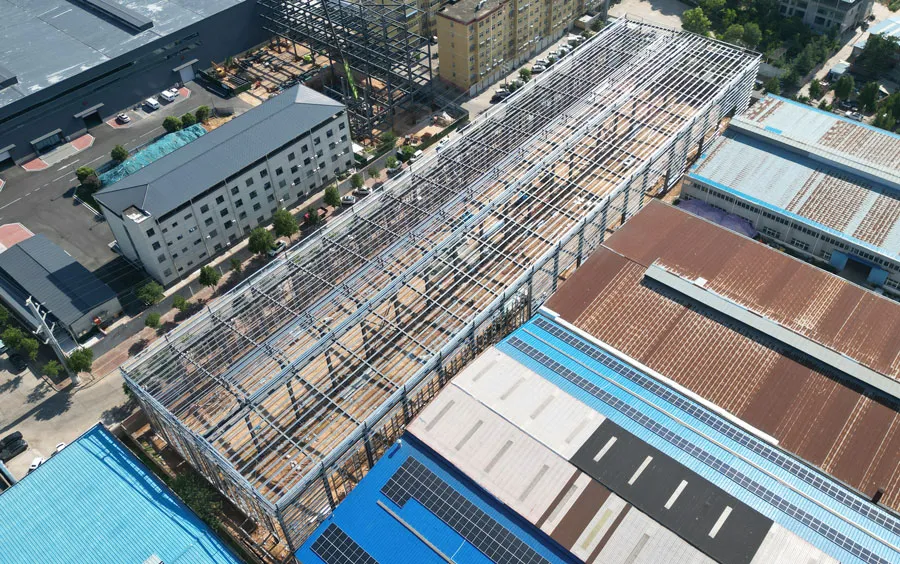
Steel Structure Workshop Solutions
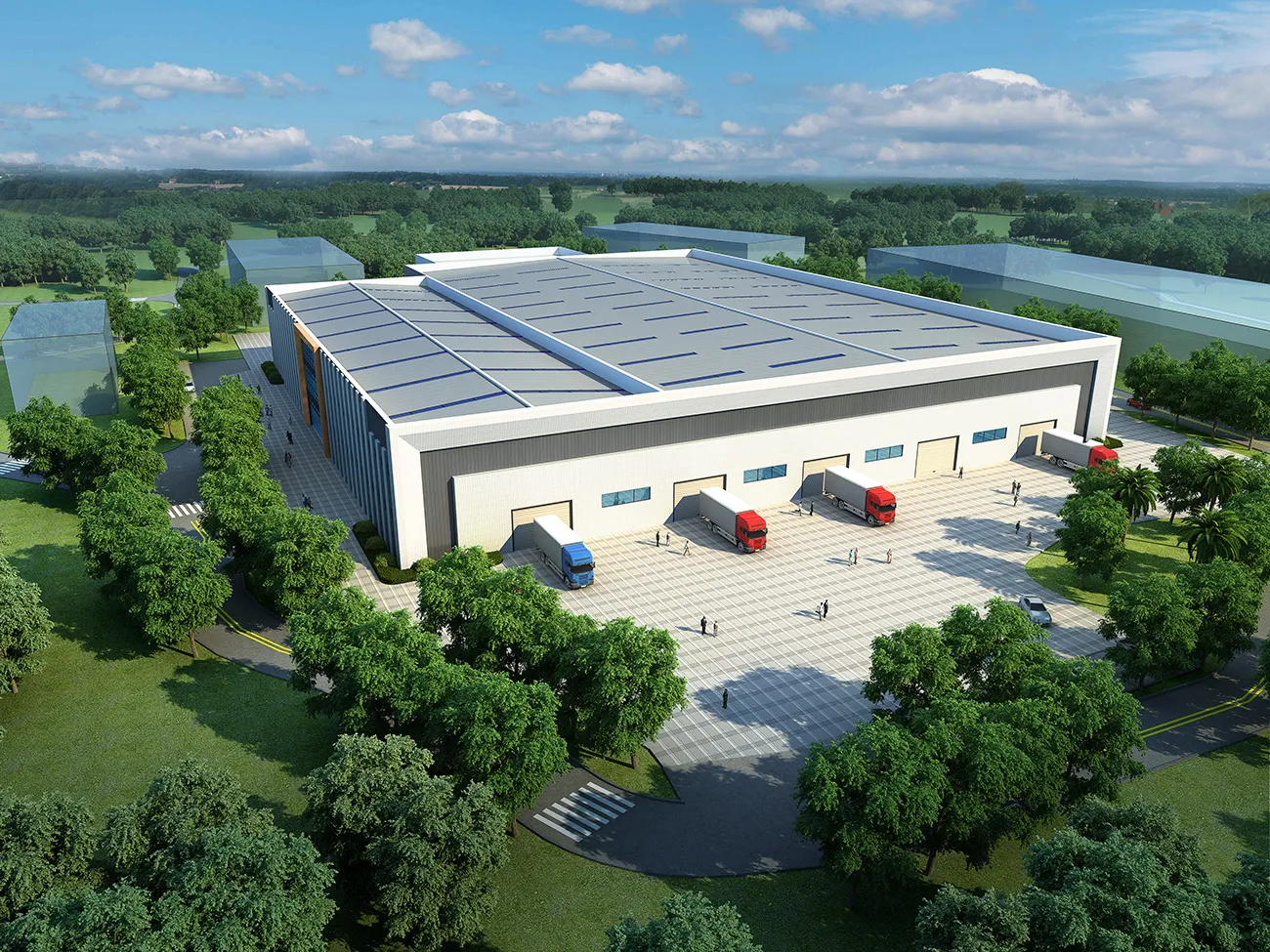
Steel Warehouse Solutions
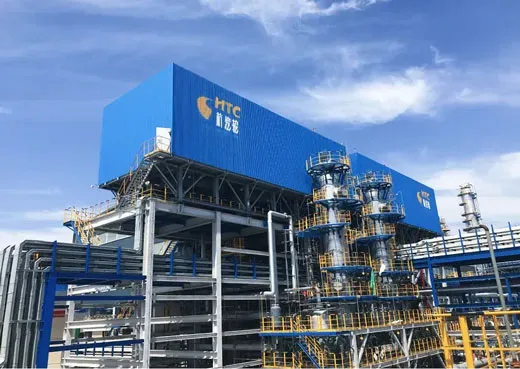
Heavy Steel Structures for Equipment
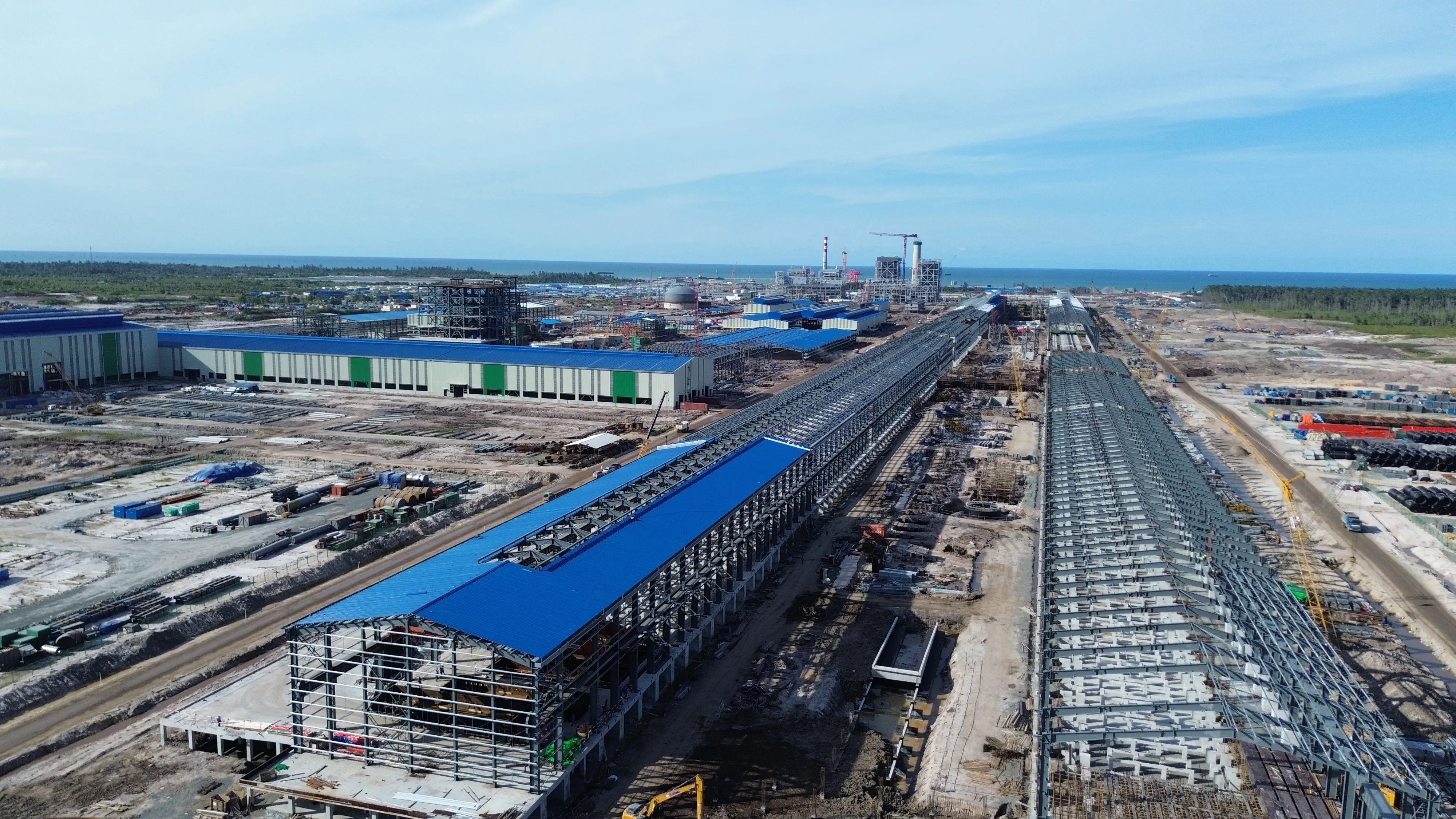
Indonesia North Kalimantan Aluminum Plant Project
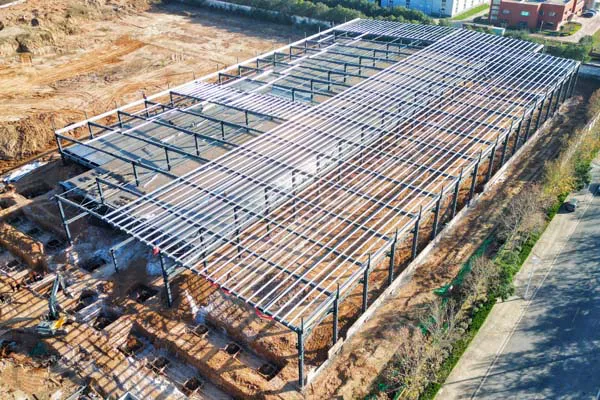
Luoyang Haode Auto Parts Steel Structure Factory Project
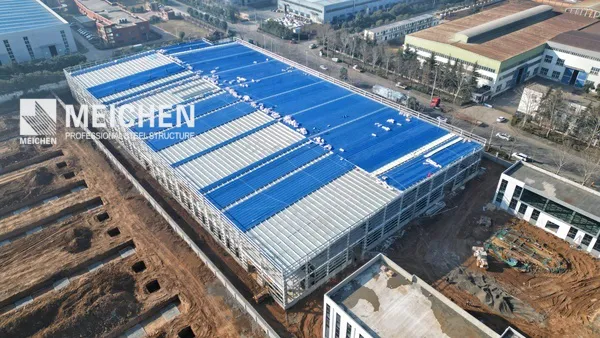
Automated Glass Production Line Steel Structure Factory Building Project
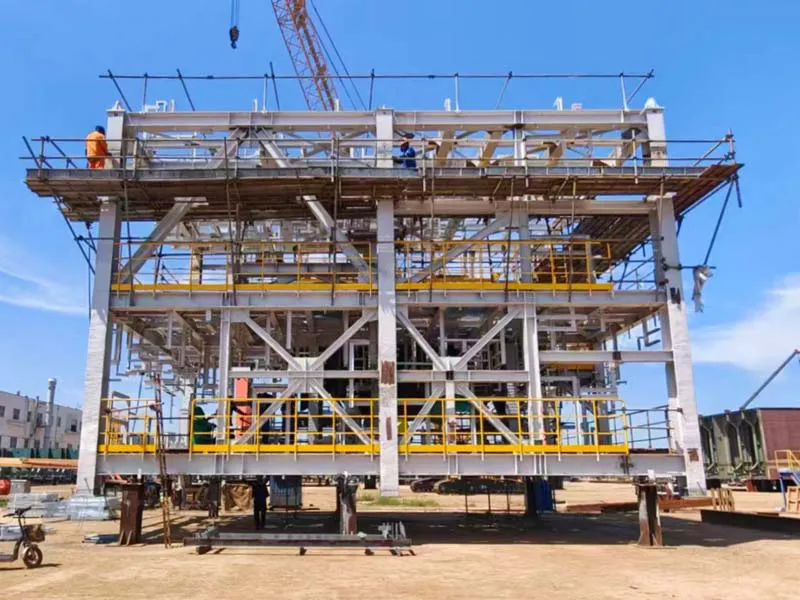
Oil & Gas Modular Steel Structure Fabrication Project
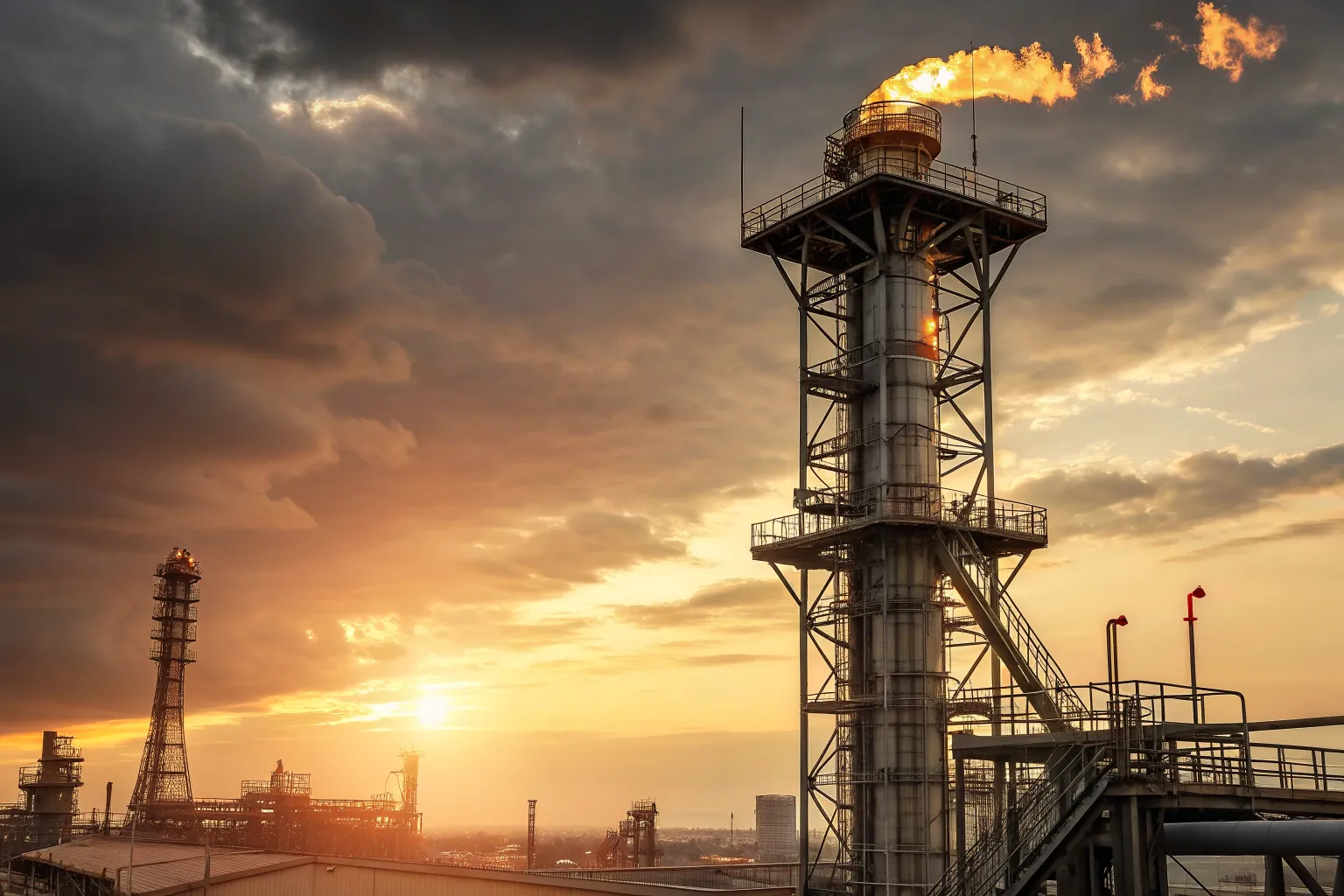
Flare Stack Structure