Time:2026-02-06 07:10:03 Source:Sanjian Meichen Steel Structure
Scope gaps drain cash and time. Unclear steel limits spark claims. We share a practical steel scope for petrochemical EPC, with tables and field notes, so schedules and budgets hold.
In petrochemical EPC, steel scope covers primary frames, secondary access steel, buildings, utility and E&I steel, embedded interfaces, fireproofing and coatings, erection aids, and full documentation. We also define exclusions and battery limits with civil, piping, mechanical, and construction to avoid overlap and rework.
If you lead procurement or engineering, this is your quick map. We mix checklists with stories. We keep it simple and specific. Keep reading; the next sections solve real site problems you likely face.
Confusion over inclusions causes delays. Loose lists invite claims. We fix that with a clear map and consistent naming across drawings, MTOs, and ITPs.
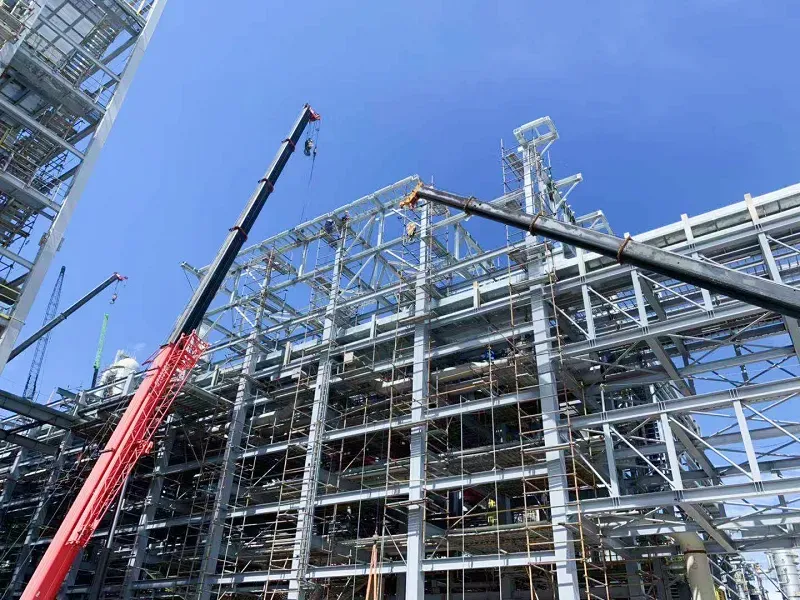
Steel scope includes primary frames, secondary access steel, buildings and shelters, utility and E&I steel, embedded interfaces, fireproofing/coatings, erection aids, and documentation. We align this scope with civil, piping, and mechanical so each item has a single owner and a clear handoff.
Dive deeper: We start by locking a category map. We attach it to the steel package and the interface matrix. It stops double ownership and the “I thought you had it” debate. We give each category a short code that follows the model and the drawings. We tie lifting points and PFP zones to the same codes. When we miss something, it shows up fast in the MTO and in the QA packs.
| Category | Typical inclusions |
|---|---|
| Primary frames | Pipe racks and bridges, equipment supports, reactor/column platforms, flare towers, loading racks, air-cooler racks |
| Secondary steel | Platforms, stairs, ladders/cages, handrails, toe plates, gratings, walkways, monorails, runway beams, davits |
| Buildings and shelters | Steel frames for substations, MCCs, analyzers, steel control buildings, workshops, warehouses, open shelters |
| Utility and E&I steel | Cable tray bridges, frames for firewater/utility headers, instrument shelter supports, lighting masts, towers |
| Embedded interfaces | Baseplates, anchor bolt templates, grout pockets, coordinated embeds in concrete |
| Fireproofing and coatings | PFP on designated members; paint, HDG, or duplex per environment |
| Erection aids | Temporary bracing, lifting lugs/eyes, sea-fastening for modules |
| Documentation and turnover | Design calcs, models/drawings, MTOs, weight reports, QA/QC dossiers, methods, as-builts |
On a large rack job, we used this table as Annex A. The handrail and monorail scope stayed clean. No late claims.
Missing limits block site work. Mixed ownership creates scope gaps. We publish limits in week one and we walk the model with each lead.
Battery limits usually exclude civil works, tanks, scaffolding, insulation, cranes, and pipe line supports. Structural supplies frames to attach piping and equipment, while piping owns shoes, guides, and springs. We confirm secondary steel ownership at large pipe supports early.
Dive deeper: We write limits in plain language and place them on drawings. We tag locations with small triangles and codes. We freeze these with an interface matrix. We then brief construction so field teams know what the steel package does not include. This single step saves time in the yard and keeps purchase scopes tight. We add notes for corrosion category boundaries and for PFP terminations. We include anchor projection rules that account for grout and PFP thickness. Bad templates kill schedules, so we use steel templates and sometimes 3D-printed jigs for complex clusters.
| Item/Discipline | Owner | Notes |
|---|---|---|
| Foundations, piles, sleepers | Civil | Structural issues baseplate set-out and templates; civil places anchors and pours grout |
| Anchor bolt placement | Civil | Projection includes grout and PFP; structural provides templates and survey data |
| Pressure equipment | Mechanical | Structural provides frames and seats; mechanical owns equipment, nozzles, hold-down hardware |
| Pipe supports on lines | Piping | Shoes, guides, and springs by piping; structural provides frames and clips |
| Tanks and spheres | Mechanical | Shells/roofs by mechanical; stair towers and ring platforms often mechanical; confirm early |
| Scaffolding and insulation | Construction | Excluded unless defined as temporary steel in structural scope |
| EOT cranes | Others/Building | Crane equipment by others; runway beams and supports may be structural |
| Coatings/PFP limits | Structural | Freeze faying surface class and fire zones; define terminations at concrete and interfaces |
We locked jetty impact loads and cathodic interfaces in week two. The marine coating scope stayed simple. Punch lists were short.
Weak criteria force redesign. Missing loads break connections. We set the basis early and we use standard families for members and joints.
Define wind, seismic, blast, thermal, settlement, and accidental loads. Align codes and owner standards. Deliver a clean 3D model, GAs, connection details, erection drawings, bolt lists, MTOs, weight reports, and a stability plan for erection.
Dive deeper: We start with a one-page design basis summary. We list loads, temperatures, fire zones, and coating category. We then pick the code set and PIP standards. We model in SP3D, PDMS, or Tekla and lock bay grids and expansion joints. We keep connections from a catalog. We set hole classes by joint type. We run blast and fire studies early. We add anchor design to seismic checks. We keep dynamic rules for rotating equipment and tuned monorails. We specify Z-quality plate for thick restrained baseplates. We add camber rules for long beams and bolt-down clips for gratings. We produce lifting studies and an erection stability plan. These keep field work safe and sequenced.
| Topic | Decision |
|---|---|
| Loads | Wind, seismic, blast, thermal, settlement, accidental |
| Tmin and toughness | CVN at Tmin for critical members |
| Structural codes | AISC/ASCE, EN 1993/1991, or GB 50017/50011 |
| Fire and siting | UL 1709/ISO 22899 PFP; API RP 752/753 siting; PIP standards |
| Coatings standards | ISO 12944, NORSOK M-501, AMPP |
| Deliverables | 3D model, GAs, connections, erection drawings, bolt lists, MTOs, weights, lifting/stability |
We reserved capacity in key rack bays. Late piping loads came in. We did not redraw connections.
Wrong steel or bolts cause rework. Bad coatings cost years in maintenance. We lock choices early and we test them with vendors.
Use steel grades with impact toughness where needed. Select bolts that work with galvanizing and slip-critical joints. Pick coatings and PFP by environment and fire study. Prequalify mills, galvanizers, coating shops, and fabricators for capacity and QA.
Dive deeper: We make a short procurement spec set. We list grades, CVN requirements, bolt grades, nut and washer specs, and lubrication rules. We set faying surface class where slip-critical joints exist. We choose paint, HDG, or duplex by area and life. We pick epoxy intumescent for hydrocarbon and jet fire zones. Cementitious is only where the owner allows and risk is low. We check galvanizers’ bath length. It drives splice locations and shipping limits. We check coating shops for C5M and UL 1709 capacity. We check fabricators’ WPS/PQR and NDT equipment. We plan transport envelopes and sea-fastening. We test lift at the shop for large modules.
| Item | Preferred options and notes |
|---|---|
| Steel grades | A36/A572 Gr50, S275/S355, or Q345; Charpy at design Tmin on critical members |
| Bolts | F3125 A325 or ISO 8.8; avoid HDG on A490/10.9 due to hydrogen embrittlement |
| Nuts/Washers | A563 nuts, F436 washers; DTI washers if required; matched and pre-lubed assemblies |
| Faying surfaces | Class B for slip-critical joints; protect during storage |
| Coatings | C4: 3-coat paint; C5M: duplex for small repetitive items; marine zones: add cathodic notes |
| PFP | Epoxy intumescent per UL 1709; define thickness, mesh, edge seals, topcoat |
We locked Class B faying surfaces at FEL-3. No late re-blast. No schedule slip.
Poor fit-up kills time. Bad DFT and cure logs block handover. We set WPS, NDT, and dimensional checks. We run trial assemblies for complex pieces.
Qualify WPS/PQR and welders. Plan NDT by criticality. Control dimensions and match marks. Prepare surfaces right. Apply coatings and PFP with strict DFT, cure logs, and edge detailing. Add inspection plugs for PFP.
Dive deeper: We build an ITP with clear hold and witness points. We add weld maps and sampling matrices. We control heat input and distortion. We avoid flame straightening on HDG items unless we qualify a procedure. We run trial fits on stairs, platforms, and modules. We match-mark across nodes and member ends. We blast to Sa 2.5 and record profile. We keep Class B faying surfaces clean and protected. We drill vent and drain holes for HDG and seal after galvanizing. We control DFT with calibrated gauges. We do holiday testing and record cure logs. We radius edges and stripe coat welds and cut edges. We detail PFP terminations, nozzle penetrations, and inspection plugs for future checks. We use QR tags to link each piece to drawings and QA records.
| Joint type | NDT/control |
|---|---|
| Full-pen splices | UT/RT per ITP; monitor heat input; manage distortion |
| Fillet and attachments | MT/PT by sampling; mark and record |
| HDG items | No flame straightening unless procedure qualified |
| Dimensional checks | Trial assemblies; match-marking; survey reports |
| Coating/PFP | DFT gauges, holiday tests, cure logs; edge radius; stripe coats; inspection plugs |
We shipped platform “super-panels” with handrails and gratings preinstalled. Erection time dropped. Punch items fell by half.
Weak sequence plans cause chaos. Missing QA blocks handover. We plan stability and QA from day one and we stick to it.
Build an erection sequence with temporary bracing and guying. Control bolting and grout. Coordinate fit-up with piping, equipment, and cable trays. Plan touch-up and PFP repairs. Turn over with full MDR and ITR packs linked to QR codes.
Dive deeper: We erect by bays and we add temporary bracing. We set survey hold points at each level. We define bolting method as turn-of-nut or calibrated wrench. We keep tension records by joint type. We protect Class B faying surfaces during erection. We level baseplates with shims or level-nut and use non-shrink grout. We add baseplate drains where needed. We define anchor tightening sequence and record torque or tension. We align with piping, equipment, and trays with survey control. We allow slotted holes and small adjusters where permitted. We run touch-up paint and PFP repairs with environmental control. We do final inspection and close punch items with clear NCR records. We turn over with MTCs, weld maps, NDT reports, coating DFT maps, PFP QC, bolt tension logs, as-builts, load test certificates, and earthing checks.
| Topic | Method and records |
|---|---|
| Sequence | Erect by bays; temporary bracing; survey hold points |
| Bolting | Turn-of-nut or calibrated wrench; tension logs |
| Baseplates/grout | Shims or level-nut; non-shrink grout; drain details; anchor sequence |
| Interfaces | Survey control; slotted holes; adjustable details |
| Repairs | Controlled touch-up and PFP repair; cure records |
| Turnover packs | MTCs, weld/NDT reports, DFT maps, PFP QC, bolt logs, as-builts, load tests, earthing |
On a brownfield tie-in, laser-scan to Tekla kept fit-up clean. No site cuts. No weekend rush.
Random cuts hurt quality. Smart VE saves time and money. We push standardization, coatings strategy, PFP optimization, bolt plans, and modularization.
Use connection catalogs and section families. Choose duplex in C5M for long life. Optimize PFP with fire analysis. Use DTI for faster bolt acceptance. Shop-assemble “super-panels.” Split coating and PFP across shops to avoid bottlenecks.
Dive deeper: We start VE by fixing risk first. We run envelope loads so late vendor data does not break us. We book coating and PFP slots early and qualify alternates. We freeze model by zones and guard fabrication with clear change rules. We align plate and section availability to local mills. We avoid odd rolled sizes that create import risk. We use standardized connection families so we cut 20–30% of detailing and fab hours. We choose duplex systems for stairs and handrails in C5M so life-cycle cost wins. We analyze braced bays to reduce PFP where allowed. We add shields only when owner standards allow. We switch to A325 HDG for outdoor painted/galvanized joints. We use DTI to speed acceptance and reduce retorque disputes. We ship platform “super-panels” with kitted fasteners and QR codes.
| Lever | Impact |
|---|---|
| Standardized connections | 20–30% fewer detailing/fab hours; fewer RFIs |
| Coating system choice | Duplex wins life-cycle in C5M for 25-year life on stairs/handrails |
| PFP optimization | Fire analysis reduces quantity; shields where allowed |
| Bolt strategy | A325 HDG outdoors; DTI speeds acceptance and lowers disputes |
| Modularization | Shop “super-panels”; PAR/PAU; test lifts; fewer work-at-height |
| Risk controls | Envelope loads; split coating/PFP packages; zone model freeze; local section alignment |
We froze the fire study at FEL-3 on a coastal unit. A jet fire change would have doubled PFP and added twelve weeks. That early lock saved the job.
Define scope and limits early. Lock basis, coatings, bolts, and PFP. Standardize and modularize. Document well. Do these simple steps, and your EPC steel stays on track.
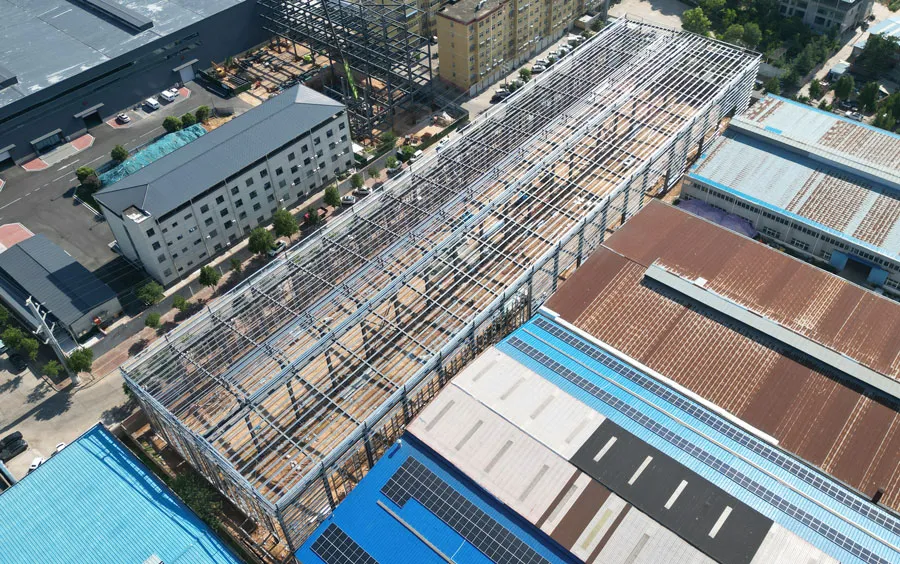
Steel Structure Workshop Solutions
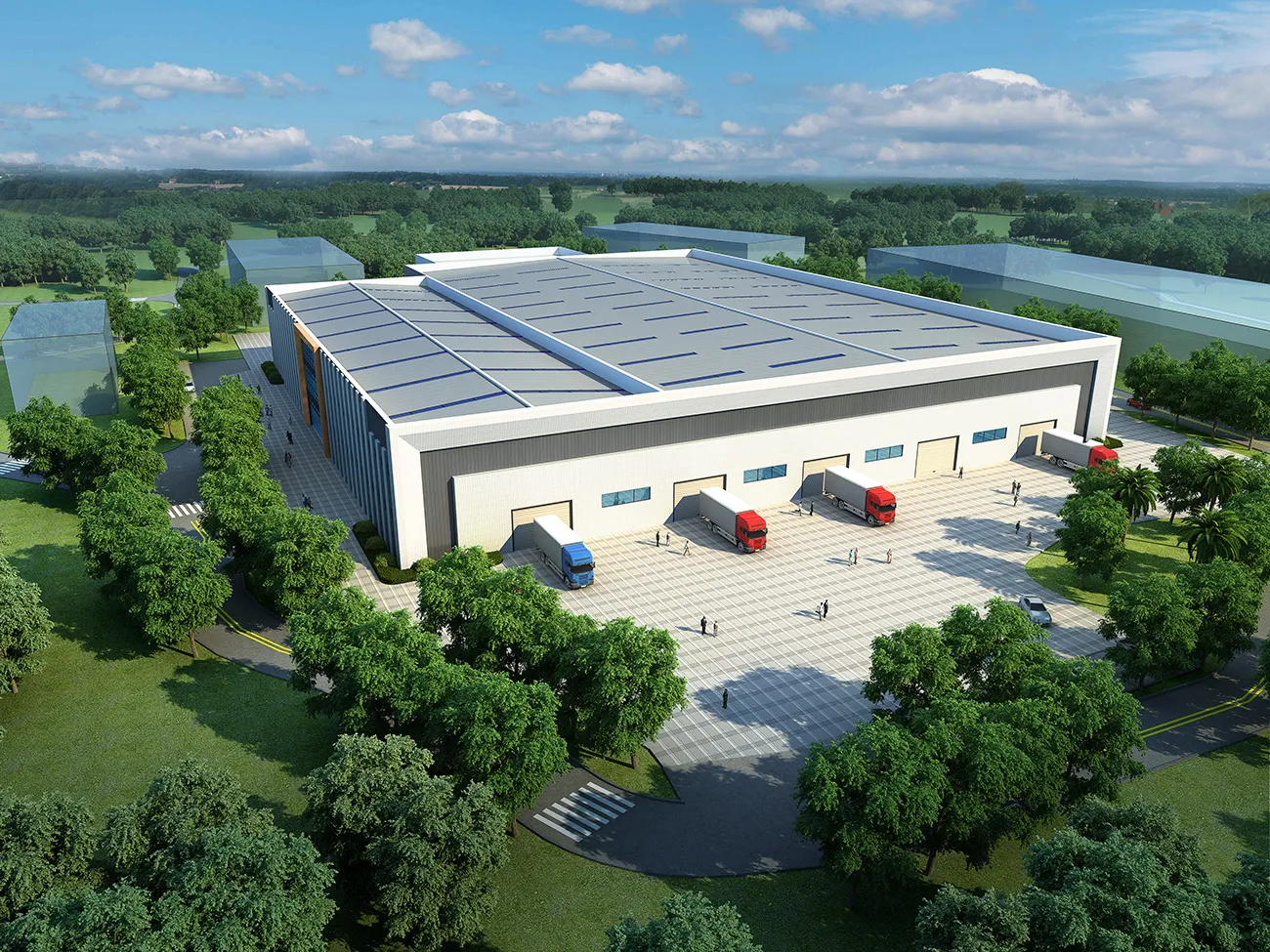
Steel Warehouse Solutions
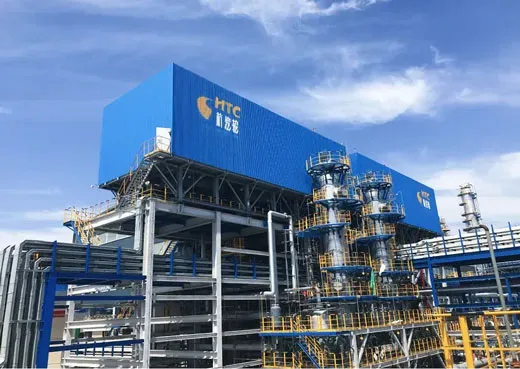
Heavy Steel Structures for Equipment
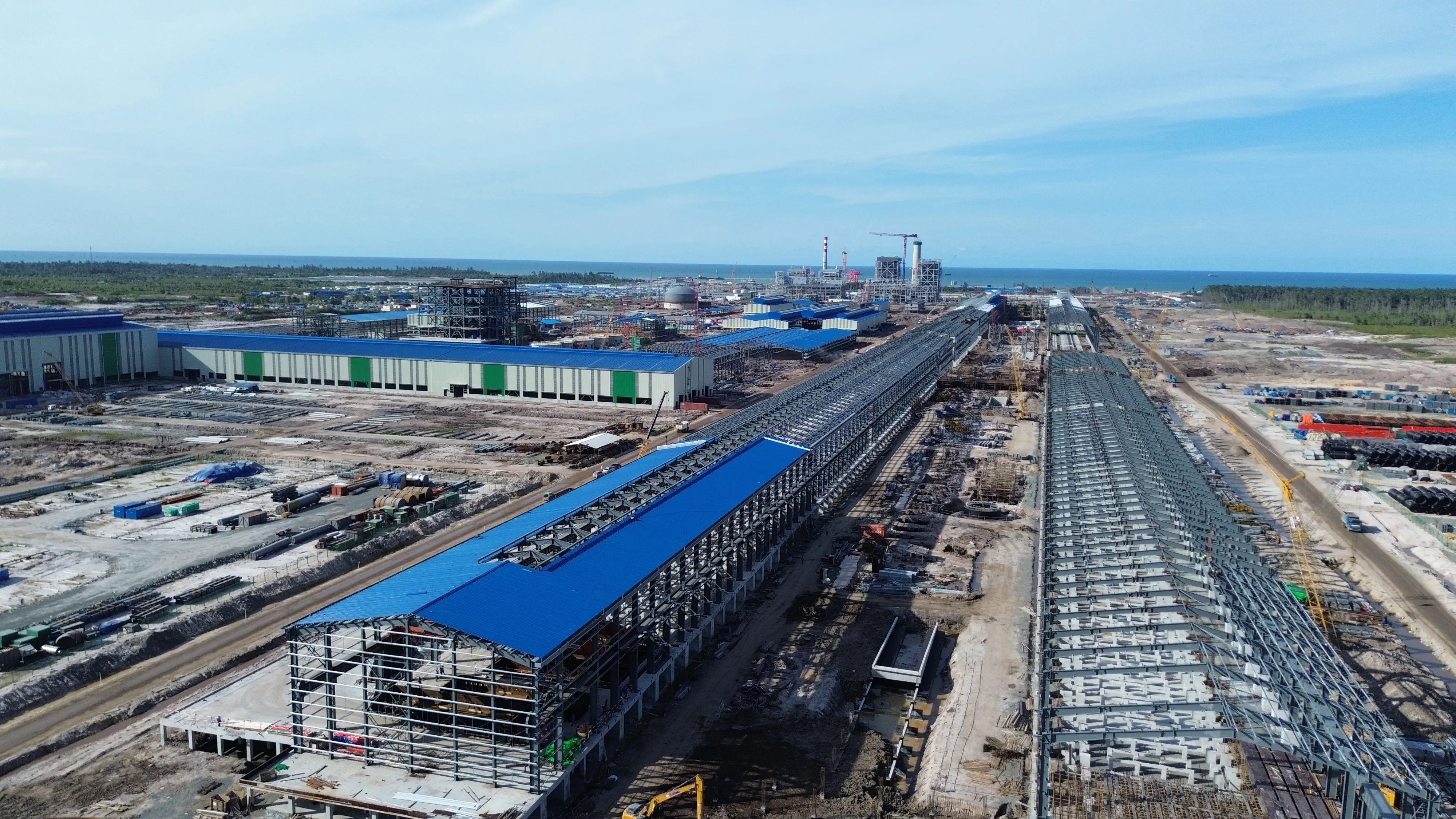
Indonesia North Kalimantan Aluminum Plant Project
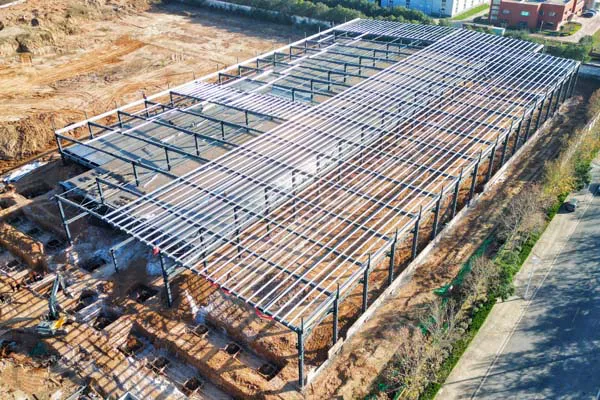
Luoyang Haode Auto Parts Steel Structure Factory Project
Automated Glass Production Line Steel Structure Factory Building Project
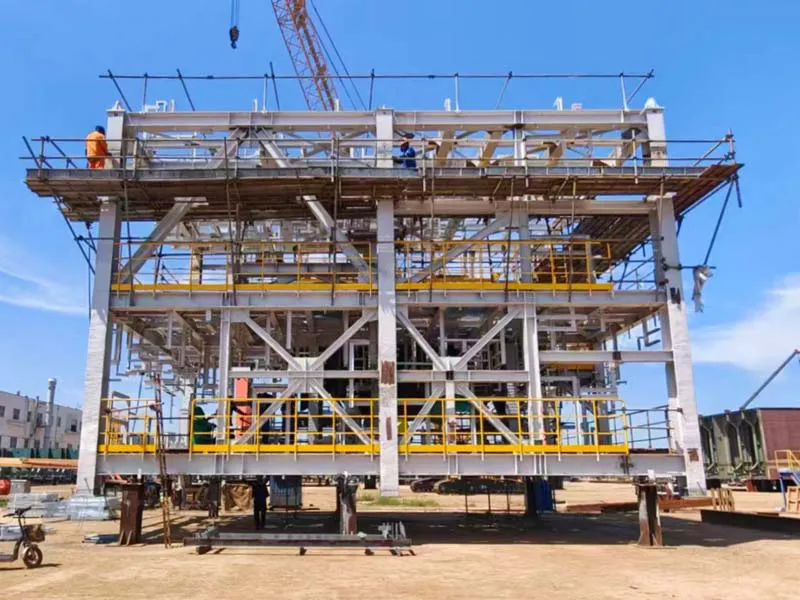
Oil & Gas Modular Steel Structure Fabrication Project

Flare Stack Structure