Time:2026-01-21 06:40:28 Source:Sanjian Meichen Steel Structure
Choosing the wrong steel supplier can derail oil and gas projects. Missed schedules hurt profits. I show clear steps to pass EPC evaluations and earn trust.
EPC contractors evaluate steel suppliers by checking quality systems, engineering competence, project management, HSE, track record, and clear pricing. They verify certifications, capacity, documentation, logistics experience, and references. Reliability and proactive reporting decide who wins.
I focus on what matters most to EPCs. I explain how I evaluate suppliers. I share tools, checklists, and small details that help prevent delays and disputes. I point to the signs that show real control, not just nice words. If you use these steps, you earn confidence. If you ignore them, you lose bids fast.
Quality problems spread fast and cause rework. Rework adds cost and time. Strong control stops defects early. EPCs want proof, not promises.
EPCs check ISO 9001, EN1090, AWS D1.1 or ASME compliance, and the real use of a QMS. I show traceability from MTR to shipment, weld procedure and welder qualifications, ITPs, NDT results, and NCR closeouts.
I go beyond a certificate. I ask to see the quality plan by project. I check incoming material control, MTRs matched to heat numbers, and storage conditions. I look for WPS and PQR for each joint. I check welder continuity logs. I ask for NDT coverage plans: VT, PT, MT, UT, or RT. I verify DFT and adhesion for coatings, and salt test records before painting. I review blasting standards like SSPC-SP10 or ISO 8501-1. I ask to see NCR logs and root cause actions. I trace a random part through the system. I confirm barcoding and digital traceability. I look for real-time dashboards that flag defects early. When I visit, I look at weld maps, gauge calibration stickers, and clean storage. If these are in place, I trust the yard. If they are missing, I walk away.
Weak engineering creates fit-up issues and safety risks. Late fixes kill margins. Strong engineering prevents errors and speeds site work.
I confirm capability for heavy loads, vibration, seismic, fire protection, and modularization. I look for code knowledge, constructability checks, and value engineering that saves cost without risk.
I ask who signs calculations and drawings. I check tools used, like TEKLA for models and STAAD or SAP2000 for analysis. I ask for connection design packages and sample calculations. I review thermal movement details near hot equipment. I check fire protection plans, intumescent coating specs, and steel preparation steps for adhesion. I look for seismic detailing per ASCE 7 or local codes. I ask for bolt pretension plans and access for installation. I push constructability reviews with 3D model clash checks. I want embed and anchor bolt clear templates. I ask to see modularization logic, lift studies, and transport limits. I invite design and build proposals that keep safety first and reduce waste. I value engineers who flag conflicts early and suggest simple changes that remove risk. I reward teams that document decisions and avoid late surprises.
Poor planning breaks schedules. Shipments arrive wrong or late. Good project control keeps every line item moving and documented.
I look for a clear schedule, document control discipline, export skills, and real-time tracking. I verify Incoterms, packing plans, and customs certificates. I ask for weekly reports with earned progress.
I ask for a baseline schedule with milestones and critical path. I check resource loading to match capacity. I review the ITP schedule and inspection hold points. I confirm a document register with submittals, RFIs, and revisions tracked. I ask to see a QDMS or similar system. I check if the team can pack steel for sea freight. I look for seaworthy packaging, rust prevention, and crate design. I confirm wood fumigation and ISPM 15 marks. I review HS codes, country-specific certificates, and any embassy attestation needs. I check Incoterms chosen: EXW, FOB, CIF, or DDP, and who owns risk and cost. I ask for digital dashboards, weekly photos, and part-by-part progress. I want QR labels on members and clear assembly maps. I ask for a logistics playbook with port options, weather buffers, and contingency plans. If the team can explain all of this in plain terms, I trust their delivery.
Unsafe yards create delays and damage reputations. EPCs reject risk fast. Safe work protects people and keeps operations steady.
I check HSE policies, training records, permit systems, PPE use, and clean work areas. I look for audits, incident trends, and toolbox talks that happen every day.
I ask to see the HSE manual and how it applies on the shop floor. I look for OSHA awareness and local law compliance. I review permit-to-work, hot work, and lockout/tagout systems. I walk the yard and check for PPE use. I look for clear walkways, crane plans, and tagged slings. I ask for paint booth controls for VOCs and fume extraction. I check blasting dust control and silica risk controls. I ask for daily toolbox talk logs and a record of near misses. I want root cause analysis on incidents and actions closed. I review emergency drills and first aid readiness. I check contractor management and induction training. I value a tidy yard with visible safety signs and a calm work rhythm. I trust teams that treat safety as part of production, not a box to tick. Those teams deliver stable results.
Claims mean little without proof. EPCs prefer verified results. Good references show control under pressure and clean handovers.
I ask for case studies, contacts, and photos. I check fit-up tolerances, interface management, and how the team handled change.
I review past projects by size, complexity, and location. I ask for tolerance records, like +/- 2 mm on critical interfaces. I check bolt alignment and fit-up data. I look at how the team coordinated with piping and equipment vendors. I ask for anchor bolt setting records and template use. I check pre-assembly results before shipment. I ask for weld repair rates and NDT summaries. I call references and ask simple questions: Did they meet dates? Did documents arrive complete? Did issues get solved fast? I ask about site behavior, not just shop quality. I look for lessons learned in each case study. I value transparency on small mistakes and how they were fixed. Strong references speak about steady delivery and low drama. That is what I want to hear.
Hidden costs destroy trust. Clear bids reduce disputes. EPCs want line-by-line clarity and fair terms.
I ask for BOM breakdown, unit rates, coating costs, and logistics. I check exclusions and clarifications. I review payment terms and risk sharing ideas.
I request a detailed scope with member lists and weights. I ask for fabrication rates by ton or by complexity. I want painting costs by system and DFT. I check galvanizing or duplex system pricing for C5-M zones. I ask for blast grade and testing included. I review packing and transport costs by Incoterms. I ask for price validity and escalation clauses. I want a clear list of exclusions and assumptions. I check warranty terms, liquidated damages caps, and change order processes. I ask for sample invoice and payment milestones. I value flexibility, like split deliveries or milestone billing. I consider risk sharing on delays caused by third parties. I prefer suppliers who show how the price ties to scope. I avoid bids that hide fees in fine print.
EPCs choose suppliers who prove control, competence, discipline, safety, evidence, and clarity. I use this checklist to cut risk, keep schedules, and protect project margins.
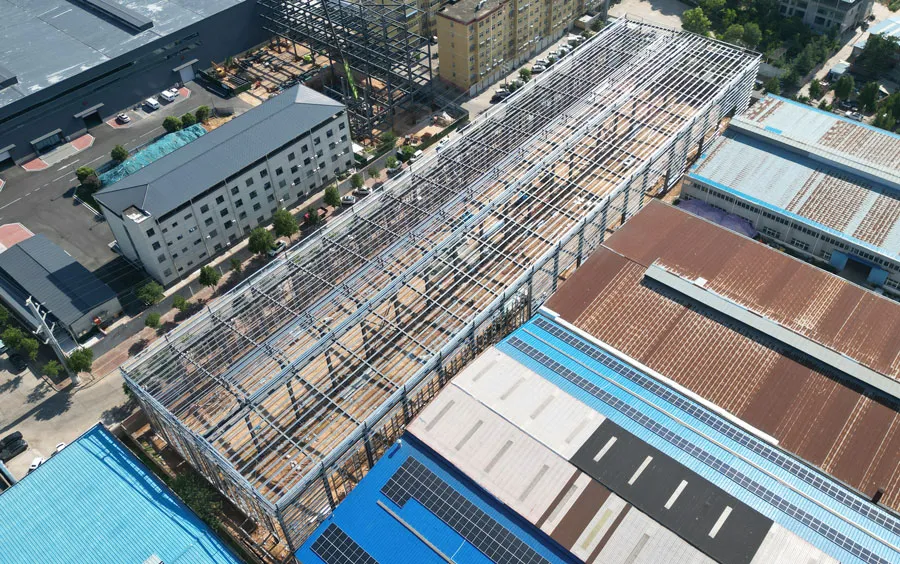
Steel Structure Workshop Solutions
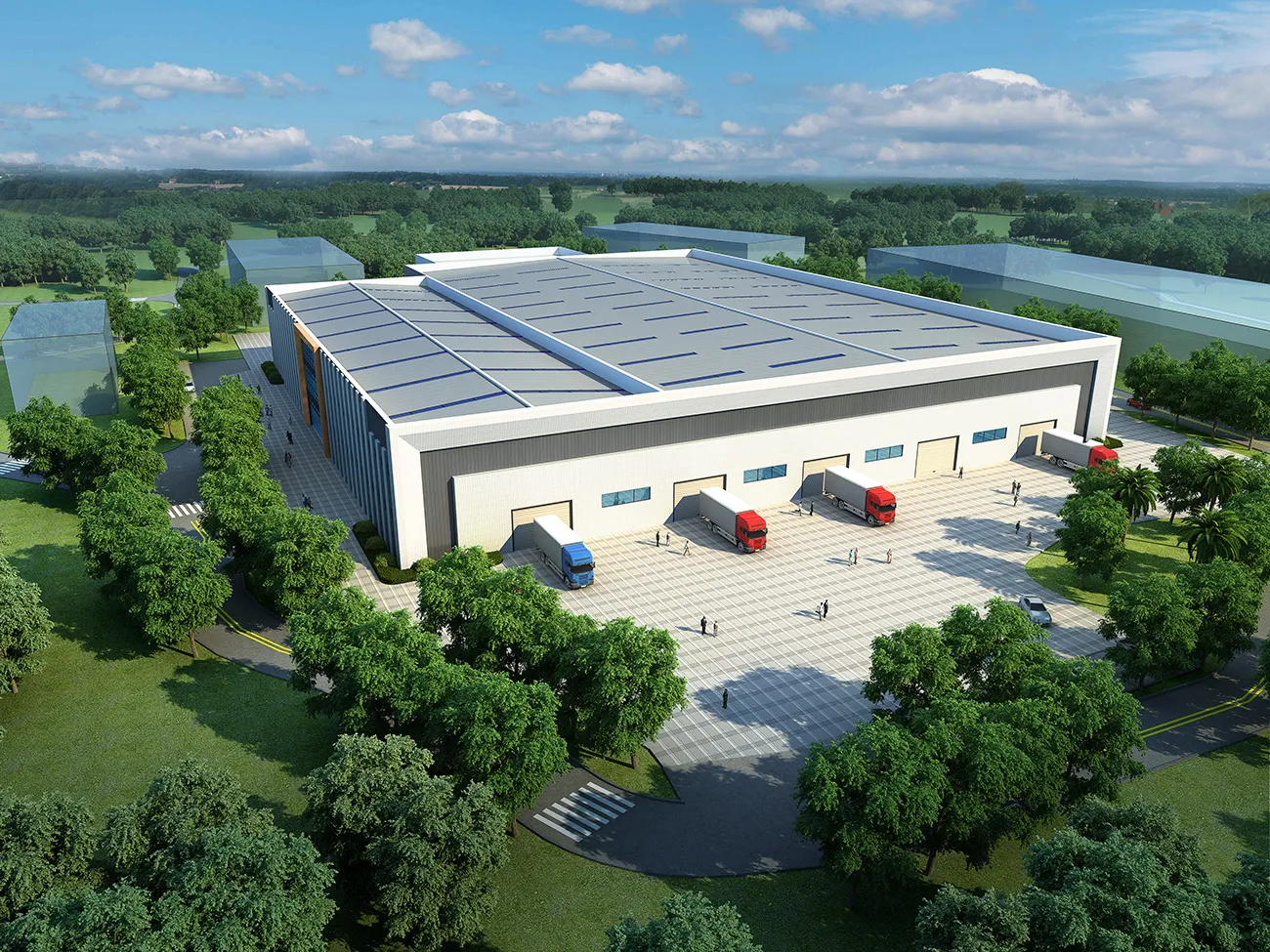
Steel Warehouse Solutions
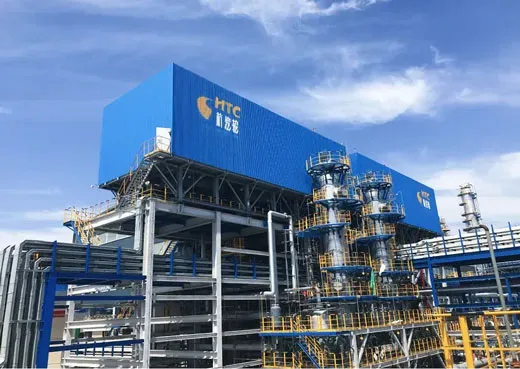
Heavy Steel Structures for Equipment
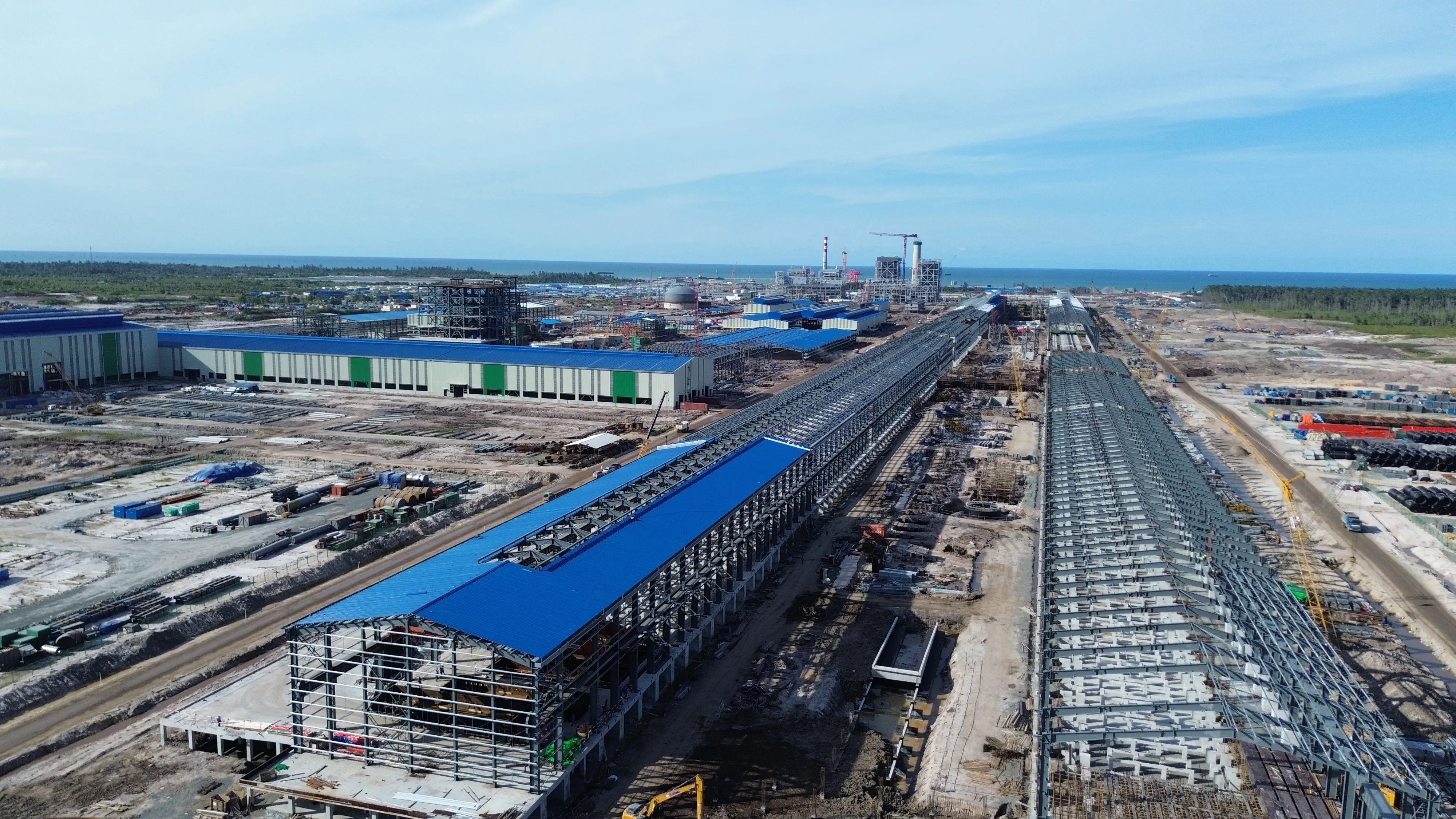
Indonesia North Kalimantan Aluminum Plant Project
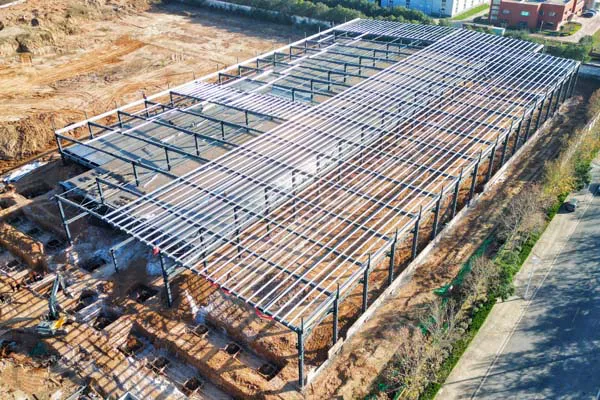
Luoyang Haode Auto Parts Steel Structure Factory Project
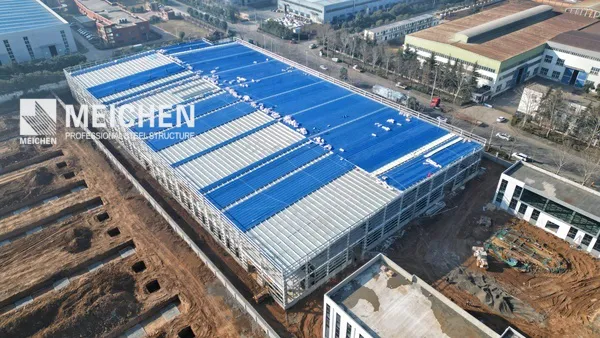
Automated Glass Production Line Steel Structure Factory Building Project
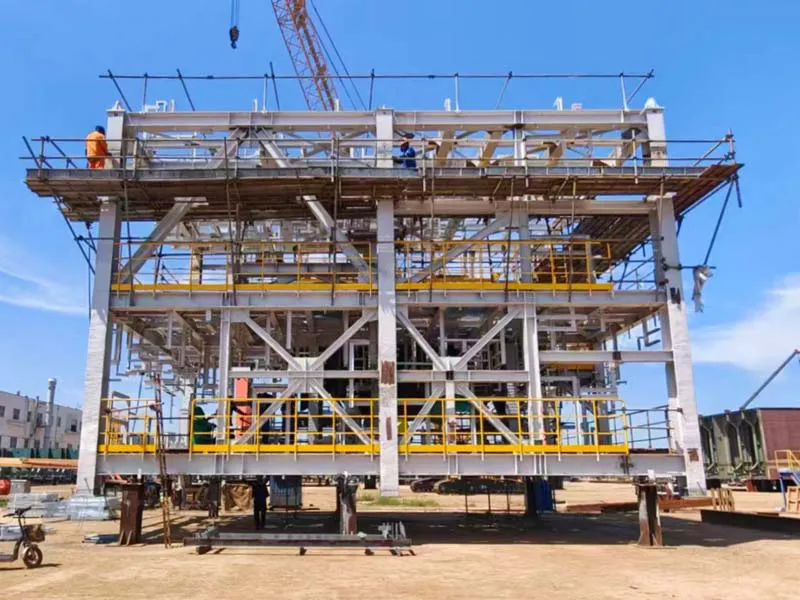
Oil & Gas Modular Steel Structure Fabrication Project
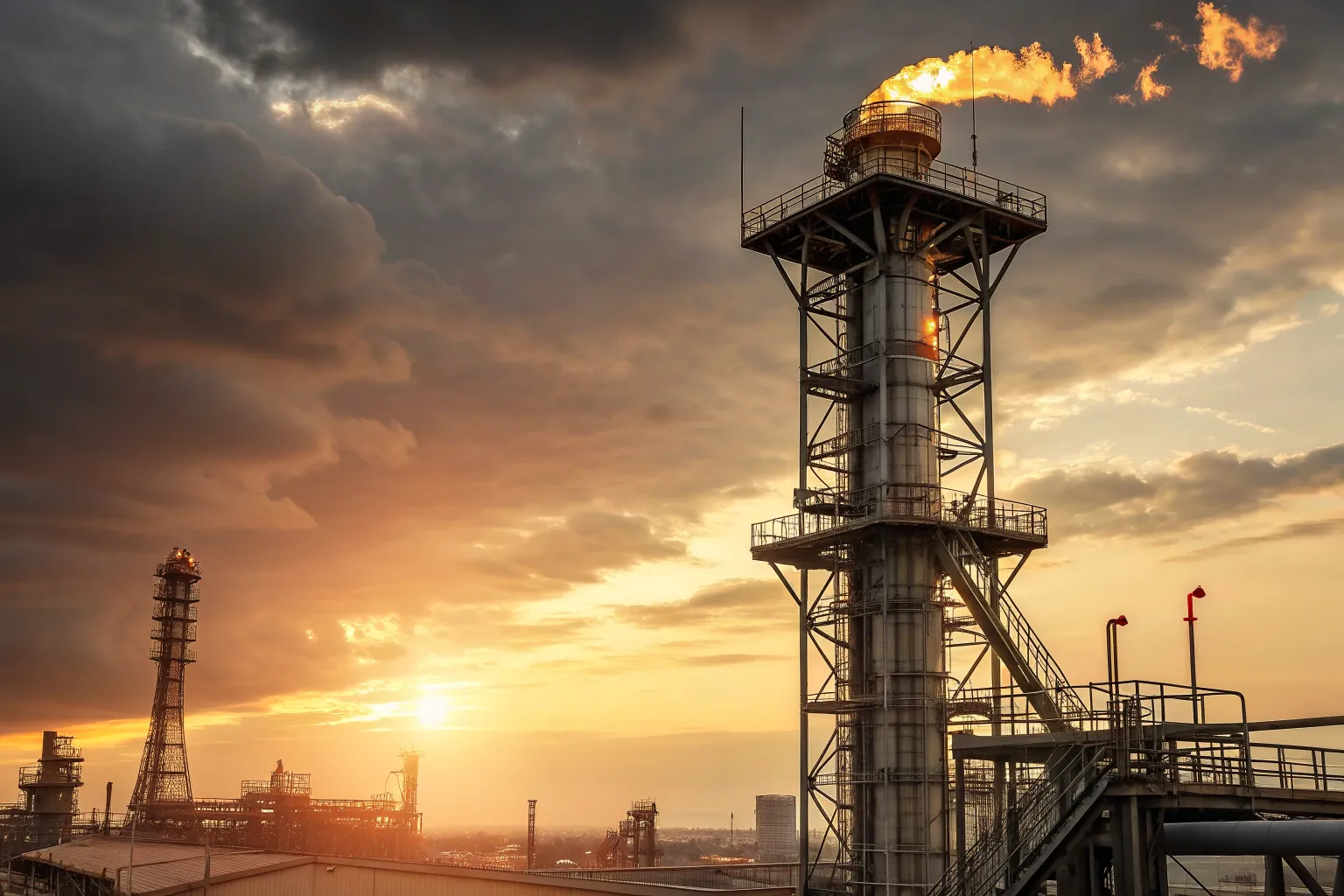
Flare Stack Structure