Time:2026-02-12 06:40:46 Source:Sanjian Meichen Steel Structure
When steel structures meet equipment, piping, and civil works, the result is often more complex than we expect. If we neglect these intersections, we risk expensive rework, unexpected vibration, and construction delays. Over the years, we’ve learned the hard way: well-managed interfaces are the difference between a smooth project and a nightmare.
Steel structure interfaces are where different disciplines—structural, mechanical, piping, electrical, and civil—physically connect and interact. These touch points, if not addressed early, quickly become the source of most field errors and costly RFIs. By freezing loads, tolerances, and key details early, and insisting on adjustable, well-documented connections, we consistently reduce risk and avoid finger-pointing on site.
For us, the importance of these interfaces became evident through experience. Early in my career, I watched an entire platform module hang out by 50 mm because the base plate holes were drilled off a drawing, not a field survey. We spent nights torching slots at height just to get the bolts in. Since then, we have placed interface management at the center of every project, never leaving it to the last-minute coordination meeting.
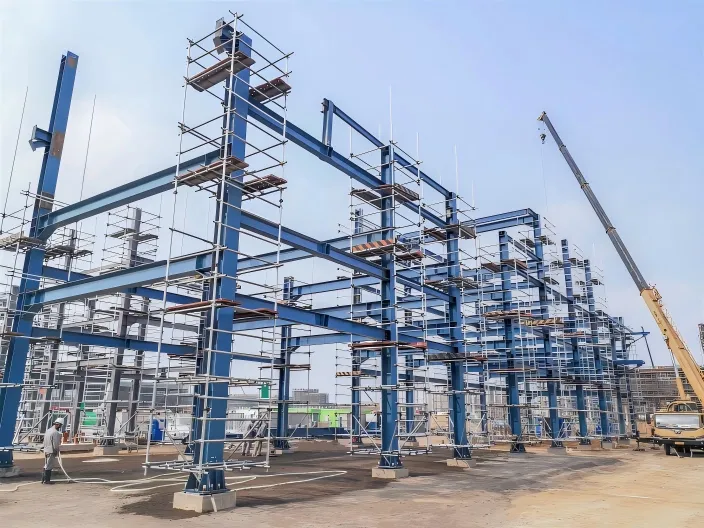
Neglecting interfaces can cripple a project with unexpected RFIs, retrofitted supports, and disputes. We make interface management a fundamental priority, from design kickoff through to site handover.
Interfaces are so influential because steel frames never exist in isolation. They support heavy and dynamic machinery, vibrating equipment, and thermal pipelines. Steel structures are topped with cable trays and fireproofed, and held to real-world concrete tolerances. Whenever we skim over touchpoint planning, we accumulate changes, create expensive surprises, and invite vibration, misalignment, or even safety risks. Over time, we’ve learned that laying out all interface points—down to bolt access after fireproofing or pipe movement under stress—is the only way to prevent rework and keep progress steady.
We now build an interface register as soon as the main concept is set. This sums up every critical connection and assigns clear responsibility. We also prepare a tolerance matrix, spelling out allowable deviations for steel, equipment, piping, civil works, and coatings—all in one sheet, reviewed and agreed by everyone.
Clear, shared standards are the backbone of reliable interface decisions. We always reference the relevant codes and agree early on how they apply to every discipline.
To structure our approach, we maintain this simple overview:
| Discipline | Key Standards & Codes |
|---|---|
| Steel Structures | AISC 360/341, EN 1993/1090, GB 50017 |
| Welding/Bolting | AWS D1.1, RCSC, EN 14399 |
| Piping Loads/Movement | ASME B31.3/B31.1, PIP STC01015, MSS SP-58/69 |
| Rotating Equipment | API 610/617, ISO 10816/20816 |
| Foundations/Grout | ACI 318, ACI 351.1R |
| Coatings | ISO 12944, ISO 1461 |
We’ve learned to never cut corners by estimating values that are clearly defined by code. For example, when dealing with slip-critical joints and galvanizing, we ensure the correct slip factor class is referenced and that any surface preparation requirements are followed correctly. For fireproofing, it’s not just code compliance, but also planning for bolt access after coating, that makes all the difference.
What really helps is making these standards visible—posting the table above in project war rooms and checking every detail’s compliance during reviews. When everyone is on the same page, coordination wins over conflict.
Equipment interfaces are the toughest to manage—and also the most unforgiving if missed. We make sure all load, vibration, and access data are confirmed before ordering steel.
We insist on getting and confirming these variables first:
Our best advice is to treat vendor data as a moving target. We always allow for field-adjustability by adding slotted holes (where permitted by code), shim pockets, or cast-in channels. Continuous support beams under rotating equipment prevent sudden stiffness changes, and thicker baseplates or rib stiffeners help dampen unwanted vibrations. We also check for platform footfall frequencies when sensitive equipment is surrounded by walkways—an overlooked cause of performance complaints.
A valuable lesson learned: We never set nozzle alignment from the theoretical steel model. Instead, we wait for steel to be surveyed and set the real equipment, then fit the piping. This sequencing reduces field rework and extends equipment life.
Piping brings another dimension—thermal movement, restraint loads, and support friction. We capture all possible movements in the early pipe stress model and share restraint loads with the steel designer.
The best path is always to:
There are pitfalls that experience has taught us to plan for. Corrosion under insulation often occurs at pipe shoes, unless you specify drip edges, sloping plates, and coated liners. Never weld pipe supports in the field on hot-dip galvanized steel: it destroys the coating and causes repairs. We use clamp-on types or weld before galvanizing.
Another must: Having a policy of “10-15% spare lugs”—extra plates with predrilled holes on pipe racks for future or changed lines—has saved many headaches during late revisions. To avoid platform deflection under heavy valves, we locally stiffen or deepen tray beams during design, not weeks before start-up.
Finally, we always confirm and record friction coefficient assumptions for each support, since they determine how much load ends up at anchors or equipment nozzles.
If anything is out of alignment at the foundation level, the costs and schedule impacts ripple through the entire job. We coordinate anchors, grout, and embeds precisely, locking details before fabrication.
Here’s how we do it:
We never leave anchor bolt location solely to civil drawings. Before shipping base assemblies, we always field survey “as-built” anchor positions. Generous anchor sleeves allow for minor correction, but tight templates and double checks maintain accuracy. Base grouting is always last, keeping equipment adjustable during commissioning. Our practice of setting a cross-discipline tolerance matrix—from slab surface to bolt projection—gives a clear contract for addressing misalignments upfront.
Having this approach in place sharply reduces the kind of midnight site improvisation that nobody wants to do.
Fireproofing and coatings can inadvertently block bolt access or interfere with future electrical work if not planned for. So, we detail every affected area well in advance.
Key steps we take include:
We record these details on design drawings, so construction and maintenance teams are never in doubt. By doing so, we prevent the classic scenario of fireproofing blocking bolt access or cable trays designed as an afterthought that triggers expensive platform modifications.
Building out of sequence is a reliable way to create chaos and extra work. By sticking to a strict sequence, and preparing as much off-site as possible, we keep projects moving predictably.
Our proven construction sequence looks like this:
On many pipe rack jobs, we now modularize entire sections—bolted together in the shop with integrated supports and lift points, then swung into place with balance lugs pre-designed in. This minimizes risky hot work on site, lowers work-at-height exposure, and shortens overall build time.
By trial-fitting critical interfaces in the shop, running rigging studies early, and tagging every module with its responsibilities in the interface register, we keep productivity high and delays low.
What you don’t track, you can’t control. We embed key inspection and hold points—for anchors, leveling, tensioning, fireproofing thickness, and as-built surveys—directly into our ITPs (Inspection & Test Plans).
We separate connections into classes for bolting: snug-tight where allowed, full pretension with DTIs (direct tension indicators) for slip-critical joints. Every critical weld is traceable, with NDT completed and accepted before coating. Surveyors use total stations for setting primary nodes and laser levels for baseplates—fed back into our 3D model and stress programs after construction.
| Quality Point | Inspection/Acceptance Method |
|---|---|
| Anchor bolt setout | Total station survey, template check |
| Baseplate leveling | Laser level, visual check, field record |
| Bolt pretension (critical) | DTI or calibrated wrench plus field report |
| Weld quality | NDT (UT, MT, PT); report linked to weld ID |
| Fireproofing thickness | Physical gauge readings at key areas |
| As-built survey | Total station, feeding updated 3D model |
This approach—integrated into project BIM and interface registers—removes guesswork and makes sure all disciplines are measured by the same yardstick.
When we focus on interfaces from the start, use clear standards, build in adjustability, sequence work wisely, and verify every step, we protect schedule, quality, and safety. This approach has saved us—and our clients—countless hours and resources, and it makes our projects stronger every time.
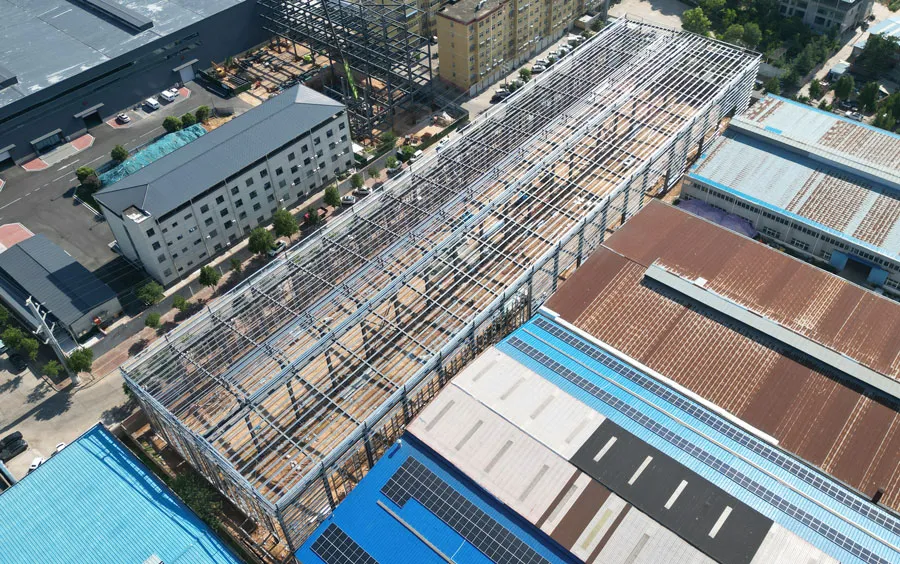
Steel Structure Workshop Solutions
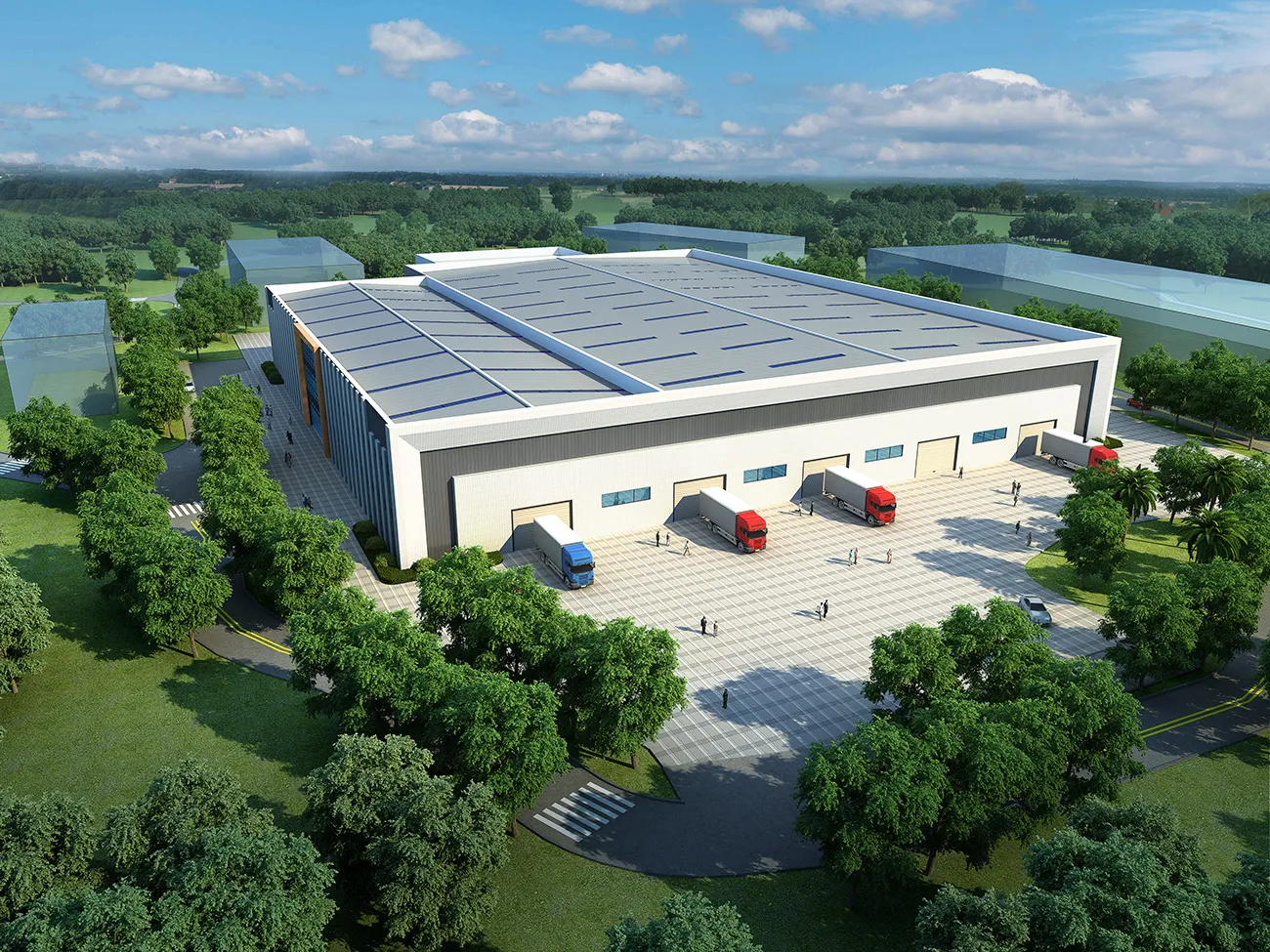
Steel Warehouse Solutions
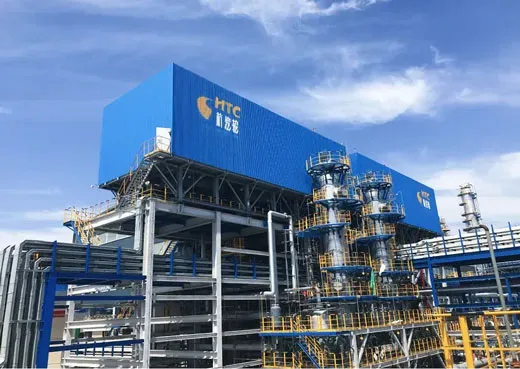
Heavy Steel Structures for Equipment
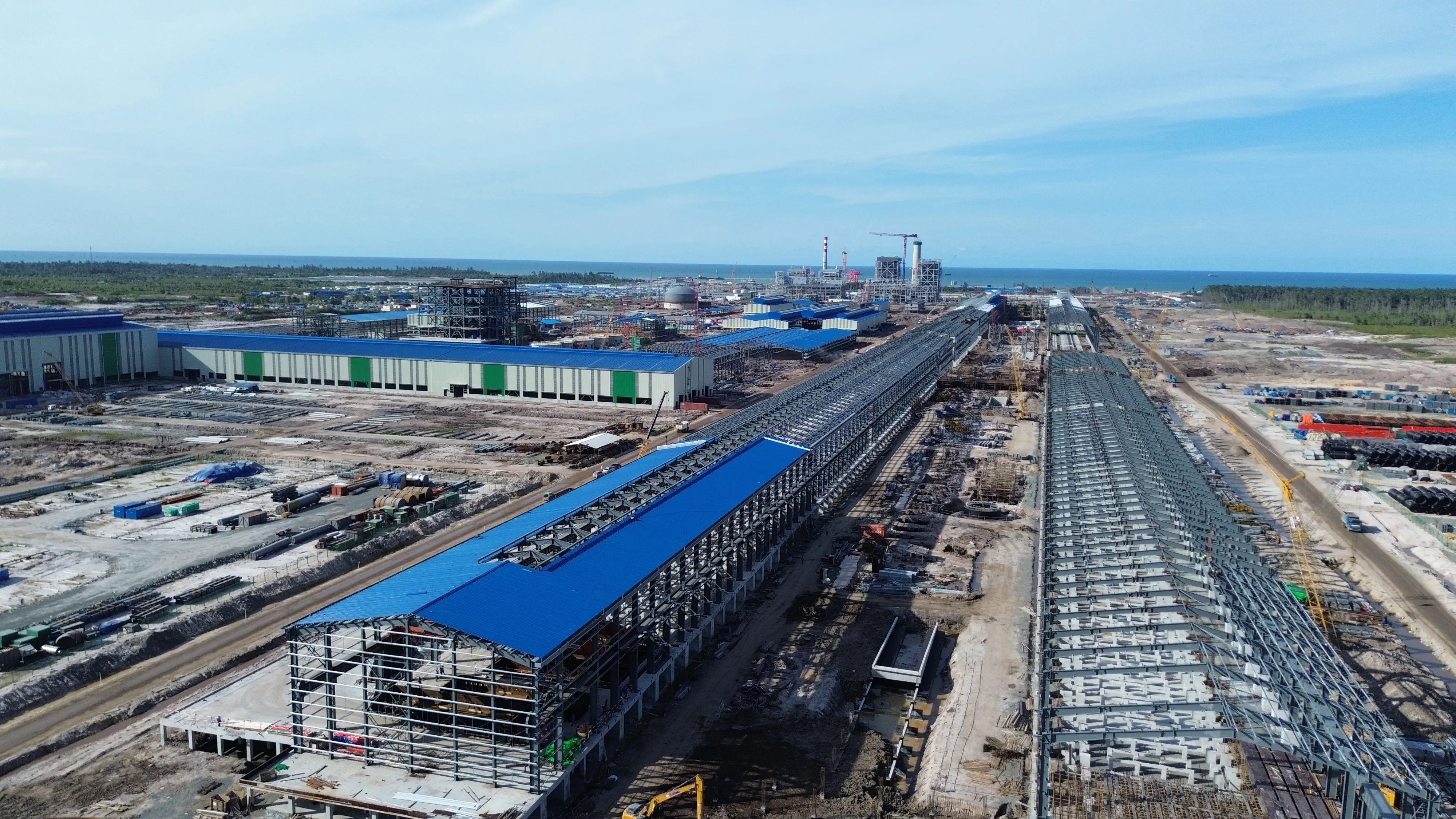
Indonesia North Kalimantan Aluminum Plant Project
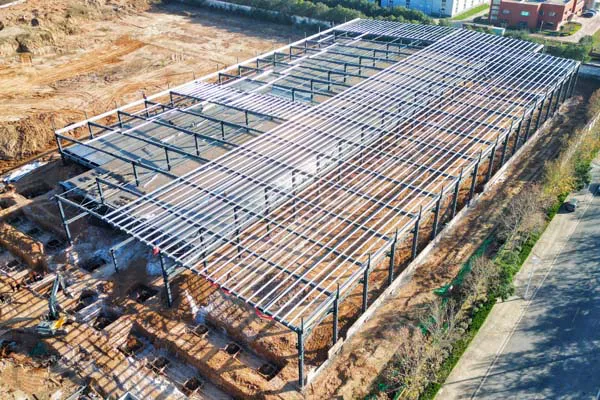
Luoyang Haode Auto Parts Steel Structure Factory Project
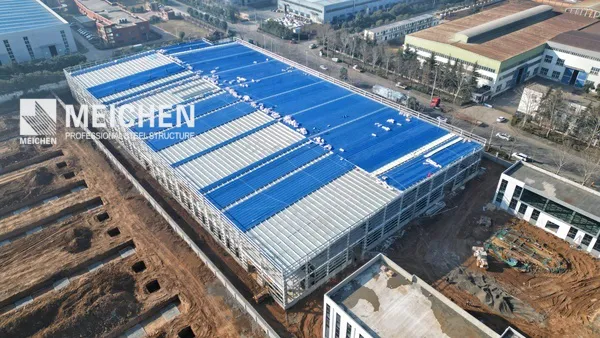
Automated Glass Production Line Steel Structure Factory Building Project
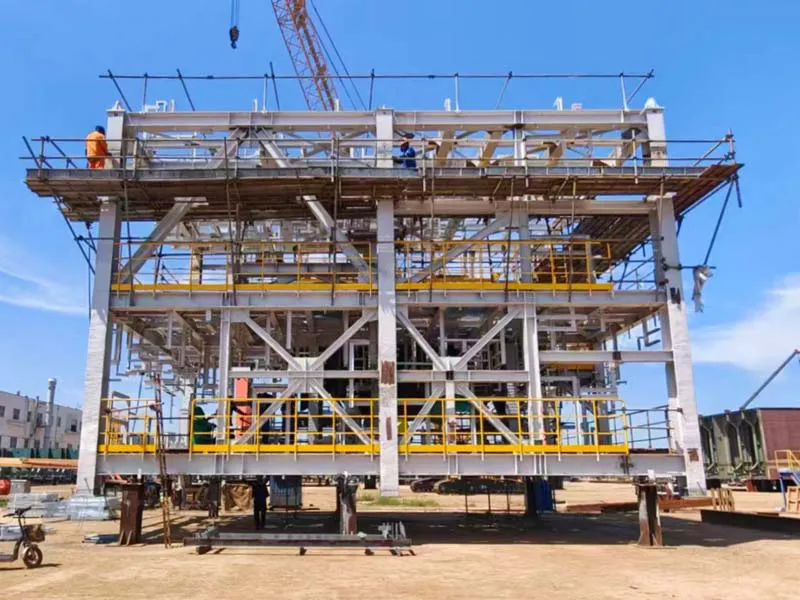
Oil & Gas Modular Steel Structure Fabrication Project

Flare Stack Structure