Time:2026-02-05 02:58:50 Source:Sanjian Meichen Steel Structure
Steel looks simple in EPC. It is not. We see delays, rework, and claims when controls slip. We share the risks and the fixes so you get dates and handover.
The common risks are code mismatch, weak toughness, misaligned WPS/NDT, fit-up errors, bolt mix, coating and fireproofing issues, poor traceability, hidden capacity, bad logistics, soft contracts, and no digital control. We give clear steps and tables you can copy into your PO and ITP.
We work under tight schedules and strict audits. We prefer prevention over late fixes. Keep reading. We show matrices, checklists, and mock-ups that cut weeks from the plan. These steps are simple. They work on real EPC sites.
Wrong codes look fine until audits stop shipments. The fix is a strict map. We lock standards at award and block substitutions.
We create a standards matrix and a code map per element. We freeze bolt systems and tolerances. We verify EN 1090 Execution Class and EN ISO 3834. No change without written approval.
We issue a standards matrix with clear acceptance rules. We state the governing code per element and the exact acceptance class. We name the Notified Body for EU work and request recent surveillance reports. We freeze bolt systems, hole tolerances, and marking at award. We align NDT to joint geometry and code. We add the matrix to the PO and ITP. We put hold points on first-article welds per joint type. We define “no substitution without written approval” in bold text. We attach sample labels to confirm marking and CE rules. This stops “built to local standard” surprises. It also speeds third-party review.
| Element | Governing Standard | Acceptance/Notes |
|---|---|---|
| Materials | EN 10025 / ASTM / CSA | Grade, sub-grade, CVN temp in spec; 3.1/3.2 MTCs |
| Welding | EN ISO 15614 / AWS D1.1 | WPS/PQR approval pre-production; heat input limits |
| Bolting | EN 14399 / ASTM A325/A490 | Freeze metric/imperial; install tests; torque calibration |
| Holes/Tolerances | EN 1090 / AISC | Hole dia/position; slot rules; camber requirements |
| NDT | EN ISO 5817/11666 / AWS D1.1 | Method, extent, and class per joint register |
| Coatings | ISO 12944 / Owner Spec | Blast profile, climate window, DFT sampling, holiday tests |
| Fireproofing | EN/UL per system | Fire test reports for steel grade and primer |
| Marking/CE | EN 1090 | Piece-mark format; CE label content; traceability to heats |
Wrong sub-grade or missing Z-quality cracks thick joints. We align grade, toughness, and Z through the BOQ. We set CVN temperatures and UT for high restraint.
We set grade, sub-grade, CVN temperature, and Z-quality to the service temperature and thickness. We require 3.1/3.2 MTCs with heat stamps. We add UT on high-restraint joints.
We check service temperature, plate thickness, and joint restraint on day one. We select S355NL or Q355D/E for low ambient service. We require Z15/Z25/Z35 for base plates and stiffeners in T-joints when thickness and restraint are high. We set CVN test temperature to match spec and Owner rules. We put Z-quality into the BOQ so the buyer cannot “value engineer” it out. We ask the mill rolling schedule for thick plates. If the slot is not booked, the date is not real. We mandate UT coverage on high-restraint joints where tearing risk is high. On one power job, base plates at 50 mm lacked toughness in the original spec. We changed to S355NL with Z25, added preheat and interpass control, and put UT on those joints. That stopped lamellar tearing and saved two weeks.
| Service Condition | Grade/Sub-grade | CVN Temp | Z-Quality | Application Note |
|---|---|---|---|---|
| ≤ −20°C, thick plates | S355NL / Q355D/E | −20°C or as spec | Z25/Z35 | High restraint joints, base plates ≥ 40 mm |
| ≥ 0°C, moderate thickness | S355J2 / Q355B | 0°C | Z15 | Standard frames, moderate restraint |
| Warm climate, thin plates | S275JR / Q235B | As required | Not required | Secondary steel, non-critical joints |
Misaligned WPS and poor hydrogen control hide defects. They push NDT and cause rework. We approve procedures and lock data capture before production.
We approve WPS/PQR pre-arc. We demand oven logs, preheat and interpass records, and welder continuity. We capture weld parameters on critical joints. We define NDT coverage and acceptance.
We match WPS/PQR to joint type, position, process, and thickness range in drawings. We enforce hydrogen control: dry storage, oven logs, and re-bake rules for low-hydrogen electrodes. We set preheat and interpass temperatures and heat input limits, especially on high-strength or thick plates. We keep welder continuity logs tied to joint IDs. We place hold points on first-article welds per joint type. We define NDT method, extent, and acceptance class in the ITP. We capture voltage, amperage, travel speed, and heat input for critical welds. This cheap data stops disputes and protects schedule.
| Joint Type | WPS/PQR Range | Preheat/Interpass | Hydrogen Control | NDT + Acceptance |
|---|---|---|---|---|
| Butt, ≥ 40 mm | Process + thickness set | Preheat per spec; cap heat | Low-H cons. oven logs | UT per EN ISO 11666 Class B |
| Fillet, T-joints | Position + multiple runs | Preheat to avoid cold lap | Dry storage, re-bake rules | MT on all T-welds, ISO 5817 |
| High-strength steel | Controlled heat input | Interpass limits | Strict handling procedures | UT/MT per drawing and ITP |
“100% NDT” means different things to each shop. Disputes delay shipments. We write exact methods, extents, and acceptance per joint geometry.
We specify UT levels and acceptance class. We define MT on T-welds. We use RT only on butt welds. We create a joint register and link it to the ITP.
We put the NDT plan in the PO and ITP. We list each joint with its method, extent, acceptance class, and location. We match method to geometry. We use UT for thick butt welds and critical joints. We use RT only on butt welds where geometry allows. We use MT on fillets and T-welds. We align acceptance to EN ISO 5817 or AWS D1.1, as the code map states. We add hold points by lot. We attach sample NDT reports at bid stage to set format and marks. This avoids late “we thought Class C” arguments.
| Joint Type | Method | Extent | Acceptance |
|---|---|---|---|
| Butt weld ≥ 25 mm | UT | 100% of length | EN ISO 11666 Class B |
| Butt weld ≤ 25 mm | RT | 100% of length | EN ISO 5817 Level B/C |
| Fillet and T-welds | MT | All external surfaces | EN ISO 5817 visual + MT |
| Critical nodes | UT + MT | 100% | As per code map |
Misaligned holes and mixed bolts stop cranes. The fix is clear tolerance budgets and tested bolt systems. We add jigs, trial assemblies, and reaming rules.
We define holes, slots, and camber. We require jigs and trial assemblies. We freeze bolt class and units. We calibrate tools and verify slip factor.
We set tolerances using EN 1090 or AISC. We define hole diameter, position, and slot formats. We specify pre-camber and straightness checks. We mandate jigs and fixtures for repeat parts, and trial assembly for complex nodes. We ban torch slotting, especially for preloaded bolts. We allow controlled reaming with QA sign-off and immediate coating repair. We freeze metric or imperial systems and class (8.8/10.9 vs A325/A490). We require set-wise certificates for bolt, nut, washer. We calibrate torque tools and run batch installation tests. We test slip factor for any coated faying surface. We keep spare TC bolt sets and consumables on site to avoid crane downtime.
| Parameter | Requirement | Reference |
|---|---|---|
| Hole dia/position | Tolerance per EN 1090/AISC | Code map |
| Slots | Standard slots only; no torch slotting on site | PO reaming clause |
| Pre-camber | Member-specific values in drawings | Design + ITP |
| Trial assembly | Complex nodes; fit-up photos in dossier | ITP hold point |
| Bolt system | Freeze metric/imperial and class | PO + standards |
| Tool calibration | Torque wrenches calibrated; records in pack | QA logs |
| Slip factor | Test coated faying surfaces | Lab report |
Coatings fail when climate windows and primers are wrong. Galvanizing needs vents and drains. Interfaces need clear templates. We lock the system and the environment.
We approve the full paint system and fire reports. We enforce blast profile and climate limits. We test DFT and holidays. We coordinate anchors and embeds in an ICD.
We run a design-for-galvanizing review. We add vent and drain holes and align seam layout. We specify SA 2.5 and a 50–75 μm blast profile. We check dew point, RH, and cure windows every shift. We set DFT sampling plans and holiday test rules. For slip-critical joints, we mask faying surfaces or qualify non-slip coatings. For fireproofing, we approve the full system for the steel grade and primer. We demand a mock-up with adhesion and DFT checks. We coordinate anchor templates and civil tolerances in an ICD. We fix interface gaps before site.
| Step | Requirement | Test/Record |
|---|---|---|
| Galvanizing design | Vent/drain holes; seam layout for zinc flow | Drawing with review stamp |
| Surface prep | SA 2.5; 50–75 μm profile | Blast profile measurements |
| Climate control | Dew point/RH checks; cure window | Shift logs, photos |
| DFT sampling | Defined lot sampling; acceptance bands | DFT reports per piece mark |
| Holiday/adhesion | Holiday tests; pull-off adhesion as needed | Test reports |
| Fireproofing mock-up | Adhesion and DFT verification | Mock-up report and approval |
| Interfaces | Anchor templates, ICD tolerances | ICD sign-off, as-built checks |
Poor traceability drives nonconformance. Shops slip on revisions. We tie data to payment and track each station with scans.
We use digital traceability from MTC to piece mark. We freeze drawings and models. We link weld maps and ITP. We make the data pack a payment gate.
We require barcodes or RFID on piece marks. We link heats and lots to each piece. We reject MTCs without heat stamps and mixed mills in the same lot. We freeze IFC models and drawings and run a strict RFI process. We tie weld maps to the ITP and joint register. We attach coating and DFT reports to piece IDs. We require photographic packing lists with visible piece marks. We set data pack delivery as a payment milestone. When documentation unlocks cash, the turnover file stays clean.
| Document/Data | Traceability Link | Acceptance/Gate |
|---|---|---|
| MTC (3.1/3.2) | Heat → lot → piece mark | Gate before cutting |
| Weld map + ITP | Joint ID → welder → NDT | Gate before shipment |
| Coating reports | Piece mark → DFT/holiday | Gate before shipment |
| Packing photos | Piece mark visible | Gate at pre-shipment |
| Revision control | IFC freeze + RFI log | Gate before production |
Hidden subcontracting and weak throughput cause slips. Bad logistics and soft contracts bleed margin. We audit capacity and fix terms.
We audit throughput and load plans. We approve named subcontractors. We book galvanizer slots. We align shipping to erection. We use index pricing and LD pass-through.
We visit the factory and measure real ton/day. We check line occupancy and current load. We require any subcontractor to be named and approved in the contract. We ask for galvanizer booking confirmations and mill rolling schedules for thick plates. We kit shipments by erection sequence. We require seaworthy packing, VCI, and desiccants. We set Incoterms, insurance, and export document accuracy. We run pre-shipment inspection and piece-count reconciliation. We add photographic packing lists to speed receiving. We use index-linked pricing or surcharge rules. We set crisp acceptance tied to ITP holds. We pass LDs and add step-in rights. We keep a risk register and tie payment to burn-down.
| Risk | Control | Evidence |
|---|---|---|
| Overstated capacity | Audit ton/day, line occupancy | Audit report, live load plan |
| Hidden subcontracting | Name and approve in contract | Subcontractor list, approval |
| Galvanizing bottlenecks | Early slot booking | Booking confirmations |
| Thick plate lead times | Mill rolling schedules | Mill letters and schedules |
| Shipping vs erection | Kitting by sequence | Packing plan and photos |
| Price volatility | Index/surcharge mechanism | Contract clause |
| LD exposure | LD pass-through, step-in rights | Contract clause |
Manual updates create surprises. Late bottlenecks hurt cranes. We use scan-and-go at each station and show live dashboards.
We add QR codes to pieces. We scan material, fit-up, welding, NDT, coating, and shipping. We show weekly exception reports. We trigger holds on missing data.
We keep the system simple and visible. We scan material receipt, cutting, fit-up, welding, NDT, coating, packing, and dispatch. We link scans to piece marks and heat numbers. We build a dashboard that shows counts per stage against plan. We send weekly exception reports to the team. We trigger holds when MTCs, oven logs, NDT, or DFT records are missing. We close holds when data is complete. This stops the classic “lost heat trace” nonconformance that halts trucks.
| Station | Scan Data | Dashboard Metric | Exception Trigger |
|---|---|---|---|
| Receipt | Heat → lot → piece mark | Pieces cleared to cut | Missing/invalid MTC |
| Welding | Joint ID + parameters | Joints welded vs plan | No preheat/interpass record |
| NDT | Method + acceptance | Joints passed/failed | Wrong method or missing acceptance |
| Coating | DFT + climate logs | Pieces coated and cured | DFT out of range or no climate logs |
| Packing | Piece mark photo | Shipments ready | Missing photos or count mismatch |
Bad inputs show early. We screen red flags in prequal. We lock our PO with a checklist and back it with surveillance.
Red flags include weak MTCs, missing oven logs, and glossy DFT data. Our PO checklist locks standards, WPS approval, toughness, fit-up, bolting, coating, logistics, documentation, and commercial terms.
We challenge MTCs without heat stamps and lots that mix mills. We ask for oven logs for low-hydrogen electrodes. We check galvanizing drawings for vent and drain. We question “100% NDT” claims with no joint register or acceptance level. We distrust perfect DFTs across large lots. We ask for line layouts, throughput, and current load plans. We insert clear clauses and hold points. We surveil to them.
| Red Flag | PO Clause/Control |
|---|---|
| MTCs without heat stamps | Rejectable; digital trace link to piece |
| Mixed mills in same lot | Lot segregation; approval of sources |
| No oven logs (7018) | Mandatory oven log; hold point |
| No vent/drain in Galv drawings | Design-for-galvanizing review gate |
| “100% NDT” but no joint register | Joint register required; method + class |
| Perfect DFTs, zero holidays | Sampling plan; holiday tests; audit rights |
| Capacity claims without data | Audit and weekly S-curve reporting |
Steel stays predictable when we lock codes, toughness, welding, NDT, fit-up, coatings, data, capacity, logistics, and contracts. Strong controls give real dates and fewer claims.
Steel Structure Workshop Solutions

Steel Warehouse Solutions
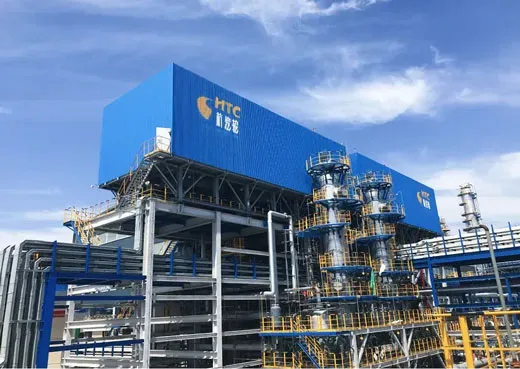
Heavy Steel Structures for Equipment
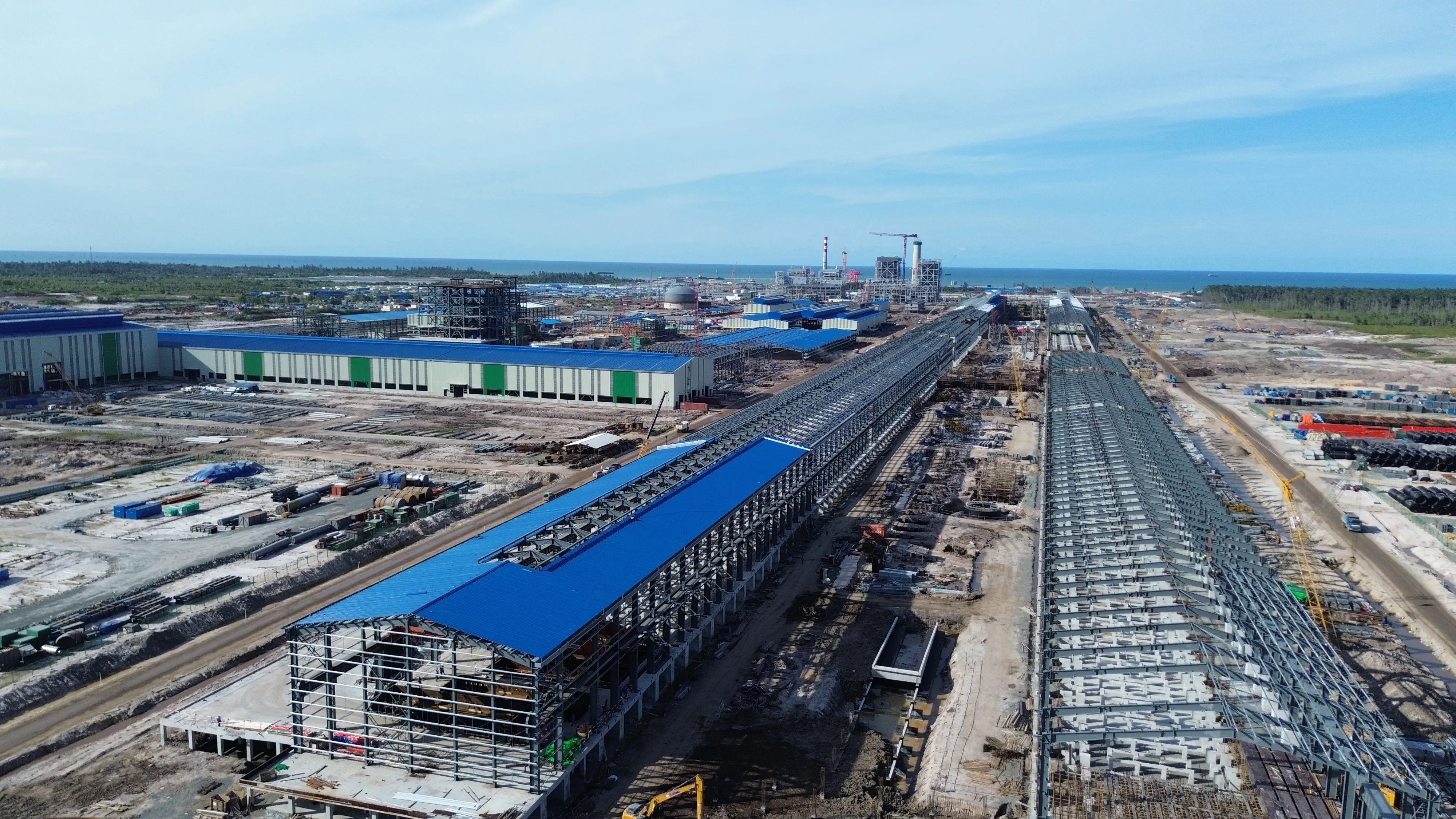
Indonesia North Kalimantan Aluminum Plant Project
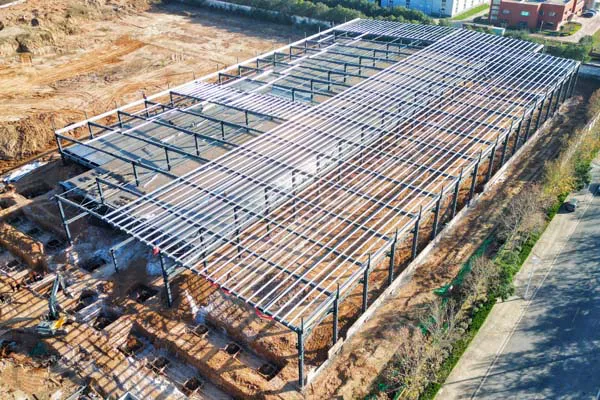
Luoyang Haode Auto Parts Steel Structure Factory Project
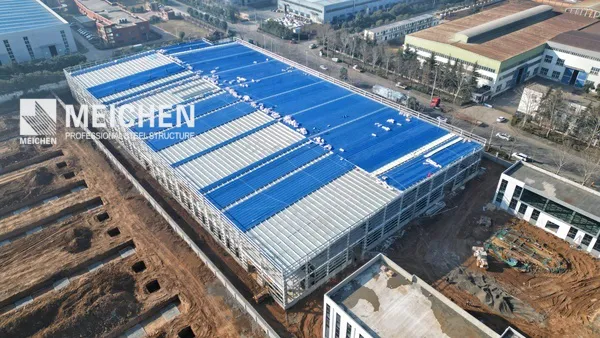
Automated Glass Production Line Steel Structure Factory Building Project
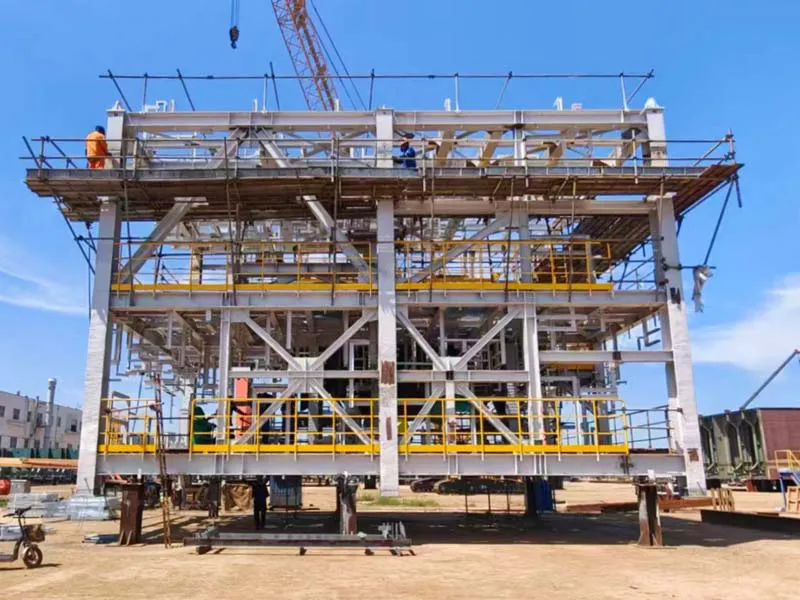
Oil & Gas Modular Steel Structure Fabrication Project

Flare Stack Structure