Time:2025-12-18 07:18:42 Source:Sanjian Meichen Steel Structure
Steel structures are widely used in modern buildings, industrial plants, and infrastructure projects due to their high strength, lightweight, and high construction efficiency. However, the reliability of steel structures depends not only on design and construction but also on the rigorous quality control system of the steel structure factory. This article will delve into how steel structure factories ensure the durability and reliability of every delivered product through comprehensive quality management, safeguarding engineering projects.
Steel structures are typically the load-bearing core of buildings, and their safety directly affects the stability and service life of the project. Substandard materials, improper welding, or inadequate anti-corrosion treatment can lead to a shortened structural lifespan and even safety hazards.
For engineering contractors, project managers, and end customers, understanding the quality control process of steel structure factories is an important reference for ensuring investment safety and the long-term stable operation of buildings.
High-quality steel is the foundation of the durability of steel structures. Steel structure factories typically conduct multiple tests on incoming steel:
Chemical composition analysis: Ensuring that the steel meets national standards (GB) or international standards (ISO). Mechanical performance testing: such as tensile strength, yield strength, and impact toughness, to ensure load-bearing capacity.
Appearance and defect inspection: checking for cracks, corrosion, and surface imperfections to prevent potential problems from entering the production process.
Through rigorous raw material selection, the factory lays a solid foundation for subsequent processing and welding.
The machining accuracy and welding quality of steel structures are core to structural durability and safety:
CNC machining: using high-precision CNC cutting, bending, and drilling equipment to ensure accurate and consistent component dimensions.
Standardized welding processes: each weld follows AWS or ISO welding standards to ensure uniform welds free of porosity.
Welding quality inspection: using X-ray inspection, ultrasonic testing (UT), and penetrant testing (PT) to detect welding defects.
Through high-standard machining and welding management, the strength and durability of steel structure components are effectively guaranteed.
Steel structures are susceptible to corrosion from environmental factors during long-term use, making corrosion protection crucial.
Corrosion Protection Process Selection: Hot-dip galvanizing, epoxy primer spraying, polyurethane coating, etc., with customized solutions based on the project environment.
Strict Control of Coating Thickness and Adhesion: Ensuring adequate protection for every steel component.
Corrosion Protection Quality Inspection: Using thickness gauges and adhesion tests to ensure the corrosion protection effect meets design life requirements.
Scientific corrosion protection significantly extends the service life of steel structures and reduces maintenance costs.
Every steel structure component undergoes comprehensive inspection before leaving the factory:
Dimensional Accuracy Check: Ensuring smooth component installation and preventing error accumulation.
Welding and Corrosion Protection Effect Check: Ensuring no cracks, incomplete welds, or insufficient corrosion protection.
Third-Party Certification: Some projects require inspection by certification bodies such as SGS and BV, providing clients with additional confidence.
Finished product inspection is a vital step in ensuring the safety, reliability, and long-term durability of steel structures.
Quality management relies not only on equipment and processes but also on a highly qualified technical team:
Regular Skills Training: Professional training is provided in welding processes, corrosion prevention technology, CNC machining operations, etc.
Continuous Improvement System: Through production data analysis, problems are identified and production processes are optimized to improve product consistency.
Lean Production Management: Material waste is reduced, defect rates are lowered, and overall production efficiency is improved.
A high-quality team and continuous improvement system ensure that every batch of steel structure products meets high standards.
Strict quality control not only ensures the durability of steel structures but also brings multiple values to projects:
Extending the service life of the structure and reducing later maintenance costs.
Reducing safety risks and ensuring stability during construction and use.
Improving the return on investment of projects and bringing long-term economic benefits to customers.
Enhancing market competitiveness; high-quality steel structures are more trusted by builders and investors.
Through total quality management, steel structure factories can deliver high-standard, reliable building products to customers.
Quality control in a steel structure factory is not merely a set of production standards, but a commitment to project safety, customer investment, and long-term value. From raw material procurement, processing and welding, and corrosion protection, to finished product inspection and employee training, every step is crucial. Choosing a steel structure factory that prioritizes quality control is key to ensuring the long-term durability and stable operation of your project.
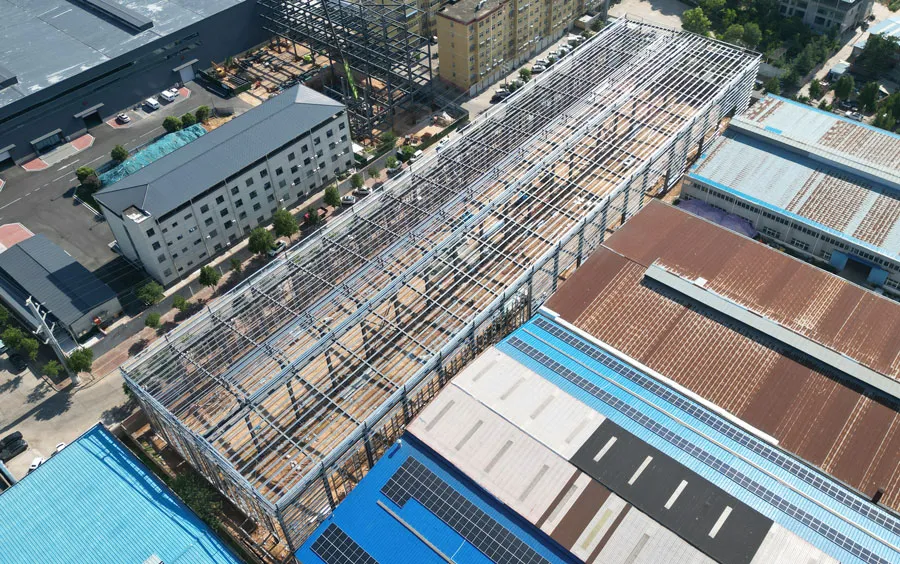
Steel Structure Workshop Solutions
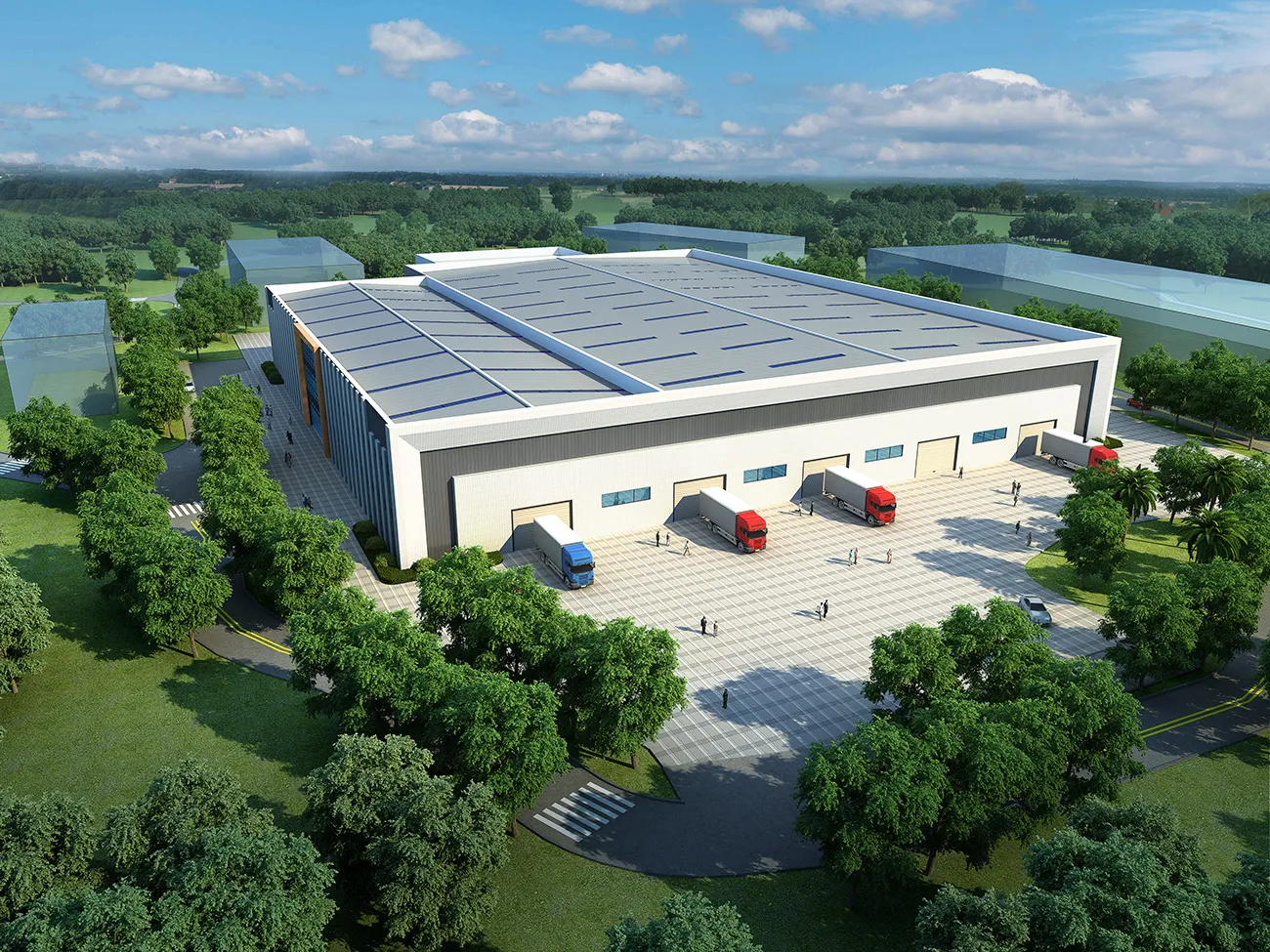
Steel Warehouse Solutions
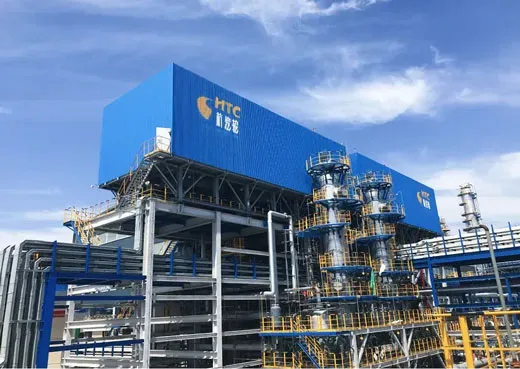
Heavy Steel Structures for Equipment
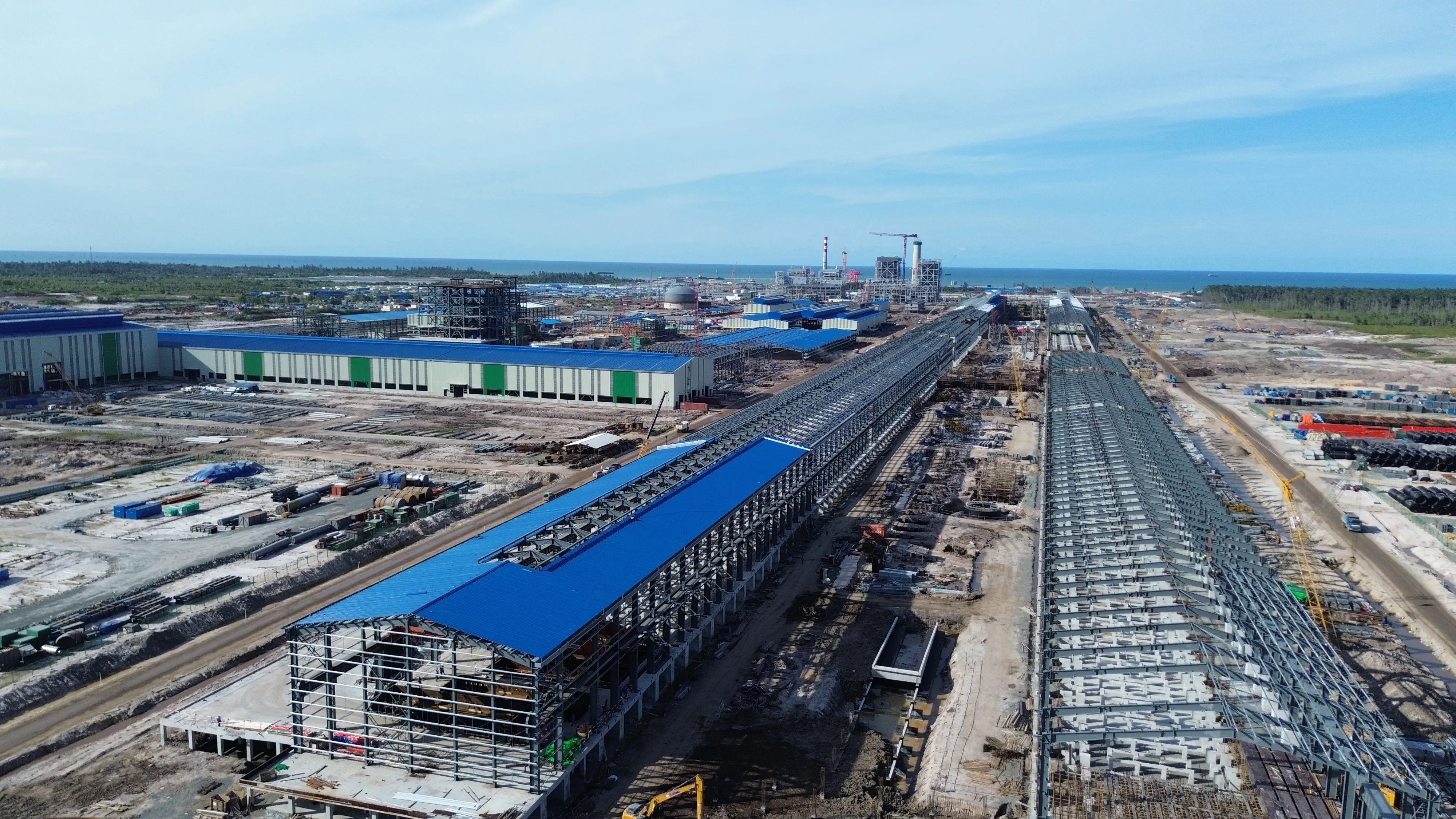
Indonesia North Kalimantan Aluminum Plant Project
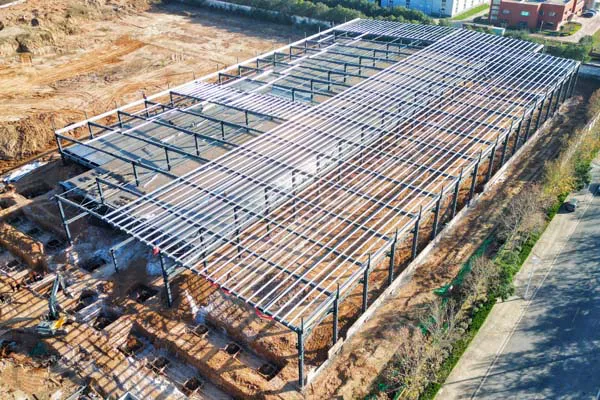
Luoyang Haode Auto Parts Steel Structure Factory Project
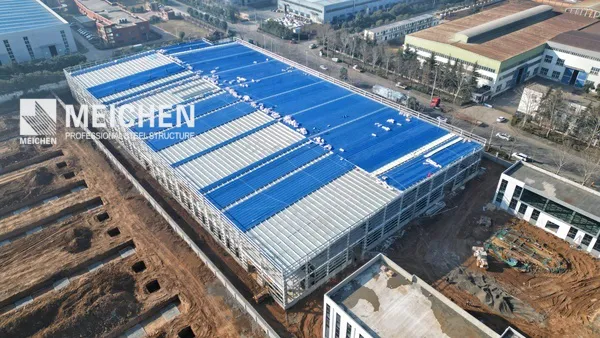
Automated Glass Production Line Steel Structure Factory Building Project
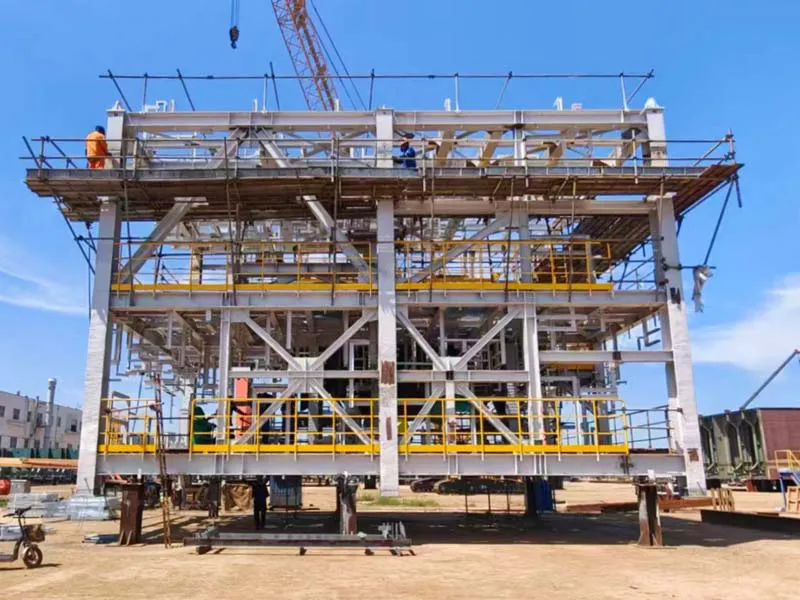
Oil & Gas Modular Steel Structure Fabrication Project
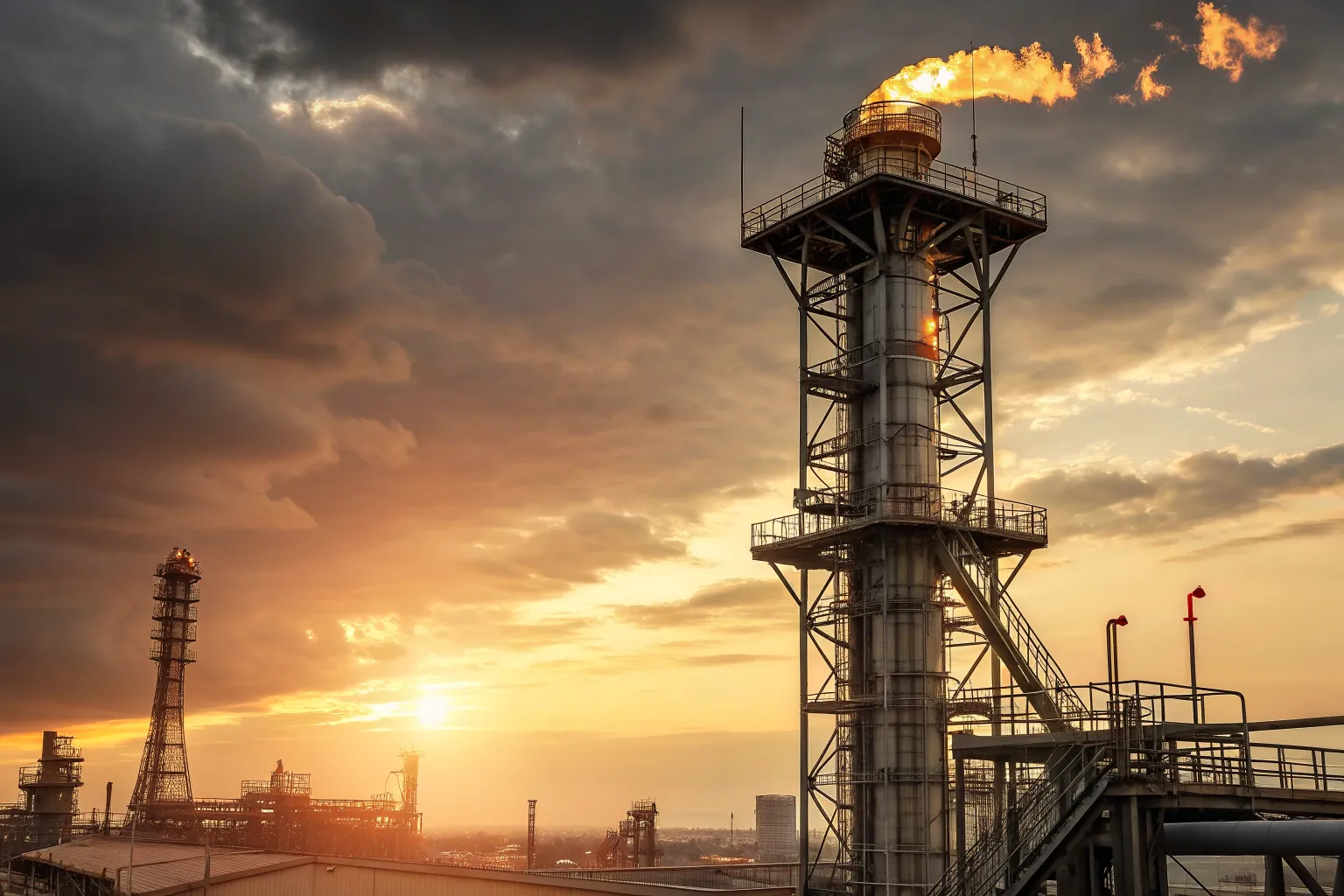
Flare Stack Structure