Time:2025-12-19 02:23:13 Source:Sanjian Meichen Steel Structure
One overlooked miscalculation in reactor support steel structure design can cause not just costly repairs, but also serious safety concerns—attention to detail here determines the future of your project.
What are the most important design principles and fabrication tips for reactor support steel structures?
Structural stability, tailored steel selection, smart connection details, careful provision for thermal movement, digital fabrication, high-standard quality control, and advanced surface protection collectively create reactor supports with superior safety, reliability, and extended lifespan.
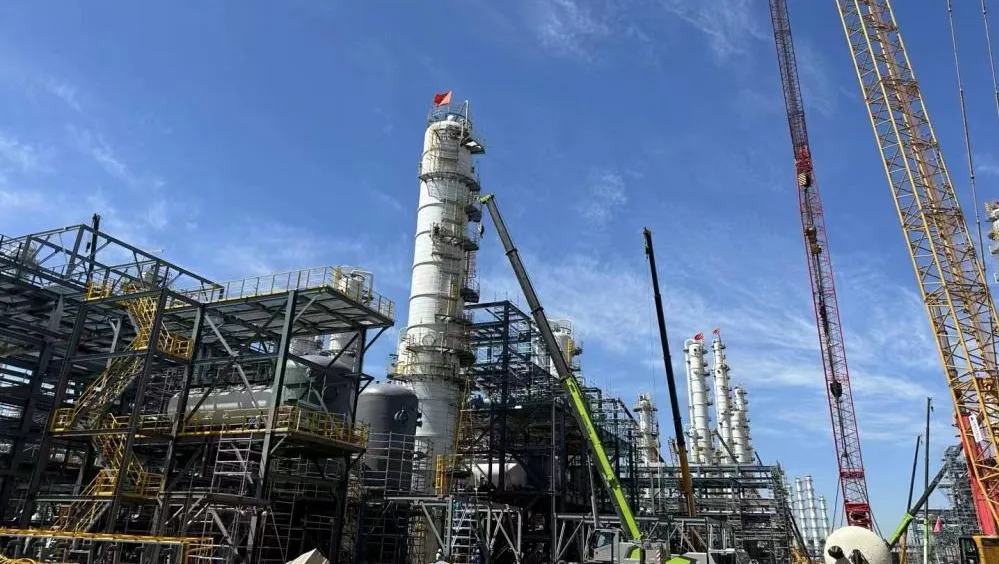
Every project I’ve worked on in the energy and petrochemical space stands or falls on how well the steel substructure under the reactor is engineered and fabricated. This component is mission-critical—failures mean production stops, revenue loss, reputation harm. To avoid this, we must get every step right, from load calculations to bolt torque checks.
I am sharing the most practical, field-tested design principles, fabrication methods, and lessons learned—each step explained clearly, so you can use them today.
Without correctly analyzing every type of load and securing proper distribution paths, even thick steel beams might twist, buckle, or fatigue early.
Structural stability and correct load distribution depend on mapping all loads—live, dead, thermal, wind, seismic, vibration—even loads from equipment like piping, cable trays, and platforms. Use modern analysis software such as STAAD.Pro or SAP2000 to simulate not only day-to-day static weights but also extreme cases like earthquakes and rapid temperature changes.
Many times, I’ve seen designs where only the weight of the reactor is considered. Later, as additional piping and platforms go up, the supports begin to show signs of strain and deformation. To address this, perform a detailed load breakdown:
Dead Load: Self-weight of beams, columns, and reactor.
Live Load: Personnel, tools, moving equipment.
Dynamic Load: Seismic events, operational vibration from pumps, compressors.
Thermal Loads: Expansion/contraction during heat-up or cool-down cycles.
Environmental Loads: Wind pressure, possible snow (for outdoor units).
Develop a comprehensive load combination matrix and validate your structure under the most unfavorable scenario. Consult codes like AISC, EN 1993-1-1 (Eurocode 3), or your local standards, and don’t skip third-party review when critical reactors are involved.
A load path diagram helps clarify where to reinforce, where to add gussets, and where to expect movement.
Defaulting to ordinary steel risks brittle failure in the cold, rapid corrosion near seawater, or unexpected cracking near a process leak.
The best practice is to select steel grade strictly based on your operational environment and life cycle needs. Main options include:
ASTM A36: Standard, economical, works for moderate climates and indoor plants.
Q345B: Good strength, widely available in Asia (comparable to ASTM A572 Gr50).
Duplex Stainless (e.g., S32205): Top choice for highly corrosive environments or outdoors with heavy rain and salt exposure.
I always go beyond just requesting the grade. In cold zones—as low as -40°C—I require the steel supplier to certify Charpy V-notch impact toughness. At least three samples per heat must pass the minimum energy absorption.
For plants handling acids, consider requesting a corrosion-rate coupon test and insist on the mill’s chemical composition data.
For each option, confirm weldability and availability. In one fast-track project, I learned the hard way that by not double-checking delivery logistics, late arrival of duplex stainless caused installation delays.
Also, match your steel selection to corrosion protection: galvanizing doesn’t work well on some high-alloy steels; shop-applied coatings are best.
The strength of a support is undone if bolted/welded joints are overlooked, mis-specified, or poorly installed.
Design bolted joints for positions where regular inspection or future disassembly is likely. Choose pre-tensioned high-strength bolts (such as ASTM A490) for shear and slip resistance, and provide proper washer/plate combinations to spread load and avoid bolt head embedment.
For main structure joints and high-load areas, require full penetration welding (multi-pass technique).
On several projects, I saw teams choosing simple fillet welds where a full penetration weld was required—leading to cracks in less than a year. For shop-welded assemblies, always use calibrated jigs and positioning fixtures to prevent cumulative errors.
Bolted connections
Use tension-control bolts
Calibrated torque wrench
Apply inspection marks
Welded connections
NDT inspection (UT/RT)
Preheat and post-weld heat treatment for thick joints
Match filler material grade to base steel
Hybrid connections
Prefer bolted + welded combinations for field joints
Preassembled in shop, bolted onsite
At site, always verify both sides are accessible for tightening and visual checks—especially important for columns placed against walls.
Refusing to build in movement leads not just to cosmetic cracks, but also to dangerous column/bearing failures and torn pipe connections.
Thermal relief is built in by sizing and locating expansion joints, sliding supports (such as PTFE/Teflon pads), and oversize bolt holes or slots. Guide and anchor points must be planned based on known expansion directions from process simulation results, particularly for reactors with frequent temperature swings.
There was one memorable case where support columns cracked at the foundation interface because the steel expanded several centimeters during startup. Without expansion joints, the stress couldn’t dissipate—costing three weeks for repairs and reinforcement.
Map expected temperature ranges for every support point
Fix anchor bolts at the cold end, slot holes at the hot end
Add bearing pads with low-friction surfaces for moving supports
Coordinate movement with adjacent pipe racks and piping designers
Test all movements in a structural model and compare predicted vs. actual site displacement
With today’s large reactors, even a deviation of a few millimeters can cause misalignment—precision is not optional.
Adopt digital fabrication workflows. CNC plasma or laser cutting achieves ±1 mm tolerance or better. Robotic welding ensures consistency for repetitive joints, and 3D laser tracking verifies layout accuracy.
Manual jigs often create cumulative errors. Since switching to CNC and laser measurement, field rework (hot cutting or shimming) has dropped by over 90%.
Barcode scan all incoming steel and match with mill certificates
Laser-cut baseplates, stiffeners, and gusset plates
Robotic welding for repeatable joints; verify weld depth and profile
Trial assemble large structures in the shop
Measure critical dimensions using 3D scanners
Red-tag and document deviations before shipping
Deliver full dimensional inspection reports with shipments
Discovering weld cracks, wrong steel grades, or misaligned holes after installation leads to shutdowns, cost overruns, and credibility loss.
Specify 100% UT or RT inspection for all primary load-carrying welds. Require Material Test Certificates (MTC) per EN 10204 3.1 or 3.2. Maintain complete traceability from steel mill to final assembly.
I have audited plants where only “representative” welds were tested. Later, uninspected welds failed during hydrotests, costing far more than comprehensive inspection ever would.
100% UT/RT on high-stress and fatigue-sensitive welds
Visual and mechanical verification of bolt torque
Coating thickness checks at critical areas
Heat number tracking for all components
Re-inspection after shipping and during erection
Final as-built quality dossier
In corrosive or outdoor environments, shortcut coatings lead to early rust, frequent maintenance, and hidden strength loss.
Use a multi-coat protection system:
Shot blasting to SA 2.5 or better
Zinc-rich primer applied within 4 hours
One or two epoxy coats for chemical resistance
Polyurethane topcoat for UV protection
In marine or splash zones, choose thermal spray metallizing (TSA/TZA), which lasts 2–3× longer and resists mechanical damage.
I’ve seen supports rust through in five years due to poor coatings. Recoating with the reactor in operation costs up to 10× more than doing it right initially.
Thorough cleaning and blasting
Apply primer within 4 hours
Apply subsequent coats at optimal cure stages
Measure coating thickness and check pinholes (holiday testing)
Use TSA/TZA for high-risk zones
Include a minimum 5-year warranty and touch-up plan
Delays, incomplete documentation, and scope gaps destroy schedules, inflate costs, and erode trust.
Choose suppliers who offer BIM-based coordination, milestone-driven schedules, digital dashboards, and full traceability from steel mill to site. Penalty clauses for late delivery protect project timelines.
Digital coordination, clash detection, and regular delivery meetings routinely cut weeks from project schedules.
Digital design coordination before fabrication
Milestone approvals: shop drawings, fabrication, pre-shipment inspection, delivery
Real-time progress dashboards
Complete QA/QC documentation before final payment
Regular communication with written change summaries
Detailed, disciplined design and execution at every stage—from engineering and fabrication to inspection and surface protection—determine whether reactor support steel structures perform reliably for decades or require early, costly replacement.
Getting these fundamentals right protects safety, schedules, and long-term project value.
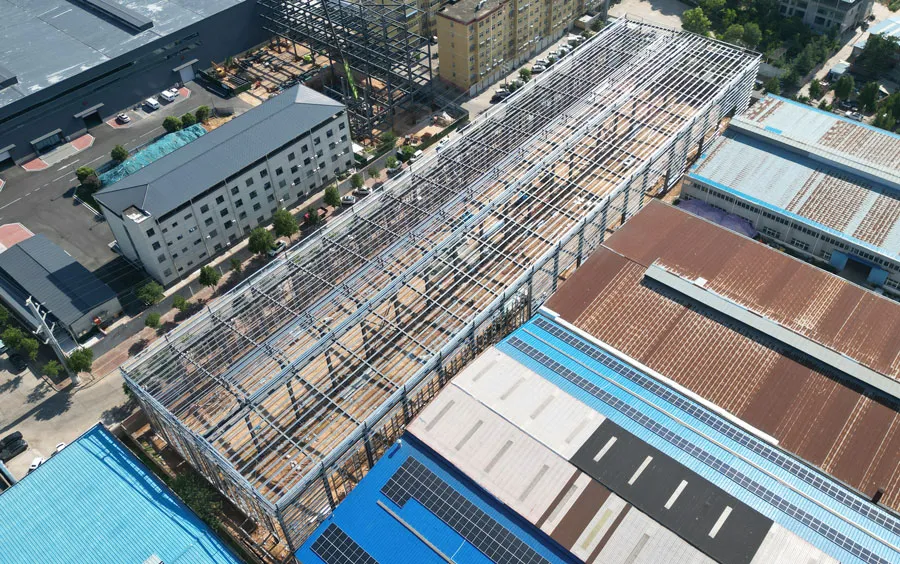
Steel Structure Workshop Solutions
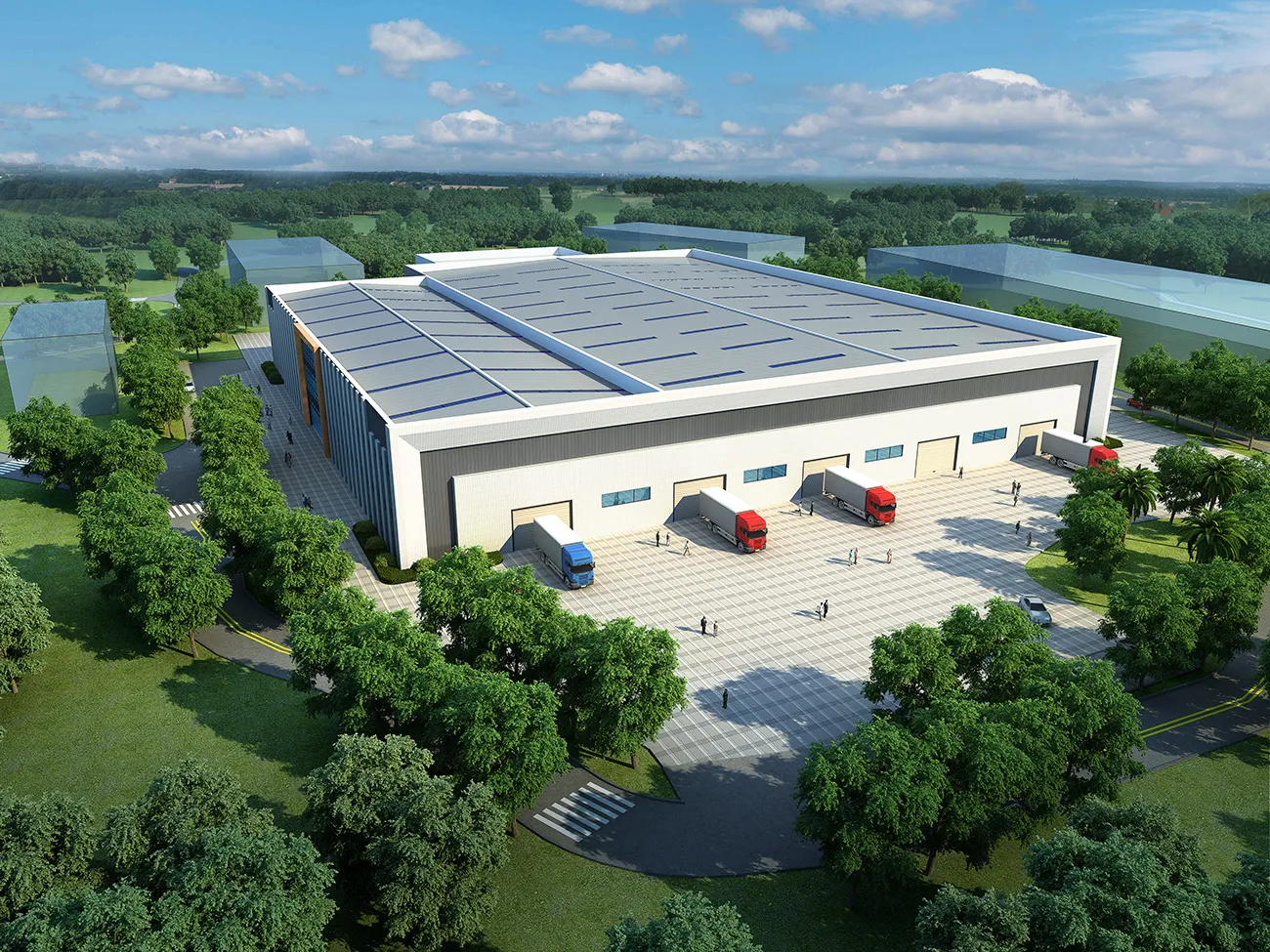
Steel Warehouse Solutions
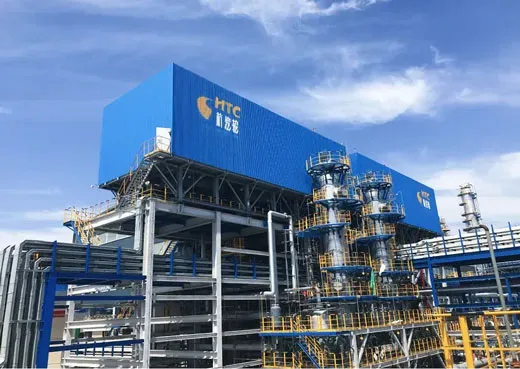
Heavy Steel Structures for Equipment
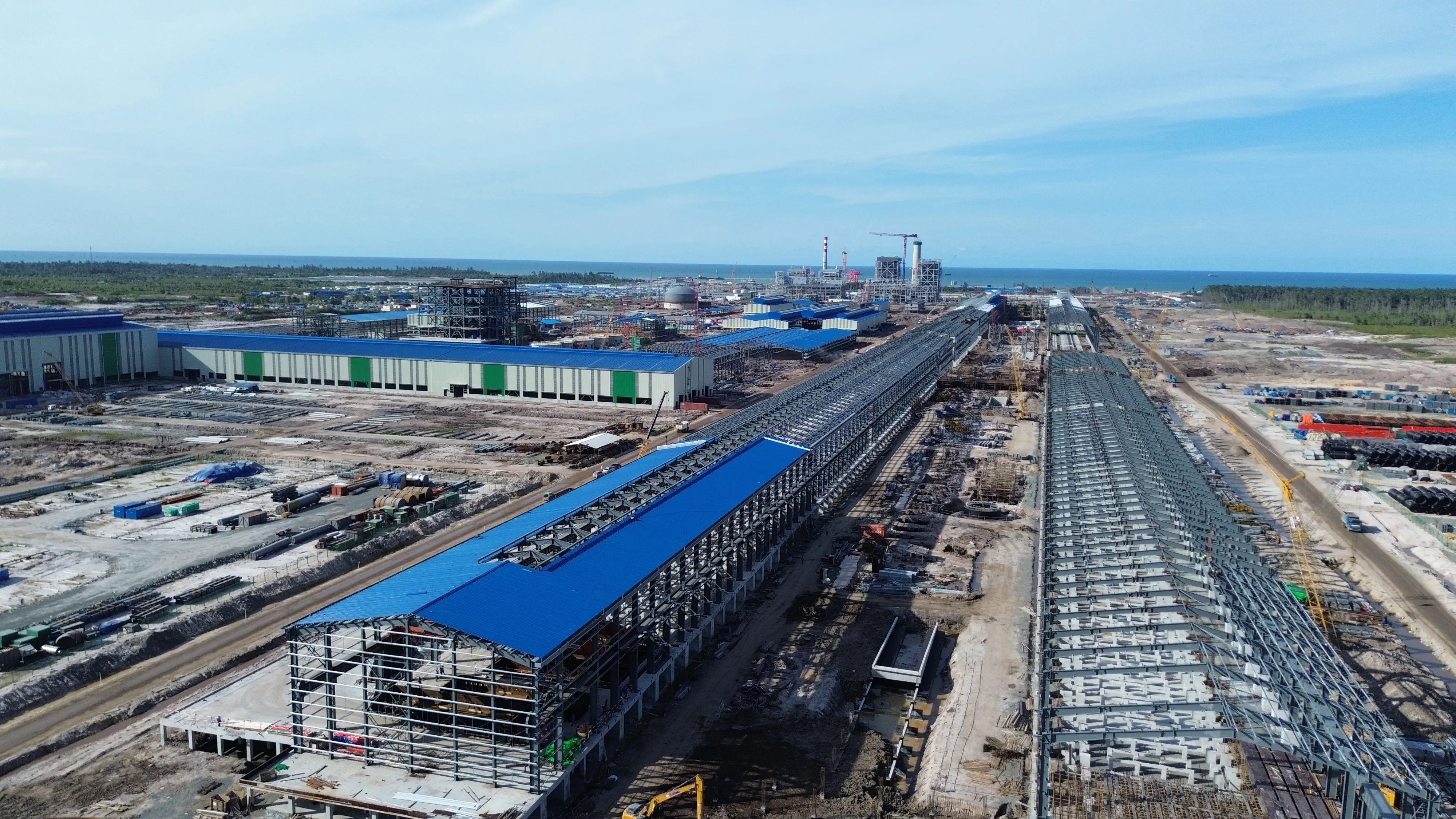
Indonesia North Kalimantan Aluminum Plant Project
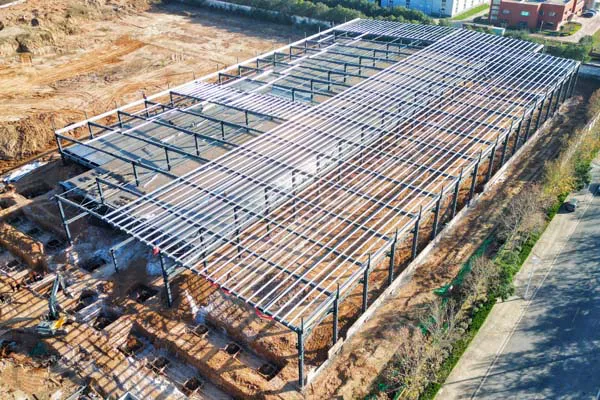
Luoyang Haode Auto Parts Steel Structure Factory Project
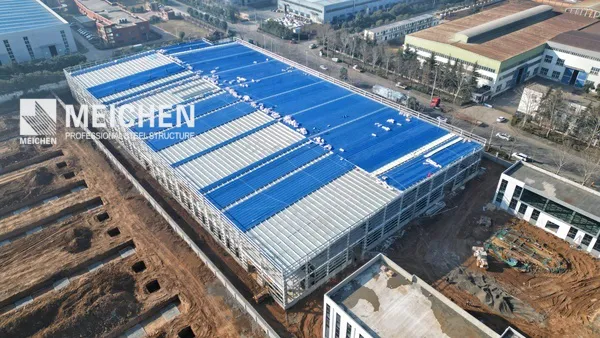
Automated Glass Production Line Steel Structure Factory Building Project
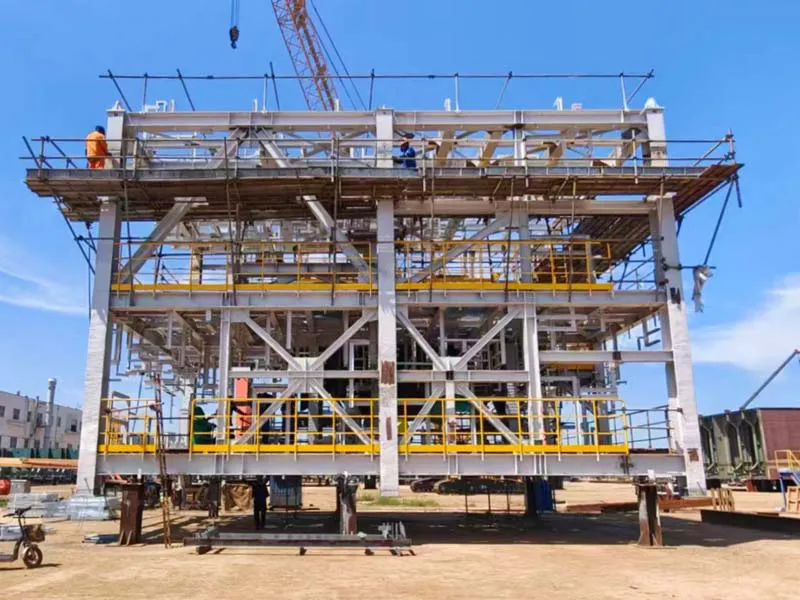
Oil & Gas Modular Steel Structure Fabrication Project
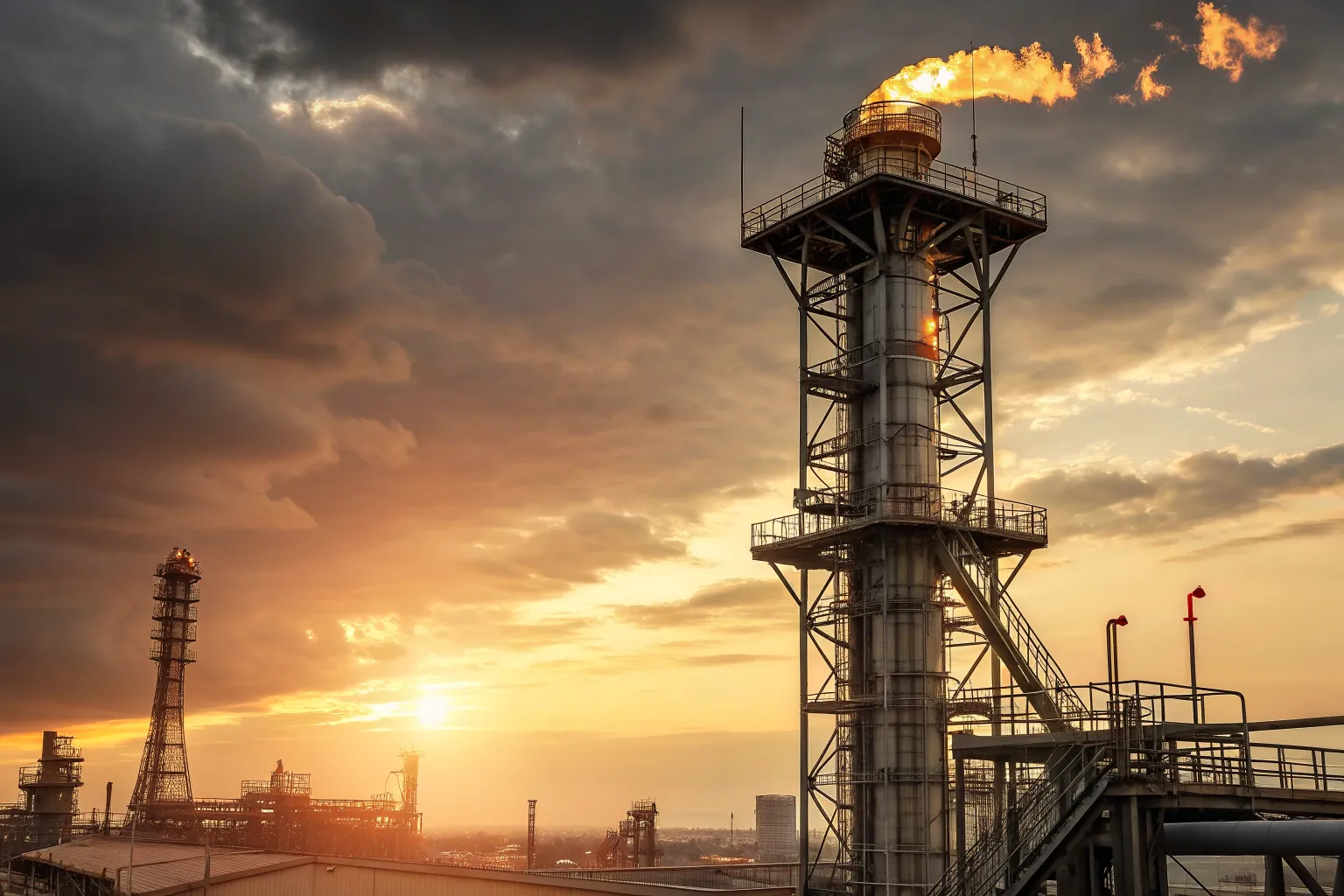
Flare Stack Structure