Time:2025-12-24 08:32:24 Source:Sanjian Meichen Steel Structure
Even a small design mistake in a petrochemical equipment support structure can snowball into huge safety risks, unexpected costs, or project delays. Ignoring critical details will leave you fixing problems instead of finishing projects.
A solid petrochemical equipment support structure design must consider real operating loads, correct connections, site limitations, industry codes, and future maintenance needs. Overlooking these means safety, reliability, and budget control all suffer.
If you care about on-time delivery, safe operations, and avoiding surprise costs, let’s dig into the worst mistakes I see over and over. Each lesson here is pulled from real projects—mistakes I hope you’ll never repeat.

It is common for design teams to base their calculations on ideal numbers—usually just the static weight of the equipment. What gets ignored are dynamic loads: vibration from pumps, pulsing from compressors, thermal growth or contraction when temperatures change. In one large project, the support frame for a distillation column only considered the column’s weight and wind. When the system started up, the column began to vibrate during process upsets. Welds cracked, and the frame needed weld repairs within the first year. Why did this happen? The design drawings did not reflect the actual dynamic data.
Now, I always insist on getting specific numbers from everyone: equipment vendors (for weights and vibration data), process engineers (for thermal cycles), and plant maintenance (for worst-case history). We send out a table like this at the design kickoff to make sure nothing gets missed:
| Load Type | Who Provides Data | Example Real Value | Included? |
|---|---|---|---|
| Static load | Equipment vendor | 65 tons, filled | Yes/No |
| Operating vibration | Mechanical/process engineer | 4 mm/s RMS at full load | Yes/No |
| Thermal expansion | Vendor/process engineer | 20 mm at 250°C | Yes/No |
| Wind/seismic | Site/civil team | 0.35g (earthquake) | Yes/No |
I conduct joint review meetings before starting drawings—no numbers, no design. Only with these true loads can I choose correct member sizes and connection details, making the frame survive for decades with real process conditions.
Many designers default to welds. That works in simple, dry factory settings, but in petrochemical plants, connections must fight constant moisture, chemicals, and vibration. I have seen contractors choose cheap welds, only to find rust crawling through every joint within one year, especially in coastal or humid zones.
On another job, the plant needed to replace a vessel, but all main supports were welded solid. Crews had to cut panels, grind paint, re-weld and re-touch all anti-corrosion coatings, while stopping operations for a week. That one week cost the client more than all the supposed cost savings in the original design—plus mountains of frustration.
Here’s what I do instead: For main equipment supports, I specify high-strength galvanized bolts with special coatings. In areas exposed to splash or chemicals, I go for epoxy-coated or duplex stainless bolts. I consult closely with corrosion specialists about coatings, minimum dry film thickness, and use removable bolted joints anywhere future replacement may be needed.
| Joint Location | Connection Type | Protection | Long-term Impact |
|---|---|---|---|
| Main base (outdoors) | Hot-dip galvanized bolts | 100μm Zn, 2-layer topcoat | Easiest replacement/inspection |
| Process area (chemical) | Epoxy bolt + caulk | Cured epoxy, seal all edges | Best for hostile environment |
| Critical welds | Full-pen weld + coating | 3-layer anti-corrosion | High initial cost—safe |
I always remind my clients: the extra dollars for the right fastener or paint save you years of repair bills.
Paper designs often skip what really happens during installation. I have seen supports delivered to site in one piece, only to find there wasn’t enough space to rotate or lift them into place between pipe racks or cable trays. Once, we shipped a 10-meter support for a reactor and it could not clear the gantry at site. Workers had to torch it in half and refit, burning days we could not afford to lose.
To prevent this, I start every project with a physical site survey with the installation team. We walk the entire route, from truck unloading, through gate clearances, lifting pathways, up to the final location. I get the crane vendor and rigging team in the same room as the designer. Together, we make sure every piece can be shipped, moved, and assembled. If something is too large, I break up the steel members with bolted splice connections in planned places.
| Step | Who Checks | Sample Questions |
|---|---|---|
| Delivery pathway | Logistics, civil | Is there a 4-m wide, 5-m high clear path? |
| Site assembly | Construction, design | Are all assembly joints accessible for tools? |
| Lifting/rigging | Crane vendor, safety | Is there overhead space to raise to full height? |
| Final fit-check | Design, construction | Do supports miss pipes/cables by 0.5 m minimum? |
Working hand in hand with other teams, using 3D models or physical mockups, saves massive headaches later. Anything less, and you gamble with both schedule and budget.
Surface protection is never “just a paint job” in the petrochemical sector. The right steel, paint system, and fireproofing are essential. I once helped fix a plant where designers used a standard paint on structural steel in a zone classified “explosion risk.” A minor incident warped the unprotected steel. Downtime topped six months.
My rule is strict: always read the client’s internal fire and corrosion standards, check each zone’s hazard class, and give at least three layers of anti-corrosion plus fire spray in explosive or process areas. I run mock-up paint thickness checks before shipping, and random on-site tests as the steel is erected.
| Area/Zone | Coating System | Standard Referenced | Inspection Point |
|---|---|---|---|
| Outdoor support steel | 3-layer Zn primer + PU | SH/T 3036, ISO8501 | Pre-& post-erection |
| Fire-exposed structures | Intumescent fireproofing | GB50016, UL 1709 | Thickness, coverage |
| Chemical process area | Epoxy + sealed joints | NACE, client spec | Holiday test |
Most young designers guess at coating thickness. I never do. My team reviews the data, cross-checks with standards, asks for coating certificates, and even cuts “witness samples” to test anti-corrosion results. Quality here isn’t “extra”—it’s life insurance for your plant.
I often see supports built with so little access space that maintenance workers bump into sharp flanges, squeeze through gaps, or even remove safety guards just to tighten a bolt. One missing platform or ladder can turn a one-hour check into a whole day’s risky improv work.
On one job, I watched as an inspector had to hang from a temporary scaffold to inspect bolts on a high tank support—because the original design only thought about structural loads, not human needs.
I insist that the design includes platforms, stairs, and safe routes with handrails as part of the main support, not as separate extras. Our process includes a walk-through of the 3D model with the plant’s maintenance team and an operations simulation. If their crew can’t reach something safely and easily in the model, we fix it in the design. No exceptions.
| Maintenance Feature | Provided? | Explanation |
|---|---|---|
| Continuous inspection walkway | Y/N | For regular patrols and access to all joints |
| Anti-slip steps & railings | Y/N | For rainy/wash-down conditions |
| Removable covers for access | Y/N | For areas under heavy pipe or wiring |
| Lighting points included | Y/N | For night or emergency work |
By thinking ahead and putting myself “in the boots” of the maintenance team, I make sure my structures are not only safe, but also save hundreds of wasted hours every year.
Design mistakes often start out looking like ways to save on steel or time. But the cost multiplies during construction, start-up, and years of operation. One project “saved” money by using lighter members, but then needed extra supports when vibration problems began.
Supply chain issues are another killer. I have consulted on jobs where the lowest-bid steel supplier failed delivery times, sending the whole project off schedule. This penalty costs more than choosing a certified, proven partner in the first place.
That’s why, when I advise EPCs and project leaders, I tell them to invest real effort early—demand technical standards from suppliers, don’t allow design shortcuts without cross-team review, and hold everyone accountable at the approval stage (especially on connections and coatings). When the civil, installation, and operations teams all know the plan, the chance for mistakes drops fast.
Industry insiders know—most big project overruns start with a “cheap” connection detail or a vendor that cuts corners. Don’t let that be your legacy. Spend more time in the design room, it’s worth every minute on site later.
By focusing on operating needs, site realities, protection standards, and future maintenance, you can avoid the common mistakes in petrochemical support structures and achieve both short-term and long-term project wins.
Steel Structure Workshop Solutions
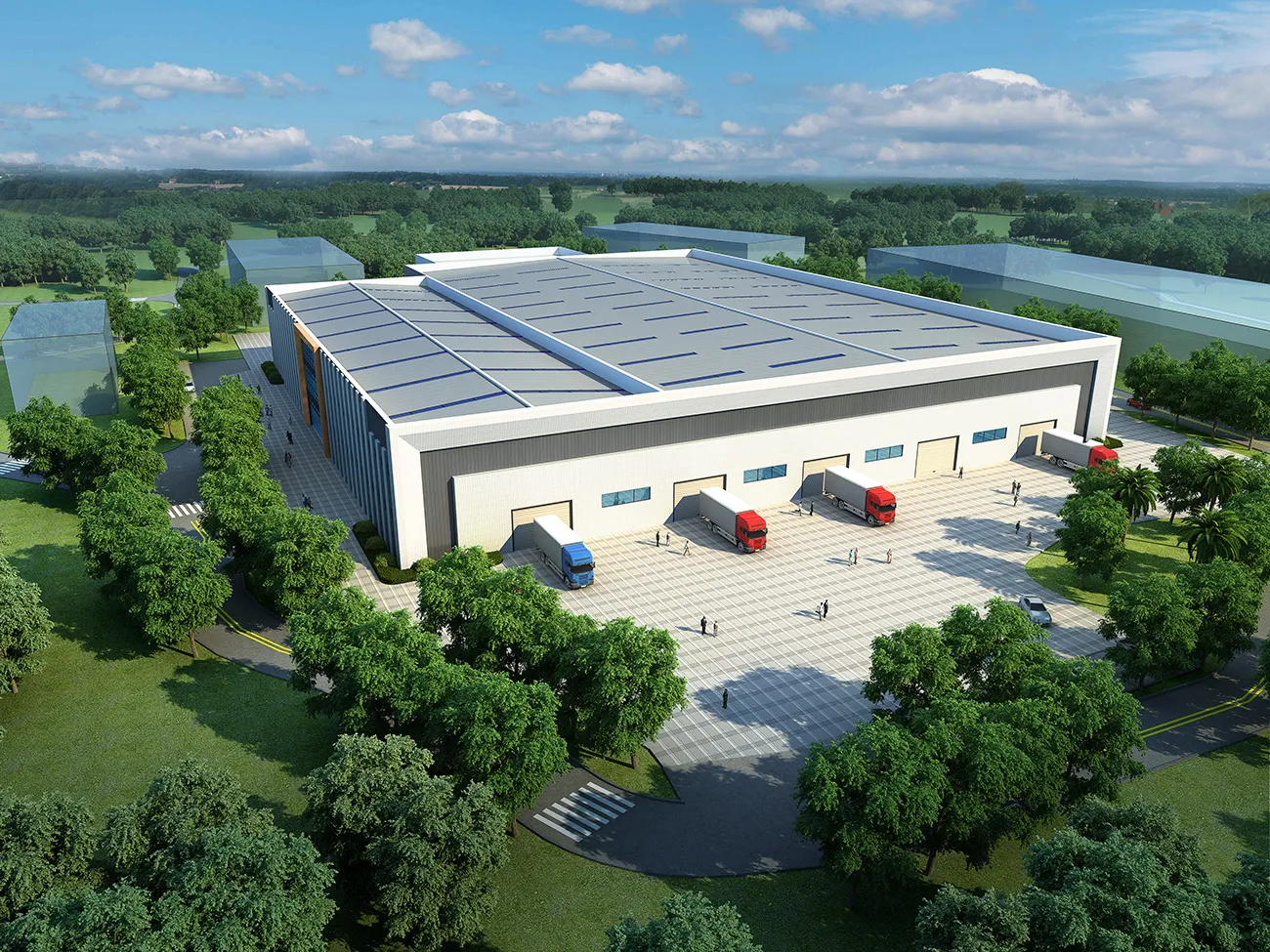
Steel Warehouse Solutions
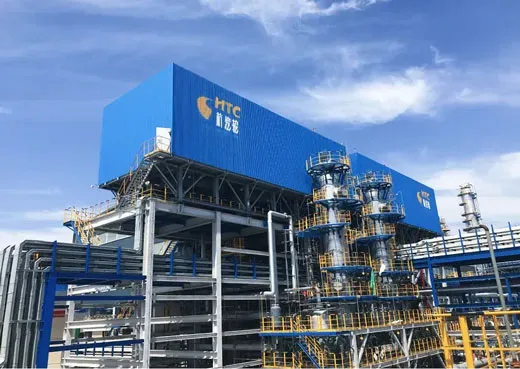
Heavy Steel Structures for Equipment
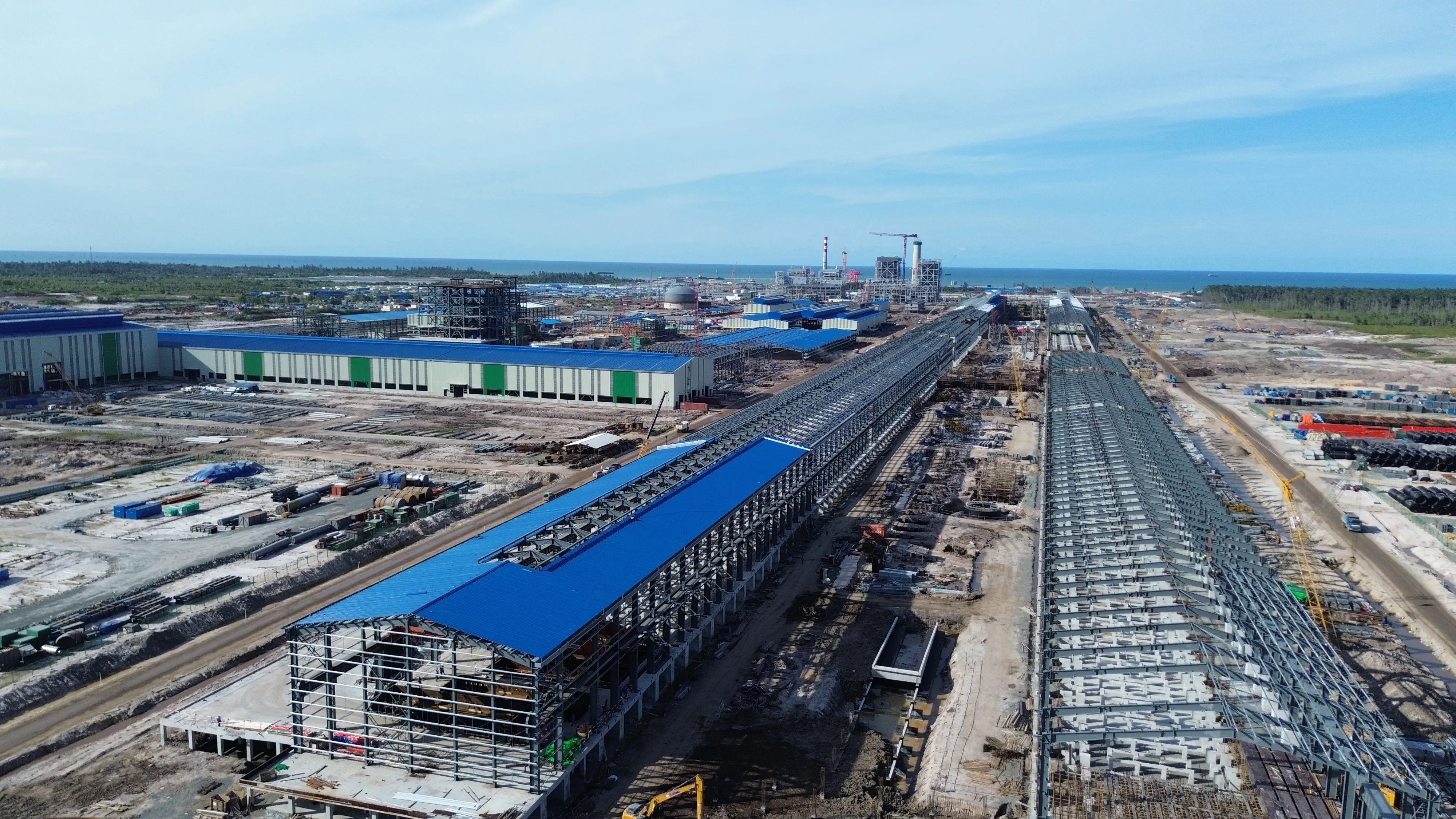
Indonesia North Kalimantan Aluminum Plant Project
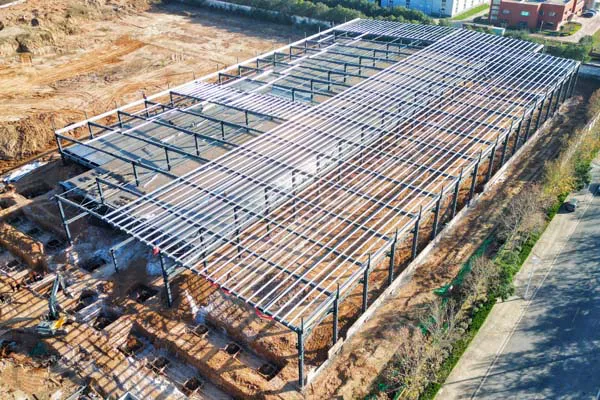
Luoyang Haode Auto Parts Steel Structure Factory Project
Automated Glass Production Line Steel Structure Factory Building Project
Oil & Gas Modular Steel Structure Fabrication Project
Flare Stack Structure