Time:2025-12-24 08:48:36 Source:Sanjian Meichen Steel Structure
Missed steel support details can quietly bring even the largest petrochemical project to a grinding halt, causing money and time to vanish without warning.
EPC contractors specify steel supports through a step-by-step process: collecting operating requirements, designing to meet exact functions, checking industry standards, selecting the right material, fabricating with strict quality control, and finishing with precise installation and inspection. Every stage demands clear communication and technical accuracy.

In my work, I have seen how small oversights—like selecting the wrong bolt grade or misjudging a load case—can force expensive late changes and open up safety risks. These details do not just protect equipment; they protect the whole project’s reputation and profit. If you want to get steel support selection right from the very beginning, let me show you how experienced EPC contractors keep projects on track and stress-free.
A single missing step in the steel support workflow can introduce errors that ripple through the schedule and budget.
The process EPC contractors use for steel support begins with collecting information directly from process engineers, equipment vendors, and the owner. At this step, all the basic facts—where each piece of equipment sits, how it connects to other parts, and what loads it carries—must be gathered. Next, structural engineers design the frames or supports, including anchor points, bracing, and space for maintenance access. This design moves through a review where modelers and installation planners walk through how it will be built and fit together on site.
Once the design is clear and meets owner needs, the purchasing team chooses steel material based on project exposure (for example, outdoors, corrosive atmosphere, or subject to vibration). They also vet suppliers for experience, capacity, and past performance. Fabrication starts after a manufacturing readiness review, with each part tagged and checked for compliance with dimension, welding quality, and finish (like painting or galvanizing). Before shipment, shops may assemble the supports to confirm fit—this is a critical “trial assembly” step.
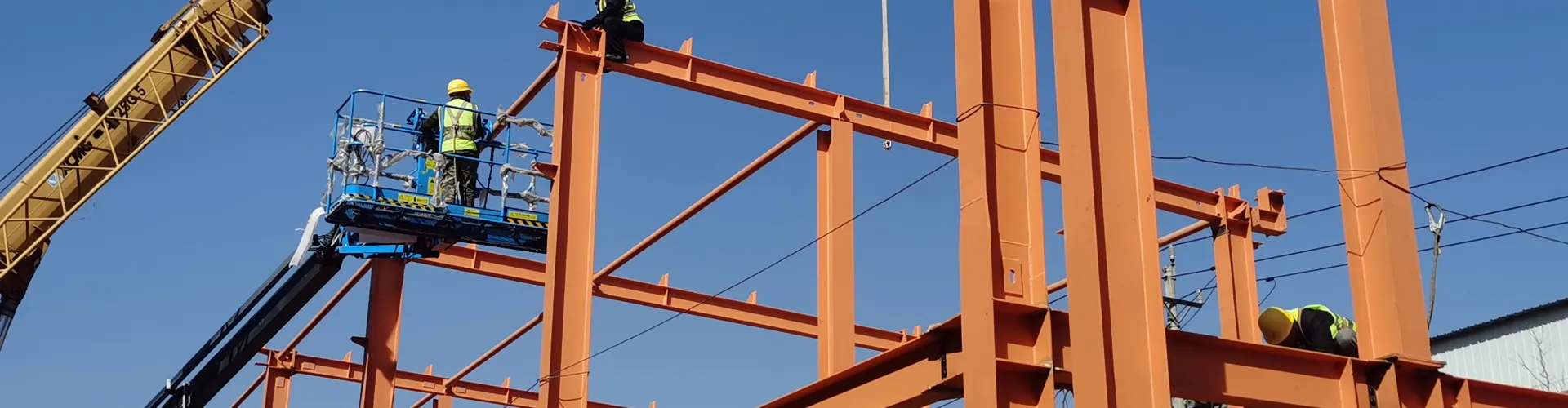
Installation is planned with the site team and, sometimes, with help from the supplier’s technical specialists. The last key check comes after everything is in place: inspectors verify that all bolts are installed to the right torque, welds are defect-free, and the finished supports match both drawing and reality. Detailed documentation, including inspection certificates and as-built photos, completes the closeout.
I have seen new teams skip the early coordination, only to discover too late that a pipe clash or missed load requires painful rework. The only way to “lock in” quality is to run through each step without shortcuts and keep records at every phase.
| Workflow Step | What Happens | Risks From Skipping | How I Ensure Quality |
|---|---|---|---|
| Requirement Collection | Gather from process, equipment, owner | Missed load, forgotten access | Hold joint review meetings |
| Structural Design | 3D model, create detailed drawings | Unrealistic, unsafe supports | Invite installation feedback |
| Supplier Selection | Audit capacity, require track record | Delays, low-quality parts | Demand past reference projects |
| Fabrication | Shop trials, test welding and painting | Incompatible or weak members | Visit factory/testing |
| Pre-shipment Trial Fit | Assembly at shop, fit check | Onsite misalignment | Approve only after fit shown |
| Installation | Planned with site team, supplier input | Installation delays/errors | Provide install guidance |
| Inspection & Handover | Bolt torque, weld NDT, as-built check | Failure in service | Log every inspection outcome |
Incorrect load estimation or missing installation cases can lead to under-designed supports and even catastrophic failures when equipment operates.
EPC contractors and equipment designers share input to list all load cases: dead weight, operational vibration, temperature change (thermal expansion), dynamic forces from connected pipes, wind, and other likely mechanical stresses. Only when every functional load is on the table can engineers size steel supports that actually match the demands.
From my experience, the most common blind spot for new teams is to consider only the equipment nameplate weight. In reality, there are many “hidden” forces: for example, someone maintaining a pump or replacing a motor can introduce extra weight or lever forces. Pipes connected to distillation columns or reactors not only pull on the main vessel—they also can introduce vibration and stress during operation, which must be resisted.
I recommend, at the start of every project, preparing a complete load matrix. This document asks for “dead load” (the structure’s own weight), “live load” (such as people, insulation, or removable platforms), operational load (vibration, pressure cycles), worst-case temperature swings, and all combinations, such as a heavy rain event plus wind or earthquake. The load matrix becomes a communication tool. By reviewing it with the owner, vendor, and design team, you capture special requirements like lifting lugs, jacking points, or redundancy for emergencies.
| Load Type | Source | Example Value | What to Watch For |
|---|---|---|---|
| Dead Load | Equipment, support | 30-200 tons | Real dimensions and add-ons |
| Live Load | Personnel, tools | 250 kg/m² | Walkways, maintenance crews |
| Thermal Effects | Expansion/contraction | ±30 mm movement | Flexible anchors needed |
| Pipe/Connection | Piping reactions | 10-30 kN | Dynamic, vibration cases |
| Seismic/Wind | Earthquake, windstorm | See local code | Check with owner’s envelope |
By following just the bare minimum standard, contractors risk costly changes later if a review requires stronger supports or more detailed checking.
EPC contractors review the applicable local and international codes with the owner and engineering team at project start. These codes include AISC (American steel design), ASME (pressure equipment), API (oil and gas), EN (European), and GB (China). Owners may set their own standard as the basis, but the trend is to design at least one grade higher for risk control and future audits.
A real example: On one refinery job, the client required GB standard, but the site was managed by an international team who insisted on EN and AISC certification for all steel supports. A batch of supports was fabricated to the lower standard, but at installation stage, the project audit stopped progress and forced a complete rework—adding months and hundreds of thousands in direct costs.
To avoid this, I always advise: At the conceptual stage, circulate a “codes and standards” matrix. Have design, owner, and QA/QC sign off on which standard controls each aspect—structural strength, welding, surface protection, and connection detailing. This becomes the inspection reference for everyone, reducing the chance of confusion or contracts disputes.
| Steel Support Aspect | Typical Code/Standard | My Enhancement |
|---|---|---|
| Structural Design | AISC 360, EN1993 | Request both, not just one |
| Welding | AWS D1.1, EN 1090 | Add 100% NDT for main welds |
| Material Certification | ASTM/EN/GB mill certs | Validate all heat numbers |
| Surface Protection | ISO 12944, client specs | Higher DFT or duplex coating |
| Bolting | ISO 898/A325 | Re-check on-site compatibility |
If you select material only for strength, ignoring corrosion or weldability, expect trouble—not just in the shop, but years later on site.
EPC contractors work with material engineers to choose steel grades that not only meet strength and thickness needs, but also resist corrosion and are safe to fabricate and weld in the real project environment.
For every contract, I require steel mills to provide original mill certificates showing chemical composition and mechanical results (yield, tensile strength, elongation). Where a project sits in a coastal area, I require all steel to be hot-dip galvanized or painted to meet at least C4 ISO 12944 corrosion class, and I specify minimum zinc thickness or paint dry film for the entire surface—including inside connection holes, where rust can still begin.
Many new procurement teams let material choices be made by the fabricator without checking corrosion or field weldability. One of my previous clients replaced dozens of supports three years after commissioning because weld cracks appeared where high-strength steel with poor weldability had been used. Now, I always insist on certified weld procedures and corrosion simulation testing in similar environments.
In your specs, add:
| Steel Property | Check Required | Added Step |
|---|---|---|
| Grade | Mill certificate | Ask for typical reference photos |
| Welding | WPS/PQR compliance | Inspect test coupons |
| Corrosion Resistance | C4, C5 environment | Test report or accelerated test |
| Lead Time | Confirm with mill | Always have a backup supplier |
| Redundancy | Allow for spares | Order 2-5% extra with batch |
No matter how strong the beam, a weak or poorly accessible connection can cause the failure of the entire support.
Detailed drawings for every connection—bolted, welded, pinned—are developed, not just for their theoretical strength, but for practical field assembly and possible future disassembly, inspections, or adjustments.
When I walk the site or review designs in 3D, I look for points where a bolt could be impossible to reach, a nut prone to rust, or welding access inadequate. I often revise designs to use slotted holes, positioning lugs, and removable plates, especially for places where the equipment will be replaced or serviced years later. On one LNG terminal job, simply widening the access space around baseplates made it possible to install and torque bolts safely—saving days during commissioning and dozens of headaches for the operations crew.
I guide design teams to:
Position all connections for open wrench access and minimal field welding
Provide “helper” plates or hole locators for fast, error-free alignment
Mark all holes and plates at the shop, both for traceability and to assist on-site fitters
| Connection Issue | Real-World Solution | Field Benefit |
|---|---|---|
| Tight Fitting | Oversized or slotted holes | Reduces alignment struggle |
| Inaccessibility | Add temporary install holes | Speeds up site installation |
| Weld Quality | Factory vs. field weld bias | Maximum safety and speed |
| Corrosion at Joints | Use gasket or coat inside | Long-term durability |
Quality problems discovered after delivery can halt projects—so in-factory controls are not optional, but required.
EPCs insist on shop inspections, with the supplier providing a chain of quality evidence: material certificates, process approval records, in-process QC, dimension checks, weld inspections, and coating verification.
Before approving a production run, I schedule a visit to see the first supports fabricated and assembled for trial fitting. We use laser measurement tools to compare actual part dimensions to the approved drawings. Weld seams are checked with non-destructive testing—usually ultrasonic or radiography for main load points. Paint or galvanizing is checked both visually and with a dry film thickness meter, confirming that the protective layer meets client specs everywhere, not just on flat surfaces.
I capture every step with photos and have the shop fill out a punch list, so we’re both clear what needs rework before main delivery begins. For large projects, we run a pilot batch before full order—reducing the risk of mass errors or missing features.
| QC Step | Method | What I Require |
|---|---|---|
| Mill Certification | Supplier documents | Cross-check with batch |
| Dimensional Inspection | Laser scan/measured tape | Shop reports, my own check |
| Weld Testing | Visual, NDT (UT, RT) | 100% for main, samples for rest |
| Coating/Finish | DFT meter, adhesion tape | Test all faces, not just easy |
| Trial Assembly | Shop fit-up | Photographs & dimension log |
The best steel supports fail if site crews are left to “figure it out” during rush installs or emergency situations.
Suppliers and EPC teams develop customized installation manuals, video tutorials, and sometimes send experts to lead critical on-site assembly, ensuring nothing is left to chance on install day.
For my projects, I require clear, step-by-step manuals with color photos of every support type—anchor bolts, connections, and filler parts. On highly complex installations, like pipe racks over live equipment, the supplier sends a technical supervisor. This person answers questions, solves fit-up issues on the spot, and signs off each finished portion.
After completion, the supplier provides a complete operation and maintenance (O&M) pack, detailing recommended inspection intervals, painting touch-up guides, torque values for bolts, and tricks for safe disassembly when replacement parts are needed. This value-add sets great suppliers apart.
| Service | What’s Included | Impact |
|---|---|---|
| Installation Manual | Photos, steps, safety | Cuts training and time |
| Technical Hot Line | Contact for urgent help | Limits downtime, quick fixes |
| On-site Technician | Supervise install/repair | Gets job done right |
| O&M Documentation | Care, inspection logs | Extends support life |
Careful supplier selection and specification control is what protects your project from costly fixes, delays, and future plant shutdown pain.
I always check suppliers’ technical references, analyze their historic delivery records, and request calculation sheets for every major support—plus simulated load analysis and reference photos from finished jobs. I only accept offers that include pre-shipment trial assembly, fail-proof documentation, and readiness for late design changes. The best suppliers do not just sell steel—they help you get work done when the unexpected happens.
Ask vendors:
Can you provide structural/load calcs and 3D simulation?
What contingency plans exist for emergency needs or design changes?
Will you support field installation and supply replacement parts fast?
Can I visit your factory during fabrication?
Getting these answers locks in reliable delivery and peace of mind—from first design to final plant handover.
By following these concrete steps and demanding strong partners, EPC contractors build safe, durable steel supports that keep petrochemical projects running smoothly and minimize costly surprises.
Steel Structure Workshop Solutions
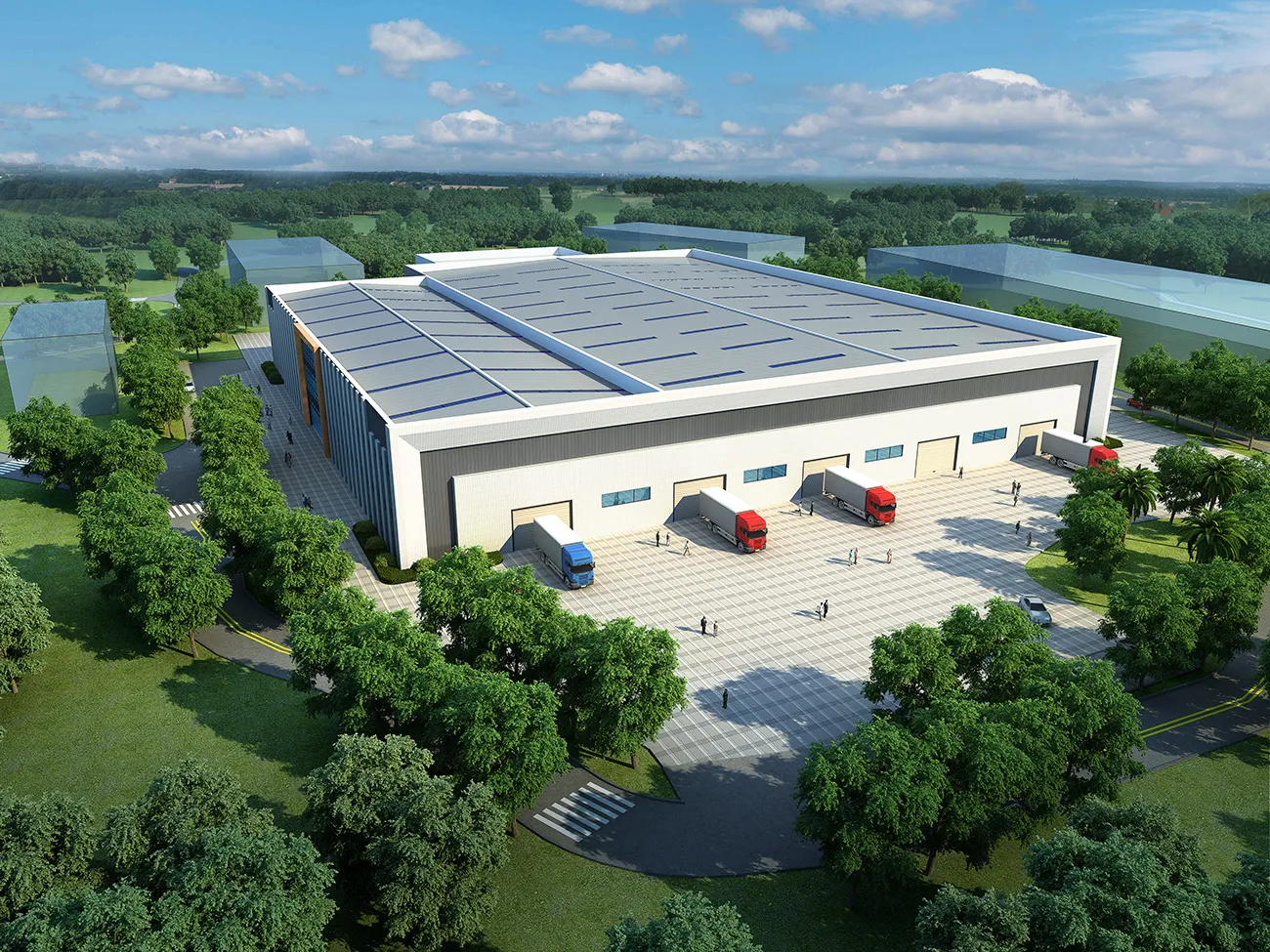
Steel Warehouse Solutions
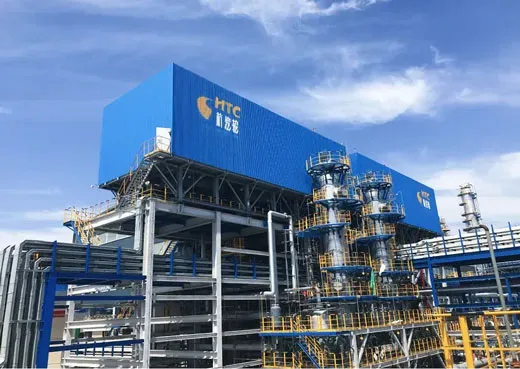
Heavy Steel Structures for Equipment
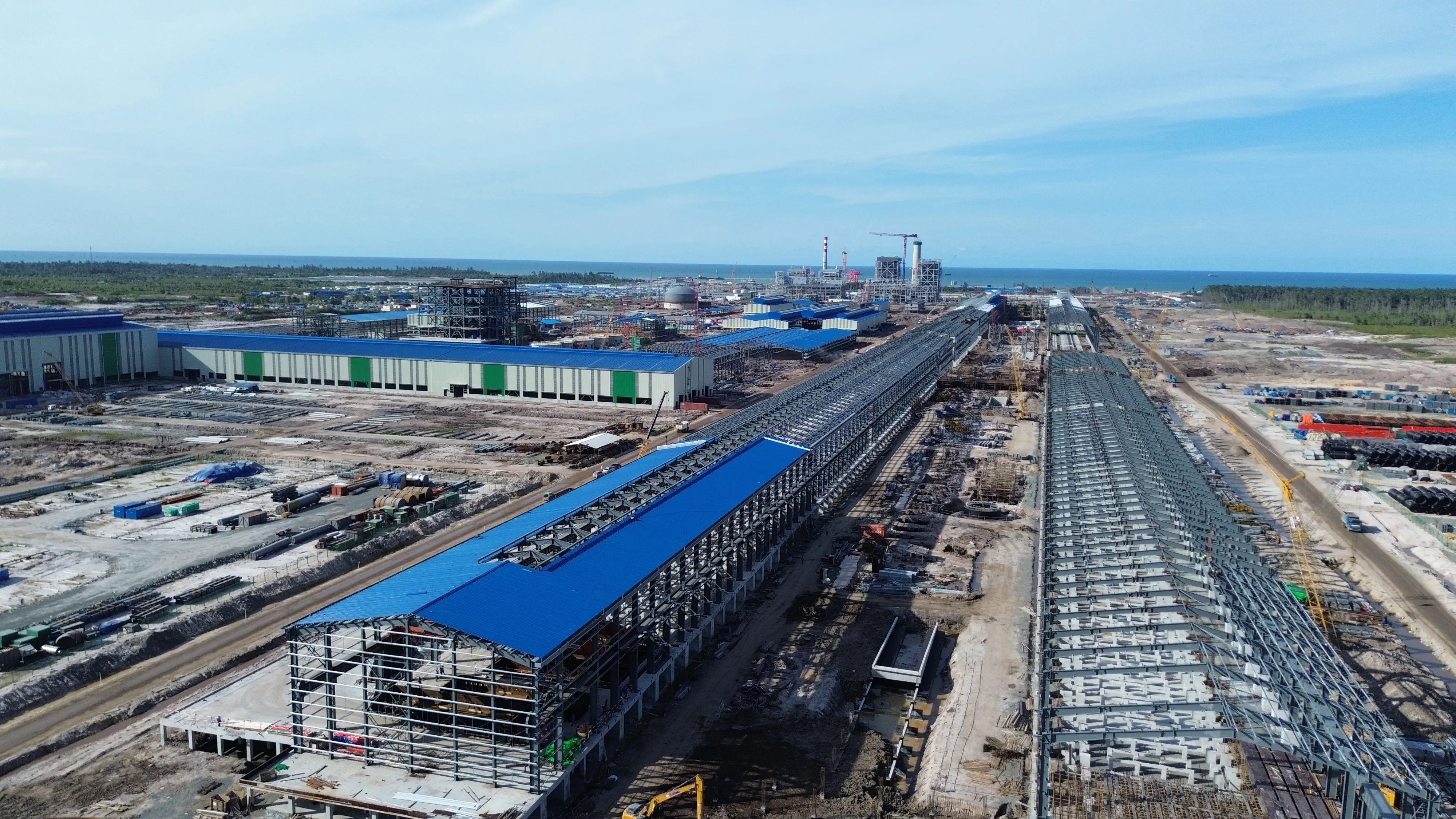
Indonesia North Kalimantan Aluminum Plant Project
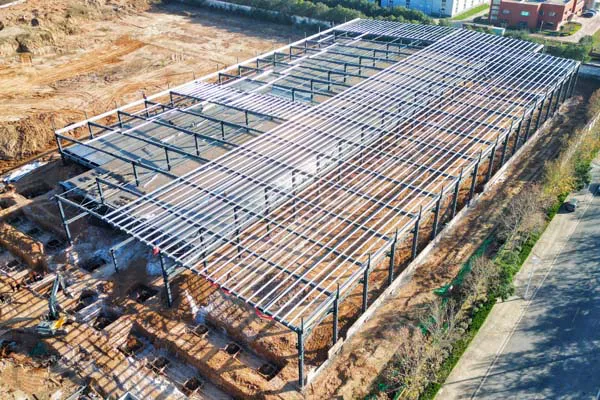
Luoyang Haode Auto Parts Steel Structure Factory Project
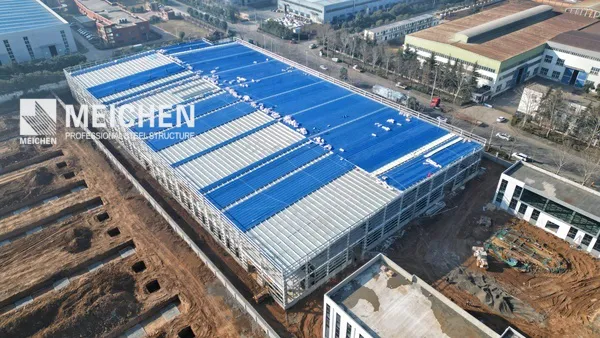
Automated Glass Production Line Steel Structure Factory Building Project
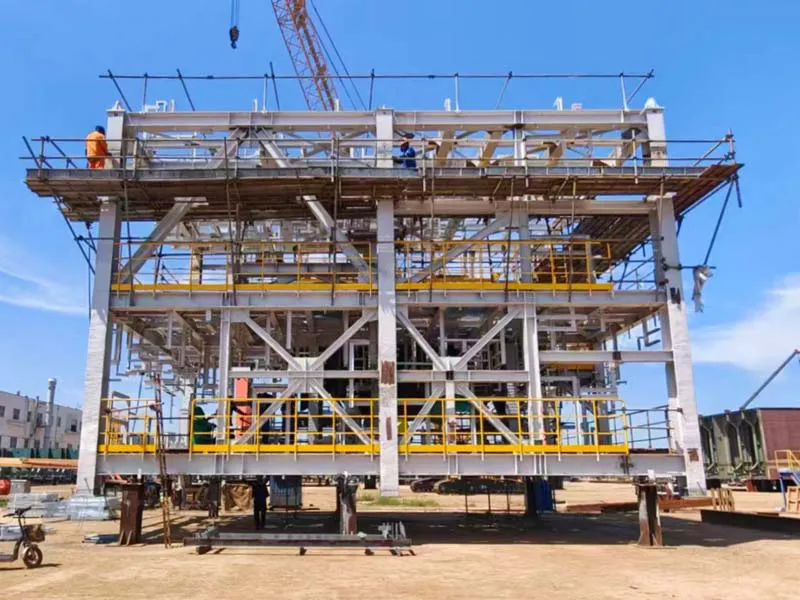
Oil & Gas Modular Steel Structure Fabrication Project

Flare Stack Structure