Time:2025-12-26 06:55:43 Source:Sanjian Meichen Steel Structure
Pipe rack failures can halt production, eat up profit, and damage your reputation. Are you confident your pipe rack design will deliver long-term safety, reliability, and flexibility for your petrochemical plant?
Pipe racks serve as elevated frameworks that carry piping, electrical trays, and instrument cables throughout petrochemical facilities. Their design should ensure plant safety, make maintenance easy, and allow for future modification without major disruptions.
Pipe racks look simple but play a crucial role in keeping a complex plant running smoothly. If you get the design wrong, you risk costly downtime, dangerous working conditions, and expensive headaches when the plant needs to expand. Let me share the strategic design thinking, hands-on details, and practical methods that 20 years in steel structure fabrication have taught me.
A poorly designed pipe rack often becomes a weak link in your plant’s operation—slowing upgrades, hindering emergency access, and even posing serious hazards. Can one framework really control so much?
Pipe racks are the main routes for process pipes, electrical trunk lines, and communication cables, crossing wide plant areas while supporting all these elements above ground. Their structure is tailored to the plant’s operational needs and future direction.
Pipe racks do much more than hold pipes in place. They organize fluid transport efficiently and make daily maintenance and upgrades possible with minimal disruption. The first thing I look at is possible expansion. Many companies focus on today’s capacity, overlooking how pipe rack spare space and weight support allow for new process lines and larger pipes as production grows. I’ve seen operators struggle when new lines must be squeezed into racks that don’t have enough space. The cost of adding extra capacity at the construction stage is usually small compared to future lost revenue from production stoppage or expensive field modifications.
I recommend meeting with not just design engineers but also maintenance staff and plant managers. They work with the rack daily and know how future changes might play out in reality. A pipe rack must reflect the plant’s operational philosophy: open enough for easy upgrades, strong enough for safety, and accessible for quick maintenance activities. Over my career, putting practicality first always leads to better results and long-term savings.
Many designers get stuck on general specifications, forgetting how actual loads, expansions, and site operations affect finished racks. Are you making the most common mistakes?
You need to consider three major types of loads: the dead weight of pipes and equipment, live loads from workers, wind, and earthquakes, and occasional loads such as pressure surges or accidental impacts. These change from project to project. I never rely on generic figures. I ask clients early about the types of fluids in each pipeline, their operating pressures, and potential for changes. Many times a chemical process engineer revises important process lines near project completion, doubling or tripling the original load. If load details are missed, the rack can fail safety checks and put the schedule at risk.
Bay spacing matters just as much. If the columns are spaced 6–8 meters apart, you get a balance between material cost and operational flexibility. I suggest shorter spacings if the design must allow for easy rerouting or future scaffolding—too long a bay saves money up front but means larger beams and makes late adjustments harder. Always ask plant operation teams or maintenance leadership what will make their jobs easier. The process designer usually thinks only of flow diagrams, while the maintenance team knows how access and spacing impact safety and efficiency. I have seen projects improve by simply shortening bays and increasing walkway space, which reduced scaffold setup time and made emergency repairs safer.
Stability is vital, especially in locations with high wind, earthquake risk, or harsh weather. Not all designers include enough bracing or lateral support. One Middle Eastern project I worked on suffered sandstorms. The engineer had only accounted for wind, but sandstorms imposed significant unexpected lateral loads. We added extra bracing, which prevented damage later. My advice: always check local environmental records and plan for the worst—not just the minimum code.
Accessibility often gets overlooked. Pipe rack height and spacing should enable maintenance teams to reach any pipe quickly for repairs and inspections. Consult directly with those responsible for repairs. Their experience shapes the rack’s usability, prevents bottlenecks, and can save weeks in project schedules.
Choosing the wrong metal or coating can erode your investment and endanger the plant, even when specs seem standard. How do I decide what works best?
Most pipe racks are built from carbon steels like Q235 and Q345, ideal for regular environments. But areas near sulfur units, chemical tanks, or salty coastal air demand more. These conditions cause rapid corrosion, which can undermine safety and cause shutdowns. I always order a corrosion survey at project launch. The location, airborne chemicals, and local weather all affect steel selection. For example, near coastal ports or saltwater, standard carbon steel rusts much faster, so I recommend marine-grade alloy steel and hot-dip galvanization. In highly corrosive chemical handling areas, special coatings and sometimes full alloy steel sections are a must.
I noticed that clients sometimes push to reduce costs by cutting surface protection. I always show them data linking corrosion rates to total maintenance costs and shutdown risk. Even if it adds a few percent to structural cost, corrosion-resistant steel and coatings often pay back within 2–3 years. Keep a simple table of choices as a reference for every project:
| Environment | Steel Grade | Coating |
|---|---|---|
| Indoor, low corrosion | Carbon Steel (Q235, Q345) | Primer Paint |
| Coastal, high corrosion | Marine-grade Alloy Steel | Hot-dip Galvanization |
| Chemical Areas | Stainless Steel / Alloy Steel | Special Coatings (e.g. Epoxy) |
For basic indoor pipe racks, carbon steel with primer paint is usually enough. In high-corrosion zones, invest in thicker coatings, better alloys, or even stainless steel if warranted by long-term exposure. Local climate and plant location can double or triple the maintenance budget unless you account for these factors upfront.
If you skip modular design or trust paperwork alone, are you risking costly mistakes that could delay your entire project?
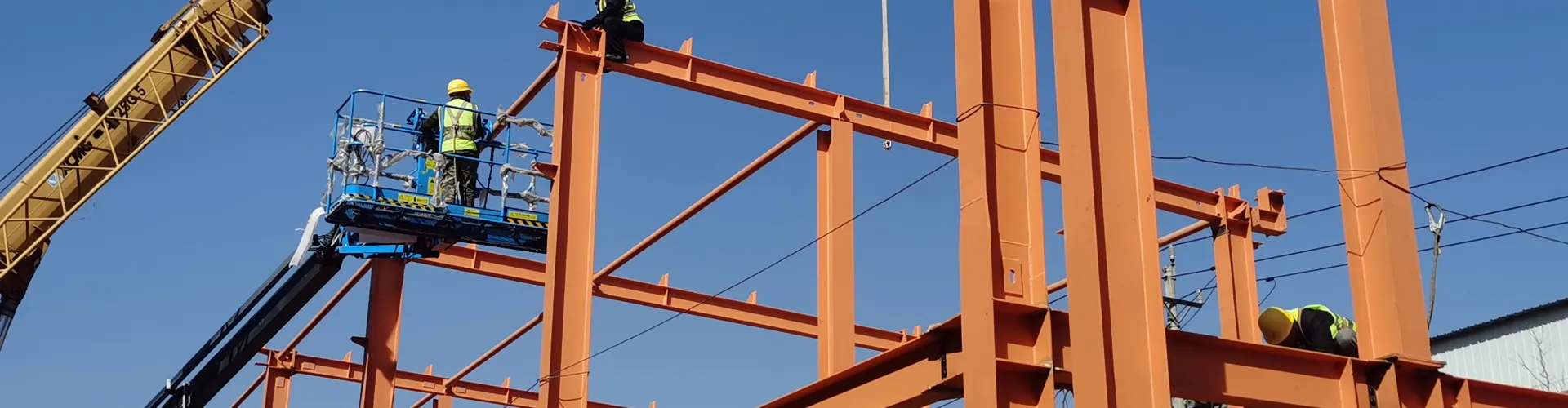
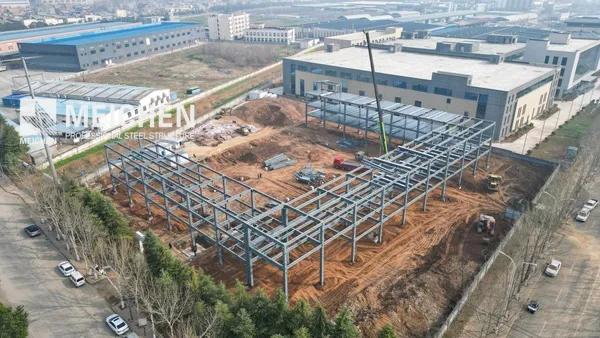
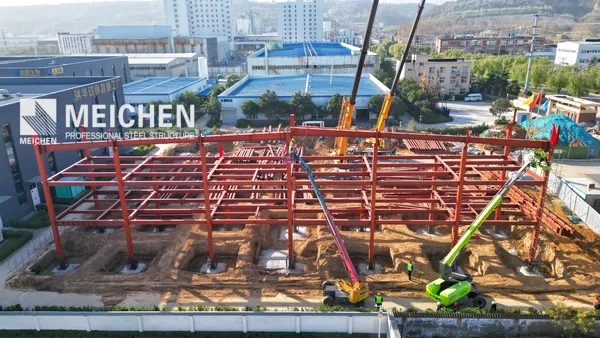
Pipe racks should be fabricated as much as possible offsite. Modular frameworks assembled in a controlled environment—instead of open field conditions—mean better weld quality, faster schedule, and easier transport. I recommend completing most connections with bolts rather than welds, especially if future expansion is expected. Bolted joints allow you to add sections, reroute pipes, or replace beams without major cutting or onsite welding.
During fabrication, never depend only on vendor paperwork. Request mill certificates for each steel batch and personally inspect a sample of welds. I learned this the hard way—a project had excellent documentation, but actual weld samples did not meet the code. Spot-checking saved us from rework that could have added weeks.
Quality checks in fabrication and erection include verifying alignment, checking paint thickness, confirming torque on bolts, and inspecting weld quality through nondestructive testing (NDT). Modular assembly almost always shortens the project timeline, while standardized rack sections allow quick replacement and easy upgrades in the future.
Many procurement managers are not engineers. They don’t care about beam sizes—they want cost control, reliability, and future flexibility. How do you address their real priorities?
In my experience, buyers care most about controlling expenses, meeting deadlines, and ensuring the plant remains flexible for new pipes or upgrades. Explain options for phased expansions, modular rack sections, and standardized connections. That means presenting the cost benefit of better steel grades and coatings in terms of return on investment, fewer shutdowns for upgrades, and real safety improvements.
When talking to procurement teams, keep technical language simple but concrete. Use direct numbers for maintenance savings, downtime reduction, and expansion opportunities. I often share specific examples from past projects—showing how a small investment upfront avoided major disruptions later. If their aim is cost control, show them the long-term expense of under-investing in rack quality, including lost revenue during unexpected maintenance.
For schedule optimization, point out the value of modular racks and real inspection records: faster assembly, less onsite work, lower rework risk. Transparency is essential. Sharing digital QC data and photographs builds trust. It proves your structure meets promise, and keeps everyone informed during production.
Hidden defects can doom a plant’s operation before commissioning. What’s my checklist for getting pipe racks approved and reliable?
A rigorous inspection process is non-negotiable. I use nondestructive testing like ultrasonic or magnetic particle checks for welds. Every paint layer must pass thickness verification to prevent corrosion. Bolt torque checks ensure connections will not loosen over time. Alignment checks prevent pipes from straining or leaking due to rack movement or twist.
Share all quality records digitally and in real time with the client. This not only ensures compliance but allows immediate correction of any issues before they reach the construction site. I find that thorough digital reporting, with full traceability, makes the approval process smooth and transparent and puts clients at ease knowing problems are caught early.
Teams often lose weeks and overspend because coordination and planning lag. How do you keep your project moving and avoid common bottlenecks?
Start with early, close coordination between process engineers, mechanical, electrical, and civil teams. If these groups only talk after design is set, racks can block walkways, clash with cables, or require major redesigns. Hold joint walkthroughs at each design stage.
Keep a reserve of commonly used structural profiles on hand. I have seen delayed shipments of certain beams cause weeks of construction delays, which is much costlier than keeping a backup inventory. Consult vibration experts early if your rack will carry rotating equipment, compressors, or pumps. Vibration damage builds slowly and is hard to fix after installation. Early advice and simple dampers or bracing solve most problems before they arise.
My experience shows that project success comes from future-proof rack layouts, robust inspection protocols, and strong communication with every client and team. These steps cut delays and ensure plant reliability for years to come.
Pipe rack success means designing flexibility, investing in inspection and quality, and focusing communication on long-term value—not just initial cost. This delivers safe, stable, and expandable petrochemical plants.
Steel Structure Workshop Solutions
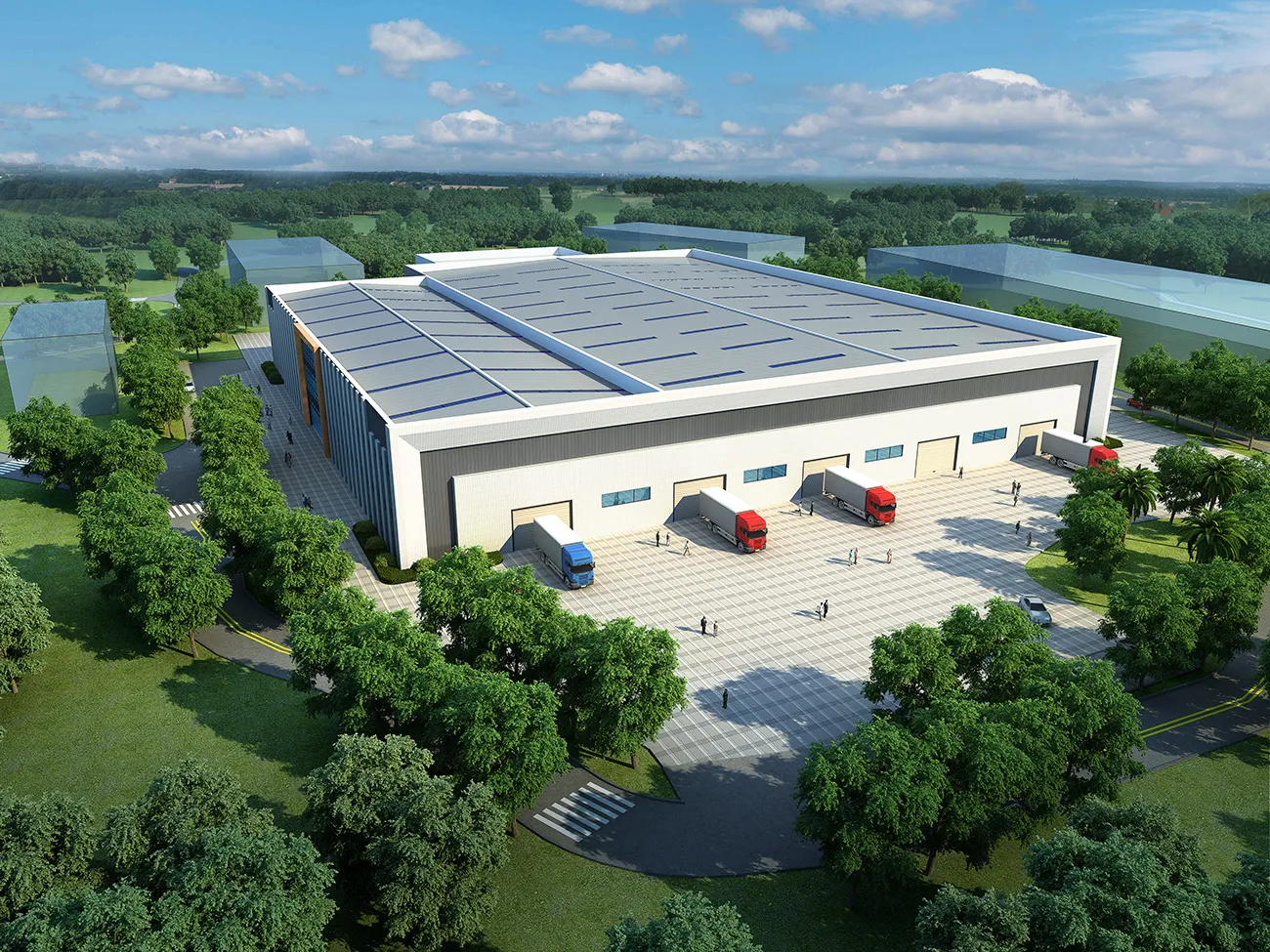
Steel Warehouse Solutions
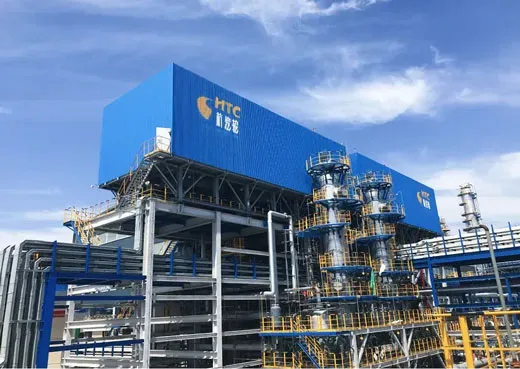
Heavy Steel Structures for Equipment
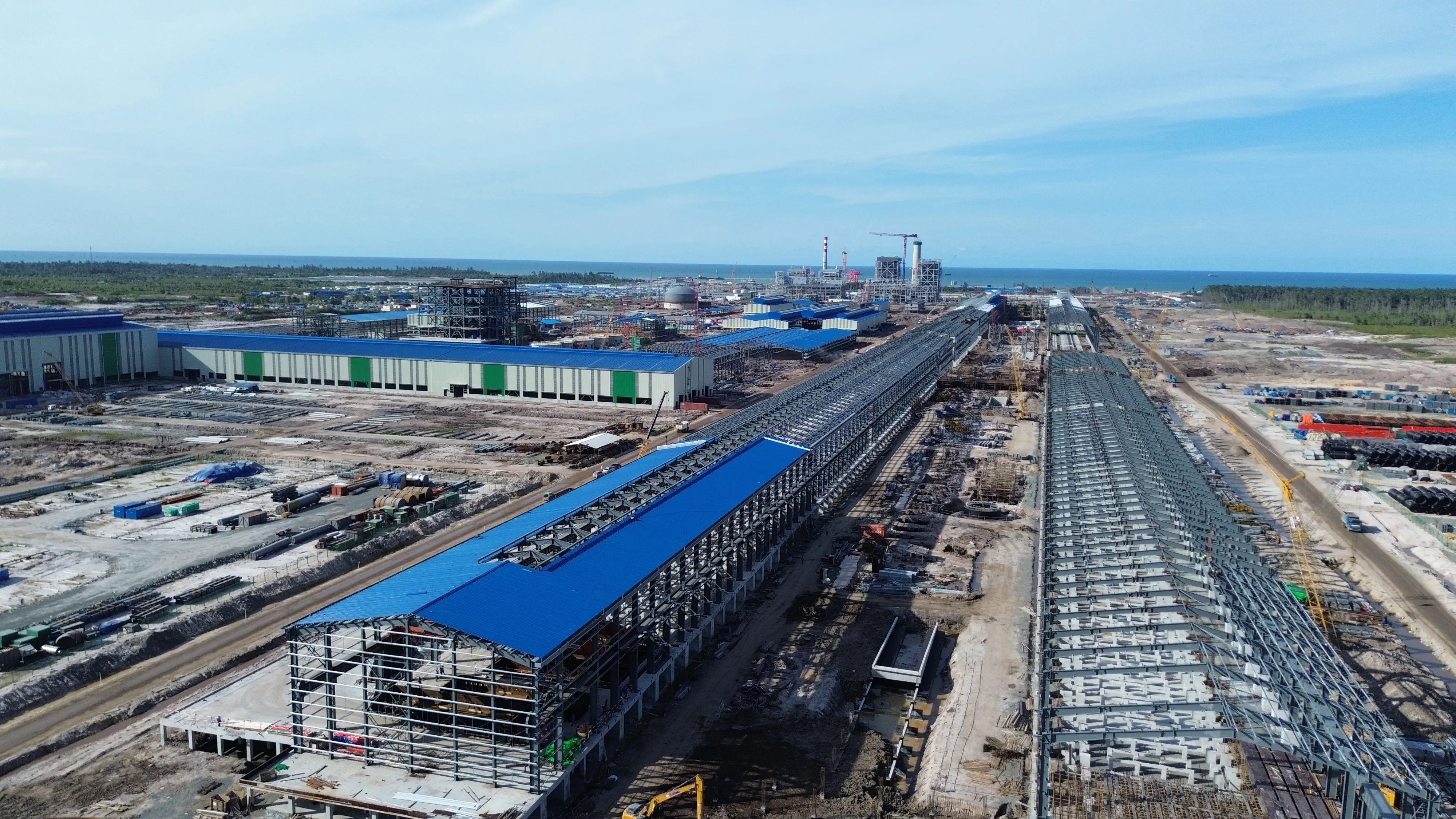
Indonesia North Kalimantan Aluminum Plant Project
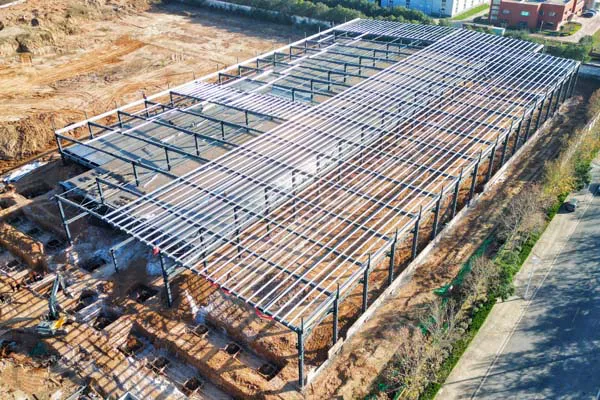
Luoyang Haode Auto Parts Steel Structure Factory Project
Automated Glass Production Line Steel Structure Factory Building Project
Oil & Gas Modular Steel Structure Fabrication Project

Flare Stack Structure