Time:2025-12-27 10:03:06 Source:Sanjian Meichen Steel Structure
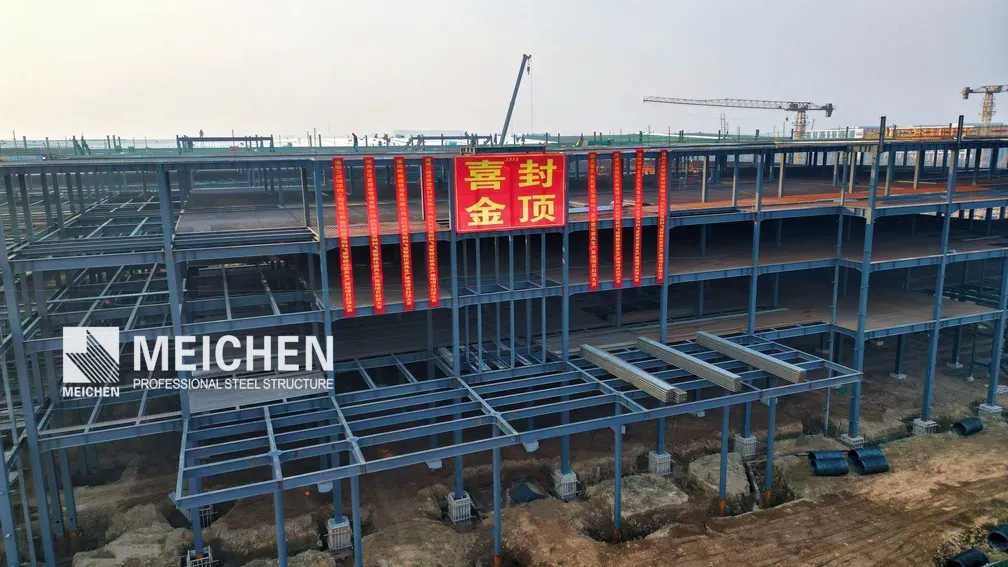
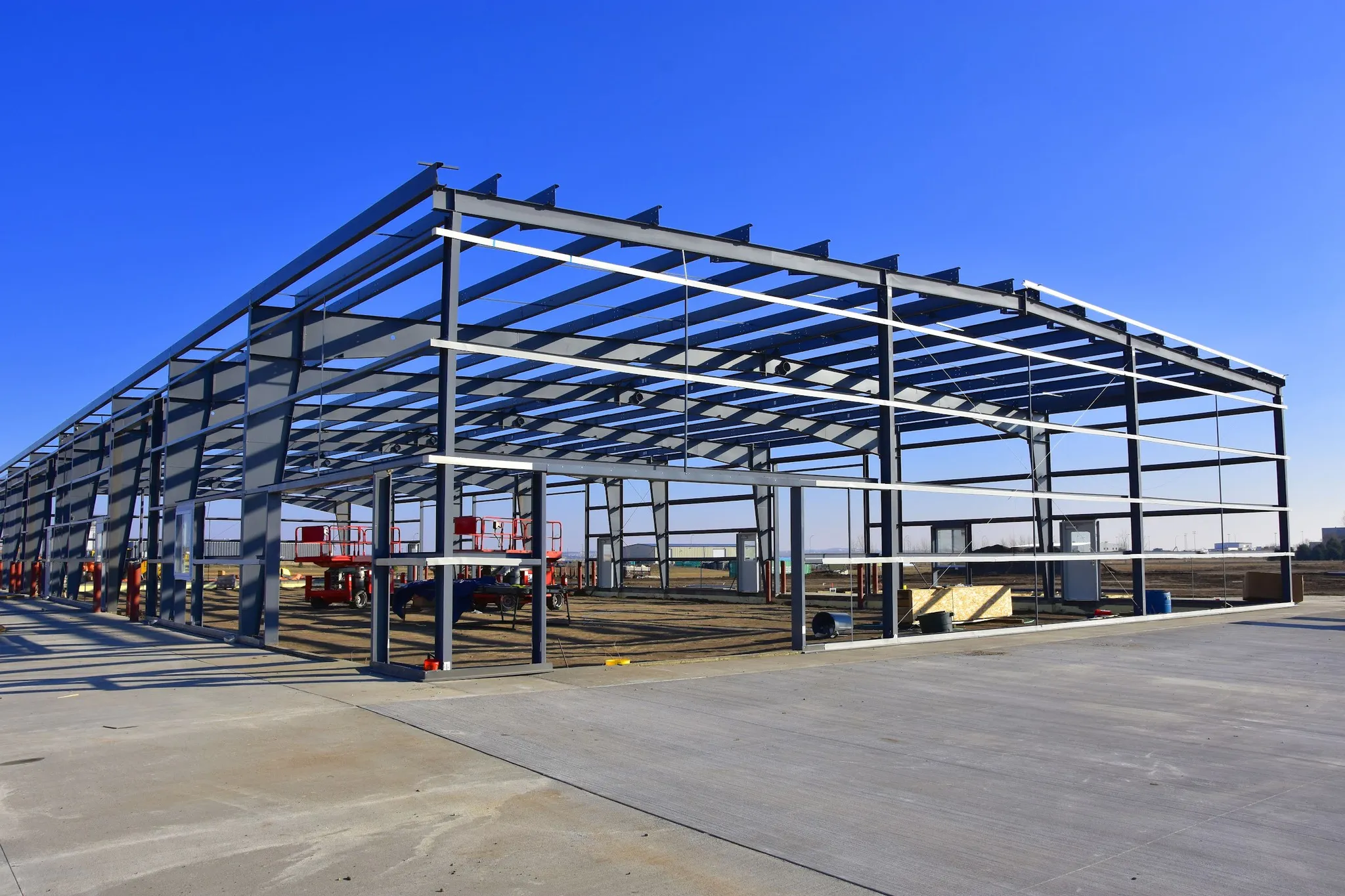
In modern architecture, steel structures are highly favored due to their high strength, rapid construction, and durability. Prefabrication and assembly technology in steel structure factories plays a crucial role in improving construction efficiency and project quality. This article will comprehensively analyze key technologies such as component prefabrication, modular design, connection technology, and quality control, as well as their advantages in industrial plants, commercial buildings, and infrastructure projects.
Component prefabrication technology is the core link in prefabricated production in steel structure factories. By precisely processing components such as steel beams, columns, and plates in a factory environment, not only can dimensional accuracy be guaranteed, but on-site processing workload can also be effectively reduced.
Common component prefabrication methods include:
CNC Cutting and Bending: Using CNC plasma cutting machines and bending machines to achieve high-precision cutting and shaping of steel.
Welding Prefabrication: Completing the welding work of components in the factory to ensure weld quality and structural stability.
Surface Treatment: Such as sandblasting and anti-rust coating treatments to improve component durability.
This prefabrication method reduces the complexity of on-site construction, minimizes human error, and improves construction efficiency.
Modular design technology is another major highlight of prefabricated modular buildings. By breaking down the building structure into standardized modules, steel structure factories can pre-assemble and test components, ensuring rapid and smooth on-site installation.
Advantages of modular design include:
Standardized Production: Uniform module dimensions facilitate mass production.
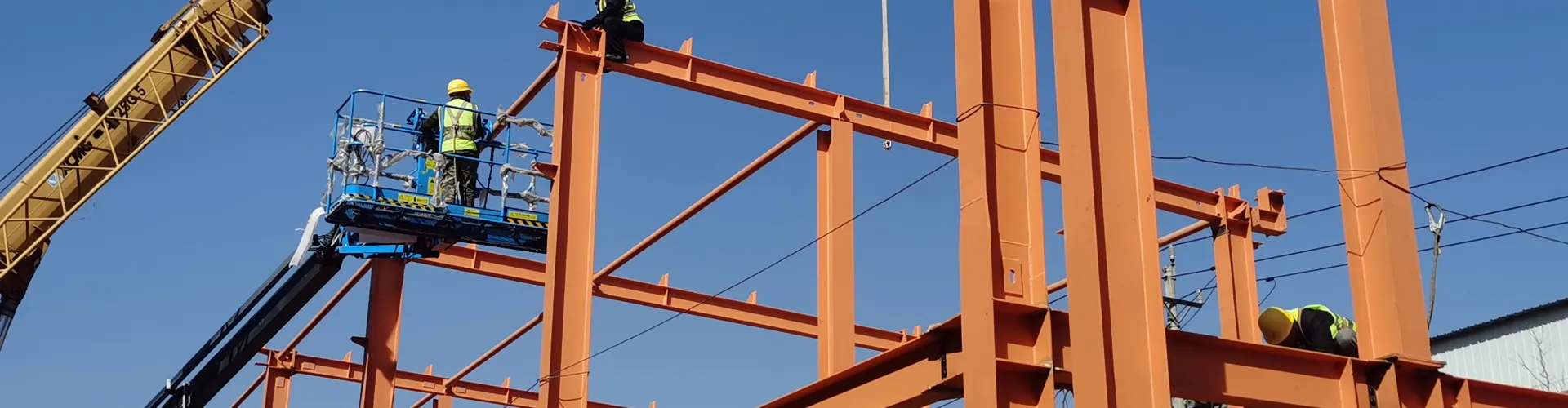
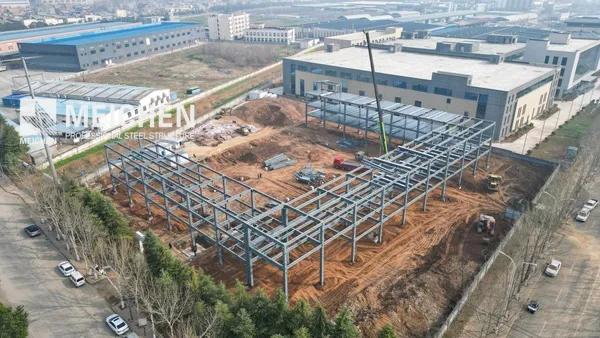
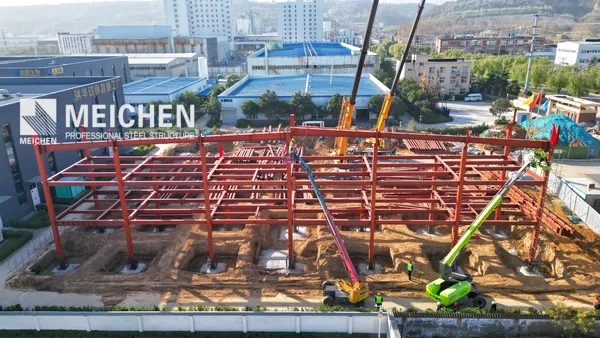
Rapid Assembly: Significantly reduced on-site installation time, shortening the construction period by more than 50%.
Flexible Expansion: Modular design facilitates future building expansion or renovation.
Modularization not only improves construction efficiency but also reduces on-site dependence on labor and the environment.
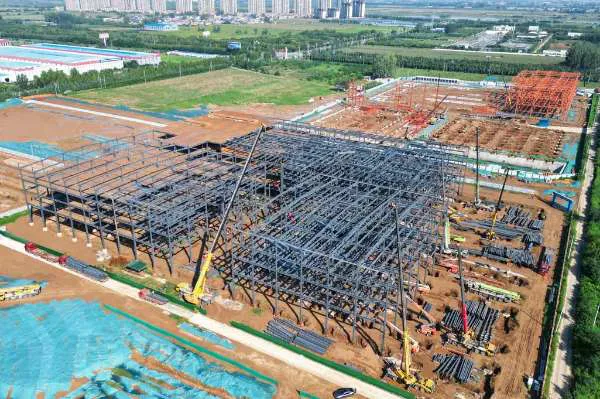
In prefabricated modular buildings, the connection technology between components is crucial. Commonly used connection methods include:
Bolt Connection: Suitable for most steel structure components, quick to install and detachable.
Welded Connection: Used for critical nodes with high load-bearing requirements, ensuring structural integrity.
Plug-in and assembly-type connections: Facilitate rapid assembly of modular components, improving construction efficiency.
High-quality connection technology not only enhances building safety but also ensures the long-term stability of prefabricated buildings.
Prefabricated assembly technology in steel structure factories relies on rigorous quality control techniques to ensure that every component meets design standards. Common quality control methods include:
Material testing: Ensuring that the strength and chemical composition of steel meet specifications.
Welding quality inspection: Checking weld integrity through non-destructive testing (such as radiographic or ultrasonic testing).
Dimensional and geometric accuracy inspection: Ensuring seamless connection of modules and components during assembly.
Construction monitoring and traceability: Establishing a complete process record for easy traceability and maintenance.
A comprehensive quality control system not only reduces construction risks but also increases customer trust in the project.
In summary, prefabricated assembly technology in steel structure factories offers several advantages:
Shorter Construction Period: Factory prefabrication and on-site assembly are carried out simultaneously, significantly reducing the construction cycle.
Lower Costs: Reduces on-site labor requirements and material waste.
Improved Quality: Factory production ensures component precision and welding quality.
Environmentally Friendly and Energy-Saving: Significantly reduces dust, noise, and construction waste at the construction site.
Safe and Reliable: Modular and high-precision connection technologies reduce construction safety hazards.
These advantages make prefabricated assembly technology an important direction for the development of modern steel structure buildings, and provide strong support for enterprises to save costs and improve competitiveness.
Prefabricated assembly technology in steel structure factories improves construction efficiency, project quality, and sustainability through component prefabrication, modular design, advanced connections, and strict quality control. Enterprises adopting these technologies can reduce costs, shorten construction periods, and ensure the long-term performance of buildings.
For companies seeking efficient steel structure solutions, understanding and applying these technologies will be key to improving project efficiency and building quality.
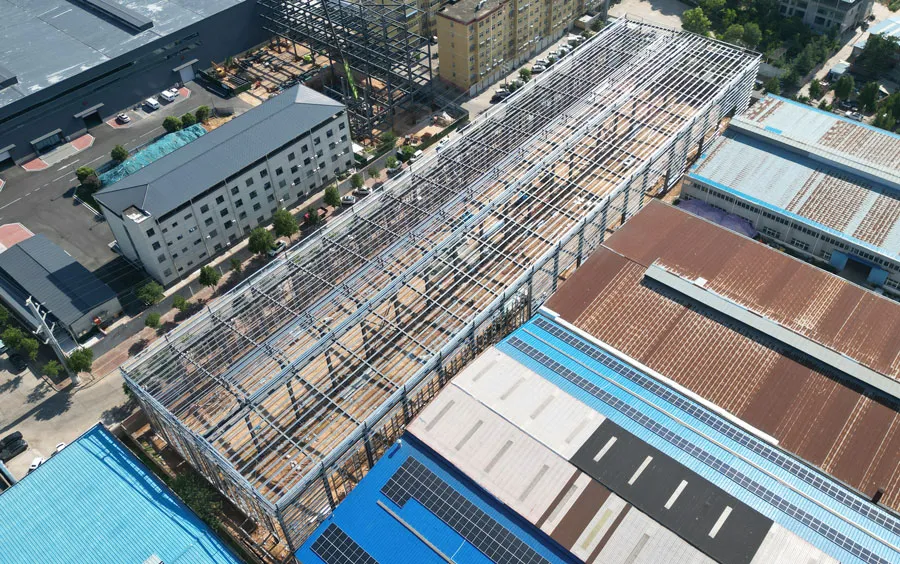
Steel Structure Workshop Solutions
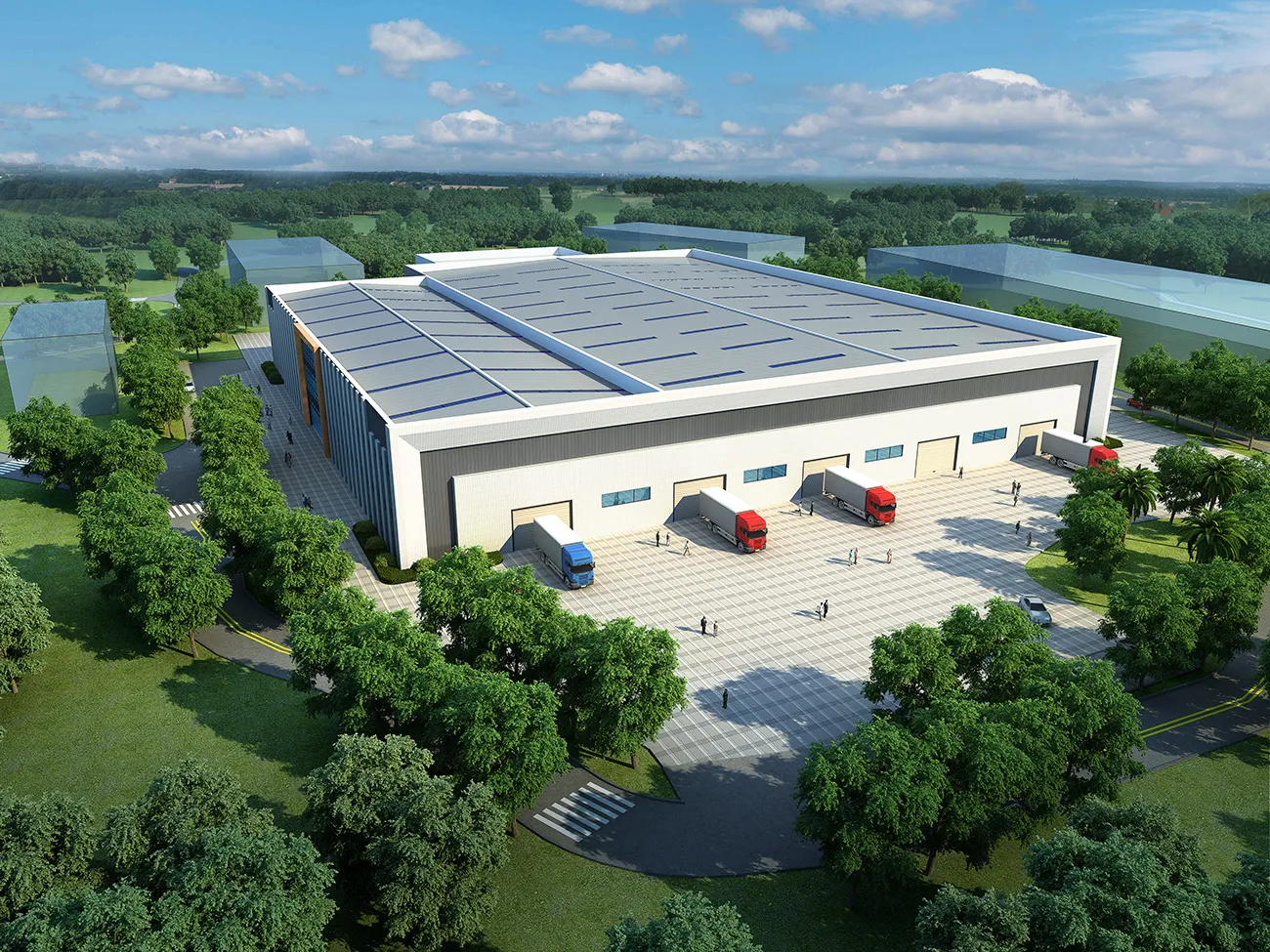
Steel Warehouse Solutions
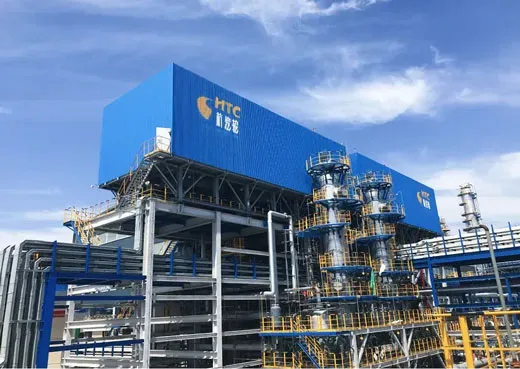
Heavy Steel Structures for Equipment
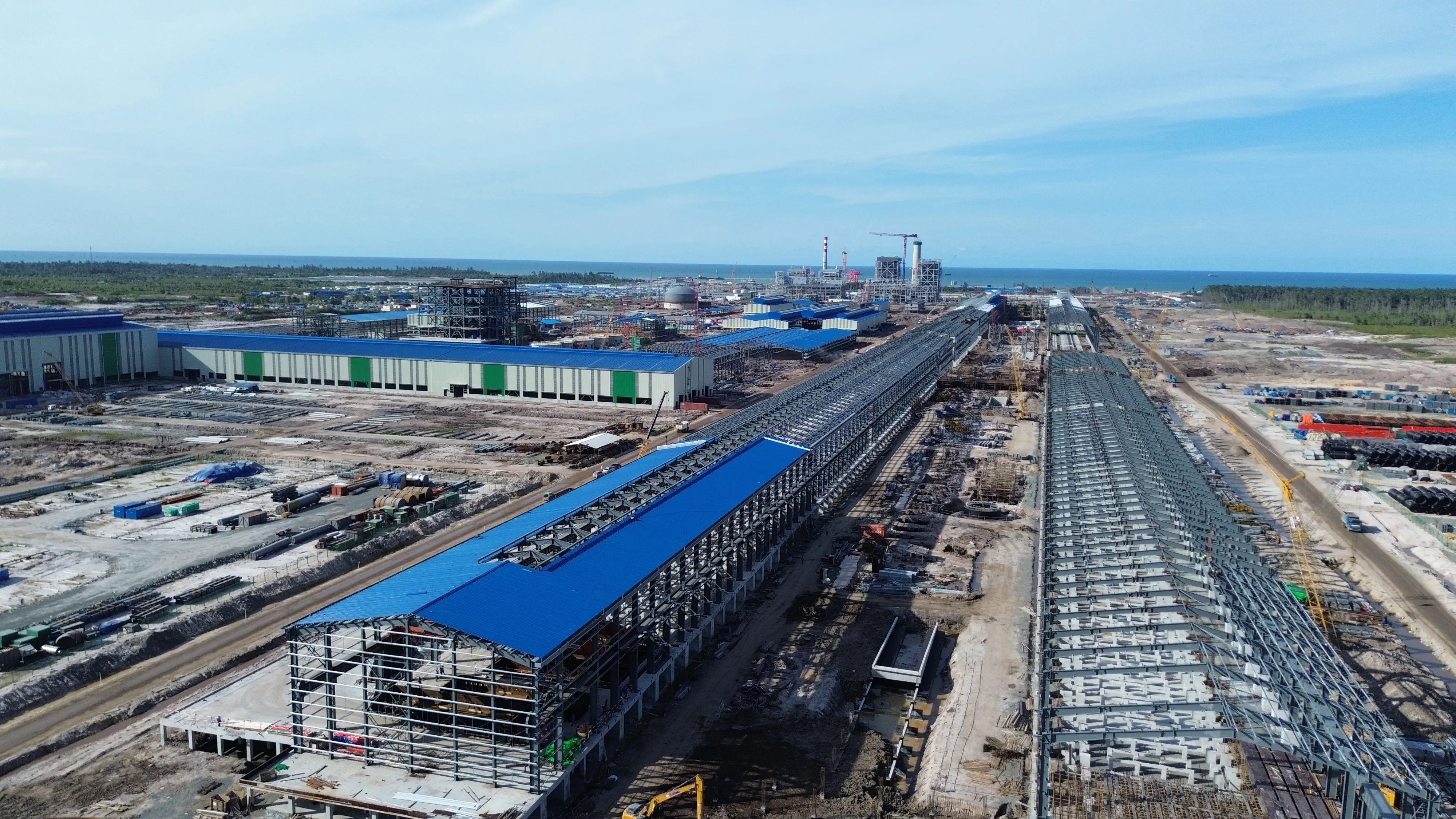
Indonesia North Kalimantan Aluminum Plant Project
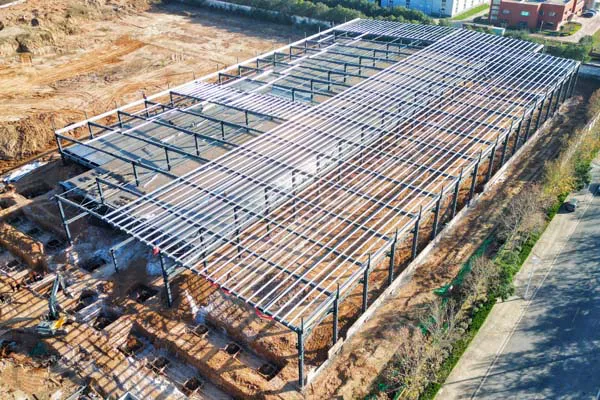
Luoyang Haode Auto Parts Steel Structure Factory Project
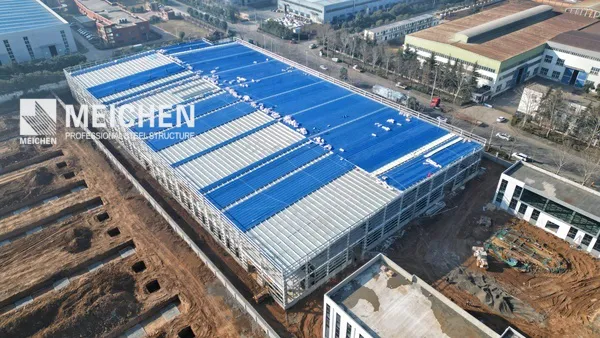
Automated Glass Production Line Steel Structure Factory Building Project
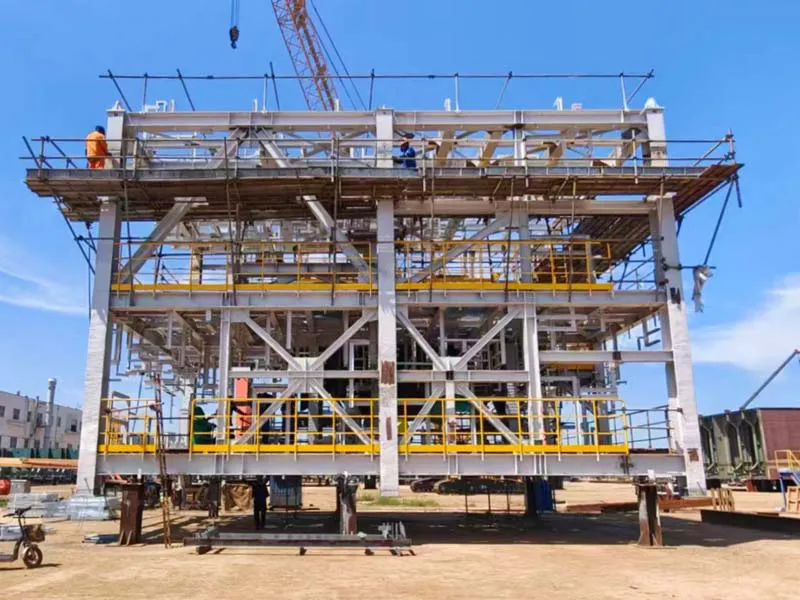
Oil & Gas Modular Steel Structure Fabrication Project

Flare Stack Structure