Every EPC contractor wants to deliver on budget. Pipe rack steel structures are a big cost driver in industrial projects. Without a plan, you end up overspending, losing time, and fighting design headaches. The good news is that there are step-by-step strategies I’ve used again and again to make pipe racks leaner and more affordable.
To really reduce costs in pipe rack steel structures, you must use standard design modules, talk to fabricators early, work with accurate pipe load data, select the right steel grade and coating, optimize connections for less welding, use BIM for clash checks, and improve logistics with offsite assembly. These practical tricks save both money and stress on EPC jobs.
Design changes and coordination issues quickly drain budgets. If you are wondering how big contractors save money on pipe racks, the answer is standardization, teamwork, and the smart use of data and technology. Let’s break each of these down with detailed steps, examples from my own projects, and specific outcomes I’ve achieved so you can put these insights to work immediately.
Standardization is Key—How does standardized design reduce project costs?
Most companies design each pipe rack from scratch. This results in more steel waste, increased design hours, and slow procurement. I’ve managed projects where every rack was bespoke and saw shop floors pile up with leftover steel. Designers spent weeks working out details for joints never used again. Standardizing the design changed everything.
By adopting standard pipe rack modules—the same beam size, same joint detail, and connection spacing for multiple racks—you can buy materials like beams and plates in bulk. This not only gets you a better price from vendors but also ensures fabrication teams work faster. Just this one change allowed me to cut steel usage by 12% in a series of chemical plant projects. Standard sizes also mean fewer mistakes in shop drawings and assembly, so QC is easier.
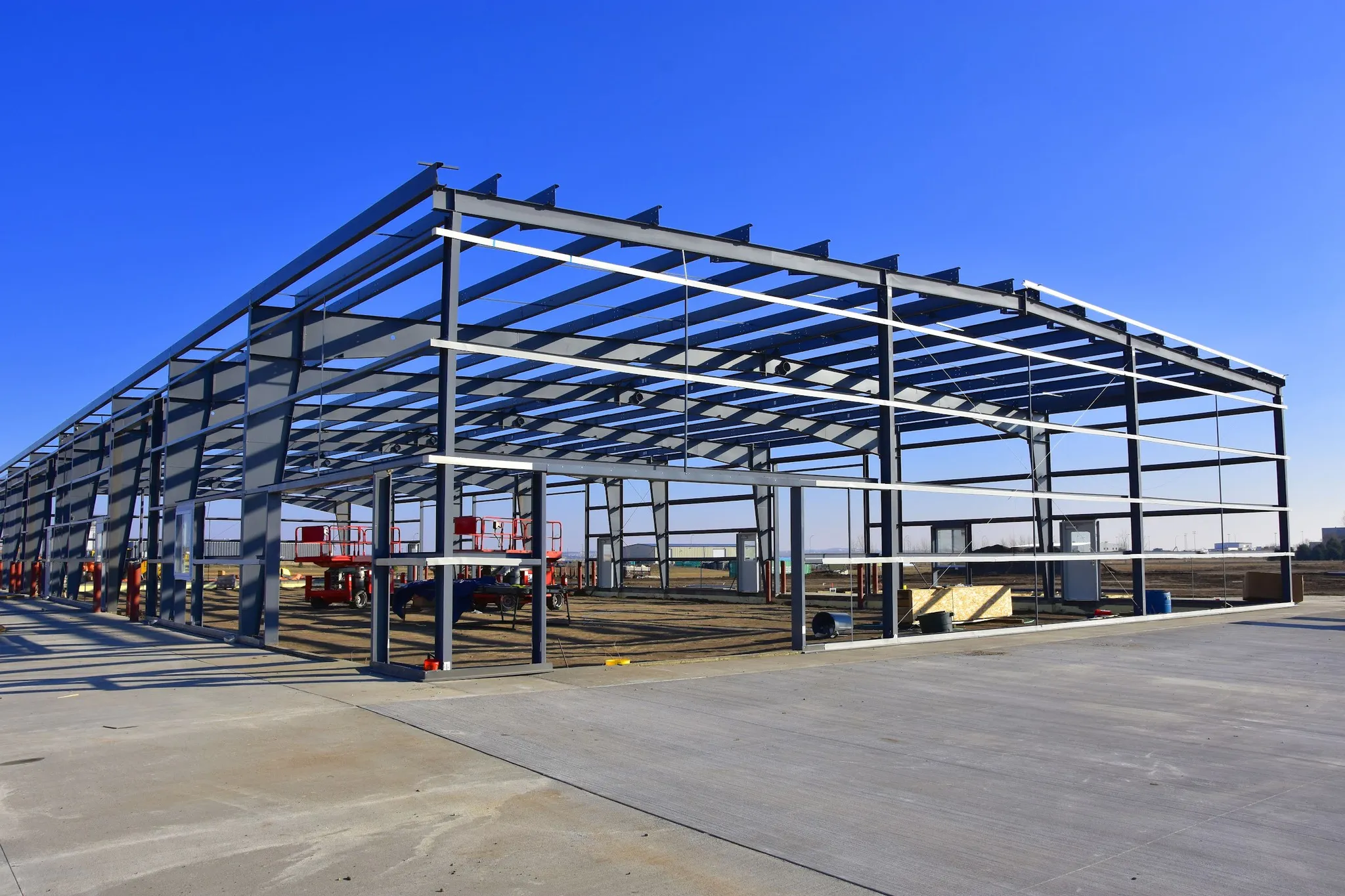
I always advise creating a library of rack modules for your company. For example, use a 600mm x 600mm grid for beams, stick to one beam profile for cross members, and specify a simple bolted vertical joint for all connections. This lets your engineers reuse proven details and eliminates rework. When installation teams can assemble racks like Lego pieces, you save hours on-site while improving quality and safety.
Here is a table that breaks down the impacts:
|
Cost Factor
|
Bespoke Design
|
Standard Modules
|
|
Steel Waste
|
High
|
Very Low
|
|
Engineering Hours
|
Long
|
Short
|
|
Procurement Price
|
Higher
|
Lower (bulk orders)
|
|
Assembly Speed
|
Slow
|
Fast and Repeatable
|
|
QC/Inspection Ease
|
Complicated
|
Simple (repeat checks)
|
You don’t need to be clever every time; you need to be consistent. Reusable modules and connections drive down cost, compress schedules, and make projects easier to manage.
Early Collaboration with Fabricators—Will fabricator input reduce costs in the long run?
Engineers often design racks in isolation, picking beam sizes or weld details without asking how shops work. This leads to special orders, complex welds, and slow fabrication. I used to send out final drawings before talking to fabricators, only to be asked to change half of the sections because they required expensive, non-stock steel. It cost both time and rework.
The better way is to meet with fabricators during design. Ask them which beam sizes they keep in stock and how they prefer to assemble racks—in the shop or in the field. For example, a fabricator may have hundreds of H-beams in one standard size, ready for immediate cutting, but your drawing calls for something odd. Using their preferred section sizes prevented three months of delays on a recent refinery job.
Fabricators also know which joint methods work best. In one project, switching from shop welding to bolted connections suggested by the shop saved about 8% on assembly cost. The fabricator’s team assembled modules in their factory with standard bolts and delivered almost-finished racks. Installation was twice as fast and the QC team found fewer issues.
To get these results, always share your design ideas early. Ask for suggestions on sections, joint types, and painting order. Fabricators will also help you set up a build schedule that matches your site needs, cutting logistics headaches.
Here are the key benefits:
|
Element
|
Without Fabricator Input
|
With Early Input
|
|
Steel Availability
|
Numerous special orders
|
Use shop-stock items
|
|
Welding Methods
|
Complex field welding
|
Factory-preferred bolting
|
|
Assembly Speed
|
Slow, many steps
|
Fast (pre-assembled shop)
|
|
Cost Impact
|
Often higher
|
Lower (5-8% savings)
|
Engage your fabricators at the drawing board. Their insight is real-world, and it keeps your budget and schedule safe.
Optimize Structural Design for Pipe Loads—How does load data drive cost reductions?
Overdesign is one of the most expensive habits in pipe rack projects. Designers add steel “just in case,” based on conservative guesses for pipe loads. When I reviewed a set of racks for a gas project, I found most beams oversized by 20%—all because nobody checked actual pipe layout.
The right way is to use real pipe loads and keep your calculations up-to-date. Start by gathering accurate data for every pipe—fluid weights, insulation, support spacing, wind/seismic loads from local codes. Use structural analysis software (I use SAP2000 and ETABS). Rechecking model outputs after each design update highlighted places where steel could be dropped without safety risk.
If your process team sends a new pipe route or quantity, update the rack design before ordering steel. In a recent job, I waited until after each pipework design gate to cut back unneeded supports, saving more than $60,000 in material. Plus, with accurate loads, you keep safety margins right: no overloading, but no unnecessary steel.
Here’s why this matters:
|
Design Step
|
Traditional (Guesswork)
|
Optimized (Real Loads)
|
|
Steel Usage
|
Excessive
|
Lean (as needed)
|
|
Site Changes
|
Costly retrofits
|
Fewer field changes
|
|
Total Cost
|
High (waste)
|
Lower (tonnage trimmed)
|
|
Safety
|
Conservative, safe
|
Safe, code-compliant
|
Verify, optimize, repeat. Getting pipe loads right makes your rack both safer and more affordable.
Material Selection and Specification—Is higher-grade steel always worth the price?
Many clients assume high-grade steel equals reliability. They order premium sections for every rack, even when loads don’t require it. On one job, an owner wanted Q355B everywhere, but standard Q235B was more than enough for most spans. The extra cost was over $200,000 with little value.
Always choose steel grade based on required strength. For typical pipe racks, lower grades like Q235B in China or ASTM A36 in the US will do. Upgrade only for very heavy, high-vibration loads or special conditions like high corrosion (then go for Q355B or A992).
Coating is another common area for waste. I saw racks painted before welding, forcing us to strip and repaint after joining. Delaying paint or galvanizing until the rack is fully fabricated saves time and materials. In one case, scheduling surface treatment post-fabrication cut surface costs by 20%.
Smart specs mean you buy only what you need, when you need it, and never pay for unnecessary upgrades.
Table below shows specifics:
|
Specification
|
Habitual Approach
|
Optimized Approach
|
|
Steel Grade
|
Always high-end
|
Match to actual loads
|
|
Coating Schedule
|
Paint before welding
|
Paint after fabrication
|
|
Cost Impact
|
Overpayment
|
Lower costs
|
Question every material spec. Choose minimum codes and practical protection for your environment and loading.
Reduce Welding, Bolted Joint Optimization—Can smarter joints really cut costs and speed up work?
Welds are strong but slow. Site welding, especially for large racks, means hiring skilled welders, working through bad weather, and spending days on inspection. At one plant expansion, ten extra days of welding cost over $50,000.
Using bolted joints, especially for shop-built rack modules, transforms project speed. Bolting is quick, every worker knows the routine, and inspection is much easier. On a recent EPC job, switching to mostly bolted shop connections cut assembly stage cost by nearly 20% and finished installation ahead of schedule.
Shop-assembled bolted racks mean you do most of the labor in controlled conditions. Assembling modules in the factory reduces error rates and protects welds and bolts from rain or dust. Site teams then just bolt together big pieces, cutting installation from weeks to days.
Here is a clear breakdown:
|
Connection Type
|
Welded Joints
|
Bolted Joints
|
|
Labor Skill
|
High (welders)
|
Standard (general labor)
|
|
Weather Exposure
|
Large risk
|
Low risk (mainly shop)
|
|
Inspection
|
Slow, specific
|
Fast, straightforward
|
|
Cost
|
High labor
|
Low (20% saving possible)
|
For fast, cost-efficient pipe racks, bolt as much as practical—especially in the factory.
BIM Application for Clash Detection—Does BIM really stop errors and costly changes?
Before BIM, clashes between pipes and structure were almost always caught late—after fabrication, during installation, or even after commissioning. Fixes meant cutting, grinding, patching, and change orders. I saw a plant lose over $4 million on a dozen major rework incidents at the last minute.
Building Information Modeling (BIM) changes this. Create 3D models of racks, pipes, and cables. BIM shows you every location where pipes hit steel, supports aren’t aligned, or access paths are blocked—before anything is built. In my refinery project, BIM revealed 14 design clashes, each resolved months ahead of site work, saving both budget and schedule.
BIM-based models generate coordinated shop drawings. Fabricators produce rack modules exactly as needed. On-site, everything fits, and field error rates fall sharply. Real-time updates across all disciplines—structure, piping, electrical—keep teams synced and minimize surprises.
Key impacts of BIM:
|
Detail
|
Old Method
|
BIM Approach
|
|
Error Frequency
|
High (manual checks)
|
Low (model-based)
|
|
Change Orders
|
Frequent
|
Minimal
|
|
Construction Speed
|
Delayed by rework
|
On schedule
|
|
Cost Impact
|
Unpredictable
|
Predictable, lower
|
Use BIM for every major industrial rack project. It pays for itself in a single clash you avoid.
Logistics and Erection Sequencing—How does pre-assembly fix site headaches and save money?
Site assembly of pipe racks brings delays and expensive labor. Weather, missing parts, and jobsite chaos can make timelines unpredictable. In one winter, six weeks of rain and snow pushed rack installation back by a month, adding costs and stress.
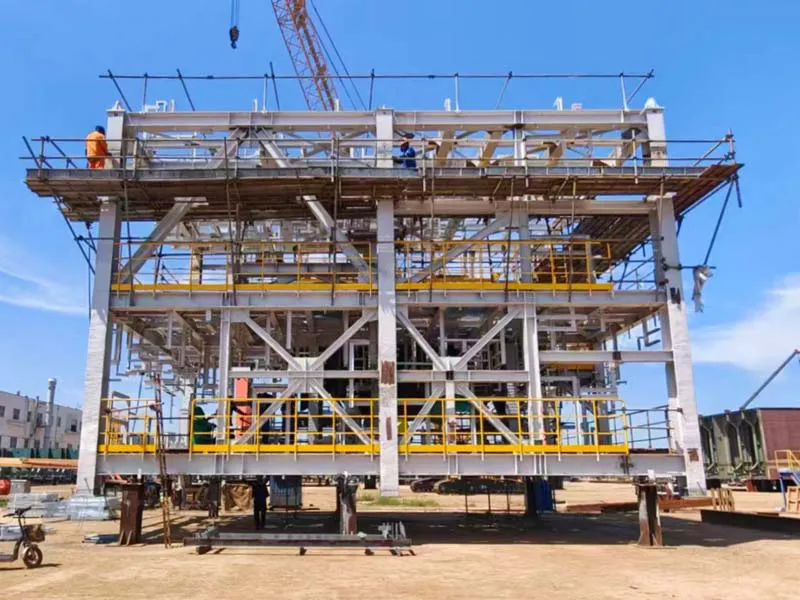
By pre-assembling modules in the factory, you transfer labor from the site to a controlled environment. Workers bolt or weld racks together with the right tools, fewer interruptions, and better safety. Trucks deliver nearly complete modules—sometimes entire 15-meter sections—direct to the erection site.
On my last project, pre-assembly in the shop saved 30% of site labor hours. The project hit every key milestone without a single weather-related delay. Modules arrived when ready to be installed and each section took only hours to lift and secure.
Comparing the old approach and pre-assembly:
|
Method
|
Traditional Site Build
|
Shop Pre-Assembly
|
|
Labor Cost
|
High (site workforce)
|
Much lower (shop labor)
|
|
Schedule Risk
|
High (weather delays)
|
Very low
|
|
Installation Speed
|
Slow
|
Fast
|
|
Error Rates
|
Moderate
|
Low
|
For big industrial projects, always consider offsite modular assembly when planning your racks.
Vendor and Supply Chain Management—How can locking in steel rates protect against market shifts?
Steel prices jump up and down, driven by market forces. Buying standard sections on the spot market means risk—higher costs and supply shortages can derail your timeline. On a recent power plant, month-to-month price jumps added $100,000 to steel costs simply because contracts hadn’t been locked in early.
The smarter approach is to negotiate framework supply agreements with trusted vendors. Select suppliers with proven track records and reliable deliveries. Agree on fixed rates for key section sizes and delivery dates upfront. On large projects, vendors are often willing to commit to bulk rates and prioritized shipping—lowering your cost and eliminating nasty surprises.
Before sourcing, always check supplier history. Ask how they handle long-lead items and what guarantees they offer for on-time delivery. Staying loyal to established partners pays off in every logistical detail—delivery timetables, packaging, even resolving occasional quality issues faster.
Consider the two models:
|
Procurement Approach
|
Spot Buying
|
Framework Supplier
|
|
Price Stability
|
Unpredictable
|
Fixed, reliable
|
|
Delivery Risk
|
High
|
Low
|
|
Relationship
|
Transactional
|
Partnership
|
|
Cost Impact
|
Often higher
|
Lower (bulk discount)
|
Secure your steel supply chain early to keep projects on budget and schedule.
Conclusion
To shrink EPC project cost on pipe rack steel structures, deploy standards, teamwork, accurate load checks, right materials, easy bolt connections, BIM models, offsite assembly, and smart supply agreements—every step cuts waste and adds value.