Time:2025-12-31 07:02:39 Source:Sanjian Meichen Steel Structure
Pipe racks in refinery projects carry more weight than most people realize—literally and figuratively. If the design misses the mark on span or load requirements, that error can ripple through the entire project, bringing headaches from day one. When every hour of downtime means lost revenue, the right decisions here make all the difference.
Typical pipe rack spans in refineries fall between 6 and 12 meters, with 9 meters as a practical balance for most projects. Load requirements must take into account not just the pipes and supporting steel, but also insulation, future growth, and environmental impacts like wind and earthquakes. To get it right, I recommend designing for at least 2.5–5 kN/m² per level, plus a margin of 10–25% for future piping.
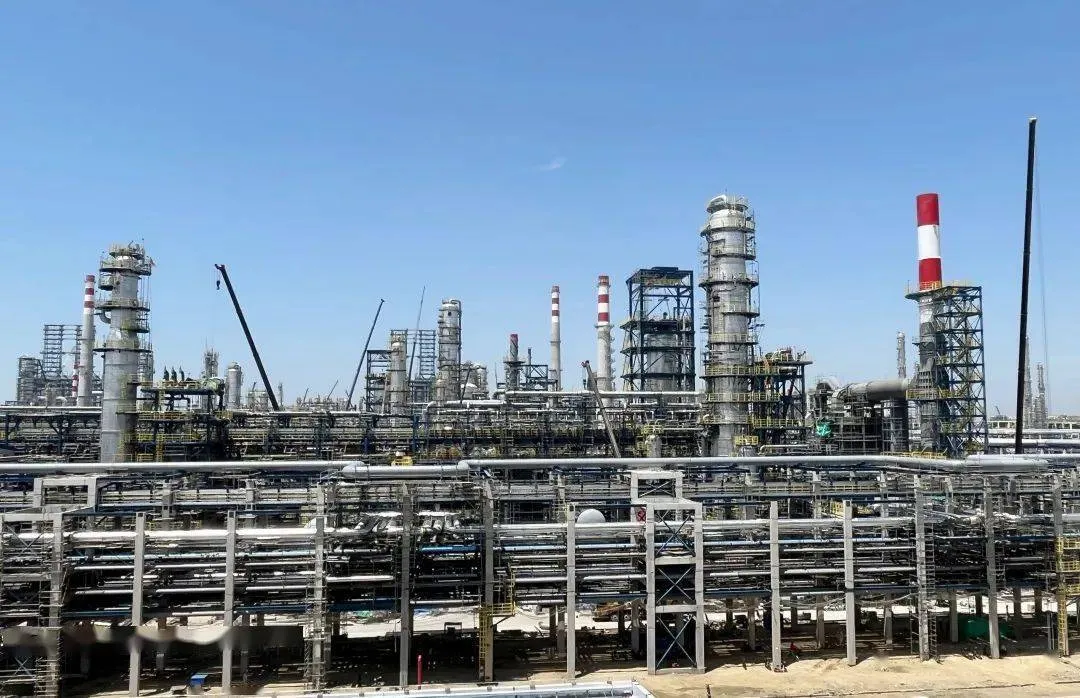
Many believe pipe rack design is just a numbers game—pick a span, tick off the load, and move on. But that is an expensive oversimplification. Every project I’ve worked on that ran into trouble had rushed this process. The upfront effort in thoughtful rack design creates flexibility for later changes and saves huge sums in future maintenance and upgrades. Most failures in this area come from doing “just enough” or treating every site the same. Why do experienced teams argue over span and load choices year after year? Let’s break down what actually works on real refinery sites.
Refinery pipe racks use standard spans to streamline both engineering and construction. The most common spans I see are 6m, 7.5m, 8m, 9m, and 10m, though the biggest plants might reach 12m in special corridors. The 9m span is popular for good reason. It offers enough space for future pipelines and cable trays, yet keeps beams and columns within easy-to-fabricate limits. Choosing a shorter span like 6m means you’ll need more columns, crowding your site and making equipment access harder. Go too long, like 12m, and the beams quickly become massive and expensive, both to make and to haul in place.
I once had a client adamant about using 7.5m spans to “save steel,” but this overloaded the corridor with extra columns and made future expansion nearly impossible. In another project, a 10m standard did open up working lanes and simplified foundations but forced us to step up to much deeper, heavier beams to handle the spans. I now almost always recommend 9m, unless there’s a compelling reason otherwise. This gives enough overhead clearance to add pipes or trays later, balances shop fabrication logistics, and fits well with modular steel section deliveries. It also allows you to use less expensive crane types for erection, and you avoid the domino effect of foundation size blowing up just to support giant beams.
Here’s a simple table outlining the trade-offs:
| Span (m) | Main Advantage | Main Drawback | Best Uses |
|---|---|---|---|
| 6, 7.5 | More but smaller beams and light columns | More columns crowd site and limit routing | Tight areas or where loads are low |
| 9 | Good mix of capacity and flexibility | Slightly higher initial beam cost | Central process corridors |
| 10, 12 | Fewer columns and easy truck/pipe lanes | Beams and footings become very large | Wide-open perimeters, corridors |
I always believe in matching the decision to what actually happens on the site, not just what looks tidy on paper.
The first thing I always check in a pipe rack job is how the load was calculated. Too often, teams underestimate what will sit on those beams in the decades to come. For dead loads, you need to include the self-weight of all the steel members, every empty and full pipe (contents included), and all insulation, cable trays, and cladding materials. Do not assume insulation will stay thin—check every process line spec.
Live loads are where many projects get tripped up. You must allow for future pipes, which are almost a guarantee in refinery projects, and the safe number is to use a 20–25% margin above initially forecasted combined weight. Some standards suggest even more if the plant is likely to expand. Then, factor in corridor walkways, small platforms, and maintenance teams who need solid footing for repairs. These aren’t just a few kilograms; platforms and access gear add up fast.
Environmental loads are easy to overlook until disaster strikes. Open-sided racks must account for high winds—especially in coastal or cyclone-prone locations. Seismic loads also come into play; I’ve seen two identical plants with totally different rack requirements, just because one sat on shaky ground and the other on hard rock. For thermal movements, every 100-meter pipe run wants room to stretch and shrink, so racks need just enough give so expansion joints or guides function as intended.
To be safe, stick to 2.5–5 kN/m² per level as your baseline—and always confirm with project-specific numbers and applicable local or national codes like ASCE 7, GB 50017, Eurocode, or API. In one project, I pushed for a 25% pipe growth margin, and five years later, the client avoided a full rack rebuild thanks to that foresight. Skimping on these numbers saves little upfront but can multiply costs threefold when changes come.
Here is how I break down the typical types of loads:
| Type | What to Include | My Recommended Margin |
|---|---|---|
| Dead | Steel, all pipes (full), insulation, cable trays | Site-specific calculation |
| Live | Maintenance, future pipes, platform loads | 20–25% over base weight |
| Environmental | Site winds, earthquakes, temperature swings (expansion) | Full code requirement |
| Imposed | Fireproofing, crew tools and gear | 2.5–5 kN/m² per rack level |
Nothing stings more than making a big investment, only to return five years later and see beams being reinforced because someone accepted optimistic assumptions.
In busy plants, one rack style rarely fits all. Multi-span racks are the workhorse for refinery interiors, where you have to run thirty or more pipelines and cable trays above critical process equipment. You place columns at regular intervals, giving maximum support for the biggest loads, and keeping design predictable.
Cantilevered racks, on the other hand, shine when pipelines need to hop over obstacles, pass between buildings, or run along plant boundaries where you cannot drop a column to ground. These racks stick out beyond their last support, making pipe installation and future rerouting simpler in crowded zones. I once solved a layout crunch on a refinery by pairing multi-span grids through the center process zones, then adding cantilevers outwards at the boundaries so late-added specialty pipes had a place to land. This kept main corridors free of obstructions and let the owner adjust their process lines with minimal new steelwork.
The blend of both types allows flexibility. Central areas get robust multi-span support, perimeters get cantilevered access, and future upgrades are easier. Use multi-span where heavy process lines demand rigid support, and use cantilevered sections wherever space, traffic lanes, or boundaries interrupt normal column placement.
Decision table:
| Location/Use | Best Design | What It Solves | Limitations |
|---|---|---|---|
| Core plant routes | Multi-span | Handles high pipe loads, flexible routing | Needs regular columns |
| Plant perimeters | Cantilevered | Gives clear access for pipes/trays | Less load per extension |
| Obstacle crossings | Cantilevered | Allows pipe jumps, fewer footings needed | More complex connections |
| Utility corridors | Either | Balances space and layout flexibility | Based on actual need |
Getting this mix right is an underrated lever for keeping plant layouts flexible for decades.
I have seen five common mistakes cost refineries millions, and they are nearly always preventable:
Underestimating Loads: Owners and engineers often hope piping growth will be minimal. In reality, debottlenecking, process changes, or new equipment quickly fill up “extra” rack space. Negotiate realistic allowance with all departments, not just the minimum.
Standardization: I cannot stress this enough—use common span modules like 6, 7.5, or 9m, standardize your beam and bolt types, even your bracing details. On one major petrochemical site, we cut engineering and material costs by 15% by sticking to modular sizes and not getting fancy for every rack.
Early Collaboration: Bring steel, mechanical, piping, and electrical teams together from the earliest model reviews. Late-stage interferences between cable trays and process lines create more headaches than most realize. One of my most successful schedules came from weekly model walk-throughs in design, long before steel was cut.
Modular Fabrication: Shop assembly for racks is worth every penny. The quality and speed improvements are real: welds are better, site hazards drop, erection time shrinks 20–30%, and plant teams can start utility tie-ins sooner. Every time I push for modular racks, the owner thanks me later for a smoother build.
Don’t Skip Details: Racks in refineries spend decades under attack from weather, chemicals, and heavy traffic. That’s why I insist on real-quality coatings, clever drainage design, and simple, strong connections (not just whatever the lowest bidder suggests). The few extra hours to get these details right up front save huge amounts of remediation later.
Always plan for more pipeline growth than seems “necessary.”
Stick to standardized spans and details to cut rework and cost.
Insist on early, true multidisciplinary reviews before fabrication.
Push for as much modular, shop-finished steelwork as your team will allow.
Focus on corrosion protection and drainage as deeply as you focus on span or load.
When these lessons are built into the initial design, every other part of the project runs smoother—from cost control to long-term maintenance.
Thoughtful pipe rack design is central to refinery success. Prioritize future loads, standardized modules, early collaboration, and fabrication quality for projects that run on time and on budget.
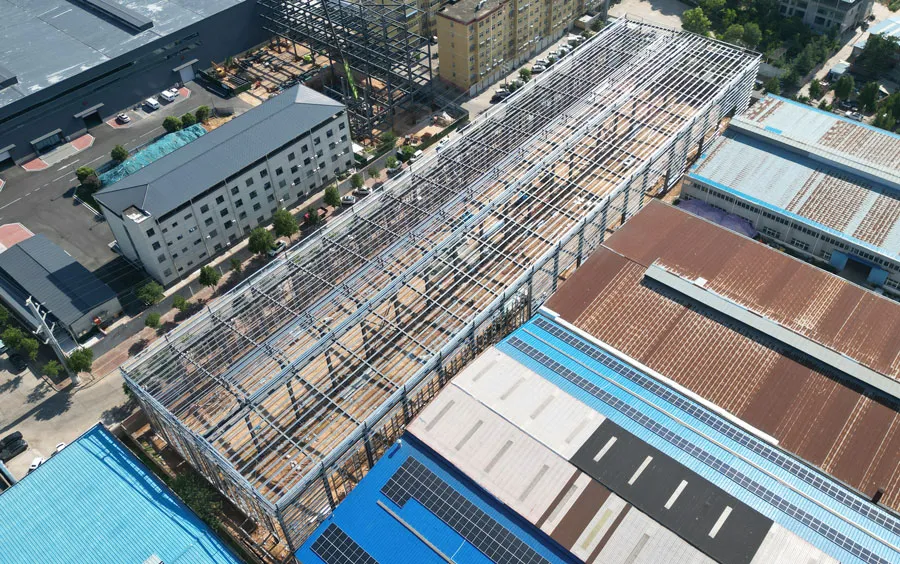
Steel Structure Workshop Solutions
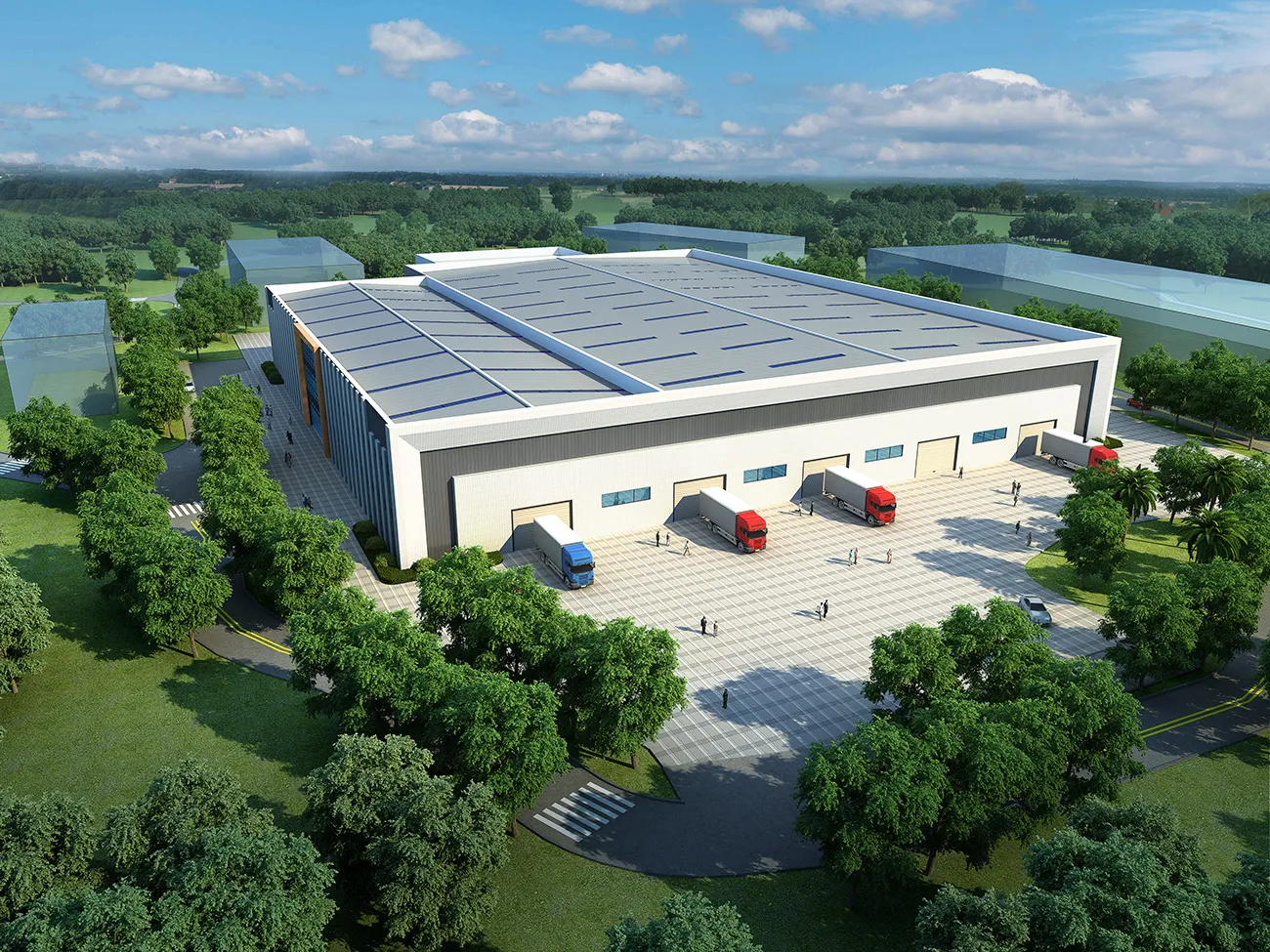
Steel Warehouse Solutions
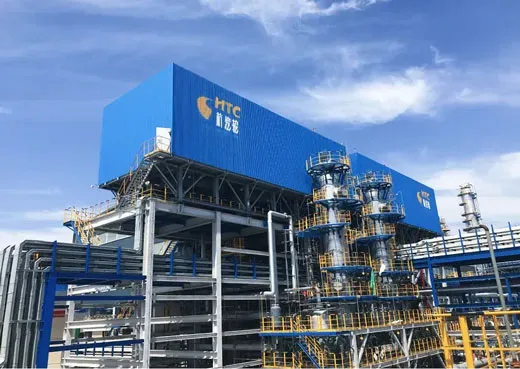
Heavy Steel Structures for Equipment
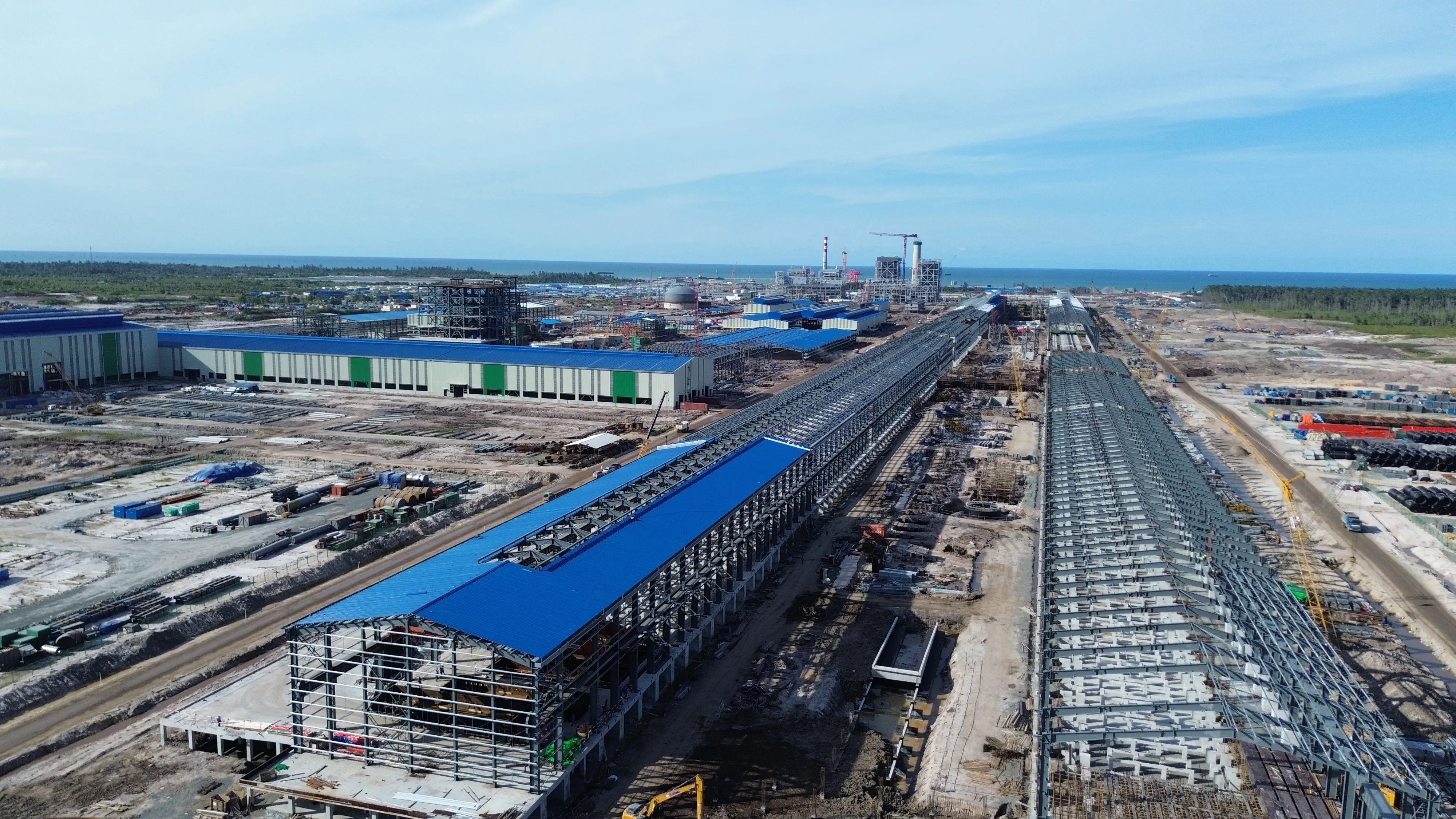
Indonesia North Kalimantan Aluminum Plant Project
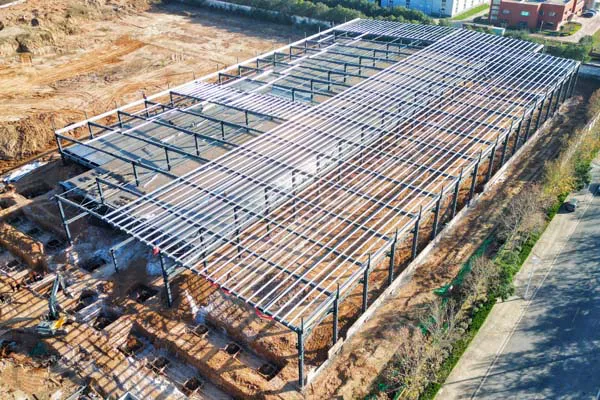
Luoyang Haode Auto Parts Steel Structure Factory Project
Automated Glass Production Line Steel Structure Factory Building Project
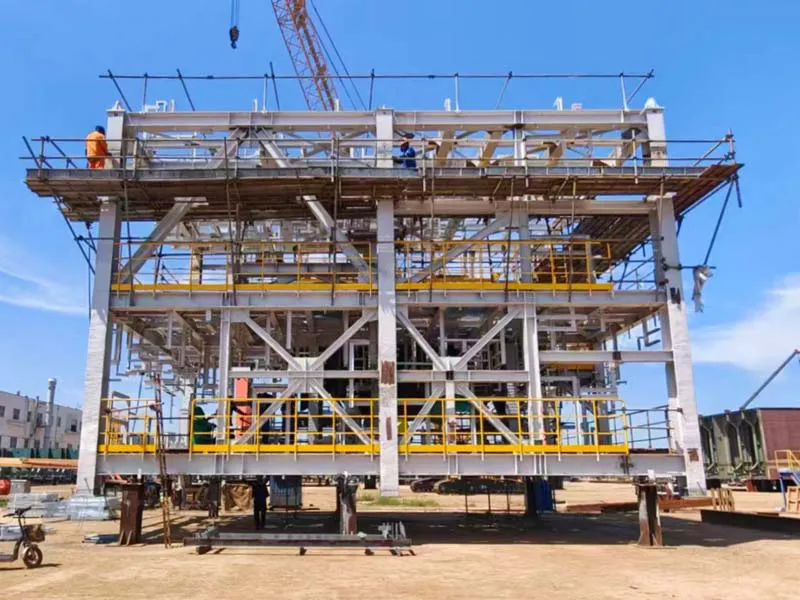
Oil & Gas Modular Steel Structure Fabrication Project

Flare Stack Structure