Time:2026-01-03 01:36:10 Source:Sanjian Meichen Steel Structure
Pipe racks are unforgiving. Tiny fabrication misses cause big field pain. I have lived the fallout. Here is the tolerance playbook EPC contractors demand, and how I deliver it.
EPC contractors care about tolerances that protect fit-up and schedule: grid geometry ±3–5 mm, member length ±2–3 mm, plumbness and straightness L/1000–L/1500, hole location ±1–1.5 mm, base plate pitch ±1–2 mm, controlled welding, Sa 2.5 blasting, DFT 200–300 µm, verified interfaces.
Stay with me. I will break down the tolerances that matter, the checks inspectors use, and the shop moves that stop rework. I will share numbers, methods, and the proof EPCs ask for. Stay with me.
Small errors in pipe racks do not stay small. They block anchors, misalign holes, and shift support elevations. I stop that with functional tolerances that protect fit-up and schedule on the first installation.
EPCs care because racks touch many trades. Tight tolerances reduce rework, NCRs, and stress changes. I hold geometry, holes, and interfaces tight, so erectors and piping teams install without fights and without delay.
I learned this on a shutdown job. A clip plate was 2 mm short, and hole drift was 1.5 mm. The piping team lost two days. The inspector raised three NCRs. The next lots went to 100% inspection. The schedule slipped. Since then, I build to function, not just to code. I aim for plumbness and straightness at L/1000 or better. I hold beam elevations within ±3–5 mm. I lock base plate pitch within ±1–2 mm and plan slots if civil drift is high. I keep hole location within ±1–1.5 mm. I control weld distortion with balanced sequences and jigs. I striping-coat edges and bolt lines. I survey finished assemblies with a total station and map results to project control points. I trial fit critical splices and base interfaces and match-mark them. I protect bolt holes during blasting and painting and chase holes after galvanizing. When I do these steps, racks install like planned. Crews stay on schedule. The punch list stays small.
Bay length drift breaks interface points. Pipe shoes miss. Braces fight. I set strict shop limits and manage weld shrink, so the grid stays true and consistent.
Hold bay length and stanchion spacing at ±3–5 mm. Hold member length at ±2–3 mm. Keep end cut squareness within 1 mm over depth. Pre-set and stagger welds to balance shrink.
I treat the grid as a master datum. I mark bay length and stanchion spacing with calibrated tapes and blocks. I confirm long runs with a total station. I CNC cut member ends and face them. I inspect squareness within 1 mm over depth. Heavy welds pull steel by a few millimeters. I plan for that pull. I calculate expected shrink for gusset and stiffener welds. I pre-set members by 1–2 mm where needed. I stagger welds around neutral lines. I mirror sequences on opposite sides. I set tack spacing that limits flange pull. I clamp plates in hard jigs. I cool between passes and monitor interpass temperature. I check the grid after every major weld. I adjust early. I do not wait for final assembly. These steps keep pipe support hole patterns aligned with isometrics. They keep brace lengths consistent. They protect splice fit and bearing. Geometry stays within the tolerance bands EPCs expect.
A column out of plumb twists the rack. A low beam drops supports and changes stress. I measure and correct early, so the frame stands straight and true.
Use L/1000 for plumbness and straightness. Tighten to L/1500 for modular racks. Hold beam top-of-steel elevation within ±3–5 mm. Control camber with heat and jigs. Survey on project control points.
I start with incoming steel. Mill sweep and twist can be high. I measure straightness at receipt. I reject pieces that will exceed code after welding. I set columns in neutral jigs. I use back-to-back fixtures to cancel weld pull. I weld in balanced sequences. I avoid long one-sided runs that cause sweep. I measure plumbness with a total station. I lay out a survey grid matched to EPC control points. I log elevation at beam top-of-steel at each bay. I shim only per spec. I keep elevations within ±3–5 mm across a bay. I add camber only when specified. I use proven pre-camber data and show witness marks. When camber is not specified, I keep geometry neutral with clamp and heat control. I document the survey in a plot. I share it before shipment. This proof saves time on site and reduces inspector sampling.
Anchors that do not fit stop erection and burn schedule. I design plates and drill holes to absorb civil drift and to fit on the first attempt always.
Hold base plate dimensions and hole pitch within ±1–2 mm. Add slots or oversize for civil anchors when drift runs ±5–10 mm. Validate civil as-built before final drilling and before galvanizing.
Civil anchors often drift by ±5–10 mm. I accept that reality. I request the civil as-built survey before I drill final base plate holes. I compare the template to the survey. If drift exceeds my pattern, I slot holes along the anchor direction. I use hardened washers per spec and design. I keep base plate dimensions tight to drawings. I hold hole pitch to ±1–2 mm so templates match. I pre-drill pilot holes and then finish in jigs. I confirm hole centers with a coordinate check. I protect holes during blasting and painting. I chase holes after galvanizing because zinc can close edges. I pack plates with edge protection to prevent bend in transport. On delivery, bolts slide through without grinding. Erection flows, and the crane stays moving.
Mislocated holes trigger reaming, NCRs, and delay. I drill holes to design size and position so connections slip in and fit on the first pass.
Size holes per spec (for M20, 22 mm standard). Hold hole location to ±1.0–1.5 mm. Use oversize and slots only when designed. Clamp and stack drill with hardened templates or CNC after welding.
I do not undersize holes. I do not over-oversize holes without design allowance. Slip-critical joints lose performance with extra clearance. I drill stacks in clamps to control pitch and gauge. I use hardened templates with dowel pins. I CNC drill after welding on dense connection plates. Welds move plates slightly. Post-weld CNC keeps holes on center. I avoid thermal cut holes. If I must thermal cut, I grind and ream to the final diameter and finish class. I sample-check plates with go/no-go templates. I record hole location checks for inspectors. I protect holes with silicone plugs during blasting and painting. I chase holes after galvanizing. I deliver holes that take bolts without forcing. Reaming on site drops by an order of magnitude. Fit-up time drops. NCRs drop.
Small gaps stack into big geometry loss. Forced fit distorts frames. I set tight fit-up gaps and true bearing, so connections carry load without pull.
Limit end plate and clip fit-up gaps to ≤2 mm. Keep flange and plate bearing in full contact or shim per spec. Hold bracing fit length at ±2 mm to avoid forcing frames.
I set a fit-up standard at the start of the lot. I check plate faces for flatness. I grind high weld toes. I deburr edges. I pre-fit end plates and clips. I hold gaps to ≤2 mm. I do not accept repeated 2 mm gaps without control. I use stripe-weld sequences to limit pull. I set tack spacing that locks bearing. I use shims only as allowed by spec and only in planned thickness. I measure brace lengths to ±2 mm. I keep bolt stick-out within spec. I seat splice plates flat. I check out-of-plane offset at splices and keep it ≤2 mm. I check in-plane joint gaps against the spec. I record these checks. When fit-up is clean, frames stay square. Splices fit. Elevations hold. The piping team stops fighting steel.
Thin welds fail inspections. Heavy welds pull steel. I control weld size, heat, and sequence, so geometry holds and the code is met fully.
Meet fillet size with no undersize. Keep distortion within L/1000 global and stricter limits at splices. Use balanced sequences, jigs, preset only with data, and interpass temperature control.
I qualify welders and WPS/PQR. I set fillet sizes per AWS or EN. I train inspectors to see undercut, overlap, and cracks quickly. I set back-to-back jigs for pairs. I weld in short balanced runs. I stagger the sequence to cancel heat pull. I clamp flanges and webs. I measure flange sweep during welding. I correct early. I use preset only with math and past data. I show the calculation for counter-camber. I monitor interpass temperature with thermometers. I cool between passes. I hold splice plate mismatches within code. I log distortion checks and straightness against L/1000 targets. These moves keep members straight and splice plates aligned. The frame stands true, and inspectors pass the lot.
Poor coating causes touch-ups, delays, and NCRs. Galvanizing can warp thin plates and close holes. I prepare surfaces, control DFT, and protect holes, so steel arrives ready.
Blast to Sa 2.5. Round edges to at least R2. Stripe edges, welds, and bolt lines. Hold DFT around 200–300 µm with ±10% acceptance. Chase holes after galvanizing. Use zinc-compatible bolts and nuts.
I blast all exposed steel to Sa 2.5. I round edges to R2 so coatings flow and keep DFT at corners. I stripe coat edges, weld toes, and bolt lines before full coats. I measure DFT with calibrated gauges. I aim for 200–300 µm total system unless the spec says otherwise. I accept ±10% around target for most specs. I log DFT at edges and behind brackets. I do not miss stripe coats. Hot-dip galvanizing can warp thin plates. I control dip times. I support plates with frames. I chase holes after galvanizing to clear zinc lips. I use F3125 A325 bolts with zinc-compatible nuts and washers. I avoid A490 with zinc unless the spec allows alternatives. I mark coating lots and issue certificates. This control cuts touch-ups and speeds inspection on site.
Poor marking slows erection. Lost traceability creates risk. Loose interface control burns hours. I mark parts clearly, track heats, and hold interface tolerances tight.
Use unique IDs and match-marks with orientation arrows. Align labels to GA drawings and isometrics. Track MTRs and heats. Hold interface points to ±1–2 mm for supports and brackets.
I mark every part with a unique ID. I add orientation arrows that match the GA drawing. I apply bay and grid labels that crews understand. I match-mark splice plates and base plates to mates. I build a heat map for modules. I link MTRs to each part ID. I keep interface hole patterns within ±1–2 mm. I test cable tray brackets and instrument stands with drill templates. I record interface checks. I pack match-mark drawings with the shipment. I add QR codes when allowed. These steps save hours in erection. Crews pick the right piece. They install supports without drilling. Inspectors find documents fast.
Bad splices and wrong handrail heights trigger immediate rework. I build and check with erection tolerances in mind, so site checks pass.
Keep splice out-of-plane offset ≤2 mm. Hold in-plane joint gap per spec. Hold walkway and handrail height within ±5 mm. Tighten tolerances by 30–50% for modularization, and provide survey certificates and fit-up photos.
I design splices that seat flat. I keep plate mismatch small. I measure offsets at trial fit ≤2 mm. I confirm in-plane gaps against the spec. I set walkways and handrails to code dimensions. I hold within ±5 mm. I pre-assemble modular bays when the project needs modularization. I tighten tolerances by 30–50% compared to stick-build. I survey modules with a total station. I tie the survey to project control points. I issue certificates and witness photos. I stamp match-mark packages. I pack modules to protect geometry. I brace corners and lock diagonals. I pad lifting points. I give the erector a clean start. The module lands. Bolts slide. Site checks pass.
Inspectors do not accept declarations. They test plumbness, elevation, hole alignment, and DFT. I deliver proof before shipment and design the shop plan around their checks.
They spot-check with total stations, feeler gauges, and go/no-go templates. They verify DFT at edges and behind brackets. They track NCRs. I counter with surveys, trial fits, match-mark photos, and robust packing.
I laser scan or total station survey finished assemblies. I publish tolerance reports tied to EPC control points. I trial assemble critical splices and base interfaces. I photograph fit-up and add witness stamps. I document welding sequences and presets. I protect bolt holes during blasting and painting. I chase holes after galvanizing. I pack and brace racks like modules, not commodity beams. I add corner blocks and diagonal bracing. I label lifting points. I share QC logs: DFT, survey, hole checks, MTRs, bolt certificates, and galvanizing certificates. Inspectors see proof. Trust grows. Sampling stays at plan. The schedule stays safe.
Some risks hide until late. Anchors drift. Weld shrink stacks. Drawing changes land late. Coating stripes get missed. I set simple controls that catch these early.
Request civil as-built before drilling. Use slots and hardened washers for drift. Verify cumulative geometry after every major weld. Freeze IFCs early. Stamp stripe coats. Check incoming straightness against reality, not just A6.
I ask the civil team for as-built anchor surveys before I drill base plates. I plan slots and oversize for drift. I hold hole pitch tight. I use hardened washers as designed. I check cumulative geometry after every major weld. A small move on one plate adds to the next. I set datum fixtures. I freeze IFCs early. If changes land late, I isolate affected members and re-survey. I pre-approve stripe colors. I set QC hold points with stamps at stripe coats. I measure DFT at edges and behind brackets. I test incoming steel for sweep beyond mill tolerances. I reject or correct pieces that will push me over straightness limits after welding. These habits stop surprise delays.
Loose specs create fights. Clear tolerances and deliverables create smooth installs. I use a checklist that ties payments to fit-up success, not just shipment.
Define execution class and codes. Set numeric tolerances. Mandate ITP and qualifications. Require trial fit or survey reports. Specify coating. List deliverables. Agree rework rules. Tie payments to fit-up success.
I start with execution class, like EN 1090 EXC2 or EXC3. I align codes: AISC 303/360 and AWS D1.1. I set numeric tolerances for member length, squareness, hole size and location, plumbness, levelness, straightness, splice offset, base plate and anchor holes, and interface points. I mandate an ITP with hold and witness points. I require welder, WPS, and PQR qualifications. I set NDT rates by risk. I require trial fit or total station survey reports for critical assemblies. I accept point clouds when needed. I specify the coating system, edge prep, stripe plan, and DFT targets with acceptance bands. I list deliverables: match-mark drawings, survey plots, DFT logs, MTRs, bolt certificates, and galvanizing certificates. I agree on rework rules and allowable on-site reaming limits. I fix approval flow and cost responsibility. I tie payment milestones to QC deliverables and field fit-up success.
Pipe racks install fast when tolerances are functional and proven. I build, survey, and document for clean fit-up. Ask for my tolerance matrix and ITP sample.
Steel Structure Workshop Solutions
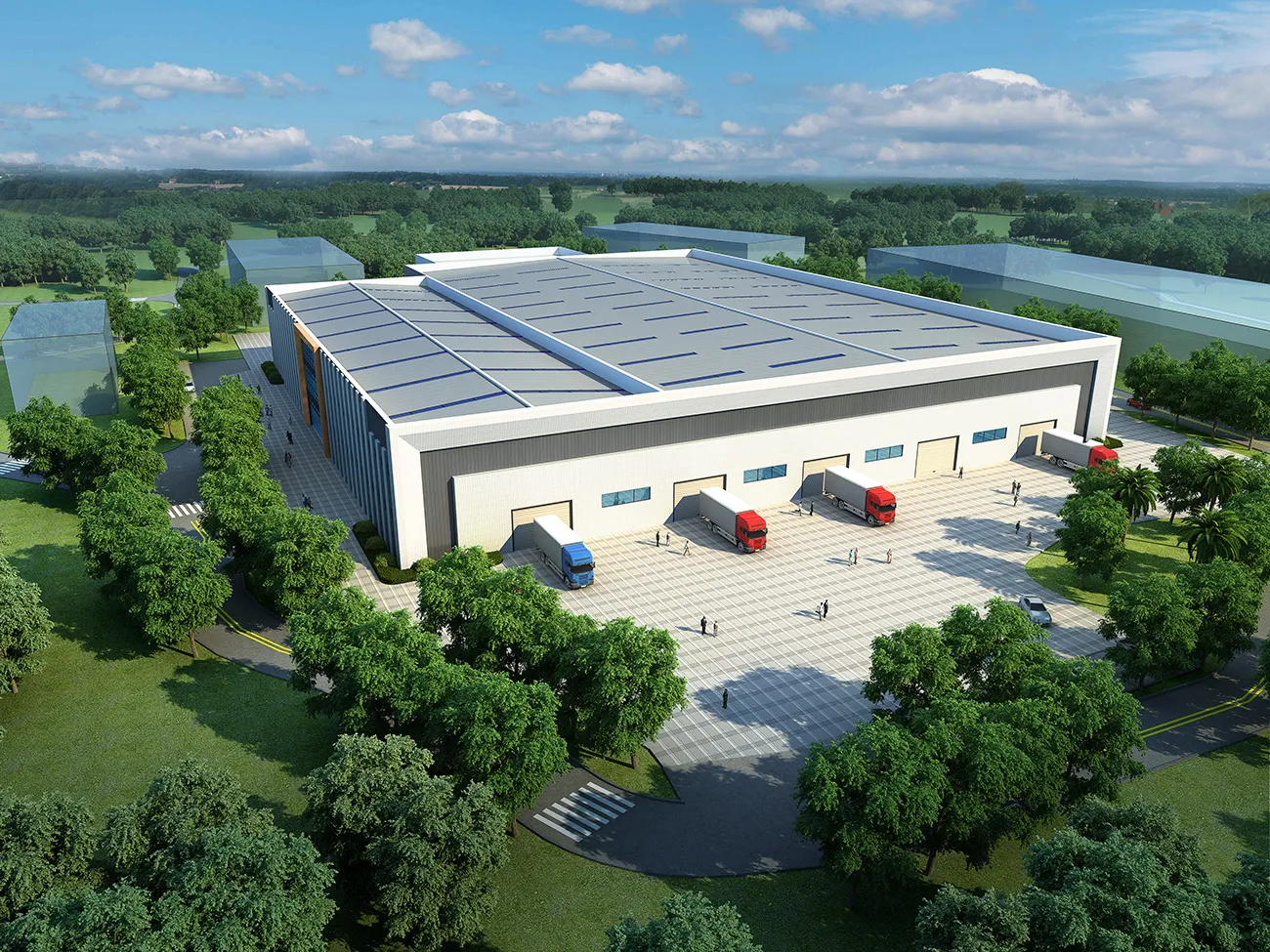
Steel Warehouse Solutions
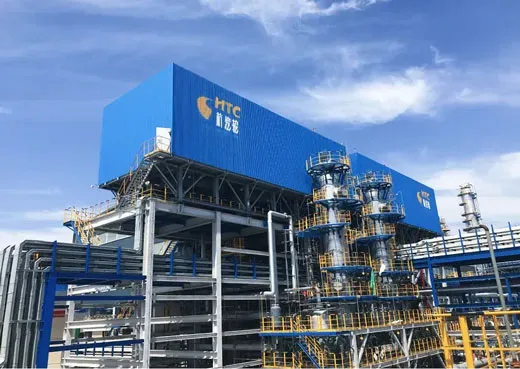
Heavy Steel Structures for Equipment
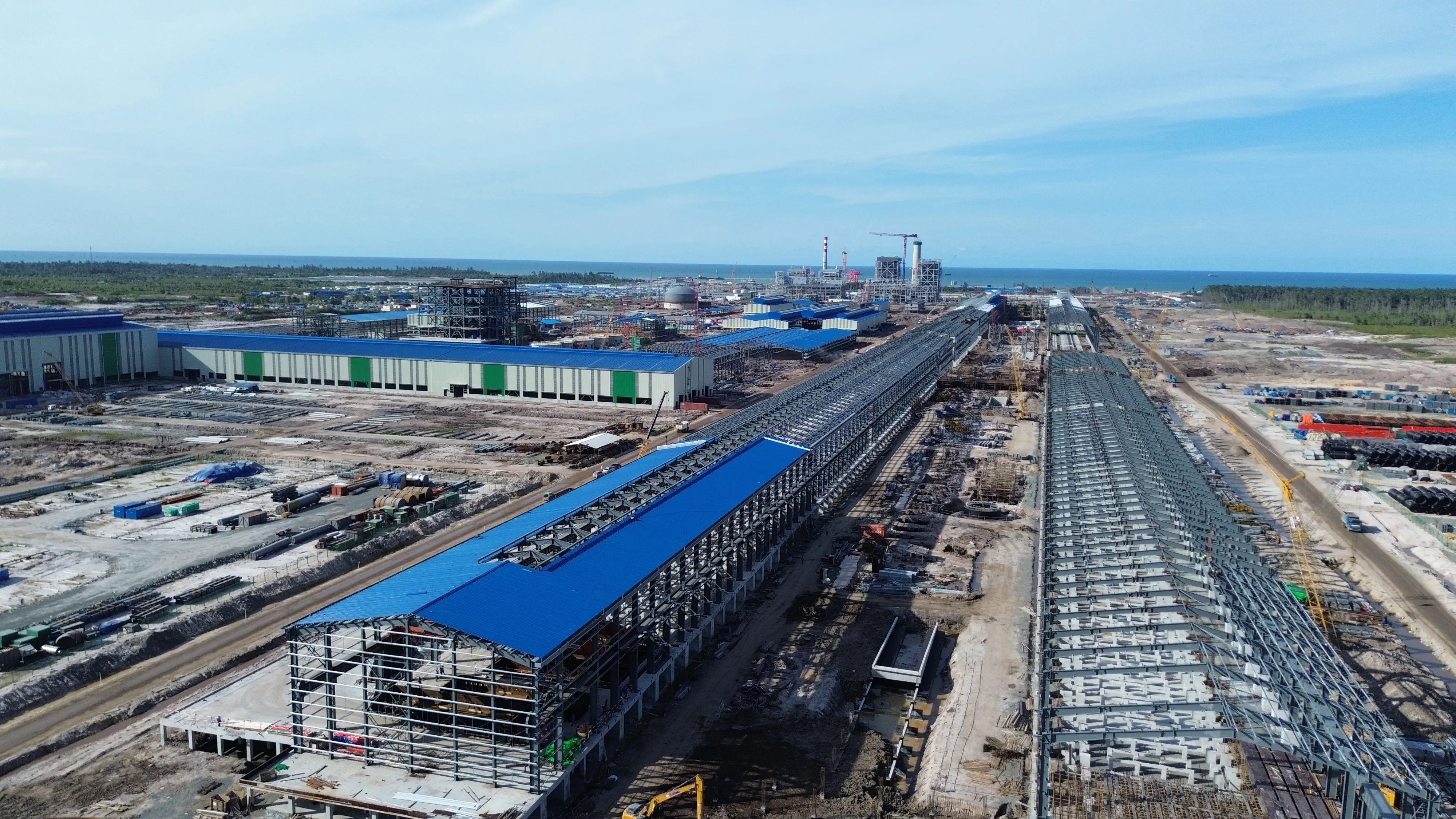
Indonesia North Kalimantan Aluminum Plant Project
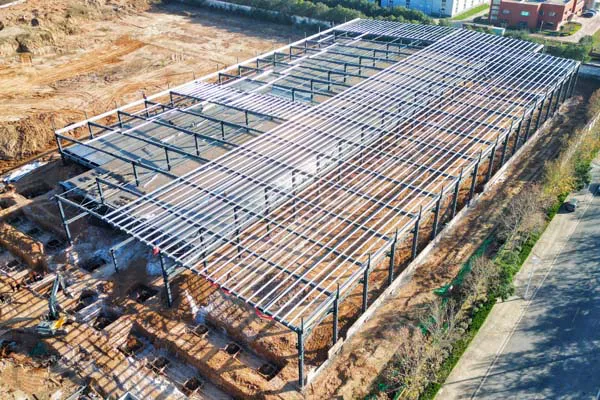
Luoyang Haode Auto Parts Steel Structure Factory Project
Automated Glass Production Line Steel Structure Factory Building Project
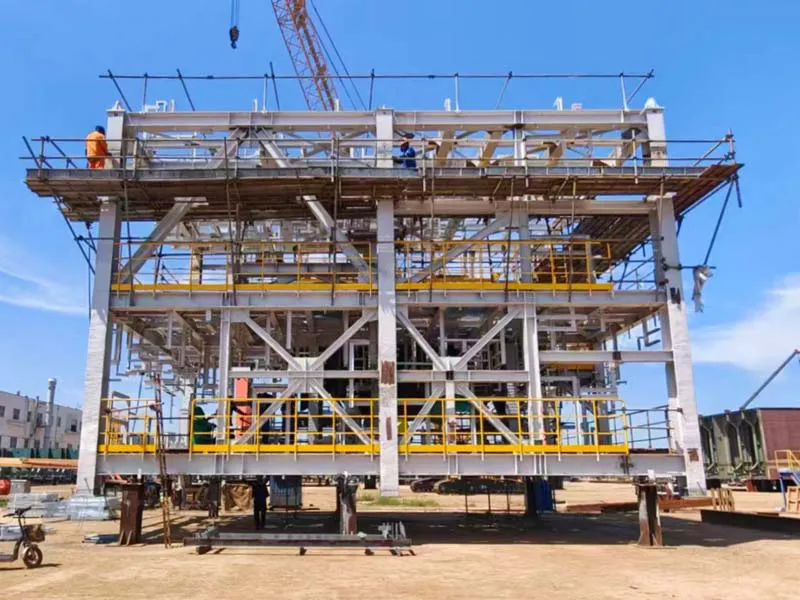
Oil & Gas Modular Steel Structure Fabrication Project

Flare Stack Structure