Time:2026-01-05 00:34:13 Source:Sanjian Meichen Steel Structure
Schedules slip. Weather hits hard. Rework drains cash. Modular pipe racks stop the bleeding. I explain when they fit and why EPC teams pick them under real pressure.
EPC contractors choose modular pipe racks for tight schedules, remote sites, and strict quality demands. They do it to reduce risk, compress site work, and keep costs predictable and visible.
I learned this across shutdowns and brownfield sites. I watched penalties fade and uptime rise when we moved complex tasks into the shop. If you lead EPC work, stay with me. I share what I use on real jobs.
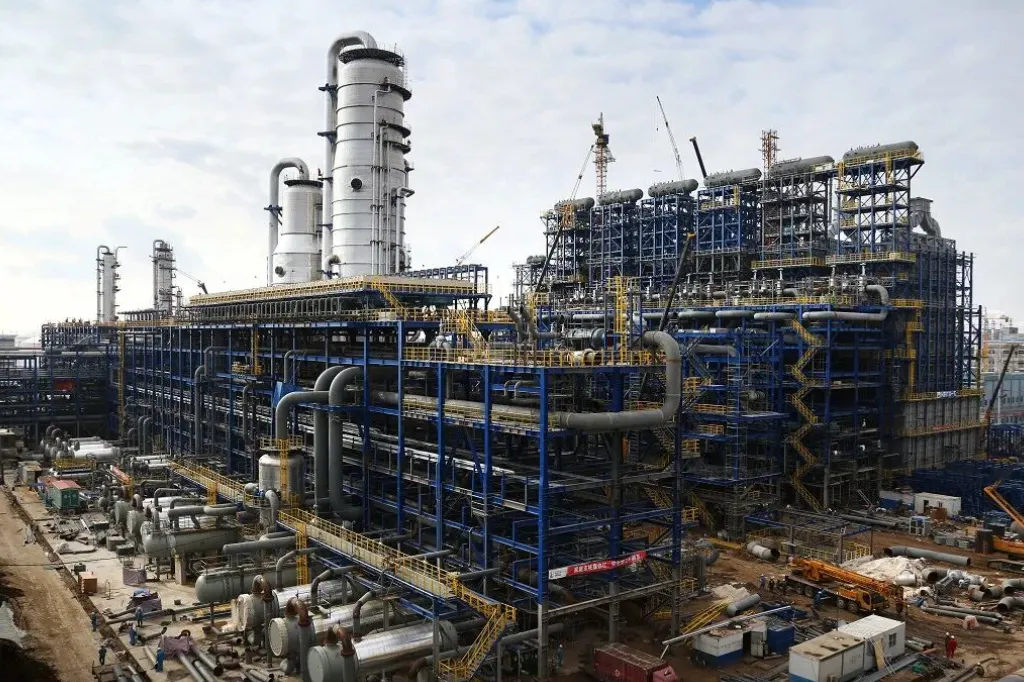
Projects stall when crews fight weather and access. Errors grow. Costs rise. A modular rack changes the work. It moves complexity into a controlled shop and keeps site work fast and clean.
A modular pipe rack is a pre-engineered and prefabricated steel frame for pipes, cable trays, and utilities. It is built offsite under QA control. It ships with finished interfaces and installs fast on site.
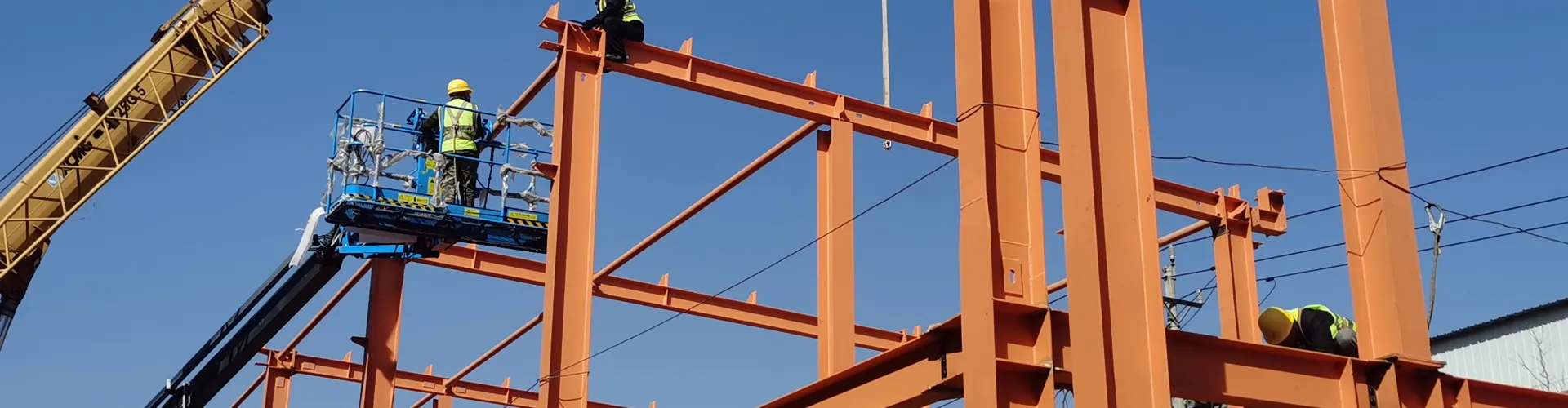
I start with a model that sets centerlines, elevations, and splice points. I lock tolerances for bolt holes and bearing seats. I standardize connections and embed lifting lugs. I tag every member and track heat numbers. I trial fit pipe shoes and tray brackets on jigs. I run welds to WPS and PQR. I check dimensions with calibrated tapes and squares. I use go and no-go gauges at critical holes. I seal coatings with batch records. I package bolts and gaskets per module. I write rigging plans with lift weights and pick points. I ship with protection at edges and contacts. At site, a crane lifts. Crews align splices with pins and bolts. A surveyor checks line and level. Piping teams tie-in on pre-set centers. Electrical trays drop onto pre-marked supports. The work feels simple because the hard parts were solved in the shop.
Penalties hurt. Unplanned overtime hurts more. Stick-built racks drag the path. Modular racks compress site time and protect startup dates when windows are short.
Choose modular racks when shutdown windows are fixed, liquidated damages are in play, or parallel work can unlock weeks. Build in the shop while civil and foundations finish.
On a fast-track chemical unit, I cut site time by 40%. I did it by building modules while foundations cured. I froze interface details early. I used repeatable module types. Crews learned one sequence and repeated it. I grouped deliveries by workfronts and time slots. I sent bolts, shims, and gaskets per module. I wrote hook-time checklists that fit one page. I closed punch lists on the ground. I avoided night shifts. I avoided one-off configurations unless they saved days. I set rules like “no module ships without tested connections” and “no unique splice unless critical.” The owner kept the startup date. That date had more value than any single line item. A tight schedule rewards simple rules, clear packages, and clean handoffs. Modular racks deliver that if you lock decisions early and keep scope stable.
Remote sites drain talent. Weather and access slow work. Quality drops outdoors. Modular racks move complex work into skilled shops and reduce risky hours at height.
Use modular racks when labor is scarce, weather is harsh, or routes are difficult. Arrive with 80–90% complete modules. Finish with small crews that bolt and align fast.
I worked a desert site with wind and sand. Field welds failed more often. I shifted welding into the shop. I cut module sizes to fit road rules and permits. I added pad eyes for fast rigging. I color-coded splice points and marked bolt IDs. I mapped lift paths around wind limits and set dawn lifts. I used bolted splices with alignment pins. I drilled holes with tight tolerances. I shipped seal kits per module. I protected coating edges and contact points. Safety improved because crews spent less time at height and with hot work. Productivity improved because tasks were simple and short. I planned for risk with transport escorts, laydown areas, and tool kits matched to modules. The site felt calm because the hard work sat behind us. The shop did the heavy lifting. The site did the final fit.
Field QA is tough. Lighting shifts. Space is tight. Weather breaks plans. Shop QA is consistent and recorded. It lowers rework and prevents disputes.
Modular racks improve QA because welds and fits are inspected under controlled conditions. Records prove compliance and reduce arguments later. Field QA focuses on alignment and torque.
In the shop, I run welds under written procedures. I qualify welders on test plates. I apply NDT where it matters. I check dimensions at set points and log every result. I track heat numbers from mill certs to part tags. I link inspection photos to lot numbers. I trial fit pipe shoes and tray supports. I measure diagonal and plumb within set tolerances. I use calibrated torque tools at pre-assembly. I record coating thickness with a gauge. I close nonconformance reports before shipment. At site, I keep QA simple. I check splice gaps, bolt torque, and alignment. I log survey points on the model. I hand over weld maps, NDT reports, material traceability logs, dimensional check sheets, and coating reports. Owners like data because it settles questions fast. Rework drops. Punch lists shrink. Startup gets clean. The model and the paperwork agree. That agreement saves days.
Clashes kill time. RFIs pile up. If steel is cut before interfaces are clear, crews stall. BIM finds clashes early and sets rules that survive the site.
Use BIM to freeze interfaces. Run clash checks across trades. Set access envelopes. Share models. Lock splices and lifting points before fabrication starts.
I start with one model for steel, piping, trays, instruments, and civil. I bring teams in early. I run clash detection with clear tolerances. I add access for valves, junction boxes, and supports. I define splice types and bolt patterns. I place lifting lugs with pick angles. I mark centerlines and tie-in elevations. I build a module matrix with sizes, weights, and repeats. I run constructability reviews with erectors. I adjust once, not many times. I issue final data when everyone agrees. Crews use the same model on tablets. They see part marks and bolt IDs. They see ladders and walkways. If something shifts at site, we see it in the model and decide fast. RFIs fall. Changes drop. Trust rises because the model supports the plan. BIM is not a buzzword here. It is the backbone that keeps modules honest and field work smooth.
Budgets drift when field hours grow. Travel, overtime, and rework stack up. Modular racks turn variable hours into fixed packages and reduce waste across steps.
Modularization controls cost by cutting field labor, reducing rework, and consolidating logistics. Standard module types lower design and fabrication time and keep scope steady.
I write a module matrix and reuse it across bays. I keep member sizes consistent. I select fewer steel profiles. I cut shop changeovers. I build jigs for repeats. I do not chase unique geometry unless it saves real time. I stage shipments by workfront. I avoid double-handling. I package bolts, shims, and gaskets per module. I align deliveries with crane time and crew size. I saw one data center trim field labor by 18% and save two months. Crew size fell. Quality rose. Truck loads dropped. Scrap fell. The budget felt calm because surprises ended. Repeatability matters. It keeps drawings simple, shop setups short, and site work smooth. That calm has value. It protects margins.
Not every fabricator understands modules. Some sell steel. Few sell certainty. You need proof, process, and real projects.
Ask for early involvement, documented QA/QC, logistics plans, BIM models, and modular references. Visit the shop and a finished site before you decide.
I tell buyers to start early. Bring the supplier into design when interfaces form. Set rules for splices, tolerances, and lifting points. Demand ISO and AWS compliance with real inspection reports. Ask for weld maps, NDT results, material traceability, and coating logs. Review transport packaging and protection. Confirm bolt kits and labels per module. Require 3D models you can clash-check. Ask for a module matrix with sizes and weights. Verify repeatable jigs and fixtures. Request reference projects and site tours. Walk a finished rack and ask about lessons learned. Set acceptance criteria on torque, alignment, and punch list closure. Agree on handover documents. This due diligence filters suppliers who talk from suppliers who deliver. It saves money. It saves time. It saves you from late-night calls.
Modular pipe racks cut risk, time, and rework. They shine on tight schedules and remote sites. They win with QA, BIM, and repeatable design. Partner early and demand proof.
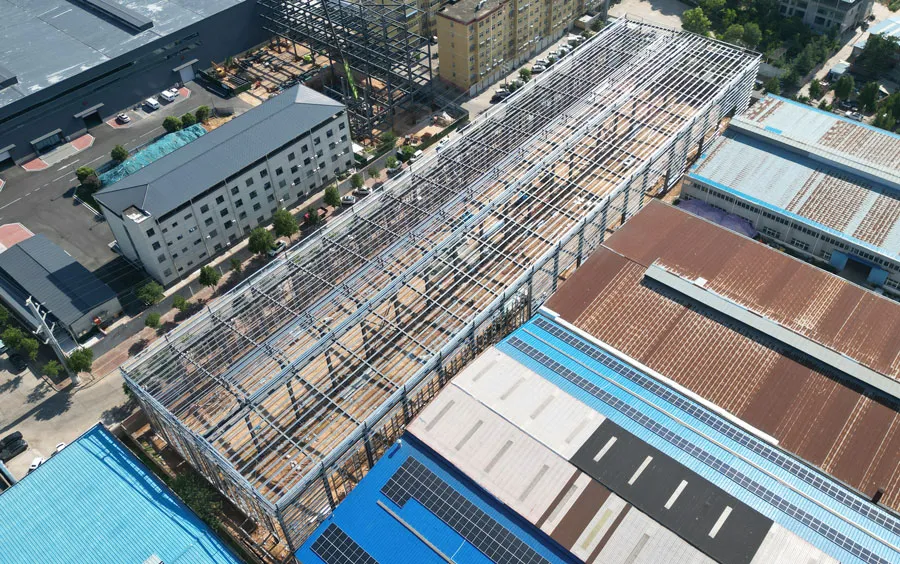
Steel Structure Workshop Solutions
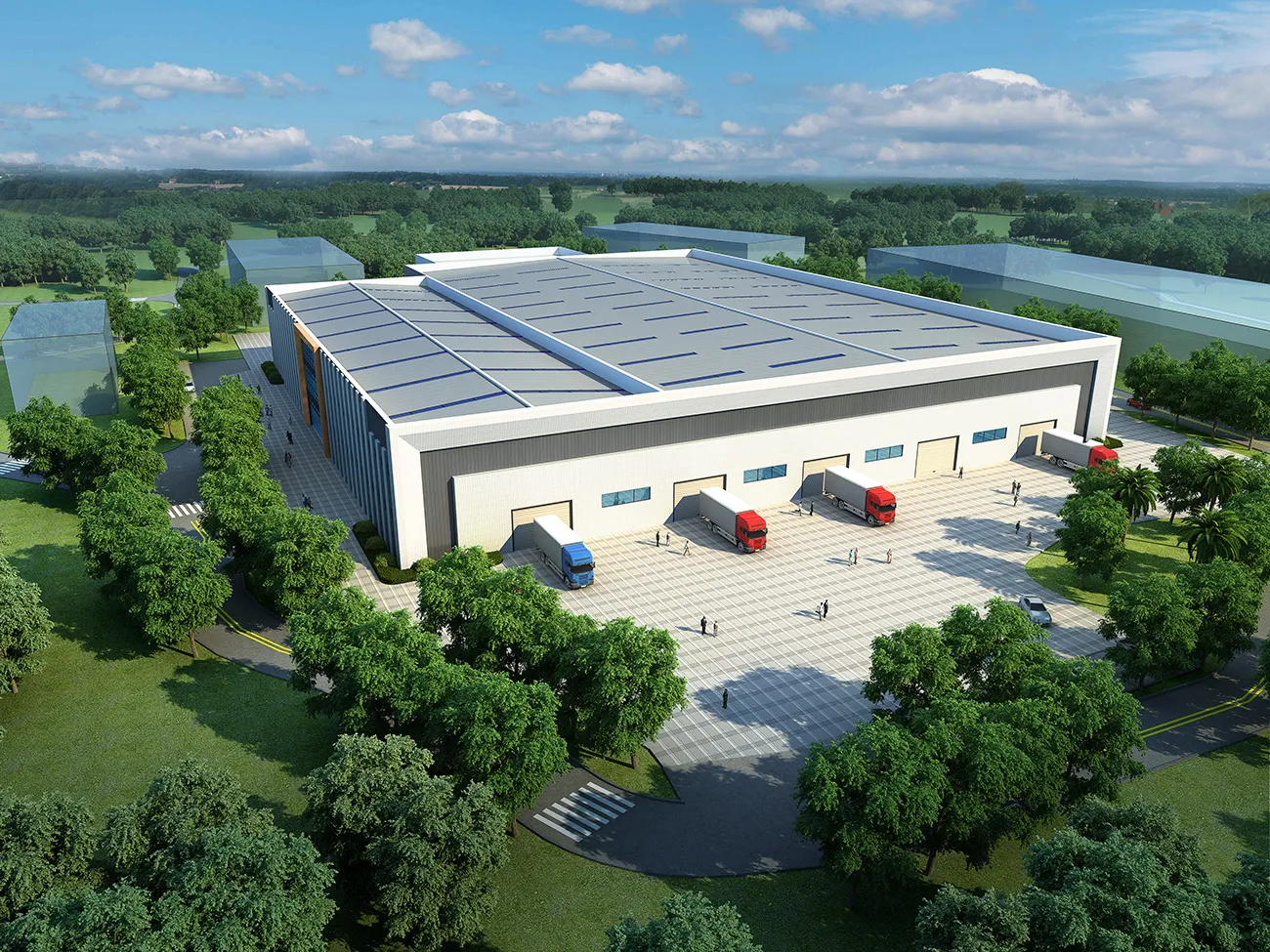
Steel Warehouse Solutions
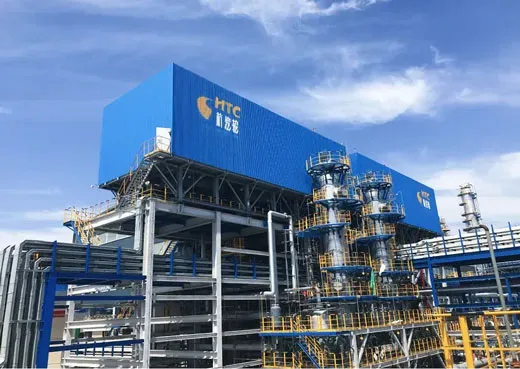
Heavy Steel Structures for Equipment
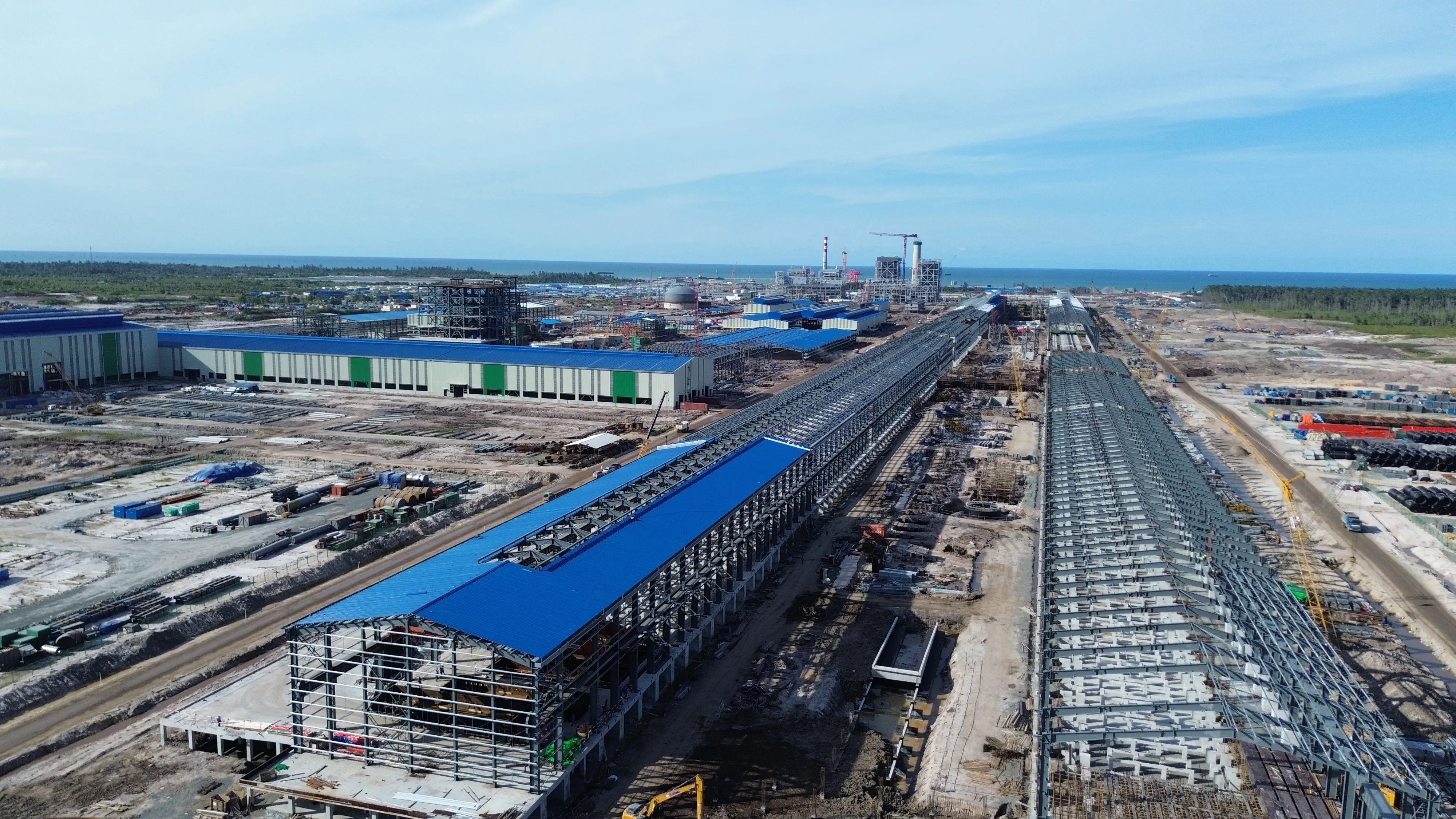
Indonesia North Kalimantan Aluminum Plant Project
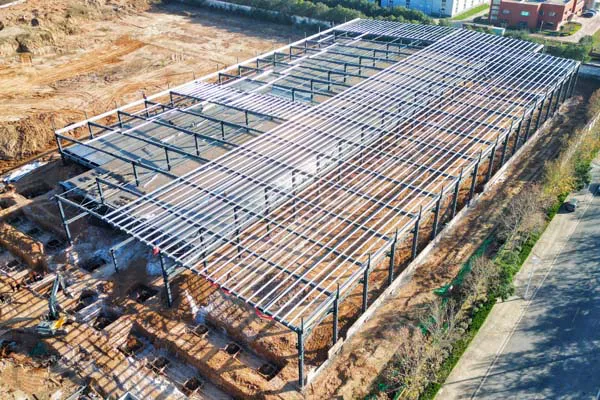
Luoyang Haode Auto Parts Steel Structure Factory Project
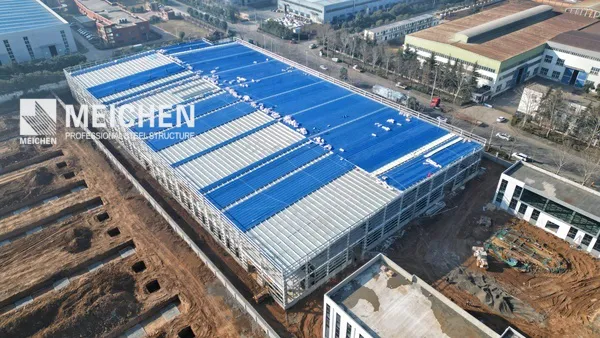
Automated Glass Production Line Steel Structure Factory Building Project
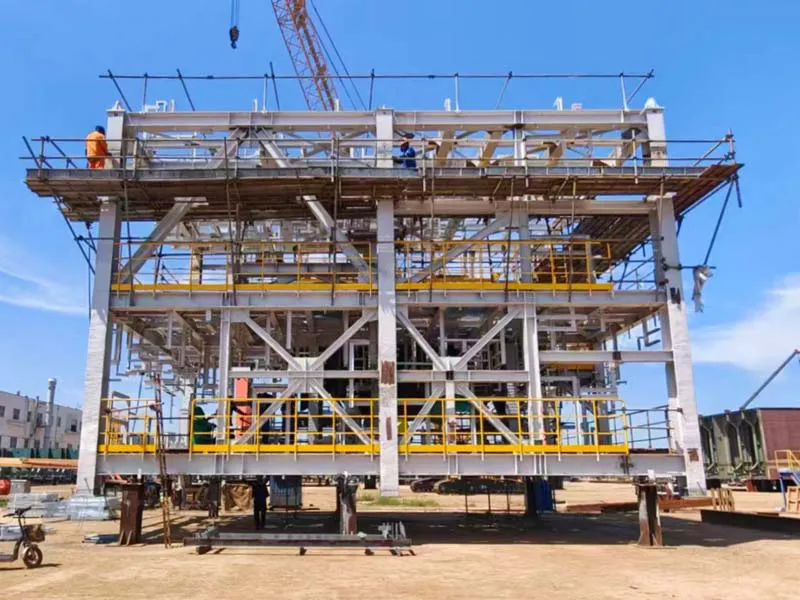
Oil & Gas Modular Steel Structure Fabrication Project

Flare Stack Structure