Time:2025-12-12 03:01:22 Source:Sanjian Meichen Steel Structure
Steel structures, with their high strength, durability, and rapid installation, have become the mainstream choice for modern industrial plants, warehouses, commercial spaces, and large-scale infrastructure projects. However, the success of a steel structure project depends not only on the structure itself but, more importantly, on the controllability of the delivery cycle. For project managers, construction supervisors, and owners, a clear understanding of the entire lifecycle of a steel structure factory project, from design to completion, can effectively prevent delays, control costs, and improve overall construction efficiency.

This article will break down the typical delivery cycle of a steel structure project in detail and summarize how to collaborate efficiently with professional steel structure factories to ensure timely and high-quality project completion.
Expected Delivery Timeline Overview
For a medium to large-scale, standard-design steel structure factory project, the total timeline from concept to final delivery is typically between 10 and 18 months.
| Project Scale | Total expected cycle (estimated) | Remark |
| Small (such as a simple warehouse) | 6-10 months | The design and approval process is relatively simple. |
| Medium-sized (e.g., standard production plant) | 10-14 months | Typically, a balance needs to be struck between design and procurement. |
| Large/complex (e.g., multi-story factory buildings, high-load workshops) | 14-18 months and above | It involves a longer design, approval, procurement, and installation time. |
Steel structure engineering generally consists of three core stages: design, manufacturing, and installation. The time required for each stage varies depending on factors such as project scale, structural complexity, raw material supply, and factory capacity.
1. Design Stage (2–4 weeks)
Design is the cornerstone of the entire project, involving:
Structural scheme design
Construction drawing preparation and review
Material selection and load calculation
Structural optimization and finalization
For large steel structure workshops, heavy-duty automated warehouses, or special structural buildings, the design cycle may be longer.
Early communication regarding working conditions, material grades, and geographical parameters can significantly reduce the time wasted on repeated modifications.
2. Manufacturing Stage (4–8 weeks)
The manufacturing stage is the core of the delivery cycle, including:
Steel cutting and forming
Component welding and grinding
Surface coating and anti-corrosion treatment
Pre-assembly verification and quality inspection
The main factors affecting the manufacturing cycle include the factory's automation level, order scheduling, raw material inventory, and project complexity.
Choosing an experienced steel structure factory with advanced equipment and a stable supply chain can effectively reduce production delays.
3. Installation Phase (2–6 weeks)
The installation phase takes place on-site and typically includes:
Foundation connection and installation
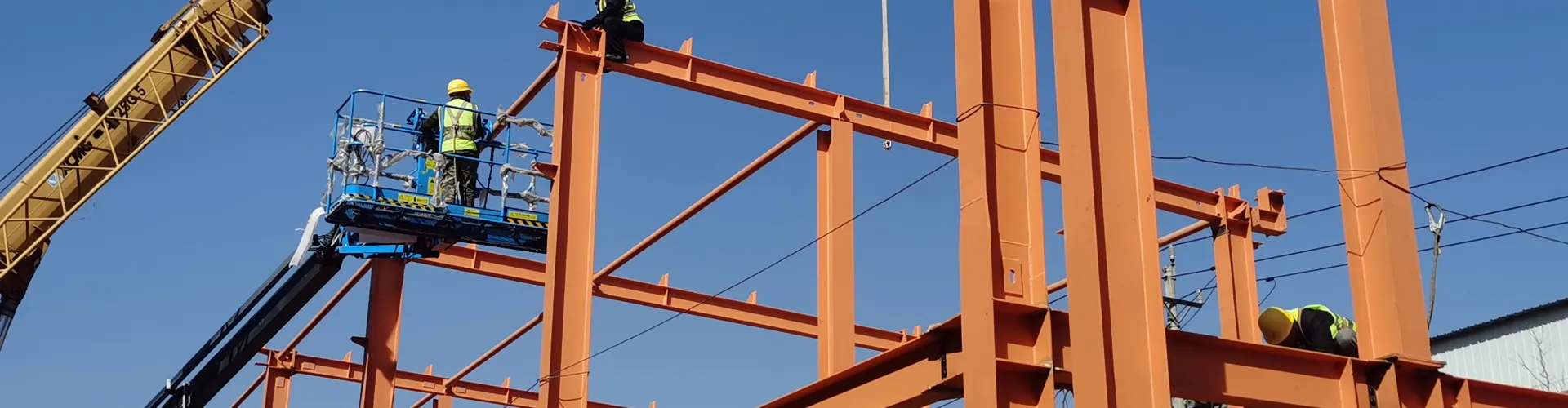
Main steel frame hoisting
Roofing construction and cladding system installation
Final structural alignment
Main factors affecting installation schedule include:
Project size and structural complexity
On-site construction environment and foundation conditions
Weather conditions
Forklift, crane, and other equipment availability
Sufficient pre-project preparation, such as foundation acceptance and site cleanup, can significantly reduce installation time.
Overall Delivery Cycle Reference
Small to medium-sized projects: 8–18 weeks
Large or highly customized projects: May require 20 weeks or more

To ensure on-time project delivery and achieve a balance between cost, quality, and efficiency, the following strategies are crucial.
1. Clarify Requirements, Reduce Rework
Prepare project requirements in advance, including:
Building purpose
Dimensional parameters and load requirements
Material grade
Schedule targets and budget range
The clearer the requirements, the fewer design modifications will be needed, and the more controllable the overall cycle will be.
2. Lock in Production Schedules in Advance
Steel structure factories typically have tight production schedules.
Advance scheduling ensures:
Pre-stocking of raw materials
Optimal allocation of processing equipment
Avoiding overlapping work schedules
Especially during peak seasons (such as the third quarter), early scheduling is crucial.
3. Enhance Communication and Progress Tracking
Maintain project transparency through:
Project management software (such as PMS, ERP systems)
Weekly online/offline meetings
Periodic progress reports (design, manufacturing, logistics, installation)
Timely identification of problems, such as material supply delays and drawing changes, facilitates rapid adjustments.
4. Plan the Installation Process in Advance
Ensure the following steps are prepared in advance:
Complete foundation acceptance
Confirm the arrival time of hoisting equipment and construction team in advance
Plan on-site logistics routes and storage areas
Reasonable on-site planning directly determines installation efficiency.
Design Changes: This is the number one killer of project schedules. Any changes proposed during the construction or fabrication phase will lead to rework and schedule disruptions.
Supply Chain Issues: Delayed delivery times for critical materials (such as specific steels, fire-retardant coatings, and imported equipment).
Weather Conditions: Severe weather (such as typhoons, heavy rain, and extreme cold) will affect on-site installation progress.
Funding Availability: Failure by the owner to make timely payments may cause contractors to halt work.
Quality Control: Major quality problems occurring during fabrication or installation, requiring rework and rectification.

A high-quality steel structure factory can significantly improve project efficiency and ensure final quality. When choosing a partner, focus on the following aspects:
Does it have complete one-stop service capabilities for design + manufacturing + installation?
Are the production equipment automated and have sufficient capacity?
Is the raw material supply chain stable?
Does it have a mature quality control system?
Does the factory have experience in undertaking large-scale projects?
A stable and reliable factory not only guarantees delivery time but also provides professional support in design optimization, manufacturing processes, and cost control.
The delivery cycle of steel structure projects is affected by many factors, but through proper planning and close collaboration with professional factories, project managers can achieve controllable cycles, controllable costs, and controllable risks.
Mastering the delivery cycle references and planning strategies introduced in this article will help companies significantly improve project management efficiency and provide strong guarantees for construction progress and project quality.
Do you have plans to start a steel structure factory project? If you can provide the approximate area and purpose of the project, I can provide you with a more targeted time estimate.
Steel Structure Workshop Solutions
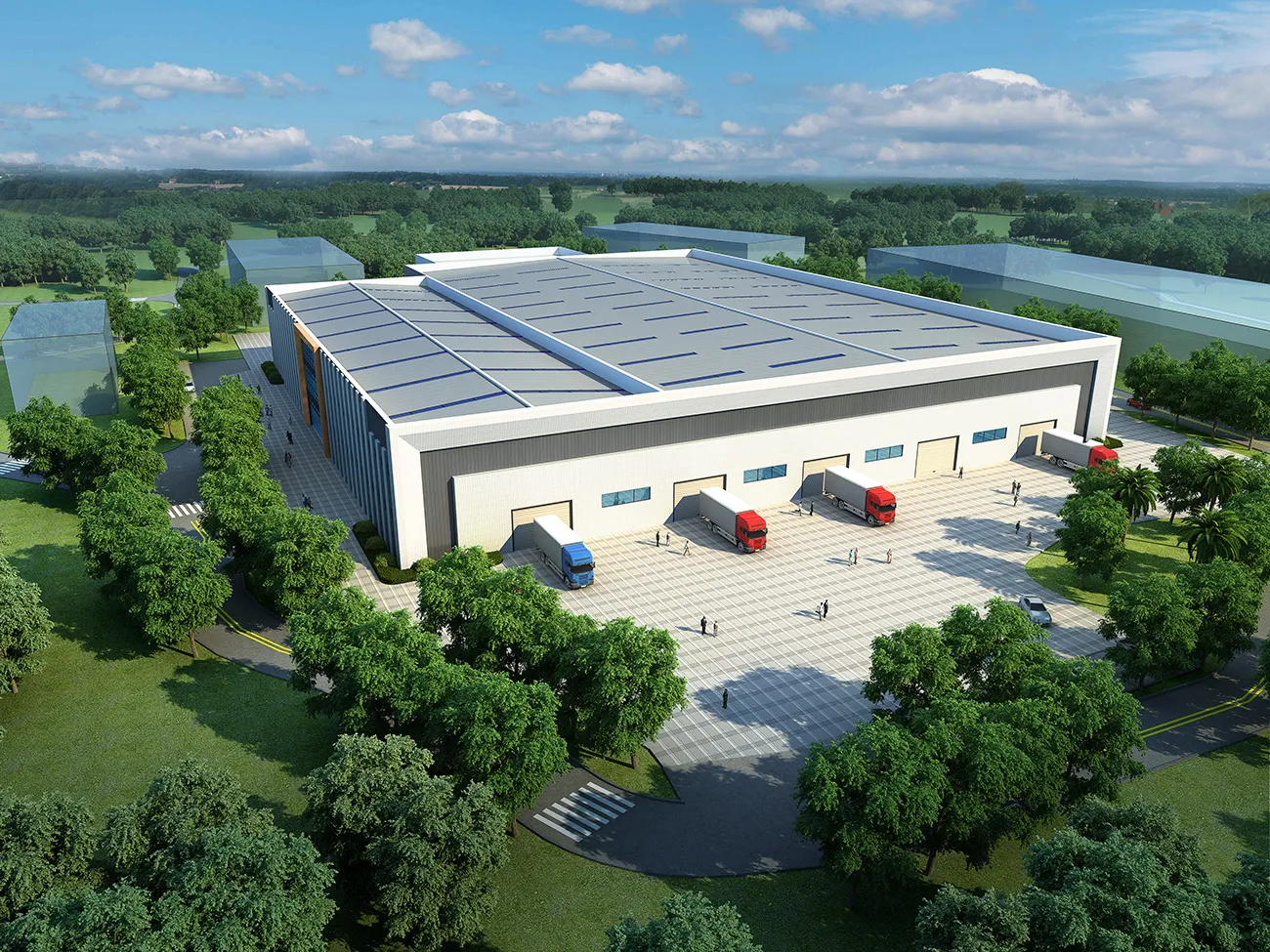
Steel Warehouse Solutions
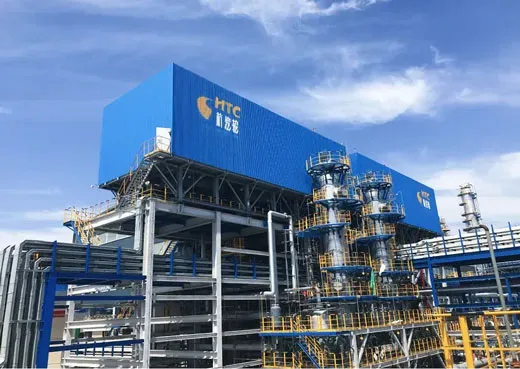
Heavy Steel Structures for Equipment
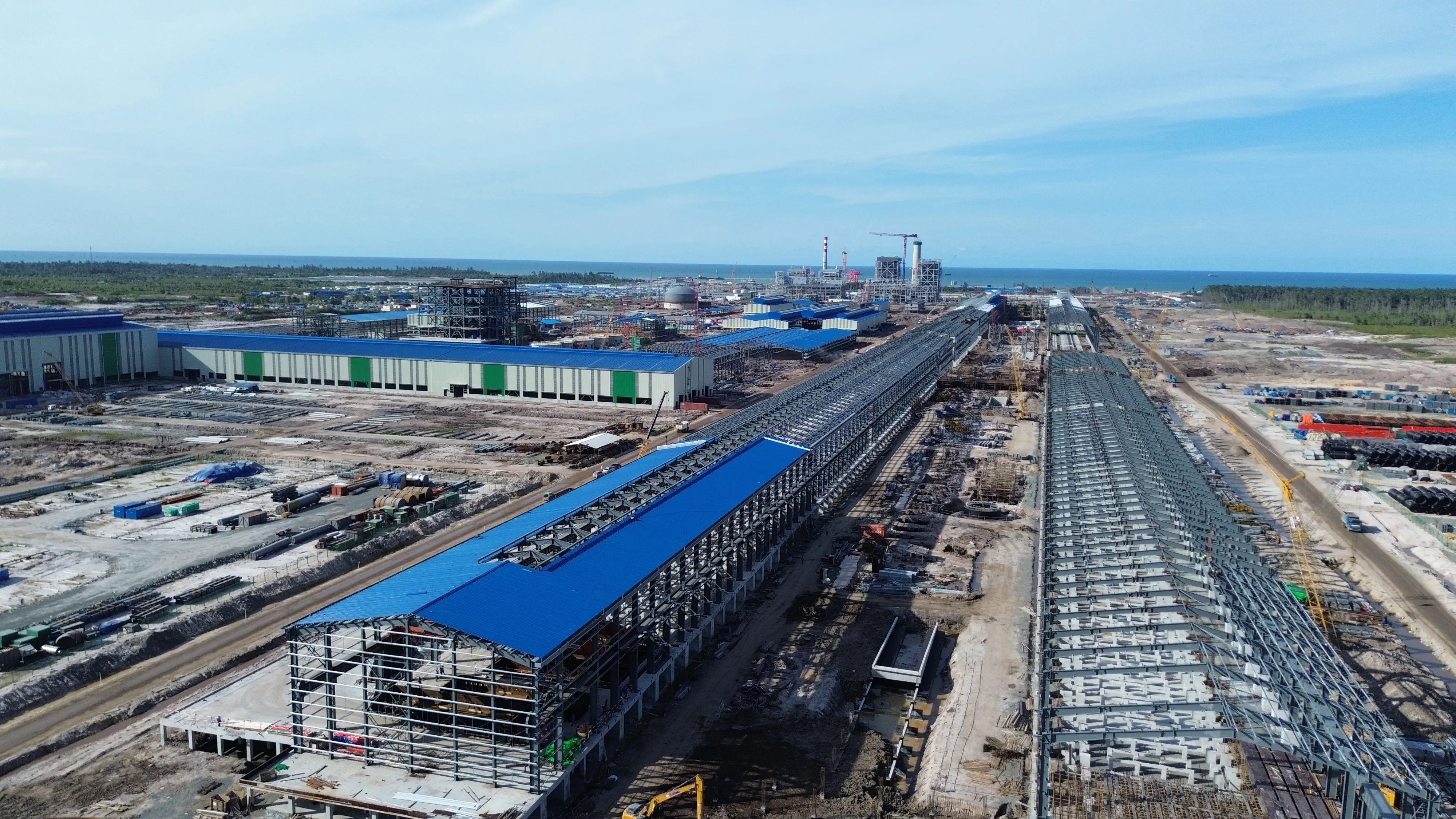
Indonesia North Kalimantan Aluminum Plant Project
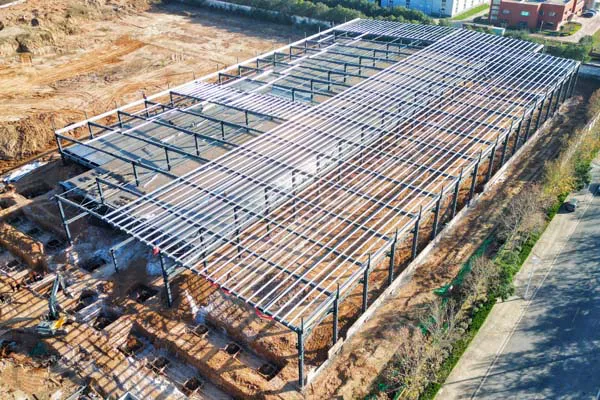
Luoyang Haode Auto Parts Steel Structure Factory Project
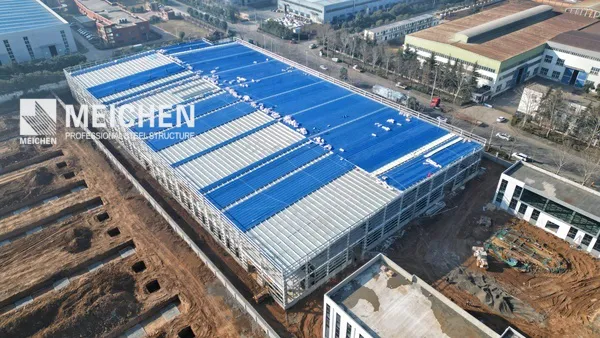
Automated Glass Production Line Steel Structure Factory Building Project
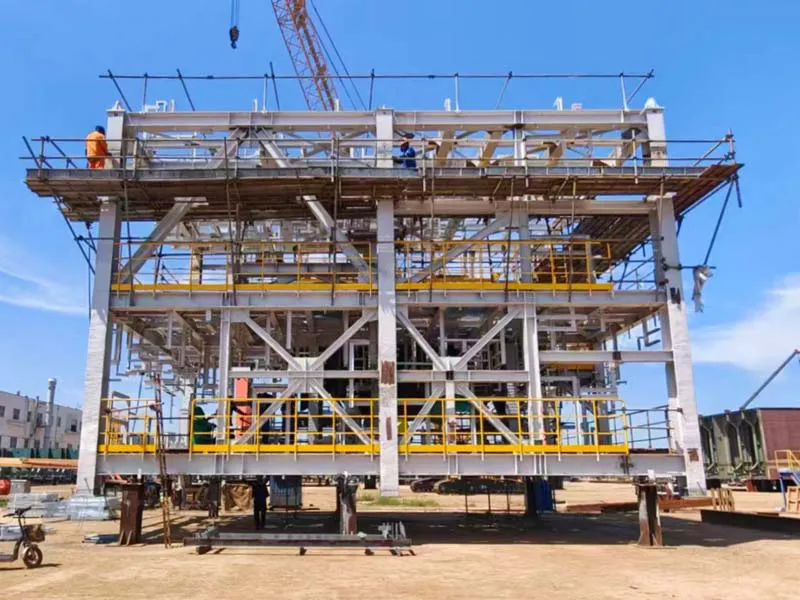
Oil & Gas Modular Steel Structure Fabrication Project
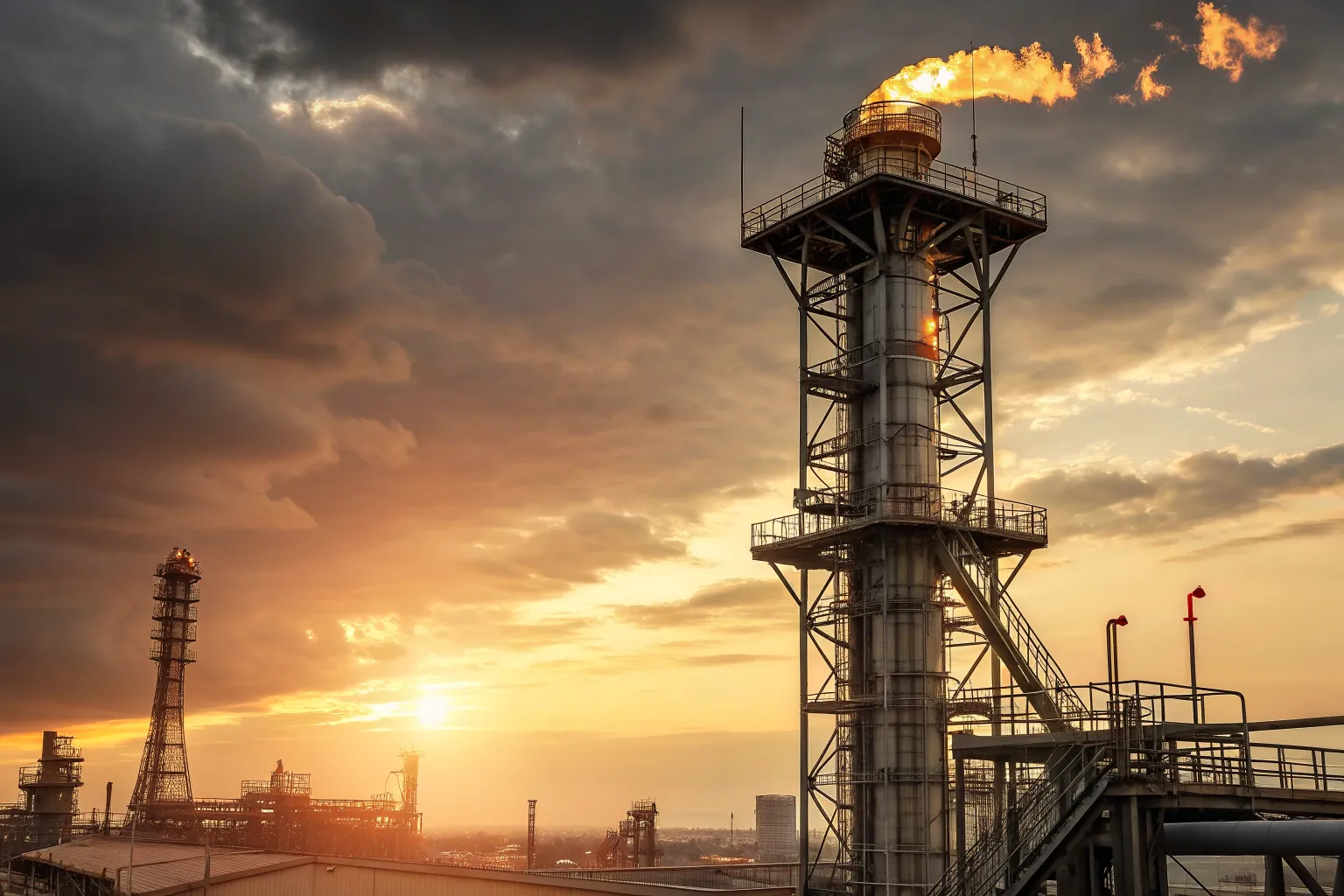
Flare Stack Structure