Time:2025-12-12 02:54:18 Source:Sanjian Meichen Steel Structure
The pressure to lower costs while keeping projects running on time and up to safety standards is intense for contractors in the refinery and petrochemical industry. Missed deadlines or mistakes in steel support can mean massive budget overruns and headaches for everyone involved.
To build cost-effective steel structures for heavy equipment support in refineries and petrochemical plants, I recommend five proven steps: early supplier involvement, modularization, tailored material grading, smart corrosion protection, and strict QA. Using these strategies, B2B clients can control costs, cut delays, and deliver quality performance through the project lifecycle.

A refinery or petrochemical construction project rarely runs perfectly unless you make tough, practical decisions at every step. I’ve seen clients wrestle with last-minute change orders, unexpected material shortages, clashes between design and equipment, excessive corrosion, or site rework that should never have happened. Let’s break down each essential strategy with specific examples, structured steps, and firsthand lessons you can apply immediately.
Unexpected design changes late in the process are expensive. The earlier you get steel structure professionals into the project, the fewer surprises and cost overruns you’ll face.
Bringing a steel team in at the conceptual or FEED stage allows holistic reviews of steel layouts and equipment positions, faster 3D clash checks, and smarter decisions about loading. Real projects show up to 15% savings in steel costs, thanks to reduced changes.
| Project Phase | Cost Impact | Time Saved | Typical Issues Prevented |
|---|---|---|---|
| After equipment set | +10–15% cost | +2+ weeks | Redesign, material waste, clashes |
| At FEED/conceptual | -10–15% cost | -2+ weeks | Fewer reworks, better integration |
Example: At a Southeast Asia refinery, we joined the project at FEED. Our integrated 3D modeling flagged six clashes between pipe racks and vessel supports, many of which would have been discovered on site at much greater expense. With virtual coordination, we resolved these in design, saving four weeks on fieldwork and avoiding costly steel reordering. This process helped the client prevent unplanned expenses and schedule creep.
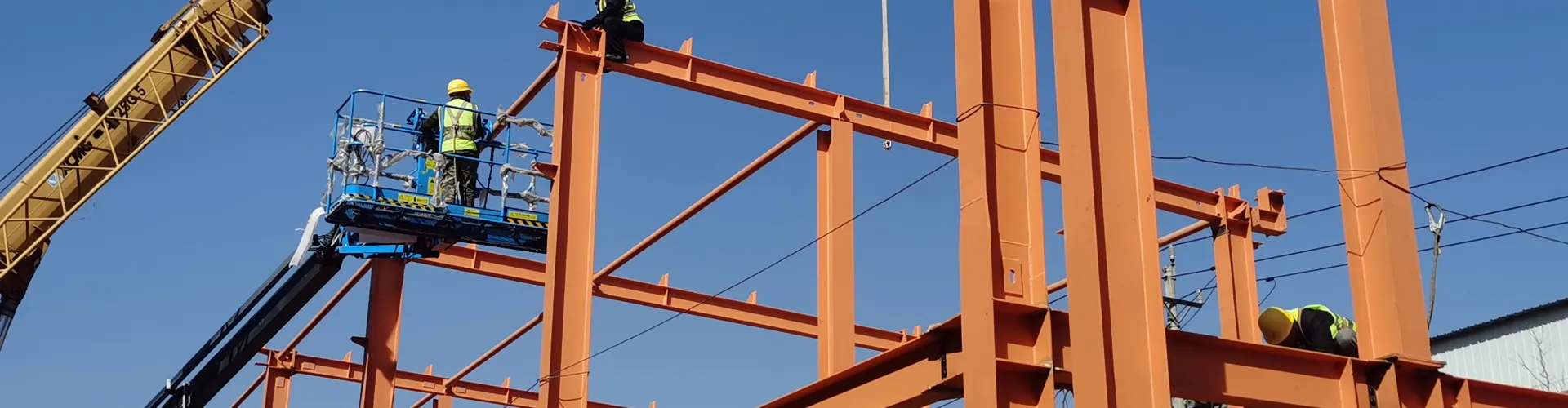
Traditional stick-built steel assembly is slow, relies heavily on skilled site labor, and exposes workers to more hazards. Modular prefabrication slashes assembly time, trims labor costs by 30-40%, and boosts onsite safety.
Prefabricated racks, frames, or supports shipped as pre-welded modules allow for rapid, repeatable installation. This is especially critical for shutdowns, revamps, or locations with limited labor access.
| Method | Assembly Duration (500m rack) | Labor Cost | Typical Risks | Quality Control |
|---|---|---|---|---|
| Stick-built | 2+ weeks | High | Errors, delays | Variable |
| Modular (pre-fab) | <1 week | 30–40% less | Safer, less error | High consistency |
Example: Last year, at a regional refinery, we shipped twelve-meter welded rack modules with all connections pre-aligned. The installation finished 50% quicker than projected using traditional methods. Clients appreciated fewer safety incidents and no last-minute fit-up issues. Replacement of damaged sections also became easier, which improved their maintenance cycles.
Most teams buy high-grade steel across the structure, thinking it always improves safety. In practice, clever grade selection by critical area can lower weight and costs by as much as 8%, while keeping performance reliable.
Use high-strength grades (Q345, A572) only for long spans, heavy load points, or seismic zones. Apply standard grades (Q235, A36) for intermediate connections, secondary supports, or less-demanding areas. Every connection and load point should be justified with data—never with assumptions.
| Steel Grade | Suggested Use Areas | Cost Difference | Weight Reduction |
|---|---|---|---|
| Q345 / A572 | Main beams, spans, heavy loads | 20–30% more | - |
| Q235 / A36 | Secondary supports, bracing | 20–30% less | Up to 8% reduction |
Example: In a recent build, our team compared grade usage by connection. Instead of defaulting to Q345 for everything, 30% of the rack used Q235 while only main beams and seismic joints needed high-strength. Careful grading saved the client about 1,200 tons of steel, keeping all safety factors intact.
Over-specifying coatings or fireproofing everywhere wastes budget. Applying premium systems only to splash zones, baseplates, and high-risk joints, while using galvanizing or standard coatings elsewhere, gets more value.
High-quality application and proper surface prep matter more than product spec. Many failures stem from rushed or poorly trained paint crews, not materials.
| Area/Element | Coating Type | Cost Impact | Lifespan Estimate | Typical Failures Prevented |
|---|---|---|---|---|
| Splash zones/joints | Premium coating/fireproof | High | 20+ years | Rust, fire damage |
| Non-critical zones | Galvanizing/standard | Low | 10–15 years | Flaking, minor corrosion |
| Whole structure | Premium everywhere | Highest | 20–30 years | Unnecessary spend, hard to repair |
Example: For a petrochemical plant upgrade, we used this tiered approach: premium coatings only for direct chemical exposure points, galvanized steel for frames. Trained paint crews followed strict prep procedure, cutting expected lifecycle maintenance costs by 35%. Digital inspection certificates from the supplier ensured the client could monitor application quality before delivery—no unpleasant surprises years later.
Relying only on site checks risks discovering quality failures when the steel is already installed, forcing costly rework and schedule slips. Insisting on factory-level QA—like ultrasonic weld testing, use of alignment jigs, and pre-assembly trials—catches defects early.
Digital QA records, photo logs, and shared inspections with clients guarantee accountability and fast identification of mistakes.
| QA Technique | Problem Prevented | Real Savings | Client Benefit |
|---|---|---|---|
| Weld ultrasound | Cracked/bad welds | Major | No field rework |
| Alignment jigs | Misaligned connections | Moderate | Faster site installation |
| Photo evidence | Remote inspection | Moderate | Less client travel |
| Digital records | Lost paperwork | Minor | Quick traceability |
Example: One EPC contractor received digital photo logs of every weld and alignment from our factory. These revealed one misalignment before shipment, so we fixed it for a few hundred dollars—rather than costing thousands in site labor and schedule delay. The project finished three weeks faster than the industry average and required no rework during installation.
You can lower steel cost and risk for refinery and petrochemical heavy equipment support by engaging suppliers early, modularizing, mixing steel grades thoughtfully, targeting corrosion protection, and requiring factory-level QA every time. By following these steps, you ensure not only cost savings but also a smoother project lifecycle, fewer surprises, and better overall performance.
Steel Structure Workshop Solutions
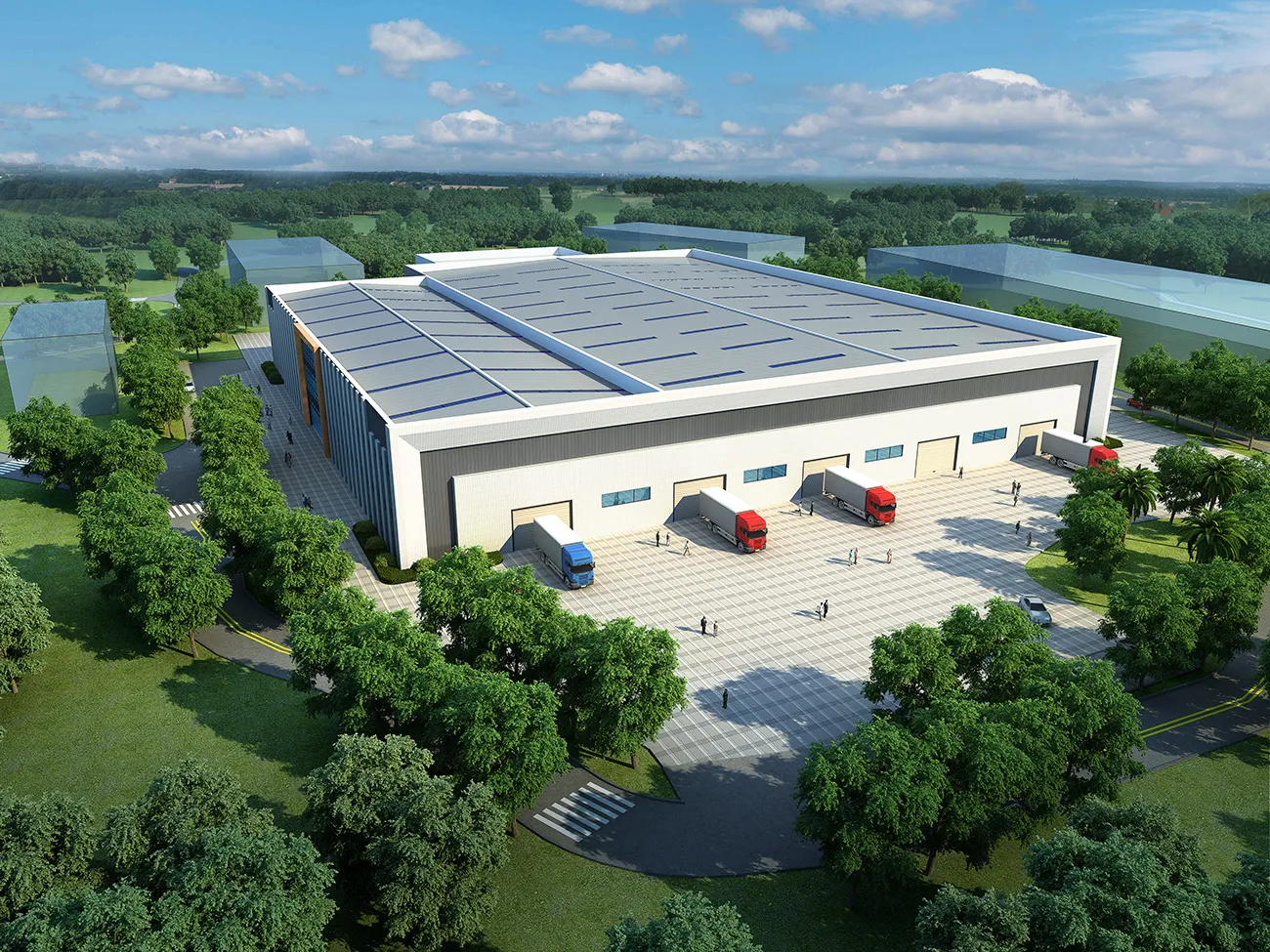
Steel Warehouse Solutions
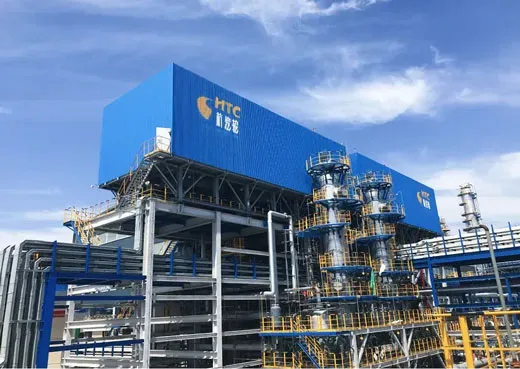
Heavy Steel Structures for Equipment
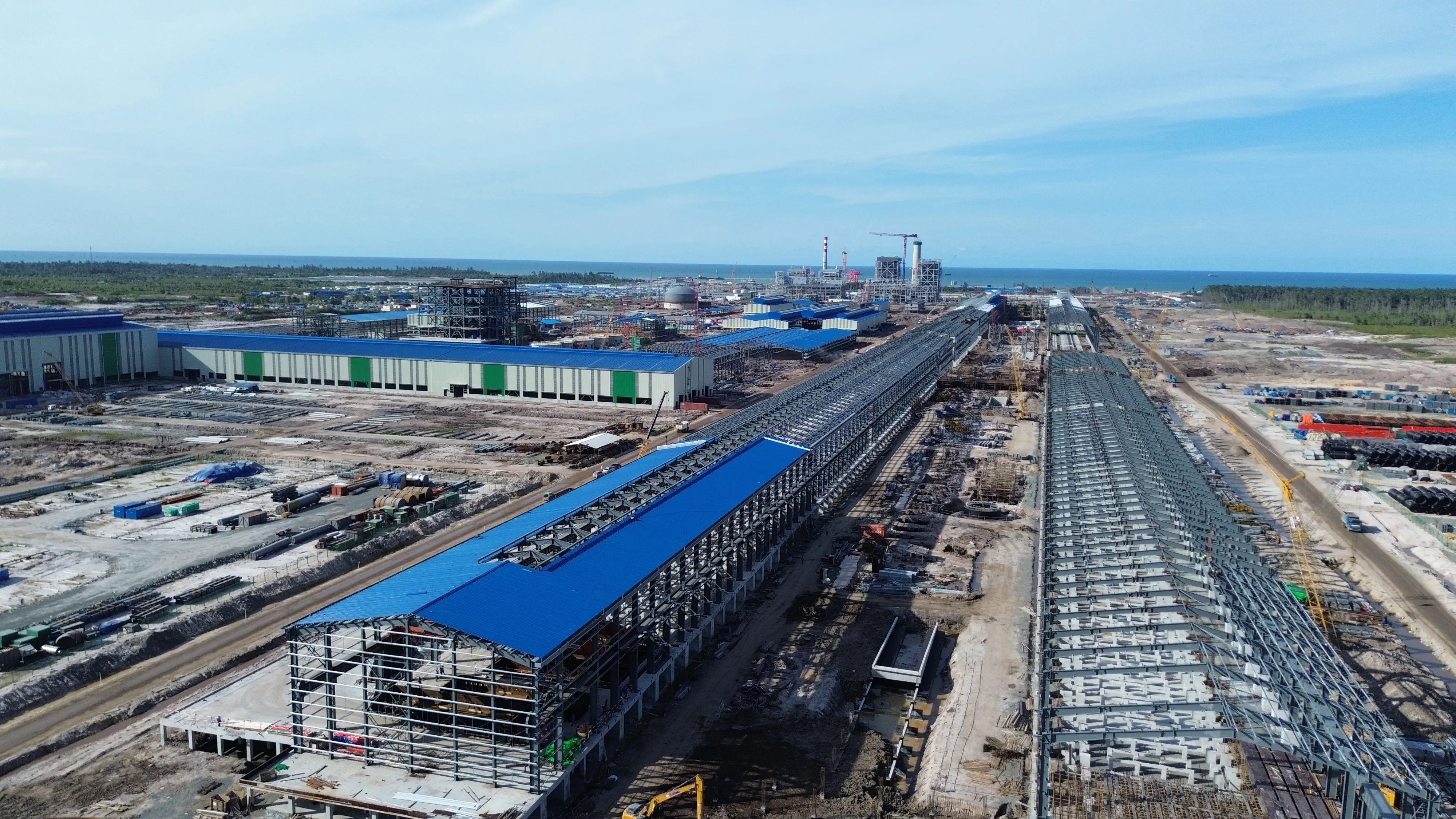
Indonesia North Kalimantan Aluminum Plant Project
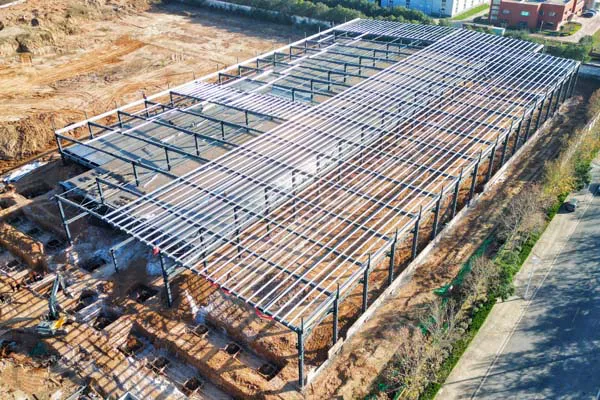
Luoyang Haode Auto Parts Steel Structure Factory Project
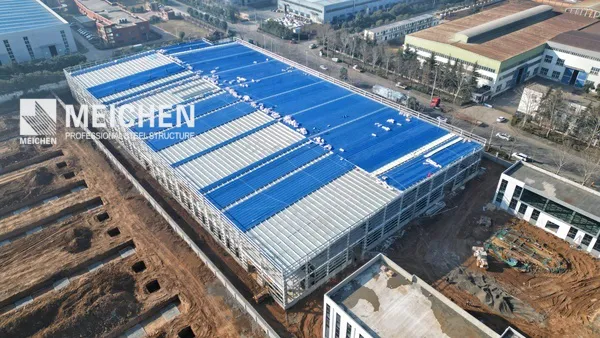
Automated Glass Production Line Steel Structure Factory Building Project
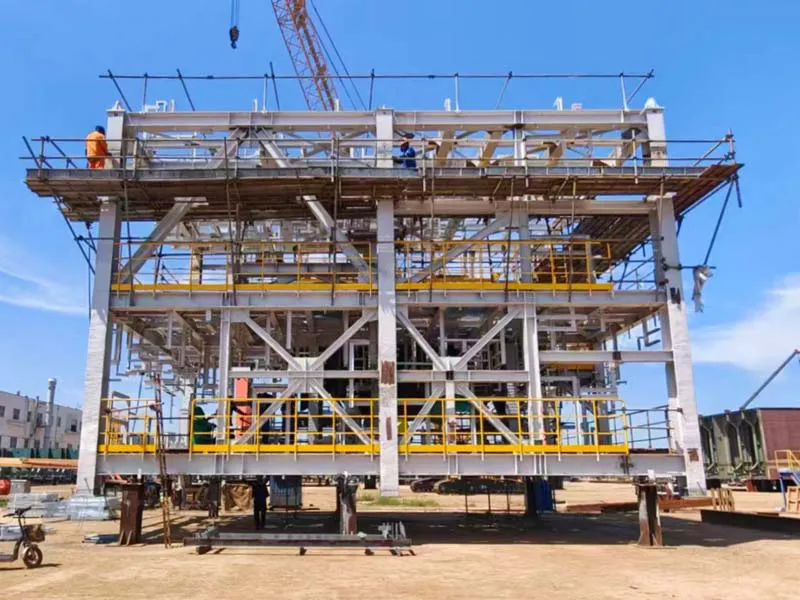
Oil & Gas Modular Steel Structure Fabrication Project
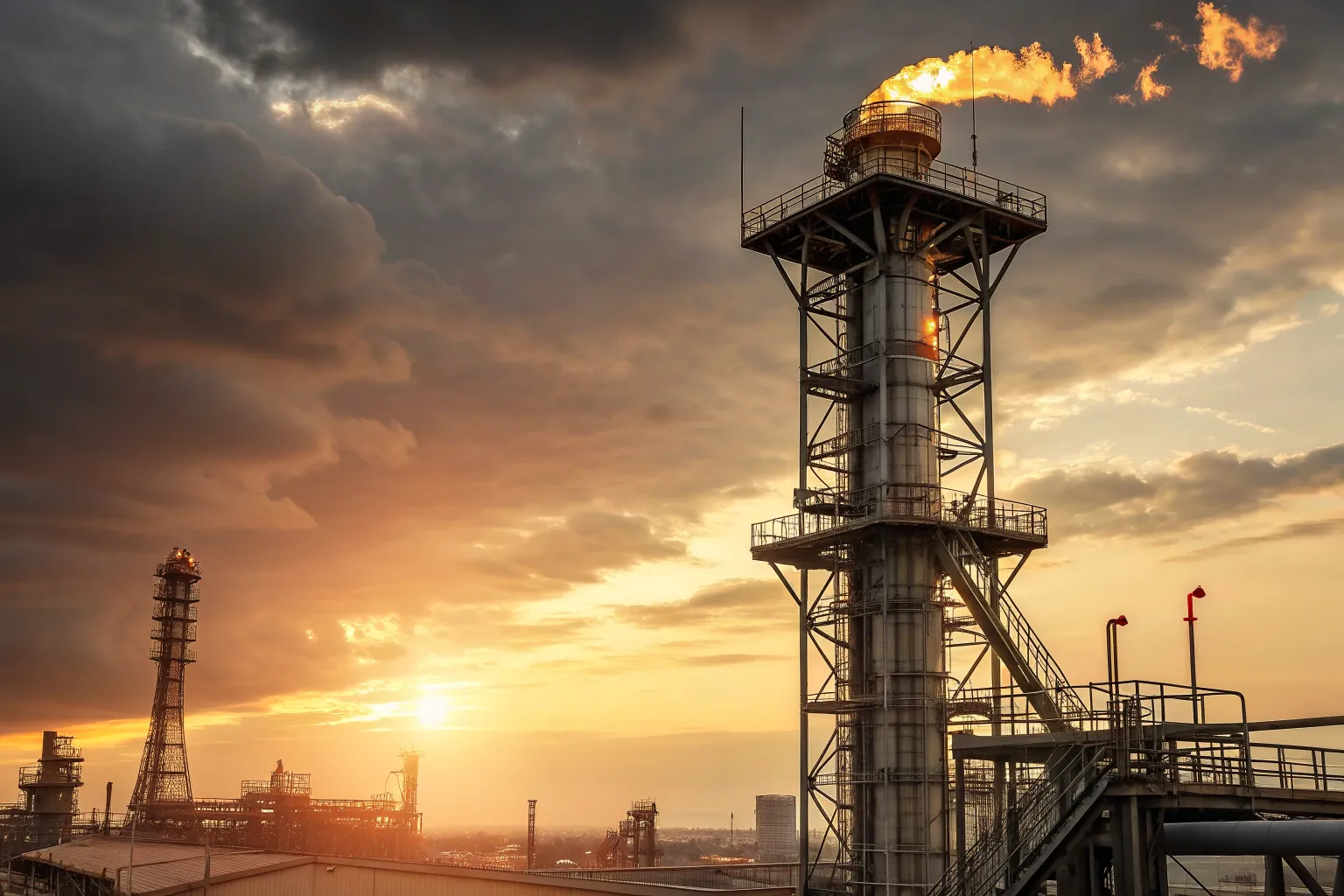
Flare Stack Structure