Time:2025-12-11 07:22:15 Source:Sanjian Meichen Steel Structure
Design failures and safety oversights in complex energy projects can cost millions, erode trust, and even threaten lives. You cannot afford to get it wrong.
To ensure precision and safety in steel structure design for energy projects, always start with collaborative design, insist on certified materials and full traceability, implement advanced simulation tools, maintain strict quality control, and enforce disciplined onsite safety during installation.
Everyone managing large-scale energy projects faces the constant balancing act of cost, time, and quality. It is easy to lose sight of fundamental design principles in the whirlwind of coordination meetings and urgent requests. Yet, I have seen how industry leaders consistently deliver by focusing on practical steps that are rarely detailed in tenders or contracts. Let’s walk through each one—what it means, how it works, and exactly why it matters.
Many projects miss deadlines and blow budgets because designers don’t consider how their drawings will be built and assembled.
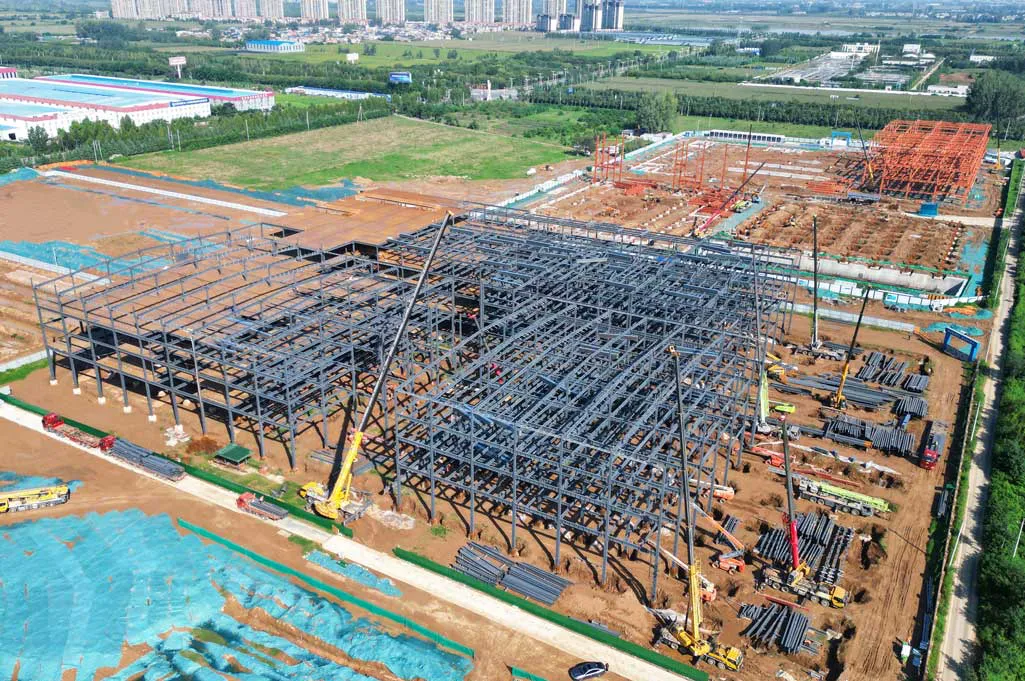
Bringing fabricators into the design conversation as early as possible transforms outcomes. I always organize joint workshops with our engineers, production line supervisors, and site teams months before ground is broken. For every major energy project—especially in remote or congested locations—modularization is a must. Breaking structures into transportable, pre-tested modules makes manufacturing more controlled, ensures shipping fits available logistics, and minimizes onsite man-hours exposed to risk. I push for bolted connections over long seam welds wherever possible; these can be verified in the factory and rapidly put together on site. On a power plant I once worked on, this DFMA approach shaved weeks off the schedule because everything fit together like a kit, with minimal on-site adjustment, fewer cranes, and a lot less welding at height. These are real, repeatable savings that come from making buildability a core design requirement.
If I had to give one piece of advice, it would be to invite your supply chain to the table early on. Ask your bidders how they would divide the structure and where they would place joints and lifting points. The suppliers with the clearest, most systematic answers are often the most reliable. If a partner can visualize transportation and assembly before steel is cut, you are much less likely to face delays or safety incidents down the line.
Raw material issues often go undetected until a structure is already on its feet—but by then, the cost and risk multiply dramatically.
I make it a baseline requirement that all steel used in energy projects is sourced from certified mills, with full traceability. Each plate, beam, and bolt must be matched to a specific heat number, and tracked from the mill through shipping, processing, and on to the jobsite. Major clients, especially multinational oil and energy companies, are now requiring traceability reports for every lot delivered. I’ve experienced more than one “material scare” where a batch was questioned—sometimes for good reason, sometimes for minor clerical errors. In every case, having complete certificates and 3rd party inspection reports on file protected us from costly investigations and proved compliance.
On some offshore wind projects, we even pay extra for advanced coatings or alloys because basic grades won’t last through decades of corrosive exposure. Skimping here, in my experience, is a false economy: one refinery project’s cost doubled when corroded connections had to be replaced only a few years after startup. B2B clients should always make traceability and specification documents binding parts of their contracts. I encourage everyone to physically walk the warehouse and fabrication floor to check material labels and cross-reference certificates. Good suppliers will make these records accessible without delay.
| Standard | Region | Common Grades | Traceability Documents | Critical Environments |
|---|---|---|---|---|
| ASTM | US/Global | A36, A572, A992 | Mill certificates, Heat number reports | Power plants, chemical terminals |
| EN | Europe | S275, S355 | Inspection/test certificates, Batch records | Offshore platforms, refineries |
| GB | China | Q235, Q345 | Factory docs, mill test reports | Industrial parks, utility sites |
Full traceability is not glamorous, but it separates safe, legal projects from headline-grabbing failures. In procurement, any proposal that shows a weak process for documenting materials is a gamble not worth taking.
Modern energy facilities demand more than paper drawings—today, 3D modeling and simulation are foundational to detecting design conflicts and verifying safety before construction starts.
I always insist on detailed digital modeling from the earliest stages, even if it requires a bigger upfront investment. Using platforms like Tekla Structures, our team models every component, joint, and connection in 3D. We run finite element analysis (FEA) to probe how the structure will perform under maximum wind, seismic, thermal, and even blast conditions. On one LNG terminal job, we found with FEA that vibration loads would resonate with a support grid—something no manual check would have spotted—prompting a design change that avoided early fatigue.
BIM integration is equally powerful. It allows us to coordinate dozens of disciplines—steel, piping, HVAC, electrical, and civil—catching spatial conflicts and assembly problems before they happen. Years ago, I saw a major gas project delayed when an unspotted clash between pipework and a steel support meant complete rework was necessary, costing two months and large penalties. Now, our digital twin includes not just the design, but logistics sequences, site lifting studies, and installation plans. With every update, all stakeholders—engineers, supervisors, suppliers—see the same model and make decisions faster and more transparently.
| Tool/Workflow | Purpose | Example Application |
|---|---|---|
| 3D Modeling | Visualization, detailing | Connections, node geometry, access checks |
| FEA (Analysis) | Load/safety verification | Wind uplift, seismic response, fatigue design |
| BIM Coordination | Clash detection | Avoid pipe/duct/steel collisions in congested areas |
| Digital Twin | Site logistics planning | Sequencing modules for shipping, lifting |
The earlier digital simulation is adopted, the fewer surprises and “change orders” you will face. I urge clients and contractors to treat digital coordination as an essential, not an afterthought.
Nothing derails a critical path schedule faster than poor fit-up or failed welds discovered during the hectic crunch to meet deadlines.
From my first days managing factory floors, I learned that catching errors in the factory beats on-site correction every time. My standing requirement is that all major connections and nodes be trial assembled in the workshop—no exceptions. This “mock-up first, ship later” rule has saved us from expensive crane delays more times than I can count. Even experienced teams overlook details; an off-spec plate or slightly misaligned flange in the factory is cheap and easy to fix under controlled conditions, but on a windy jobsite, it can mean days or even weeks of lost time.
Weld quality is another non-negotiable. For all connections bearing structural loads or facing high stress, I insist on full-scale nondestructive testing—ultrasonic, radiographic, or magnetic particle—performed to the project standard for each type of joint. Random spot checks are not enough for energy infrastructure; every critical weld needs a pass. I keep detailed reports—complete with step-by-step photo documentation and third-party inspection signoffs. These not only reassure clients, but provide my own team with the root-cause data to continuously improve. On one project, our documentation disproved an insurance claim after a minor incident, shielding the project from blame and cost.
| QC Step | In-Factory Action | On-Site Impact |
|---|---|---|
| Trial Assembly | Full fit-up of segments/nodes | Guarantee “first time right” erection |
| NDT of Welds | 100% UT/RT (as applicable) | Fewer repairs, less downtime |
| Documentation | Photo logs, inspector reports | Smoother handover, clear accountability |
Clients should demand clear, exhaustive QC records—these demonstrate not just compliance, but true supplier reliability. If a supplier cannot open their quality files without hesitation, take it as a warning sign.
All the best engineering is at risk if site assembly is not planned and managed with discipline and direct communication.
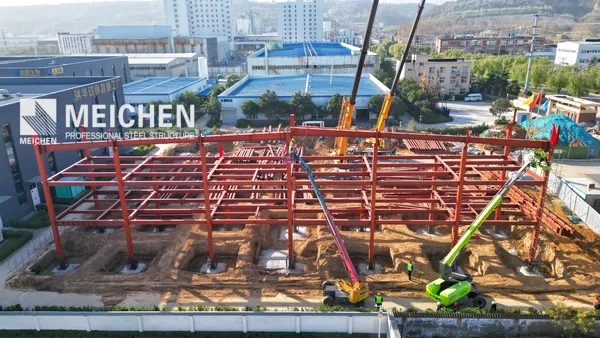
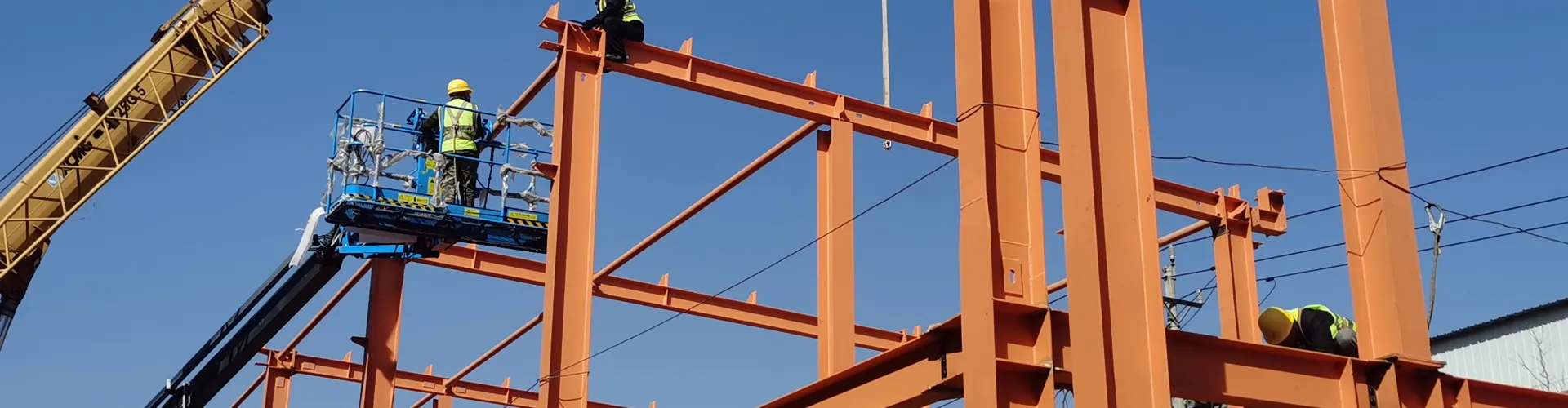
During installation, risks multiply. Workers are exposed to falls, high winds, and heavy lifts. Schedule pressure makes it tempting to take shortcuts. In every project, I impose a strict system: as much work as possible is preassembled in the factory, so only bolted connections and final alignments are needed on site. Each module is delivered with an illustrated method statement, matched to pre-planned lifting points, and assigned a team led by a dedicated safety officer—someone with both authority and focus on hazard prevention.
Every morning starts with a safety briefing and a review of environmental conditions—wind speed, rain, visibility—before heavy lifts are greenlit. I recall a high voltage substation build where, due to a sudden windstorm, we ordered all lifts stopped just minutes before a scheduled module hoist. That pause prevented a near accident; the local news later covered a similar site that pushed through and suffered serious injuries. This kind of discipline not only keeps people safe but also provides assurance to the client, project owner, and insurance backers.
Open communication is just as crucial. I keep direct lines between our team leads and our client’s site manager—the moment anyone sees a potential hazard, all work stops and a solution is found together. In my experience, projects with the lowest accident rates and least punchlist rework are those where safety is present on every agenda.
| Installation Hazard | Mitigation Tactic | Field Implementation |
|---|---|---|
| Work at Height | Preassembled, factory-made modules | Reduce hours needed on scaffolding/lifts |
| Wind and Weather | Mandatory stop/start thresholds | Pause work above set wind speed |
| Coordination Gaps | Dedicated on-site safety officers | Clear, simple reporting and escalation |
You cannot delegate safety to paperwork alone—visible leadership, evidence-based briefings, and immediate corrective actions are what make the difference in the field.
Most disputes, overruns, and headaches in energy project steelwork come from issues that start in the blurry “gray zone” between contract specs and real-world execution.
Even the best-drafted technical specs can’t replace personal experience or proactive risk management. One of my non-negotiables is to hold “alignment workshops” among design, manufacturing, and installation partners before contracts are finalized. These sessions turn vague requirements into shared, detailed plans and reveal any gaps—such as ambiguous tolerances, unclear finish specs, or different expectations for testing. I’ve seen millions saved because an early discussion clarified who was responsible for final bolt tensioning or established precise definitions for weld acceptance rates.
Ask your suppliers for their actual safety record on similar jobs and how they resolve design/fabrication conflicts. The partners who answer transparently—and share lessons learned rather than brush off questions—are almost always more dependable in practice. I also discourage a “lowest price wins” mindset. In my own experience, 70% of project disputes are rooted in unclear specs, rushed bidding, and unspoken assumptions. The best suppliers come in early with suggestions for time and material savings, not just a passive “we build what you send us” attitude.
Open, early coordination and a focus on value-add is what moves a project from “barely making it” to “world-class success.” Investing in relationships and clarity saves far more in the long run than penny-pinching at the bid stage.
Precision and safety in steel structure design for energy projects depend on more than drawings and codes—they rely on engaged teams, certified processes, digital checks, strict controls, and, above all, a commitment to discipline and teamwork throughout.