Time:2025-12-10 07:30:49 Source:Sanjian Meichen Steel Structure
Steel is the backbone of modern petrochemical and energy facilities. If you choose the wrong material, you risk safety failures, project delays, and shrinking profits. The difference between success and trouble often comes down to what lies inside your structures.
Steel is the preferred material for complex structures in petrochemical and energy projects because it gives you maximum strength with less weight, provides tailored corrosion protection, boosts safety with easy inspections, allows modular expansion, and ensures predictable quality through global standards. These advantages save time, cut costs, and safeguard long-term operations.
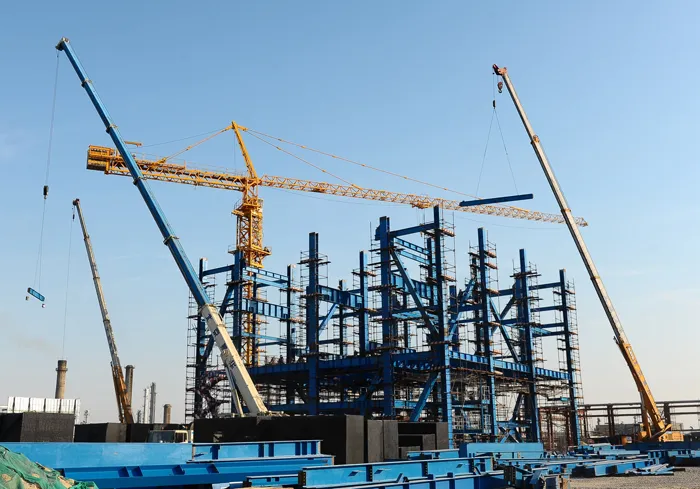
Project managers have to squeeze more value out of every dollar and every day. When you build with steel, you get a material that’s not only strong but also surprisingly light. The result: you use fewer columns, cover larger spans, and reduce loads pressing down on your foundations.
Steel’s superior strength-to-weight ratio changes both the design and the economics of a project. Heavy process equipment, pipelines, and access platforms can be supported by relatively slender steel beams that don’t need massive footings. That means you pour less concrete, dig less soil, and can often work in difficult ground conditions where heavy foundations would be a headache. I’ve seen projects shave weeks off their timelines simply because they didn’t need to wait for thick concrete bases to cure.
On one power plant project, we finished superstructure work three weeks early—just by shifting to large, pre-fabricated steel modules. These were lifted into place with minimal on-site welding, using fewer workers and letting parallel work progress underneath. Another advantage: steel components can be manufactured to precise tolerances, so on-site fitting issues are reduced. This translates into less rework and lower labor costs, keeping both budgets and schedules safe from common overruns.
Here’s a breakdown that shows steel’s practical advantages:
| Feature | Steel | Concrete |
|---|---|---|
| Strength-to-weight ratio | Up to 25x higher | Much lower |
| Foundation size | Smaller, less material needed | Larger, more expensive |
| Assembly speed | Fast, modular, easy erection | Slow, multi-stage, needs curing |
| Flexibility for design | Wide spans, open layouts | Limited by weight and bulk |
Every extra kilogram matters when you have to build tall pipe racks, heavy-duty floors, or fast-track modular units. Steel’s strength, combined with reduced weight, improves not just structure performance but also overall project delivery.
Every petrochemical facility faces relentless chemical attacks—vapors, acids, solvents, and humidity. Ordinary materials give way fast, and repairs usually mean costly production stops. Steel’s big advantage is you don’t have to settle for one-size-fits-all resistance; you can tailor the protection system exactly to the environment.
When I work with clients on refinery projects, we start by mapping out all the chemical exposures—some units face sulfur-rich gases, others daily blasts of sea air, or the constant threat of spilled acids. Standard steel can be specified with coatings like hot-dip galvanization, epoxy paints, or multilayer intumescent systems for fire risk—sometimes all layered together. I once helped a large chemical plant navigate a period where industry standards changed, requiring duplex stainless instead of mild steel in certain reactors. The swap wasn’t just about compliance; it doubled the design life and eliminated chronic shutdowns for patch repairs.
Smart suppliers don’t just ship “painted steel.” They test coatings in the lab against your project’s chemicals. For critical areas, you can add sacrificial layers that handle scratches or replace minor coating losses. All this means your structures keep their strength and safety for decades, instead of suffering silent degradation and sudden failures.
Typical protection solutions look like:
| Corrosive Challenge | Steel Solution |
|---|---|
| Chloride/sea air | Hot-dip galvanizing, marine epoxy |
| High acid or base | Chemical-resistant epoxy, duplex or austenitic stainless steel |
| High fire risk | Intumescent paint, thermal barriers |
| Abrasive environments | Hard coat plus wear pads |
The bottom line: when you tailor steel protection, you cut out long-term uncertainty and boost the reliability of the whole facility.
Facilities with oil, gas, or chemicals must protect lives, the environment, and profits. Disaster is never just about money; human safety comes first. Steel leads not only because it resists collapse and keeps burning materials contained, but also because it is transparent to inspectors and easy to maintain.
Unlike many materials, steel doesn’t burn. Even under extreme heat—like in a fire near a process unit—structural steel retains its shape far longer than reinforced concrete, which can explode if moisture trapped inside turns to steam. After fire exposure, you can often assess and repair steel quickly, while concrete may need total demolition.
Inspection and maintenance separate safe plants from risky ones. With steel, you can design in inspection plates, walkway access, and NDT (non-destructive testing) points. I’ve helped clients add small ports at key welds and joints, allowing for regular ultrasound checks. When corrosion or fatigue is detected, teams act immediately, addressing tiny cracks before they become big trouble. Compare that with concrete, where defects are almost invisible until chunks break off or hidden reinforcement rusts away. Steel’s transparency allows a manager to guarantee the safety story during every audit.
Consider the compliance perspective:
| Attribute | Steel Advantage | Concrete or Composites |
|---|---|---|
| Fire performance | Non-combustible, less spalling | Risk of explosive spalling |
| Inspection/repairs | Full NDT, visual cracks surface immediately | Hidden issues, hard to inspect |
| Maintenance access | Access built-in, easily adjustable | Fixed; hard to modify |
| Code/standards support | Easy engineering documentation, traceable repairs | Less flexible for adaptation |
For decision-makers, this means fewer surprises, smooth insurance renewals, and fewer regulatory roadblocks—delivering peace of mind every year.
In today’s projects, flexibility is often as important as first-cost. Market demands shift, plants must boost capacity, reroute process lines, or add new units. Traditional materials fight change; concrete and brick buildings are expensive and messy to shift. Steel, on the other hand, is made for adaptation.
I've worked on several energy and petrochemical campuses where the second and third expansion phases were planned before the first phase even finished. In each case, steel allowed us to bolt on new process platforms, add extra equipment racks, and resize pipe bridges to handle bigger capacities—all without breaking or disturbing main structure. On another job, a power plant needed extra emission treatment units midway through commissioning. Because the main racks were steel, temporary supports and new frames were dropped in quickly, letting the plant ramp up without stopping earlier phases.
Steel modular sections are shipped globally and erected fast, using pre-drilled connections and engineered splices. That means less welding on site, more predictable timelines, and minimal disruption to ongoing operations. EPC leaders sleep better knowing upgrades won’t mean weeks of jackhammers, dust, and downtime.
Benefits of steel modularity include:
Simple bolt-on extensions to racks or platforms
Easy strengthening for heavier loads or new equipment
Standardized joints for global design compatibility
Less rework—old parts can be reused or reinforced, not scrapped
If you expect your plant to outgrow its original footprint, steel makes expansion a streamlined process instead of an expensive problem.
Large energy and chemical projects count on predictable materials—no surprises allowed. With steel, you can buy to international standards. You have certificates with every shipment, showing exactly what grade, mill, and test results you’ve received. No more guessing.
On one major project, a client faced millions in delays because an overseas supplier shipped non-compliant steel. Since then, we only use vendors with transparent digital systems: each beam, column, or plate has a heat number you can scan, which links direct to factory test reports. This level of traceability isn’t just good for passing audits; it protectively locks in your quality and legal due diligence.
Global standards like ASTM, EN, and GB make it possible to work with partners around the world without losing confidence in what arrives on site. When regulators or insurance teams ask for evidence, you point to certificates, tracking logs, and batch tests, avoiding any hint of shutdown or replacement. Proper traceable steel also means that repairs or replacements in thirty years can match the original quality.
Key aspects for risk management:
| Risk Area | Steel Benefit |
|---|---|
| Quality control | Consistent, tested, documented |
| Regulatory compliance | Standards-based, easily proven |
| Schedule risk | Less delay from faulty or late materials |
| Supply chain transparency | Full digital traceability down to single beam |
For any project where one late or low-quality delivery can mean millions lost, the peace of mind you get from certified, trackable steel can’t be matched.
Steel structures keep petrochemical and energy projects safe, on budget, and ready for the future—with strength, flexibility, and reliability you can count on.
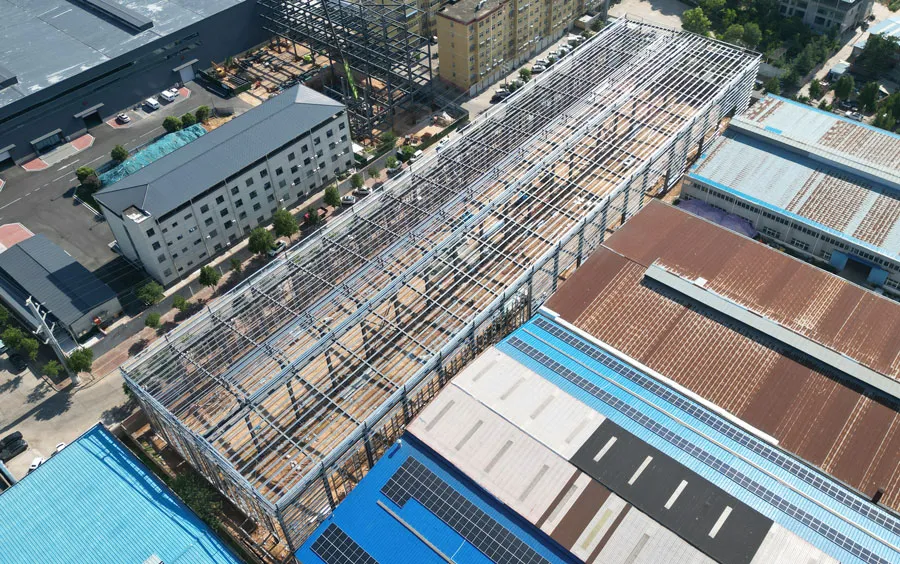
Steel Structure Workshop Solutions
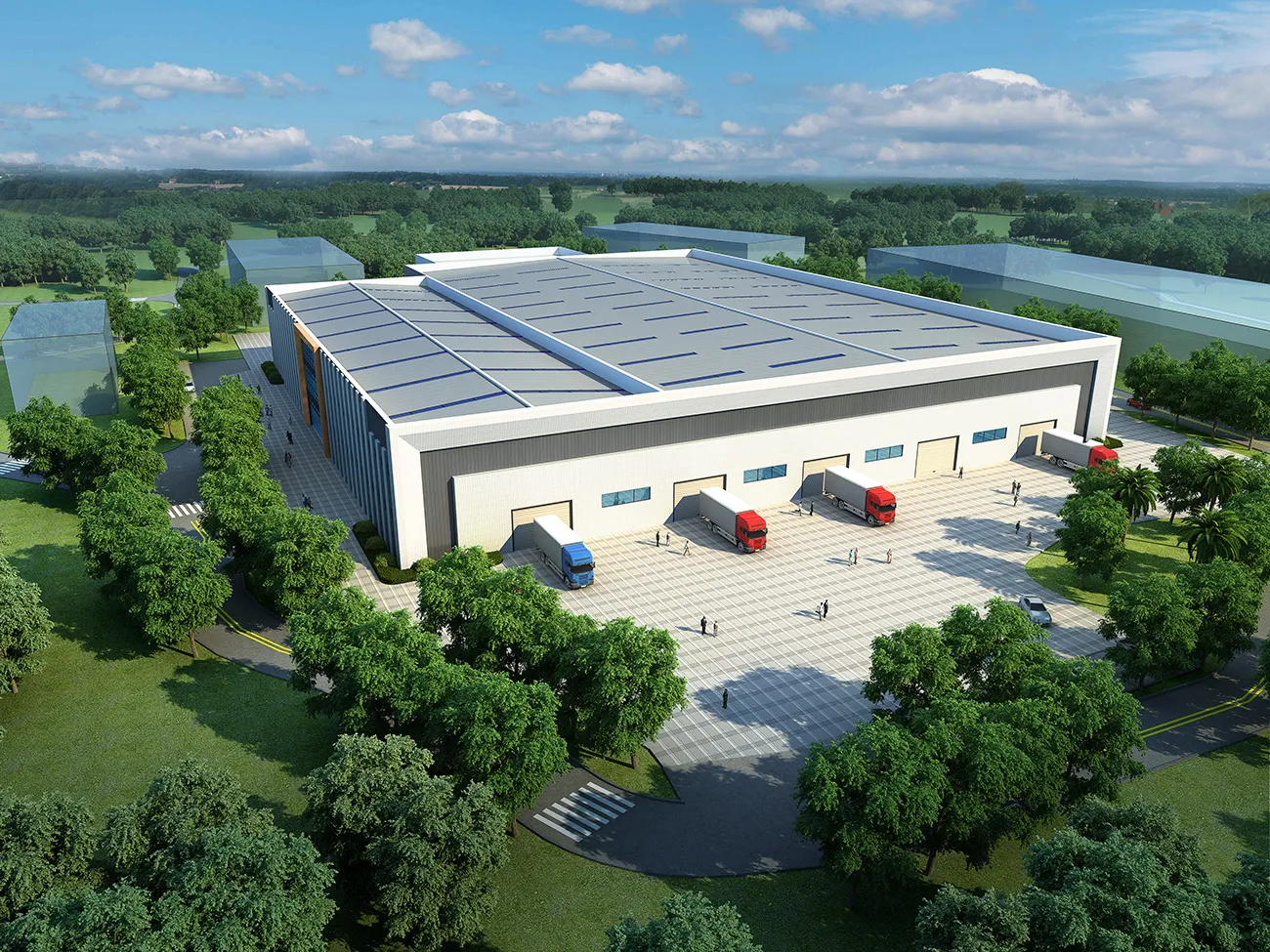
Steel Warehouse Solutions
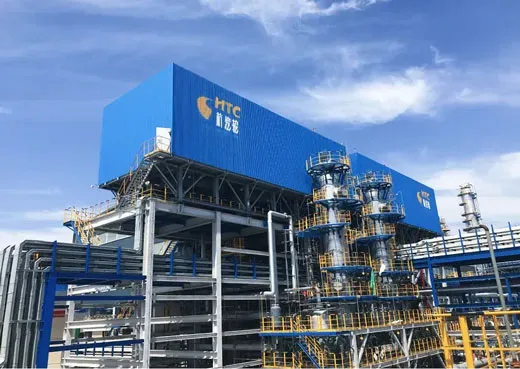
Heavy Steel Structures for Equipment
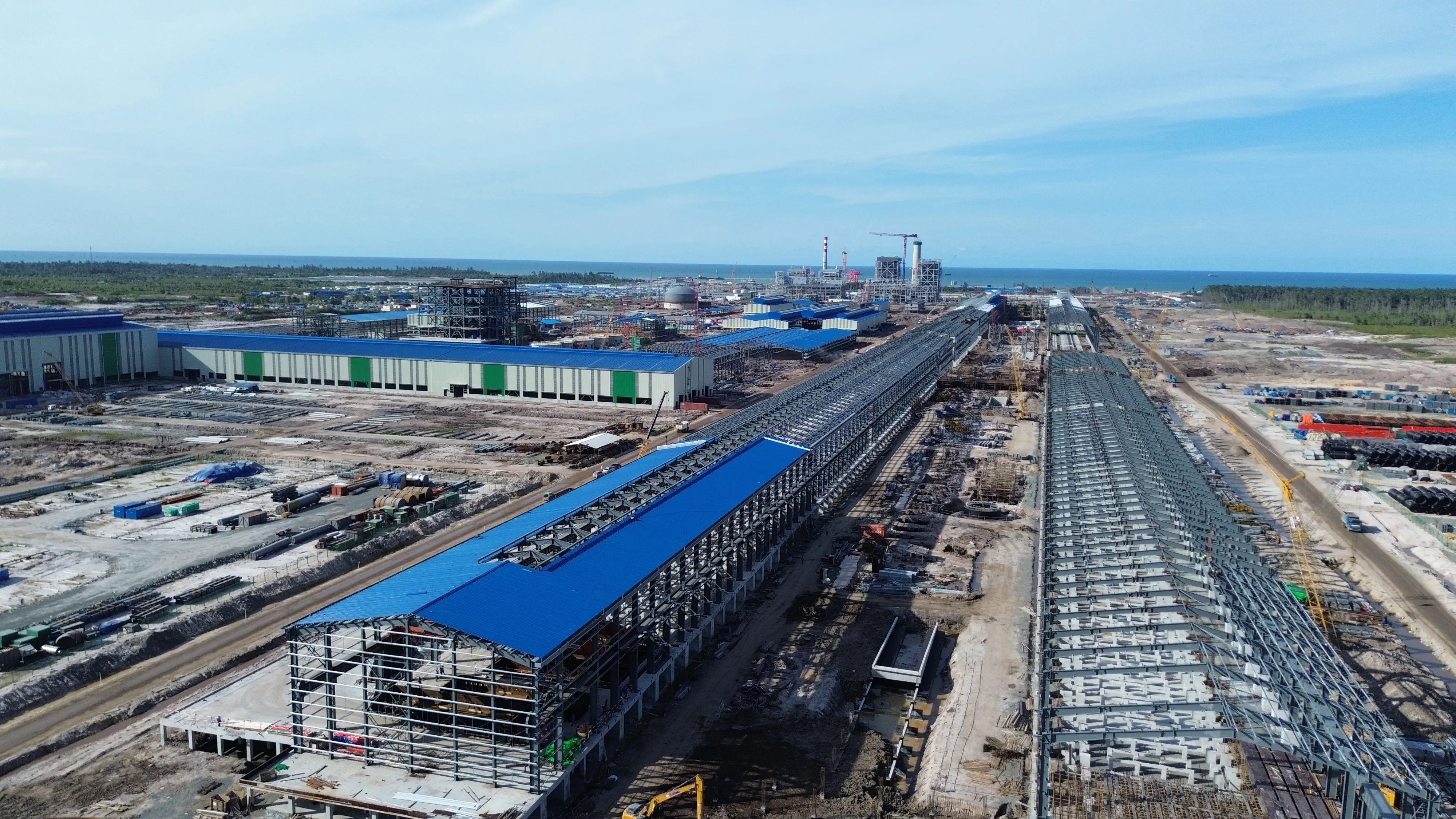
Indonesia North Kalimantan Aluminum Plant Project
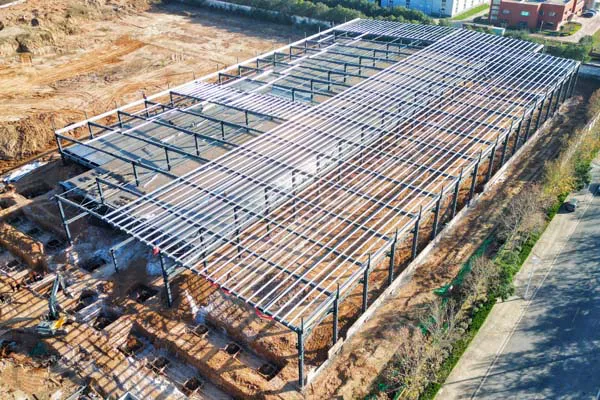
Luoyang Haode Auto Parts Steel Structure Factory Project
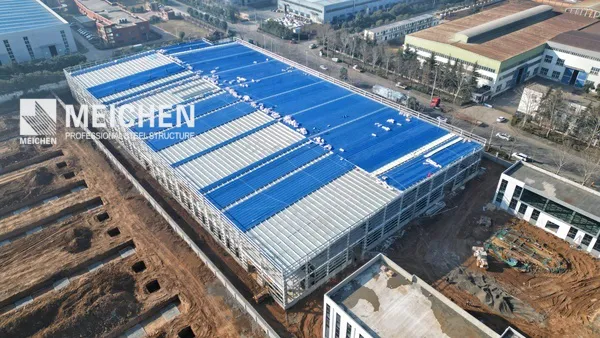
Automated Glass Production Line Steel Structure Factory Building Project
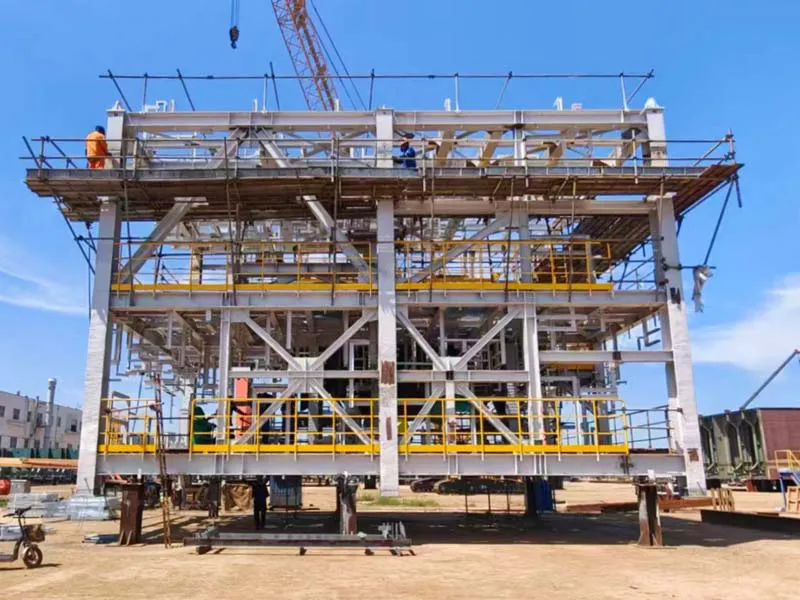
Oil & Gas Modular Steel Structure Fabrication Project
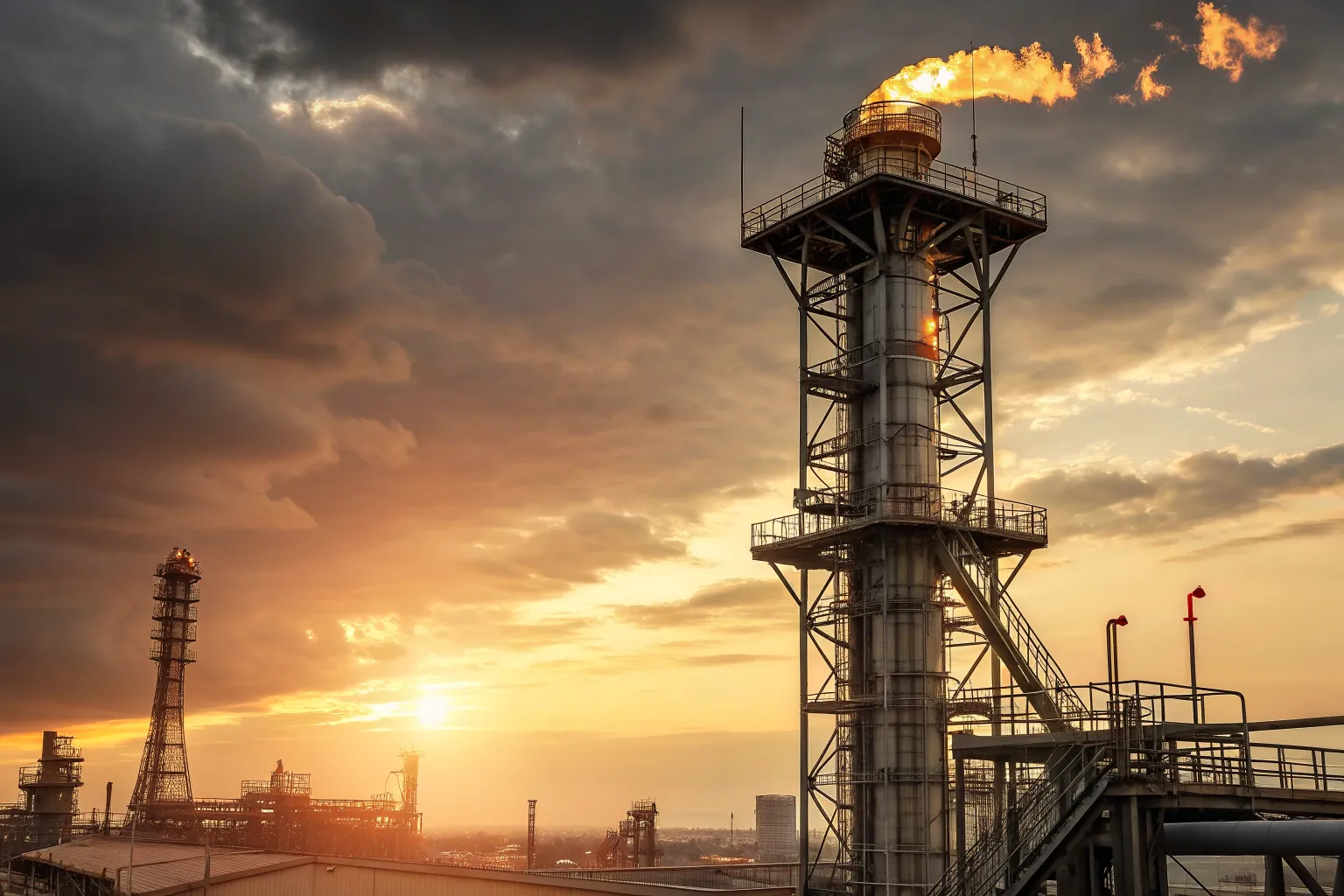
Flare Stack Structure