Time:2025-12-09 07:33:46 Source:Sanjian Meichen Steel Structure
The risk of choosing the wrong steel structure frames for oil and gas projects is real—mistakes can cause costly delays, safety incidents, and rework on a massive scale. Many procurement managers think they have everything covered, but common industry pitfalls lurk in paperwork, production, and service that even experienced teams miss.
To reliably source steel structure equipment support frames for oil and gas projects, you need to control every step: enforce verifiable material standards, demand robust and inspected corrosion protection, require design customization and thorough interface checks, spell out structural safety parameters in detail, monitor manufacturing for traceable quality, check factories’ true delivery capability, and lock in on-site support. Overlooking any one of these costs much more than you save upfront.
Misrepresented steel grades and fake or incomplete certification can open the door to catastrophic project failures or legal disputes. Factory sales teams may attach convincing certificates to quotations, but what actually arrives onsite is sometimes lower-grade or mixed-batch material.
You absolutely must require the original Mill Test Certificate (MTC) from the steel mill for every delivered heat and batch—never just a scanned copy that can be faked or misapplied to different steel. I specify that every primary structural member has a traceable heat number physically stamped or tagged, and batch tracking is maintained from the mill to final assembly. Cross-check these MTCs against what arrives at site—do not accept inconsistencies. On big projects, I always build into the purchase contract the right to perform random batch-by-batch sampling, with a third-party witness. Once, when I skipped sampling, three support columns in a compressor house turned up fabricated from cheaper carbon steel. The paperwork looked perfect, but without traceability and physical checks, we caught it only after grit blasting. It taught me: without control of documents and factory flow, “ASTM/EN certified” is just a sales pitch.
| Critical Control | Actions to Take |
|---|---|
| Mill Test Certs | Contractually require physical, original MTCs with matching heat numbers on every batch |
| Batch Traceability | Insist all parts have stamped/engraved batch numbers traceable to steel source |
| Random Sampling | Put in writing an inspection regime: random samples, witnessed by a third-party, before final acceptance |
| Document Verification | Physically match arrivals, MTCs, and batch/heat numbers before payment |
Ordinary paint or poor-quality galvanizing fails quickly in coastal or desert oil and gas sites. Many suppliers list “standard galvanizing” or “industry coating” in bids, but these can mean just 40-50μm zinc thickness and a thin stripe of primer, which will rust out inside 2 years.
Always put in the contract: main structure must have true hot-dip galvanizing with zinc layer ≥85μm, and a two-layer epoxy zinc-rich paint system. On-site, don’t just check the paperwork—actual coating thickness must be tested with a digital meter. For high-risk zones, a third-party inspector should watch and document the whole process. I learned this the hard way: one desert gas project used beams with “galvanized” paint, which flaked off within months. The repair cost, lost time, and insurance claims dwarfed the tiny original “savings.” Now, I verify thickness before any material is accepted, and never rely on “coating spec as per quote.”
| Common Missteps | What to Specify and Check |
|---|---|
| Standard Paint Only | Require ≥85μm hot-dip galvanizing, plus dual-layer (epoxy) paint |
| Blind Trust in Reports | Use certified meter to physically check coating thickness at random points at the factory |
| Vague Vendor Promises | List all specs in the contract; ban “or equivalent” substitutions unless approved and retested onsite |
| Documentation Gaps | Assign a third-party for critical batch witness and issue full QA reports with every delivery batch |
It’s common for suppliers to cut corners by copying an old standard drawing or “similar project” files, without really checking your unique equipment interfaces. This leads to fit-up errors, on-site conflicts with process pipe or instrument cable trays, and expensive rework.
To prevent this, make it non-negotiable that the vendor must produce (and share) a 3D model of all steel supports integrated with your actual equipment model—every bolt hole, pad plate, and opening checked. Before approving shop drawings, organize a joint session with your equipment vendor, steel fabricator, and construction team. Walk through the 3D model and check every interface. Require documentation of interface checks and clash-free certificates. The cost and time of this are tiny compared to one week of on-site welding and redesign. I’ve seen a vendor re-use an old skid base layout, only to discover 6” of misalignment between the frame and the pump connection—costing us a month in the field and over $250,000.
| Detail Design Risk | Solution Steps |
|---|---|
| Outdated Reused Drawings | Require project-specific 3D models with equipment interface |
| Interface Misses | Conduct and document detailed interface checks with all vendors involved |
| No Field Adaptation | Hold 3D review sessions with stakeholders pre-manufacturing |
| Skipped Clash Review | Reject drawings until all interface checks are signed off |
Many vendors simply state “complies with GB50017/API RP2A,” but don’t spell out the actual wind, earthquake, or long-term load assumptions. This leaves room for them to use lower design criteria, thinning steel and raising your risk.
I always specify: “Vendor must design for wind speed X m/s, design seismic intensity X, corrosion allowance Y, and a minimum life expectancy of 25 years.” All these numbers go in the contract. Then, before final approval, I ask for a complete calculation report—beam sizes, connection details, deflection tables, with actual site conditions shown. If you do not enforce this, vendors often use lower code minima to save steel—something you’d never discover until it’s too late. On a pipeline pump project, when we checked, we found the frames were only rated for basic (non-coastal) wind loads—even though the local wind reached typhoon force every summer.
| Safety Design Loophole | How to Fix It |
|---|---|
| Vague Compliance | Write explicit values for wind, seismic, corrosion, life in contract |
| No Detail Calcs | Don’t accept “compliance”; demand, review, and sign off on calculation report |
| Different Codes | Cross-verify input and design output by an independent reviewer |
| Unlisted Parameters | List required design loads in both tender spec sheet and PO documents |
Steel frame fabrication for oil and gas projects often involves thousands of welds, hundreds of bolted joints, and significant manual work. Common shortcuts include undocumented re-welding, unauthorized field fixes, and using general-fit bolt sets or stock offcuts.
You must invest in on-site and in-factory quality monitoring. For all critical welds, intersections, and lifting lugs, require non-destructive testing (NDT) like ultrasonic or magnetic particle inspection. Ask vendors for a list of all certified welders (by name, with their certificates) and cross-check with the production log for each shift. For each delivery, insist on complete QA/QC records showing every step, who did it, how it was inspected, and the measurement results. It’s not enough to “trust the factory.” In a project where we missed these steps, an unknown sub-fabricator sectioned columns to fit the truck, then re-welded on arrival. The only way I found out was during load testing, and even then, it threatened project handover.
| Risk Area | Control Point |
|---|---|
| Hidden Repairs | Random NDT / UT checks at all critical welds and bolted connections |
| Unknown Welding Personnel | Collect and verify all welder qualification certificates |
| Missing Records | Demand full production and inspection logs, batch by batch |
| Factory Shortcuts | Insert right to spot-audit or contract a 3rd-party inspector |
Oil and gas projects have deadlines you can’t shift. Many vendors promise short lead times at bid stage to win the job, but later you discover their queue is full or steel supply is unreliable. This leads to missed milestones and urgent “plan B” sourcing.
Always research your supplier: ask for track records (signed completion certificates, not just PowerPoint slides) of similar projects delivered over the past three years. Interview key engineers about their scheduling methods, machine capacity, and supply chain. In your contract, tie payment schedules and even contract bonuses/penalties directly to delivery milestones. For high-priority jobs, I sometimes visit the factory during early-stage production to check the real progress. Last year, this method exposed a factory that quietly postponed our work for another client’s “emergency.” By catching this, I avoided a four-month slip that would have delayed plant commissioning and led to multi-million-dollar claims.
| Lead Time Trap | Verification Actions |
|---|---|
| Fake Delivery Promises | Interview supplier’s past clients, review project files for oil/gas clients |
| Scheduling Overload | Ask about current line loads, check raw material PO dates, and tour the shop |
| Acceptance Delays | Define all delivery milestones in contract and tie payments to each one |
| Unstated Bottlenecks | Require early warning–reporting and define escalation chain in contracts |
Shipping steel is only half the battle—frames often require millimeter-level adjustments on site. Yet lots of suppliers only commit to “shipping completed goods,” leaving you to coordinate installation and troubleshooting solo.
Make it a must-have that your supplier provides site-based technical support, at least for the initial period of installation. Write into your purchase contract a clear scope for the vendor’s field engineer: supervision, adjustment, punch-list rectification, and documentation of compliance. Link final payments to their active participation onsite. I once worked with a structural frame provider who refused post-delivery support—one minor interface error (that could have been solved in hours with their help) cost us two weeks’ interruption and major rework costs. Since then, local or in-country support has been a non-negotiable criterion.
| Post-Delivery Risk | Action to Secure Outcomes |
|---|---|
| No Field Support | Require named, qualified engineer(s) for site supervision |
| Hard-to-Resolve Issues | Tie final payment to successful install and resolution of punch list |
| Coordination Gaps | Demand photo and written confirmation of installation steps |
| Late Problem Discovery | Require close-out report, signed and dated by all parties |
Successful sourcing for oil and gas steel frames means controlling every element: real material traceability, professionally verified coatings, customized design reviews, safety calculations, ongoing inspection, clear delivery records, and guaranteed local support. Looking deeper than the price tag creates projects that finish on time, on budget, and with confidence.
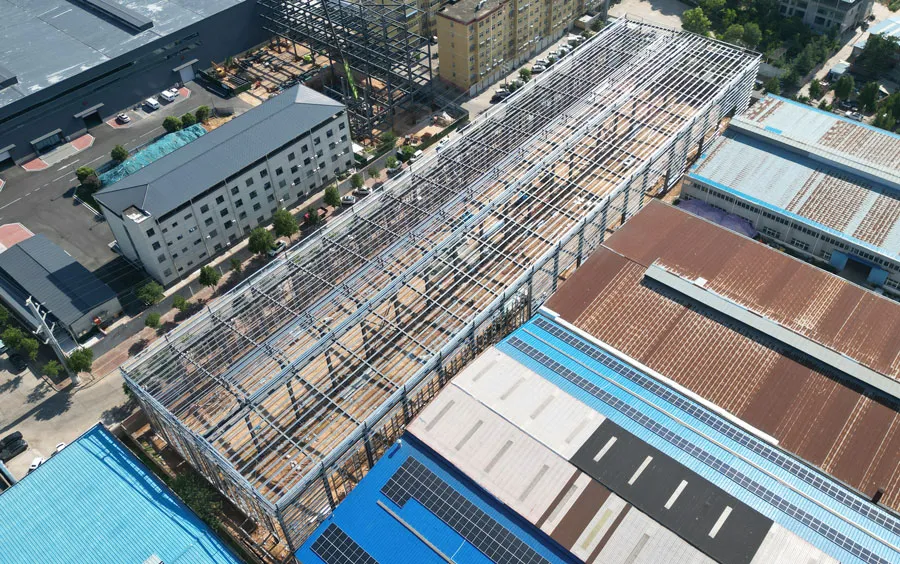
Steel Structure Workshop Solutions
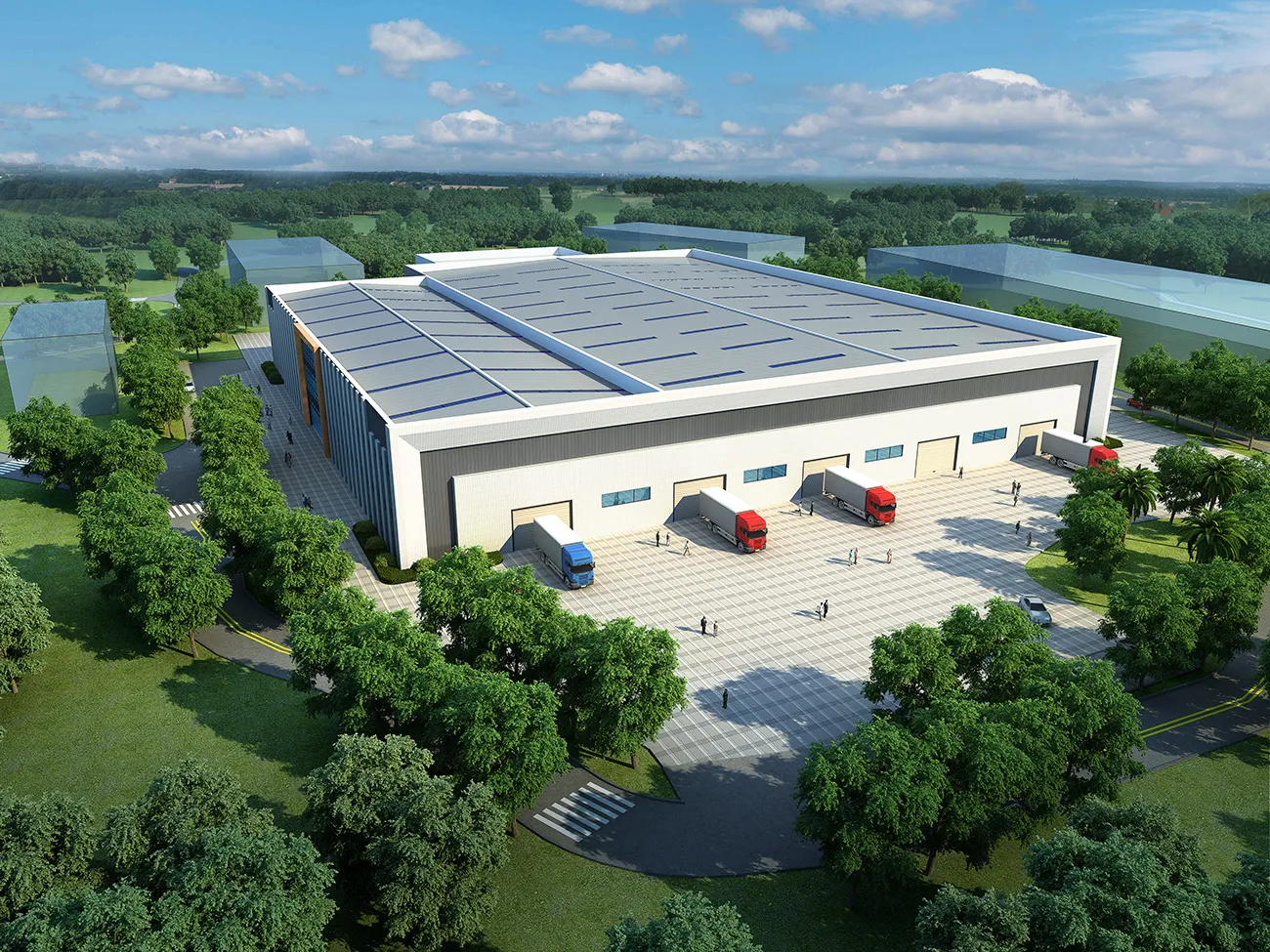
Steel Warehouse Solutions
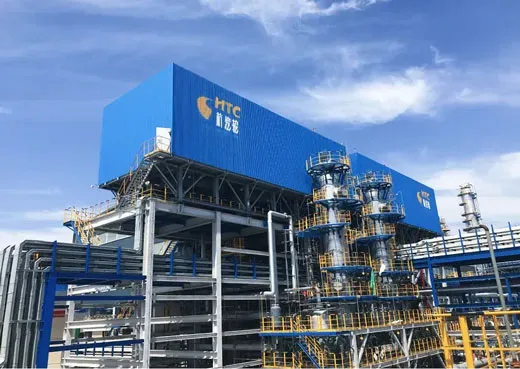
Heavy Steel Structures for Equipment
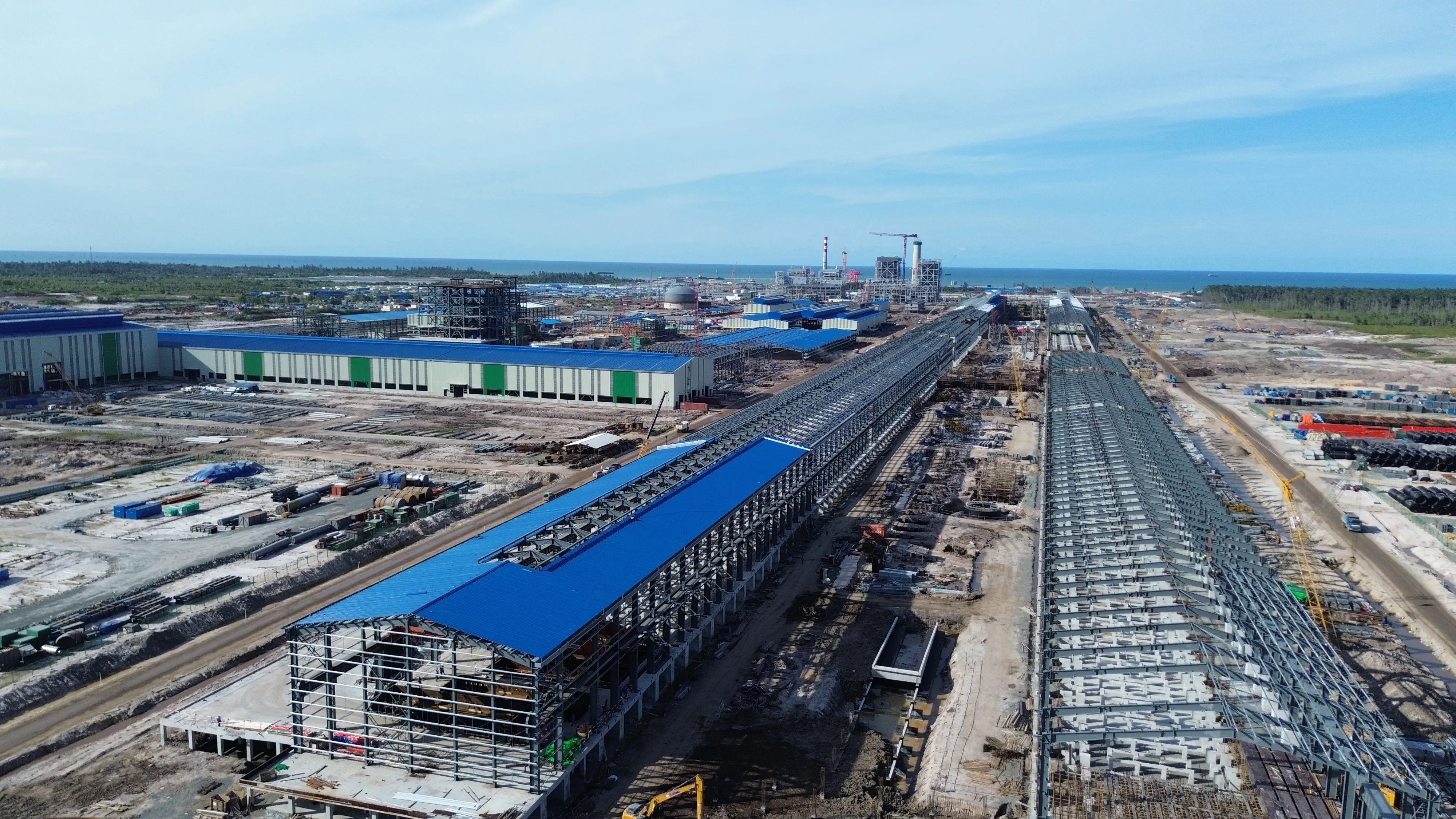
Indonesia North Kalimantan Aluminum Plant Project
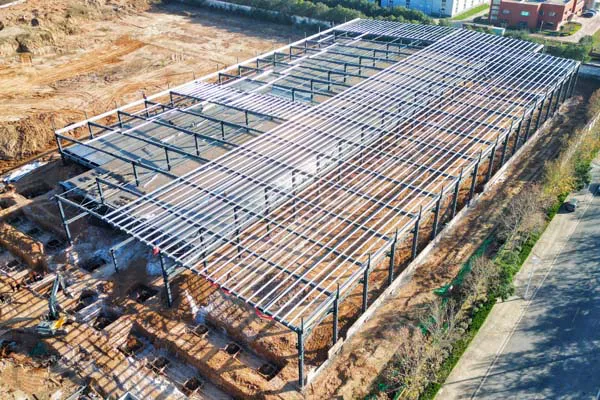
Luoyang Haode Auto Parts Steel Structure Factory Project
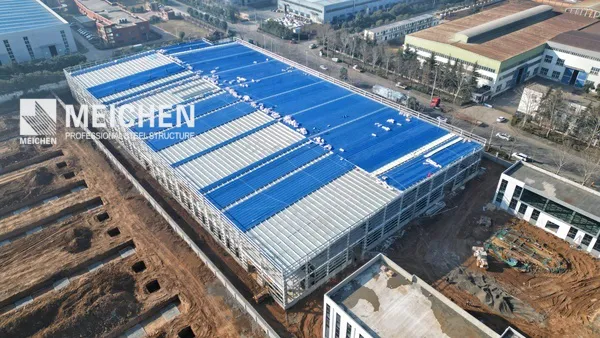
Automated Glass Production Line Steel Structure Factory Building Project
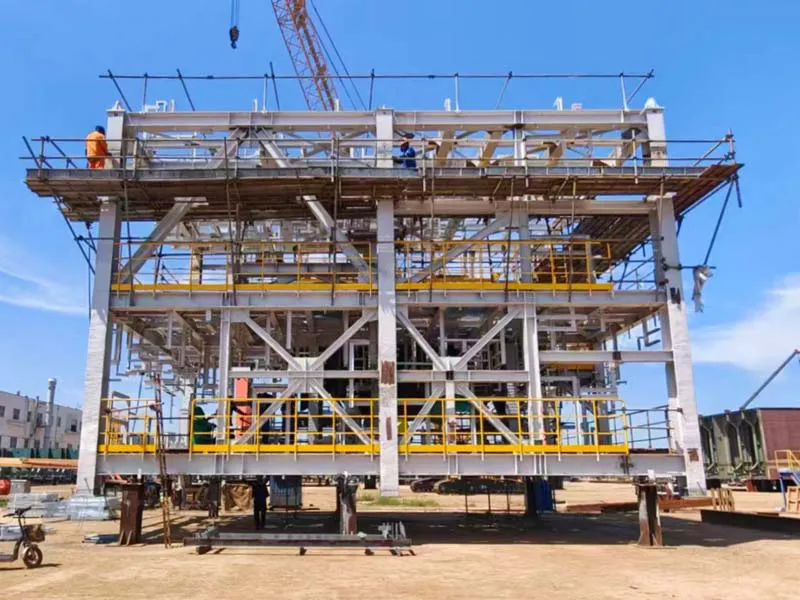
Oil & Gas Modular Steel Structure Fabrication Project
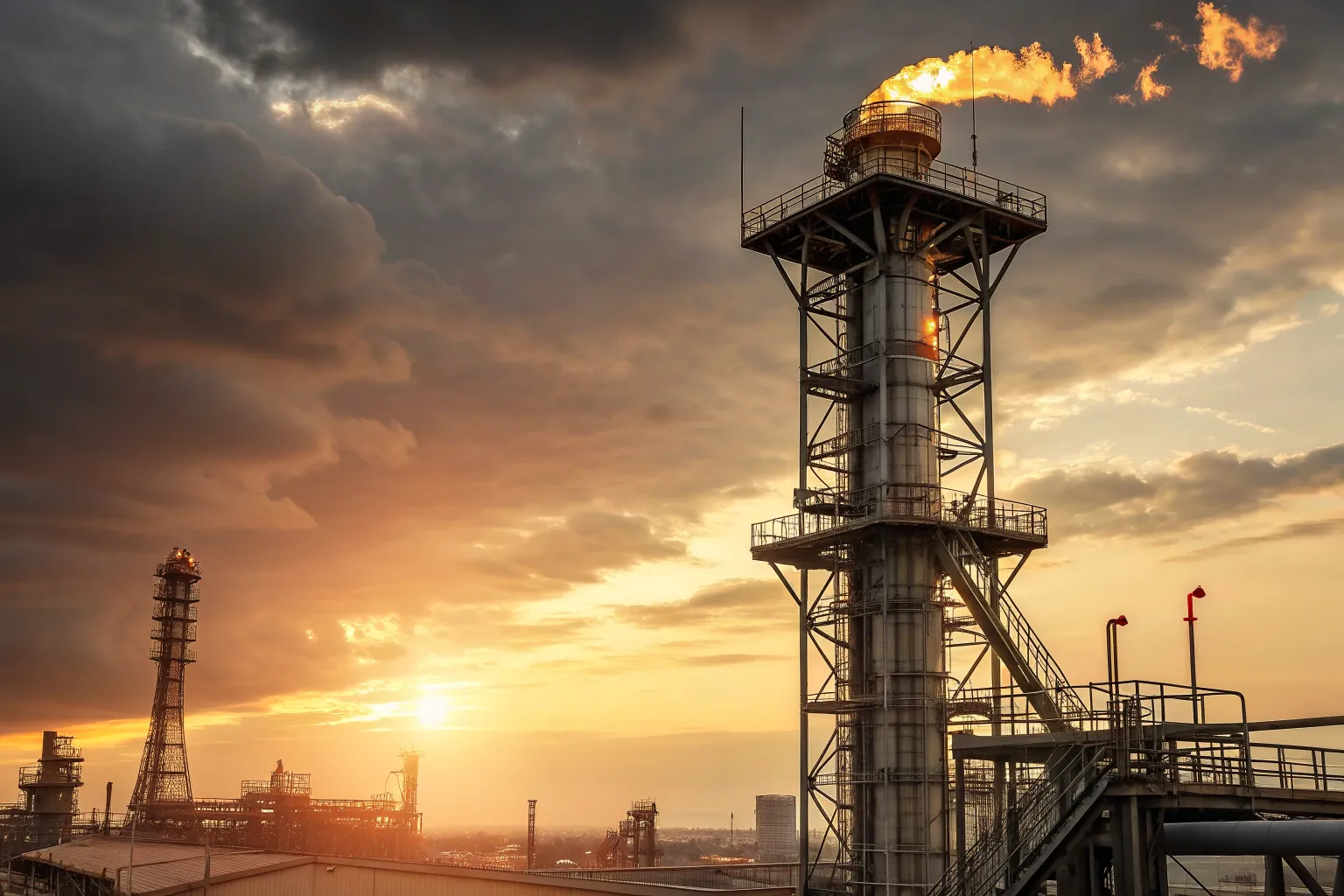
Flare Stack Structure