Time:2025-12-05 08:21:37 Source:Sanjian Meichen Steel Structure
In modern industrial and large-scale civil construction, steel structures have become the mainstream choice due to their superior strength and rapid construction cycle. However, for any construction company or project owner, accurately understanding the production costs of steel structure factories is a key challenge to achieving project profitability and avoiding budget overruns. This guide will provide an in-depth analysis of the true composition of steel structure costs and offer practical strategies for optimizing project budgets.
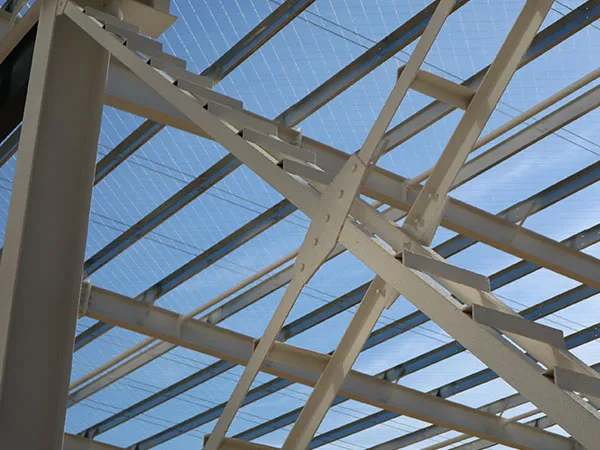
Understanding the cost structure of steel structure manufacturers is the foundation for accurate accounting and efficient procurement. These expenditures not only affect the ex-factory price but also determine the final cost of your project.
1. Raw Material Procurement Costs (Core of Fluctuations)
This is the largest component in steel structure production. Costs include:
Main steel: H-beams, channel steel, steel plates, etc. (most affected by market prices and futures fluctuations).
Auxiliary materials: High-strength bolts, connecting plates, welding materials (welding rods/wires), and crucial fireproof and anti-corrosion coatings (the cost of high-performance coatings cannot be ignored).
Optimization Tips: 1. Focus on material procurement specifications (to reduce waste) and timely price locking hedging strategies.
2. Labor and Professional Skills Costs (Efficiency-Driven) Steel structure manufacturing is a labor-intensive industry, and skilled workers are key to ensuring quality. This cost includes:
Direct Labor: Wages for workers in cutting, welding, assembly, straightening, and surface treatment.
Professional Certification and Training: Training and salary premiums for specialized welders (such as UT or RT certifications).
3. Equipment Depreciation and Energy Consumption (Advanced Indicators) Efficient production relies on advanced equipment. Costs include:
Equipment Assets: Depreciation and maintenance costs of CNC intersecting line cutting machines, automated gantry welding machines, and shot blasting equipment.
Energy Consumption: Electricity, shielding gas, and other fuels required for high-power welding and plasma cutting.
4. Indirect Costs of Factory Operation and Management
This part of the cost is often overlooked, but it directly affects the profit margin in a company's quoted price:
Site Costs: Rent or depreciation of factory buildings and storage yards.
Logistics and Warehousing: Short-term warehousing costs for steel delivery and component processing, as well as transportation and hoisting costs at the project site.
Administration: Salaries of quality engineers, project coordinators, and administrative staff.
5. Quality Control and Safety Compliance Costs
High-standard steel structure projects require a strict quality control system:
Inspection and Testing: Professional costs for non-destructive testing (NDT), weld flaw detection, paint thickness testing, etc.
System Certification: Maintenance costs for ISO or AWS welding certifications.
Potential Rework: Rework costs and time delays caused by quality defects.
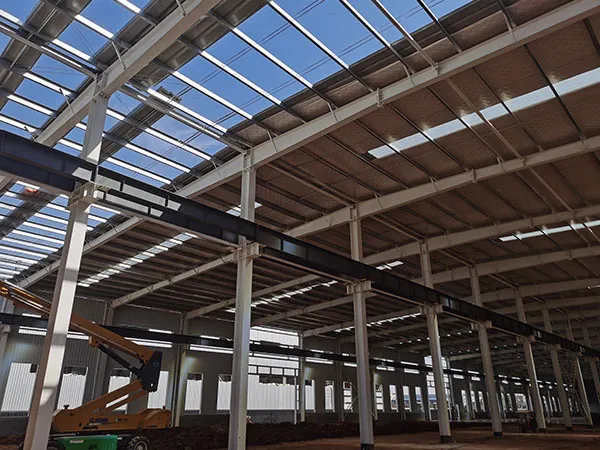
After understanding the cost structure, project managers can collaborate with suppliers using the following strategies to effectively control project budgets:
1. Supply Chain Risk Management and Procurement Lock-in
Bulk Procurement Agreements: Establish long-term partnerships with large steel mills to secure more favorable batch prices.
Material Lock-in Mechanisms: Lock in steel prices through contracts early in the design phase to mitigate the risk of significant market price fluctuations.
2. Optimized Design for a "Dimensional Reduction" Advantage
Prioritize Standardized Components: Use standard sizes and common specifications in the design as much as possible to reduce non-standard components. Non-standard components are more difficult to process, and cutting and welding take longer, directly increasing labor and equipment costs.
Consider Connection Methods: Optimize node design, prioritizing automated welding in the factory (lower cost) to reduce on-site high-altitude or high-difficulty welding (higher cost).
3. Supplier Efficiency and Reputation Assessment (TCO)
Total Cost of Ownership (TCO) Perspective: Don't just focus on the initial quote. A comprehensive evaluation of the factory's production efficiency, on-time delivery rate, and quality pass rate is necessary. Factories with low efficiency and high rework rates will ultimately have higher TCOs.
4. Refined Production Planning and Capacity Utilization
Off-Peak Production: Plan ahead to avoid industry or seasonal production peaks.
Improved Layout Efficiency: Optimize steel plate cutting and layout software to minimize scrap and material waste.
5. Strengthening Pre-Process Quality Management
Early-Term Intervention: Assign quality engineers to intervene in the early stages of production to ensure accurate understanding of drawings and compliance with material and welding processes. Reducing rework or scrap of defective products from the source is the true cost saving.
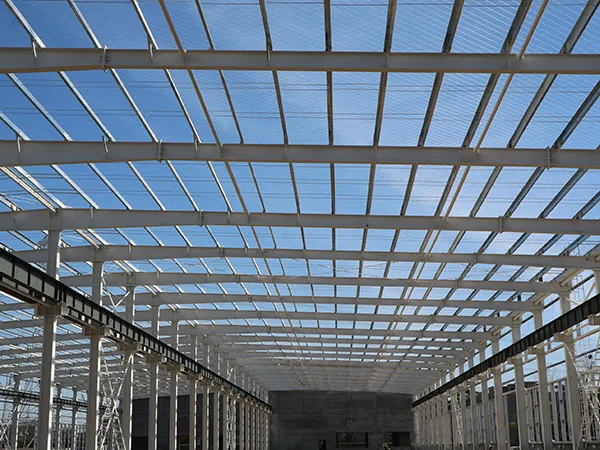
Accurately understanding every detail of steel structure factory production costs is the only way to confidently address the budget challenges of construction projects. Project success no longer depends on who offers the lowest price, but on who can achieve the highest return on investment through refined management, optimized design, and efficient procurement.
If you are looking for a cost-effective steel structure solution for your next large project, contact our project experts today. We will provide you with a transparent and detailed cost analysis and project budget optimization plan based on your design requirements!