Time:2025-12-05 02:23:38 Source:Sanjian Meichen Steel Structure
When designing pipe racks in petrochemical projects, several critical factors must be considered to ensure safety, efficiency, and longevity of the structure. Pipe racks are integral components in chemical plants, refineries, and industrial facilities, serving as support for pipes, cables, and various equipment. The key design elements—width, span, and height—play a significant role in optimizing space, load-bearing capacity, and ease of maintenance. This article will delve deeper into the essential factors to be considered when determining these dimensions.
The width of a pipe rack is primarily determined by the number and size of the pipes it will support. However, multiple other factors must be considered to ensure that the pipe rack design can handle future expansions, ease of maintenance, and the accommodation of other equipment. Here’s a more detailed breakdown:
The number of pipes and their sizes are the fundamental factors in determining the width of the pipe rack. If the plant or facility is expected to expand in the future or accommodate more pipelines, the width of the rack must have some reserve capacity—typically 10%–20% extra space is added for this purpose.
The arrangement of pipes should be optimized to minimize unused space while allowing adequate room for future installations. Each pipe's size (diameter) will impact how much space is required for safety, accessibility, and maintenance.
In addition to pipes, equipment such as pumps, cooling systems, and instrumentation cables need to be integrated into the pipe rack design. The equipment spacing under the pipe rack, for proper maintenance and accessibility, must be carefully planned. Adequate space for operation and inspection walkways should be considered, along with clearances for electrical cables (power and instrumentation) that may be routed along the pipe racks.
In the case of equipment like air coolers placed on top of the pipe rack, their support structure must be aligned with the rack's column to avoid misalignment. This will ensure a seamless layout and avoid future structural problems.
For systems that require air cooling or pumping equipment, specific design considerations are necessary:
The column spacing of the pipe rack should match the spacing of the cooler units, ensuring alignment between the pipe rack columns and the cooling equipment columns.
If pumps are located beneath the pipe rack, adequate space must be allocated not only for the equipment itself but also for maintenance access, cooling pipes, and drainage systems that serve the pumps.
The layout of pipe racks is not uniform throughout the entire facility. Typically, at the ends of the rack, the number of pipes is lower, and therefore, it is possible to reduce the width in these areas. For installations requiring dual-level pipe racks, the spacing between the levels can be adjusted based on the size of the pipes to avoid unnecessary bulk.
In some cases, when space is limited, single-layer pipe racks can be adopted in areas that don't require extensive pipeline installations, further optimizing the structure's space utilization.
The span of a pipe rack refers to the distance between the supporting columns. The span is influenced by several factors, including the type of pipes, the load they carry, and the design of the rack itself. Proper span design is critical to prevent excessive bending and ensure the load is distributed effectively.
In typical petrochemical facilities, the column spacing is usually between 6 meters and 9 meters. This range is ideal for supporting a variety of small to medium-sized pipes while preventing excessive deflection or sagging.
When considering the span, it is important to ensure that the weight of the pipes and the environmental conditions (such as wind or seismic activity) are accounted for, as these factors directly impact the structural stability of the pipe rack.
For facilities that predominantly use small-diameter pipes, additional support in the form of secondary beams may be required between the columns. These secondary beams help distribute the load more evenly, preventing the pipes from sagging under their weight. This is particularly important in medium-sized installations where space constraints exist but where reducing column spacing is not feasible.
The column spacing of the pipe racks should align with the spacing of the equipment frameworks, ensuring that pipes can pass easily between the racks and equipment. This alignment makes the design more efficient and easier to maintain over time. Misalignment between the racks and equipment can result in operational difficulties and make future modifications more complex.
In some cases, concrete pipe racks are used for additional durability. For these types of racks, it’s common to place a 20mm steel bar or steel plate on top of the cross beams. This measure reduces friction between the pipes and the beams, ensuring smoother operation and reducing wear and tear on both components.
The height of the pipe rack determines the clearance for equipment and pipes underneath and above the rack. This is essential for ensuring that pipes do not interfere with other systems in the facility, and that workers can access and maintain the equipment and pipes with ease.
When pipe racks are positioned over roads or near important infrastructure, the minimum clearance requirements are:
Maintenance passages inside the facility should have a minimum height of 4.5 meters.
Factory roads under the pipe racks should have a clearance of 5.0 meters.
Railways under pipe racks should have a clearance of 5.5 meters.
This ensures that vehicles and equipment can pass freely without obstruction. Additionally, the clearance requirements for maintenance passageways under the pipe racks should be at least 3 meters.
The height of the rack is also determined by the need to fit equipment, such as pumps and cooling systems, under or on top of the rack. The bottom of the pipes should be set at a minimum of 3.5 meters to provide sufficient room for maintenance and operations.
When connecting pipes with equipment, the bottom of the lower pipes in the rack should be positioned between 600mm and 1000mm higher or lower than the equipment interface to allow smooth and efficient connection.
For pipe racks that change direction or intersect at right angles, the height difference between the intersecting sections should be between 500mm and 750mm, with 1000mm being acceptable for larger facilities. This height difference is necessary to ensure that the pipes do not interfere with one another and can be routed smoothly between sections.
In certain regions, such as tank areas at the edges of the facility, it may not be necessary to have a significant height for the pipe racks, especially if they do not interfere with traffic or future expansions. For these installations, pipe supports can be set 300mm to 500mm above ground level, which is sufficient to accommodate pipe needs while reducing unnecessary costs.
The design of pipe racks is a vital part of the infrastructure in petrochemical and industrial plants. Proper consideration of width, span, and height ensures not only that the racks are structurally sound but also that they meet safety standards, accommodate future growth, and enhance operational efficiency. Standardized and well-planned pipe rack designs improve the ease of maintenance, reduce the need for modifications, and help optimize the use of space.
By following the guidelines outlined in this article, engineers can achieve cost-effective, safe, and efficient designs that support the long-term success of petrochemical projects and ensure the reliability of critical infrastructure.
At MEICHEN STEEL STRUCTURE, we specialize in designing and manufacturing high-quality steel structures for petrochemical and industrial facilities. Our expertise in pipe rack design and modular construction ensures that your project will be completed quickly, safely, and within budget.
Contact us today to discuss how we can help you with your next steel structure project and provide tailored solutions to meet your specific needs.
Steel Structure Workshop Solutions
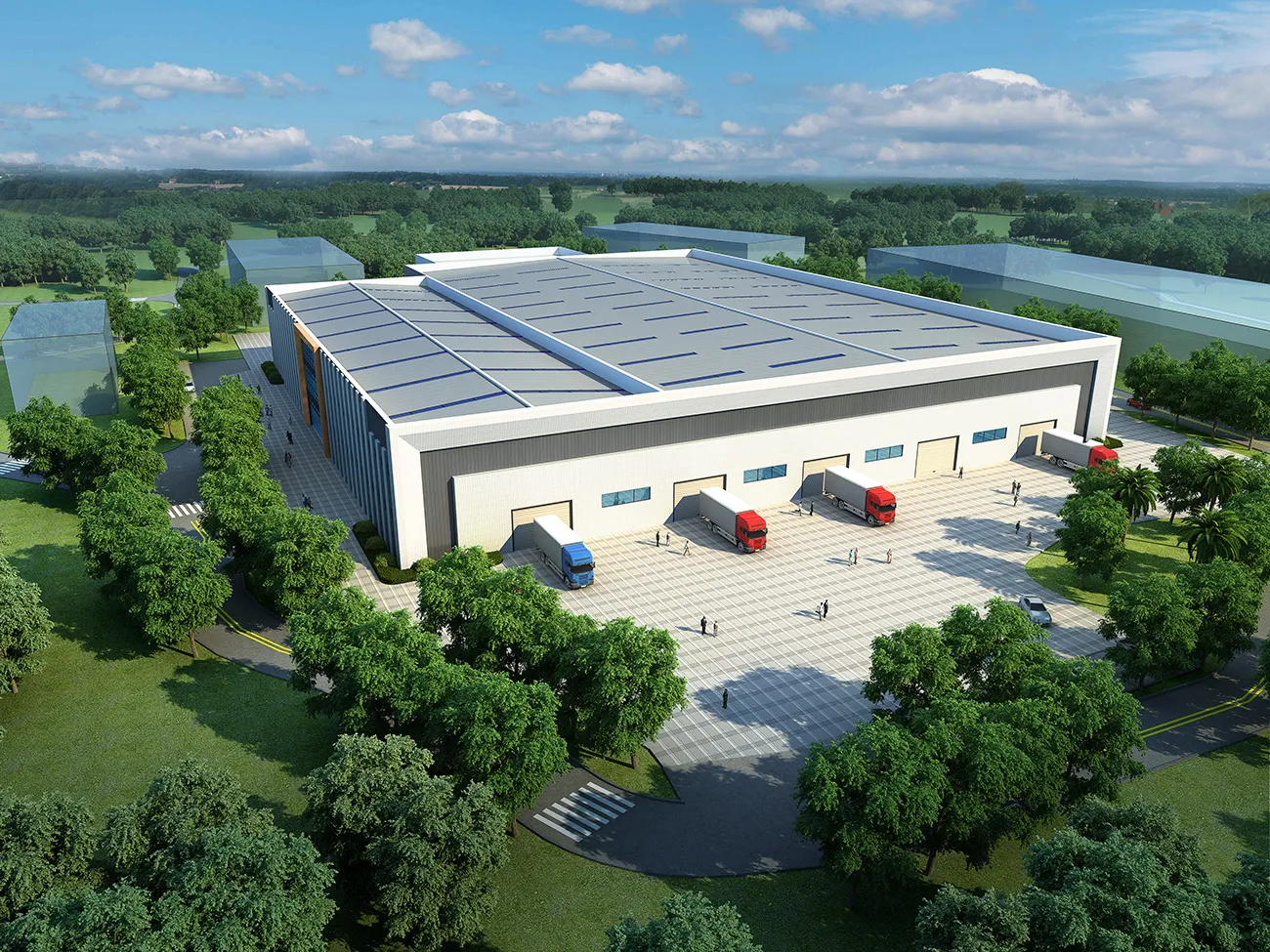
Steel Warehouse Solutions
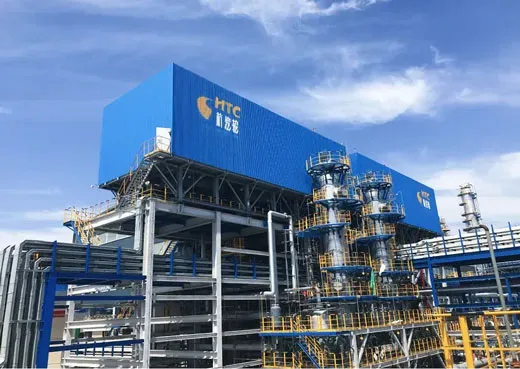
Heavy Steel Structures for Equipment
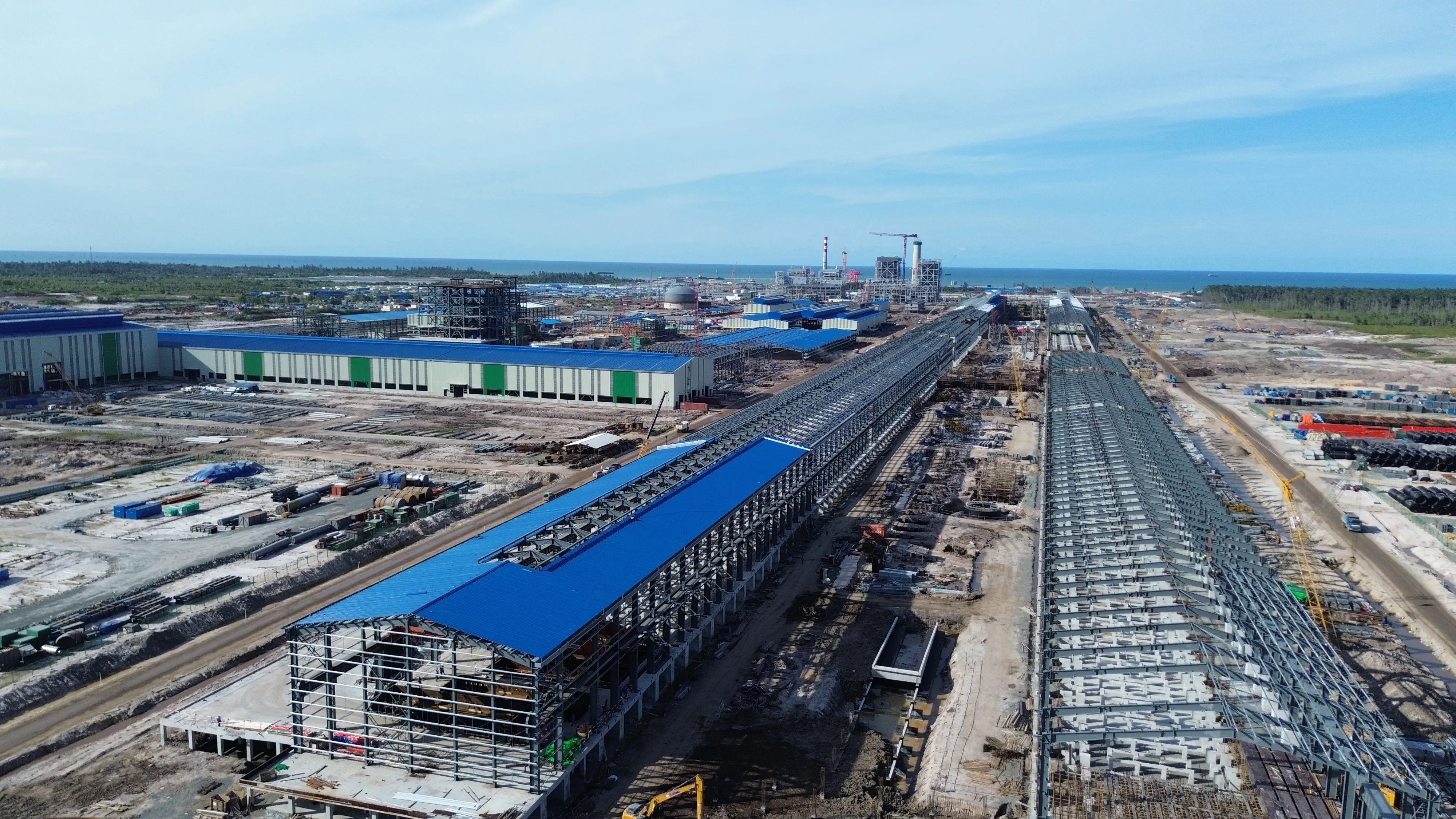
Indonesia North Kalimantan Aluminum Plant Project
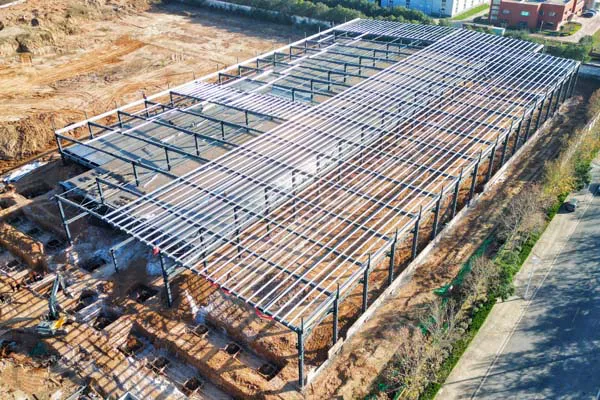
Luoyang Haode Auto Parts Steel Structure Factory Project
Automated Glass Production Line Steel Structure Factory Building Project
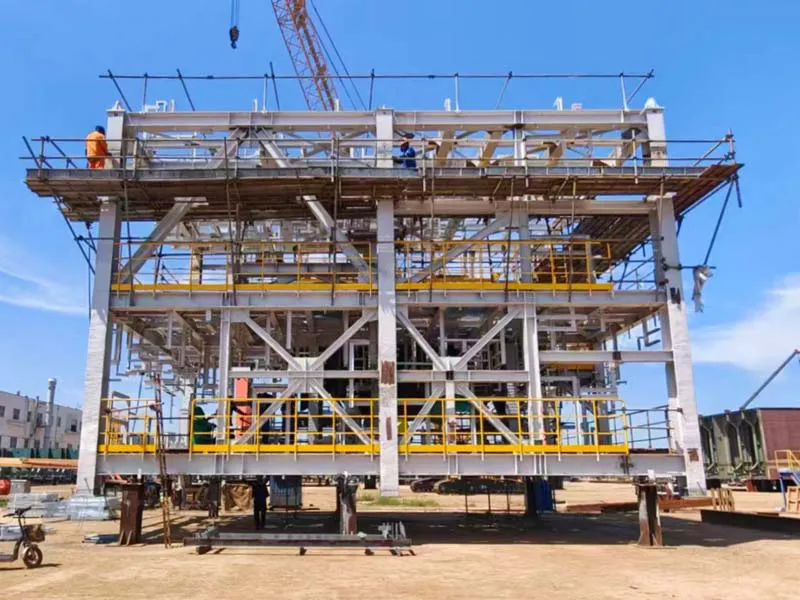
Oil & Gas Modular Steel Structure Fabrication Project

Flare Stack Structure