Time:2025-12-05 01:25:54 Source:Sanjian Meichen Steel Structure
Welding defects can significantly affect the integrity, strength, and durability of steel structures. Proper knowledge of these defects and their prevention is essential for maintaining high-quality welding standards. Below, we will discuss the common welding defects, their causes, effects, and preventive measures to ensure the production of high-quality welded structures.
Surface defects are those that can be visually detected without the need for specialized equipment. These defects can arise during the welding process and may include:
Edge Burn (Cutting)
Weld Spatter
Dents
Weld Deformation
Surface Porosity
Surface Cracking
Some of the common types of surface defects include:
Edge burn refers to a groove or indentation formed on the base material along the weld toe. It occurs when the welding arc melts the edge of the base material but does not receive enough filler metal to fully fill the gap. This defect is mainly caused by excessive heat from the welding arc, which may result from high current, slow welding speed, improper angle of the electrode, or long arc lengths.
Prevention: Correct the welding position, choose appropriate welding practices, and use alternating current (AC) for corner joints to effectively prevent edge burn.
Weld spatter occurs when molten metal from the weld pool splatters onto the base material or overflows from the root of the weld, cooling and forming a lump of metal that is not fused with the base material. It is caused by excessive welding current, poor quality of the welding rod, or unstable power source. Weld spatter can result in cracks, and it alters the weld's dimensions, leading to stress concentrations.
Prevention: Ensure that the weld is performed in the flat position, use proper welding rods, and maintain correct welding techniques.
Dents are areas on the surface of the weld or back side of the weld that are lower than the base material. They are often caused by improper arc extinguishing, particularly when the welding rod is not held for a brief time during the finishing of the weld.
Prevention: Use a welding machine with current decay systems, minimize welding in vertical or overhead positions, and ensure a brief pause at the end of the weld.
Incomplete penetration occurs when the weld metal does not sufficiently penetrate the base material, leading to an incomplete joint. It results from insufficient welding current, poorly designed joint configurations, or improper welding practices.
Prevention: Increase welding current, provide additional passes, and ensure proper preparation of joints.
Burn through refers to a defect where the molten metal exceeds the thickness of the workpiece, causing a hole in the weld area. This typically happens when the welding current is too high, the speed too slow, or the arc stays too long in one place.
Prevention: Use a lower current, increase the welding speed, and control the gap between components. Using pulsed welding can also prevent burn through.
Porosity refers to the presence of gas pockets trapped inside the weld metal. These pockets form when gases do not escape before the metal solidifies, often due to impurities in the base material or electrode, or because of poor shielding gas control.
Prevention: Clean the workpieces thoroughly, dry the electrodes properly, and use appropriate shielding gases. Also, use direct current with a short arc to reduce porosity formation.
Slag inclusion occurs when non-metallic inclusions (such as flux residue) get trapped in the weld metal, preventing proper fusion with the base material. This is caused by poor cleaning between weld passes, insufficient heat, or improper welding conditions.
Prevention: Ensure proper cleaning between weld layers, use appropriate welding rods, and maintain good shielding conditions.
Cracking is one of the most serious defects in welding. It can occur due to improper cooling or excessive stress, which causes the metal to fracture.
Macro Cracks: Visible to the naked eye.
Micro Cracks: Only visible under a microscope.
Intergranular and Intragrain Cracks: Cracks that occur within or between grains at the microscopic level.
Cracking is typically caused by high residual stress, high welding heat input, and impurities in the material, such as sulfur or phosphorus. Cracks can also develop due to thermal expansion and contraction.
Preventive Measures: To prevent cracks, maintain proper welding temperatures, control welding speed, and use appropriate alloys to reduce stress and ensure a strong bond between the base and weld material.
Hot cracking occurs during the cooling process of molten metal as it solidifies. These cracks appear in the high-temperature range, often in the brittle temperature zone.
Prevention: Reduce the sulfur and phosphorus content in the material, use low carbon steels for welding, and optimize the welding process with proper preheating and post-heating to control the cooling rate.
Cold cracking occurs hours or days after the welding process and is caused by residual stress, hydrogen embrittlement, or material defects.
Prevention: Use low-hydrogen electrodes, preheat the base metal, and avoid excessive restraint during the welding process.
Incomplete fusion occurs when the base metal and the weld metal do not fully melt together, leading to poor joint strength.
Prevention: Use adequate welding current, ensure proper joint preparation, and maintain proper technique to achieve a thorough fusion.
Excessive Heat Input: Causing grain coarsening, which reduces strength.
Overburn: The overheating of the weld area, leading to a soft, weakened material.
White Spots: Caused by hydrogen accumulation, these spots can significantly compromise the weld's integrity.
Prevention: Control the heat input, use proper filler materials, and ensure the weld area is clean before beginning the process.
Welding defects are common but can be mitigated with proper techniques, thorough preparation, and careful monitoring during the welding process. Understanding and preventing these defects ensures the strength, durability, and reliability of the steel structures, particularly in industries like petrochemical, construction, and manufacturing, where safety is paramount. By following the right standards and employing preventive measures, you can significantly improve the quality of your welding joints and reduce the risk of failures.
Steel Structure Workshop Solutions
Steel Warehouse Solutions
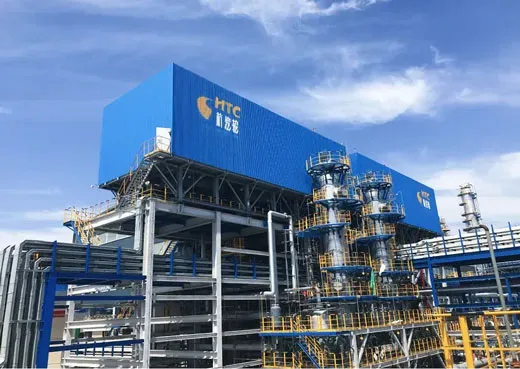
Heavy Steel Structures for Equipment
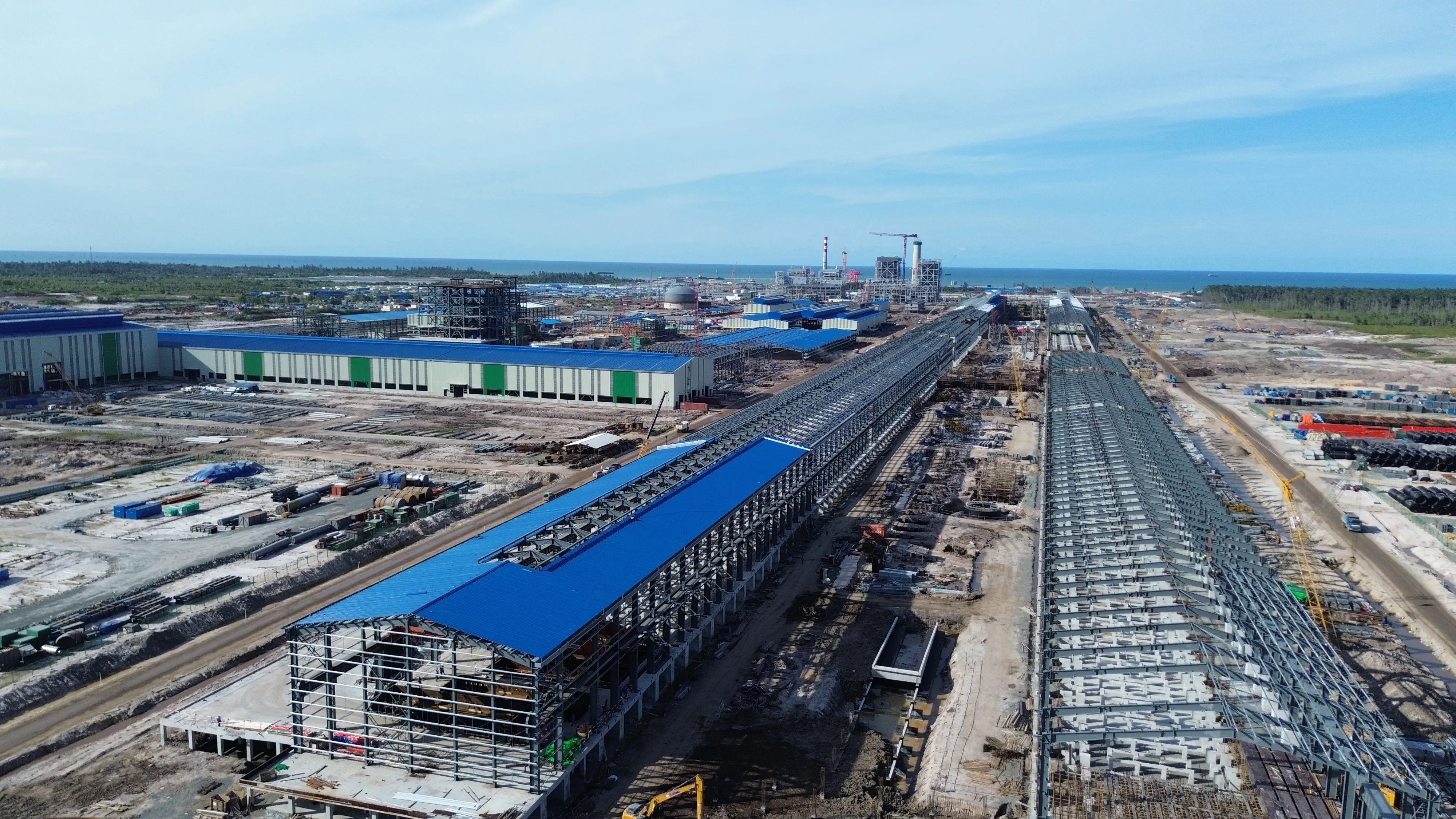
Indonesia North Kalimantan Aluminum Plant Project
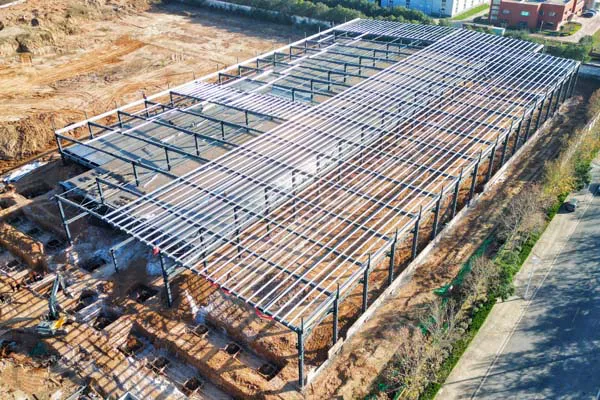
Luoyang Haode Auto Parts Steel Structure Factory Project
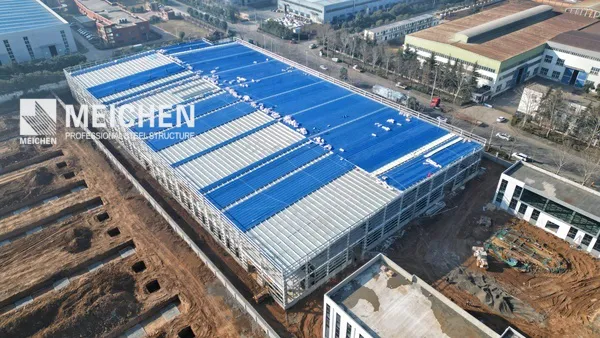
Automated Glass Production Line Steel Structure Factory Building Project
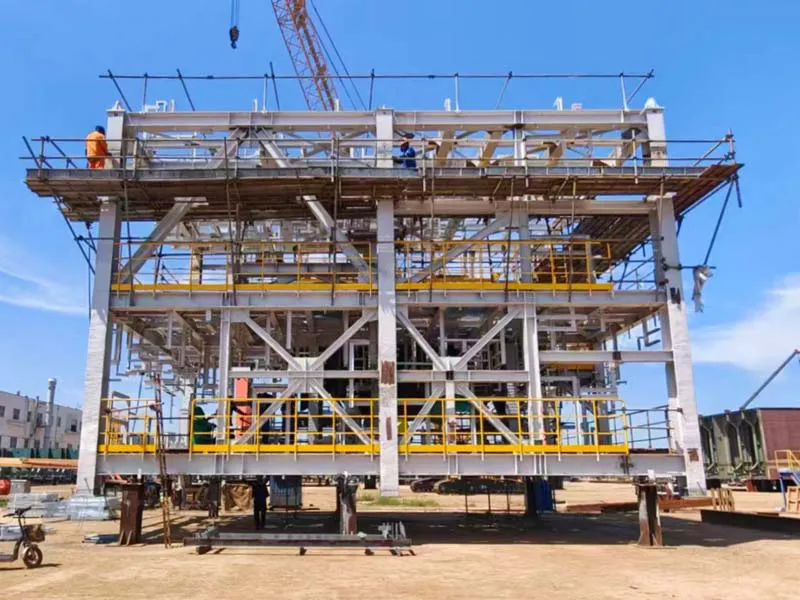
Oil & Gas Modular Steel Structure Fabrication Project

Flare Stack Structure