Time:2025-12-17 03:18:17 Source:Sanjian Meichen Steel Structure
Equipment process loads are always the main challenge in petrochemical plant steel design. Many engineers only look at standards or reference the equipment’s weight when starting design. But real petrochemical projects bring heavy process equipment, vibrating compressors, piping, and tanks that expand and contract with temperature.
If you ignore things like dynamic shock loads, thermal movement, and earthquake risks, the design will eventually fail or need expensive rework. I make sure to talk directly to equipment suppliers and plant engineers, so I can collect every load detail—sometimes even seismic magnification factors, vibration levels per operation mode, and how maintenance or emergencies might impact the structure.
I always join plant HAZOP safety meetings to hear about likely accident scenarios. This means my designs match reality and avoid mistakes.
To design reliable equipment support steel structures for petrochemical plants, integrate detailed process load data, select robust corrosion-proof materials, coordinate civil and steel design for anchors and foundations, and plan for safe, easy future maintenance. Interdisciplinary teamwork and custom solutions prevent common mistakes and hidden costs.
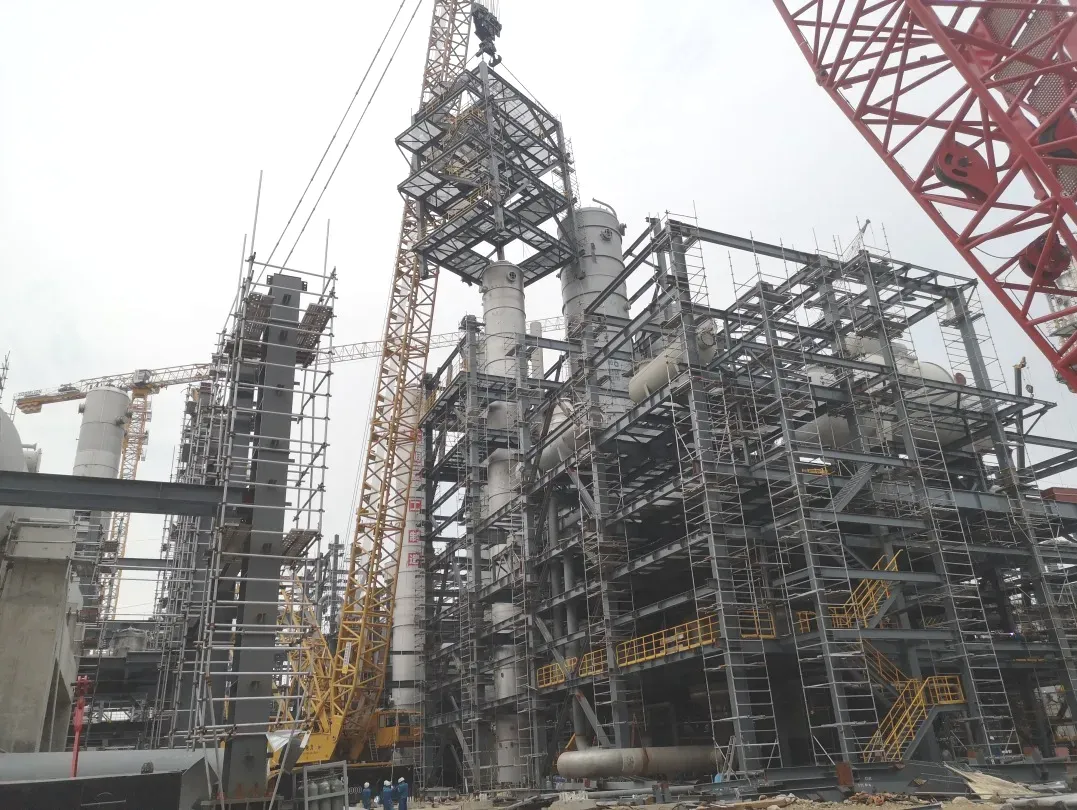
Corrosion and durability issues are often forgotten in planning, but later become the biggest budget drain.
In many petrochemical plants, steel structures are exposed to strong acids, bases, salt fogs, and chemical vapors, depending on where the equipment sits. I saw a client lose hundreds of thousands of dollars when standard paint was washed off by acid vapor in just three years.
Now, I always specify hot-dip galvanizing and high-performance epoxy paints, especially for structures near process units, cooling towers, or coastal sites. Sometimes I use stainless steel for handrails, base plates, or hardware, which costs more at first, but lasts far longer.
I advise clients to model lifecycle costs: a higher upfront material bill saves weeks of downtime and prevents unplanned shutdowns for repairs. Choosing better coatings and materials is clearer when you compare maintenance and replacement over a ten-year timeline.
It’s not enough to get just the equipment’s catalog weight. I need to request every process and operational load that can affect the steel.
For example, a vertical reactor might weigh 25 tons empty, but, working, it shakes, heats up, and draws in wind and seismic forces unique to its site. The pipework attached may expand and push on the steel frame—sometimes locking up when it heats or cools.
For compressors, I ask the manufacturer about starting and stopping impact. For tanks, I ask about sloshing from rapid liquid movements. And with tower vessels, I ask about “seismic design force” for that actual geographic area, not just generic values.
Getting all this data from both equipment manufacturers and process engineers let me build support frames ready for real-life accidents, not just the numbers that look good in reports.
On a large refinery expansion in Texas, I realized early on, generic data causes problems. The equipment supplier sent a basic load chart—but it was missing “operation upset” forces.
Our piping lead later showed me that sudden valve closures could surge up to double the expected load onto the support frame. The site safety team added that, during an earthquake, the attached pipework itself would shift and amplify the horizontal forces by 1.4 times.
By scheduling a half-day joint workshop with equipment, process, and safety teams, I got their latest calculations and ran them through a 3D model. We found two anchor points on the steel frame were under-designed.
Fixing them in the design phase cost almost nothing. But missing these data would have needed post-installation bracing, cutting the schedule by weeks and raising costs sharply.
In these projects, I never rely on just the first round of data. I push for updates after every client and vendor discussion to be sure the steel matches the real site needs.
Corrosion will always attack steel where you least expect it.
In one case, a gas processing site near the coast developed severe rust in less than three years. A pipe support painted with a regular primer began flaking, and bracing lost strength. That led to a leak and unscheduled shutdown.
To stop this, I switched all supports and brackets near corrosive areas to hot-dip galvanizing, topped with a high-build epoxy-polyurethane paint. For steel close to acid tanks or cooling water, I use stainless steel connections and base plates.
We built a lifecycle cost table comparing four approaches:
| Protection Method | Initial Cost | Maintenance Cost (10 Years) | Performance |
|---|---|---|---|
| Basic primer | Low | Very high | Poor |
| Hot-dip galvanizing | Medium | Medium | Good |
| HDG + epoxy paint | Medium-high | Low | Excellent |
| Full stainless steel | High | Very low | Best for small parts |
For mainframes, hot-dip plus paint added less than 15% to early cost, but slashed future repair by 70% over ten years. Stainless was best for handrails and small brackets exposed to direct chemicals.
Most new engineers only read the spec for a “corrosion protection” line item. I go further.
I request chemical exposure data from the process engineers. I ask where acid, alkali, or salt vapors will settle—sometimes mapping the actual airflow over the piping corridor.
I select hot-dip galvanizing as a minimum for any steel exposed to external weather, then overlay with a multi-layer epoxy topcoat for key connection points.
For areas right beside acid tanks, I specify stainless steel or use composite liners. I double-check how maintenance teams will clean and repaint these parts later.
For high-vibration areas, using thick coatings and regular inspections prevent early paint failures.
I advise contractors to run a ten-year budget, adding the cost of every shutdown for repainting or replacement. This shows clients that cheap coatings may be twice as expensive in the long run due to downtime and repair labor.
Steel frames and concrete bases need to match exactly, or field crews waste time and money on rework.
If anchor bolt patterns on steel supports don’t align with foundation bolts cast in concrete, installation stops, and costs skyrocket.
Now, I call for joint 3D modeling or BIM coordination early between civil and steel teams.
This coordination must cover anchor bolts, embed plates, grouting, and access paths. When clients use BIM, mismatches show up in design review, not on site.
On a petrochemical expansion in Ohio, foundation rework threatened to delay operations.
We launched live design coordination with civil, steel, and equipment teams joining BIM sessions every week. Anchor layouts were reviewed live and fixed immediately.
The result was no on-site anchor issues and months saved on the installation schedule.
Petrochemical plant sites are crowded and time is always short. Welding and bolting work at heights increase risk.
Pre-assembling steel frames at the factory allows major sections to be trial-fitted in controlled conditions.
In an Oklahoma ammonia plant, steel supports up to 10 meters tall were pre-assembled, bolts tightened, and welds checked before shipping.
This cut onsite work by half and resulted in zero lost-time accidents.
For factory pre-assembly, planning starts after shop drawings are issued.
Each module is modeled, trial-fitted, marked, and documented. Bolts are tested, welds inspected, and lifting plans confirmed.
This ensures fast installation with no guesswork on site.
Most steel equipment supports are built only for installation, not maintenance.
I review maintenance procedures with equipment suppliers and plant teams and add removable beams, platforms, and lifting points into the design.
This allows pumps, valves, and equipment to be replaced in hours instead of days.
Identify equipment requiring regular service
Provide platforms, ladders, and safe walkways
Add removable beams and lifting holes
Reserve crane and hoist access space
Model all access features in 3D
Normal design loads are not enough.
I study blast, fire, and emergency scenarios with safety teams and design anchors and frames for 1.5–2.0 times normal load where required.
Fireproof coatings, blast-resistant connections, and quick-replacement details help reduce downtime after accidents.
Risk mapping and scenario definition
Blast and fire load estimation
Fireproof coating selection
Strengthened anchors and connections
Emergency replacement planning
Each petrochemical plant is unique in process, climate, soil, and regulation.
Reused templates often fail under seismic or operational checks. For every project, I start from zero, gather site-specific data, and design each node accordingly.
Multi-discipline kickoff meeting
Site-specific risk mapping
Customized support layouts
Interface coordination with piping and electrical teams
Enhanced protection for high-risk areas
Reliable petrochemical steel design needs hands-on load data, robust anti-corrosion systems, cross-team coordination, factory pre-assembly, maintenance planning, and fully customized solutions tailored to each project.
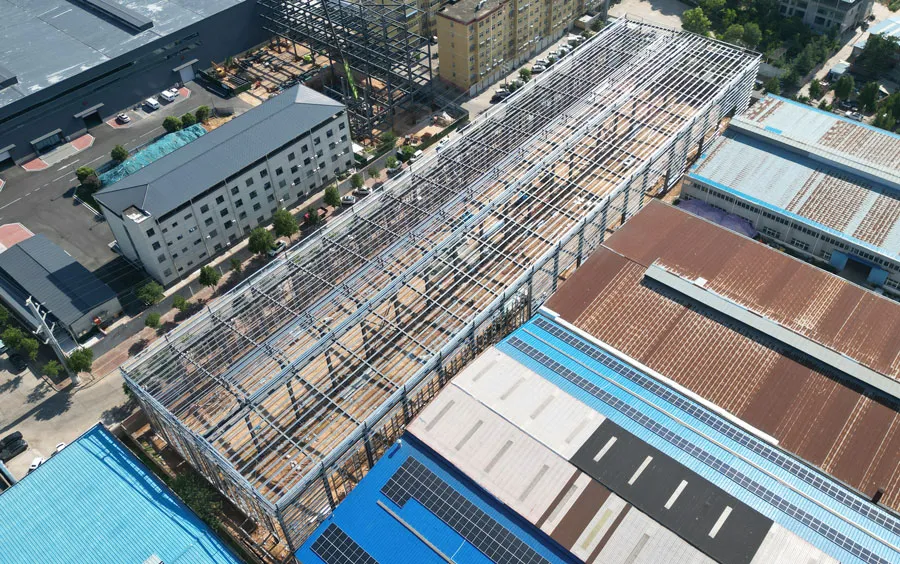
Steel Structure Workshop Solutions
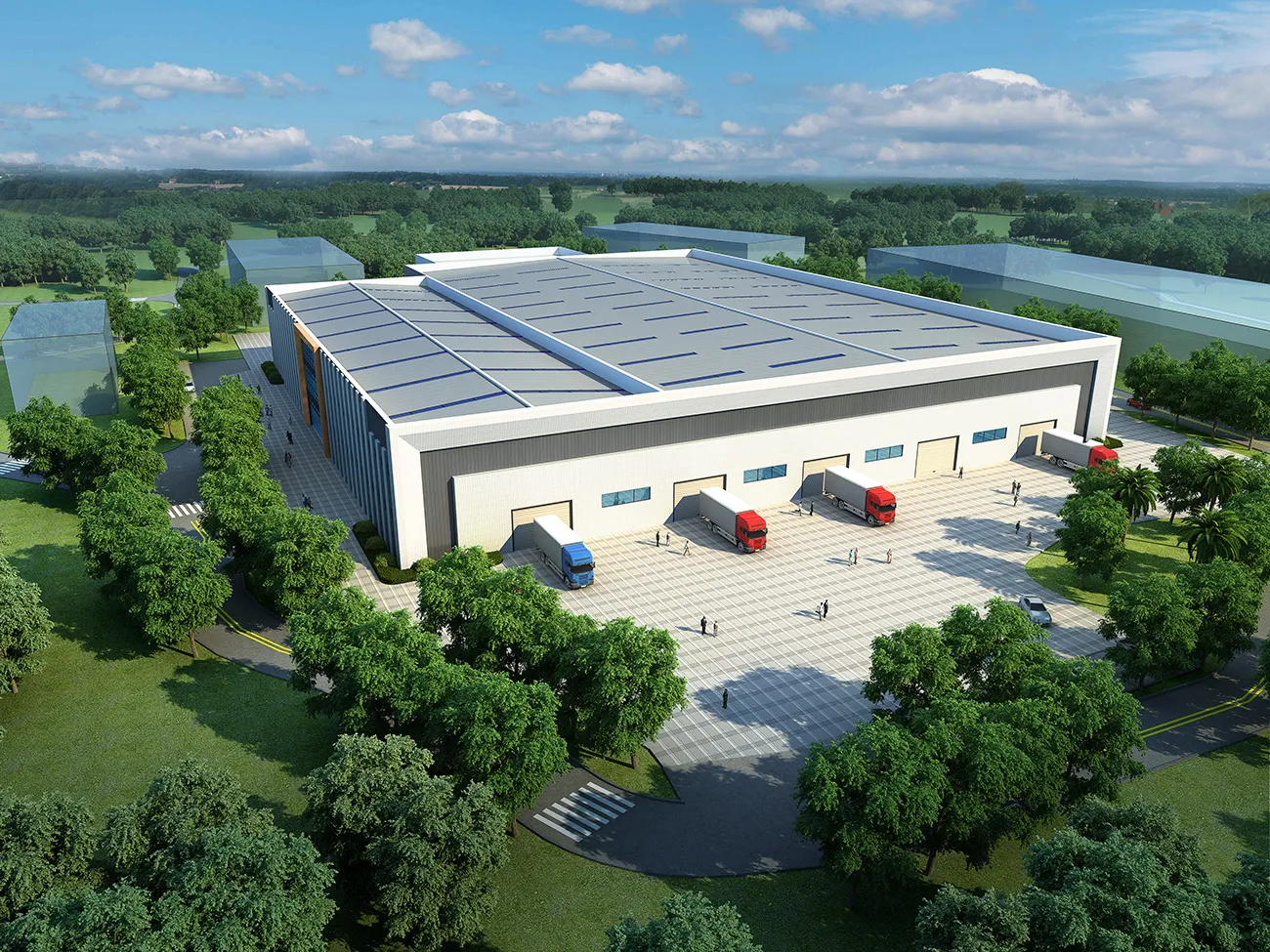
Steel Warehouse Solutions
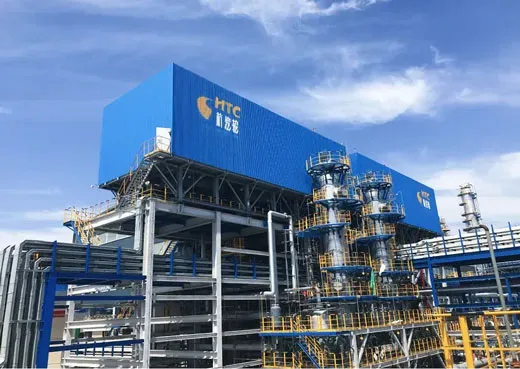
Heavy Steel Structures for Equipment
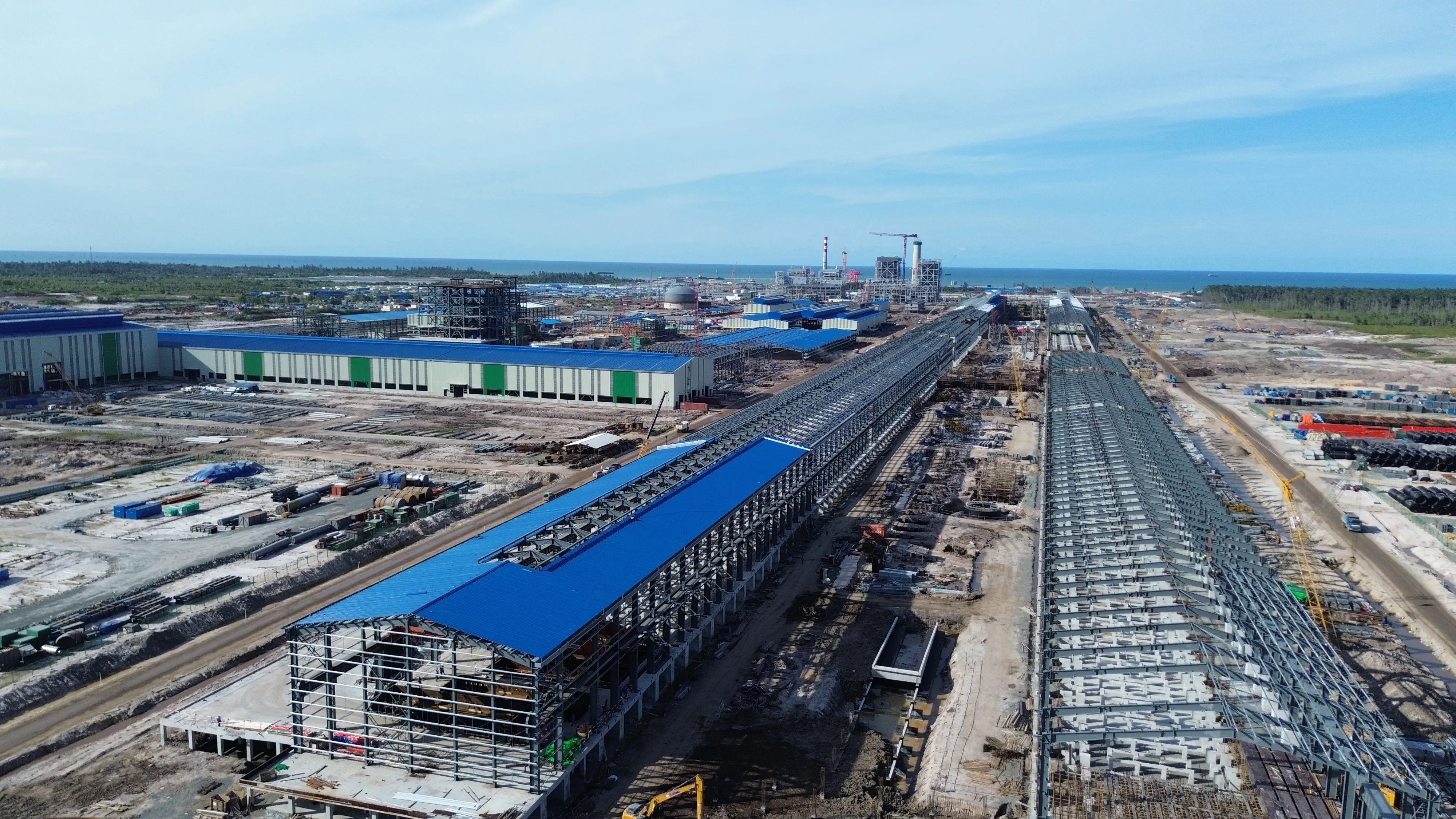
Indonesia North Kalimantan Aluminum Plant Project

Automated Glass Production Line Steel Structure Factory Building Project
Oil & Gas Modular Steel Structure Fabrication Project
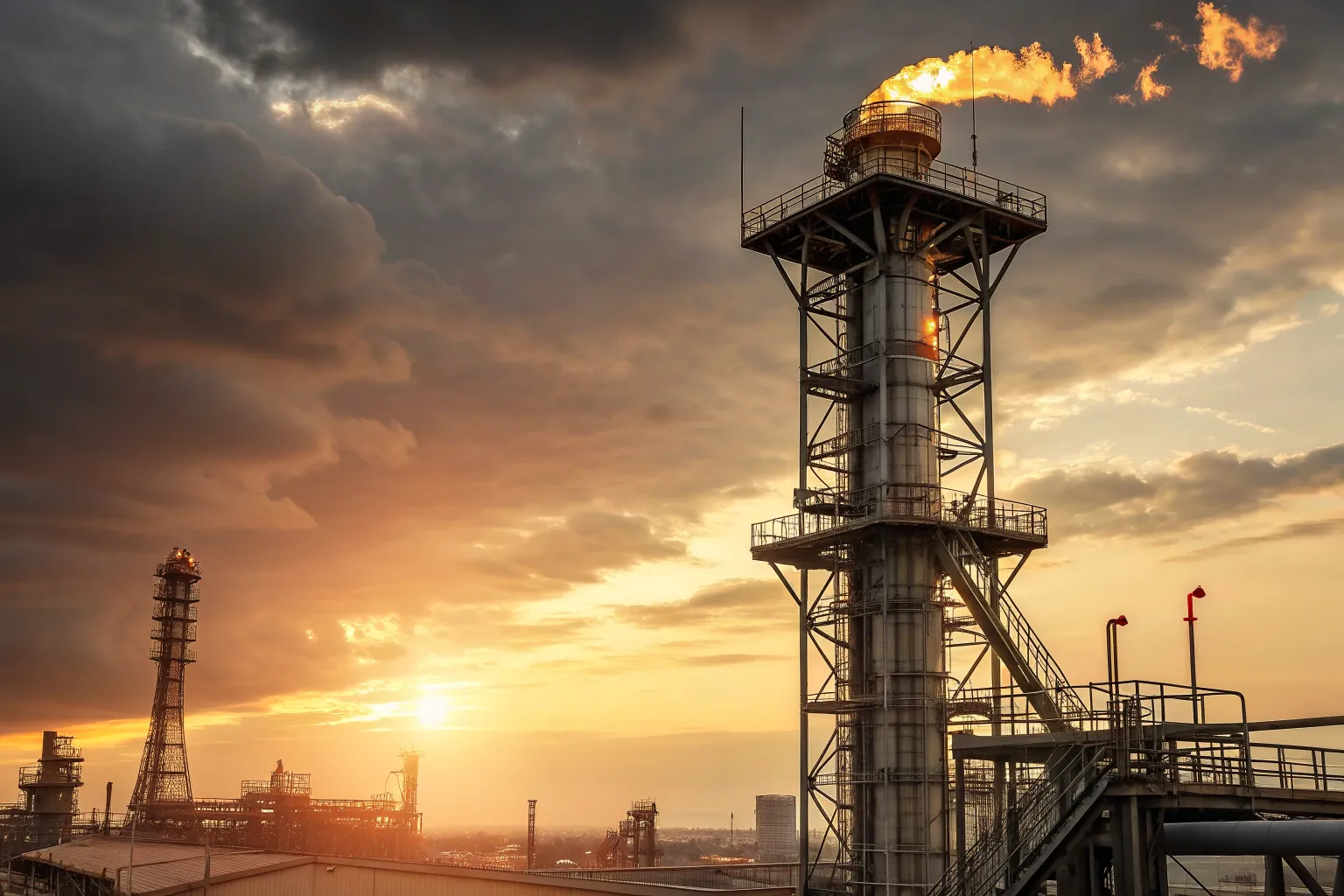
Flare Stack Structure
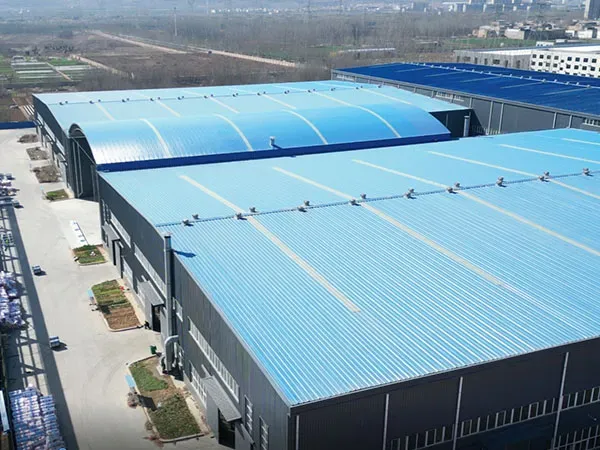
Steel Structure Factory Buildings