Time:2026-01-08 01:15:20 Source:Sanjian Meichen Steel Structure
Column supports fail when loads or details are wrong. Delays grow. Costs spike. I use a clear, tested design path that protects safety, schedule, and budget.
Design distillation column supports by locking data, choosing the right support type, modeling load paths, detailing connections, sizing anchors and base plates, enforcing QA, and optimizing for local supply and future changes.
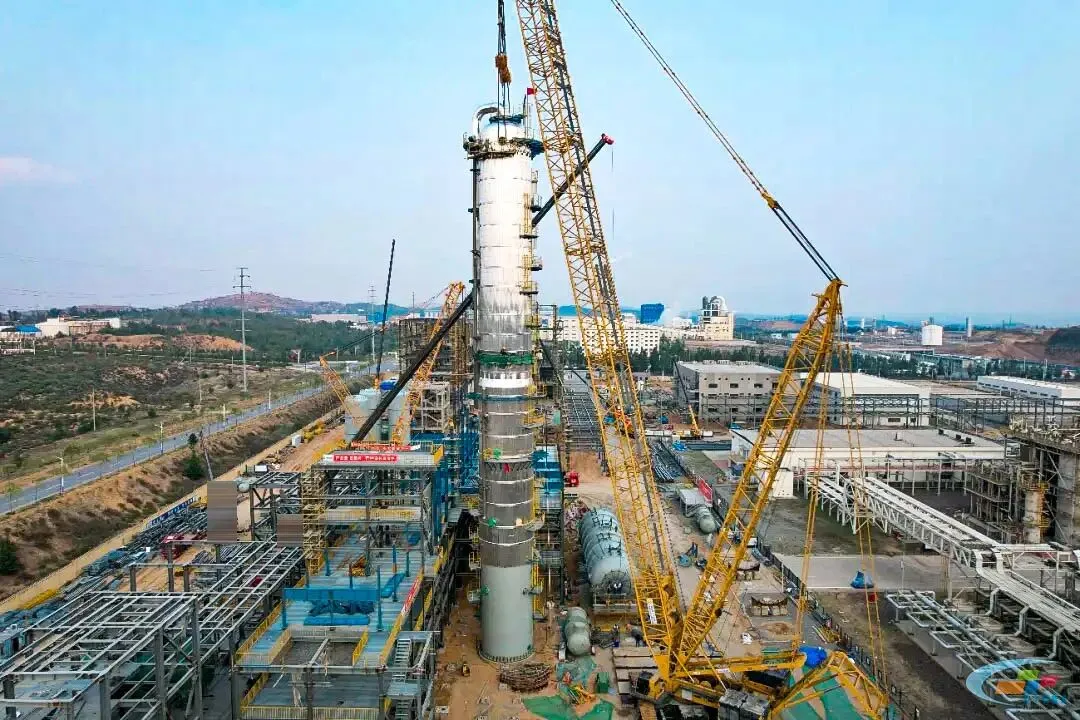
You face tight schedules and high stakes. I keep this guide practical and direct. I share the exact checks, sizes, and steps I use, so you can move now.
Missing or wrong parameters break designs. Rework explodes. I start with a strict data sheet. It aligns process and structural teams and stops late surprises.
Confirm geometry, operating weight with liquids, wind and seismic per code, attachments and insulation, thermal data, and soil capacity. Freeze cases: empty, operating, hydrotest, shutdown, and future upgrade margin.
I build a single data sheet and I protect it with change control. I list height, diameter, shell thickness, nozzle count, and internals weight. I add operating liquid weight at maximum surge. I include insulation, cladding, ladders, platforms, instrument racks, and pipe loads. I pull wind speed and exposure from ASCE 7 or local code. I set seismic parameters like Sds, Sd1, and site class from geotechnical reports. I record soil bearing capacity, settlement limits, frost depth, and groundwater. I define thermal ranges and expected gradients. For a typical 60 m high, 3.6 m diameter column, I may see empty 120 t, operating 210 t, hydrotest 250 t. I lock cases and I include a documented upgrade reserve only if the client agrees. I keep units consistent. I date every revision. This stops cost creep and design fights.
The wrong support type wastes steel and time. Access suffers. I test options fast and pick the form that best carries loads and suits maintenance.
Use skirts for tall, heavy columns with big overturning. Use brackets for short, light columns. Consider hybrid skirts with access panels. Always include a base ring or annular plate.
I match support type to height, diameter, and lateral demand. A closed skirt suits tall columns in high wind or seismic zones. It gives strong lateral stiffness and clean load paths. It needs reinforced access openings and careful shell checks. An open or vented skirt helps inspection and reduces trapped heat, but I add stiffeners to prevent local buckling. Bracket supports fit short columns under lower moments. I size gussets to spread load and I check shell local stresses. I always use a base ring or annular plate to distribute compression and bolt tension. I set ring thickness to limit bearing crush and weld shrinkage. On one energy park job, a hybrid skirt with removable panels cut steel by 12% and halved inspection time. We kept stiffness with formed ribs and reinforced cutouts. The team worked faster and safer.
Hidden load paths cause failures. Bolts loosen. Shells buckle. I trace every path from column to foundation and verify it with combined cases.
Model vertical, lateral, thermal, dynamic, and accidental loads in one 3D model. Check global stability and local details. Verify anchors, base ring, shell openings, and bracket zones.
I build a 3D model in SAP2000 or STAAD.Pro and I mirror stiffness of the skirt, ring, brackets, and anchors. I apply vertical loads from shell, internals, liquid, insulation, and attachments. I add wind with gust factors and torsion. I input seismic base shear and overturning per ASCE 7 with site class effects. I include thermal movement between column and support. I consider dynamic loads from pumps and flow pulsation. I add accidental cases like pipe support failure, blast, or impact. I combine loads per code and I check unity ratios. I review global drift and I hold top displacement within process limits. I check local shell buckling near openings and bracket welds. I verify anchor tension and shear under maximum overturning. I run sensitivity on stiffness changes. I document each case with clear names. This makes reviews easy and keeps audits clean.
Bad details slow erection and increase risk. I keep connections simple, repeatable, and inspectable. I design access for real people and real tasks.
Prefer shop-welded, site-bolted modules. Use proven bolt grades. Specify coatings by environment. Place platforms and hatches at maintenance points. Minimize hot work on site.
I use shop welding for stiffeners and ring assemblies. I deliver site bolting for speed and quality control. I pick bolts like ASTM A325 (ISO 8.8) or A490 (ISO 10.9) for primary joints. I use slip-critical joints where vibration exists. I set hole tolerances and I include fit-up guides. I qualify welds per AWS D1.1 and I define NDT on full-penetration seams. I choose coatings by location: hot-dip galvanizing plus epoxy topcoat in coastal or chemical zones; zinc-rich primer with polyurethane topcoat inland. I isolate dissimilar metals to prevent galvanic corrosion. I plan platforms near tray pull points and instrument clusters. I give clear ladder lines, 900 mm minimum platform width, 1.1 m handrail height, and toe boards. I use hatches with captive hardware and safe hinges. I avoid site torching. I design swap-friendly parts. On one plant, we replaced a corroded bracket in one afternoon with no hot work. The schedule held and safety improved.
Anchors and grout carry the fight. Mistakes here drive costly repairs. I size anchors and plates for combined tension and shear and plan for inspection and replacement.
Select anchor diameter and grade for uplift and shear. Check edge distance and breakout. Set base plate thickness for bearing. Use non-shrink grout and sleeves for tolerance.
I start with geotechnical data. I confirm bearing capacity, settlement limits, uplift risk, and liquefaction potential. I size anchors using combined tension and shear. I choose ASTM F1554 Grade 55 or 105 bolts and I set embedment to develop capacity with breakout checks. I keep edge distance and spacing within code and I add shear lugs when lateral loads are high. I set base plate thickness to keep bearing pressure and bending within limits. I place leveling nuts or shims as per the erection plan. I specify ASTM C1107 non-shrink grout and I define surface preparation and cure. I add grout holes and inspection ports where possible. I design sleeves to allow bolt alignment and future replacement. I protect anchors from corrosion with sleeves, seals, or coatings. I plan drainage to avoid standing water. I once saw anchor pull-out on a rushed job. The fix was painful. I now insist on early geotechnical talks and a small capacity reserve. The cost is minor. The protection is large.
Quality dies in vague plans. I define checks early and tag every member. I keep records simple, complete, and shared.
Qualify weld procedures. Plan NDT for critical seams. Verify bolt tension. Measure plumbness after erection. Record coating thickness. Tag members and link digital records.
I write a QA plan before design freeze. I qualify weld procedures and welders per AWS D1.1. I set NDT: UT for full-penetration ring welds, MT or PT for fillet and bracket welds. I define acceptance criteria and repair rules. I check bolt tension with calibrated tools or tension control bolts. I survey plumbness after full erection and I hold within tolerances like L/1000 or project spec. I confirm base plate bearing and grout integrity. I measure coating thickness and I record holiday test results. I tag major members with RFID or QR codes. I link digital records to each tag: material certs, weld maps, NDT reports, torque logs, and paint logs. I schedule re-inspection after turnarounds or seismic events. A client once asked for proof on every skirt weld. Our tags gave answers in minutes. Auditors were satisfied. Disputes faded.
Budgets suffer when designs ignore supply and future change. I cut waste and plan for upgrades so owners save money over the life.
Use local steel sizes and grades. Standardize modules. Prefer bolting. Plan disassembly. Reduce coating cycles with durable systems. Reuse platforms and ladders across units.
I pick grades available locally. I favor A36 and A572 Grade 50 for plates and shapes. I use weathering steel like A588 if the environment suits it. I standardize plate thicknesses to match mill availability and to improve nesting. I repeat hole sizes and bolt types to simplify procurement. I build modules that ship and install fast. I limit site welding and I use bolting for speed and future swap-outs. I write design-for-disassembly notes and I add lifting points and clear access to high-wear parts. I choose coatings that match exposure and target longer life, which reduces repaint cycles. I plan reuse for platforms and ladders across units. I align vendors early to confirm lead times. I adjust drawings to avoid long mill waits. I track material waste and I push it down through better shop planning. This keeps cost under control and keeps schedules tight.
Design with solid data, fit support types, clear load paths, smart details, strong foundations, strict QA, and future-ready choices. That protects safety, cost, and schedule.
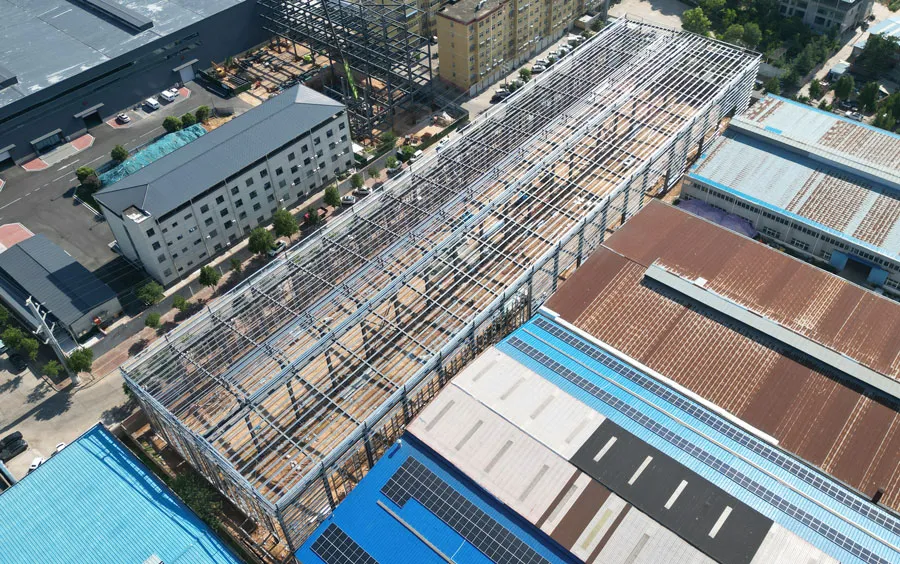
Steel Structure Workshop Solutions
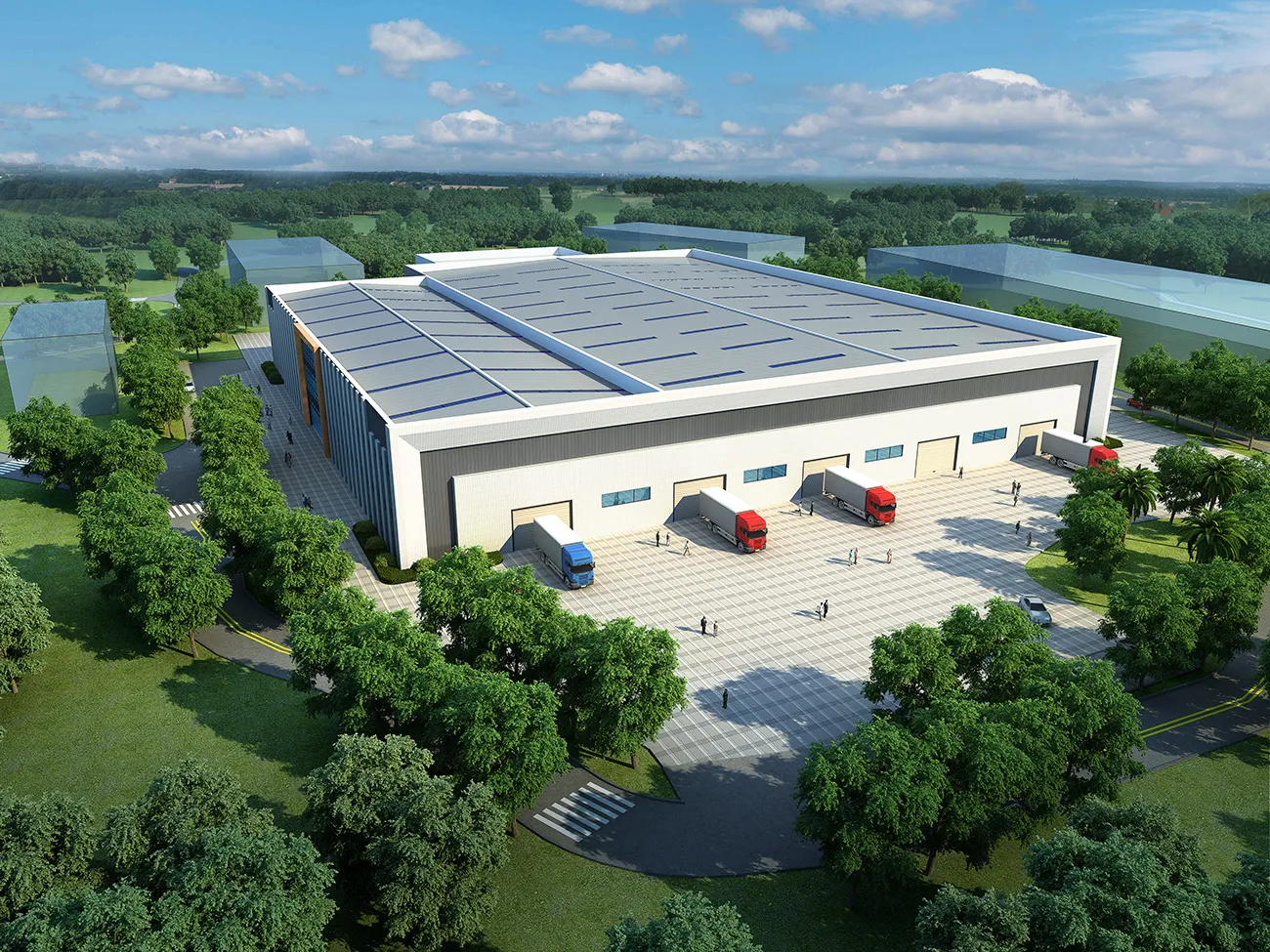
Steel Warehouse Solutions
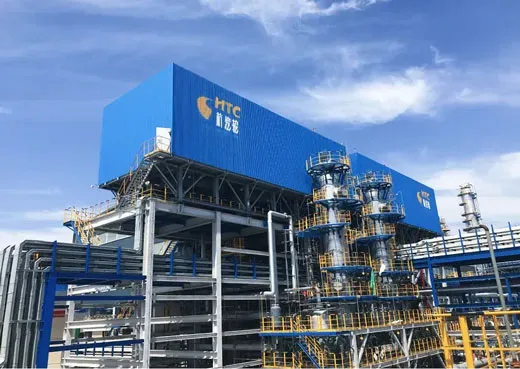
Heavy Steel Structures for Equipment
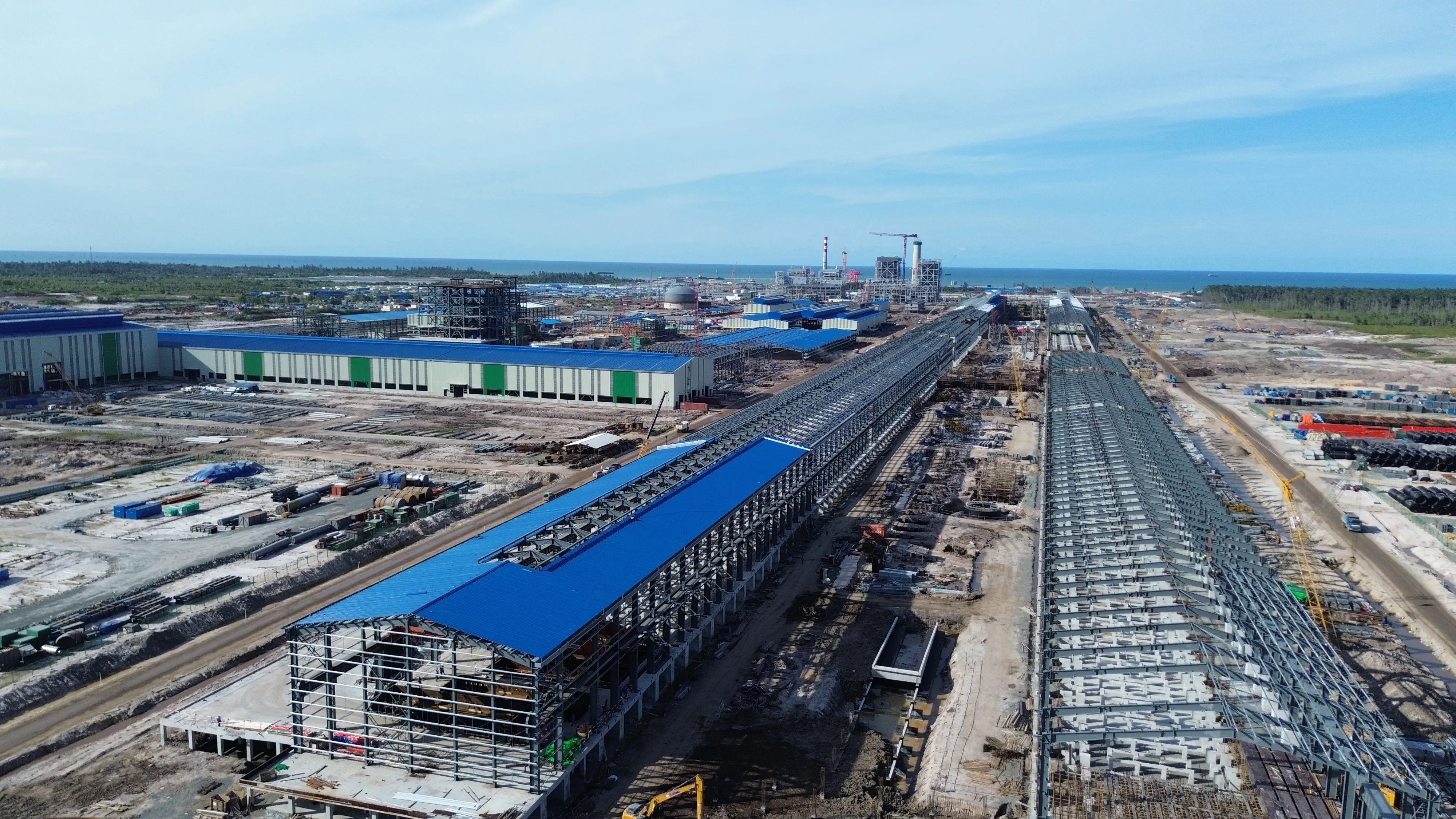
Indonesia North Kalimantan Aluminum Plant Project
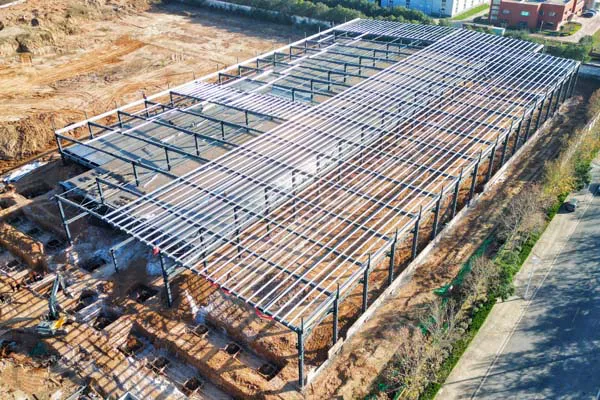
Luoyang Haode Auto Parts Steel Structure Factory Project
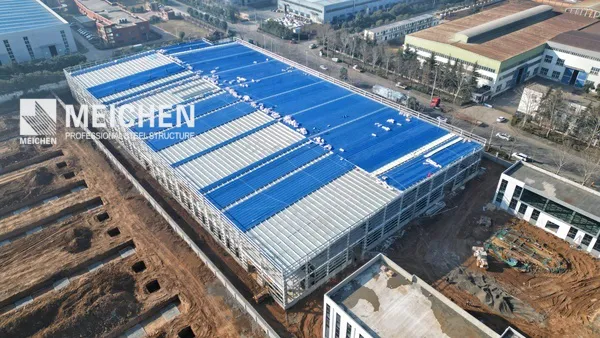
Automated Glass Production Line Steel Structure Factory Building Project
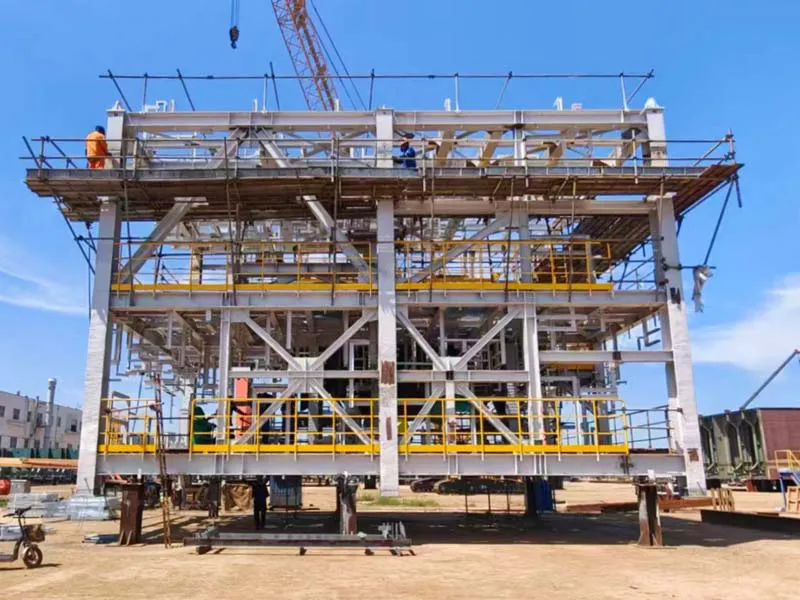
Oil & Gas Modular Steel Structure Fabrication Project
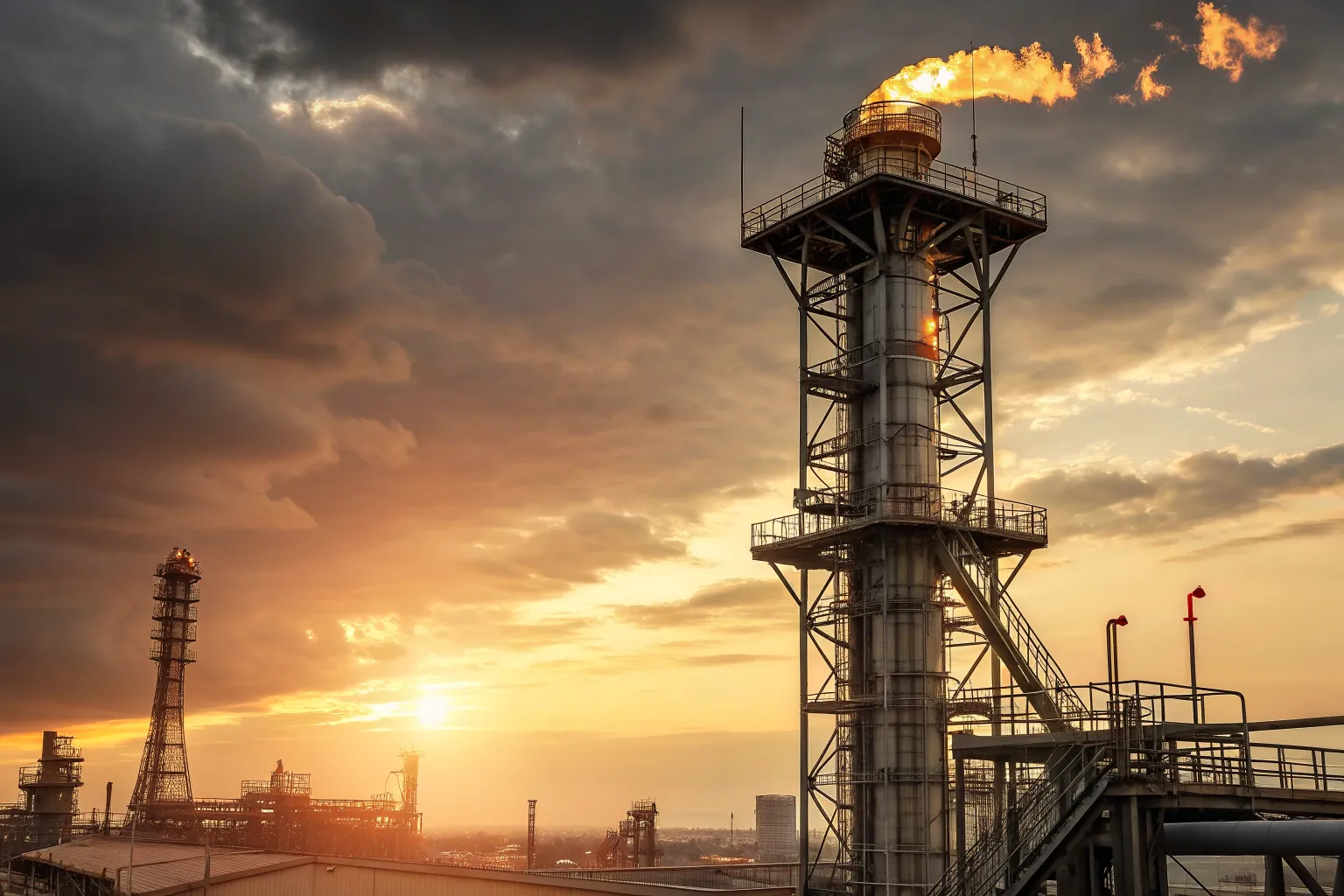
Flare Stack Structure