Time:2026-01-15 07:29:01 Source:Sanjian Meichen Steel Structure
Operating a steel structure factory in cold regions brings a unique set of challenges. Harsh winters, sub-zero temperatures, and fluctuating weather conditions can cause energy inefficiency, discomfort for workers, and even long-term structural issues if insulation is not carefully considered. Choosing the right insulation solutions is no longer optional—it’s critical for maintaining productivity, safety, and cost-effectiveness.
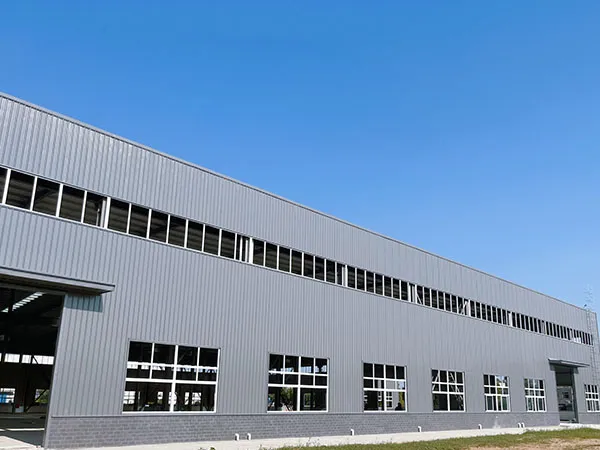
Steel structures are highly conductive, meaning they can quickly transfer heat out of the building. Without effective insulation:
Energy costs soar: Heating systems must work harder to maintain a stable temperature, significantly increasing utility bills.
Structural risks increase: Condensation can form on steel surfaces, accelerating corrosion and potentially damaging machinery or structural components.
Worker comfort declines: Cold, uneven indoor temperatures can reduce productivity and lead to safety concerns.
Investing in proper insulation addresses these challenges directly:
Energy Efficiency: High-quality insulation retains heat, reducing the load on heating systems and lowering energy bills.
Structural Protection: By minimizing condensation and moisture accumulation, insulation helps prevent rust and extends the lifespan of steel components.
Improved Work Environment: Stable indoor temperatures create a comfortable workplace, enhancing worker productivity and safety.
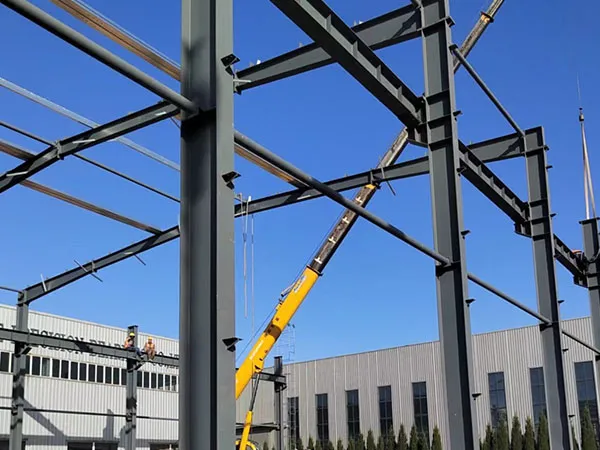
1. Thermal Insulated Panels
Sandwich panels that combine metal sheets with insulating materials such as polyurethane (PU) or expanded polystyrene (EPS) are widely used in steel factories. Advantages include:
High thermal resistance for extreme cold
Quick and efficient installation, reducing downtime
Long-lasting durability even in harsh climates
These panels are particularly suited for large-scale steel buildings, where both roof and wall insulation must perform consistently.
2. Spray Foam Insulation
Polyurethane spray foam is applied directly to metal surfaces, filling gaps and sealing potential air leaks. Key benefits:
Excellent thermal performance and moisture resistance
Tight sealing reduces cold bridges
Can be applied to irregular surfaces where panels are less practical
Note: Professional installation is essential to achieve uniform coverage and avoid uneven insulation.
3. Rock Wool or Mineral Wool
Rock wool boards or blankets offer:
Superior fire resistance, critical in industrial settings
Effective thermal and acoustic insulation
Flexibility for high-temperature areas within the factory
These materials are especially valuable in sections where fire safety regulations are stringent.
4. Roof and Wall Vapor Barriers
Vapor barriers are installed alongside insulation panels to prevent condensation from forming on cold surfaces. Benefits include:
Extending the lifespan of steel structures
Maintaining indoor air quality
Reducing maintenance costs over time
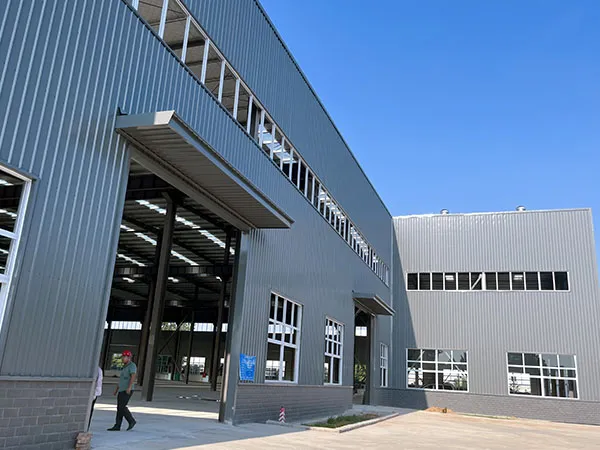
When planning insulation for steel factories in cold climates, pay attention to the following:
Thickness and R-value: Higher R-values provide better thermal resistance. Local climate data should guide the required insulation thickness.
Quality of Installation: Even small gaps, poorly sealed joints, or improperly installed panels can reduce efficiency and create cold spots.
Maintenance Access: Select insulation solutions that allow easy inspection and repair to ensure long-term performance.
In cold regions, insulation is more than just an energy-saving measure—it is a critical factor in protecting your investment. From thermal insulated panels to spray foam and vapor barriers, the right combination of insulation solutions ensures operational efficiency, structural longevity, and a comfortable working environment.
For steel structure factory owners, investing in a well-planned insulation strategy is essential for long-term sustainability, lower operating costs, and a safer, more productive workplace. Proper insulation transforms a cold-region steel factory from a challenging environment into a resilient, high-performing facility.
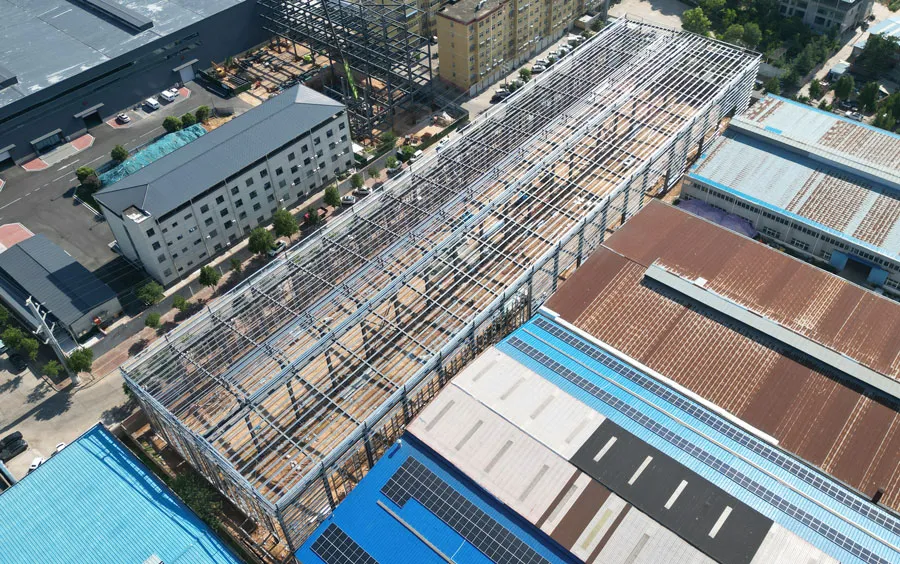
Steel Structure Workshop Solutions
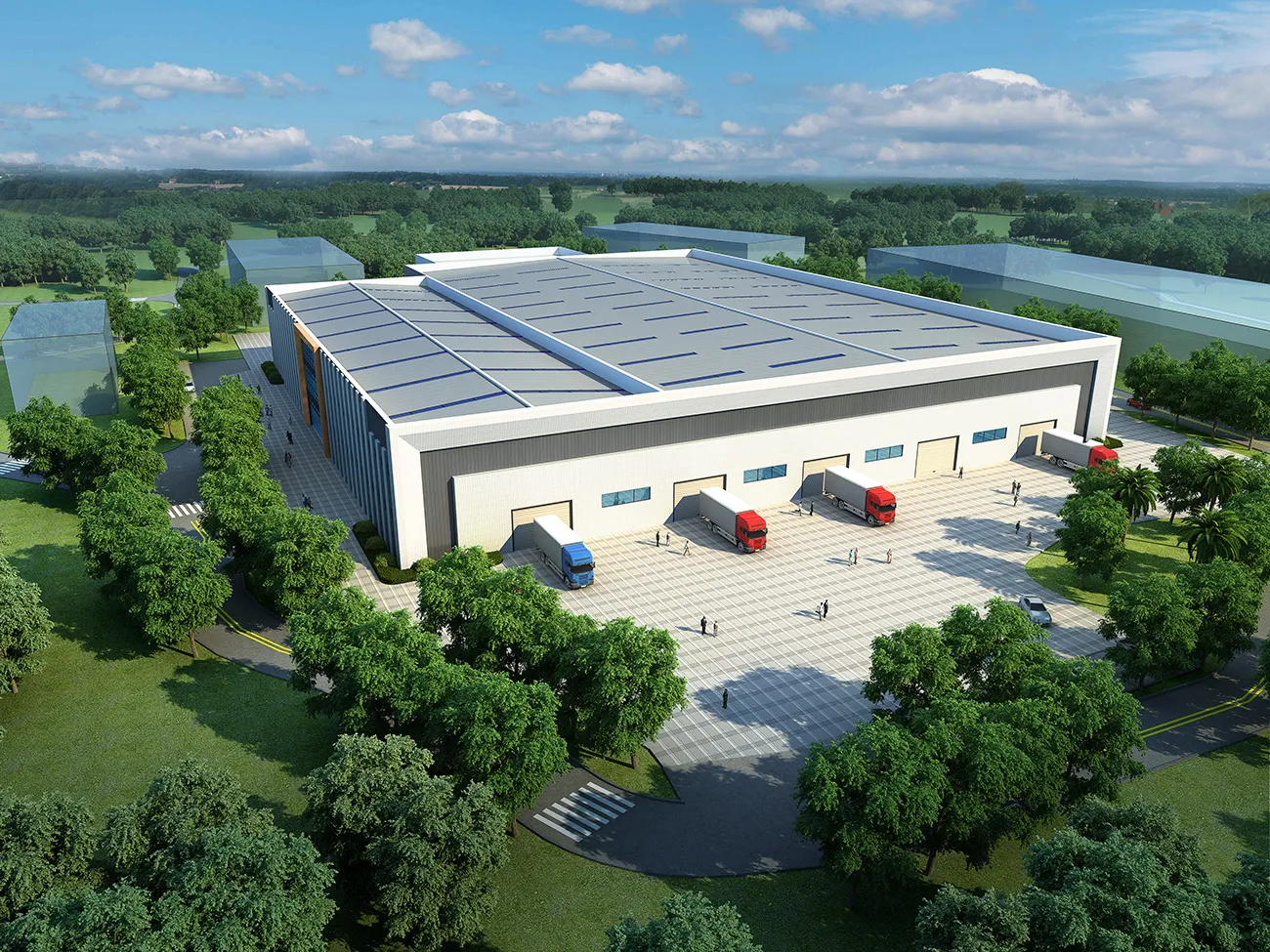
Steel Warehouse Solutions
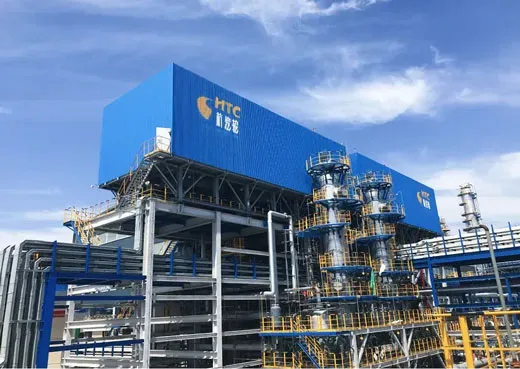
Heavy Steel Structures for Equipment
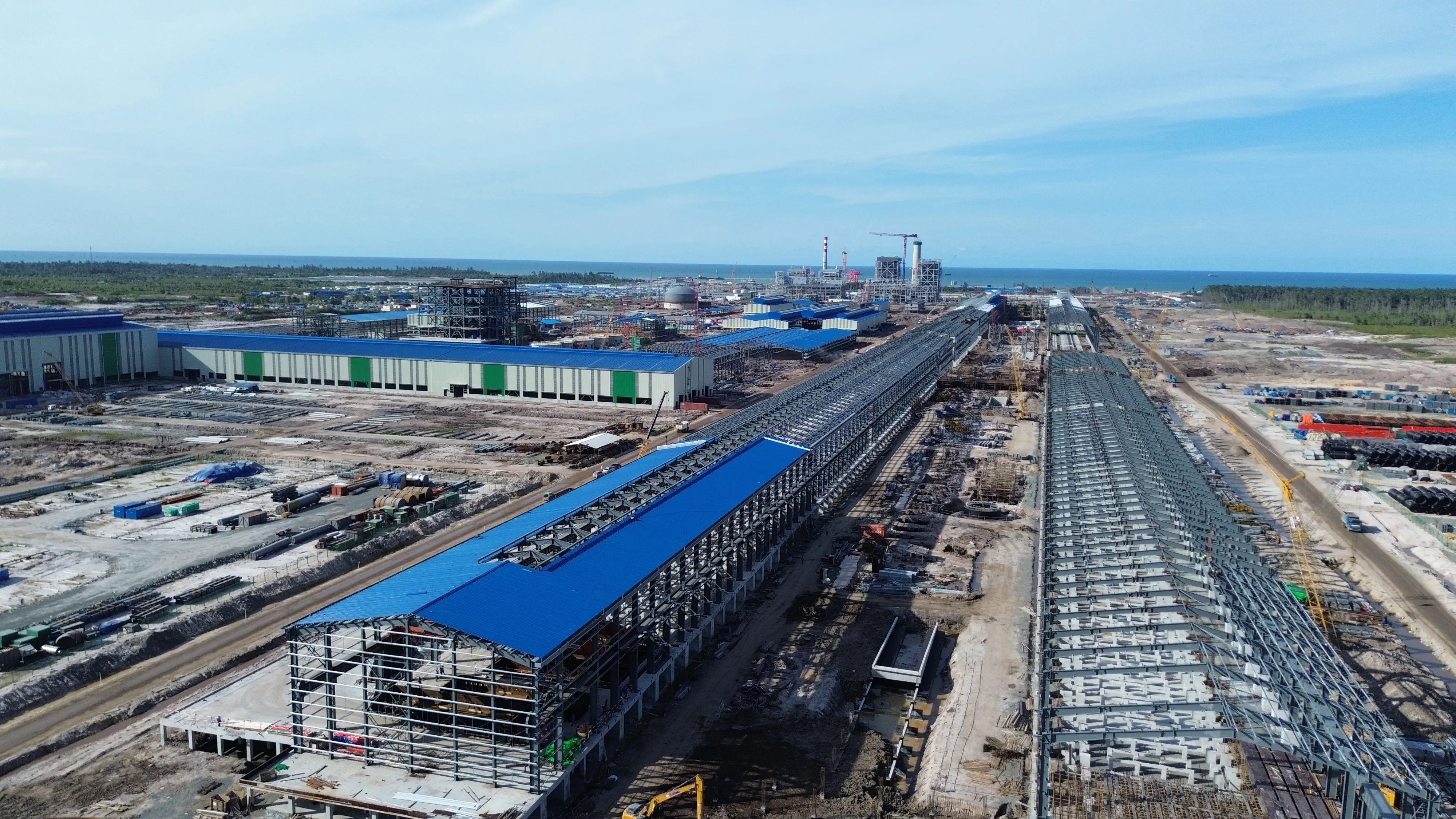
Indonesia North Kalimantan Aluminum Plant Project
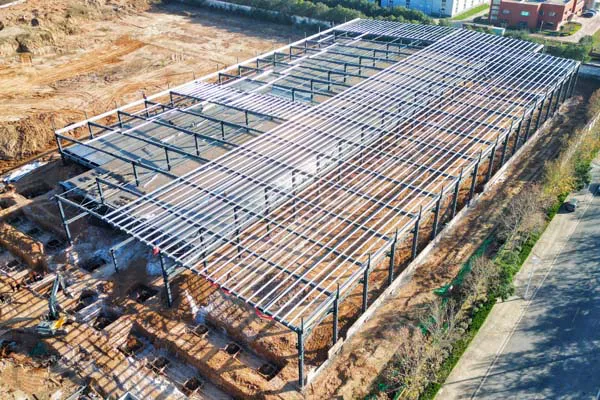
Luoyang Haode Auto Parts Steel Structure Factory Project
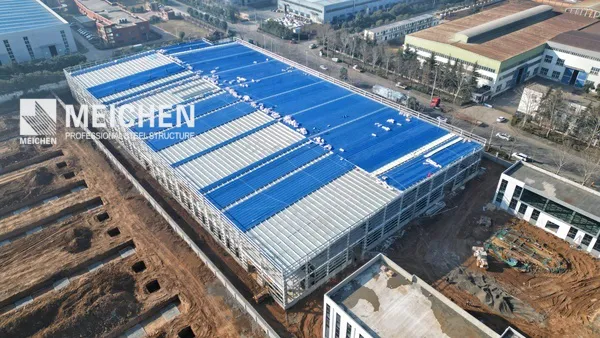
Automated Glass Production Line Steel Structure Factory Building Project
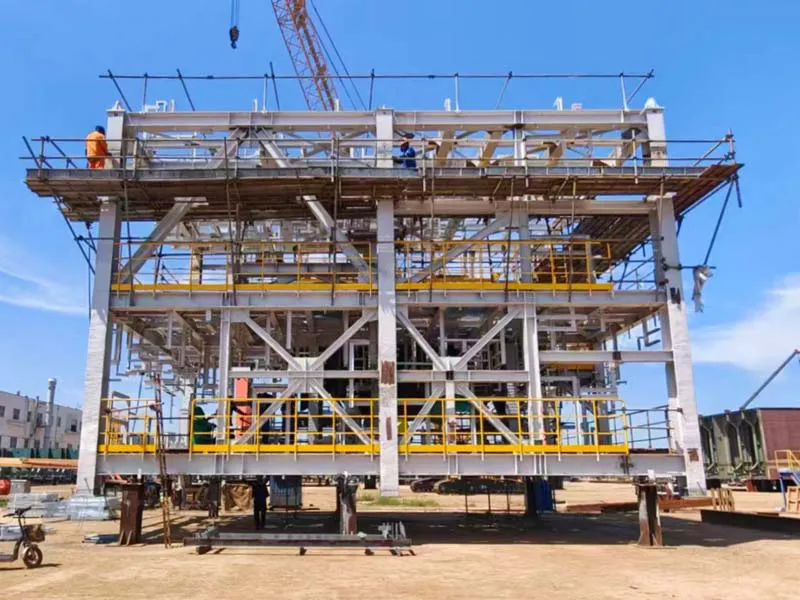
Oil & Gas Modular Steel Structure Fabrication Project
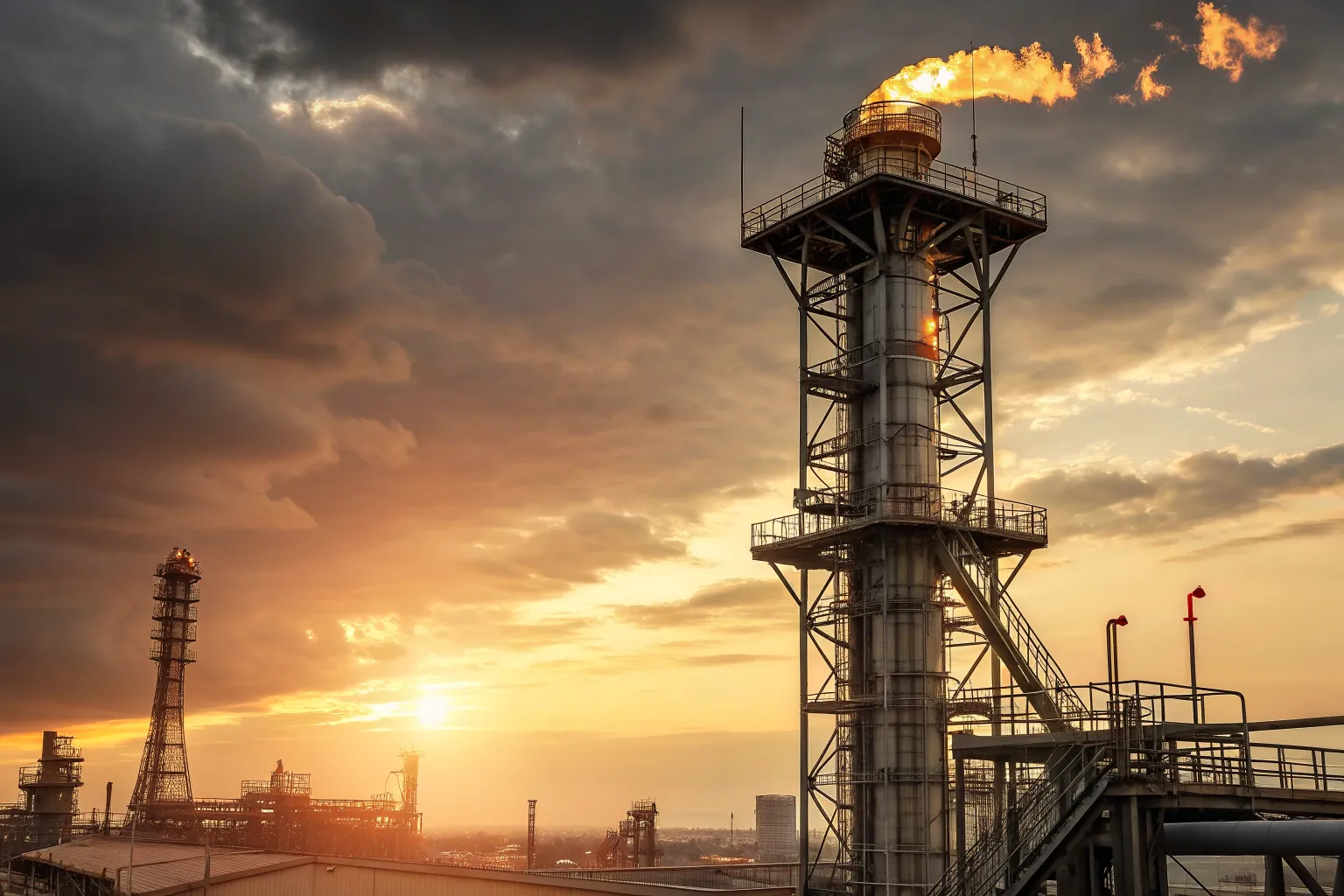
Flare Stack Structure