Time:2026-01-09 03:09:27 Source:Sanjian Meichen Steel Structure
In today’s highly competitive industrial environment, heavy machinery has become indispensable for manufacturing, mining, metal processing, logistics, and large-scale construction. As these operations scale up, enterprises need not only advanced equipment but also a stable, safe, and efficient facility to support daily production. Steel structure factories have therefore emerged as the preferred solution for heavy machinery companies, offering unmatched strength, adaptability, and long-term reliability.
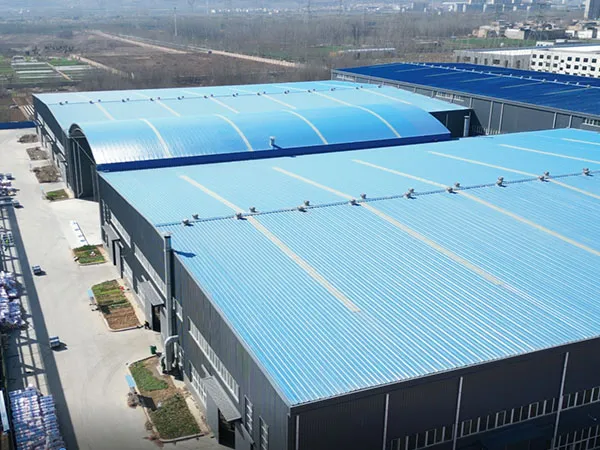
Steel structures stand out from traditional concrete buildings for a variety of structural and operational benefits. For facilities that accommodate oversized equipment and continuous heavy-duty workloads, the advantages become even more apparent.
1. Superior Load-Bearing Performance
Heavy machinery such as rolling mills, welding rotators, industrial furnaces, and mining equipment can impose massive static and dynamic loads.
Steel’s high tensile strength allows the entire building to remain structurally stable even under extreme load conditions. When properly engineered, steel factories can support overhead cranes, rail systems, and vibration-prone machinery without compromising safety or lifespan.
2. Column-Free, Flexible Interior Layout
Many industrial processes require large open spaces for equipment installation, maintenance access, and material flow.
Steel frame systems can achieve wide spans—often 20 to 60 meters—without intermediate columns, giving factories greater freedom in layout planning and simplifying future equipment upgrades or production line adjustments.
3. Long-Term Durability with Lower Maintenance
Modern steel structures are treated with anti-corrosion coatings, fire-resistant layers, and high-performance insulation materials. This ensures prolonged service life even in challenging environments such as coastal regions, high-humidity workshops, or areas with large temperature fluctuations.
Compared with concrete buildings, steel factories require less frequent repairs, helping enterprises reduce long-term operational costs.
4. Faster Construction and Earlier Commissioning
Most steel components are prefabricated in controlled factory environments before being delivered to the construction site.
This reduces on-site labor, shortens project timelines, and allows companies to put new heavy machinery into operation sooner—an essential advantage in fast-growing industries.
Designing a steel structure factory is not a one-size-fits-all process. To ensure safety and efficiency, key engineering and operational factors must be evaluated carefully.
Load Capacity and Structural Reinforcement
Engineers must consider:
The weight of machinery
Operating vibrations
Movement of overhead cranes
Floor load requirements
Custom reinforcements or thicker steel beams may be required for extremely heavy equipment.
Height, Clear Span, and Crane Requirements
Industries such as steel fabrication, automotive production, and energy equipment manufacturing often need:
High ceilings (10–20 meters or more)
Large clear spans to accommodate machinery dimensions
Crane beams, gantry cranes, or multiple lifting points
These factors directly influence the structural design.
Ventilation, Temperature Control, and Environment
Factories operating high-heat equipment or dust-generating machinery require special environmental considerations, such as:
Insulated sandwich panels
High-efficiency ventilation systems
Corrosion-resistant structural coatings
Fireproof steel members
Customization and Future Expansion
A flexible factory design can save significant future costs. Many companies prefer modular structures that allow:
Easy expansion
Relocation of internal partitions
Addition of mezzanine levels
Integration of new production lines
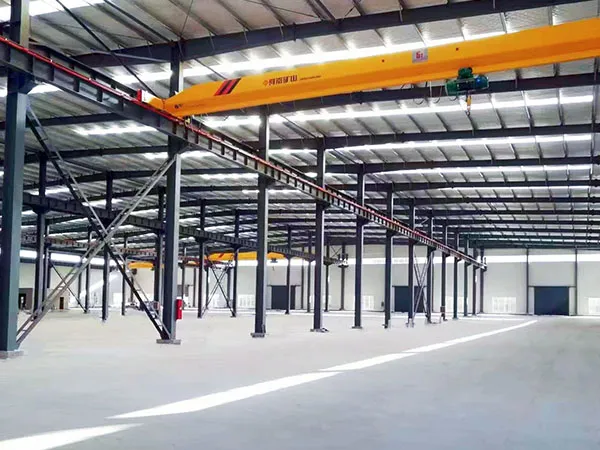
With advancements in industrial engineering, modern steel structure factories now include features that improve workflow, reduce energy consumption, and enhance safety.
Modular Expansion Systems
Modular steel components allow sections of the building to be expanded with minimal disruption to ongoing production—ideal for fast-growing enterprises.
Integrated Mezzanines and Platforms
Mezzanines maximize vertical space for:
Spare parts storage
Maintenance operations
Office or monitoring rooms
This improves space utilization without expanding the factory footprint.
Energy-Saving Building Materials
Sustainable designs incorporate:
Skylights for natural illumination
Energy-efficient insulated wall and roof panels
Solar-ready roofing systems
Rainwater collection systems
These features reduce operating costs and support green manufacturing practices.
A steel structure factory is far more than a physical shelter for heavy machinery—it represents a strategic investment that influences productivity, safety, and long-term operational costs. Companies that choose well-designed steel structures gain advantages in equipment layout, workflow efficiency, and future scalability.
Whether you are building a new facility or upgrading an existing plant, selecting a reliable steel structure solution ensures your heavy machinery operates on the strongest possible foundation. In a rapidly evolving industrial world, this foundation becomes a key driver of growth, efficiency, and competitiveness.
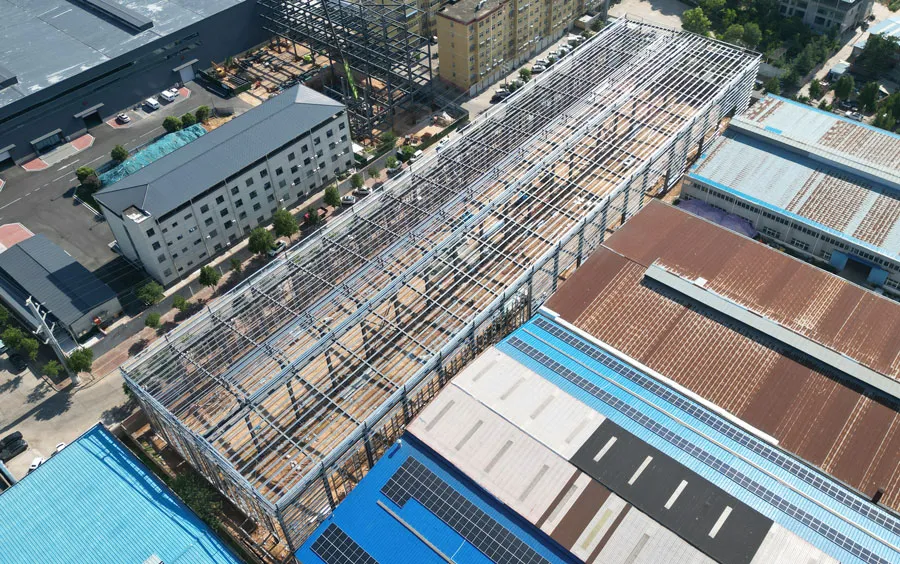
Steel Structure Workshop Solutions
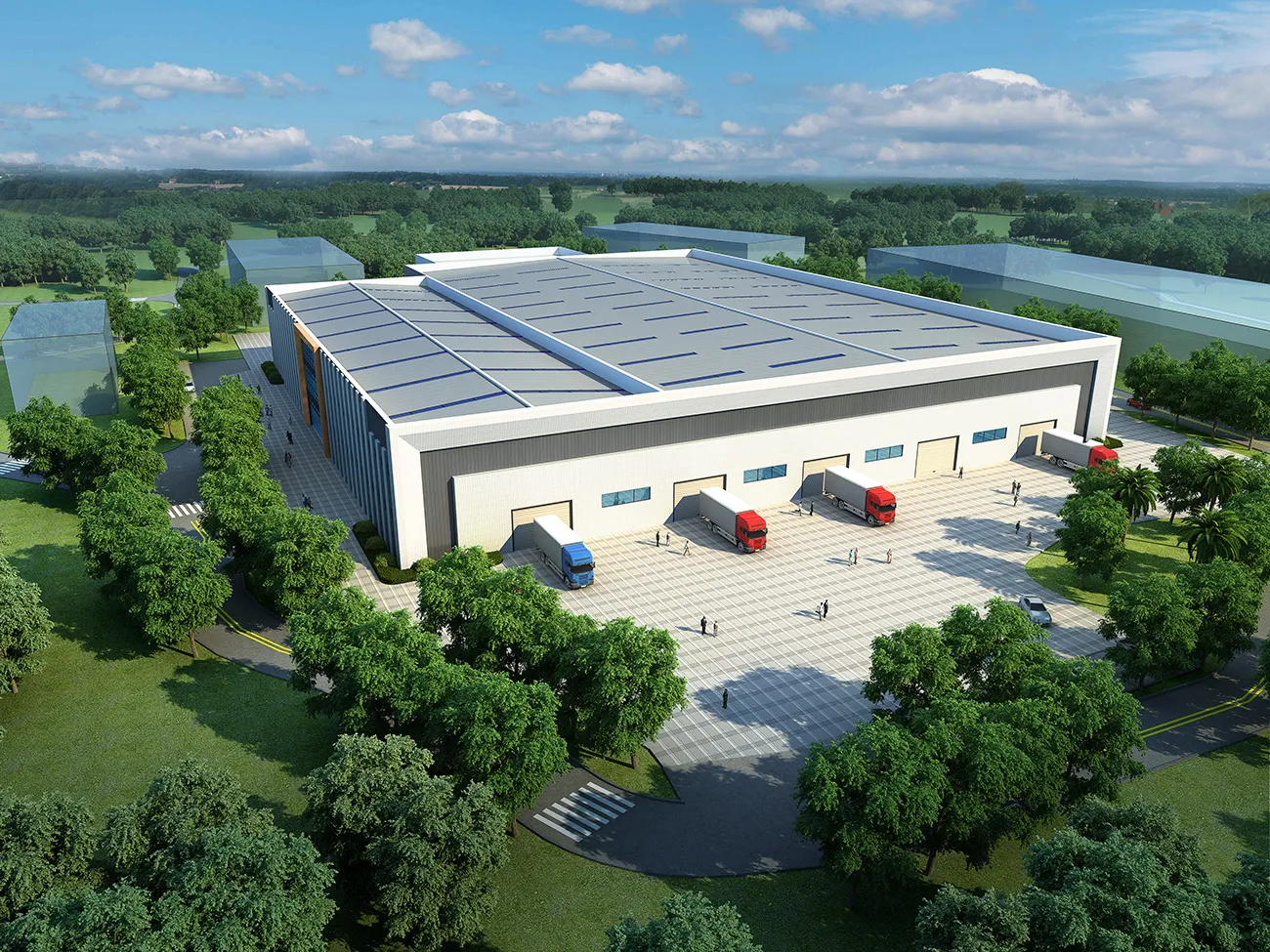
Steel Warehouse Solutions
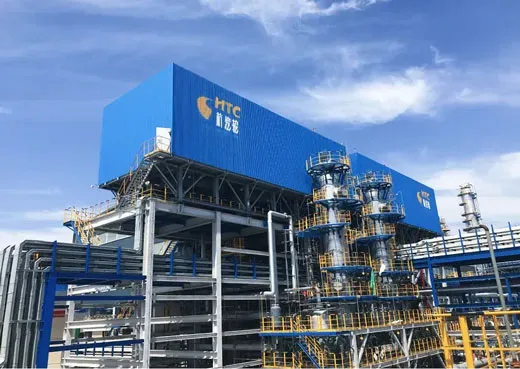
Heavy Steel Structures for Equipment
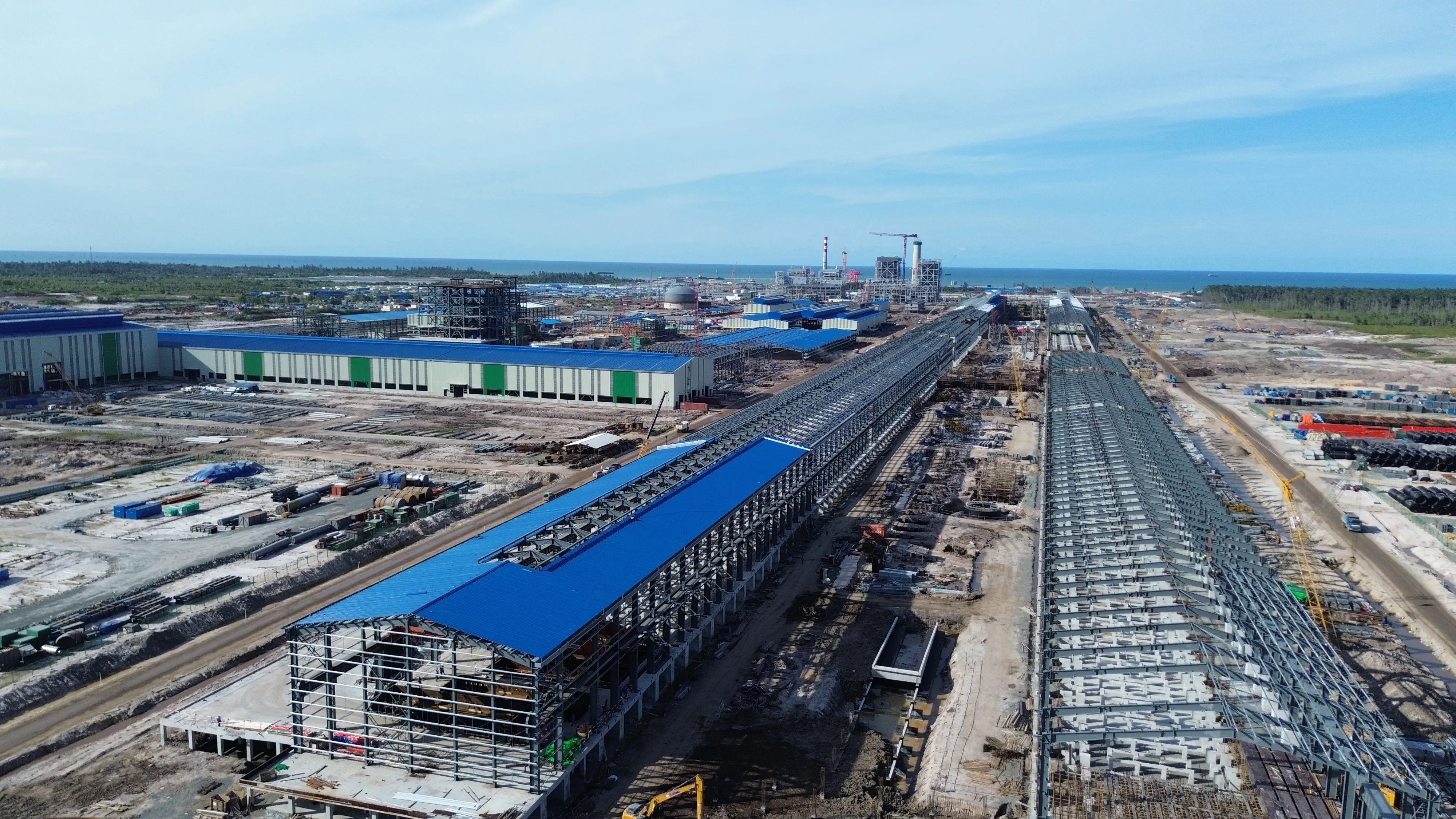
Indonesia North Kalimantan Aluminum Plant Project
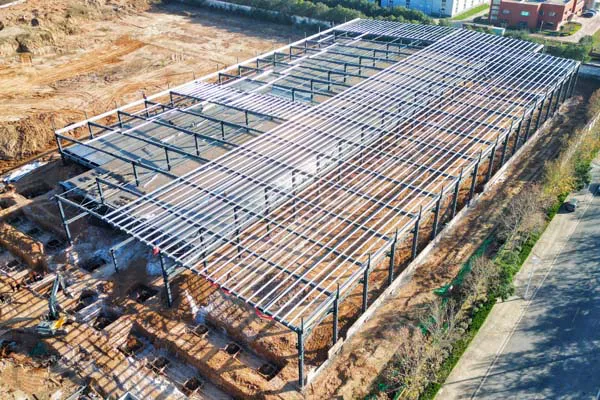
Luoyang Haode Auto Parts Steel Structure Factory Project
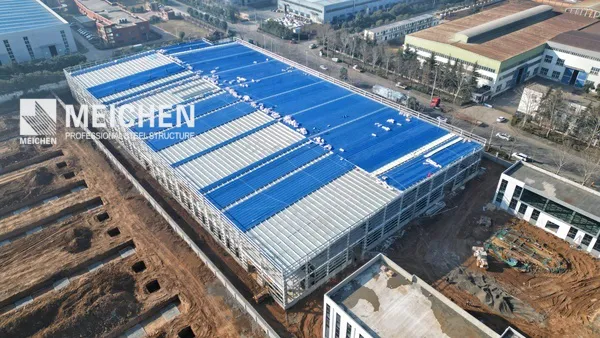
Automated Glass Production Line Steel Structure Factory Building Project
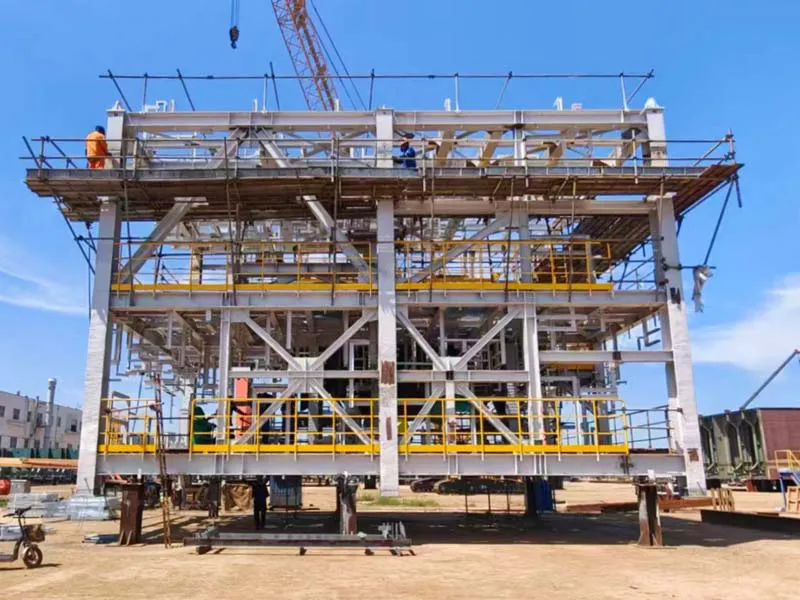
Oil & Gas Modular Steel Structure Fabrication Project
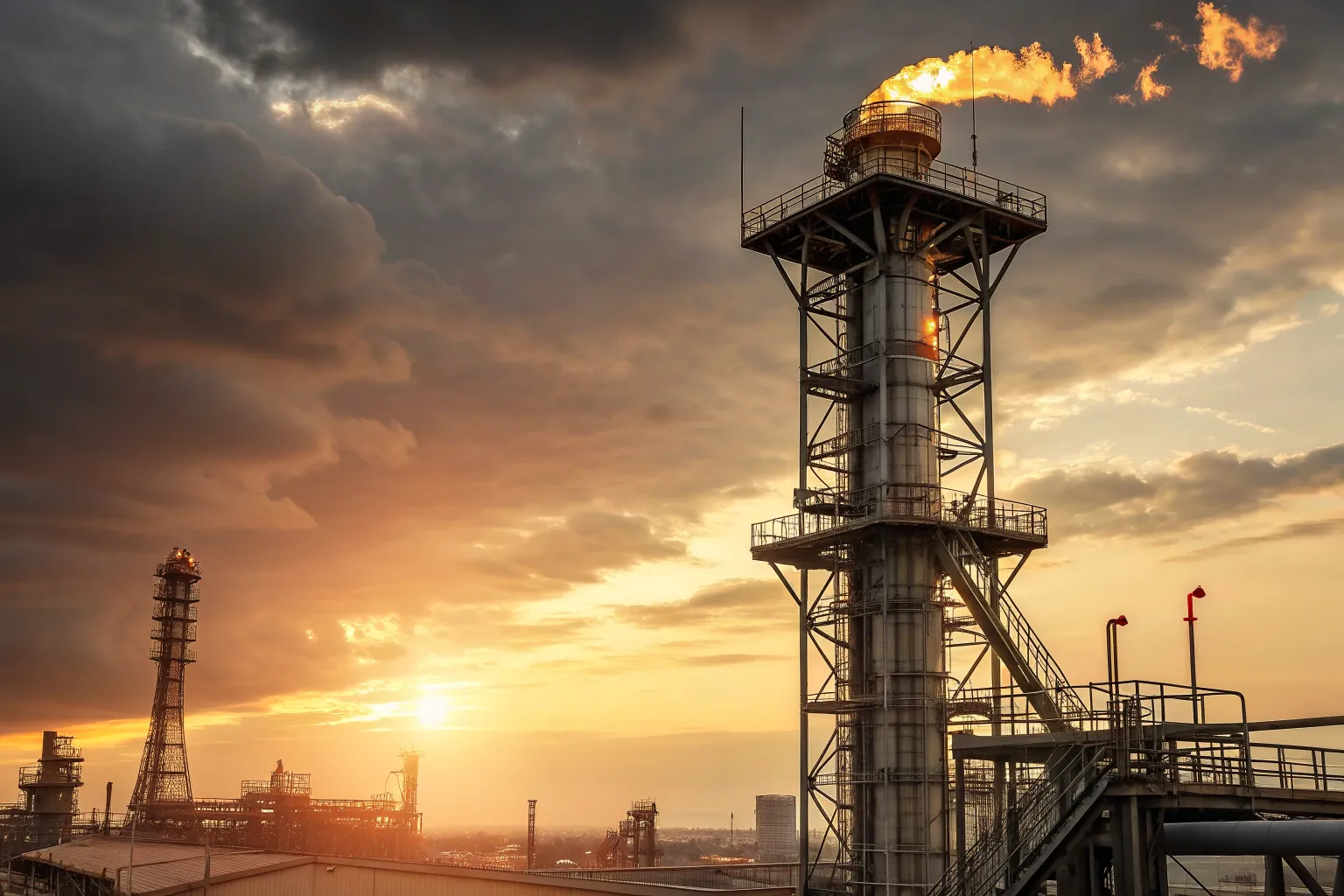
Flare Stack Structure