Time:2026-01-15 08:13:15 Source:Sanjian Meichen Steel Structure
Operators slip, tools fall, and delays grow when platforms miss real-world needs. I design for daily routes, quick repairs, and clear exits. That reduces accidents, speeds work, and protects budgets.
To design steel platforms for operation and maintenance safety in refineries, I start with route mapping, go beyond codes, size real work space, choose durable materials, plan for future changes, and buy from certified vendors with fast support.
I have walked lines at dawn and midnight. I have followed operators during rounds and shutdowns. I have climbed cramped stairs with a valve in hand. I build for these moments. If your project is fast and complex, I can help you remove risk early and keep crews moving.
Standard access is not enough. Rounds must flow. Repairs must move. Emergencies must clear fast. I design platforms from real walks, not from only P&IDs or model snapshots.
I shadow operators and maintenance crews. I record routes, hand reaches, and passing points. I place platforms for clear sightlines, quick escapes, and work staging. I size walkways so two people and a part can pass without bumping elbows.
I set minimum walkway width at 900 mm. I prefer 1100–1200 mm on main runs. I size stairs at 750–900 mm clear width with 170 mm risers and 280–300 mm treads. I provide landings at turns no smaller than 1200 × 1200 mm. I insert passing bays every 10–15 m in long corridors. I keep 600 mm clear around valves, gauges, and sample points. I align sightlines so a person can read a gauge from a safe distance without leaning. I plan two egress routes per platform when space allows. I avoid sharp turns near hot equipment. I set edge marking and route signs every 6–10 m. I test routes with a person carrying a 25 kg part. I adjust handrail gaps to fit gloved hands. I remove toe-stub points at threshold changes. These small rules cut seconds from every check and minutes from every repair. They also cut near misses that never reach reports.
Codes set the floor. Real sites demand more. Wet decks, night shifts, and vibration test every step. I add grip, visibility, and stability that protect people when conditions change.
I specify serrated grating, double handrails, toe boards, high-visibility edges, LED cues, and dampers near rotating equipment. I slope decks for drainage and provide clean-out points. These upgrades cut slips, prevent drops, and lower fatigue.
I use serrated grating with an open area of 60–70%. I target a wet coefficient of friction above 0.6 on stair nosing. I set handrails at 1000–1100 mm with a mid-rail at 500–550 mm. I fit toe boards at 100–150 mm high to stop small tools. I paint step edges in high-contrast yellow or white. I add LED edge lighting and task lights to reach 100–200 lux on decks and 200–300 lux at gauges. I choose spring-loaded self-closing gates at ladder openings. I add vibration dampers near compressors and pumps. I stiffen stringers on long spans to reduce bounce. I set deck slope at 1–2% toward drains. I place clean-out ports every 6–8 m. I specify non-slip coatings for high-traffic treads. I use locking hardware where vibration is high. I test footing with water and oil spray during commissioning. These features prevent slips in wet weather and keep crews confident on night shifts. They also keep audits simple because issues do not pile up.
A platform is a workshop during shutdowns. Crews need width, staging, lifting points, and safe access panels. If the platform fights the work, downtime grows fast.
I size decks for two people and a part. I add fold-down shelves, anchor points, removable grating, and rated lifting eyes. I plan trolley moves and keep paths clean. Work-ready layouts cut repair time and prevent late retrofit costs.
I set clear deck width at 1200–1500 mm where maintenance occurs. I add fold-down shelves rated at 50 kg for tools and meters. I install anchor points rated at 2 kN for tethers. I place lifting eyes at 0.5–1 t near common swap locations. I use removable or hinged grating over filters, strainers, and flanges. I use captive fasteners so hardware does not fall. I align access panels with bolt patterns and gasket seats. I keep curb-free edges where trolleys roll. I mark staging zones with painted rectangles and load ratings. I provide cable hooks so cords do not trip feet. I add small hoists or davits where parts weigh more than 30 kg. I check reach envelopes so a person can use two hands without twisting. I write a shutdown plan that matches the platform layout. Once, a client narrowed platforms to save steel. Crews could not pass with a valve and a tool bag. Each swap lost a day. We rebuilt decks to 1300 mm clear width and added lifting points. Repair time dropped by half. The cost paid back in one shutdown.
Corrosion, heat, and vibration hit platforms every hour. Cheap material and weak coatings look fine on day one. They fail when the plant is busy. I build for long life and easy care.
I choose galvanized and powder-coated steel, use stainless fasteners in splash zones, and weld only where vibration demands it. I bolt where inspection and swap occur. I seal edges and stop water traps. I plan inspections and spares.
I specify frames in ASTM A572 Grade 50 or ASTM A36 where loads allow. I galvanize per ASTM A123, aiming for 85–100 microns of zinc. I use powder coat at 80–120 microns in sheltered areas for abrasion resistance. I select stainless fasteners (A2/A4) in chemical spray zones. I use bolts per ASTM A325/A490 with torque values in the handover. I isolate dissimilar metals to prevent galvanic corrosion. I seal cut edges, drilled holes, and field welds after installation. I choose coatings per ISO 12944 for C4 or C5 environments. I slope decks for drainage and cap hollow sections. I add joint covers to stop dirt traps. I weld stringers and anchor plates where vibration is high. I bolt bracing near inspection points. I write inspection windows: visual every quarter, bolt torque check every six months, coating DFT check annually. I include spares lists for bolts, gates, and grating clips. Durable platforms reduce work orders and avoid mid-life surprises. The lower total cost shows up as uptime.
Downtime costs millions. Safety incidents stop lines and invite fines. Audits require clean records. Changes arrive without warning. I design and document with these realities in mind.
I prevent failure with reliable layouts and fast access. I plan spare paths and quick-remove sections. I leave room for future routes. I deliver complete documentation for audits and claims.
I design quick-remove deck sections using splice plates and captive bolts. I leave spare paths for temporary hoses and cables during work. I add extra posts and knock-out panels to support future piping or cable trays. I provide BIM models at LOD 300–400 to test changes fast. I align platform posts with current and possible future valve positions. I add clearance envelopes to reduce clashes. I deliver as-built drawings that match field reality. I include QA/QC packs: MTRs, WPS/PQR, welder stamps, NDT reports, dimensional checks, coating DFT charts, bolt torque logs, and load test records. I prepare maintenance and inspection checklists for insurance audits. I set simple KPIs: no slip events, no blocked routes, inspection completion on time. These items keep production protected. They also speed claims and audits because records are complete and clear.
Low bids can hide poor welds and thin coatings. Slow support turns small faults into long stops. Trade coordination decides if the platform fits on day one. I plan for quality and speed.
I select certified vendors. I verify inspection records and material traceability. I agree response times for parts and field support. I hold coordination meetings early and fix clashes before site.
I ask for welder certifications per AWS D1.1 or EN standards. I review WPS and PQR documents and check welder ID stamps on parts. I require EN 10204 3.1 material certificates for steel and fasteners. I inspect dimensions and tolerances against drawings. I ask for NDT reports: MT/PT on critical welds and visual on all. I test coatings for dry film thickness and adhesion. I mark every part with a durable tag and a bill of materials code. I include spare kits for gates, clips, bolts, and small brackets with the first delivery. I agree service SLAs: 24 hours for remote support, 48–72 hours to site. I run clash checks in the model with piping, electrical, and instruments. I align posts with tray widths and valve handles. I set anchor bolt templates to avoid rework. I define hold points for on-site measurements and sign-offs. I have seen cheap platforms crack and rust. I have also seen fast support save a week of downtime. I choose partners who stand behind their work.
I design platforms for real routes, safer footing, work-ready space, long life, clean audits, and fast support. That keeps people safe, work quick, and budgets intact.
Steel Structure Workshop Solutions
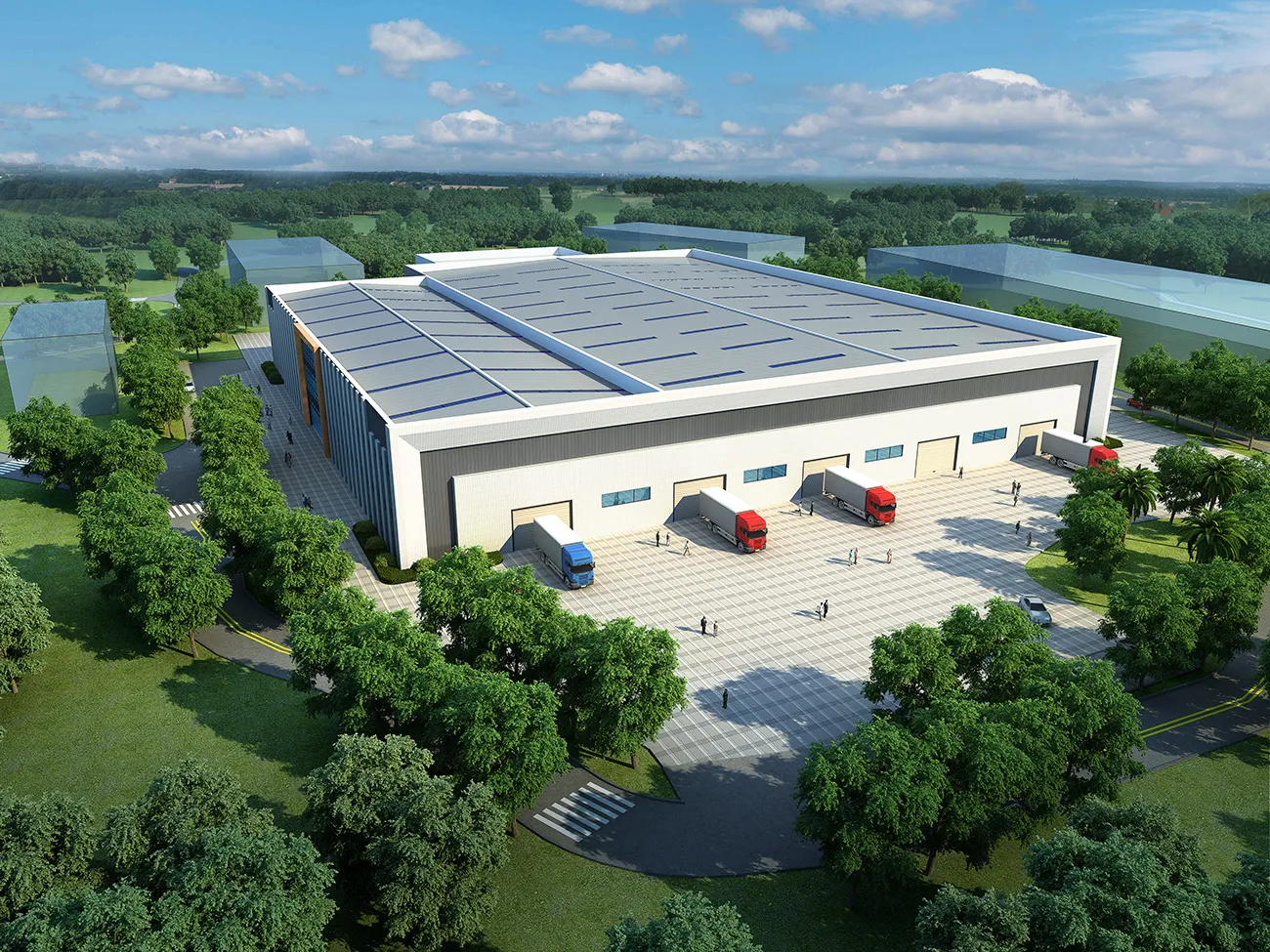
Steel Warehouse Solutions
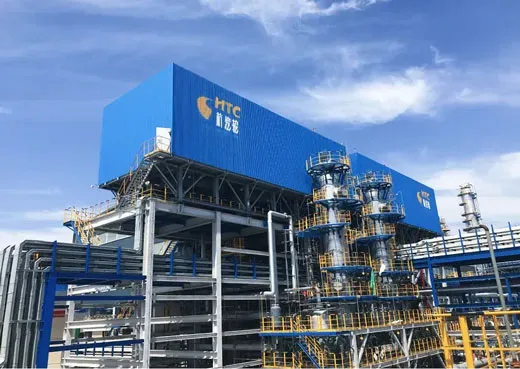
Heavy Steel Structures for Equipment
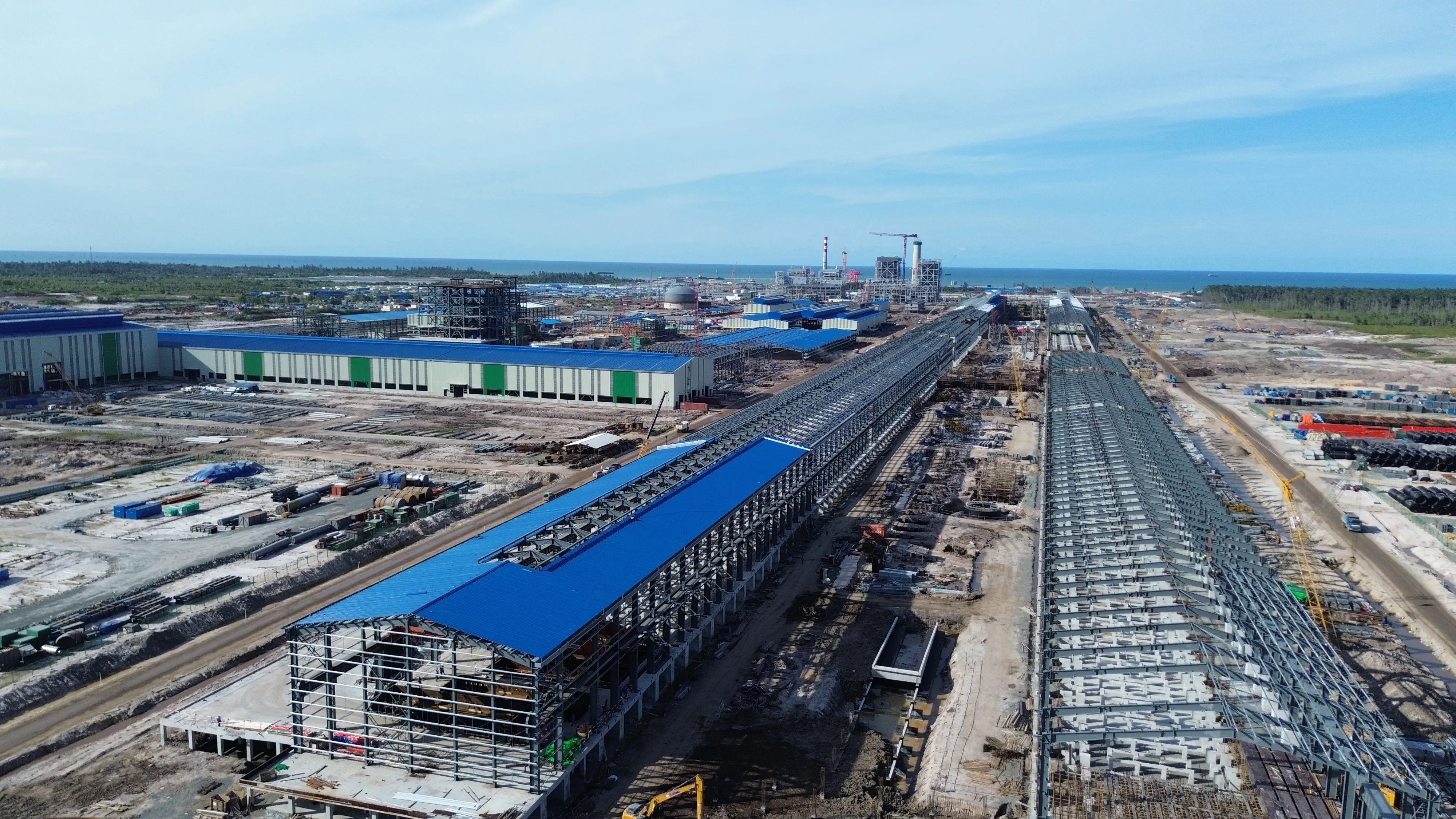
Indonesia North Kalimantan Aluminum Plant Project
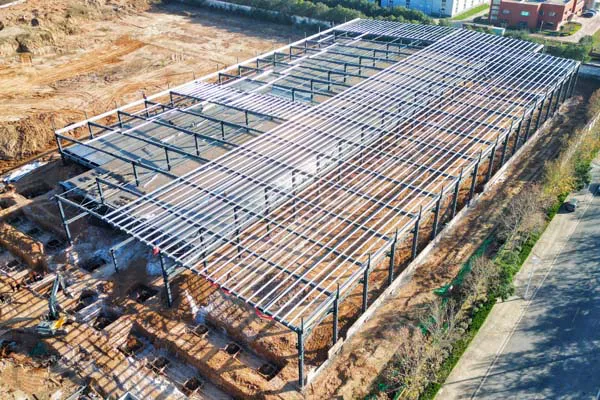
Luoyang Haode Auto Parts Steel Structure Factory Project
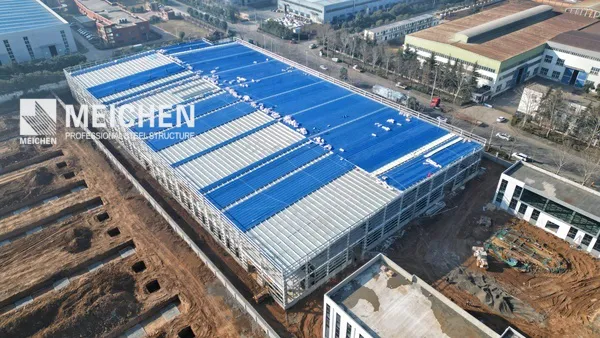
Automated Glass Production Line Steel Structure Factory Building Project
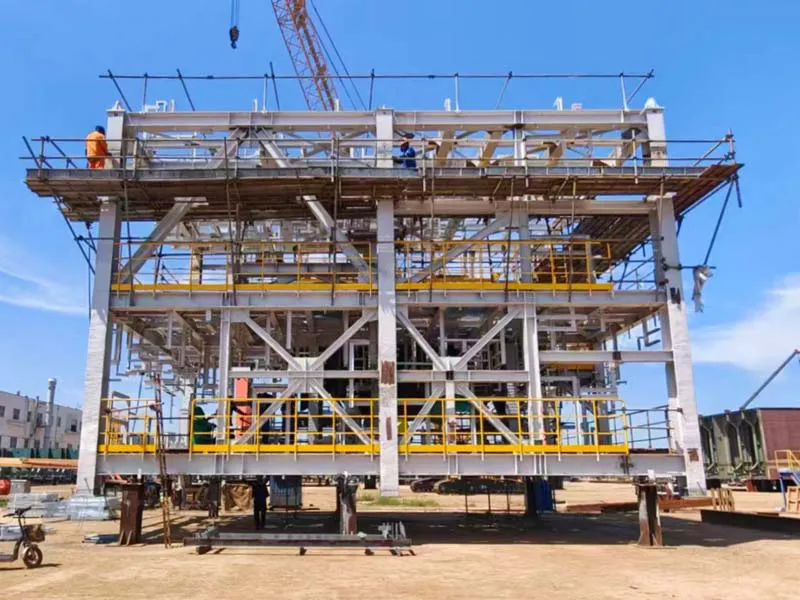
Oil & Gas Modular Steel Structure Fabrication Project
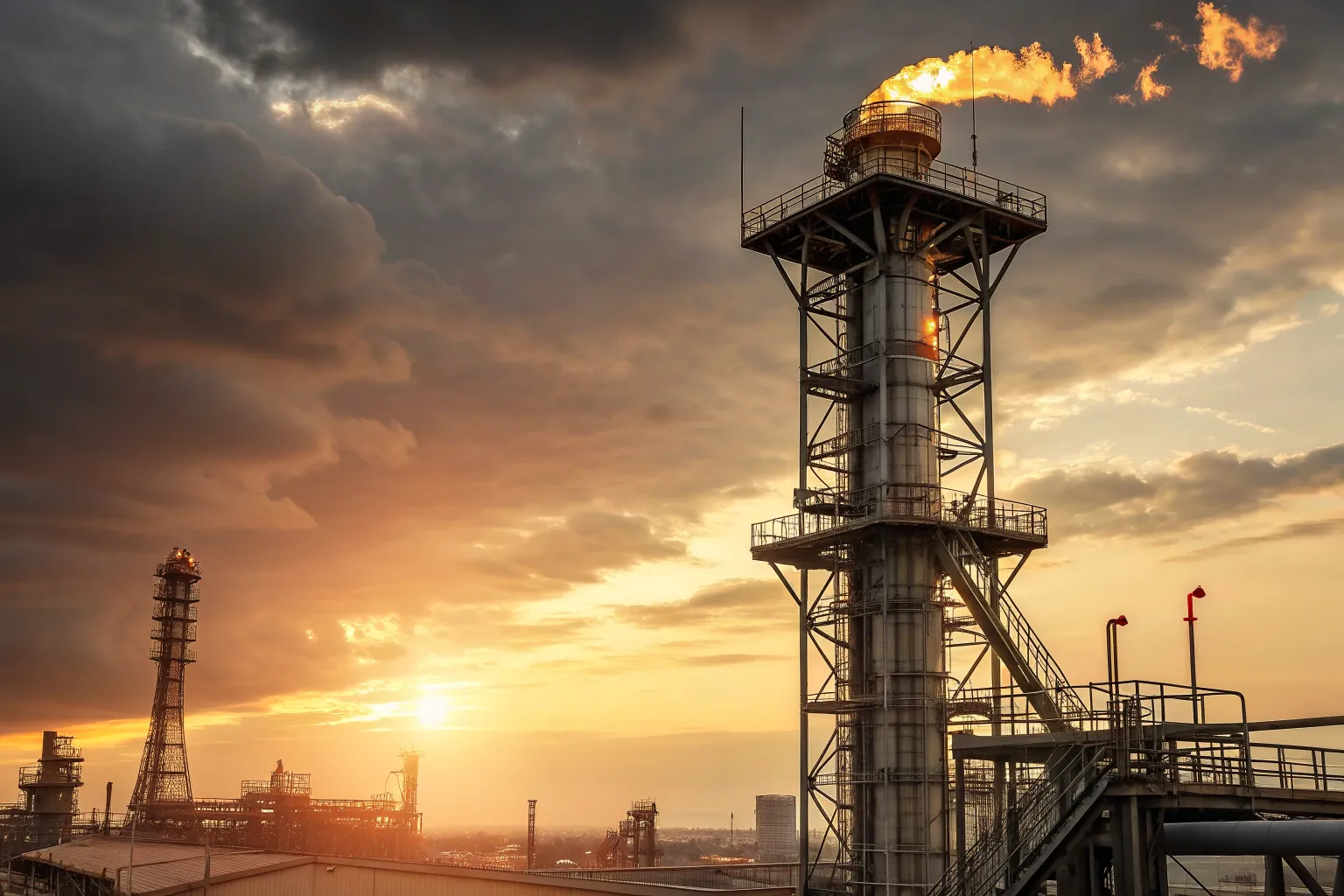
Flare Stack Structure