Time:2026-05-19 07:18:34 Source:Sanjian Meichen Steel Structure
In modern industrial and logistics environments, companies constantly face a common challenge: how to maximize storage capacity without expanding land footprint. A multi-story steel structure warehouse with a mezzanine floor offers a highly efficient and scalable solution to this problem. This type of structure not only optimizes vertical space but also improves operational workflow, making it an increasingly popular choice across manufacturing, e-commerce, and distribution industries.
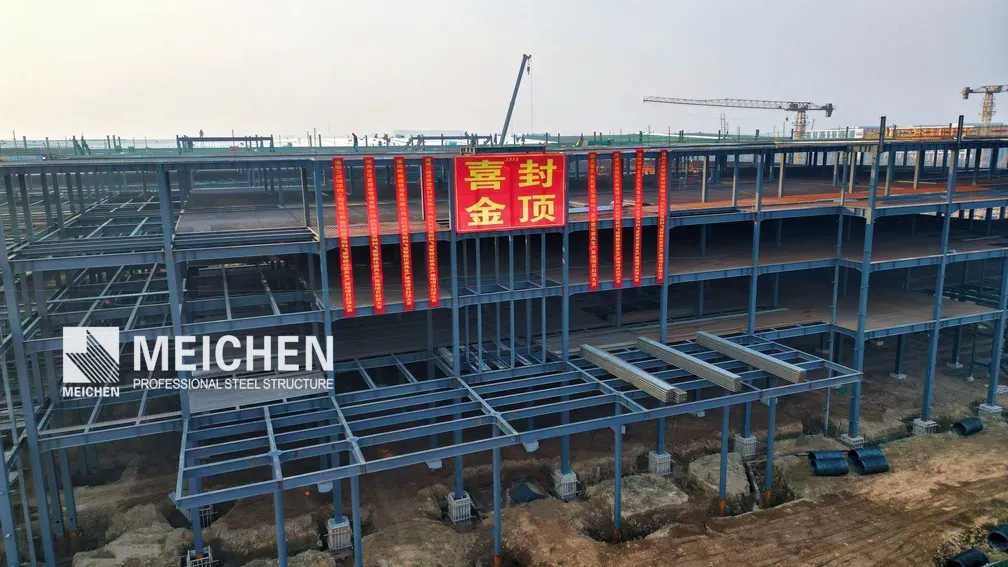
A multi-story steel structure warehouse refers to a building constructed primarily with steel frames, designed to support multiple levels for storage, production, or office use. When a mezzanine floor is integrated, the building gains intermediate levels that sit between main floors. These mezzanine platforms are typically semi-permanent and can be customized according to load requirements and operational needs.
Unlike traditional single-story warehouses, this design enables businesses to fully utilize vertical space. Companies that operate in areas with high land costs or limited expansion opportunities often benefit the most from this approach.
1. Maximized Space Efficiency
A well-designed mezzanine system effectively doubles or even triples usable floor area within the same building footprint. This advantage becomes critical in urban industrial zones where land availability is limited and expensive. By expanding upward rather than outward, businesses can significantly increase storage density without relocating.
2. Flexible Design and Customization
Steel structures allow for a high degree of flexibility in design. Engineers can adjust column spacing, floor heights, and load-bearing capacities to meet specific operational requirements. Whether the warehouse is used for light storage, heavy machinery, or integrated office space, the mezzanine floor can be tailored accordingly.
3. Fast Construction and Installation
Compared to reinforced concrete buildings, steel structure warehouses are quicker to fabricate and install. Most components are prefabricated in factories and assembled on-site, which reduces construction time and minimizes disruptions to business operations. This speed is particularly valuable for companies aiming to scale rapidly.
4. Cost-Effectiveness Over Time
Although the initial investment may vary depending on design complexity, steel structures typically offer lower lifecycle costs. Maintenance requirements are minimal, and modifications can be implemented without major structural changes. Additionally, the ability to expand vertically delays the need for new facilities, saving long-term capital expenditure.
5. Improved Workflow and Zoning
A multi-level warehouse allows businesses to create dedicated zones for different functions. For example, the ground floor can handle heavy goods and loading operations, while mezzanine levels can be used for lighter inventory, packaging, or administrative offices. This separation enhances workflow efficiency and reduces congestion.
When planning a multi-story steel warehouse with a mezzanine floor, several technical and operational factors must be carefully evaluated.
Load Capacity and Structural Integrity
Engineers must calculate both static and dynamic loads to ensure the structure can safely support stored goods, equipment, and personnel. The design should comply with international building standards and local regulations to guarantee long-term stability.
Accessibility and Material Handling
Efficient movement between floors is essential. Common solutions include staircases, freight elevators, conveyors, and pallet lifts. The choice depends on the type of goods handled and the required operational speed. Poor accessibility planning can lead to bottlenecks and reduced productivity.
Fire Safety and Compliance
Fire protection measures should be integrated from the early design stage. These include fire-resistant coatings for steel components, sprinkler systems, smoke detection, and clearly marked evacuation routes. Compliance with safety standards not only protects assets but also ensures business continuity.
Lighting and Ventilation
Adequate lighting and ventilation improve working conditions and operational efficiency. Natural light can be incorporated through skylights or wall panels, while mechanical ventilation systems help maintain air quality, especially in enclosed mezzanine areas.
Future Expansion Potential
One of the biggest advantages of steel structures lies in their adaptability. A forward-thinking design should allow for future expansion, whether by adding more mezzanine levels or extending the building horizontally. Planning for scalability reduces future reconstruction costs.
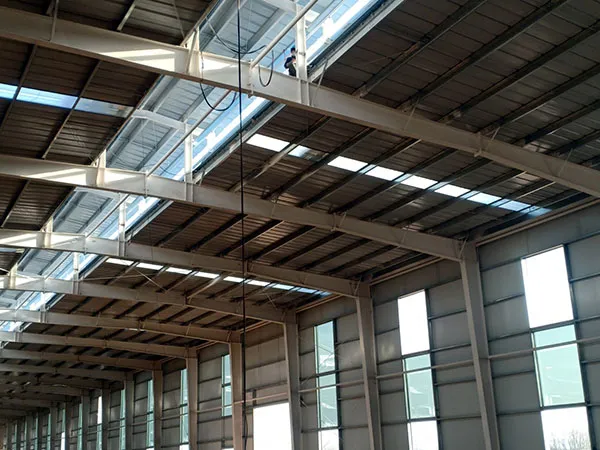
Multi-story steel warehouses with mezzanine floors are widely used in various sectors due to their versatility.
E-commerce and Retail Distribution: Businesses can separate picking, packing, and storage operations across different levels to streamline order fulfillment.
Manufacturing Facilities: Mezzanine floors often serve as assembly lines, inspection areas, or spare parts storage zones.
Logistics and Third-Party Warehousing: Operators can maximize storage capacity while maintaining efficient cargo flow.
Automotive and Machinery Storage: Heavy-duty mezzanine systems can support large components while optimizing floor space.
Selecting an experienced manufacturer or contractor plays a crucial role in the success of your project. A reliable supplier should provide:
Detailed engineering design based on your operational needs
Compliance with international quality and safety standards
Proven experience in similar projects
Transparent communication and after-sales support
It is advisable to review case studies, request technical drawings, and discuss customization options before making a decision.
A multi-story steel structure warehouse with a mezzanine floor is more than just a storage solution. It represents a strategic investment in operational efficiency, scalability, and long-term cost control. Companies that adopt this approach can respond more effectively to growing demand while maintaining flexibility in a competitive market.
If your business is facing space constraints or planning future expansion, this type of warehouse design offers a practical and future-ready solution. By combining smart engineering with thoughtful planning, you can transform limited space into a highly productive asset that supports sustainable growth.
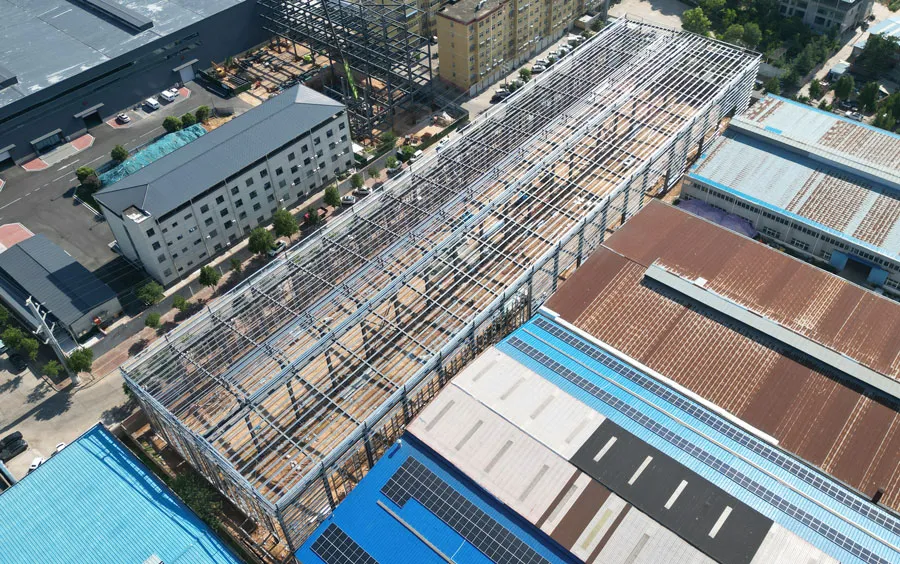
Steel Structure Workshop Solutions
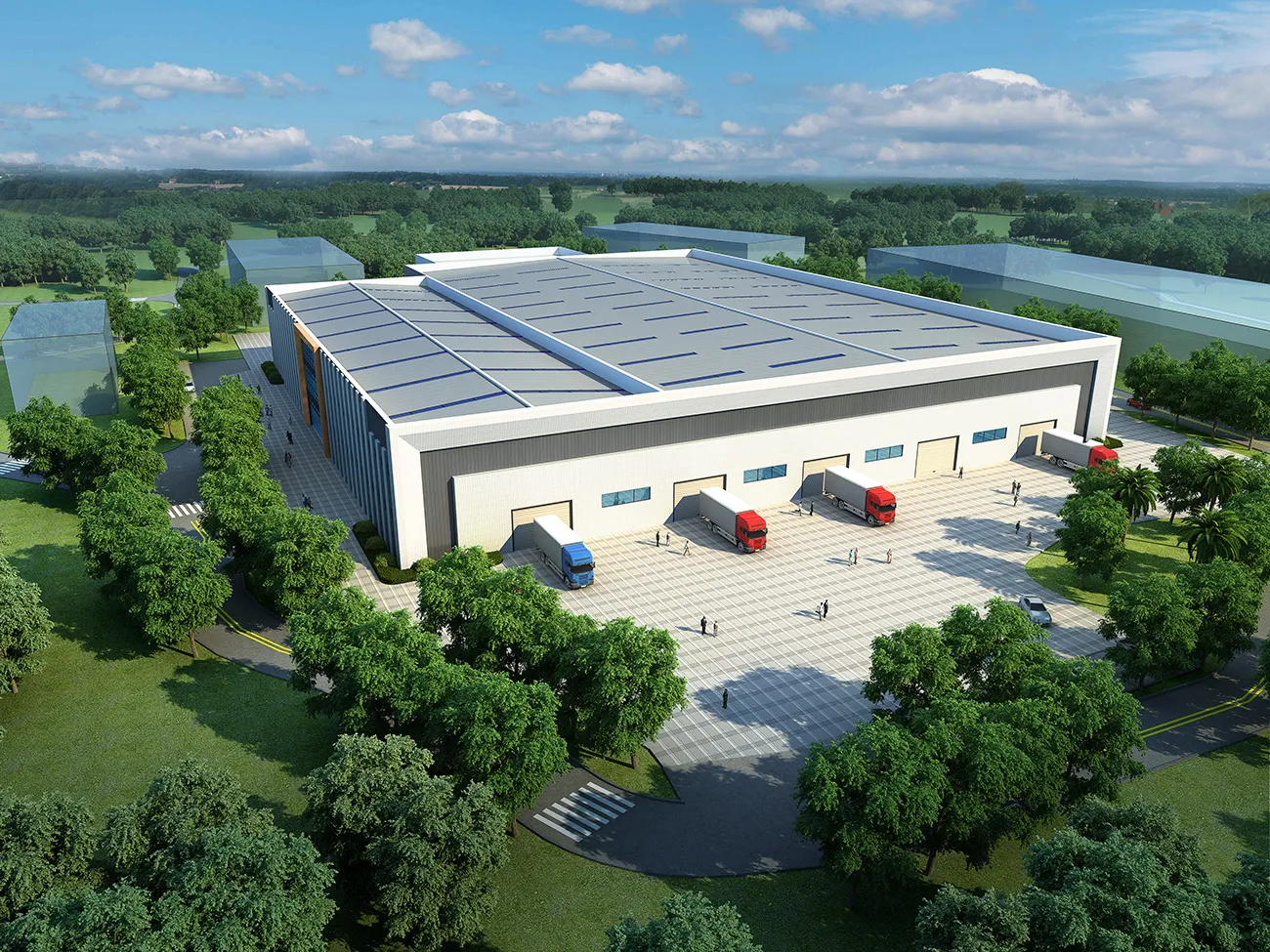
Steel Warehouse Solutions
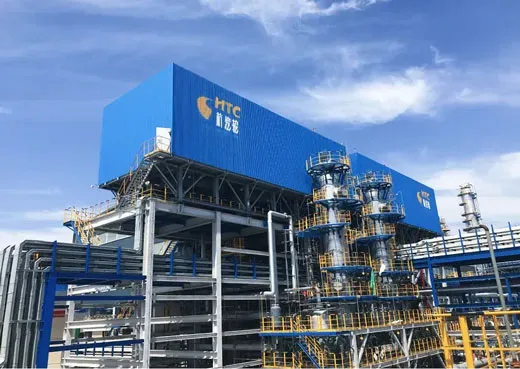
Heavy Steel Structures for Equipment
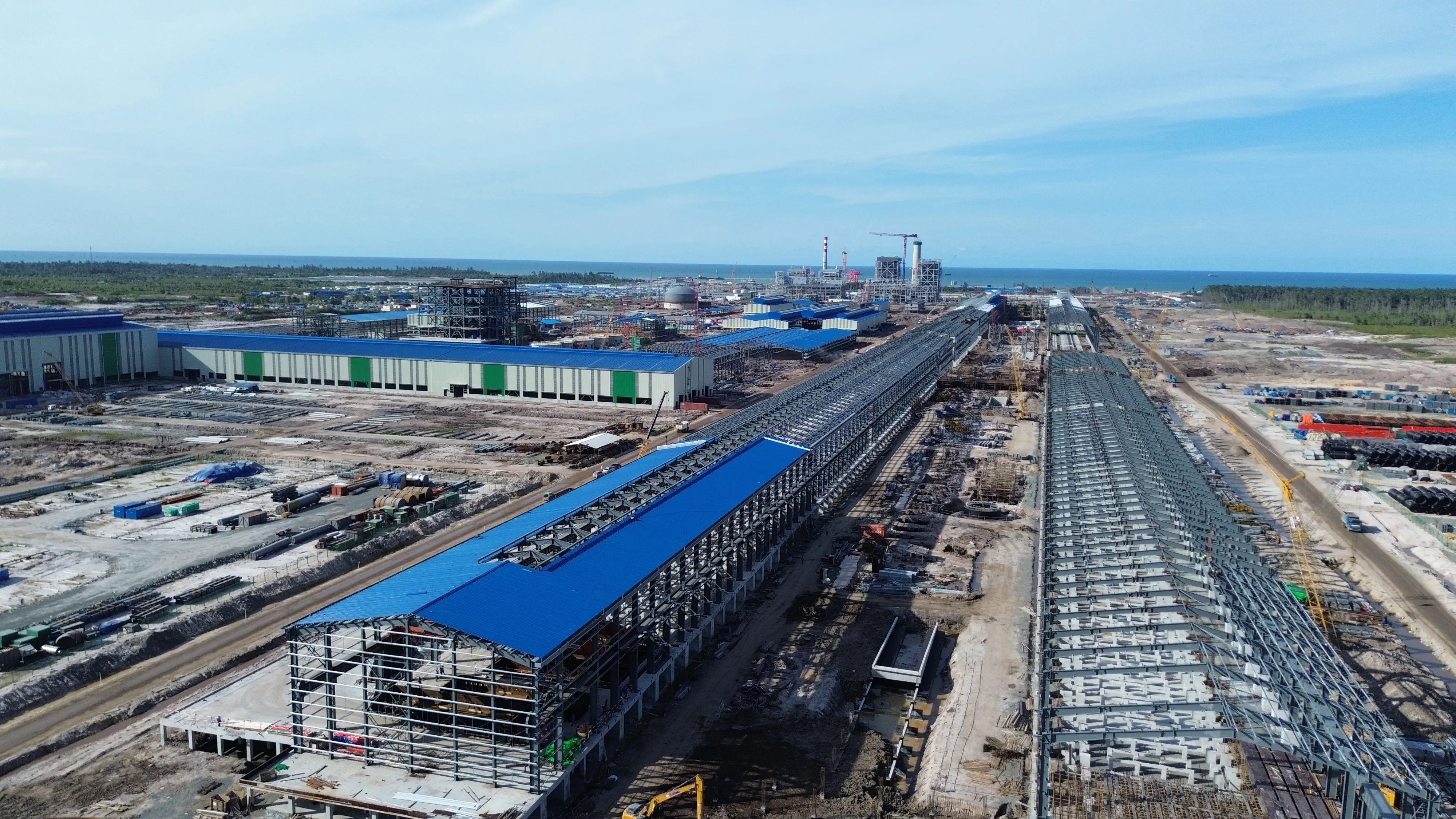
Indonesia North Kalimantan Aluminum Plant Project
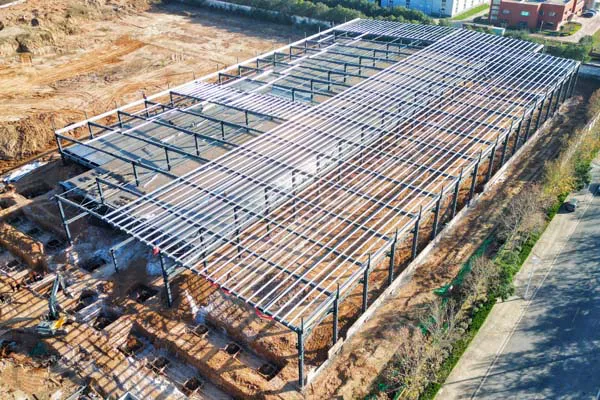
Luoyang Haode Auto Parts Steel Structure Factory Project
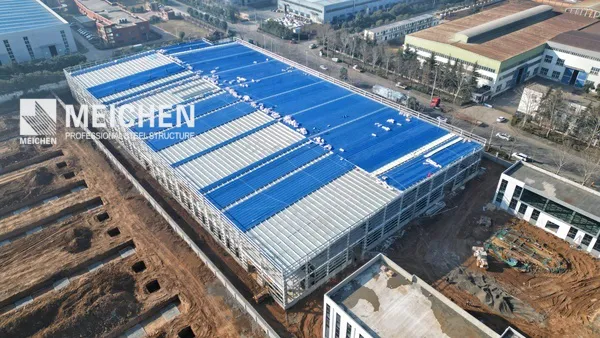
Automated Glass Production Line Steel Structure Factory Building Project
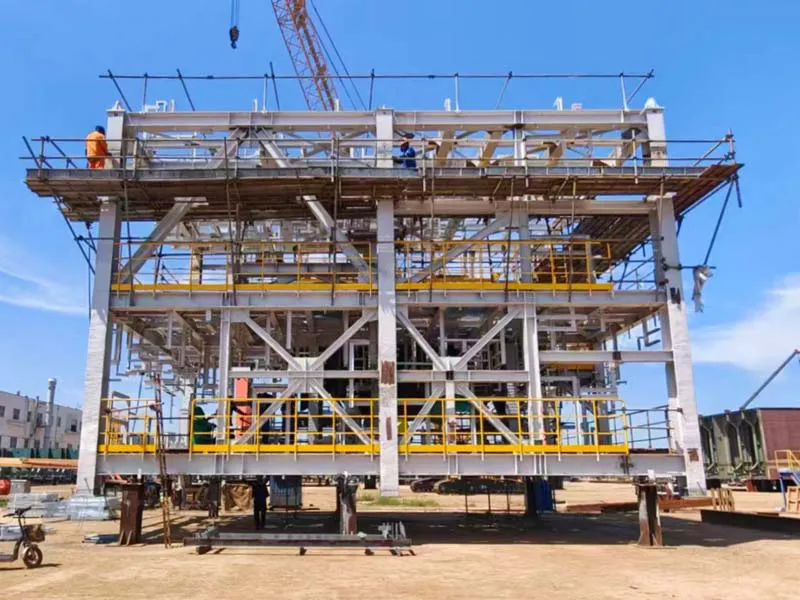
Oil & Gas Modular Steel Structure Fabrication Project

Flare Stack Structure